Perforator flaps move your own skin and fat to repair wounds while sparing muscle. Dr. Leena Jain at The Plastic Surgery Clinic explains.
**Content:** # Perforator Flaps: Moving Your Own Tissue to Heal a Wound Apr 18, 2026 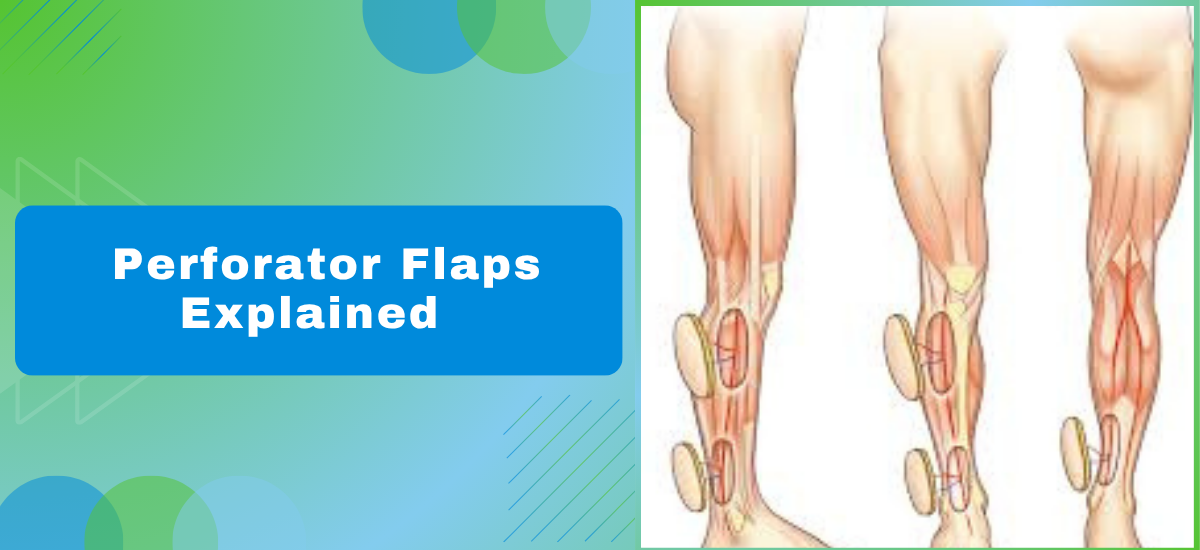 Perforator flaps are a reconstructive technique that moves a patient’s own skin and subcutaneous fat to cover a wound, defect, or area of missing tissue. Unlike older flap methods, they’re designed to spare the underlying muscle and major vessels, which reduces donor site morbidity the complications that occur at the site where tissue is harvested. The flap stays alive because perforators, small specialised blood vessels that pass through muscle or fascial septa from deeper tissue, continue to supply the transferred skin throughout and after the procedure. According to Dr. Leena Jain,[ best plastic surgeon in Borivali](https://theplasticsurgeryclinic.co/), Perforator flaps give us a way to bring healthy, vascularised tissue into wounds where the local bed has already failed and that’s often what turns a non-healing case into a successful reconstruction. ## **What Makes Perforator Flaps Different from Skin Grafts or Older Flap Techniques?** Skin grafts depend on the wound bed to supply them with blood, which fails when that bed is already compromised, and that’s precisely the gap perforator flaps fill. - **Blood supply:** The flap is raised around a perforating vessel that threads up through muscle to feed the overlying skin, so transferred tissue arrives with circulation already working rather than waiting on the wound bed to nourish it from below. - **Muscle sparing:** Older myocutaneous flaps took skin and the full underlying muscle together, but perforator technique dissects only the vessel and the skin paddle, leaving muscle intact and cutting post-operative pain considerably at the donor site. - **Contouring ability:** Because the flap can be thinned and shaped before inset, it fits the exact geometry of a defect without adding excess bulk something that matters a lot on the foot, hand, or face where stiffness or volume causes real functional problems. - **No foreign material:** The tissue is yours, so immune rejection isn’t a factor, and the body integrates the flap far more predictably than it does with synthetic mesh or cadaveric grafts placed over a compromised bed. Chest wall defects after cancer resection are one area where perforator-based reconstruction consistently changes outcomes a[ breast surgery](https://theplasticsurgeryclinic.co/services/breast-surgery-in-mumbai/) review can confirm whether this approach fits your defect. ## **How Does the Surgeon Actually Plan and Perform a Perforator Flap?** Planning starts before the patient reaches theatre, and the preoperative mapping stage is honestly where most of the outcome is decided. - **Vessel mapping:** A CT angiogram or handheld Doppler locates the perforating vessels at the donor site before surgery, confirming which ones are wide enough and well-positioned to reliably support the planned skin paddle without putting surrounding tissue at risk. - **Flap design:** The skin paddle is marked directly over the mapped perforator with a calculated safety margin, and for any[ plastic surgeon in Bandra](https://theplasticsurgeryclinic.co/blogs/will-my-nail-grow-back-after-being-ripped-off/) handling complex lower limb wounds, the anterolateral thigh stays the most frequently harvested donor site because of its reliable anatomy and low morbidity profile. - **Microsurgical join:** In free flap cases the pedicle vessels are divided and reconnected to recipient vessels near the wound under an operating microscope, using sutures finer than a human hair to join vessels that are sometimes under two millimetres wide. It’s painstaking work. - **Post-op checks:** Flap perfusion is assessed every hour for the first 48 hours after surgery because venous congestion or early arterial compromise, caught quickly, can usually be reversed before the flap is lost entirely. The[ best plastic surgeon in Bandra](https://theplasticsurgeryclinic.co/blogs/will-my-nail-grow-back-after-being-ripped-off/) blog covers more on how wound complexity affects surgical decision-making in reconstructive cases. ## **Why Choose The Plastic Surgery Clinic?** [Dr. Leena Jain](https://theplasticsurgeryclinic.co/about/) brings 7+ years in plastic and reconstructive microsurgery, with direct experience in perforator flap design, free tissue transfer, diabetic foot salvage, and post-trauma limb reconstruction including cases referred after failure at other centres. She trained under internationally recognised microsurgeons, and that technical foundation is visible in how she approaches high-stakes, complex reconstructions. What patients consistently mention is that they knew exactly what was happening before they went into theatre. Not a vague overview the specific flap chosen, the donor site rationale, the monitoring protocol post-op. That level of detail is uncommon, and it makes a real difference to how patients move through recovery. Wound not responding to dressings or grafts despite months of treatment? [Book Appointment](https://theplasticsurgeryclinic.co/contact/) ## FAQs ##### What is a perforator flap in simple terms? Skin and fat moved from one body area to repair a wound, kept alive by its own blood vessel throughout. ##### How long does perforator flap surgery take? Between four and eight hours depending on flap complexity and whether microsurgical vessel connection is needed. ##### Is the donor site left with a large scar? A linear scar remains but muscle is preserved, so long-term donor site problems are far less than older techniques caused. ##### When can a patient move or walk after this surgery? Gentle mobilisation typically starts within two to three days, with full activity depending on wound location. **References** **–** 1. Perforator Flap Anatomy and Classification —[ National Center for Biotechnology Information](https://www.ncbi.nlm.nih.gov/pmc/articles/PMC4236969/) 2\. Free Flap Microsurgery Outcomes —[ PubMed, National Library of Medicine](https://pubmed.ncbi.nlm.nih.gov/) **Categories:** Blog --- ### [Understanding Neck Contracture: Causes, Symptoms, and Treatment Options](https://theplasticsurgeryclinic.co/blogs/blogs-understanding-neck-contracture-causes-symptoms-and-treatment-options/) **Published:** March 21, 2023 **Author:** Dr. Leena Jain **Content:** # Understanding Neck Contracture: Causes, Symptoms, and Treatment Options Mar 21, 2023  Neck contracture is a disorder where the neck scars and underlying tissues like skin and fascia contract and become tight. Such a condition may give rise to reduced neck mobility and possible discomfort or neck pain. Unsightly thick scars cause itching and pain. Neck extension is grossly restricted with effacement of cervicomental angle. Angles of the mouth get pulled down due to scar pull with lower gums being visible. Drooling of saliva occurs with ebersioyof lower lip. Neck contracture can be an extremely distressing and emotionally taxing condition that significantly affects the patient’s quality of life. The neck’s stiffness, discomfort, and restricted movement range can turn even the most basic actions exceptionally difficult. This includes simple movements like turning your head to address someone or look at your surroundings. Does neck Contracture and burns scars make moving your head difficult? Please visit the well-known [plastic surgeon in Bandra, Mumbai](https://theplasticsurgeryclinic.co/), Dr. Leena Jain, for a safe and effective solution. In this blog, we will understand the causes, symptoms,and the journey from diagnosis to recovery. ## The importance of understanding neck contracture Having an understanding of the symptoms of neck contracture can help people seek early diagnosis. This in turn may lead to more efficient treatment and better outcomes. As a result of this, their capacity to work and participate in physical activities can all be improved. Also, being aware of the various treatment choices can assist people in making educated decisions regarding their care and selecting the best course of action. **Let us start by knowing the various causes of neck contracture.** ## Neck Contracture – Common causes and risk factors The numerous contributing factors and risk factors for neck contracture include: - **Injury:** Traumatic neck injuries, like those sustained in car accidents, burns, or falls, can lead to neck contracture. - **Surgery:** Neck or cervical spine surgery can lead to neck contracture, especially if scars become hypertrophic. - **Genetics:** Some individuals may have a congenital scar band in the neck. “The most common cause of neck contracture is burns: scalding, flame burns and chemical burns”, says [trauma surgeon ](https://theplasticsurgeryclinic.co/services/plastic-surgery-and-trauma-treatment-in-mumbai/)Dr. Leena Jain. “Most of my patients who are affected by contractures in their neck come in for post burn neck contracture treatment.” ## Symptoms of neck contracture **The adverse effects of neck contracture include:** - Stiffness in the neck which makes it difficult to turn your neck and head in different directions - Difficulty in neck extension - Mild to severe neck pain or discomfort in your neck, shoulders, arms and upper back along with itching. - Limited range of motion in the neck making it challenging to turn your head sideways,and up and down - Muscle weakness in the neck and shoulders makes them less flexible - Drooling of saliva - Eversion of lower lip and lower gingiva exposure These symptoms may vary from mild to agonizing based on the severity of the condition. Three grades are used to categorize the severity of a neck contracture: 1. **Mild to moderate:** This has a smooth cervicomental angle where the neck extension is restricted, but the distance between the sternal manubrium angle and chin is normal 1. **Severe:** This has mouth cervicomental angle where the distance between the chin and manubrium is shorter 1. **Fused:** In this condition, the distance between the chin and manubrium is obliterated, meaning the chin is fused with manubrium. Highly-skilled plastic surgeon, Dr. Leena Jain observes, “It is not just the physical discomfort and pain that the patient has to endure. The limitations presented by a neck contracture also impact the individual’s emotional well-being and lower their self esteem” ## Neck contracture – Diagnosis **The diagnosis of neck contracture can include:** - Review of the patients medical history - Physical examination to assess the neck’s ROM (range of motion), scars elsewhere and availability of healthy skin for grafts or Flaps. - Investigations are required to assess patient’s fitness for surgery. [Limb reconstruction ](https://theplasticsurgeryclinic.co/services/limb-reconstruction-surgery-in-mumbai/)specialist, Dr. Leena Jain adds, “The treatment for [post-burn neck contractures](https://theplasticsurgeryclinic.co/blogs/neck-contracture-post-burns-causes-treatment-and-prevention/) is neck contracture release and then reconstructing the area with skin grafts, axial pattern flaps, microvascular free flaps, perforator propeller flaps, prefabrications, tissue expansion and skin substitutes ## Neck contractures treatment – Neck contracture release A surgical intervention known as neck contracture release is employed to treat neck contractures, which develop as a result of scar tissue from burns, trauma, or prior surgery. It may be followed by the reconstruction process. 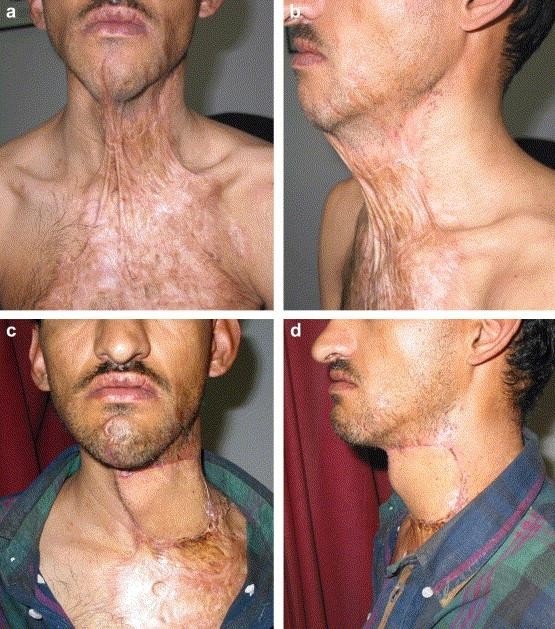## The steps involved include: **Anesthesia:** General anesthesia is administered to the patient while the surgical team sets up the surgical room, tools and instruments. **Incision:** The surgeon creates an incision along the neck’s constricted region. The severity and extent of the contracture determine the size and placement of the incision. **Scar tissue removal:** Next the surgeon carefully excises the scar tissue releasing all tight bands completely. This is an elaborate procedure requiring extreme precision to prevent injury to surrounding tissueslike muscles, blood arteries, or nerves. **Reconstruction:** Once the scar tissues are removed, the surgeon will start the reconstruction process. After each process, the surgeon staples or sutures the area, and then bandages it. **The reconstruction process may include –** - **Skin grafting:** The surgeon removes skin, typically from the abdomenor thigh, and places it carefully on skin, typically from the abdomen or thigh, and places it carefully on the surgical area. It is then secured with staples or sutures and then bandaged. - **Axial pattern flaps:** The surgeon carefully extracts a flap of tissue that has a good blood supply without damaging the blood vessels. After mobilizing the flap, the surgeon carefully sutures the surrounding after ensuring that the flap receives proper blood supply. - **Microvascular free flaps:** The surgeon carefully dissects a flap of tissue with a good blood supply along with the blood vessels. The flap is then connected to the blood vessels in the surgical area with the help of microsurgical techniques - **Perforator propeller flaps:** After identifying a perforator vessel that supplies skin in the area surrounding the surgical site, the surgeon carefully removes a flap of tissue supplied by the vessel. Once the flap is mobilized, the surgeon rotates it around the vessel and covers the surgical site. - **Prefabrication:** After identifying a donor site with adequate tissue to cover the surgical site and sufficient blood vessels to supply the tissue, the surgeon carefully secures the tissue to the surgical area by connecting the blood vessels to the vessels in the neck. Over time, the tissue matures and develops a new blood supply. Then, the surgeon conducts another surgery to reshape it so it fits better on the neck to get a refined result. - **Tissue expansion:** After placing a tissue expander under the skin close to the surgical site, the surgeon fills it with saline solution over a period of time, slowing the stretching the skin. After the skin has stretched enough, the tissue expander is replaced with a permanent implant or the patient’s tissue. - **Skin substitutes:** A skin substitute (cultured skin substitute or a synthetic skin substitute) is applied to the surgical area and secured with staples or sutures. Over time, the skin substitute matures and develops a new blood supply. ## Conclusion [Neck contracture ](https://www.cureus.com/articles/49722-supraclavicular-flap-for-severe-post-burn-neck-contracture-in-children%23!/)patients may feel confined in a body that is no longer capable of performing its former functions freely. Daily tasks that we normally take for granted might be difficult for people living with this condition. However, despitethe enormous frustration and sense of powerlessness that this condition brings, there is hope. It is possible to increase the range of motion and lessen the pain with the appropriate care and assistance. The right treatment can enable people with neck contracture to reclaim some of their flexibility and independence and enhance their overall life quality. If you or a loved one need advice and treatment on neck contracture, please reach out to the highly qualified reconstructive microsurgeon, Dr. Leena Jain for reliable treatment options. ### Submit a Comment Your email address will not be published. Required fields are marked \* Comment \* Name Email Website **Categories:** Blog --- ### [NECK CONTRACTURE: GRAFT OR FLAP](https://theplasticsurgeryclinic.co/blogs/neck-contracture-graft-or-flap/) **Published:** March 17, 2024 **Author:** Dr. Leena Jain **Content:** # NECK CONTRACTURE: GRAFT OR FLAP Mar 17, 2024 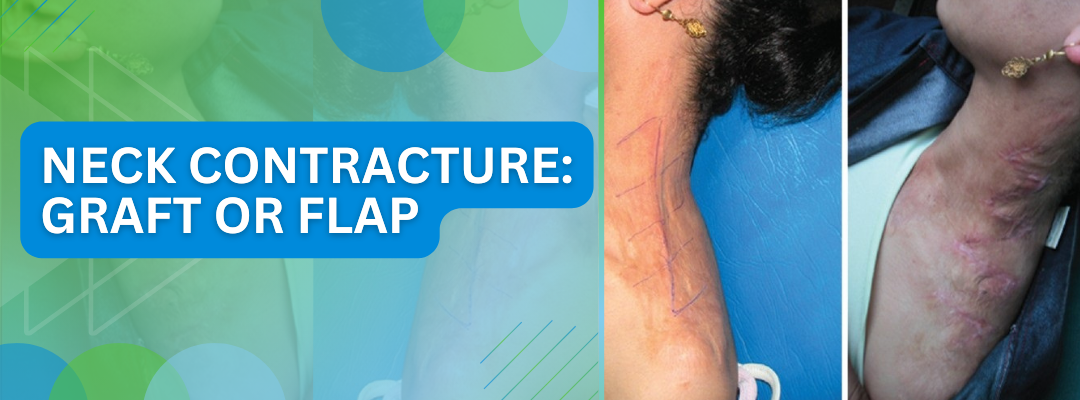 When facing the challenge of neck contractures, patients and their healthcare providers are often confronted with a critical decision: choosing between a graft and a flap for the most effective treatment. This choice is not merely a matter of surgical preference, but a complex consideration of the patient’s specific condition, expected recovery and long-term outcomes. Through this article, we will ensure that you are well-informed about the differences, benefits, and potential risks associated with grafts and flaps in the treatment of neck contractures. Dr. Leena Jain is a top[ plastic surgeon in Mumbai,](https://theplasticsurgeryclinic.co/) known for her expert care in treating neck contractures. She uses the latest techniques to get the best results for her patients. Dr. Jain’s approach is all about personal care and using innovative methods with a strong surgical base. She is highly respected for changing her patients’ lives, not just their looks, by improving their confidence and function. **Do not let neck contractures hold you back. Learn more about graft, flap techniques with Dr. Jain, and reclaim your mobility and confidence.** [Consult now!](https://theplasticsurgeryclinic.co/contact/) ***Neck Contractures troubling you? No worries, we got you to learn more about how to cure it!*** ## [UNDERSTANDING NECK CONTRACTURES](https://theplasticsurgeryclinic.co/blogs/blogs-understanding-neck-contracture-causes-symptoms-and-treatment-options/) Neck contractures refer to the tightening of skin and underlying tissues in the neck, often resulting from burns, trauma, or surgical procedures. This condition can significantly affect neck movement, appearance, and overall quality of life. The primary goal of treatment is to restore functionality and aesthetics through various surgical interventions. ### **Graft Techniques for Neck Contractures** [Skin grafting](https://theplasticsurgeryclinic.co/blogs/skin-grafting/) involves transferring skin from one part of the body to another. It’s a preferred method for covering large areas of deficit with relatively straightforward procedures. Grafts can be split-thickness, taking just a few layers of skin, or full-thickness, involving all layers of skin, for a better aesthetic match. The graft process is generally quicker and has a shorter initial healing time. ### **Flap Techniques for Neck Contractures** Flap surgery, on the other hand, entails the transfer of skin, along with its underlying fat and blood vessels, from a donor site to the affected area. This method is particularly beneficial for deep or extensive contractures requiring not just the skin but also the restoration of contour and tissue volume. Flaps can be local, regional, or distant, depending on the location of the donor site relative to the contracture and tissue requirements. ***Still confusing what to choose between graft and flap? Read further and make the right choice for yourself.*** ## **GRAFT OR FLAP, WHICH IS BETTER?** **Aspect** **GRAFT** **FLAP** **Pros** Less invasive, quicker recovery Restores contours, better for deep recurrent contractures Good colour match No recurrences Like with like match **Cons** Risk of graft failure Recurrence of contracture Colour mismatch No like with like match More complex procedure and more surgical time Second surgery to thin flaps **Benefits** Covers large areas quickly Aesthetically more superior Functionally much better with no recurrences. **Healing Time** 2-3 weeks 2-3 weeks **Risks Associated** Infection, graft failure Flap failure-partial or complete, Secondary surgeries to thin flaps **Make an informed decision about your health. Find out if a graft or flap is the best choice for you.** [Schedule your appointment!](https://theplasticsurgeryclinic.co/contact/) ## **What to Expect After Graft and Flap Technique for Neck Contractures Respectively?** **After a Graft: - **Healing Time:** Both the donor and recipient sites will undergo a healing process. The initial healing phase typically lasts 2-3 weeks, with remodelling taking over a few months. - **Scarring:** Some scarring at both sites is expected. Grafts contract with time, hence neck contractures can recur. Grafts look darker than normal neck skin. - **Post-Operative Care:** Essential to ensure the graft adheres well. This includes regular dressing changes, wearing a neck collar to maintain dimensions of graft and limit their contraction. Moisturisers are required for 3 months to improve their pliability. - **Activity Limitations:** Patients may need to limit physical activities to prevent stretching or injuring the graft site until it has fully healed. **After a Flap Technique: - **Recovery:** usually same time frame as a graft-2-3 weeks.Scar modulation continues for a year. - **Intensive Flap Care:** Requires more detailed flap care and monitoring to ensure proper healing of both the donor and recipient sites. - **Durable Results:** Flap surgeries generally offer more durable and aesthetically pleasing results, particularly in texture and color matching to the surrounding skin. Long standing results with no recurrences. - **Follow-Up Visits:** More frequent follow-up visits may be necessary to monitor the healing process and address any complications early. Both procedures require a commitment to post-operative care and follow-ups with the healthcare provider to ensure the best outcomes. **Curious about your treatment options? Connect with our experts and discover the best path tailored for you.** [Contact us!](https://theplasticsurgeryclinic.co/contact/) ## **CONSIDERATION FOR TREATMENT SELECTION** - Extent of Contracture: The size and depth of the [neck contracture](https://theplasticsurgeryclinic.co/blogs/neck-contracture-post-burns-causes-treatment-and-prevention/) play a crucial role in deciding whether a graft or flap is more suitable. - Patient Health: Overall health, including the ability to undergo surgery and heal properly, must be considered to ensure the best outcomes. - Desired Outcomes: What the patient hopes to achieve aesthetically and functionally post-surgery is vital in guiding the choice of procedure. - Scar Potential: The likelihood and acceptability of scarring can influence the decision, as different techniques may leave different scar patterns. - Consultation with Specialists: Dr. Leena Jain highlights the importance of consulting with an experienced Plastic Surgeon, to evaluate these factors thoroughly. This discussion ensures that the chosen method aligns with the patient’s specific needs and goals. ## **WHICH PROCEDURE IS RIGHT FOR YOU?** - Choose a Graft When: - The contracture covers a large, superficial area and there is enough healthy skin available for donation. - You are looking for a quicker recovery period and can accommodate the possibility of less precise aesthetic matching. - Opt for a Flap If: - The contracture is deep, affecting underlying structures, or there’s a significant volume loss that needs restoration. - You first try to attain the most natural looking results by matching texture and color. Then, you are willing to endure more pain to get those results. - Consider Your Priorities: - Assess your readiness to handle a potentially extended recovery time for the sake of achieving superior aesthetic results with flap surgery. - Balance your decision by comparing functional and cosmetic benefits, and practical aspects of each procedure’s recovery and aftercare. ## **CONCLUSION** The decision between a graft and a flap for treating neck contractures depends on various individual factors. Consultation with an experienced Plastic Surgeon in Mumbai like Dr. Leena Jain can provide personalized advice, ensuring the chosen method aligns with your health needs and aesthetic goals. **Say goodbye to the limitations of neck contractures. Engage with experts for guidance that can restore your confidence and function.** [Book your Consultation!](https://theplasticsurgeryclinic.co/contact/) ## **FAQs** 1. How long do the results of grafts and flaps for neck contractures typically last? The durability of results varies, but both grafts and flaps can offer long-term solutions, with proper care and follow-up. - What can I expect in terms of scarring and cosmetic appearance after receiving a graft or flap? Scarring is inevitable, but strategic placement and expert technique can minimize its appearance. Flaps tend to offer a better match in terms of texture and color. - Does skin grow back after skin graft? Skin does not “grow back” at the donor site of a full-thickness graft; however, split-thickness graft donor sites can heal and regenerate to some extent. - Is flap surgery painful? All surgeries involve some degree of discomfort. However, pain management techniques post-surgery can effectively control pain during the recovery phase. **Categories:** Blog --- ### [Signs Your Achilles Tendon Is About to Rupture](https://theplasticsurgeryclinic.co/blogs/signs-your-achilles-tendon-is-about-to-rupture/) **Published:** June 30, 2026 **Author:** Dr. Leena Jain **Content:** # Signs Your Achilles Tendon Is About to Rupture Jun 30, 2026  The Achilles tendon connects your calf muscles to your heel bone and powers every step, jump, and push-off. When it is overloaded or already weakened, it can give warning signals before it tears completely. Recognising these early signs can prevent a sudden, painful rupture that often needs surgery. A rupture does not always announce itself loudly. Sometimes the only clue is a tendon that no longer feels reliable. Knowing what to look for helps you respond before a small problem becomes a complete tear. The cost of ignoring these signs is high. A complete Achilles rupture can keep you off your feet for months and often needs surgery followed by long rehabilitation. Spotting the trouble early, while the tendon is only strained or partially damaged, gives you far better options and a quicker recovery. Dr. Leena Jain, a leading [plastic surgeon in Mumbai](https://theplasticsurgeryclinic.co/), shares, “An Achilles tendon rarely ruptures without warning. Pain, swelling, and weakness in the back of the heel are signals patients often ignore. Catching these early can be the difference between simple rehabilitation and major surgery.” ***Your heel has been aching for weeks. Is it just soreness or is your tendon about to give way?*** ## **Why Does the Achilles Tendon Rupture?** The Achilles is the largest, strongest tendon in the body, yet it has a relatively poor blood supply a few centimetres above the heel. That zone is where most ruptures happen. Repeated strain, sudden force, or gradual wear can push an already weakened tendon past its limit. Tendons that are overused rarely fail all at once. Tiny tears build up, the fibres weaken, and one forceful movement finishes the job. This is why warning signs usually appear before the tendon snaps. The classic moment of rupture is sudden and forceful — a sprint, a jump, or a quick change of direction. Sports like badminton, tennis, cricket, and football are common triggers, particularly in people who train hard occasionally rather than regularly. The tendon simply cannot absorb the explosive load demanded of it. Age and lifestyle matter too. As we get older, tendons lose some of their elasticity and blood flow, making them more brittle. A long break from activity followed by an intense session is one of the riskiest patterns of all, which is why weekend athletes are so often affected. Damage can range from minor inflammation to a partial tear that needs review by a [tendon repair](https://theplasticsurgeryclinic.co/services/tendon-repair-surgery-doctor-in-mumbai/) specialist. Noticing heel pain, stiffness, or weakness that won’t settle? Get expert assessment before a strained Achilles tendon turns into a full rupture. [Book An Appointment ](https://theplasticsurgeryclinic.co/contact/) ***So what exactly does a tendon in trouble feel like — and how do you know when it’s serious?*** ## **Early Warning Signs You Should Not Ignore** Most people who rupture their Achilles look back and realise the tendon had been complaining for a while. These are the signals that suggest it may be close to failing. ### **Persistent Pain at the Back of the Heel** A dull ache or sharp pain a few centimetres above the heel, especially in the morning or after activity, is a classic early sign. It may ease with movement but returns afterwards. Pain that lingers for weeks points to a tendon under real strain. Many patients describe it as a deep soreness that they keep working through which is exactly what allows the damage to build. ### **Stiffness and Tightness in the Tendon** A tendon that feels tight, stiff, or thickened, particularly first thing in the day, suggests chronic irritation. You may feel a lump or a tender, swollen patch along the tendon. This is a sign the tissue is struggling to repair itself and the damage is accumulating beneath the surface. ### **Weakness When Pushing Off** Difficulty rising onto your toes, climbing stairs, or pushing off while walking signals weakening fibres. The leg may feel like it lacks power. A noticeable drop in calf strength is a warning the tendon can no longer take normal load. You might also start favouring the other leg without realising it, which then strains nearby muscles and joints. ### **A Cracking or Snapping Sensation** Some people feel small clicks, crackling, or a giving-way sensation during movement just before a rupture. If you ever feel a sudden snap as if kicked in the back of the leg, treat it as an emergency. Severe cases involving surrounding soft tissue may also need [limb reconstruction](https://theplasticsurgeryclinic.co/services/limb-reconstruction-surgery-in-mumbai/) to restore full lower limb function. If any of these signs describe what you are currently experiencing, do not wait for things to worsen. Seek specialist evaluation now. [Dr. Leena Jain](https://theplasticsurgeryclinic.co/about/) adds, “The patients who avoid surgery are almost always those who came in when pain and stiffness were their only symptoms. Once the tendon snaps, the treatment path becomes significantly more complex and recovery far longer.” Unsure whether your heel pain is harmless or a tendon at risk? Consult Dr. Leena Jain, an experienced plastic surgeon in Mumbai, for a proper evaluation. [Book An Appointment ](https://theplasticsurgeryclinic.co/contact/) ***Not sure which of these signs apply to you — or what your risk level actually is?*** ## **What Raises Your Risk of Rupture?** 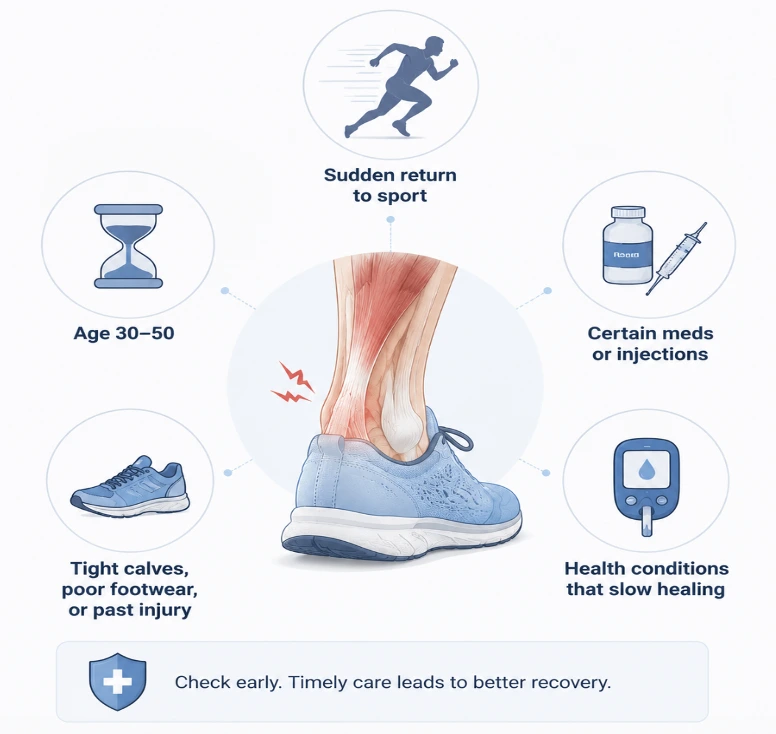 Certain factors make the Achilles tendon far more likely to give way. Knowing them helps you stay alert if any apply to you. - Sudden return to sport after time off, especially running or jumping - Age between 30 and 50, when tendon elasticity starts to decline - Certain antibiotics and steroid injections that weaken tendon tissue - Tight calf muscles, poor footwear, or a previous Achilles injury - Conditions affecting healing, such as diabetes If a tendon does tear, prompt surgical assessment matters. Complex injuries occurring alongside significant trauma may involve [plastic surgery and trauma](https://theplasticsurgeryclinic.co/services/plastic-surgery-and-trauma-treatment-in-mumbai/) care when surrounding soft tissue is also damaged. ## **How Is a Threatened or Torn Achilles Diagnosed?** A correct diagnosis early shapes every decision that follows — from whether surgery is needed to how long recovery will take. Here is how a specialist assesses the tendon: - **Physical examination first:** A specialist checks for swelling, gaps in the tendon, and how well the foot responds when the calf is gently squeezed. This simple bedside test quickly reveals whether the tendon is still intact or has torn. - **Ultrasound for real-time assessment:** Ultrasound shows the tendon moving in real time and highlights partial tears that may not yet have caused a complete rupture. It is fast, accessible, and highly informative in experienced hands. - **MRI for detailed mapping:** An MRI scan maps the exact location and severity of the damage, helping the surgeon decide whether rest and rehabilitation will be enough or whether surgical repair is the safer and more reliable path. - **Early diagnosis changes outcomes:** The sooner a weakened tendon is assessed, the more likely it is that simpler treatment will succeed. Waiting until the pain becomes unbearable almost always makes the injury harder to manage. - **Underlying conditions need special attention:** Patients with conditions that slow tissue healing such as diabetes, benefit especially from early review. Managing overall health through proper [diabetic ulcer care](https://theplasticsurgeryclinic.co/services/diabetic-ulcer-treatment-in-mumbai/) is an important part of planning safe surgical outcomes in such cases. ## **What Should You Do If You Notice These Signs?** 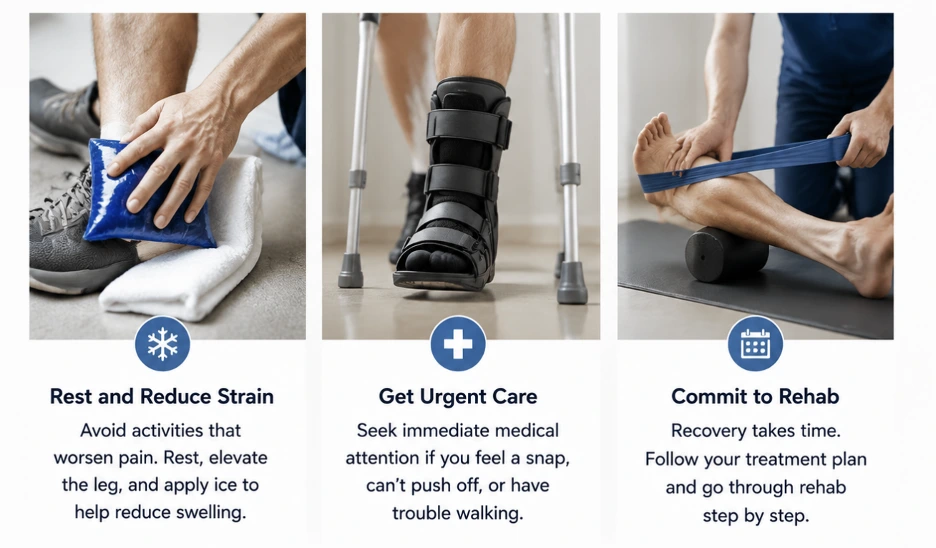 Do not push through worsening Achilles pain. The right steps taken early can prevent a partial problem from becoming a complete rupture. Here is what to do: - **Rest the leg immediately:** Stop any activity that loads the tendon. Avoid running, jumping, or climbing stairs until the pain has been properly assessed by a specialist. - **Apply ice to reduce swelling:** Ice the affected area for 15 to 20 minutes several times a day. Keep the leg elevated where possible to manage inflammation in the early days. - **Seek urgent care after a sudden snap:** If you feel or hear a pop at the back of the ankle and cannot push off the foot or walk normally, treat it as an emergency and get to a specialist as soon as possible. - **Do not delay professional review:** Persistent or worsening pain, swelling, or weakness that does not settle with rest needs clinical assessment. The first days after a rupture are the best window for repair, and early diagnosis improves the success of both non-surgical and surgical treatment. - **Understand your recovery timeline:** Recovery after surgery is a long and carefully staged process. Understanding what to expect at each milestone including what life looks like at [4 months after Achilles tendon surgery](https://theplasticsurgeryclinic.co/blogs/navigating-life-4-months-after-achilles-tendon-surgery/) helps patients set realistic goals and stay motivated through rehabilitation without rushing back too soon. ***Are you at the point where rest and ice are no longer enough — and professional care is the only sensible next step?*** ## **Should You See a Plastic and Reconstructive Surgeon?**  At the stage where pain, stiffness, or weakness are persisting despite rest, it is time to get a specialised evaluation. Consider seeing a surgeon if any of the following describe your situation: - Heel or Achilles pain has not improved after two or more weeks of rest - You feel or have felt a sudden popping or snapping sensation at the back of the ankle - There is visible swelling, thickening, or a tender lump along the tendon - You are unable to rise onto your toes or push off the foot normally - Pain returns more intensely after every activity session despite trying to manage it A Plastic and Reconstructive surgeon is trained to assess tendon integrity, surrounding soft tissue, and functional capacity together. They can arrange imaging, map the exact damage, and recommend a treatment path that matches your injury, your profession, and your recovery goals not a generic protocol. Dr. Leena Jain, a highly experienced plastic surgeon in Mumbai, specialises in tendon repair surgery, soft tissue reconstruction, and microsurgery with a strong focus on restoring full functional strength. Practicing at Lilavati Hospital, Bandra and her clinic in Borivali, she offers patients across Western Mumbai honest surgical advice and careful follow-up at every stage of recovery. Consult [Dr. Leena Jain](https://theplasticsurgeryclinic.co/about/) today Struggling with a painful or weakening Achilles tendon? Schedule a consultation with Dr. Leena Jain, a leading plastic surgeon in Mumbai, for a treatment plan tailored to your injury. [Book An Appointment ](https://theplasticsurgeryclinic.co/contact/) ## FAQs ##### 1: Can an Achilles tendon rupture be prevented? Often yes. Acting early on pain, stretching properly, and avoiding sudden overload greatly lowers the risk of a full rupture. ##### 2: Does a rupturing Achilles tendon always hurt? Usually. Most people feel sharp pain or a snapping sensation, though some chronic cases cause only weakness and stiffness. ##### 3: How do I know if it is strained or torn? Strains cause pain and stiffness. A tear often brings sudden snapping, severe weakness, and trouble pushing off the foot. ##### 4: Should I keep exercising with Achilles pain? No. Continuing to load a painful tendon raises rupture risk. Rest it and get assessed before returning to activity. ##### 5: When should I see a doctor for Achilles pain? See a doctor if pain persists, the tendon feels weak or swollen, or you feel any sudden snap during movement. References - [American Academy of Orthopaedic Surgeons — Achilles Tendon Rupture](https://orthoinfo.aaos.org/en/diseases--conditions/achilles-tendon-rupture-tear/) - [National Institutes of Health — Achilles Tendon Injury Management](https://www.ncbi.nlm.nih.gov/pmc/articles/PMC7359344/) **Categories:** Blog --- ### [Warning Signs After Tummy Tuck](https://theplasticsurgeryclinic.co/blogs/warning-signs-after-tummy-tuck/) **Published:** March 30, 2026 **Author:** Dr. Leena Jain **Content:** # Warning Signs After Tummy Tuck Mar 30, 2026  A tummy tuck (abdominoplasty) is a major surgical procedure designed to improve abdominal contour and remove excess skin. While some discomfort during recovery is expected, certain symptoms may indicate complications. Recognising these warning signs early helps ensure timely medical care and a smoother, safer recovery. Dr. Leena Jain, a leading [plastic surgeon in Mumbai](https://theplasticsurgeryclinic.co/), shares, “Recovery after a tummy tuck should follow a predictable pattern. Any deviation, especially worsening symptoms, should not be ignored and must be evaluated promptly.” ## What Is Normal After a Tummy Tuck? Understanding what is expected during recovery can help reduce unnecessary anxiety and allow patients to focus on proper healing. - [Mild swelling](https://theplasticsurgeryclinic.co/blogs/1-week-swelling-post-tummy-tuck-causes-solutions/) and bruising around the abdomen - Tightness or pulling sensation in the surgical area - Temporary numbness near the incision site - Light drainage from incision or drains - Mild to moderate pain that improves with medication These symptoms are part of the natural healing process and usually improve gradually [over time](https://theplasticsurgeryclinic.co/blogs/how-long-does-it-take-to-recover-from-a-tummy-tuck/). Not sure if your symptoms are normal after a tummy tuck? Consult Dr. Leena Jain, an experienced plastic surgeon in Mumbai, for a timely evaluation and peace of mind. [Book an appointment](https://theplasticsurgeryclinic.co/contact/) ## Warning Signs You Should Not Ignore 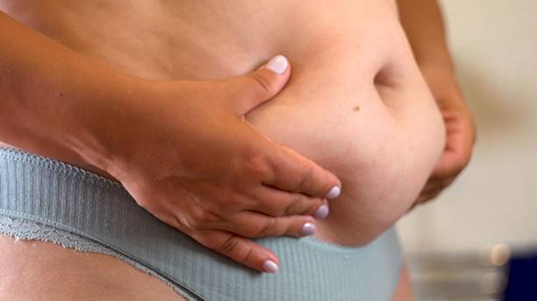 While most recoveries progress smoothly, certain symptoms may indicate complications and require immediate attention. ### Increasing Pain Instead of Improvement Pain should gradually decrease over time. If you notice worsening or severe pain, it may indicate infection, fluid accumulation, or internal complications that need evaluation. ### Excessive Swelling or Sudden Asymmetry Swelling is normal, but a sudden increase or uneven swelling on one side may suggest a **seroma (fluid collection)** or bleeding under the skin. ### Redness, Warmth, or Pus Around Incision Persistent redness, warmth, or discharge from the incision are signs of infection, especially if they worsen instead of improving. Experiencing unexpected symptoms after your tummy tuck? Dr. Leena Jain, a trusted plastic surgeon in Mumbai, provides expert post-surgical care to ensure safe recovery. [Book an appointment](https://theplasticsurgeryclinic.co/contact/) 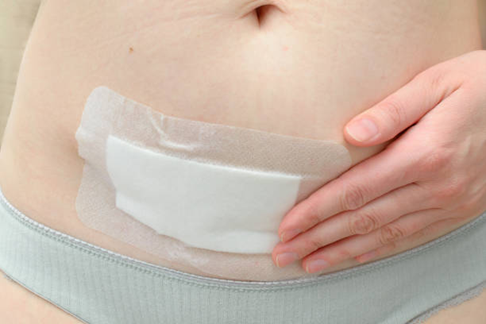 ### Fever or Chills A fever above 100.4°F (38°C) or chills may indicate infection and should not be ignored. Prompt medical care is essential in such cases. ### Persistent Fluid Leakage Continuous or foul-smelling discharge from the incision site may suggest poor healing or infection and requires medical assessment. ### Delayed Healing or Wound Opening If the incision appears to be separating or healing slower than expected, it may need medical intervention to prevent further complications. ### Shortness of Breath or Chest Pain This is a serious warning sign and may indicate a complication such as a blood clot. Immediate emergency medical attention is required. ### Leg Swelling or Pain Swelling or pain in the calf could be a sign of deep vein thrombosis (DVT), a potentially dangerous condition that requires urgent care. ## When to Contact Your Surgeon It is important to stay alert and seek medical advice if any unusual symptoms appear. [](https://theplasticsurgeryclinic.co/facial-palsy-reconstruction-in-mumbai/) Pain suddenly becomes severe or persistent [](https://theplasticsurgeryclinic.co/facial-palsy-reconstruction-in-mumbai/) Fever or chills develop [](https://theplasticsurgeryclinic.co/facial-palsy-reconstruction-in-mumbai/) Unusual swelling, redness, or discharge occurs [](https://theplasticsurgeryclinic.co/facial-palsy-reconstruction-in-mumbai/) Any symptom feels abnormal or concerning Dr. Leena Jain, a highly experienced plastic surgeon in Mumbai, specialises in advanced tummy tuck procedures with a strong focus on patient safety, precise surgical technique, and personalised recovery care. Her approach ensures that patients are closely monitored throughout the healing process, helping identify and manage any concerns at the earliest stage for [better outcomes](https://theplasticsurgeryclinic.co/gallery/tummy-tuck/). ## Why Early Detection Matters Early detection of complications plays a crucial role in ensuring a safe and smooth recovery after a tummy tuck. Identifying warning signs at the right time allows for prompt medical intervention, which can prevent minor issues from progressing into serious conditions. Helps prevent infections from spreading and becoming severe Allows early management of fluid collection (seroma) or bleeding Reduces the risk of wound healing complications Minimises the chances of long-term scarring or deformity Improves overall recovery time and patient comfort Ensures better surgical outcomes and satisfaction [Dr. Leena Jain](https://theplasticsurgeryclinic.co/about/) explains, “Patients who report symptoms early often recover faster and avoid complications. Close monitoring and timely intervention make a significant difference in post-surgical healing.” ## Conclusion While most tummy tuck recoveries are smooth and uneventful, being aware of warning signs is essential. Paying attention to your body and seeking medical advice when something feels unusual can help ensure a safe and successful recovery. Concerned about your recovery after a tummy tuck? Schedule a consultation with Dr. Leena Jain, a leading plastic surgeon in Mumbai, for expert guidance and personalised care. [Book an appointment](https://theplasticsurgeryclinic.co/contact/) **References –** **Categories:** Blog --- ### [Tummy tuck scar after 6 months](https://theplasticsurgeryclinic.co/blogs/tummy-tuck-scar-after-6-months/) **Published:** June 27, 2025 **Author:** Dr. Leena Jain **Content:** # Tummy tuck scar after 6 months Jun 27, 2025 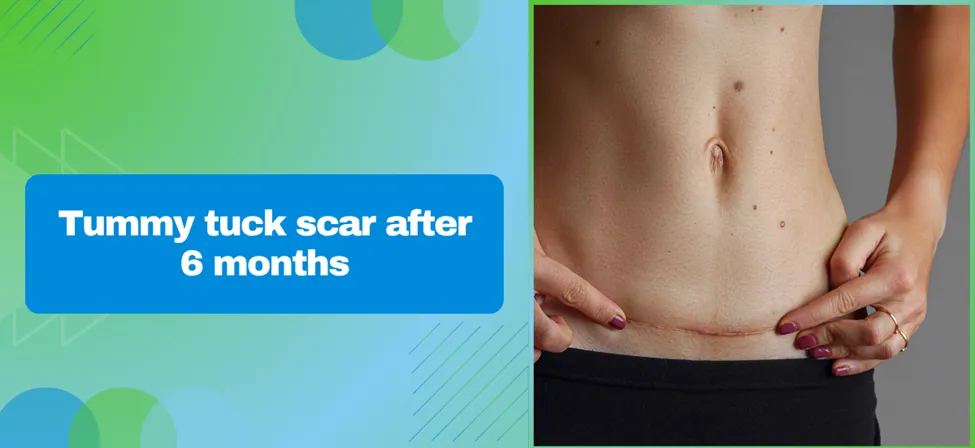 A protruding belly can shadow even the happiest moments, affecting how you feel in clothing, at the beach, or even in front of a mirror. When women and men undergo an abdominoplasty (tummy tuck), they’re not just seeking a flatter abdomen—they’re pursuing a renewed sense of confidence. But while the transformation is exciting, the scar that remains raises questions: is it still noticeable? How has it healed? What can you expect at this stage? Globally, cosmetic procedures like tummy tucks have grown by over 15% in the past five years. In India, there’s been a remarkable 25% increase since 2020. With growing awareness around body aesthetics, more individuals are choosing to redefine their silhouette—and rightly so. However, scar healing remains a vital part of this transformation process. Dr. Leena Jain, a meticulous [Plastic surgeon in Bandra, Mumbai](https://theplasticsurgeryclinic.co/), explains: “The tummy tuck scar after 6 months should be softened and subdued in color. While it may still be visible, it will no longer be red or raised by this stage. It usually lies flat and begins to blend with your skin tone, preparing for the final maturation process over the next months.” *Curious about how your scar forms in the first place? Let’s look at the beginning of its journey…* ## How Tummy Tuck Scars Form? Scars are the body’s natural response to surgical cuts. Surgeons make a horizontal incision—typically hip-to-hip—to remove excess skin and tighten muscles. How that scar heals depends on: The [incision technique](https://theplasticsurgeryclinic.co/services/tummy-tuck-surgery-in-mumbai/)—a low, curved cut that typically sits below your underwear or swimsuit line—helps keep the scar discreet. 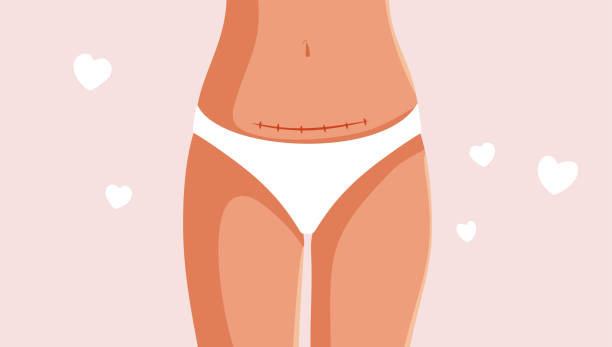 Scars are the body’s natural response to surgical cuts. Surgeons make a horizontal incision—typically hip-to-hip—to remove excess skin and tighten muscles. How that scar heals depends on: The [incision technique](https://theplasticsurgeryclinic.co/services/tummy-tuck-surgery-in-mumbai/)—a low, curved cut that typically sits below your underwear or swimsuit line—helps keep the scar discreet. Eager to ensure your scar continues to fade beautifully? Focus on consistent skincare, sun protection, and gentle massage daily—and don’t wait to seek expert advice if anything seems off. [Book an appointment](https://theplasticsurgeryclinic.co/contact/) ## Healing Timeline: From Surgery to 6 Months Let’s walk step-by-step through what your scar goes through as you recover. ### [1 Month](https://theplasticsurgeryclinic.co/blogs/4-weeks-post-tummy-tuck/) Post-Surgery The scar appears fresh: red, firm, possibly swollen or slightly raised. Scabs and sutures may still be present. **Recommended care:** gentle cleaning, wearing compression garments, avoiding heavy lifting and direct sun exposure. ### 3 Months Post-Surgery Noticeable reduction in redness and swelling. Scar begins to flatten and blend with natural skin folds. It may still feel firm or slightly raised—keloid or hypertrophic tendencies could surface. Patients are encouraged to massage the scar gently and continue compression to promote softening. ### 6 Months Post-Surgery By this time, most scars are flatter, lighter in color, and less visible under clothing. Slight pink or pale lines may still exist. The texture should feel more supple, though full maturity could still take up to 18 months. Dr. Leena Jain, a compassionate plastic surgeon in Mumbai, says: “At six months, your abdominal scar typically presents as a pale, soft line—much less noticeable than in the early stages. You might still feel slight firmness under gentle touch, but it’s a far cry from the raised, red incision of the immediate post-op period. At this stage, patients often notice a confident difference—they don’t constantly monitor it, and it no longer feels like a burden.” ***Is your scar healing slower than expected? Several things could be affecting it…*** ## Factors That Affect Scar Healing Your tummy tuck scar’s progress depends on a mix of controllable and innate factors. Here’s what plays a role: ### Genetics Everyone’s scar-healing capacity is different. Some people naturally form hypertrophic or keloid scars. ### Skin pigmentation Darker skin types (common in India) are more prone to hyperpigmentation or thicker scarring. ### Nutrition and lifestyle A balanced diet rich in proteins, vitamins, and minerals supports collagen synthesis. Smoking and alcohol, conversely, slow healing and can darken scars. ### Post-operative care Following wound care rules, avoiding sun exposure, and sticking to garment use all help minimize scar formation. ### Infection or trauma If the surgical site becomes infected or undergoes friction (from tight clothing), healing may be delayed and the scar worsened. ***Want to know how to help your scar fade faster and better? Let’s explore the best methods…*** ## How to Improve the Appearance of Your Scar  By the six-month mark, scars are still maturing—and you can actively influence that process: ### Silicone sheets or gels: Widely recommended for flattening and hydrating healing scars. ### Gentle massage: Apply sunscreen and softly massage your scar for 5–10 minutes a day to improve elasticity. ### Sun protection: SPF 30+ and full coverage clothing when exposed to sunlight to prevent darkening. ### Topical treatments: Products with Vitamin E, onion extract (e.g., Mederma®), or prescribed medical-grade creams can enhance [healing](https://theplasticsurgeryclinic.co/blogs/how-long-does-it-take-to-recover-from-a-tummy-tuck/). ### Microneedling or laser therapy: Considered effective after six months, depending on your healing and under a specialist’s guidance. ### Low-level laser or PRP injections: Often offered by a cosmetic clinic for advanced scar refinement. By combining these steps, many patients notice their tummy tuck scar become nearly imperceptible over the next 6–12 months. ## When to Consult Your Surgeon If your scar isn’t fading as expected—or worse, worsening—it’s time to reconnect with your specialist. Here’s what to watch for: - Persistent redness or firmness beyond nine months - Raised, thick edges that feel firm or itchy (signs of hypertrophy or keloid formation) - Pain, swelling, oozing, or warmth—possible signs of infection - Separation of the incision line—even slight—needs prompt evaluation - Discoloration that doesn’t respond to regular care or sun protection If you notice any of these, don’t hesitate: seek professional help to explore options like steroid injections or laser-based scar treatments for a neater outcome. ## Conclusion By six months post-abdominoplasty, your tummy tuck scar should be calm, flatter, and softening—though still a maturing line. It won’t be completely invisible, but with patience, optimal care, and occasional professional enhancement, it can become much less noticeable. Remember that every body heals uniquely—it isn’t just the timeline that counts but the quality and consistency of your care. Concerned your tummy tuck scar isn’t healing as expected? Speak to a qualified plastic surgeon for a full evaluation and personalized care plan. [Book an appointment](https://theplasticsurgeryclinic.co/contact/) ## FAQs ##### 1. Will my scar be completely gone at 6 months? No. At six months, your scar typically appears pale and flat, but full maturation may take up to 18 months. Invisible results are unlikely—but reduction in visibility is very common. ##### 2. Can I apply sunscreen on my scar once the wound has healed? Absolutely! Sunscreen (SPF 30 or higher) is vital for preventing pigmentation and ensuring even-toned healing. ##### 3. Do I need to massage my scar? Yes. Gentle massage for 5–10 minutes daily improves elasticity and prevents adhesions, helping the tissue soften more effectively. ##### 4. Is it normal for the scar to itch or feel tight? Yes. These sensations are typical during the healing process. However, ongoing irritation or itching might indicate hypertrophic changes—consult your surgeon if it persists. ##### 5. When can I consider laser or microneedling treatments? Usually after six months, once the scar has stabilized. Discuss with your surgeon to choose appropriate modalities based on your skin type and healing progress. **References:** **Disclaimer: This page is for informational purposes and not for promotional use.** **Categories:** Blog --- ### [Stages of Breast Reconstruction After Mastectomy – A Guide by Dr. Leena Jain](https://theplasticsurgeryclinic.co/blogs/stages-of-breast-reconstruction-after-mastectomy-a-guide-by-dr-leena-jain/) **Published:** October 25, 2025 **Author:** Dr. Leena Jain **Content:** # Stages of Breast Reconstruction After Mastectomy – A Guide by Dr. Leena Jain Oct 25, 2025  Breast reconstruction after mastectomy is a significant aspect of the recovery process, both physical and emotional. To most women, it is a way to restore the look of the breasts as well as confidence. It is a complex and multi-step surgery, perhaps, but with developments in surgery, this surgery is rendered safer, faster, and more customized. Dr. Leena Jain, a renowned [plastic surgeon in Mumbai](https://theplasticsurgeryclinic.co/), emphasizes, *“Breast reconstruction plays a key role in helping women regain their sense of self after mastectomy. Each stage is a step towards not just physical recovery, but emotional healing as well.”* In this blog, we will take you through the stages of breast reconstruction to help you understand what to expect and how you can prepare for each step throughout your journey. ## Understanding Breast Reconstruction Options There are several types of breast reconstruction options available, and each option varies in complexity, recovery time, and aesthetic results. Here’s a breakdown to make your decision easier:  ### Implant-based Reconstruction - Uses saline or silicone implants to build the breast. - It can be done during mastectomy or as a delayed procedure. - Less invasive but requires more than one surgery for optimal results. ### Autologous Reconstruction - Utilizes your own body tissue (such as the abdomen, back, or thighs). - More natural appearance and feel, although a longer recovery. - Suitable for patients who desire a more long-lasting, natural appearance. ### Hybrid Reconstruction - Blends autologous tissue with implants to offer optimal aesthetics and function. - Often used when there is not enough tissue present in a patient to achieve full autologous reconstruction. [Dr. Leena Jain](https://theplasticsurgeryclinic.co/about-us/), a highly experienced reconstructive surgeon in Mumbai, states, *“It’s essential to consider factors such as your health, lifestyle, and personal preferences when choosing the type of reconstruction. My goal is to ensure that the procedure chosen offers the best functional and cosmetic outcome for the patient.”* Each technique has its own set of benefits and potential risks. The right choice will depend on your health, body type, and aesthetic goals. *Ready to take the next step in your recovery?* [*Consult*](https://theplasticsurgeryclinic.co/contact/) *with Dr. Leena Jain, an experienced reconstructive surgeon in Mumbai, to discuss your breast reconstruction options today!* [Book an appointment](https://theplasticsurgeryclinic.co/contact/) *Now that you know your reconstruction options, the next step is a thorough pre-reconstruction assessment to determine the best approach for you.* ## Pre-Reconstruction Assessment Before your breast reconstruction, you will need a thorough pre-operative evaluation. This evaluation is a sequence of tests that will establish whether you are healthy enough to have the surgery and whether the surgery is the best option for you. The assessment includes: 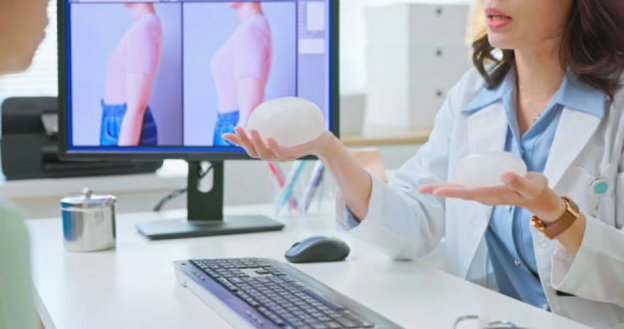 ### Medical History Review Understanding your overall health, any pre-existing conditions, and previous treatments (like chemotherapy or radiation). ### Physical Examination Assessing the condition of the skin and tissues around the mastectomy area to determine if you’re a good candidate for certain reconstruction methods. ### Imaging Tests CT angiography of your abdominal wall is required to assess the remaining tissue and make sure there are no underlying issues. ### Psychological Support Emotional well-being is just as important, and consultations with a counselor or support group may be encouraged to prepare for the emotional aspects of reconstruction. Not sure if breast reconstruction is right for you? Get in touch for a detailed, patient-centered consultation to address all your questions and concerns [Book an appointment](https://theplasticsurgeryclinic.co/contact/) ## Stage 1 – Implant-based reconstruction: Implant Placement The first stage of [breast](https://theplasticsurgeryclinic.co/services/breast-surgery-in-mumbai/) reconstruction focuses on creating the right space for the new breast. If your preference is implant-based reconstruction, this is where a tissue expander is placed under the skin to slowly expand the muscles and skin and create a pocket to place the implant. The expander is typically filled with saline solution over the course of weeks or months to achieve the desired size. This stage can take several weeks, and it may require multiple visits to adjust the tissue expander For those choosing autologous reconstruction, the process involves preparing tissue from another area of your body. This can include the abdomen, back, or thighs, where skin, fat, and sometimes muscle are used to form the new breast. Its a single stage surgery during which tissues from abdomen or elsewhere are harvested, molded into the shape of a breast and attached to the chest wall with microvascular anastomosis. ## Stage 2 – Implant based reconstruction Reconstruction : Expander removal and Implant Placement In implant-based reconstructions, the tissue expander is exchanged with a permanent saline or silicone implant based on patient choice. “By the time we reach this stage, your body will be prepared, and we focus on shaping and finalizing the breast’s appearance. Our goal is always symmetry and a natural look that complements the patient’s body,” says Dr. Leena. This stage requires careful planning and attention to detail. The shape, size, and symmetry of the reconstructed breast will be carefully tailored to match the patient’s natural breast. ## Nipple and Areola Reconstruction (Optional Stage 3) Once the [breast reconstruction](https://theplasticsurgeryclinic.co/blogs/breast-reconstruction-in-mumbai/) has healed and the desired shape has been achieved, the third stage of reconstruction, which involves the nipple and areola, may be performed. This step is optional, but it can provide the final touch for many women, restoring the appearance of the breast to its natural state. During this stage, the surgeon can use skin from the reconstructed breast or body part to create a nipple. Areola reconstruction can be done by tattooing or skin grafting. It should be remembered that the reconstruction of the nipple is a subtle procedure, and although the result can be eye-pleasing, it does not have sensation. However, it provides a natural-looking and fuller appearance. 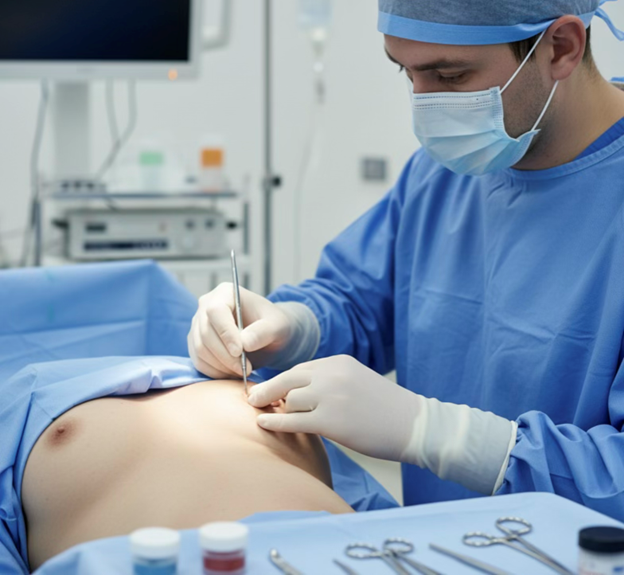 Want to learn more about the recovery process and what to expect? Schedule a follow-up consultation to guide you through the post-surgery care. [Book an appointment](https://theplasticsurgeryclinic.co/contact/) ## Recovery and Long-Term Care The recovery after breast reconstruction depends on the type of procedure, but usually involves rest, follow-up care, and management of discomfort. Here’s what you can expect during the recovery phase:  ### Rest and Healing Take time off to allow the body to heal and recover properly. ### Compression Garments Wear compression garments to reduce swelling and support the healing tissue ### Pain Management There is some pain anticipated; pain relief medication will manage it. ### Follow-Up Appointments Regular visits are crucial to monitor healing and prevent complications. ### Physical Activity No heavy lifting or strenuous exercise in the initial recovery stage. ### Long-Term Care Focus on a healthy lifestyle and monitor the condition of the reconstructed breast over time. Dr. Leena Jain recommends, *“While the recovery period can be challenging, it is important to follow all post-surgery care instructions, including managing pain, attending follow-up appointments, and avoiding strenuous activities. This ensures the best long-term results.”* ## Conclusion Breast reconstruction after mastectomy is a highly individualized and life-changing process. With the advancement of surgical methods and the spectrum of options, women can now choose a course that maximizes their needs and desires. From tissue preparation to ultimate reconstruction, each phase is critical in the restoration of form and function. Dr. Leena Jain concludes, *“Breast reconstruction is more than just surgery—it’s a step toward healing and rebuilding. We take great pride in offering personalized care to ensure the best possible outcomes for every patient.”* ## FAQs ##### 1. What is breast reconstruction after a mastectomy? Breast reconstruction surgery to restore the shape of the breast after a mastectomy, with an implant or your own tissue. ##### 2. How long does it take to recover from breast reconstruction? Recovery lasts from a few weeks to a few months. ##### 3. Is breast reconstruction covered by insurance? Yes, most insurance plans cover breast reconstruction after mastectomy. ##### 4. Can breast reconstruction be done immediately after mastectomy? Yes, reconstruction can be performed immediately after mastectomy or delayed depending on health and personal preference. ##### 5. Does breast reconstruction restore feeling to the breast? No, breast reconstruction typically doesn’t restore sensation to the reconstructed breast. **Categories:** Blog --- ### [What are Nerve Injuries?](https://theplasticsurgeryclinic.co/blogs/what-are-nerve-injuries/) **Published:** January 4, 2022 **Author:** Dr. Leena Jain **Content:** # What are Nerve Injuries? Jan 4, 2022  **Nerves are carriers of messages to and from the brain to the rest of the body and vice versa. Nerve injuries refer to the damage caused to the nerves’ outer layer alone or the entire thickness of the nerve.** ### How do the nerves get injured? Nerves are highly delicate, and any form of pressure or cutting or stretching can cause damage to them. Nerve injuries mean no signal to and from the brain can happen between the injured area, and hence the muscles do not function properly. The damage to the nerves depends upon the type of injury. In case of a nerve injury due to a knife or glass, the site of the trauma due to the transaction, will be precise. A blunt trauma/ injury will cause widespread, long segment injury especially when accompanied by an avulsion component. ### Nerves affected: Usually, peripheral nerves are affected, that is nerves of the upper and lower limbs. Patients experience various signs and symptoms depending upon the nerve that is injured, type, and extent of the injury. However, a few of the symptoms are – **Loss of sensation/Numbness –** The patient will experience numbness if the nerves that transmit sensation are injured **Loss of sensation/Weakness –** The patient will experience immobility if the nerves that help in movement i.e. in the transmission of motor signals are injured **Pain –** The patient will experience pain associated with nerve injury at the injury site and along the nerve’s course. **Combined paralysis:** where there is loss of both motor and sensory function. Sometimes if the entire plexus of nerves is injured, then the entire limb becomes paralysed with not even a flicker of movement. This is commonly seen in the upper limb which is supplied by the brachial plexus. [Brachial plexus injuries](https://theplasticsurgeryclinic.co/blogs/brachial-plexus-injury-treatment-in-mumbai/) leave the patient with a lame upper limb and need active intervention to restore function. It is possible to experience intermittent or constant pain depending upon the extent of the injury. In addition, the patient can display reduced muscle size, skin colour changes, and changes in the sweat discharge in select areas. Presentation of Nerve Injuries based on time elapsed since injury Timing of presentation - Acute condition refers to nerve injuries that are presented immediately for treatment - Subacute condition refers to nerve injuries presented between the 1st day and six weeks after the injury. - Chronic condition refers to nerve injuries presented six weeks after the injury. ### In-depth investigation and evaluation of Nerve Injuries **Electromyography (EMG) and Nerve Conduction Studies help to ascertain the extent of nerve injury. These tests measure the electrical activity of the nerves and muscles. It is possible to measure the reaction of the muscles when they receive the nerve signals.** The EMG test focuses on the electric signals of the muscles when in rest mode and when in use. A nerve conduction test (NCV) measures the speed of the body’s electrical signal travelling through the nerves and whether that speed is slow or fast. These tests help to detect issues in the muscles, nerves, and both together. These tests can be done singly or together, which most treating doctors prefer. These tests are also known as electrodiagnostic studies or ENMG. ### Management of Nerve Injuries #### Primary repair of nerve injuries A four-step commonly used nerve repair procedure involves – - Preparation – The necrotic or unhealthy tissue is removed while two normal-looking ends are kept ready. If required, the joint above the nerve injury is flexed to allow tension-free repair. If there is a gap between the nerve ends then a piece of nerve from elsewhere, called, a nerve graft is taken to bridge the gap. - Approximation – The open nerve ends are brought nearly together in perfect apposition for the best outcomes. - Alignment – The plastic surgeon must ensure proper blood vessels and proper rotational alignment. **Maintenance –** The sutures in the epineural layer are crucial in nerve repair. Their placement prevents the nerve ends from malrotation. If required, individual fascicular groups are also sutured. This type of primary nerve repair is done for larger nerves where the sensory and motor fibres can be distinguished and separated. - The repair is reinforced using fibrin glue. Nerve Graft repair is performed to repair the gap between the transected nerve’s stumps without exerting excess tension. The autogenous donor grafts are taken from the patient after prior consent. These grafts are placed strategically between the nerve stumps in the injured area. Also, the area from where the graft has been grafted does not cause major trauma to the area or the patient. #### Nerve transfers This surgery involves redirecting a nerve branch from a neighbouring nerve with a distal end of the injured nerve. The [plastic surgeon ](https://theplasticsurgeryclinic.co/)prefers to use a functioning branch located close to the injured or the non-functional nerve as the healing and regeneration process of the nerve is accelerated with better outcomes, especially in the injured area due to the shorter distance of regeneration. It is the preferred treatment option in late in injuries where the time for regeneration if too long will not be of any use as by then the affected muscle will shrink and become non-functional. Nerve transfers involve good anatomical knowledge and surgical skill. #### Tendon transfers In patients presenting very late, where nerve transfers are futile due to target muscle degeneration, [tendons](https://theplasticsurgeryclinic.co/services/tendon-repair-surgery-doctor-in-mumbai/) of functioning muscles can be transferred to tendons of affected muscles to bring about their movements. Muscles chosen for transfer are such that primary and fundamental function of the hand of foot is not affected. #### Functioning muscle transfers Where there is widespread muscle mass loss or brachial plexus injury, the entire muscle-tendon complex is replaced from muscle-tendon taken elsewhere in the body along with its nerve and blood supply. This is called a free functioning muscle transfer- FFMT. This is done for: - facial nerve paralysis to restore a smile - brachial plexus injuries to bring about elbow bending and fingers bending to form a fist - Volkmanns ischemic contracture where the entire muscle mass of the forearm may be lost due to compartment syndrome. - FFMT is a highly specialized reconstructive [hand surgery](https://theplasticsurgeryclinic.co/services/hand-surgery-in-mumbai/) requiring microsurgical skill. #### Rehabilitation This is yet another very important last pillar for a successful [nerve repair](https://www.physio.co.uk/what-we-treat/surgery/hand/nerve-repair.php) or reconstruction. Patients have to be vigilant about post-surgery strengthening exercises and joint movements to restore strength and range of movements. ### Submit a Comment Your email address will not be published. Required fields are marked \* Comment \* Name Email Website **Categories:** Blog --- ### [Multiple Skin Cancers at Once](https://theplasticsurgeryclinic.co/blogs/managing-multiple-skin-cancers-at-once/) **Published:** September 23, 2024 **Author:** Dr. Leena Jain **Content:** # Multiple Skin Cancers at Once Sep 23, 2024 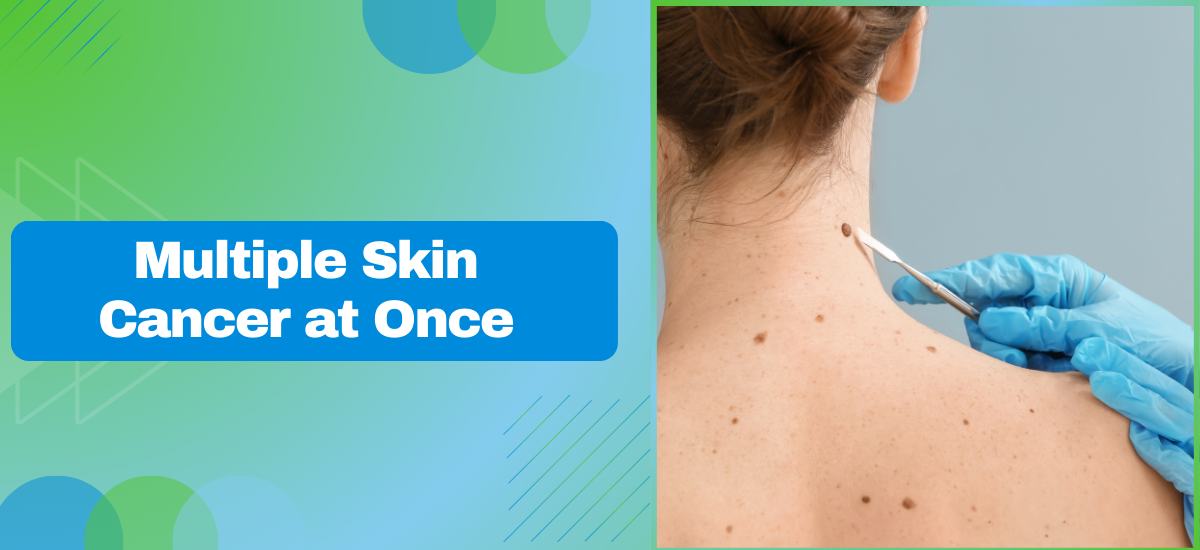 Facing multiple skin cancers at once can be an overwhelming experience. The diagnosis often comes with a whirlwind of concerns, from understanding the severity to determining the best course of treatment. Addressing multiple skin cancers requires a specialized approach, as the complexity of dealing with various cancer types at once can be challenging. [Dr. Leena Jain](https://theplasticsurgeryclinic.co/about-us/) states, “Each case of skin cancer is unique, and when dealing with multiple occurrences, personalized treatment plans are crucial.” She is a distinguished [plastic surgeon in Bandra,](https://theplasticsurgeryclinic.co/) Mumbai, with extensive experience treating complex skin conditions, including multiple skin cancers. Her expertise in [reconstructive surgery](https://theplasticsurgeryclinic.co/blogs/reconstructive-microsurgery/) and personalized treatment plans ensures patients receive the highest level of care. Dr. Jain’s approach focuses on preserving the patient’s appearance and functionality while effectively treating the cancer. Don’t let multiple skin cancers compromise your health. Consult with a specialist for a comprehensive evaluation. Book your appointment now! [Book an appointment](https://theplasticsurgeryclinic.co/contact/) Are you wondering how it’s possible to develop multiple skin cancers at once? Let’s dive into the details. ## Can You Have Multiple Cancers at Once? 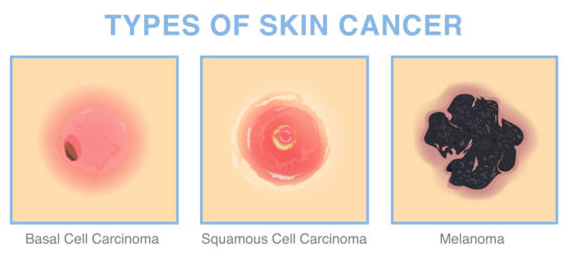 Yes, it is possible to have multiple skin cancers at once. Skin cancer, are quite common and can manifest in different types, such as [basal cell carcinoma](https://theplasticsurgeryclinic.co/blogs/basal-cell-carcinoma-untreated-for-10-years/), squamous cell carcinoma, and melanoma. When multiple types appear simultaneously, it can complicate diagnosis and treatment. Understanding why this happens involves recognizing that different areas of the skin can be affected by different carcinogenic factors. For example, one area might develop basal cell carcinoma due to chronic sun exposure, while another could develop squamous cell carcinoma from an entirely different cause. Each type of cancer has its characteristics and risks, so an individualized treatment approach is critical. A professional would assess each case meticulously to ensure the treatment plan effectively addresses all the existing cancers. When dealing with multiple cancers at once, it’s essential to act swiftly. Delaying treatment can lead to complications and a higher risk of spreading, mainly if one of the cancers is more aggressive, like melanoma. Regular monitoring and follow-up care are vital to managing multiple skin cancers effectively. Do you know what symptoms to look for if you suspect multiple skin cancers? Here’s what you need to know. ## Symptoms of Having Multiple Skin Cancer at Once 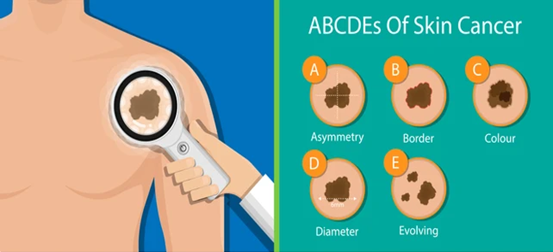 Identifying multiple skin cancer symptoms can be tricky, as each type may present differently. Here are some common signs to watch for: - **New or Changing Lesions:** The appearance of new growths or changes in existing moles or spots can indicate skin cancer. Look for asymmetry, irregular borders, colour changes, and a diameter larger than 6mm. - **Persistent Redness or Swelling:** Areas of skin that remain red, swollen, or irritated over time could indicate skin cancer. - **Non-Healing Sores:** Ulcers or sores that do not heal within a few weeks, especially in areas frequently exposed to the sun, could be a sign of skin cancer. - **Itching or Pain:** Skin cancers may cause discomfort, itching, or tenderness in the affected area. - **Scaly Patches or Lumps:** Raised, scaly patches or hard lumps under the skin may also be signs of certain skin cancers. - **Bleeding or Oozing:** Lesions that bleed or ooze fluid are particularly concerning and should be evaluated by a specialist. - **Shiny or Pearly Bumps:** Often a sign of basal cell carcinoma, these can appear translucent and bleed easily. “Early detection of these symptoms is vital. Regular skin checks can help identify potential problems before they become severe,” advises Dr. Leena Jain, an esteemed plastic surgeon in Mumbai. Notice any suspicious skin changes? Don’t ignore the symptoms. Book your consultation with an expert today. [Book an appointment](https://theplasticsurgeryclinic.co/contact/) Curious about the factors that increase your risk? Let’s explore the primary risk factors and ways to prevent them. ## Risk Factors for Having Multiple Skin Cancers at Once 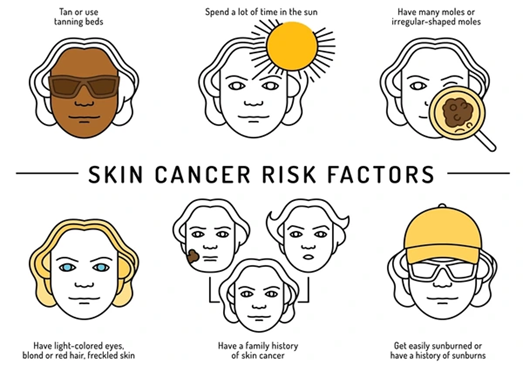 - **Prolonged UV Radiation Exposure:** Chronic exposure to the sun or artificial tanning sources increases the risk of multiple skin cancers. UV radiation effects on the skin can damage DNA, resulting in the development of cancers like basal cell carcinoma. - **Fair Skin:** Individuals with fair skin, light-coloured eyes, and red or blonde hair are more susceptible to UV damage, raising their risk. - **Personal History of Skin Cancer:** If you’ve had skin cancer before, your risk of developing additional skin cancers is higher. - **Weakened Immune System:** Conditions that weaken the immune system, such as HIV or immunosuppressive medications, can increase the risk. - **Genetic Factors:** Certain genetic conditions, like Xeroderma Pigmentosum, make the skin more vulnerable to damage from UV radiation, increasing the likelihood of multiple skin cancers. *Eager to know when you’ll see the final results of your fat liposuction? Let’s find out.* ### How Can I Reduce My Risk of Multiple Skin Cancers - **Sun Protection:** Regular use of sunscreen with a high SPF, wearing protective clothing, and seeking shade are essential to reduce UV exposure. - **Avoid Tanning Beds:** These emit harmful UV radiation that can increase skin cancer risk. - **Regular Skin Checks:** Regular self-examinations and dermatological check-ups can help detect skin cancers early. - **Stay Informed:** Understanding your risk factors and staying vigilant about changes in your skin is essential. ## Treatment Options for Multiple Skin Cancers at Once Treating multiple cancers at once requires a comprehensive and individualized approach. The treatment plan may include a combination of the following: - **Surgical Excision:** 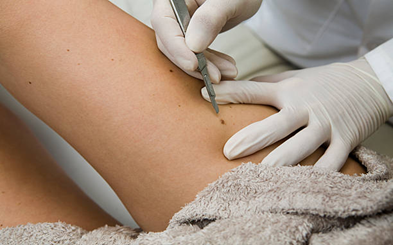The most common treatment for skin cancers involves removing the cancerous tissue surgically. In cases of multiple skin cancers, the surgeon may remove all affected areas in one procedure. This is often used for basal cell carcinoma and squamous cell carcinoma. - **Mohs Surgery:** 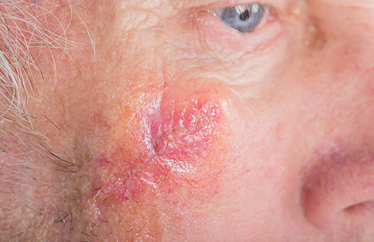A precise surgical technique that removes cancer layer by layer, minimizing the loss of healthy tissue. It’s highly effective for treating multiple cancers, especially on the face. - **Cryotherapy:** 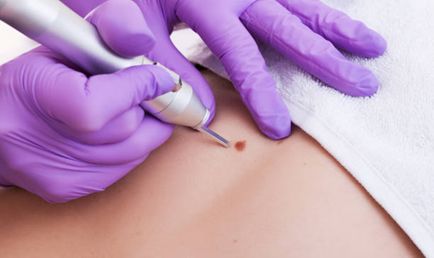It involves freezing cancerous cells with liquid nitrogen. It’s often used for small, superficial skin cancers and precancerous conditions like Actinic Keratosis. - **Radiation Therapy:** 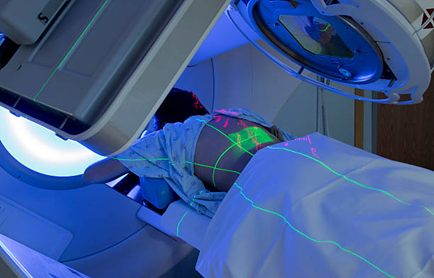This treatment uses high-energy rays to destroy cancer cells. For patients who cannot undergo surgery, radiation may be used to target and destroy cancer cells - **Immunotherapy:** 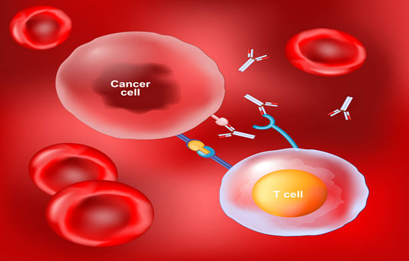 It boosts the body’s immune system to fight cancer. This is a newer treatment option that is promising for skin cancer patients. The best treatment option depends on each cancer’s specific characteristics, including its type, size, location, and the patient’s overall health. Early intervention and a personalized approach can lead to the best outcomes. ## Conclusion Dealing with multiple skin cancers at once is a complex and challenging situation that requires expert care. With the proper diagnosis and a customized treatment plan, the chances of successful treatment can improve significantly. Dr. Leena Jain, an acclaimed plastic surgeon in Bandra, Mumbai, is dedicated to providing comprehensive care for patients facing such challenges. Her expertise ensures that each patient receives the best treatment tailored to their needs. If you are dealing with multiple skin cancers, don’t wait. Get a personalized treatment plan from a seasoned professional. Schedule your consultation today. [Book an appointment](https://theplasticsurgeryclinic.co/contact/) Have more questions about skin cancer? Let’s address some common concerns. ## Frequently Asked Questions ##### Is it safe to undergo multiple surgeries for different skin cancers? Yes, with careful planning and the expertise of a skilled surgeon, multiple surgeries can be safely performed to remove different skin cancers. ##### Are some skin types more prone to multiple skin cancers?Is it safe to undergo multiple surgeries for different skin cancers? Individuals with fair skin, light hair, and light eyes are more prone to developing skin cancers due to their increased sensitivity to UV radiation. ##### What is the skin cancer recurrence rate? The recurrence rate varies depending on the type of skin cancer and the effectiveness of the treatment. However, basal cell carcinoma has the highest recurrence rate. ##### What does a cancerous rash look like? A cancerous rash can appear as a scaly, rough patch that doesn’t heal or as a shiny bump that may bleed or crust over. ##### How often should I get my skin checked if I've had skin cancer before? It’s recommended to have a full-body skin examination by a dermatologist every 3 to 6 months, depending on your history. ***Reference links:*** **Categories:** Blog --- ### [Lipodystrophy - All you need to know](https://theplasticsurgeryclinic.co/blogs/lipodystrophy-all-you-need-to-know/) **Published:** September 23, 2022 **Author:** Dr. Leena Jain **Content:** # Lipodystrophy – All you need to know Sep 23, 2022 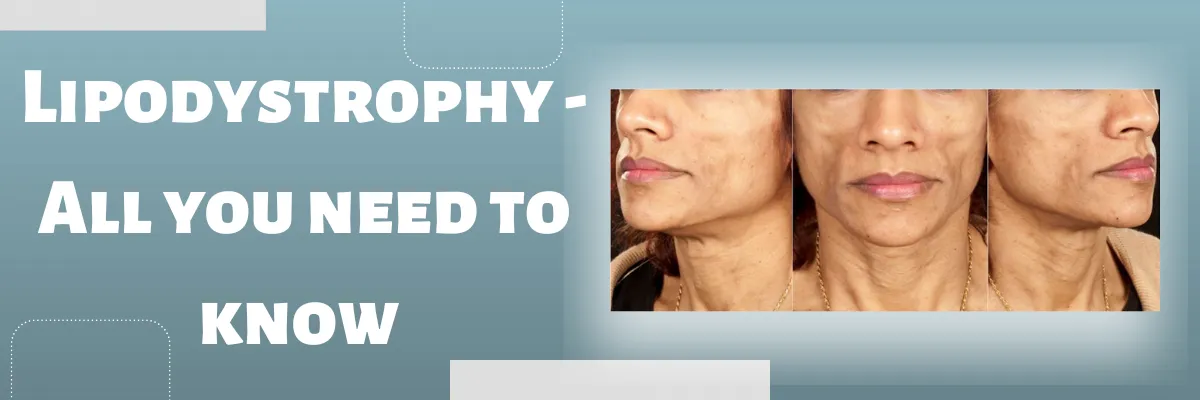 Lipodystrophy is a condition that occurs when the content and/or distribution of the body’s adipose tissue (fat tissue) are abnormal. It primarily affects how your body stores and assembles fat. Various kinds of lipodystrophy result in different patterns of fat tissue loss or re-distribution in your body. **Two patterns noticed are:** 1. Lipoatrophy or fat loss 1. Lipohypertrophy / lipomatosis or fat gain/deposits Lipodystrophy affects the fat directly beneath your skin, which might alter your appearance. It may also result in further alterations to your body. Dr. Leena Jain, a famous [plastic surgeon in Mumbai](https://theplasticsurgeryclinic.co/), says that the condition can lead to a number of severe health complications, including insulin resistance, diabetes, and heart disease. Early diagnosis and treatment are essential to managing the condition and preventing health problems. If you or a loved one is noticing changes in your body that may appear to be symptoms of this condition, it is crucial that you get in touch with a highly knowledgeable plastic surgeon like [Dr. Leena Jain](https://theplasticsurgeryclinic.co/about-us). ## **What are the symptoms of lipodystrophy?** The symptoms of lipodystrophy vary depending on the type of lipodystrophy. In general, the symptoms include the loss of fat from the body, weight loss, and insulin resistance. 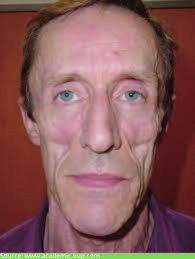**The 2 main symptoms of this condition are:** - **Fat loss** Fat loss due to lipodystrophy is usually seen in the facial features, especially the cheeks, where the fat loss causes your cheeks to sink in. This is LIPOATROPHY - **Fat gain** Fat gain is seen at the nape of the neck, where excess fat deposits cause you to develop a deformity that resembles a buffalo hump (BH). 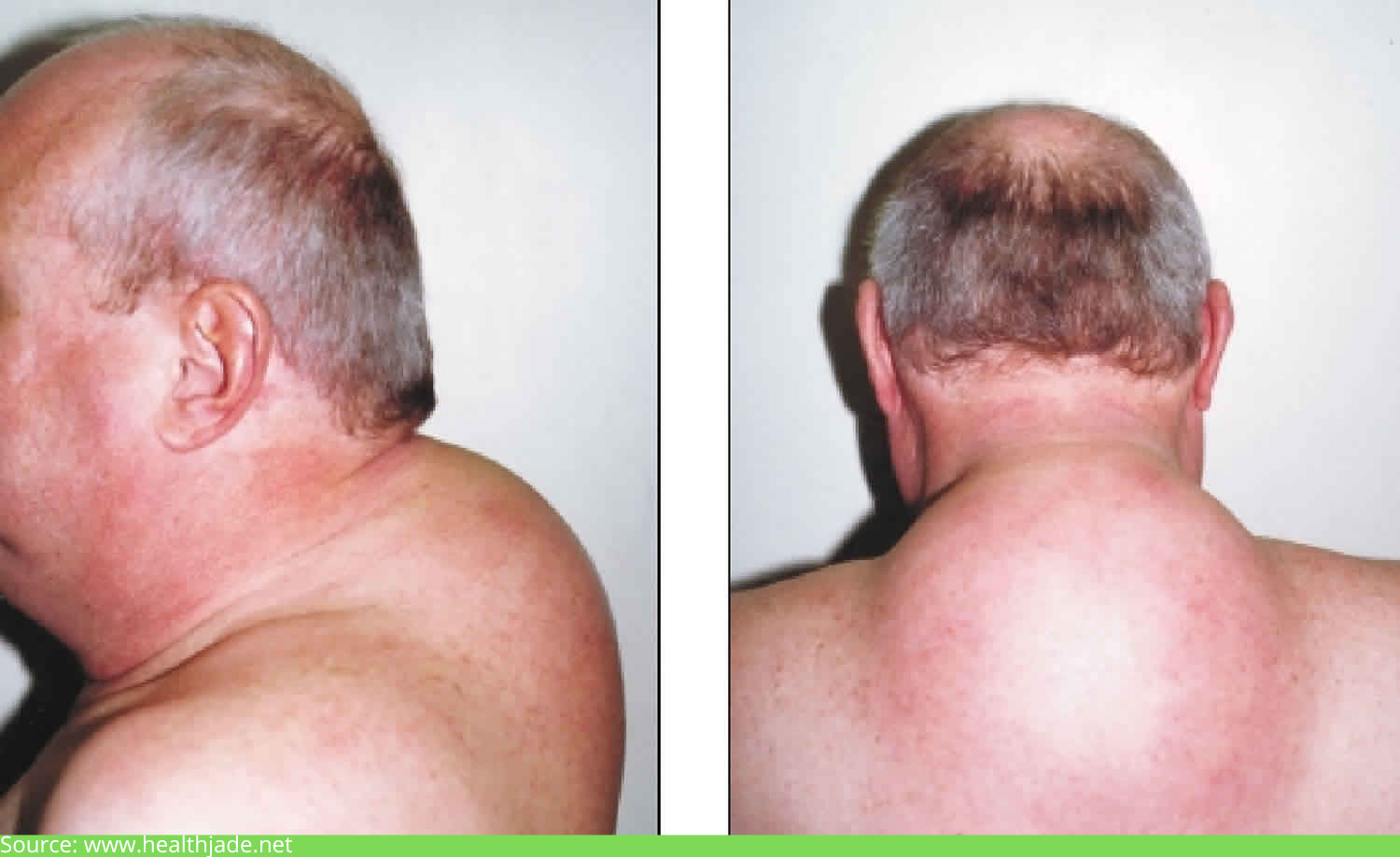Or the excess fat deposits in the neck area below your chin and cheeks, causing a bullfrog neck appearance. 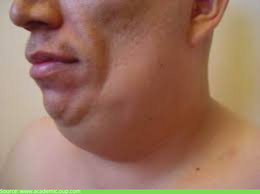It can also cause excess fat deposits on hips and thighs, especially seen in females. This condition is called LIPOHYPERTROPHY/ LIPOMATOSIS If left untreated, lipodystrophy can lead to several serious health complications, including [diabetes](https://theplasticsurgeryclinic.co/services/diabetic-ulcer-treatment-in-mumbai), high cholesterol, fatty liver disease, and heart disease. If you suspect that you may have symptoms of lipodystrophy, please get in touch with Dr. Leena Jain, an accomplished plastic and [reconstructive](https://theplasticsurgeryclinic.co/services/limb-reconstruction-surgery-in-mumbai/) surgeon in Mumbai, for an effective treatment. 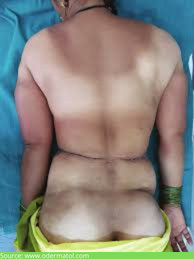## **What are the causes of lipodystrophy?** There is no one-size-fits-all answer to this question as the underlying causes of lipodystrophy can vary from person to person. However, some possible causes of these conditions could include specific medical treatments or medications (such as hormone therapy or insulin, anti-HIV medicines), certain viral infections (such as HIV), or genetic factors and is known to run in families. Conditions where there is atrophy is usually drug related or can be a part of syndromes like Rombergs’ disease. . **Lipodystrophy can be partial or total.** - In partial lipodystrophy, only certain areas of the body are affected by the loss or gain of fat. Even while a little dimple from localized lipodystrophy could seem strange, nothing else is likely to be affected by it. - In total lipodystrophy, the entire body is affected. **The condition can also be acquired or inherited.** Acquired lipodystrophy is more common and can be caused by certain medications, medical conditions, or weight-loss surgery. Inherited lipodystrophy is less common and is caused by a genetic disorder. Dr. Leena Jain, an eminent plastic surgeon in Bandra, says that some HIV-positive patients can develop lipodystrophy (LD-HIV). The disease itself or the medications patients take might be to blame. ## **How is lipodystrophy diagnosed?** Lipodystrophy is typically diagnosed based on the symptoms. A physical exam, blood tests, and imaging tests may also be used to analyze the condition. At our clinic, Vasudhan Cosmetic Plastic Surgery Centre, often regarded as the best plastic surgery clinic in Bandra, Mumbai, Dr. Leena Jain will evaluate your condition by a thorough physical examination. **She may additionally search for any pattern in the fat loss by:** - measures of skinfold thickness to determine how much fat thickness accumulated valuating bone mineral density with the help of a specialized X-ray - a specialized whole-body MRI that produces images of fat-containing tissues using strong. MRI in some cases of isolated fat deposits ## **How is lipodystrophy treated?** Firstly, the offending agent like a drug causing lipodystrophy needs to be stopped. Both types of lipodystrophy are treated surgically. 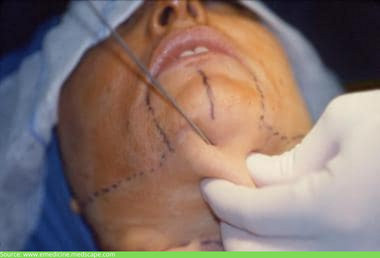 - **Fat loss-** treated by fat grafting surgery, where fat is taken from your thigh or abdomen surgically, converted into liquid form and then injected into the areas with fat atrophy. - **Fat deposit-** treated by liposuction surgery, where excess deposited fat is removed using suction. - **Liposuction** is a surgical procedure that removes fat from the body by suction. A small, hollow tube called a cannula is inserted through a tiny incision in the skin and used to break up the fat cells and suction them out of the body. If you are seeking treatment for lipodystrophy, please meet Dr. Leena Jain; she is an expert plastic surgeon with over 7 years of experience in plastic and reconstructive surgery. ## **Conclusion** Care, patience, and compassion are equally as crucial as medications because [lipodystrophy](https://en.wikipedia.org/wiki/Lipodystrophy) impacts your appearance. Keep an eye on your child’s health if they have this condition, and provide them with your support. Lipodystrophy can also cause other complications, such as osteoporosis, trouble sleeping due to breathing problems like sleep apnea, and psychological problems, such as depression and anxiety, leading to social isolation and body image issues. Seeking medical help at the earliest is crucial. Please do not prolong any longer; schedule an [appointment](https://theplasticsurgeryclinic.co/contact) with Dr. Leena Jain at PLASTIKOS CLINIC, a Plastic Surgery Centre, provides state-of-the-art solution solutions for all plastic surgery problems in Mumbai. She is a top-notch plastic and reconstructive surgeon in Bandra, Mumbai, and is highly renowned for her safe and reliable treatments ### Submit a Comment Your email address will not be published. Required fields are marked \* Comment \* Name Email Website **Categories:** Blog --- ### [Is Your Breast Lump a Fibroadenoma and When Should It Be Removed?](https://theplasticsurgeryclinic.co/blogs/is-your-breast-lump-a-fibroadenoma/) **Published:** May 21, 2026 **Author:** Dr. Leena Jain **Content:** # Is Your Breast Lump a Fibroadenoma and When Should It Be Removed? May 21, 2026  The surgery path for a foot ulcer follows a clear sequence. First debridement to remove dead tissue, then infection control, and finally reconstruction to close the wound. Surgery becomes necessary when an ulcer won’t heal with dressings and offloading alone, usually because of poor blood supply, infection, or exposed bone. The process breaks into two parts. Preparing the wound so it can heal. And closing it once it’s ready. Not every ulcer reaches surgery. But the ones that do follow this order, because skipping a step risks the whole repair. According to Dr. Leena Jain, [plastic surgeon in Mumbai](https://theplasticsurgeryclinic.co/), An ulcer has to be clean and free of infection before any reconstruction, so rushing to close a dirty wound is the fastest way to see it break down again. ## How Is a Foot Ulcer Prepared for Surgery? Preparation clears the wound of dead tissue and infection so healthy healing can begin. These are the main steps. Debridement: The surgeon removes dead and infected tissue down to a healthy base, because a graft or flap won’t take over necrotic ground. Infection control: Antibiotics and drainage clear the bacteria first, since closing over an active infection almost guarantees the wound reopens. Blood flow check: Poor circulation dooms a repair, so the blood supply is assessed and sometimes restored before any closure is attempted. Offloading: Pressure is taken off the area with casts or special footwear, which protects the wound while it’s being prepared. A wound bed has to be ready before it’s closed. Rush it and the repair fails. So this stage often takes longer than the closure itself. For complex wounds threatening the foot, this connects with [limb reconstruction surgery](https://theplasticsurgeryclinic.co/services/limb-reconstruction-surgery-in-mumbai/). ## How Is a Foot Ulcer Closed Surgically? Closure restores skin cover once the wound is clean and well supplied with blood. These are the main methods. Primary closure: A small, clean ulcer can sometimes be stitched directly, which suits wounds with enough healthy surrounding skin. Skin grafting: A thin layer of skin from elsewhere covers a larger shallow wound, though it needs a well-prepared base to survive. Flap reconstruction: Deep wounds with exposed bone or tendon need tissue brought in with its own blood supply, which gives durable cover over difficult areas. Aftercare: Offloading and wound monitoring continue after closure, since the repaired area stays vulnerable until it fully heals. No single method fits every ulcer. The choice depends on depth, location, and what lies exposed. Get that right and the foot is saved. For how grafts settle over time, read [skin graft after 1 year](https://theplasticsurgeryclinic.co/blogs/skin-graft-after-1-year/). ## Why Choose Dr. Leena Jain? [Dr. Leena Jain](https://theplasticsurgeryclinic.co/about/) is a Plastic, Reconstructive and Microsurgeon. She holds an MCh in Plastic Surgery and a Fellowship in Microsurgery and Perforator Flaps from Hanyang University, Seoul, with over 7 years across diabetic foot reconstruction and limb salvage. Patients facing possible amputation have kept their feet through staged debridement and flap reconstruction under her care, with healing prioritised over shortcuts. She prepares each wound properly before closing it. Salvage first, always. **Dealing with a foot ulcer that won’t close despite weeks of dressing changes?** [Book Appointment](https://theplasticsurgeryclinic.co/contact/) ## FAQs ##### When does a foot ulcer need surgery? When it won’t heal with dressings and offloading, often due to infection or exposed bone. ##### What is debridement? It’s the surgical removal of dead and infected tissue to create a healthy wound base. ##### Can a foot ulcer be closed with a skin graft? Yes, if the wound is shallow and the base is clean and well supplied with blood. ##### Does foot ulcer surgery prevent amputation? Often yes, timely surgery can save a foot that might otherwise be lost. **References** **–** 1. [National Library of Medicine – Diabetic Foot Ulceration and Complications](https://www.ncbi.nlm.nih.gov/books/NBK499887/) 2. [National Library of Medicine – Diagnosis and Management of Diabetic Foot Complications](https://www.ncbi.nlm.nih.gov/books/NBK538977/) **Categories:** Blog --- ### [If Your Finger Gets Cut Off, Can It Be Reattached?](https://theplasticsurgeryclinic.co/blogs/if-your-finger-gets-cut-off-can-it-be-reattached/) **Published:** March 10, 2026 **Author:** Dr. Leena Jain **Content:** # If Your Finger Gets Cut Off, Can It Be Reattached? Mar 10, 2026 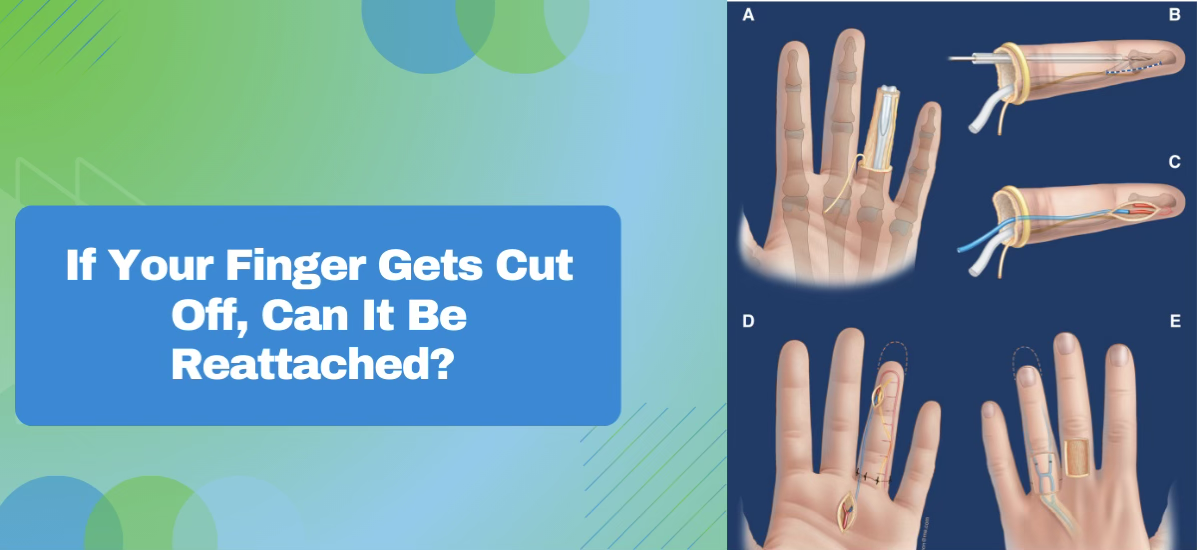 Yes, in many cases, a cut-off finger can be reattached through emergency microsurgery. The success depends on how the injury happened, how the finger is preserved, and how quickly surgery is performed. Replantation surgery offers hope for restoring both function and appearance, but it requires immediate medical attention. Dr. Leena Jain, a skilled [plastic surgeon in Mumbai](https://theplasticsurgeryclinic.co/), emphasizes: *“Finger reattachment can be a life-changing procedure, but it must be performed quickly and with precise technique to ensure the best chance of success.”* ## When Can a Finger Be Reattached? Certain conditions improve the chances of successful finger reattachment. These include: - **Clean, sharp cuts**: Higher success rate compared to jagged or crushed injuries. - **Injury treated within 6–12 hours**: Timely intervention is crucial for better outcomes. - **Finger properly preserved**: Keeping the finger safe and cool can significantly help in the [replantation](https://theplasticsurgeryclinic.co/blogs/replantation-revascularization/) - **Patient medically stable**: Stability is important for a successful surgery. - **Not severely crushed or contaminated**: Clean injuries without severe damage give the surgeon a better chance of success. 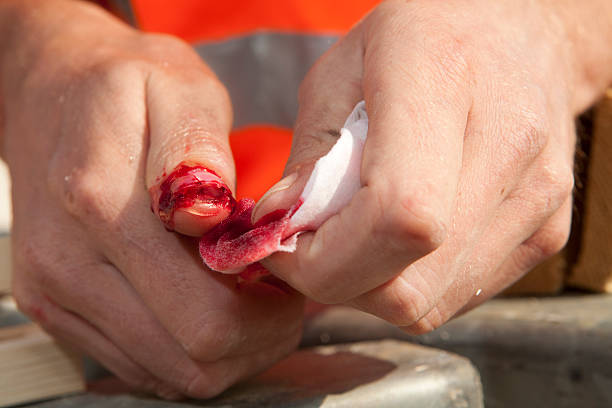 [*Consult*](https://theplasticsurgeryclinic.co/contact/) *with Dr. Leena Jain, an experienced plastic surgeon in Mumbai, to learn more about* ***replantation surgery*** *and discuss your options. [Book an appointment](https://theplasticsurgeryclinic.co/contact/) ## What To Do Immediately After a Finger Is Cut Off If your finger gets cut off, every second counts. Follow these critical steps: 1. **Control bleeding with pressure.** 2. **Gently rinse the finger with clean water (do not scrub).** 3. **Wrap it in moist sterile gauze.** 4. **Place it in a waterproof bag.** 5. **Put that bag inside ice (do not place directly on ice).** 6. **Go to the nearest hospital immediately.** 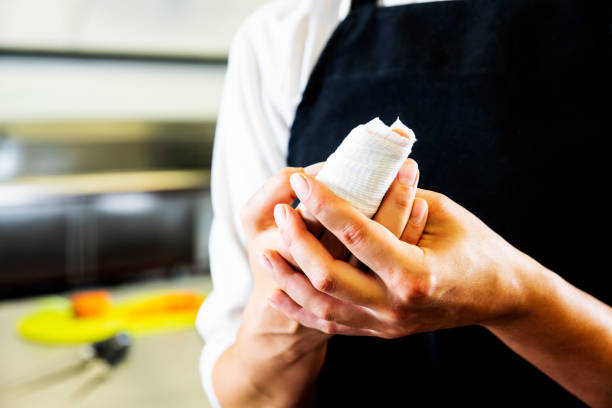 [Dr. Leena Jain](https://theplasticsurgeryclinic.co/about-us/) advises *“The faster you act after the injury, the higher the chances of a successful reattachment. Follow these steps carefully to preserve the finger for replantation surgery.”* *Need urgent help after a finger injury?* [*Contact*](https://theplasticsurgeryclinic.co/contact/) *Dr. Leena Jain immediately for* ***replantation surgery*** *in Mumbai and ensure your best chance for reattachment. [Book an appointment](https://theplasticsurgeryclinic.co/contact/) ## How Finger Reattachment Surgery Works Finger reattachment surgery involves several key steps to restore the lost functionality of the finger: ### Bone alignment and fixation Ensures the bones are correctly aligned and secured. ### Repair of tendons Tendons are reconnected to restore movement. ### Reconnection of arteries and veins (microsurgery) Blood flow is restored, which is essential for the survival of the tissue. ### Nerve repair [Nerves](https://theplasticsurgeryclinic.co/blogs/what-are-nerve-injuries/) are carefully repaired to ensure sensation and movement. ### Closure and restoration of blood flow Final steps to ensure that the finger can heal properly. This surgery can take several hours, depending on the complexity of the injury. 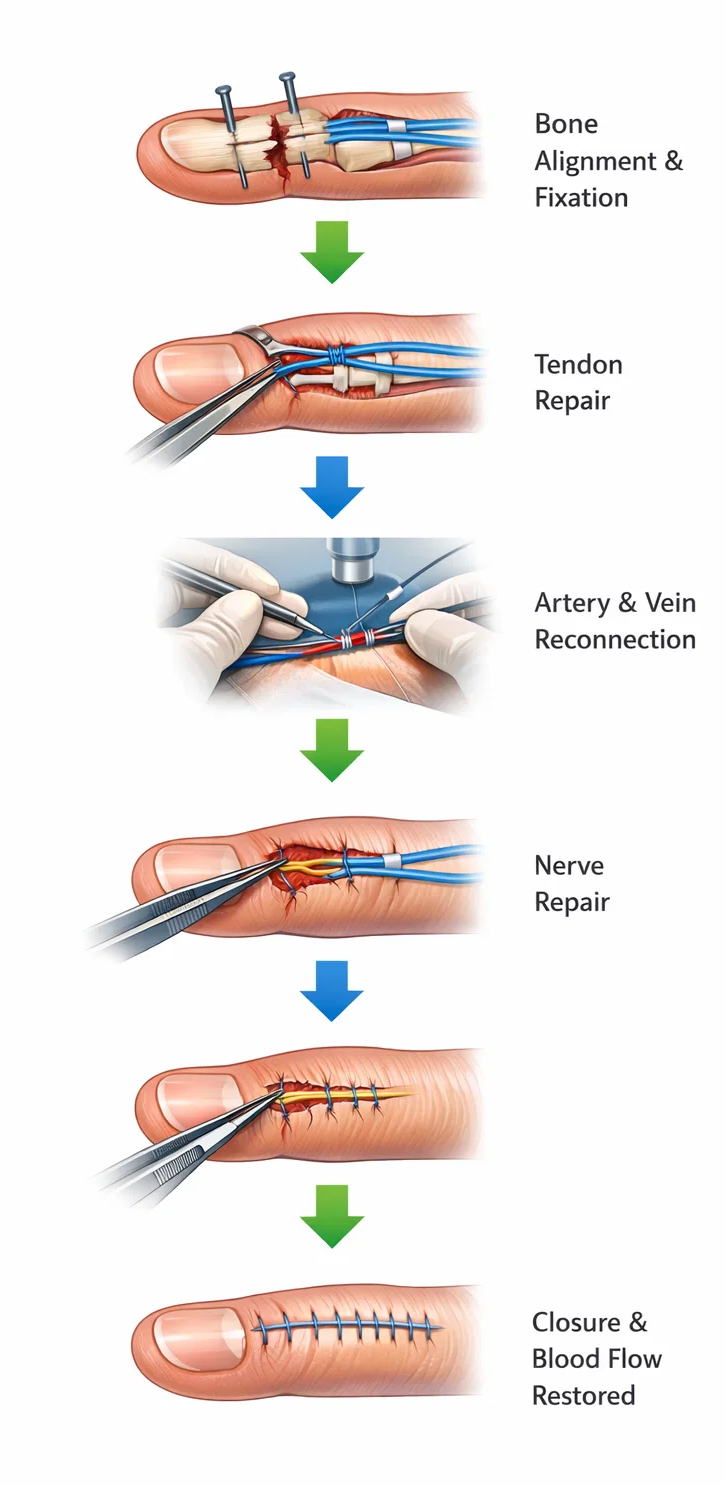 ## How Successful Is Finger Reattachment? The success rate of **finger reattachment** depends largely on the type of injury: ### Higher success in sharp injuries Clean cuts have a better chance of reattachment. ### Lower success in crush injuries Crushed fingers have a lower chance due to significant tissue damage. ### Children often have better recovery Younger patients typically heal faster and better. ### Function may not be 100% restored Although complete restoration is not always possible, grip and sensation can often return. ## When Reattachment May Not Be Possible While reattachment is possible in many cases, some factors can make it difficult or impossible: ### Severe crush injury Damage to the finger’s structure may be too extensive for successful replantation. ### Prolonged time without blood supply The longer the finger is without blood flow, the lower the chances of successful reattachment. ### Extensive tissue loss Major tissue loss makes it harder to reattach the finger. ### Life-threatening associated injuries If the patient has severe injuries in other areas, finger reattachment may not be prioritized. ## How Long Is Recovery? After **replantation surgery**, the recovery process involves several stages: = ### Hospital stay A few days, depending on the severity of the injury. = ### Splinting The finger will need to be splinted for several weeks to ensure proper healing. = ### Physiotherapy Essential for regaining movement and function. = ### Full recovery Full recovery may take several months, depending on the extent of the injury and the success of the surgery. Interested in learning more about **finger reattachment surgery** and recovery tips? [Schedule](https://theplasticsurgeryclinic.co/contact/) a consultation with Dr. Leena Jain today to explore treatment options. [Book an appointment](https://theplasticsurgeryclinic.co/contact/) ## Why Choose Dr. Leena Jain for Finger Reattachment Surgery? Dr. Leena Jain is a trusted plastic surgeon in Mumbai with extensive experience in r[eplantation surgery.](https://theplasticsurgeryclinic.co/services/plastic-surgery-and-trauma-treatment-in-mumbai/) With advanced microsurgical skills and a focus on personalized care, she ensures the best possible outcomes for her patients. Choosing the right surgeon for finger reattachment surgery is crucial, and Dr. Jain’s expertise ensures that you receive the highest quality of care. ## FAQs ##### 1. Can a fully cut finger be reattached? Yes, a fully cut finger can often be reattached if the injury is treated promptly and the finger is preserved properly. ##### 2. Will my finger grow back if I cut it off? While the finger will not grow back, reattachment surgery can restore functionality and appearance if performed within a critical time window. ##### 3. How long do I have to get the finger reattached? Ideally, **finger reattachment surgery** should occur within 6–12 hours of the injury to increase the chances of success. ##### 4. Can a crushed finger be reattached? Crushed injuries are more challenging, and the success rate is lower, but reattachment may still be possible depending on the severity of the damage. ##### 5. How soon can I use my reattached finger? While some functions can return, full use may take several months. Physiotherapy plays a key role in regaining movement. ##### 6. What is the recovery time for finger reattachment surgery? The recovery time varies, but most patients experience a few weeks of splinting and several months for full recovery, including physiotherapy. **References –** - [**https://www.verywellhealth.com/finger-amputation-2549401**](https://www.verywellhealth.com/finger-amputation-2549401) - [**https://pinnacleorthocentre.com/can-severed-finger-or-hand-be-reattached/**](https://pinnacleorthocentre.com/can-severed-finger-or-hand-be-reattached/) **Categories:** Blog --- ### [Hymenoplasty: A Blessing In Disguise?](https://theplasticsurgeryclinic.co/blogs/hymenoplasty-a-blessing-in-disguise/) **Published:** July 20, 2022 **Author:** Dr. Leena Jain **Content:** # Hymenoplasty: A Blessing In Disguise? Jul 20, 2022  *“Popping the cherry”* is popular western slang for having sex for the first time, whereas the term cherry refers to hymen. In most cultures, virginity is seen as a sign of purity and is highly valued. In some cultures, a woman’s virginity is seen as a gift to be given to her husband on their wedding night. In others, it is seen as a sign of respect and honor. Virginity is also seen as a way to preserve a woman’s chastity and modesty. In certain cultures, after a wedding night, bedclothes are examined for bloodstains that are thought to demonstrate the bride’s virginity. However, Dr. Leena Jain, an acclaimed [plastic surgeon in Bandra](https://theplasticsurgeryclinic.co/), says that a broken hymen does not necessarily mean a woman has lost her virginity. Many factors can contribute to a torn hymen apart from sexual activity. It can be broken by activities such as tampon use, cycling, horse riding, swimming, or heavy exercises and by injury. Whether it is due to a sexual encounter or other rigorous activities, if you wish to repair your hymen, you could consider Dr. Leena Jain, a highly experienced plastic and Reconstructive surgeon in Mumbai. ## **What is a hymen?** A hymen is a thin membrane of tissue that partially covers the opening of the vagina. It is located just inside the vaginal opening. In some cultures, the hymen is considered a symbol of virginity. It is also known as the “cherry” or “maidenhead.” Throughout history, it has been believed that the hymen ruptures or tears and bleeds the first time a girl has sexual intercourse, mainly if the intercourse is vigorous, however, it is not true. First intercourse may not cause any bleeding and this is completely normal. Dr. Leena Jain, an eminent [Reconstructive Microsurgeon](https://theplasticsurgeryclinic.co/blogs/reconstructive-microsurgery/) in Bandra, says it is high time people understand the facts of the hymen as there are many myths about it. - The hymen can rupture through sexual intercourse, tampon use, or strenuous physical activity. - When the hymen is ruptured, it can bleed, but not always. It may not bleed in some individuals. Also, the amount of bleeding varies from person to person. - The hymen may also be ruptured by medical procedures, such as a pelvic exam or gynecologic surgery. Most people believe that the hymen is “proof” of virginity. However, the hymen can be ruptured without engaging in sexual intercourse. Fortunately, a hymenoplasty procedure can restore your hymen to its original state, making it intact again. ## **What is hymenoplasty?** Hymenoplasty is a procedure to repair or reconstruct the hymen. The surgery aims to restore the intactness of the hymen to its original state and allow the person to have a “virgin-like” appearance. Hymenoplasty is also known as hymenorrhaphy or hymen reconstruction surgery. If you are considering a hymenoplasty, consulting with an accomplished plastic surgeon like Dr. Leena Jain, who has experience performing this procedure, is essential. She will assess your individual needs and goals to determine which hymenoplasty procedure suits you. ## **What are the different hymenoplasty procedures?** ### **The basic approach** If some parts of your hymen are still present, they can be sewn back together. A local anesthetic or general anesthesia will be used. The surgeon will use dissolvable stitches to rejoin the damaged pieces. Hymenoplasty procedures are often performed as outpatient and surgical time lasts between 30 – 40 minutes. ### **Hymen reconstruction** During this hymenoplasty technique, the surgeon will use tissues from the vaginal wall to produce a new hymen. You must, however, refrain from sexual activity for at least 6 weeks to maintain the integrity of hymns. 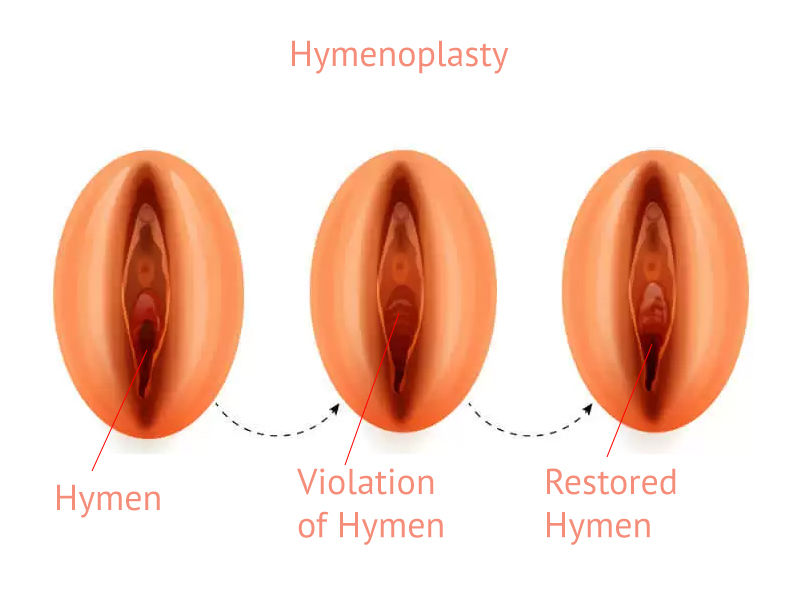## **What are the side effects of hymenoplasty surgery?** **Hymenoplasty is a safe and effective procedure. Complications are rare but may include:** - Post-operative bruising, discomfort, and swelling - Bleeding #### **Conclusion** Despite the breakthroughs and advancements in the scientific and medical world, many people still believe that an intact hymen is a sign of virginity. In fact, in many countries, families conduct a [virginity test](https://www.sbs.com.au/topics/voices/relationships/article/2018/01/10/historic-tradition-wedding-night-virginity-testing) for brides on their wedding night. Yes, your hymen is often broken during sexual intercourse, but it can also be damaged by other activities such as riding a bike, playing sports, or inserting a tampon. Some people believe the hymen is a “barrier” that needs to be “broken” to have sexual intercourse. This is not true. The hymen is just a thin membrane that can easily rupture. However, what is important to understand is that virginity is a property that we all possess that cannot be stolen from us or lost; instead, it is a quality that we may choose to alter. If you wish to reconstruct your hymen, do not hesitate to [contact us ](https://theplasticsurgeryclinic.co/contact)so that we can set up an appointment with the top-notch reconstruction surgeon, Dr. Leena Jain, at one of the best plastic surgery clinics in Bandra, Mumbai. ### Submit a Comment Your email address will not be published. Required fields are marked \* Comment \* Name Email Website **Categories:** Blog --- ### [Hemifacial Atrophy: Understanding the Causes, Symptoms, and Treatment Options](https://theplasticsurgeryclinic.co/blogs/hemifacial-atrophy-understanding-the-causes-symptoms-and-treatment-options/) **Published:** March 17, 2026 **Author:** Dr. Leena Jain **Content:** # Hemifacial Atrophy: Understanding the Causes, Symptoms, and Treatment Options Mar 17, 2026 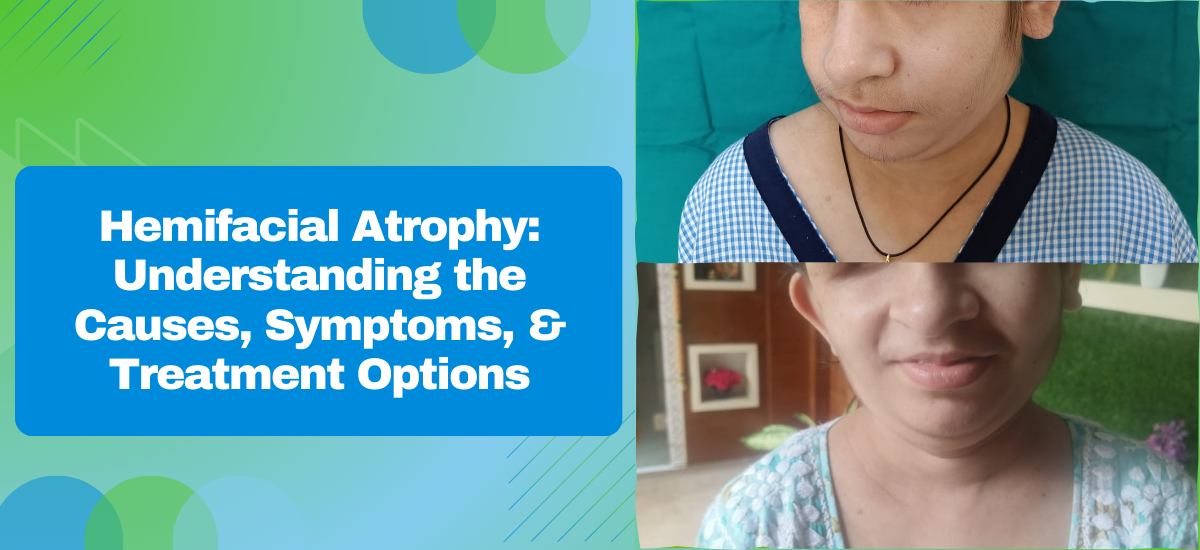 Hemifacial atrophy, also known as **Parry-Romberg Syndrome**, is a rare condition that leads to the progressive degeneration of the tissues on one side of the face. It can cause noticeable asymmetry, affecting both appearance and function. While this condition is uncommon, it can be emotionally distressing for patients, affecting their self-esteem and quality of life. In this blog, we will explore what hemifacial atrophy is, its causes, symptoms, treatment options, and how to manage this condition. Dr. Leena Jain, an expert [plastic surgeon in Mumbai](https://theplasticsurgeryclinic.co/), shares, *“Understanding hemifacial atrophy and its treatment options is crucial for anyone experiencing this condition. Early diagnosis and personalized care can make a significant difference in the treatment outcomes.”* ## What is Hemifacial Atrophy? 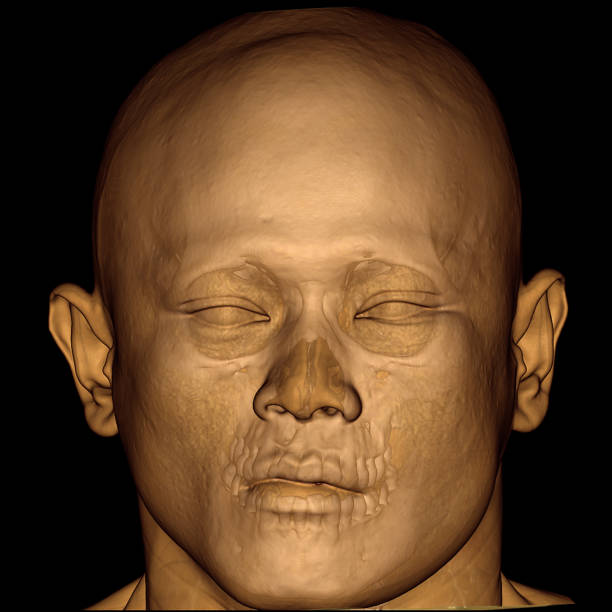 Hemifacial atrophy is a condition that leads to the progressive loss of facial tissues on one side of the face. The atrophy typically affects the skin, fat, and sometimes the muscles and bones. It can lead to noticeable facial asymmetry, making one side of the face appear sunken or more narrow compared to the other. This condition can progress gradually, and the underlying causes are still not completely understood. In some cases, it can occur alongside other autoimmune conditions, but for many patients, the cause remains idiopathic (without a known cause). Understanding the root cause of hemifacial atrophy is essential for determining the most effective treatment options.  **Consult with Dr. Leena Jain, an experienced plastic surgeon in Mumbai, to discuss your options and what to expect from your procedure.** [Book an appointment](https://theplasticsurgeryclinic.co/contact/) ## Causes and Risk Factors of Hemifacial Atrophy The precise cause of hemifacial atrophy is not fully known, but there are several potential risk factors that may contribute to its development: ### Autoimmune disorders Some experts believe that the immune system may mistakenly attack healthy tissues, leading to atrophy on one side of the face. ### Trauma or injury Previous facial injury or surgery can sometimes trigger the condition. ### Genetic factors A family history of hemifacial atrophy may increase the risk, though it is not always inherited. ### Infections Certain viral infections might play a role in the development of hemifacial atrophy. ## Symptoms of Hemifacial Atrophy The primary symptom of hemifacial atrophy is a noticeable facial asymmetry. Other symptoms include: [](https://theplasticsurgeryclinic.co/services-facial-palsy-reconstruction-in-mumbai/) ### [Facial asymmetry](https://theplasticsurgeryclinic.co/services-facial-palsy-reconstruction-in-mumbai/) One side of the face appears more hollow, with noticeable tissue loss. ### Loss of skin tone and texture The skin on the affected side becomes thinner and may appear more aged. ### Muscle weakness As the condition progresses, muscles on the affected side may weaken. ### Jaw and dental issues In some cases, changes in jaw alignment or tooth misalignment can occur. These symptoms can vary in severity and may worsen over time, impacting both appearance and function. ## How is Hemifacial Atrophy Diagnosed? Diagnosing hemifacial atrophy typically involves a combination of: 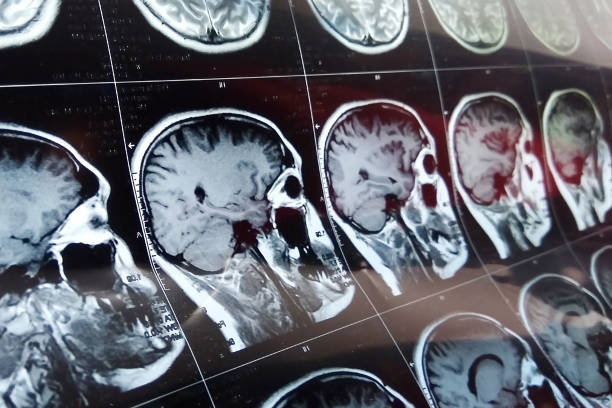 ### Clinical examination A thorough evaluation of facial asymmetry and signs of tissue loss. ### Imaging studies MRI or CT scans may be used to assess deeper facial structures such as muscles and bones. ### Biopsy In some cases, a skin biopsy may be performed to rule out other conditions.  A plastic surgeon in Mumbai, like Dr. Leena Jain, can help accurately diagnose and evaluate the extent of the condition, advising on the best course of action. ## Treatment Options for Hemifacial Atrophy While there is no cure for hemifacial atrophy, several treatment options can help restore facial symmetry and improve the patient’s appearance and confidence. These include: = ### Fat Grafting and Dermal Fillers Fat grafting or dermal fillers are commonly used to restore volume to the affected side of the face. = ### Surgical Reconstruction In severe cases, surgical reconstruction may be needed to rebuild the facial structures. = ### Physical Therapy Physical therapy may help improve facial muscle tone and function. = ### Psychological Support Since hemifacial atrophy can affect self-esteem, psychological support can play an important role in managing the emotional impact of the condition. [Dr. Leena Jain ](https://theplasticsurgeryclinic.co/about-us/)explains, *“The goal of treatment is not just cosmetic improvement but also to restore function and improve the overall quality of life for the patient. A personalized approach is key.”* **Are you concerned about your symptoms or need personalized guidance? Schedule a consultation with Dr. Leena Jain, a leading plastic surgeon in Bandra, to get expert advice and ensure your recovery is on track.** [Book an appointment](https://theplasticsurgeryclinic.co/contact/) ## Watch Our Expert Videos on Hemifacial Atrophy For further insights into **Hemifacial Atrophy treatment in Mumbai**, Dr. Leena Jain has discussed various treatment options and their outcomes in our expert-led videos: ## Conclusion Hemifacial atrophy is a challenging condition, but with the right treatment approach, patients can experience significant improvement in both their appearance and quality of life. If you or someone you know is struggling with this condition, consulting with a qualified plastic surgeon in Mumbai, like Dr. Leena Jain, can help determine the best course of action for restoring facial symmetry and enhancing overall well-being. Want to learn more about hemifacial atrophy and treatment tips? Contact Dr. Leena Jain for a follow-up consultation to guide you through your recovery and answer any questions you may have. [Book an appointment](https://theplasticsurgeryclinic.co/contact/) ## FAQs ##### 1. What is Hemifacial Atrophy? Hemifacial atrophy is a rare condition that causes the progressive loss of tissue on one side of the face, resulting in facial asymmetry. ##### 2. What causes Hemifacial Atrophy? The exact cause is unknown, but it may be linked to autoimmune disorders, trauma, genetic factors, or infections. ##### 3. How is Hemifacial Atrophy treated? Treatment includes options like fat grafting, dermal fillers, surgical reconstruction, and physical therapy, depending on the severity of the condition. Best and consistent results are seen with surgery- fat grafting or flap reconstruction. ##### 4. Can Hemifacial Atrophy be prevented? Currently, there is no known way to prevent hemifacial atrophy. Early diagnosis and treatment can help manage the condition. ##### 5. How long does it take to recover from treatment for Hemifacial Atrophy? Recovery time varies depending on the type of treatment. Surgical recovery can take several weeks to months. **References –** - [**https://www.verywellhealth.com/finger-amputation-2549401**](https://www.verywellhealth.com/finger-amputation-2549401) - [**https://pinnacleorthocentre.com/can-severed-finger-or-hand-be-reattached/**](https://pinnacleorthocentre.com/can-severed-finger-or-hand-be-reattached/) **Categories:** Blog --- ### [Understanding Hand Tumor: Types and Treatments](https://theplasticsurgeryclinic.co/blogs/hand-tumor-symptoms-treatment/) **Published:** December 26, 2022 **Author:** Dr. Leena Jain **Content:** # Understanding Hand Tumor: Types and Treatments Dec 26, 2022 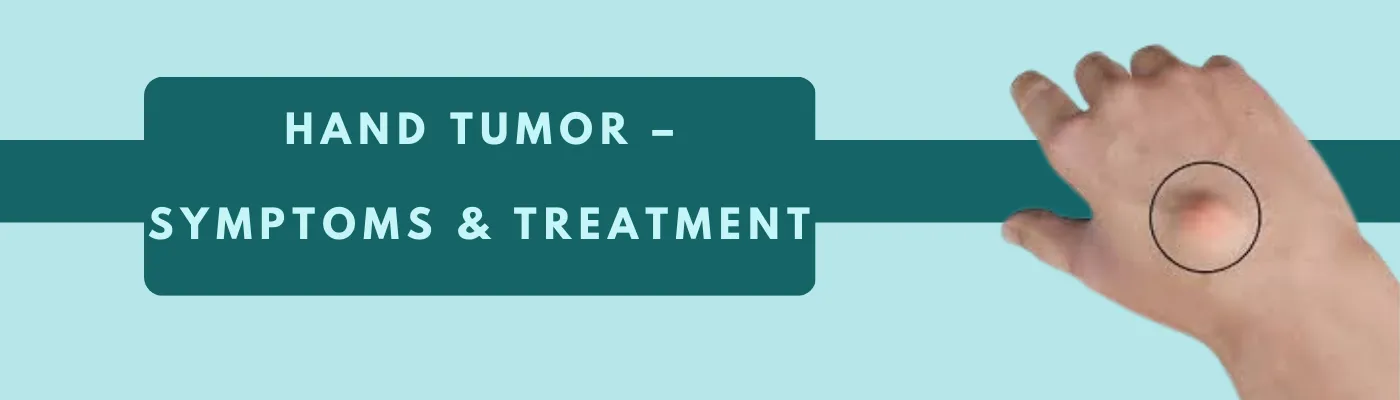 If you have noticed a persistent swelling or lump in your hand or wrist, please consult Dr. Leena Jain, a renowned plastic surgeon in Mumbai, to rule out a hand tumor. 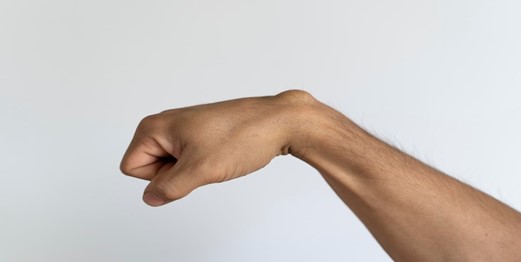 Dealing with a hand tumor can be a distressing experience, stirring concerns about health, functionality, and treatment options. Recognizing this, it is crucial to seek guidance from a trusted expert. [Dr. Leena Jain](https://theplasticsurgeryclinic.co/), a leading plastic surgeon in Mumbai, offers advanced and personalized hand tumor treatment. Her expertise in treating hand tumors ensures patients receive the best medical treatment and support they need during this demanding time. With state-of-the-art techniques, Dr. Jain’s approach prioritizes your health and well-being. She aims to restore function and alleviate your worries about hand tumors. This blog aims to address your concerns, providing insights and guidance on hand tumor treatments in Mumbai. Before you dive into the details, let’s start with the basics: ## What is a Hand Tumor? 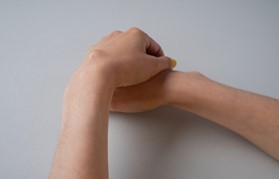A tumor is any abnormal bulge or lump in your hand or wrist. The word “tumor” does not always imply that it is malignant or cancerous. In actuality, most hand and wrist tumors are benign (non-cancerous). Moles, warts, and other skin growths, as well as soft tissue beneath the skin and even in the bone, can all develop into tumors. In addition, the hand has a wide variety of tissues, including skin, [tendons](https://theplasticsurgeryclinic.co/services/tendon-repair-surgery-doctor-in-mumbai/), ligaments, fat, blood vessels, nerves, bone, and more. As a result, your hand can develop a wide variety of tumors. Hand tumors are uncommon but not impossible. If you are dealing with a growth on your hand, it is essential to know if it is a tumor, what type of tumor it is, and whether or not it needs intervention. **Transform Your Hand Tumor Worry into Wellness. [Secure Your Consultation](https://theplasticsurgeryclinic.co/contact) with Dr. Leena Jain and Start Your Healing Journey.** Now, let’s know the causes, risk factors, and the various types of hand tumors. It is essential for early detection and effective treatment. ## Causes and Risk Factors of Hand Tumors **** - **Genetic Predisposition**: Some individuals may have a genetic predisposition to develop hand tumors. This can be due to inherited genetic mutations. - **Environmental Factors**: Exposure to certain chemicals or radiation can increase the risk of developing tumors. - **Repetitive Trauma or Injury**: Chronic injury or repetitive trauma to the hand may lead to the development of tumors in some cases. - **Age and Gender**: Certain types of hand tumors are more prevalent in specific age groups and genders, though they can occur at any age. With a clear understanding of the causes, let’s look at the types: ## What are the Common Types of Hand Tumors? The following are some of the common types of hand tumors: ### **1. Ganglion Cyst** ### **Overview:** 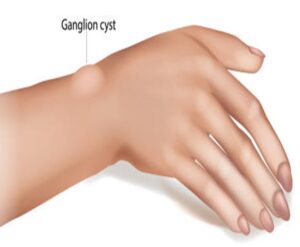 A ganglion cyst is a non-cancerous hand tumor. A blockage of the peripheral nerve causes it. It can develop due to inflammation or a [traumatic injury](https://theplasticsurgeryclinic.co/services/plastic-surgery-and-trauma-treatment-in-mumbai/). This type of tumor can develop at the base of the fingers or near the finger joints. It usually occurs on the wrist and appears as a small, round mass that ranges from less than an inch to 4 inches in diameter. The cyst will feel very hard and usually be filled with fluid. While some cysts can be the size of a pea, they can also grow to the size of a golf ball, explains [Dr. Leena Jain](https://theplasticsurgeryclinic.co/about-us), a highly-skilled plastic surgeon in Borivali, Mumbai. ### **Symptoms:** The following symptoms may occur if the cyst presses a nerve: - Pain - Muscle weakness - Numbness ### **Treatment:** Often, doctors observe these cysts for changes. In more severe cases, aspiration or surgical removal may be necessary. During surgery, the doctor will remove the cyst and the stalk connecting it to the tendon or joint. It is a daycare surgery with a healing time of about 8-10 days. ### **2. Giant cell tumor of the tendon sheath** ### **Overview**: A tendon sheath tumor is often found on the fingers, both on the volar or dorsal aspects. These tumors are rare and benign. They grow very slowly and tend to be small. It often occurs in people aged 30 to 50, affecting women more frequently than men (3 – 6). ### **Symptoms:** Although usually painless, symptoms may include: - Swelling - Pain - Limitation of joint movement ### **Treatment:** The main course of treatment for giant cell tumors is surgery. It can be done under local anaesthesia as a daycare procedure. ### **3. Epidermal inclusion cyst** ### **Overview:** 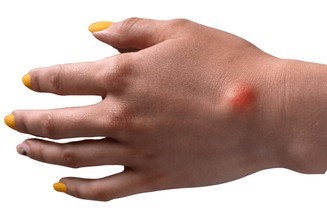These tumors are not cancerous. It occurs beneath the skin in an area that may have had a puncture or cut. It is typically filled with keratin which is a squishy waxy protein. ### **Symptoms:** If the cyst becomes infected, symptoms may include: - Swelling - Pain - Redness ### **Treatment:** Surgical excision is usually required, especially if they are recurrent or infected. Surgeons remove the cyst, under local anaesthesia. ### **4.** **Enchondromas** ### **Overview**: These are benign (non-cancerous) hand tumors. They develop in the cartilage, the connective tissue that makes up much of the skeletal system. These tumors most commonly occur in the small bones of the hands. These tumors are typically painless and discovered incidentally. Sometimes, they cause bone weakening or deformity, leading to pain or fractures. ### **Symptoms**: - Pain - Swelling - Fracture in severe cases. ### **Treatment**: Enchondromas are often treated with conservative medication if they are asymptomatic. But in cases where they cause symptoms or have a risk of malignant transformation, surgical intervention might be considered. Regular monitoring is crucial to ensure they remain benign and not impact bone integrity. ### **5. Glomus Tumors** ### **Overview**: Glomus tumors are rare, small benign growths usually less than 1 centimetre in diameter. They typically occur in the fingers, particularly under the fingernail. These tumors originate from the glomus body. It is a tiny structure regulating blood flow and temperature in the skin. Glomus tumors are known for causing significant pain. The pain can be sharp or aching and often worsens with temperature changes or pressure. ### **Symptoms**: - Severe pain - Sensitivity to temperature changes - Bluish discolouration under the nail ### **Treatment**: Surgeons often recommend surgical removal due to the pain associated with these tumors. ### **Other less common hand tumors** Some of the rare types of hand tumors include: - [lipomas](https://theplasticsurgeryclinic.co/blogs/lipoma-symptoms-causes-treatment-options/) (a lump made up of fatty tissue) - vascular malformations (tumors of blood vessels) - neuromas (tumors of the nerve tissue) - fibromas (a tumor that affects the connective tissue) If you notice any changes in your wrist or hand, please get in touch with an expert like Dr. Leena Jain for a proper assessment and treatment. She is among the preferred specialists for people seeking [hand surgery](https://theplasticsurgeryclinic.co/services/hand-surgery-in-mumbai/) in Mumbai. ## Complications or Side Effects of Hand Tumor Surgery 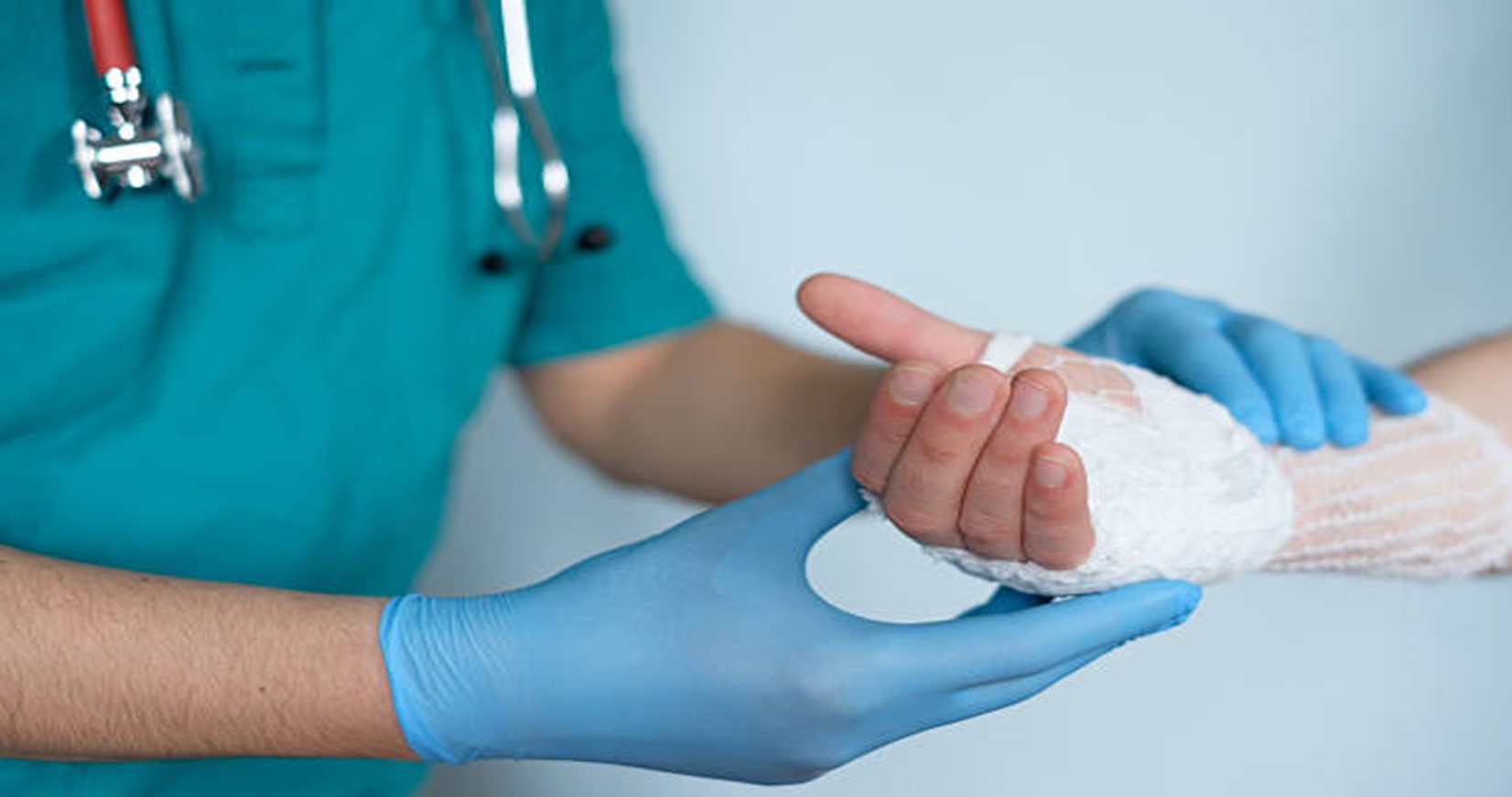 Hand tumor surgery, while often necessary, can come with its own set of challenges. Patients considering this surgery should be aware of potential complications. Here’s what to look out for: **· Infection Risk:** Surgery can expose the hand to bacteria. It can cause infections. **· [Nerve Damage](https://theplasticsurgeryclinic.co/blogs/what-are-nerve-injuries/):** Accidental nerve damage may occur during the procedure. It can affect hand sensation or movement. **· Reduced Mobility:** Post-surgery, some patients may experience limited range of motion or stiffness in their hands. **· Scarring:** Surgical incisions may result in visible scarring, though techniques used by skilled surgeons like Dr. Leena Jain can minimize this. **· Swelling and Pain:** Post-surgical swelling and pain are common but usually temporary. **· Blood Clot Risk:** Though rare, blood clots can form and pose serious health risks. **· Recurrence:** There is a possibility of the tumor returning, necessitating further treatment or surgery. Each patient’s experience is unique. These complications can vary in intensity and occurrence. Consulting with a skilled plastic surgeon like Dr. Leena Jain can help mitigate these risks through expert care and personalized treatment plans. ## Tips on Preventing or Managing Complications of Hand Tumor Surgery  **1. Regular Check-Ups****:** Schedule regular visits with your surgeon. Early detection can prevent complications. **2. Follow Post-Surgery Care****:** Adhere strictly to your surgeon’s aftercare guidelines. Proper wound care and physiotherapy are crucial. **3. Maintain a Healthy Lifestyle****:** A balanced diet and regular exercise can boost overall health. It can aid recovery and prevent complications. **4. Avoid Strain on Hands****:** Limit activities that put excessive stress on your hands. **5. Mind Your Mental Health****:** Managing stress and maintaining a positive outlook can significantly impact your recovery and well-being. For further guidance and expert advice, it is always best to consult with healthcare professionals, particularly those specializing in hand surgery and tumor management. ## Conclusion The hand is an integral part of the human body, and tumorous growth in the hand can be pretty serious. Although [hand tumors](https://www.massgeneral.org/orthopaedics/hand/conditions-and-treatments/hand-tumors) are not much known, they do occur and can cause discomfort that can affect the quality of your life. Any tumor found on the hand or wrist is known as a hand tumor. The most common type of hand tumor is called a ganglion cyst. It is also known as a ganglion or keystone tumor, which usually forms underneath the skin in the wrist area. The tumor is not dangerous, but it can sometimes be annoying and painful. Hand tumors may appear for no apparent reason or may be triggered by other factors like soft tissue injuries and arthritis. It can be alarming if you see a growth on your hand or fingers. Fortunately, most of them are benign and can be removed with little consequence. However, some types of tumors can become serious if left untreated. If you are seeking treatment in Mumbai for a persistent lump in your hand, please [consult](https://theplasticsurgeryclinic.co/contact) the proficient plastic surgeon, Dr. Leena Jain, for a safe and effective treatment. Let’s know the answers to some common questions and concerns: ## FAQs: **Can hand tumors be cancerous?** Yes, hand tumors can be cancerous, but most are benign. Getting any growth in your hand checked by a medical professional is crucial. Early diagnosis is vital to successful treatment, especially if the tumor is malignant. **How do I know if I have a hand tumor?** Common signs include a noticeable lump, swelling, or pain in your hand. You must see a doctor for a proper diagnosis if you observe any of these symptoms. **Should I be worried about a lump in my hand?** While a lump in your hand is often benign, it is essential to take it seriously. Schedule an appointment with a doctor for an evaluation. Not all lumps are harmful. Yet getting a professional opinion ensures peace of mind and safety. **Can hand tumors recur after treatment?** There is a possibility of recurrence, especially with certain types of tumors. Regular follow-ups post-treatment are essential to monitor your health. **How can I prevent hand tumors?** There is no guaranteed way to prevent hand tumors. However, maintaining overall health and promptly addressing hand injuries can be beneficial. Reference Links: [https://www.mayoclinic.org/tests-procedures/surgery]() ### Submit a Comment Your email address will not be published. Required fields are marked \* Comment \* Name Email Website **Categories:** Blog --- ### [What Is Gynecomastia and How Can It Be Treated?](https://theplasticsurgeryclinic.co/blogs/gynecomastia-treatment-in-mumbai/) **Published:** May 23, 2026 **Author:** Dr. Leena Jain **Content:** # What Is Gynecomastia and How Can It Be Treated? May 23, 2026 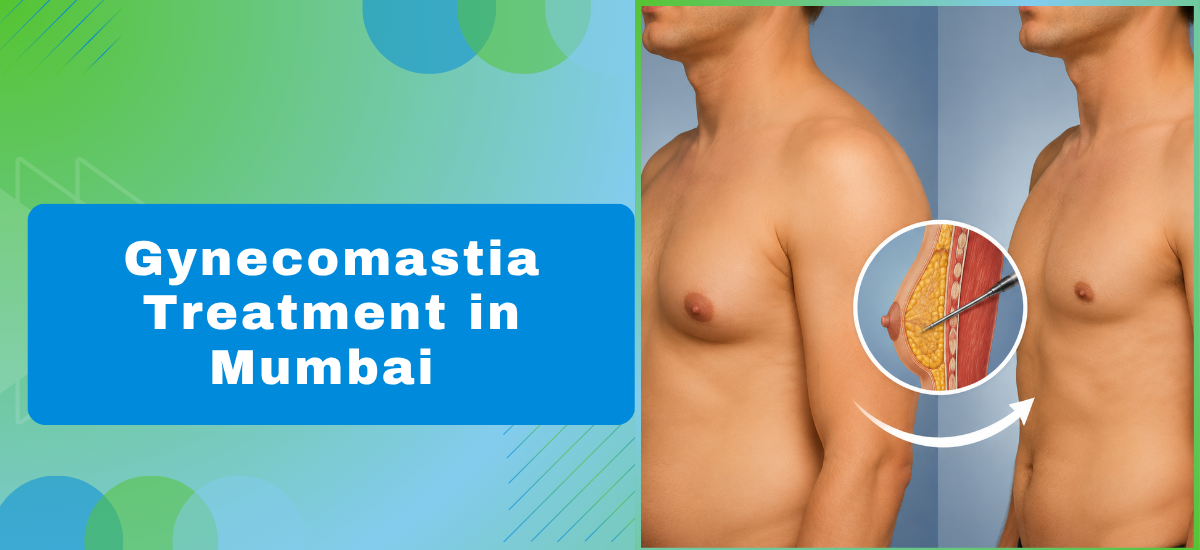 Gynecomastia is the medical term for enlarged breast tissue in men, caused when testosterone drops in proportion to estrogen. It can appear on one side or both, presenting as firm glandular tissue, excess fat, or a combination of the two. Most men notice the change quietly and hope it resolves on its own sometimes it does, often it does not. When the tissue is glandular, no amount of diet or exercise will reduce it. The body is responding to a hormonal shift, not to lifestyle factors. According to Dr. Leena Jain, one of the [best plastic surgeons in Mumbai](https://theplasticsurgeryclinic.co/), Glandular gynecomastia is driven by hormones rather than lifestyle, so it doesn’t respond to diet or exercise. In these cases, surgery is typically the only reliable way to remove the glandular tissue. Ready to put gynecomastia behind you with a permanent fix? [Book an appointment](https://theplasticsurgeryclinic.co/contact/) ## What Are the Signs of Gynecomastia, and When Should You See a Doctor? Early on, you might shrug it off. A bit of softness. A sensitive spot. Nothing alarming. The trouble is, the longer you wait, the more glandular tissue settles in, and at that stage, only [breast surgery](https://theplasticsurgeryclinic.co/services/breast-surgery-in-mumbai/) in Mumbai really resolves it. **What men usually notice first:** - One side starts to look bigger than the other, or both swell up - A firm, rubbery disc sits right under the nipple - The area feels tender, sometimes only when you press on it - Swelling that doesn’t fade over weeks - Pain in the chest that comes and goes for no real reason - Nipple discharge, which is worth flagging straight away if it’s only on one side - A lump that feels hard or shaped oddly If you’re past a few weeks with any of these, especially the one-sided ones, don’t wait. Get it checked. ## So Why Does This Happen to Men in the First Place? The short answer is hormones. The longer answer involves the body doing exactly what it’s wired to do, just at the wrong ratio. That’s why workouts and willpower don’t fix it, and why surgery is often the only thing that does much like how a [tummy tuck](https://theplasticsurgeryclinic.co/services/tummy-tuck-surgery-in-mumbai/) surgery in Mumbai addresses stubborn abdominal tissue that diet alone can’t shift. **Here’s how it plays out:** - Testosterone drops, estrogen takes the lead, and breast tissue grows. - Testosterone is the hormone that builds muscle and body hair. Estrogen builds breast tissue. When the ratio tips, the body listens. - Men produce estrogen too. Smaller amounts than women, but it’s there. - Baby boys are sometimes born with mild breast swelling from their mother’s estrogen. It clears in two or three weeks. - Puberty is when most boys get it. Most outgrow it within a year or two. - It comes back later in life. Between fifty and sixty-nine, about one in four men deal with it. ## Which Medications and Health Conditions Can Trigger Gynecomastia? Sometimes the body isn’t doing it on its own. Something else is nudging the hormone balance. **Medications that have been linked to it:** - Prostate enlargement and prostate cancer drugs - Some steroids prescribed for specific conditions - Antiretroviral medications for HIV/AIDS - Certain anti-anxiety medications and antibiotics - A few heart drugs, plus some used for stomach ulcers Health conditions that can drive it: - Testicular tumours - Kidney failure - An underactive thyroid (hypothyroidism) - Liver cirrhosis - Severe undernourishment ## When Surgery Becomes the Right Move? Treatment depends on what’s causing it, how long it’s been there, and what kind of tissue you’re actually dealing with. How it usually goes: - Chest workouts won’t shrink glandular tissue. Pec muscle builds around it, but the tissue itself stays put. - Puberty cases sort themselves out within a year or two. - If something medical is behind it, like hypogonadism, malnutrition, or [cirrhosis](https://www.mayoclinic.org/diseases-conditions/cirrhosis/symptoms-causes/syc-20351487), treating that usually fixes the chest too. - If a prescription is the culprit, the doctor may change it or stop it. - Surgery comes into the picture when the condition has been around for more than a year or two, or when it’s causing real discomfort, soreness, or distress. - The procedure happens under general anaesthesia, daycare basis. Liposuction does most of the lifting, and any leftover tissue comes out through a cut smaller than a centimetre. - A compression garment goes on for about three months afterwards, so the skin tightens back down properly. For more on assessing other types of breast tissue concerns, see our guide on whether a [breast lump](https://theplasticsurgeryclinic.co/blogs/is-your-breast-lump-a-fibroadenoma/) might be a fibroadenoma and when it should be removed. ## Why Choose Dr. Leena Jain? [Dr. Leena Jain](https://theplasticsurgeryclinic.co/about-us/) is a Plastic, Reconstructive and Microsurgeon with an MCh in Plastic Surgery and a Fellowship in Microsurgery and Perforator Flaps from Hanyang University, Seoul, plus over 7+ years of operative work across reconstructive and aesthetic cases. Men who spent years concealing their chest and trying every supplement without result have left her care with a flat, natural contour. She first determines whether the tissue is glandular, fatty, or mixed, then selects the technique to match, rather than applying a single method to every case. The incision stays under a centimetre and is positioned to remain discreet. Ready to put gynecomastia behind you with a permanent fix? [Book an appointment](https://theplasticsurgeryclinic.co/contact/) ## FAQs ##### Is gynecomastia surgery permanent? Yes. Once the glandular tissue is out, it doesn’t grow back, and as long as your weight stays steady, the result sticks. ##### Can it go away without surgery? In teenagers, often. In men with a known trigger, dealing with the trigger usually does it. If neither applies, surgery is what works. ##### Does the surgery hurt? You won’t feel it during, you’re under. There’s some soreness afterwards, but medication handles it. ##### Will I be left with a scar? Barely. The cut is under a centimetre, and once it heals, you’d have to look for it. ##### Am I a good candidate? If you’re healthy and the condition has been around for over a year or is bothering you, most likely yes. A consultation will confirm it. **References** **–** 1. [Mayo Clinic, Gynecomastia (Enlarged Breasts in Men)](https://www.mayoclinic.org/diseases-conditions/gynecomastia/symptoms-causes/syc-20351449) 2. [Cleveland Clinic, Gynecomastia (Enlarged Male Breast Tissue)](https://my.clevelandclinic.org/health/diseases/16227-enlarged-male-breast-tissue-gynecomastia) ### Submit a Comment Your email address will not be published. Required fields are marked \* Comment \* Name Email Website **Categories:** Blog --- ### [Earlobe Repair Surgery: Treatment for Split or Elongated Earlobes](https://theplasticsurgeryclinic.co/blogs/earlobe-repair-surgery-treatment-for-split-or-elongated-earlobes/) **Published:** January 29, 2026 **Author:** Dr. Leena Jain **Content:** # Earlobe Repair Surgery: Treatment for Split or Elongated Earlobes Jan 29, 2026 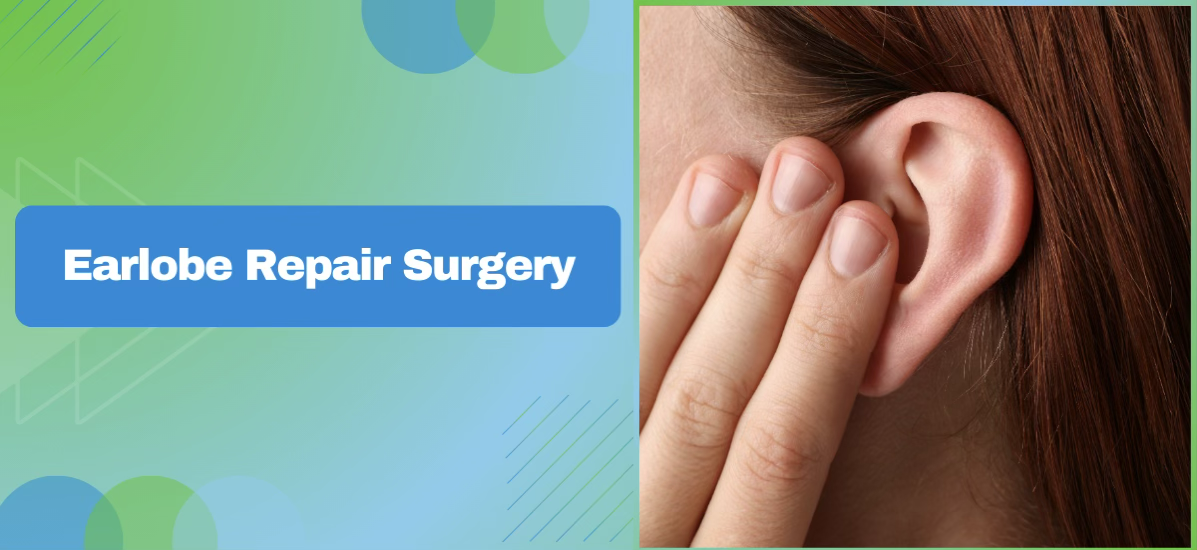 Earlobe repair surgery is a commonly performed procedure aimed at fixing elongated or split earlobes, often caused by the wearing of heavy earrings or improper piercing techniques. Dr. Leena Jain, a renowned plastic and reconstructive surgeon in Mumbai, shares her expertise on this procedure, explaining both its process and the importance of post-surgical care for optimal results. Dr. Leena Jain emphasizes, “Earlobe repair surgery not only restores the natural look but can also significantly improve the functionality of the earlobe for future piercings. Careful attention during the healing phase is crucial for achieving the best results.” In this blog, we will walk you through everything you need to know about earlobe repair surgery, including its causes, the surgical process, recovery, and important aftercare instructions. ## Common Causes of Earlobe Tearing Earlobe tears or elongations can occur for various reasons, and understanding the underlying cause helps in managing the repair process effectively:  ### Heavy Earrings Wearing heavy jewellery, especially in the form of large earrings, can stretch and tear the earlobe over time. 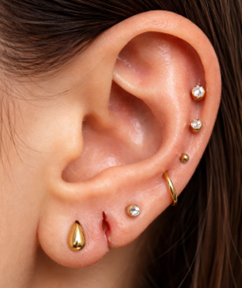 ### Repeated Piercing Multiple piercings in the same area, especially if done too frequently, can weaken the tissue and cause splits. 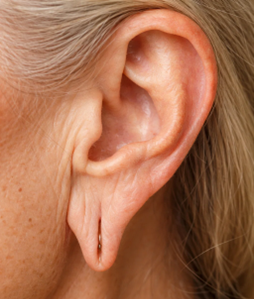 ### Aging As we age, the skin loses elasticity, and earlobes may elongate naturally over time. 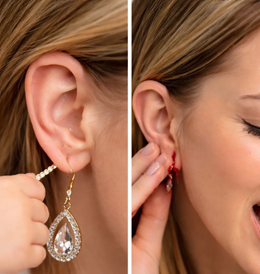 ### Trauma Accidental pulling or tugging of earrings can cause damage to the earlobe, resulting in tears. ## Can you fix a split earlobe Yes, a split earlobe can be fixed effectively with earlobe repair surgery. The procedure involves suturing the torn tissue together, restoring the earlobe’s appearance. It is important to address the issue promptly to avoid further complications such as permanent elongation or difficulty with future piercings. Dr. Leena Jain mentions, *“A split earlobe is a common issue, and the repair procedure is straightforward with excellent results when done by a skilled surgeon.”* Want to restore your earlobe’s natural shape? Schedule a consultation with Dr. Leena Jain for a personalized earlobe repair surgery plan. [Book an appointment](https://theplasticsurgeryclinic.co/contact/) ## How Is Earlobe Repair Surgery Performed? [Earlobe repair surgery](https://theplasticsurgeryclinic.co/blogs/lobuloplasty-reconstructing-the-earlobe/) is a simple outpatient procedure performed under local anaesthesia. Here’s how the surgery is typically carried out: ### Surgical Steps 1. The surgeon marks the area of the tear or elongation. 2. The skin around the tear is gently cleaned and anesthetized. 3. The tear is sutured from both the front and back, carefully restoring the natural shape of the earlobe. 4. The incision is closed with absorbable sutures, leaving a minimal scar. ### Post-Surgery Care After the surgery, you will be provided with aftercare instructions, including how to keep the area clean and avoid infection. ## Want to learn more about earlobe repair surgery? Watch Dr. Leena Jain as she explains the entire process, from preparation to recovery, with helpful visuals to guide you through the procedure. Struggling with torn or elongated earlobes? Contact Dr. Leena Jain today to learn more about earlobe repair surgery and how it can help you regain confidence. [Book an appointment](https://theplasticsurgeryclinic.co/contact/) ## Recovery After Earlobe Repair Surgery The recovery process is relatively quick, but following the proper aftercare instructions is essential for a successful outcome: ### Immediate Post-Surgery - Expect some swelling and mild discomfort for the first few days. - The earlobe will need to be kept clean and dry. - You may need to apply prescribed ointments to prevent infection. ### Full Recovery Within a week or two, most of the swelling will subside, and the earlobe will begin to heal. However, it’s important to avoid any strain on the repaired area. [Dr. Leena Jain](https://theplasticsurgeryclinic.co/about-us/) advises, *“Patience is key during the recovery process. Avoid any unnecessary tugging or pressure on the earlobe to ensure proper healing.”* ## When Can You Get Your Ear Pierced Again After Repair? While the surgical repair heals quickly, it’s important to allow time for the tissue to regain its strength before re-piercing: ### 3-Month Wait You should wait at least three months before getting your ear re-pierced to allow the tissue to regain 50% of its original strength. ### Re-piercing Location The new piercing should be placed away from the repair site in healthy tissue to prevent further elongation. ### Earring Choice A small stud should be worn for the first three months, and you can switch to regular earrings after six months. Have questions about earlobe repair surgery? Reach out to Dr. Leena Jain for expert guidance and take the first step towards perfect earlobes. [Book an appointment](https://theplasticsurgeryclinic.co/contact/) ## FAQs ##### 1. How long does the recovery take after earlobe repair surgery? Recovery from earlobe repair surgery is quick, typically lasting about 1–2 weeks. However, full healing and re-piercing should be done after 3 months. ##### 2. Can I pierce my ear in the same spot after the repair? It is advised to place the new piercing away from the repair site in healthier tissue to avoid further complications. ##### 3. What should I avoid after earlobe repair surgery? Avoid wearing heavy earrings or placing strain on the repaired earlobe. Follow your surgeon’s instructions regarding post-surgical care and activity restrictions. ##### 4. Will the repair leave a noticeable scar? Scarring is minimal and usually fades over time. Following your surgeon’s scar management instructions can help reduce visibility. **Categories:** Blog --- ### [What Causes Dupuytren's Contracture and How Is It Treated?](https://theplasticsurgeryclinic.co/blogs/dupuytrens-contracture-causes-and-treatment/) **Published:** May 16, 2026 **Author:** Dr. Leena Jain **Content:** # What Causes Dupuytren’s Contracture and How Is It Treated? May 16, 2026 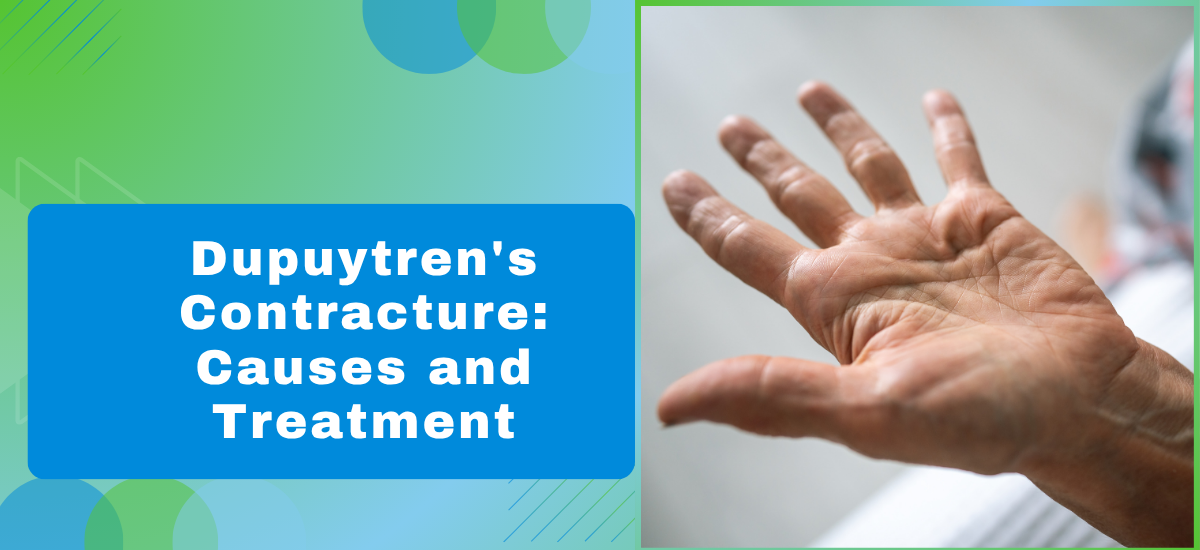 Dupuytren’s contracture is a hand condition. The tissue beneath the skin of the palm thickens and tightens, slowly pulling one or more fingers toward the palm. And yes, it can be corrected. Treatment runs from minimally invasive procedures to surgery, depending on severity. Because it develops gradually, understanding it splits two ways. What bends the fingers. And what straightens them again. It rarely hurts. That is what surprises patients most. The problem is loss of movement, not pain. According to Dr. Leena Jain, [plastic surgeon in Mumbai](https://theplasticsurgeryclinic.co/), The thickened cord under the palm behaves like a tightening rope, so the priority is restoring the hand’s ability to open flat rather than treating discomfort. ## What Causes Dupuytren’s Contracture? It begins in the fascia, a tissue layer under the palm. That layer thickens into cords, and the cords contract over time. These are the main contributors. Genetics: Family history raises the risk sharply, and the condition shows up more often in people of Northern European descent, which points to a strong inherited link. Age and sex: It tends to appear after the age of fifty, and men develop it more frequently and more severely than women do. Lifestyle links: Smoking and heavy alcohol use are associated with a higher likelihood, though the condition still occurs in people with neither habit. Health conditions: Diabetes and some seizure disorders are linked to a raised risk, so the contracture sometimes accompanies other medical issues. The exact trigger is not fully understood. What is clear is that the cords shorten as they mature, drawing the fingers inward. Slowly, then noticeably. For related tendon and finger conditions, this connects with [Tendon Repair Surgery](https://theplasticsurgeryclinic.co/services/tendon-repair-surgery-doctor-in-mumbai/). ## How Is Dupuytren’s Contracture Treated? The goal is simple. Release the tightened cords, restore finger movement. The method depends on how advanced the contracture is. Needle aponeurotomy: A fine needle divides the cord through the skin without an incision, which suits milder cases and offers a quick recovery. Enzyme injection: An injection weakens the cord so it can be broken manually, providing a non-surgical option for suitable patients. Surgical release: Advanced contractures often need the thickened tissue removed through open surgery, which gives a durable result for severe cases. Hand therapy: Splinting and exercises after treatment help maintain the regained movement, since the condition can recur over time. No approach guarantees a permanent fix, because Dupuytren’s can return. So follow-up matters as much as the procedure itself. For another finger condition that’s often confused with this, read [trigger finger vs carpal tunnel](https://theplasticsurgeryclinic.co/blogs/trigger-finger-vs-carpal-tunnel-differences/). ## Why Choose Dr. Leena Jain? [Dr. Leena Jain](https://theplasticsurgeryclinic.co/about/) is a Plastic, Reconstructive and Microsurgeon. She holds an MCh in Plastic Surgery and a Fellowship in Microsurgery and Perforator Flaps from Hanyang University, Seoul, with over 7 years across hand surgery and reconstructive microsurgery. Patients with fingers locked toward the palm have regained the ability to open the hand flat under her care, often through minimally invasive release. She selects the approach based on the contracture’s stage rather than a single default method. Movement first. **Noticing a finger that no longer straightens fully against a flat surface?** [Book Appointment](https://theplasticsurgeryclinic.co/contact/) ## FAQs ##### Is Dupuytren's contracture painful? Usually not, the main issue is restricted finger movement rather than pain. ##### Can Dupuytren's contracture come back after treatment? Yes, it can recur, so follow-up and hand therapy help maintain results. ##### Does Dupuytren's contracture affect both hands? It often does, though one hand is usually more severely affected than the other. ##### When should Dupuytren's contracture be treated? Treatment is considered once the finger can no longer straighten against a flat surface. **References** **–** 1. [National Library of Medicine – Dupuytren Contracture](https://www.ncbi.nlm.nih.gov/books/NBK526074/) 2. [PubMed – Wnt Signaling and Dupuytren’s Disease (NEJM)](https://pubmed.ncbi.nlm.nih.gov/21732829) **Categories:** Blog --- ### [Does a Wrist Ganglion Cyst Need Surgery?](https://theplasticsurgeryclinic.co/blogs/does-a-wrist-ganglion-cyst-need-surgery/) **Published:** May 19, 2026 **Author:** Dr. Leena Jain **Content:** # Does a Wrist Ganglion Cyst Need Surgery? May 19, 2026 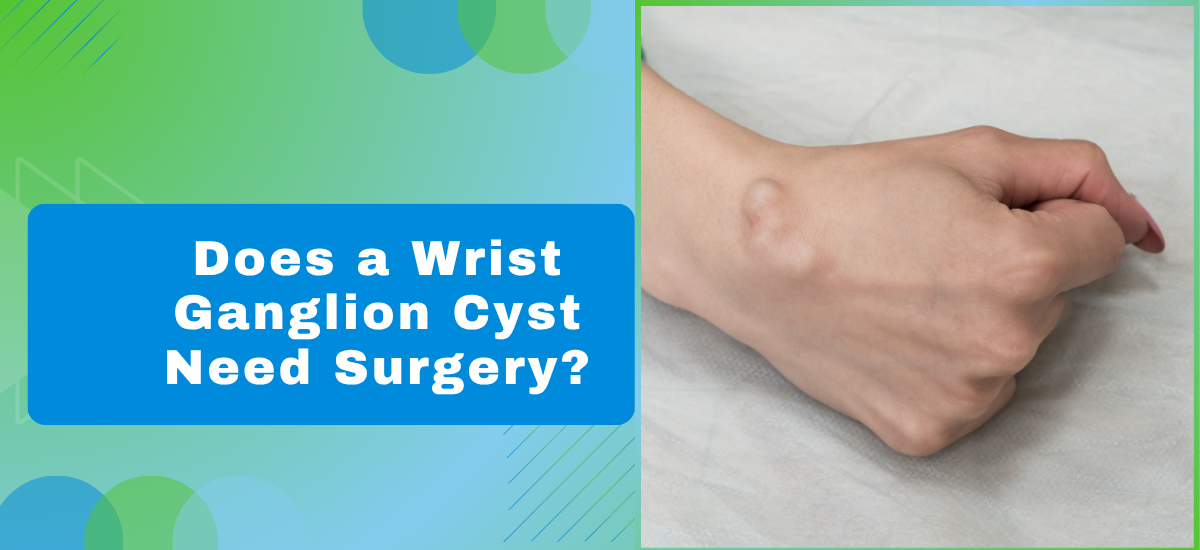 Often, no. A wrist ganglion cyst frequently needs no surgery at all, and many resolve on their own without treatment. Surgery becomes an option only when the cyst causes pain, limits movement, or affects the use of the hand. A ganglion is a fluid-filled lump that forms near a joint or tendon, so the decision splits two ways. When watching and waiting is enough. And when removal is the better choice. Most are harmless. That point gets lost in the worry a sudden lump causes. The cyst is benign, not cancerous. According to Dr. Leena Jain,One of the [best plastic surgeon in Borivali](https://theplasticsurgeryclinic.co/), Many ganglion cysts can simply be observed, so surgery is reserved for cysts that hurt, restrict movement, or keep returning despite simpler measures. ## When Can a Wrist Ganglion Cyst Be Left Alone? Many cysts need no intervention, since they often shrink or disappear without treatment. These are the situations where observation makes sense. No symptoms: A painless cyst that doesn’t restrict movement can usually be monitored, because treating it offers little benefit when it isn’t causing trouble. Natural resolution: A good number of ganglions shrink or vanish on their own over months, so patience often spares an unnecessary procedure. Stable size: A cyst that stays small and unchanged rarely needs action, and regular observation is enough to catch any change early. Mild fluctuation: Ganglions can swell and shrink with activity, which is normal, so a cyst that varies in size isn’t automatically a cause for concern. Reassurance is often the main treatment. Knowing the lump is benign settles most of the anxiety around it. So a clear diagnosis matters first. For broader hand and upper-limb conditions, this connects with[ limb reconstruction surgery](https://theplasticsurgeryclinic.co/services/limb-reconstruction-surgery-in-mumbai/). ## When Does a Wrist Ganglion Cyst Need Surgery? Surgery is considered when a cyst causes ongoing problems or fails to respond to simpler measures. These are the main reasons to operate. Persistent pain: A cyst pressing on nearby nerves can cause aching or tingling, and when that pain interferes with daily life, removal is worth considering. Limited movement: A large cyst can restrict how the wrist bends, so surgery restores the range of motion that the lump takes away. Repeated recurrence: Cysts drained with a needle often return, so surgical removal of the cyst and its stalk gives a more lasting result. Appearance concerns: Some patients choose removal for a prominent lump, which is a valid reason even when the cyst causes no physical symptoms. Surgery isn’t the first step for most people. Surgical removal becomes the right option when the cyst is recurrent, painful, or infected and even then, recurrence is possible, so technique matters. For another wrist condition that can linger after treatment, read [wrist pain after surgery](https://theplasticsurgeryclinic.co/blogs/wrist-pain-years-after-carpal-tunnel-surgery/). ## Why Choose Dr. Leena Jain? [Dr. Leena Jain](https://theplasticsurgeryclinic.co/about/) is a Plastic, Reconstructive and Microsurgeon. She holds an MCh in Plastic Surgery and a Fellowship in Microsurgery and Perforator Flaps from Hanyang University, Seoul, with over 7 years across hand surgery and reconstructive microsurgery. Patients with painful or recurring wrist cysts have had them removed cleanly under her care, with attention to the stalk that reduces the chance of return. She advises observation when it’s appropriate rather than rushing to operate. Honest first, surgical second. **Dealing with a wrist lump that aches or limits how you move the joint?** [Book Appointment](https://theplasticsurgeryclinic.co/contact/) ## FAQs ##### Are wrist ganglion cysts dangerous? No, they’re benign fluid-filled lumps and are not cancerous. ##### Can a ganglion cyst go away without surgery? Yes, many shrink or disappear on their own over several months. ##### Does draining a ganglion cyst cure it? Not always, cysts drained with a needle often return over time. ##### Can a ganglion cyst come back after surgery? It can recur, though removing the stalk lowers the chance considerably. **References** **–** 1. [National Library of Medicine – Ganglion Cyst](https://www.ncbi.nlm.nih.gov/books/NBK470168/) 2. [PubMed – Surgical Excision of Dorsal Wrist Ganglion Cysts](https://pubmed.ncbi.nlm.nih.gov/27138607) **Categories:** Blog --- ### [What Is Breast Reduction Surgery and How Does It Work?](https://theplasticsurgeryclinic.co/blogs/breast-reduction-surgery-in-mumbai/) **Published:** May 24, 2026 **Author:** Dr. Leena Jain **Content:** # What Is Breast Reduction Surgery and How Does It Work? May 24, 2026 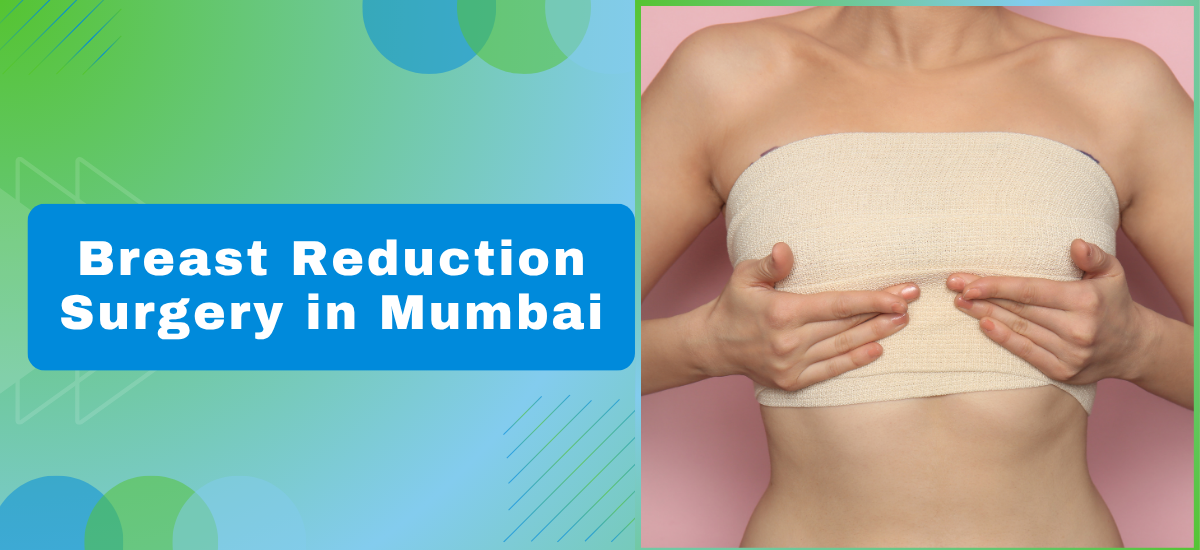 Women often live with the physical strain of disproportionately large breasts for years, enduring back pain, shoulder grooves, and restricted activity before seeking surgery. The decision is usually driven by discomfort rather than appearance. Breast reduction surgery, or reduction mammoplasty, removes excess tissue, fat, and skin to achieve a chest proportionate to the patient’s frame. It also reshapes and elevates the remaining tissue, addressing both symptoms and contour. Most patients report lasting relief, better posture, and greater ease in daily activity after recovery. According to Dr. Leena Jain, one of the [best plastic surgeons in Mumbai](https://theplasticsurgeryclinic.co/), Breast reduction is one of the few cosmetic procedures where patients report relief from physical symptoms before they comment on the aesthetic outcome. Are you experiencing chronic back, neck, or shoulder pain related to breast size? [Book an appointment](https://theplasticsurgeryclinic.co/contact/) ## When Should You Consider Breast Reduction Surgery? The decision to pursue surgery typically follows a sustained period of physical or functional difficulty. If the symptoms below are familiar, a clinical evaluation for [breast surgery](https://theplasticsurgeryclinic.co/services/breast-surgery-in-mumbai/) in Mumbai is advisable. **Common indications include:** - Chronic neck, shoulder, and upper back pain that does not respond to conservative measures - Visible grooves on the shoulders caused by bra straps - Skin irritation or rashes beneath the breast crease, particularly during humid conditions - Difficulty performing physical exercise or routine activities - Postural changes, including rounding of the upper back - Challenges in finding clothing that fits comfortably - A sense that the breasts are disproportionate to the rest of the body - Psychological discomfort or social self-consciousness related to breast size The presence of two or more of these indications generally warrants a consultation with a qualified plastic surgeon to evaluate suitability for the procedure. ## How Is the Procedure Performed? The surgical approach is selected based on the patient’s anatomy, the volume of tissue to be removed, and the desired outcome. The technique is determined during consultation, prior to any treatment plan being finalised. In many cases, the procedure also involves areolar repositioning and resizing, which may be combined with [nipple reduction surgery](https://theplasticsurgeryclinic.co/blogs/nipple-reduction-surgery/) for improved proportion and symmetry. **The three primary techniques are:** - Liposuction only: Suitable for minor reductions where the breast tissue is predominantly fatty and the skin retains good elasticity. A thin cannula is introduced through small incisions, and excess fat is suctioned. Scarring is minimal, though the application is limited. - Lollipop (vertical) technique: The most frequently used approach. The incision is made around the areola and extends vertically to the breast crease. Excess tissue is removed, the breast is reshaped and elevated, and the areola is adjusted in size and position. This technique provides good contour with relatively limited scarring. - Inverted-T (anchor) technique: Indicated for significantly enlarged breasts with marked sagging. The incision pattern extends around the areola, vertically to the crease, and horizontally along the crease itself. Scarring is more extensive, but the technique allows for substantial tissue removal and reshaping. The total operating time is typically two to four hours, depending on the technique selected and the volume of tissue removed. The procedure is performed under general anaesthesia. ## What Does Recovery Look Like After the Surgery? A clear understanding of the recovery timeline allows patients to plan appropriately and supports a smooth outcome from the procedure. **Recovery generally proceeds as follows:** - Drainage tubes may be placed at the surgical site for two to three days to manage postoperative fluid. - Waterproof dressings are applied, allowing patients to shower the day after surgery. - Absorbable sutures are used in most areas. Non-absorbable sutures around the areola are removed at approximately one week. - A surgical bra is worn during the early healing phase to provide support. - Light daily activity may be resumed within a few days, and most patients function independently soon after. - Strenuous activity and physical exercise should be avoided for four to six weeks to prevent scar widening. - Swelling gradually subsides over several months. The final breast shape becomes evident at approximately three months, when a regular bra may be worn. - Surgical scars initially appear red and prominent, then fade significantly over eight to ten months. They do not disappear entirely but generally become inconspicuous. For more on related breast contouring options, see our guide on [fat grafting for breast enhancement.](https://theplasticsurgeryclinic.co/blogs/fat-grafting-for-breast/) Would you like to know which surgical technique is most appropriate for your case? [Book an appointment](https://theplasticsurgeryclinic.co/contact/) ## FAQs ##### How long does the surgery take? The procedure typically takes two to four hours, depending on breast size and the technique used. A precise estimate is provided at consultation. ##### What are the associated risks? As with any surgical procedure, risks include scarring, possible changes in nipple sensation, bleeding, and bruising. Most effects are temporary, and serious complications are uncommon. ##### Is there an age limit for the surgery? There is no upper age limit. The procedure is recommended once breast development is complete, generally from the late teens onward. ##### Can a standard bra be worn after surgery? Yes, once postoperative swelling has fully subsided, which typically occurs at approximately three months. ##### Are the results permanent? The results are long-lasting. Pregnancy or significant weight fluctuation may affect breast shape over time, but with stable weight, the outcome remains durable. **References** **–** 1. [Mayo Clinic, Breast Reduction Surgery ](https://www.mayoclinic.org/tests-procedures/breast-reduction-surgery/about/pac-20393724) 2. [Cleveland Clinic, Breast Reduction (Reduction Mammoplasty) ](https://my.clevelandclinic.org/health/treatments/11025-breast-reduction) ### Submit a Comment Your email address will not be published. Required fields are marked \* Comment \* Name Email Website **Categories:** Blog --- ### [Achilles Tendon Surgery: Restoring Mobility with Precision and Care](https://theplasticsurgeryclinic.co/blogs/achilles-tendon-surgery-restoring-mobility-with-precision-and-care/) **Published:** June 6, 2023 **Author:** Dr. Leena Jain **Content:** # Achilles Tendon Surgery: Restoring Mobility with Precision and Care Jun 6, 2023 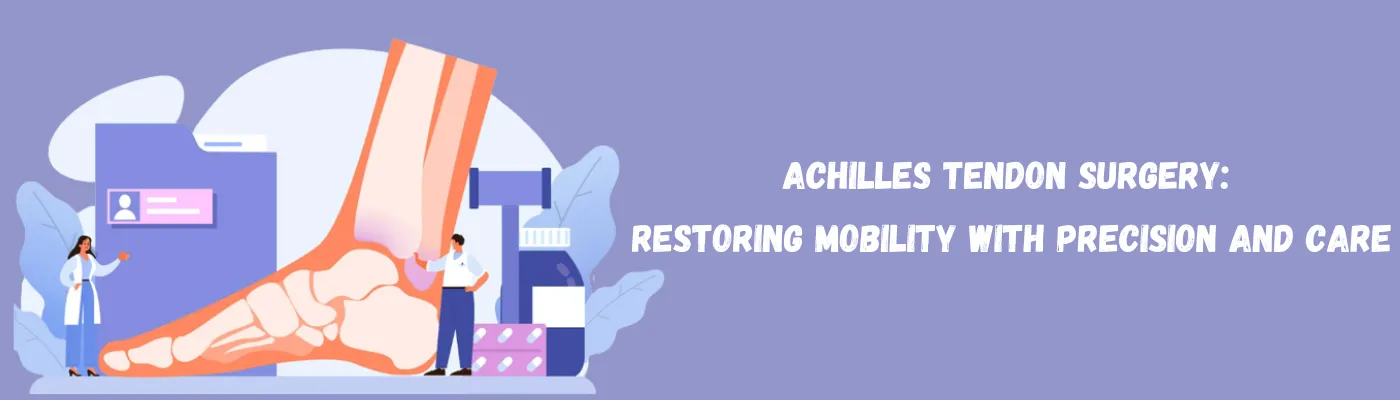 The Achilles tendon, named after the legendary Greek warrior Achilles, is one of the most important structures in the human body. It connects the calf muscles to the heel bone and plays a vital role in everyday activities such as walking, running, and jumping. 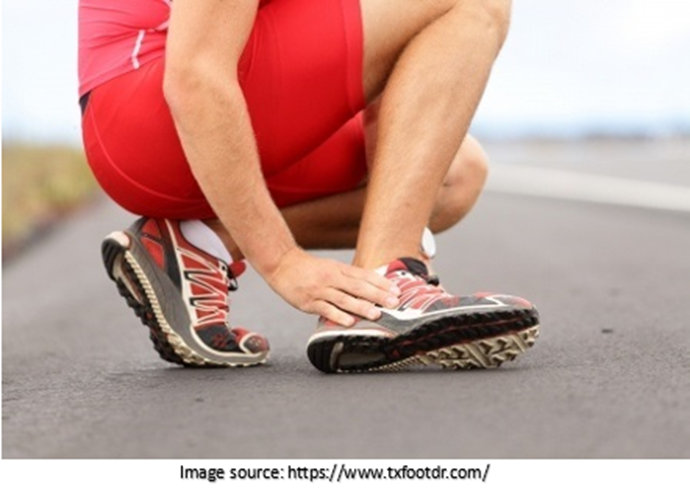However, this strong tendon is also susceptible to injuries and tears, which can significantly impact a person’s mobility and quality of life. Achilles tendon surgery becomes a viable solution to repair and restore functionality in such cases. Dr. Leena Jain is a highly skilled hand and [plastic surgeon in Bandra, Mumbai](https://theplasticsurgeryclinic.co/) specializing in tendon repair surgery, mainly Achilles tendon repair. With years of expertise in the field, Dr. Jain has helped several patients regain mobility and improve their quality of life. She practices in Bandra and Borivali, providing compassionate care and utilizing the latest surgical techniques to deliver optimal results. In this blog, we will explore the anatomy and function of the Achilles tendon, the diagnosis of injuries, various surgical techniques, post-operative care, and long-term prevention methods. **First, let’s see,** ## **Anatomy and Function of the Achilles Tendon** The Achilles tendon, the body’s strongest and largest tendon, is a robust band of fibrous tissue that joins the calf muscles to the heel bone. It runs around the back of the ankle, originates from the calf muscles, namely the gastrocnemius and soleus muscles, and inserts into the heel bone ([calcaneus](https://orthoinfo.aaos.org/en/diseases--conditions/calcaneus-heel-bone-fractures/)). The Achilles tendon allows us to perform activities such as walking, running, and jumping by enabling the calf muscles to exert force on the foot. Its crucial role in movement makes its repair essential after an injury or rupture. ## **Diagnosis of Achilles Tendon Damage** Dr. Leena Jain, a proficient plastic reconstructive microsurgeon and [hand](https://theplasticsurgeryclinic.co/services/hand-surgery-in-mumbai/) surgeon in Mumbai, records the patient’s medical history, performs physical tests and may recommend imaging tests to diagnose Achilles tendon damage. Here are the key steps in diagnosing Achilles tendon damage: ### **1. Medical History:** The doctor will inquire about your symptoms, any previous injuries or medical conditions, and activities that may have contributed to the injury. ### **2. Physical Examination:** The doctor will perform a thorough physical examination. It may involve palpating the Achilles tendon, assessing the range of motion, strength testing, and observing for any visible signs of injury or swelling. ### **3. Diagnostic Imaging:** 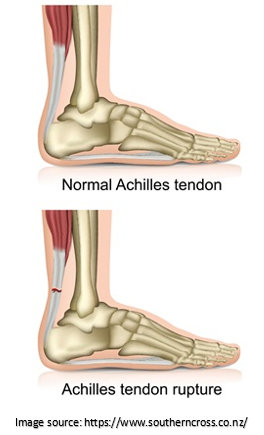Doctors may order imaging tests such as ultrasound or MRI to confirm the diagnosis and assess the extent of the tendon damage. These imaging techniques provide detailed images of the Achilles tendon, allowing for accurate assessment of tears, inflammation, or other abnormalities. Based on the findings from these diagnostic procedures, the doctor will determine the severity and location of the Achilles tendon damage and recommend an appropriate treatment plan, which includes surgical intervention. **Let’s look at the,** ## **Different Techniques for Achilles Tendon Repair** Achilles tendon surgery aims to repair the torn or damaged tendon, restoring its strength and functionality. The specific type of [Achilles tendon rupture surgery](https://theplasticsurgeryclinic.co/services/tendon-repair-surgery-doctor-in-mumbai/) is performed based on the particular nature and severity of the injury. **The two primary surgical techniques for Achilles tendon repair are:** ### **1. Open Direct Repair:** This is the traditional surgical approach where the surgeon makes a single large incision along the back of the ankle to access the damaged Achilles tendon. Then, the surgeon sutures the torn ends of the tendon back together, restoring its continuity. Open repair allows for direct visualization and precise repair of the tendon. ### **2. Open repair with tendon graft** It there is partial loss of tendon, then tendon graft is placed to establish tendon continuity. Ko Muscle fascia turn over can also be done to form the tendon. ### **3. Open Repair with flap cover** When overlying [skin](https://theplasticsurgeryclinic.co/blogs/skin-grafting/) is damaged, it needs a cover in the form of flap to cover the tendon and facilitate it’s healing. Flaps can be taken from surrounding ankle area or from thigh depending on tissue loss. *This will be discussed in detail once the patient is examined* ## **Recovery After Achilles Tendon Repair** Recovering from Achilles tendon surgery is crucial for achieving optimal outcomes. The duration and progression of recovery vary depending on factors such as the surgical technique used, the extent of the injury, and the individual’s overall health. **Here is a general overview of the recovery process:** **Recovery Phase** **Key Milestones** **3 weeks after Achilles tendon surgery** Immobilization, pain management, wound care **4 weeks after Achilles tendon surgery** Gentle stretching, physical therapy, range-of-motion exercises **3 months after Achilles tendon surgery** Gradual weight-bearing, strengthening exercises, intense physical therapy **4 months after Achilles tendon surgery** Resume all activities and increased mobility ## **Post-operative Care** After Achilles tendon surgery, following specific guidelines for optimal healing is crucial. These may include: ### **1. Immobilization:** Wearing a cast, splint, or boot to protect and support the repaired tendon. ### **2. Medications:** Taking prescribed pain and anti-inflammatory drugs to manage discomfort and reduce swelling. ### **3. Physical Therapy:** Engaging in a tailored rehabilitation program to restore flexibility, strength, and range of motion. ### **4. Gradual Return to Activity:** Following the doctor’s instructions on when and how to resume activities, such as walking and exercising. **Let’s discuss,** ## **Long-term Prevention Methods** It is essential to adopt long-term preventive measures to minimize the risk. ### **Frequently Asked Questions** #### **Q: Do tendons grow back together after Achilles surgery?** **A:** Achilles surgery aims to reattach the tendon ends and promote healing. Through the surgical procedure, the surgeon aligns the torn ends and sutures them together. Over time, new tissue forms, allowing the tendon to heal and regain its strength. #### **Q: How long does it take to recover?** **A:** The recovery time varies depending on the individual and the extent of the injury. Generally, it takes approximately 3-4 months to recover from Achilles tendon surgery fully. #### **Q: Will I need to wear a cast or walking boot after Achilles’ reconstruction?** **A:** In the early stages of recovery, you will likely need to wear a cast, splint, or walking boot to immobilize the repaired tendon and promote healing. Your surgeon will determine the specific duration of immobilization which may vary based on the surgical technique used. #### **Q: How long does it take to walk after Achilles torn** **surgery?** **A:** The timeline for walking after Achilles tendon surgery varies, and it depends on several factors, including the surgical technique used and the patient’s healing progress. Typically, patients begin weight-bearing exercises with the aid of crutches or a walking boot around three weeks after surgery. However, the ability to walk without assistance may take several weeks to a few months, depending on the individual’s healing process and the guidance of their healthcare professional. #### **Q: Are there any risks or complications associated with surgery?** **A:** As with any surgical procedure, there are potential risks and complications. These can include infection, blood clots, wound healing problems and risk of re-rupture. It is essential to discuss these risks with your surgeon before the procedure and follow their post-operative care instructions to minimize the chances of complications. ### Submit a Comment Your email address will not be published. Required fields are marked \* Comment \* Name Email Website **Categories:** Blog --- ### [6 Months After Achilles Tendon Surgery](https://theplasticsurgeryclinic.co/blogs/6-months-after-achilles-tendon-surgery/) **Published:** April 23, 2024 **Author:** Dr. Leena Jain **Content:** # 6 Months After Achilles Tendon Surgery Apr 23, 2024 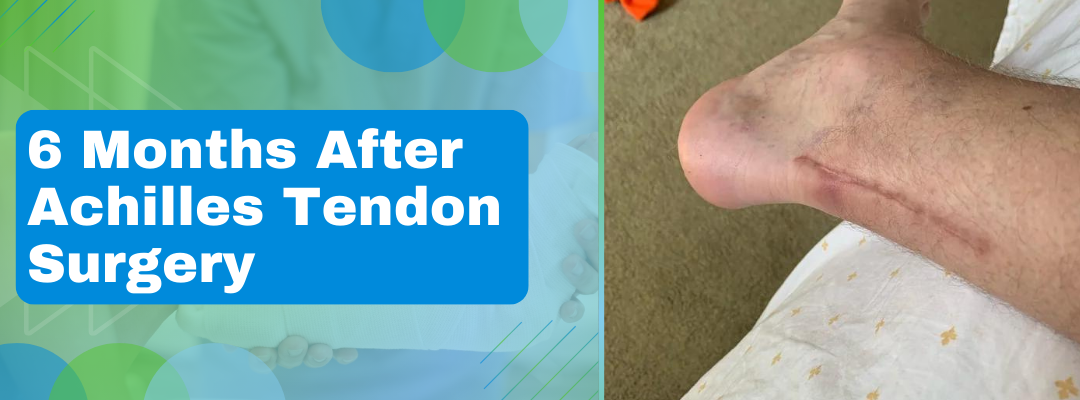 Six months post Achilles surgery is a key recovery milestone. Patients typically see improved mobility and strength, thanks to physical therapy and rehabilitation. While some might feel stiffness or slight pain, it usually lessens with ongoing care. This stage is crucial for assessing healing. It is also for planning the next steps for a smooth recovery. Recovering from Achilles tendon surgery takes patience, perseverance, and the right medical guidance. This journey starts 6 months after the surgery. Dr. Leena Jain, a [****Plastic Surgeon in Mumbai****](https://theplasticsurgeryclinic.co/), shares insights into what patients can expect during this. You may be regaining mobility, enhancing strength, or managing symptoms. Understanding the recovery process is key to success. **Are you on the path to recovery 6 months after Achilles tendon surgery? [Schedule a consultation](https://theplasticsurgeryclinic.co/contact/) for personalized care and support for your healing journey.** ****Want to know more about your Achilles 6 months post-surgery? Keep reading to find out!**** ## **What to Expect 6 Months After Achilles Tendon Surgery** ● **Mobility** Significant improvements in mobility mark of the 6-month recovery stage. Patients can expect to do more active activities. But, they must do so carefully and under a healthcare professional’s guidance. ● **Strength** Rebuilding strength is crucial at this stage. Doing physical therapy after Achilles surgery is key. It helps restore the tendon’s function and the strength of the muscles near the injury. ● **Potential Residual Symptoms** It’s not uncommon to experience some [Achilles tendon post-surgery pain](https://theplasticsurgeryclinic.co/blogs/pain-1-year-after-achilles-tendon-surgery/) or stiffness. These symptoms diminish over time but need ongoing management and rehabilitation efforts. ## **Potential Complications** ● **Achilles Tendon Re Rupture:** A serious complication where the repaired tendon tears again. Requires immediate medical attention and possibly another surgery. ● **Scar Tissue Formation:** Excessive scar tissue can limit mobility and cause discomfort. Physical therapy may help manage this issue. ● **Reduced range of movements**: inadequate physical therapy can cause this and hence most important [post surgery](https://theplasticsurgeryclinic.co/blogs/navigating-life-4-months-after-achilles-tendon-surgery/) is to gradually increase range of movements of ankle joint. ● **Blood Clots:** Increased risk due to reduced mobility post-surgery. Symptoms include swelling, pain, and redness in the leg. Urgent treatment is necessary. **Experiencing discomfort or have concerns 6 months after Achilles tendon surgery?** [****Click Here****](https://theplasticsurgeryclinic.co/contact/) **for expert advice and reassurance on your recovery for achilles surgery.** ******Wondering how you can actively manage your*** achilles tendon pain after surgery? ***The next section is for you.****** ## ****Pain Management**** **6 Months After Achilles Tendon Surgery** ● **Physical Therapy:** Tailored exercises to improve flexibility and strengthen the area, reducing pain. ● **Medication:** Anti-inflammatory drugs or pain relievers prescribed by your doctor can help manage pain. ● **Ice Therapy:** Applying ice packs to the affected area can reduce swelling and alleviate pain. ● **Rest:** Adequate rest is crucial for healing, but balance with gentle activity to prevent stiffness. ● **Compression:** Wearing compression socks or bandages can support the tendon and reduce discomfort. ● **Elevation:** Elevating the leg above the heart level helps decrease swelling and pain. **Manage your Achilles tendon post-surgery pain efficiently.** [****Book an appointment now!****](https://theplasticsurgeryclinic.co/contact/) ******And finally, how do you wrap up your journey toward healing? Let’s conclude with some actionable insights.****** ## **Recovery at the 6 Month Mark** ● **Gradual Activity Increase:** Slowly resume activities and sports, following medical guidance to avoid overstrain. ● **Physical Therapy Continuation:** Keep up with physical therapy exercises to maintain strength and flexibility. ● **Ergonomic Footwear:** Wear supportive shoes that provide good cushioning and support to the Achilles tendon. ● **Mindfulness and Stress Reduction:** Practice stress-relieving activities like meditation or yoga to support mental health during recovery. ● **Injury Prevention Practices:** Incorporate stretching and strengthening exercises into daily routines to prevent future injuries. **Ensure a smooth and effective recovery 6 months after Achilles tendon surgery with expert guidance.** [****Contact now****](https://theplasticsurgeryclinic.co/contact/) **for a brighter, more active future.** ## **Conclusion** Reaching the 6-month mark after Achilles tendon surgery is a significant milestone in the recovery journey. Dr. Leena Jain is a [Plastic Surgeon in Borivali](https://theplasticsurgeryclinic.co/). With her help, patients can navigate this phase with confidence. They will gain better mobility and strength. They will also address any remaining symptoms or complications. Stay committed to your recovery, and remember, every step forward is a step closer to your goals. ## Watch The Video To Know More About Achilles Tendon Injury https://youtu.be/BkuctbNrUac?si=3Ik_-prV9WzITy5L ## **FAQs** **How long will it take to walk normally after Achilles tendon surgery?** Walking normally can take 3 to 4 months after surgery. The time depends on the surgery’s complexity and the patient’s rehab adherence **How can I best support my recovery and prevent future injuries six months after Achilles tendon surgery?** Doing recommended physical therapy is key. You should follow your surgeon’s advice and slowly increase activity levels. They support recovery and stop future injury. **How long will it take for my Achilles tendon to fully heal after surgery?** Healing the Achilles tendon can take up to a year. But, big improvements happen in 3-4 months. **Is it normal to still experience some discomfort or stiffness at the six-month mark?** Yes, it’s normal to feel some discomfort or stiffness. This feeling usually decreases with more physical therapy and strength training. Reference link: **Categories:** Blog --- ### [Can Keloid and Hypertrophic Scars Be Surgically Treated?](https://theplasticsurgeryclinic.co/blogs/can-keloid-and-hypertrophic-scars-be-surgically-treated/) **Published:** June 16, 2026 **Author:** Dr. Leena Jain **Content:** # Can Keloid and Hypertrophic Scars Be Surgically Treated? Jun 16, 2026 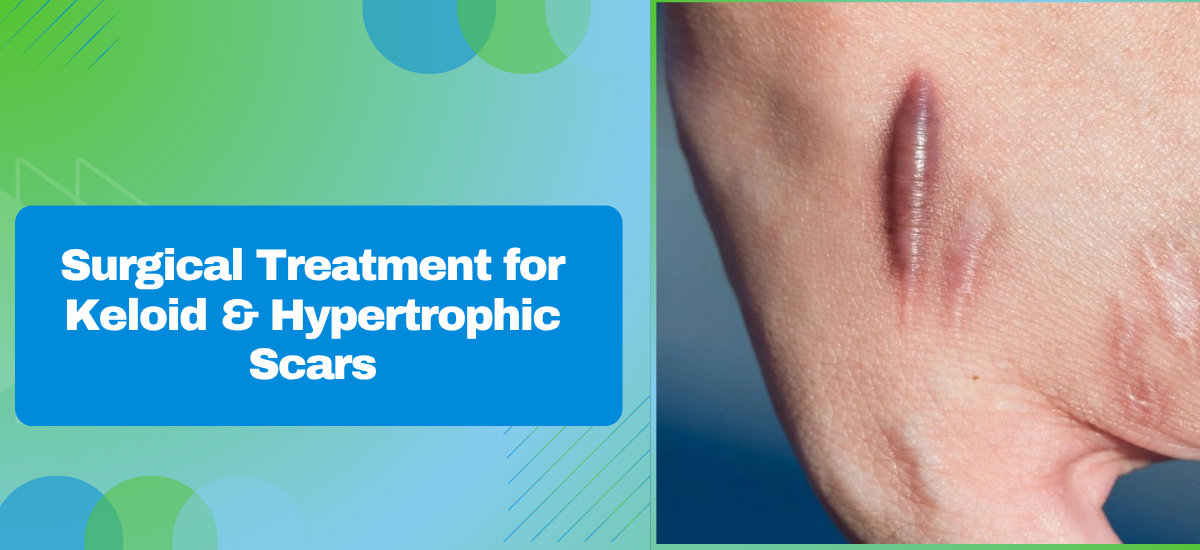 Keloid and hypertrophic scars can be surgically treated, but surgery alone often isn’t enough because both scar types tend to recur, particularly keloids. Treatment usually combines excision with injections, pressure therapy, silicone sheets, or radiation to reduce the chance of return. Because the two scar types behave differently, the picture splits two ways. How they form and why they thicken. And what surgery, combined with other measures, can realistically deliver. According to Dr. Leena Jain,[best plastic surgeon in Mumbai](https://theplasticsurgeryclinic.co/),Surgery alone for a keloid often brings the scar back larger, so the operation has to be paired with measures that suppress the recurrence. ## What Causes Keloid and Hypertrophic Scars? Both scar types develop when the body produces too much collagen during healing, but the patterns differ. These are the main contributors. Excess collagen production Deep dermal injury triggers an exaggerated healing response, with collagen laid down in disorganised bundles that thicken and raise the scar. Genetic tendency. Some people are genetically prone to keloid formation, particularly those with darker skin types or a family history of similar scars. Wound location Areas with high tension or movement, like the chest, shoulders, and earlobes, are more likely to form raised scars after injury or piercing. Healing duration Wounds that take longer to heal, become infected, or face repeated trauma during healing are more likely to scar abnormally. The exact trigger varies between cases. What is clear is that keloids extend beyond the original wound boundary while hypertrophic scars stay within it, which is the most useful distinction in deciding treatment. For scarring affecting movement and joint function, this connects with [Neck Contracture Post Burns.](https://theplasticsurgeryclinic.co/blogs/neck-contracture-post-burns-causes-treatment-and-prevention/) ## How Is Surgical Treatment Performed? Surgical treatment for raised scars combines excision with measures to prevent recurrence. These are the main approaches. Surgical excision The scar is removed and the wound closed carefully to reduce tension. Used alone, recurrence rates are high, especially for keloids. Steroid injections. Triamcinolone injections into and around the scar, before or after surgery, reduce the inflammatory response that drives keloid formation. Pressure therapy Pressure garments or silicone sheets worn over the healing scar for months after surgery help flatten and soften the new scar. Radiation therapy Low-dose radiation soon after keloid excision lowers recurrence rates significantly, used selectively in resistant or large keloids. No single approach prevents recurrence reliably on its own. Combining excision with adjunctive therapy gives the best chance of a lasting result, particularly for keloids. For an example of how scar tissue settles over time after grafting, read[ skin graft after 1 year](https://theplasticsurgeryclinic.co/blogs/skin-graft-after-1-year/). ## Why Choose Dr. Leena Jain? [Dr. Leena Jain](https://theplasticsurgeryclinic.co/about/) is a Plastic, Reconstructive and Microsurgeon. She holds an MCh in Plastic Surgery and a Fellowship in Microsurgery and Perforator Flaps from Hanyang University, Seoul, with over 7 years across scar management and reconstructive microsurgery.Patients with recurrent or disfiguring scars have had them treated with combined excision and adjunctive therapy under her care, with attention to recurrence risk and patient expectations. Each plan is built around the scar type rather than a default technique. Living with a raised, itchy, or growing scar that won’t settle? [Book Appointment](https://theplasticsurgeryclinic.co/contact/) ## FAQs ##### What is the difference between a keloid and a hypertrophic scar? Hypertrophic scars stay within the wound boundary, while keloids extend beyond it. ##### Will surgery alone cure a keloid? Often not, since keloids tend to recur after surgery unless combined with other treatments. ##### How long does scar treatment take? Several months, with combined therapy continuing well after the initial surgery. ##### Are keloids dangerous? Not medically, but they can itch, hurt, restrict movement, or cause significant cosmetic concern. References 1. [National Library of Medicine – Autologous Fat Grafting](https://www.ncbi.nlm.nih.gov/books/NBK557860/) 2. [PubMed – Fat Grafting in Breast Reconstruction](https://pubmed.ncbi.nlm.nih.gov/32071575/) **Categories:** Blog --- ### [Does Plastic Surgery Go Beyond Cosmetics?](https://theplasticsurgeryclinic.co/blogs/does-plastic-surgery-go-beyond-cosmetics/) **Published:** May 15, 2026 **Author:** Dr. Leena Jain **Content:** # Does Plastic Surgery Go Beyond Cosmetics? May 15, 2026  Yes. Plastic surgery extends well beyond cosmetic enhancement. Reconstruction forms a large part of the field, restoring form and function after trauma, cancer, burns, and congenital conditions rather than only refining appearance. The work divides into two branches. Reconstructive surgery rebuilds what injury or disease has damaged. Cosmetic surgery refines what is already healthy. Most people picture only the second branch. The reality is wider. Reconstruction accounts for a substantial share of what plastic surgeons actually do. According to Dr. Leena Jain,One of the [best plastic surgeon in Bandra](https://theplasticsurgeryclinic.co/), Much of the specialty is reconstructive in nature, spanning a remarkable range of work from restoring function to a hand following trauma to rebuilding the breast after cancer surgery. ## What Reconstructive Work Does Plastic Surgery Involve? Reconstruction restores what injury, disease, or developmental conditions have damaged. These are its main areas. Trauma repair: Accidents that destroy skin, muscle, or bone call for reconstruction, and the surgeon rebuilds the area to recover both its appearance and its use. Cancer reconstruction: Removing a tumour can leave significant tissue loss, so reconstruction restores the affected region, as commonly seen after mastectomy. Burn treatment: Deep burns frequently leave scarring that limits movement, and surgical release combined with grafting restores function to the area. Congenital correction: Conditions present from birth, such as cleft lip, are corrected surgically to improve both function and form during early development. The unifying goal is restoration rather than enhancement. Function leads, appearance follows. That distinction defines the reconstructive side of the specialty. For complex limb cases, this overlaps closely with [Limb Reconstruction Surgery](https://theplasticsurgeryclinic.co/services/limb-reconstruction-surgery-in-mumbai/). ## How Does Cosmetic Surgery Differ From Reconstruction? The difference is purpose. Cosmetic surgery refines healthy tissue, whereas reconstruction repairs what disease or injury has harmed. Elective nature: Cosmetic procedures are chosen rather than medically required, so the patient decides based on personal preference instead of clinical need. Functional priority: Reconstruction restores use first, since regaining movement or structure matters more than the final appearance in most cases. Shared techniques: Both branches rely on the same surgical skills, which is why training in one strengthens results in the other. Overlapping outcomes: A reconstructive procedure often improves appearance too, so the line between the two is less rigid than patients assume. Neither branch is lesser than the other. They simply answer different needs. And many surgeons practise across both throughout their careers. For insight into reconstructive technique, read [perforator flap reconstruction](https://theplasticsurgeryclinic.co/blogs/perforator-flaps-explained/). ## Why Choose Dr. Leena Jain? [Dr. Leena Jain](https://theplasticsurgeryclinic.co/about/) is a Plastic, Reconstructive and Microsurgeon. She holds an MCh in Plastic Surgery and a Fellowship in Microsurgery and Perforator Flaps from Hanyang University, Seoul, with over 7 years across both reconstructive and cosmetic practice. Patients have come to her for trauma reconstruction, cancer-related repair, and aesthetic refinement alike, often within the same practice. She approaches each case on its clinical merit rather than its category. The priority is always to restore function, with aesthetic outcome carefully considered alongside it. **Wondering whether your condition falls under reconstructive rather than cosmetic care?** [Book Appointment](https://theplasticsurgeryclinic.co/contact/) ## FAQs ##### Is plastic surgery only about appearance? No, much of the field is reconstructive, restoring function after injury, cancer, or burns. ##### What is the difference between cosmetic and reconstructive surgery? Cosmetic surgery refines healthy tissue, while reconstruction repairs damage from injury or disease. ##### Does insurance treat the two types differently? Often yes, since reconstructive procedures are usually medically indicated rather than elective. ##### Do plastic surgeons perform both types? Many do, as both branches draw on the same core surgical training. **References** **–** 1. [National Library of Medicine – Breast Reconstruction](https://www.ncbi.nlm.nih.gov/books/NBK470317/) 2. [National Library of Medicine – Rhinoplasty](https://www.ncbi.nlm.nih.gov/books/NBK558970/) **Categories:** Blog --- ### [What Habits Help After Cancer Surgery Lymphedema?](https://theplasticsurgeryclinic.co/blogs/what-habits-help-after-cancer-surgery-lymphedema/) **Published:** May 14, 2026 **Author:** Dr. Leena Jain **Content:** # What Habits Help After Cancer Surgery Lymphedema? May 14, 2026  Three habits help most. Skin care. Daily gentle movement. And compression worn the way it’s meant to be. Together they cut fluid buildup and protect the limb. Lymphedema shows up because lymph nodes lost or damaged during cancer treatment stop draining fluid the way they should, so this is something you manage, not something you fix once and forget. The routine splits two ways. The daily work that prevents flare-ups. And the watching that catches trouble early. According to Dr. Leena Jain,One of the [best plastic surgeon in Borivali](https://theplasticsurgeryclinic.co/), Lymphedema responds best to steady daily care, so the patients who do well are usually the ones who treat skin protection and movement as routine, not as a reaction to swelling. ## What Daily Habits Reduce Lymphedema Swelling? It comes down to two things. Keep fluid moving. Keep skin intact. These habits do the heavy lifting. Skin care: Clean, moisturised skin matters more than people expect, because a small crack or cut lets infection in, and infection in this kind of limb gets bad fast. Gentle movement: Walking, swimming, the limb exercises you’re given. They nudge lymph fluid along instead of straining the system. Compression: Wear the fitted garment as told. Skip it for a few days and you can lose weeks of progress, which patients learn the hard way. Elevation: Prop the limb up when resting. Gravity does some of the draining for you, and it’s an easy habit to build. Weight matters too. Carry extra and you load a system already struggling to keep up. So steady beats occasional, every time. For limb function tied to nerve or tissue recovery, care overlaps with [Lymphedema Treatment](https://theplasticsurgeryclinic.co/services/lymphedema-treatment-in-mumbai/). ## What Warning Signs Should Patients Watch For? Catch things early and small swelling stays small. Here’s what to track. Sudden swelling: A clear jump in size over a short stretch is worth attention, since it can mean drainage is slipping or infection is starting. Warmth or redness: Hot or red skin can point to cellulitis. In a lymphedema limb that needs a doctor quickly, not later. Tightness: Rings, sleeves, clothing feeling snug before anything looks swollen. That’s an early flag, easy to miss. Aching or heaviness: A dull ache or dragging feeling often turns up before visible swelling does, so note it rather than wave it off. Not every change is urgent. Knowing your normal, though, makes the odd day stand out. Trust the limb that feels wrong. For more on recovery after cancer surgery, read [breast reconstruction after mastectomy.](https://theplasticsurgeryclinic.co/blogs/stages-of-breast-reconstruction-after-mastectomy-a-guide-by-dr-leena-jain/) ## Why Choose Dr. Leena Jain? [Dr. Leena Jain](https://theplasticsurgeryclinic.co/about/) is a Plastic, Reconstructive and Microsurgeon. MCh in Plastic Surgery. A Fellowship in Microsurgery and Perforator Flaps from Hanyang University, Seoul. And over 7 years across lymphedema and reconstructive microsurgery. Patients carrying post-cancer lymphedema have found real relief in limb heaviness and swelling under her care, often pairing surgical options with daily management. She builds each plan around how the limb actually gets used. Practical, not generic. **Feeling heaviness or swelling in a limb after cancer treatment?** [Book Appointment](https://theplasticsurgeryclinic.co/contact/) ## FAQs ##### Can lymphedema be cured after cancer surgery? No, it’s managed rather than cured, though consistent care keeps swelling well controlled. ##### Is exercise safe with lymphedema? Yes, gentle prescribed movement helps drainage, but build intensity slowly under guidance. ##### How often should compression garments be worn? Usually daily as advised, since regular use prevents fluid building back up. ##### When should I see a doctor about lymphedema? Seek care if you notice sudden swelling, warmth, redness, or signs of infection. **References** **–** 1. [National Cancer Institute – Lymphedema](https://www.cancer.gov/about-cancer/treatment/side-effects/lymphedema) 2. [National Library of Medicine – Lymphedema](https://www.ncbi.nlm.nih.gov/books/NBK537239/) **Categories:** Blog --- ### [Neurogenic Bladder Unmasked: Understanding Flaccid Bladder Better](https://theplasticsurgeryclinic.co/blogs/neurogenic-bladder-unmasked-understanding-flaccid-bladder-better/) **Published:** August 21, 2023 **Author:** Dr. Leena Jain **Content:** # Neurogenic Bladder Unmasked: Understanding Flaccid Bladder Better Aug 21, 2023  Neurogenic bladder is a condition that disrupts the normal functioning of the urinary bladder due to neurological damage or dysfunction. It can be challenging and distressing for individuals who experience it, affecting their urinary control and quality of life. Within the realm of neurogenic bladder, two distinct types often arise spastic bladder and flaccid bladder. Understanding the differences between these two variations is crucial in determining the appropriate treatment and management strategies for affected individuals. Dr. Leena Jain, a reputed [plastic surgeon](https://theplasticsurgeryclinic.co/) in Bandra, Mumbai, is an expert in treating and managing neurogenic bladder conditions. She collaborates with other medical specialists to develop comprehensive treatment plans tailored to each patient’s needs and help restore bladder control and quality of life. Renowned for her expertise in reconstructive procedures and plastic surgery in Mumbai, [Dr. Leena Jain](https://theplasticsurgeryclinic.co/about-us) has helped many patients overcome the challenges associated with this condition. In this blog, we delve into the intricacies of flaccid bladder, shedding light on their causes, symptoms, and treatment options. **Let’s understand,** 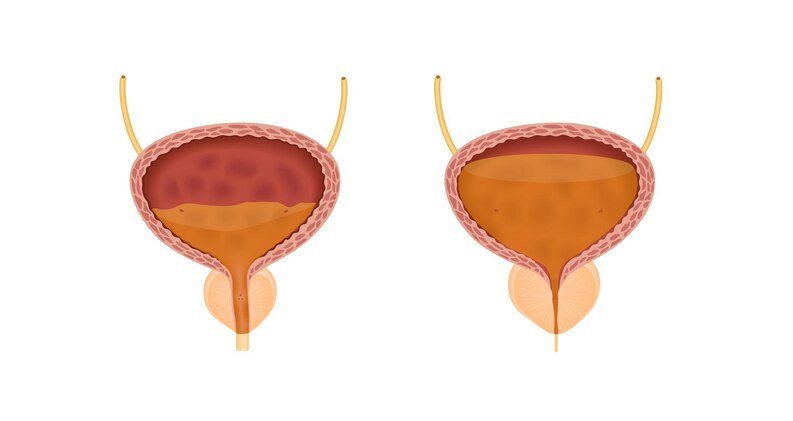## **What is Flaccid Neurogenic Bladder?** It is a type of neurogenic bladder characterized by weak or flaccid bladder muscles and a lack of coordination in the bladder’s contraction and relaxation. It occurs due to damage or dysfunction of the nerves that control bladder sensation and contraction. ## **Causes of Flaccid Neurogenic Bladder** Flaccid neurogenic [bladder condition](https://theplasticsurgeryclinic.co/services/bladder-reconstruction-surgery-in-mumbai) is primarily caused by damage to the peripheral nerves that control bladder function. Some common causes of flaccid neurogenic bladder include: - Spinal cord injuries (lower motor neuron lesions) - Nerve damage due to diabetes - Peripheral neuropathy - Guillain-Barré syndrome These conditions can disrupt the normal nerve signals to the bladder muscles, resulting in decreased muscle tone. **Let’s see,** 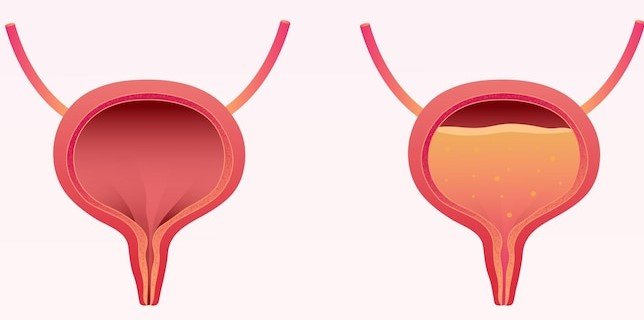## **Symptoms of Flaccid Neurogenic Bladder** The symptoms of a flaccid neurogenic bladder may include: - Urinary retention (inability to empty the bladder fully). - Weak urine stream. - Dribbling of urine. - Urinary incontinence. - An increased risk of urinary tract infections. ## **Surgical Treatment Options for Flaccid Neurogenic Bladder** Surgical options for flaccid bladder treatment aim to improve bladder emptying and reduce the risk of complications. Some common surgical options include: - **Clean intermittent catheterization:** This procedure involves the insertion of a catheter into the bladder several times a day to empty the urine completely. - **Functioning Muscle Transfer or Detrusor Myoplasty**: It is a surgical procedure that helps improve bladder function by assisting in bladder contraction. During this [reconstructive procedure](https://theplasticsurgeryclinic.co/blogs/reconstructive-microsurgery/), the surgeon transfers a functioning muscle from another body part, such as the chest wall or abdominal wall along with its blood supply and nerve supply, to the bladder to enhance its contractile ability. This muscle taken from elsewhere is completely disconnected and attached to bladder by wrapping it around the bladder. Its nerve is connected with one of the functioning nerves of abdominal wall. Blood supply is reestablished by connecting it to blood vessels in the vicinity. Once the nerve and blood supply are reestablished, this transferred muscle will soon become functional, i.e., will start contracting. As and when this muscle contracts, it will squeeze the bladder wrapped by it and this will help in emptying of the urine. The surgeon then connects the transferred muscle to the bladder to improve bladder emptying and control. **The expected results of functioning muscle transfer include:** - Improved bladder emptying. - Reduced risk of urinary tract infections. - Better control over urine flow. However, the success of the surgery depends on various factors, including the underlying cause of the neurogenic bladder, the patient’s overall health, and their ability to follow post-operative care instructions. 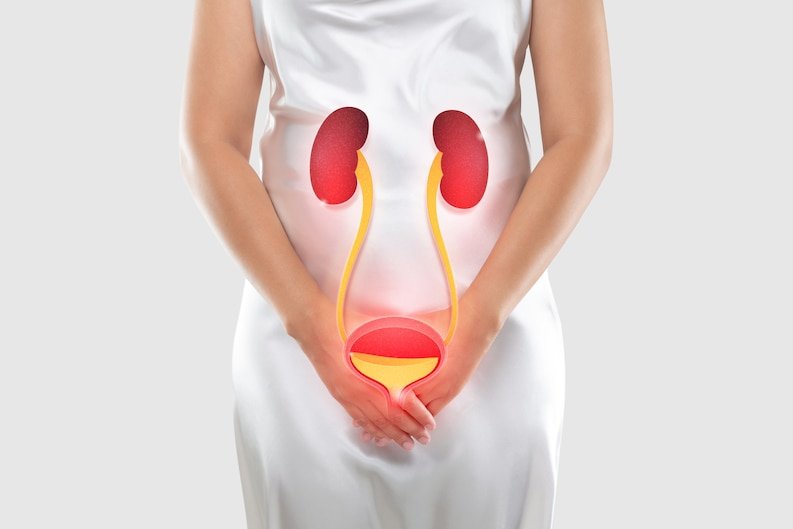## **Recovery and Post-operative Care** After surgical treatment for neurogenic bladder, following proper postoperative care to ensure optimal recovery and prevent complications is crucial. **Here are some tips for maintaining overall bladder health and preventing complications:** - Take prescribed medications regularly and as directed. - Maintain good hygiene to reduce the risk of urinary tract infections. - Drink adequate fluids to prevent dehydration and promote bladder function. - Avoid bladder irritants such as caffeine, alcohol, and spicy foods. - Perform [pelvic floor exercises](https://www.urologyhealth.org/healthy-living/care-blog/2019/kegel-and-pelvic-floor-exercises) (Kegel exercises) to strengthen the pelvic floor muscles and improve bladder control. - Regularly monitor and report any changes in bladder function or symptoms to your healthcare provider. ## **Takeaway** Understanding the differences between spastic and flaccid neurogenic bladder is crucial for effective diagnosis and treatment. Dr. Leena Jain, a highly qualified and skilled plastic surgeon in Bandra, Mumbai, specializes in managing neurogenic bladder conditions and can provide appropriate surgical options tailored to individual patients. By decoding spastic vs. flaccid bladder conditions and exploring surgical treatment options, individuals with a neurogenic bladder can find relief and regain control over their bladder function. ### Submit a Comment Your email address will not be published. Required fields are marked \* Comment \* Name Email Website **Categories:** Blog --- ### [Trigger Finger vs Carpal Tunnel: Differences](https://theplasticsurgeryclinic.co/blogs/trigger-finger-vs-carpal-tunnel-differences/) **Published:** May 3, 2026 **Author:** Dr. Leena Jain **Content:** # Trigger Finger vs Carpal Tunnel: Differences May 3, 2026 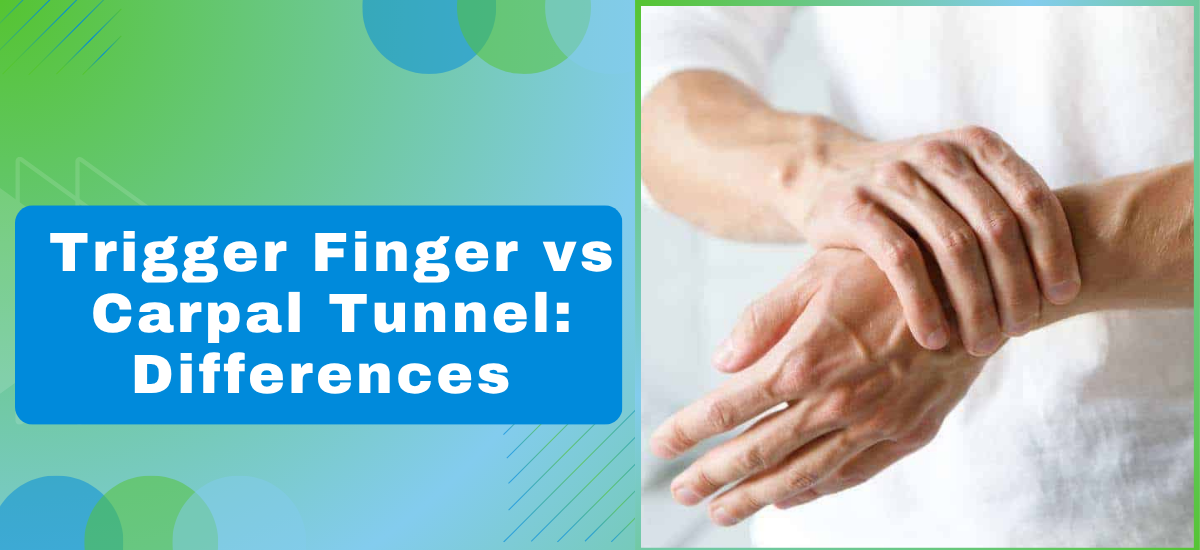 Trigger finger and carpal tunnel syndrome are two distinct upper-extremity conditions involving separate anatomical structures and pathological mechanisms. Trigger finger is a tendon disorder in which a finger catches, clicks, or locks during flexion due to inflammation and thickening of the flexor tendon sheath. Carpal tunnel syndrome is a nerve compression disorder in which the median nerve is compressed within the carpal tunnel at the wrist, producing numbness, tingling, and weakness across the thumb, index finger, middle finger, and the radial half of the ring finger. The former is mechanical in origin, while the latter is neurological. Both conditions can present concurrently, with approximately 1 in 10 patients exhibiting overlapping symptoms, particularly in cases involving diabetes or rheumatoid arthritis. According to Dr. Leena Jain, [plastic surgeon in Mumbai](https://theplasticsurgeryclinic.co/services/hand-surgery-in-mumbai/), Patients frequently present with the conviction that they have one specific condition, and a brief clinical examination often reveals the other diagnosis or both, which significantly alters the surgical approach. ## How Do Trigger Finger and Carpal Tunnel Differ in Symptoms? The two feel completely different once you know what to look for, and most patients can be sorted clinically without imaging. - Locking: With trigger finger you get this clear catch when bending the digit. Sometimes it sticks in a bent position and you literally use the other hand to open it. Embarrassing in meetings, painful in the morning. - Pins and needles: Carpal tunnel feels like the hand has fallen asleep. Wakes patients at 2 or 3 AM. Most people shake the hand out to get rid of it. Doctors call this the flick sign, but everyone does it without being told. - Where it hurts: Trigger finger pain sits right at the base of the affected finger, on the palm side, and there’s often a small lump you can feel under the skin. - Grip getting weaker: Carpal tunnel slowly kills your pinch and grip. Patients drop cups, fumble buttons, can’t open jars. In bad cases the muscle at the base of the thumb visibly shrinks. Both conditions can sit in the same hand, especially in diabetic patients, and the exam separates them before any [tendon repair surgery](https://theplasticsurgeryclinic.co/services/tendon-repair-surgery-doctor-in-mumbai/) is even on the table. ## When Should You See a Hand Surgeon for These Conditions? Splints and injections work for plenty of patients. But some signs mean you’ve crossed the line where conservative care is wasting your time. - Locking that won’t quit: A finger locking daily, or staying stuck in flexion despite a splint and one steroid shot, needs an A1 pulley release. The surgery itself takes about fifteen minutes under local anaesthesia. - Numbness round the clock: Carpal tunnel symptoms that used to come and go but are now constant means the nerve is in trouble. Putting off [hand surgery in Mumbai](https://theplasticsurgeryclinic.co/services/hand-surgery-in-mumbai/) at this stage risks permanent loss of sensation, which doesn’t come back even after surgery. - Thumb muscle wasting: If the meaty bit at the base of the thumb looks visibly thinner than the other side, the median nerve is dying. This isn’t a wait-and-see situation. Surgical release should happen within weeks, not months. - Two injections done, still no relief: Most hand surgeons use this as the cut-off. Two steroid shots without lasting benefit, or symptoms bouncing back inside three months, and it’s time to stop injecting and start cutting. For patients already operated and still uncomfortable, our piece on [carpal tunnel surgery](https://theplasticsurgeryclinic.co/blogs/wrist-pain-years-after-carpal-tunnel-surgery/) walks through why wrist pain sometimes hangs around long after the procedure. #### Decision flow HAND SYMPTOMS │ ┌──────────┴──────────┐ ▼ ▼ FINGER LOCKS NUMBNESS / TINGLING or CATCHES in THUMB, INDEX, MIDDLE │ │ ▼ ▼ TRIGGER FINGER CARPAL TUNNEL │ │ ▼ ▼ Splint + NSAIDs Night splint + NSAIDs │ │ ▼ ▼ Steroid Injection Steroid Injection + (1–2 attempts) Nerve Conduction Study │ │ ▼ ▼ Still locking? Still numb / weak? │ │ ▼ ▼ A1 PULLEY RELEASE CARPAL TUNNEL RELEASE (day-care surgery) (day-care surgery) ## **Why Choose The Plastic Surgery Clinic?** [Dr. Leena Jain](https://theplasticsurgeryclinic.co/about/) is a Plastic Reconstructive Microsurgeon and Hand Surgeon with over 7 years of experience. MBBS, MS General Surgery, MCh Plastic Surgery, with international fellowships in microsurgery from Hanyang University in South Korea and Ludwig Maximilian University in Germany. Hand work is her core area at Lilavati Hospital Bandra and Plastikos Clinic Borivali. The approach is simple. Diagnose first, operate only when conservative options have run out, and tailor the plan to what your hand actually needs to do for work and daily life. Most trigger finger and carpal tunnel releases are day-care procedures with same-day discharge. **Finger that locks and won’t straighten without your other hand pulling it open?** [Book Appointment](https://theplasticsurgeryclinic.co/contact/) ## FAQs ##### Can trigger finger and carpal tunnel happen together? Yes. Both share risk factors like diabetes and arthritis and often coexist in one hand. ##### Does trigger finger go away on its own? Mild cases sometimes settle, but locking that lasts beyond six weeks usually needs splinting or injection. ##### Is carpal tunnel surgery painful? The procedure is done under local anaesthesia with mild discomfort lasting two to three days afterwards. ##### How long is recovery after A1 pulley release for trigger finger? Most patients return to normal hand use within seven to ten days after surgery. **References** **–** 1. [Carpal Tunnel Syndrome Fact Sheet — National Institute of Neurological Disorders and Stroke (NIH)](https://www.ninds.nih.gov/health-information/disorders/carpal-tunnel-syndrome) 2. [Trigger Finger — National Library of Medicine (NCBI)](https://www.ncbi.nlm.nih.gov/books/NBK459310/) **Categories:** Blog --- ### [1 Week Swelling Post Tummy Tuck: Causes & Solutions](https://theplasticsurgeryclinic.co/blogs/1-week-swelling-post-tummy-tuck-causes-solutions/) **Published:** February 25, 2025 **Author:** Dr. Leena Jain **Content:** # 1 Week Swelling Post Tummy Tuck: Causes & Solutions Feb 25, 2025 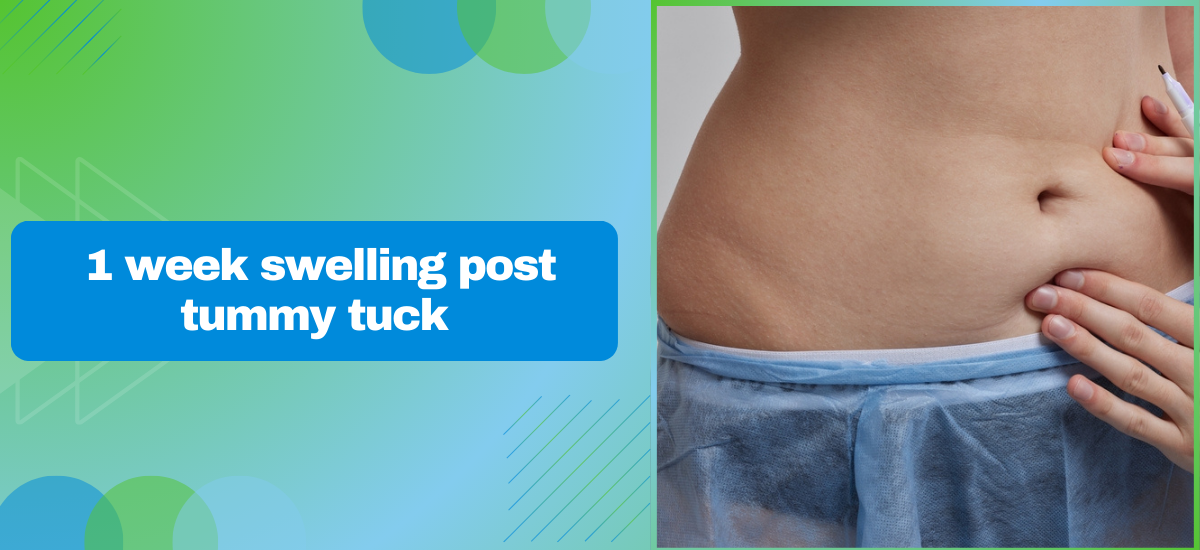 Tummy tuck surgery, also known as abdominoplasty, is a transformative cosmetic procedure designed to create a flatter, toned abdomen. While the results can be highly rewarding, recovery often involves temporary swelling, especially within the first week. This 1 week swelling post tummy tuck is a normal part of the healing, and knowing how to manage it can help ease concerns. Dr. Leena Jain, an esteemed[ plastic surgeon in Mumbai](https://theplasticsurgeryclinic.co/), explains, “Swelling during the first week is your body’s way of responding to surgical trauma. It’s a natural part of the healing process and usually subsides with proper aftercare. Patients should remain patient and adhere to their surgeon’s recovery instructions for optimal results.” Dr. Leena Jain is a board-certified plastic surgeon renowned for her expertise in[ ](https://theplasticsurgeryclinic.co/services/tummy-tuck-surgery-in-mumbai/)[tummy tuck surgery](https://theplasticsurgeryclinic.co/services/tummy-tuck-surgery-in-mumbai/) in Mumbai. With years of experience, she has assisted numerous individuals in achieving their body transformation goals while ensuring a safe recovery journey. In this blog, we’ll discuss about 1 week swelling after tummy tuck, its causes, and ways to manage it for a smoother recovery. ## 1 Week Swelling Post Tummy Tuck: Is This Normal? Swelling is a typical part of recovery after a tummy tuck. At the 1-week mark, many patients notice visible puffiness, especially around the surgical site and adjacent areas. This occurs as the body works to heal from the surgical trauma, accumulating fluid in the tissues. While mild to moderate swelling is normal, it is essential to seek expert evaluation if you experience extreme discomfort or any unusual symptoms to rule out complications.  It’s also important to note that swelling may appear more pronounced in the morning or after prolonged periods of inactivity. This is due to fluid settling in the lower abdomen or surrounding tissues during rest. Compression garments and light movement throughout the day can help manage this. Additionally, some patients might experience a sensation of tightness or heaviness in the abdominal area, another common side effect of swelling. These sensations typically subside as healing progresses and swelling reduces over the following[ ](https://theplasticsurgeryclinic.co/4-weeks-post-tummy-tuck/)[weeks](https://theplasticsurgeryclinic.co/blogs/4-weeks-post-tummy-tuck/). If the swelling is accompanied by redness, excessive warmth, or unusual drainage near the incision site, it’s crucial to consult your tummy tuck surgeon immediately to rule out any risk of infection. A flatter, more sculpted abdomen is within reach. Consult a certified plastic surgeon for expert guidance and care! [Book an appointment](https://theplasticsurgeryclinic.co/contact/) *What are the reasons behind 1 week swelling after tummy tuck? Let’s break it down.* ## Causes of 1 Week Swelling Post Tummy Tuck Swelling can result from several factors, including: **1. Surgical Trauma:** During a tummy tuck, excess skin is removed, and muscles may be tightened, leading to localized trauma. **2. Fluid Retention:** The body retains fluid around the surgical area to aid healing. **3. Lymphatic Disruption:** The surgery may temporarily disrupt lymphatic drainage, causing fluids to build up. **4. Posture Changes:** Maintaining a slightly bent posture after surgery can compress the abdominal area, contributing to swelling. **5. Individual Healing Rates:** Some patients naturally heal slower, leading to prolonged swelling. “If swelling feels excessive or accompanied by severe pain, consult your healthcare provider for an expert opinion,” advises Dr. Leena Jain, a distinguished[ ](https://theplasticsurgeryclinic.co/about-us/)[plastic surgeon](https://theplasticsurgeryclinic.co/about-us/) in Mumbai. ***Struggling with swelling and seeking ways to ease it? Let’s explore some effective tips to help you recover smoothly.*** ## How to Reduce 1 Week Swelling Post Tummy Tuck? Here are practical steps to minimize swelling during the first week of recovery: **1. Wear Compression Garments:** These help reduce fluid build-up and support healing tissues. **2. Stay Hydrated:** Drinking water flushes toxins and reduces inflammation. **3. Elevate the Upper Body:** Rest in a reclined position to improve circulation and drainage. **4. Light Movement:** Gentle walking enhances blood flow and lymphatic drainage, preventing fluid accumulation. **5. Avoid Salty Foods:** High-sodium diets can exacerbate swelling by increasing fluid retention. **6. Cold Compresses:** With your surgeon’s approval, applying cold packs can reduce localized swelling. **7. Follow Your Doctor’s Instructions:** Adhering to the post-op care plan provided by your surgeon ensures optimal recovery. Small lifestyle changes can make a difference in your recovery journey. Consult a seasoned professional for tailored advice. [Book an appointment](https://theplasticsurgeryclinic.co/contact/) ***Worried that your swelling might not be normal? Knowing the warning signs can help.*** ## When to Consult a Doctor?  While swelling is expected, certain signs may indicate complications. Contact your surgeon if you experience: - Severe pain unrelieved by medication - Redness, warmth, or pus around the incision site - Fever or chills - Difficulty breathing or significant asymmetry Additionally, keep an eye out for symptoms such as: - Persistent swelling that does not improve with recommended care after the first few weeks - Sudden increase in abdominal swelling or tightness - Numbness or tingling sensations in the legs, which could indicate circulation issues Timely intervention can prevent more serious complications, ensuring a smoother recovery process. ## Conclusion Swelling during the first week after a tummy tuck is a common part of recovery. Understanding its causes, taking proactive steps to reduce it, and knowing when to seek medical attention can ensure a smoother healing journey. Always reach out to a specialist like Dr. Leena Jain, an eminent plastic surgeon in Mumbai, to address any concerns and receive personalized care. It’s essential to consult an experienced plastic surgeon specializing in breast surgeries, like Dr. Leena Jain, to evaluate your specific needs, guide you through the decision-making process, and help you choose the best option for your body and recovery. Take control of your post-surgical recovery with expert support.[ ](https://theplasticsurgeryclinic.co/contact/)[Consult](https://theplasticsurgeryclinic.co/contact/) an experienced specialist today! [Book an appointment](https://theplasticsurgeryclinic.co/contact/) ***Still have questions? Let’s address the most common ones below.*** ## FAQs ##### What are the stages of swelling after a tummy tuck? Swelling generally peaks during the first week reduces over the next 4–6 weeks, and resolves almost entirely within 3–6 months. ##### Does everyone experience swelling after a tummy tuck? Swelling is a typical response to tummy tuck surgery and is part of the healing process. ##### How long does swelling last after a tummy tuck? Swelling can last up to 6 months, though it diminishes significantly within the first 6 weeks. ##### What to expect 1 week post-op tummy tuck? You may notice moderate swelling, bruising, and mild discomfort, all of which are normal at this stage. ##### When will I see results after a tummy tuck? Results become noticeable as swelling subsides, typically 6–8 weeks post-surgery. **Reference Links:** 1\. [American Society of Plastic Surgeons: Tummy Tuck Recovery Tips](https://www.plasticsurgery.org) [2. Mayo Clinic: Abdominoplasty Overview](https://www.mayoclinic.org) **Disclaimer:** This page is for informational purposes and not for promotional use. **Categories:** Blog --- ### [What Is the Role of Negative Pressure Therapy in Wound Healing?](https://theplasticsurgeryclinic.co/blogs/what-is-the-role-of-negative-pressure-therapy-in-wound-healing/) **Published:** June 15, 2026 **Author:** Dr. Leena Jain **Content:** # What Is the Role of Negative Pressure Therapy in Wound Healing? Jun 15, 2026 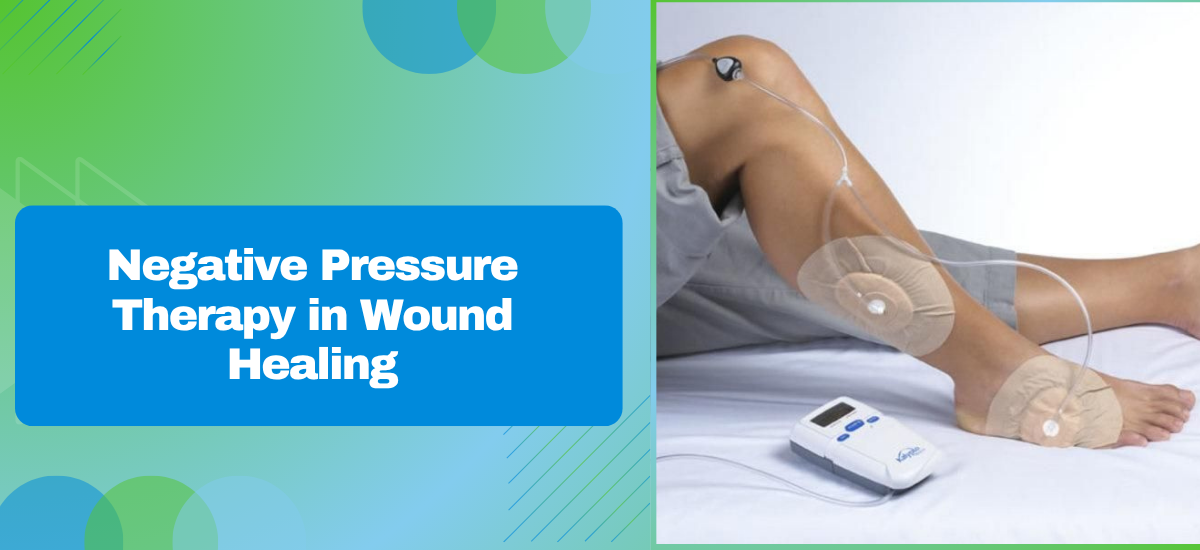 Negative pressure therapy supports wound healing by applying controlled suction to a wound through a sealed dressing, which removes excess fluid, reduces swelling, improves blood flow to the tissue, and draws the wound edges together. It’s used for complex, non-healing, or large wounds where standard dressings aren’t enough. The role of the therapy rests on two things. What it does to the wound environment. And when it’s the right tool for the situation. According to Dr. Leena Jain,[best plastic surgeon in Mumbai](https://theplasticsurgeryclinic.co/),Negative pressure therapy changes a wound’s local environment in ways that simple dressings can’t, which is why it has become a standard tool in complex wound care. ## How Does Negative Pressure Therapy Help Wound Healing? The therapy works by changing the local conditions inside and around the wound. These are the main mechanisms. Fluid removal Controlled suction draws out exudate and reduces tissue swelling, which lets cells move more freely and improves the conditions for healing. Improved blood flow. The vacuum effect pulls more blood into the surrounding tissue, delivering oxygen and nutrients to cells that need them for repair. Wound contraction Gentle, sustained pressure pulls the wound edges closer together, helping the wound become smaller and more manageable over time. Bacterial reduction Removing fluid where bacteria thrive lowers the bacterial load, which supports the body’s own infection control alongside antibiotics. The therapy doesn’t replace surgery or antibiotics. What is clear is that it creates conditions in which wounds that were stuck can start moving toward closure again. For complex diabetic and non-healing wounds where this therapy is often used, this connects with[ Diabetic Ulcer Treatment](https://theplasticsurgeryclinic.co/services/diabetic-ulcer-treatment-in-mumbai/). ## When Is Negative Pressure Therapy Used? Negative pressure therapy suits specific wound types and stages of treatment. These are the main situations. Large or complex wounds Wounds with significant tissue loss, irregular shapes, or exposed structures benefit from the contraction and conditioning effect. After debridement. Following surgical removal of dead tissue, negative pressure prepares the wound bed for later closure with grafts, flaps, or direct suturing. Diabetic foot ulcers Chronic ulcers that aren’t progressing with standard care often respond well, particularly once infection and circulation issues are addressed. Skin graft and flap support Applied over fresh skin grafts or under flap reconstructions, it improves graft take and reduces fluid build-up. The therapy isn’t right for every wound. Active bleeding, untreated infection, or exposed major vessels are reasons not to use it. For an example of how complex wound care addresses chronic infection, read [sternal wound infection.](https://theplasticsurgeryclinic.co/blogs/sternal-wound-infection/) ## Why Choose Dr. Leena Jain? [Dr. Leena Jain](https://theplasticsurgeryclinic.co/about/) is a Plastic, Reconstructive and Microsurgeon. She holds an MCh in Plastic Surgery and a Fellowship in Microsurgery and Perforator Flaps from Hanyang University, Seoul, with over 7 years across reconstructive work for complex and non-healing wounds. Patients with stalled or complex wounds have had negative pressure therapy integrated into staged reconstruction under her care, with each step chosen for what the wound actually needs. She uses the therapy when it genuinely helps rather than as a default. Living with a wound that won’t close despite weeks of dressings? [Book Appointment](https://theplasticsurgeryclinic.co/contact/) ## FAQs ##### What is negative pressure wound therapy? A treatment that applies controlled suction to a wound through a sealed dressing to support healing. ##### How long does negative pressure therapy last? Usually days to weeks, depending on wound size, response, and the next surgical step planned. ##### Is negative pressure therapy painful? Most patients tolerate it well, with mild discomfort possible during dressing changes. ##### When isn't negative pressure therapy used? Active bleeding, untreated infection, exposed major vessels, or malignant tissue in the wound. References 1. [National Library of Medicine – Autologous Fat Grafting](https://www.ncbi.nlm.nih.gov/books/NBK557860/) 2. [PubMed – Fat Grafting in Breast Reconstruction](https://pubmed.ncbi.nlm.nih.gov/32071575/) **Categories:** Blog --- ### [What Is the Surgery Path for a Foot Ulcer?](https://theplasticsurgeryclinic.co/blogs/what-is-the-surgery-path-for-a-foot-ulcer/) **Published:** May 20, 2026 **Author:** Dr. Leena Jain **Content:** # What Is the Surgery Path for a Foot Ulcer? May 20, 2026 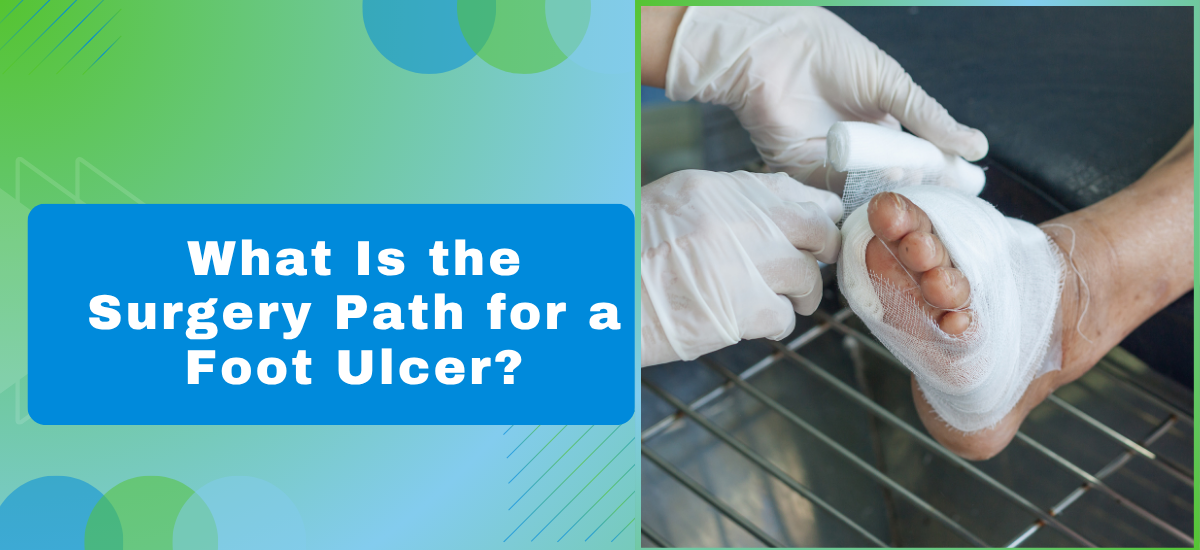 The surgery path for a foot ulcer follows a clear sequence. First debridement to remove dead tissue, then infection control, and finally reconstruction to close the wound. Surgery becomes necessary when an ulcer won’t heal with dressings and offloading alone, usually because of poor blood supply, infection, or exposed bone. The process breaks into two parts. Preparing the wound so it can heal. And closing it once it’s ready. Not every ulcer reaches surgery. But the ones that do follow this order, because skipping a step risks the whole repair. According to Dr. Leena Jain, [plastic surgeon in Mumbai](https://theplasticsurgeryclinic.co/), An ulcer has to be clean and free of infection before any reconstruction, so rushing to close a dirty wound is the fastest way to see it break down again. ## How Is a Foot Ulcer Prepared for Surgery? Preparation clears the wound of dead tissue and infection so healthy healing can begin. These are the main steps. Debridement: The surgeon removes dead and infected tissue down to a healthy base, because a graft or flap won’t take over necrotic ground. Infection control: Antibiotics and drainage clear the bacteria first, since closing over an active infection almost guarantees the wound reopens. Blood flow check: Poor circulation dooms a repair, so the blood supply is assessed and sometimes restored before any closure is attempted. Offloading: Pressure is taken off the area with casts or special footwear, which protects the wound while it’s being prepared. A wound bed has to be ready before it’s closed. Rush it and the repair fails. So this stage often takes longer than the closure itself. For complex wounds threatening the foot, this connects with [limb reconstruction surgery](https://theplasticsurgeryclinic.co/services/limb-reconstruction-surgery-in-mumbai/). ## How Is a Foot Ulcer Closed Surgically? Closure restores skin cover once the wound is clean and well supplied with blood. These are the main methods. Primary closure: A small, clean ulcer can sometimes be stitched directly, which suits wounds with enough healthy surrounding skin. Skin grafting: A thin layer of skin from elsewhere covers a larger shallow wound, though it needs a well-prepared base to survive. Flap reconstruction: Deep wounds with exposed bone or tendon need tissue brought in with its own blood supply, which gives durable cover over difficult areas. Aftercare: Offloading and wound monitoring continue after closure, since the repaired area stays vulnerable until it fully heals. No single method fits every ulcer. The choice depends on depth, location, and what lies exposed. Get that right and the foot is saved. For how grafts settle over time, read [skin graft after 1 year.](https://theplasticsurgeryclinic.co/blogs/skin-graft-after-1-year/) ## Why Choose Dr. Leena Jain? [Dr. Leena Jain](https://theplasticsurgeryclinic.co/about/) is a Plastic, Reconstructive and Microsurgeon. She holds an MCh in Plastic Surgery and a Fellowship in Microsurgery and Perforator Flaps from Hanyang University, Seoul, with over 7 years across diabetic foot reconstruction and limb salvage. Patients facing possible amputation have kept their feet through staged debridement and flap reconstruction under her care, with healing prioritised over shortcuts. She prepares each wound properly before closing it. Salvage first, always. **Dealing with a foot ulcer that won’t close despite weeks of dressing changes?** [Book Appointment](https://theplasticsurgeryclinic.co/contact/) ## FAQs ##### When does a foot ulcer need surgery? When it won’t heal with dressings and offloading, often due to infection or exposed bone. ##### What is debridement? It’s the surgical removal of dead and infected tissue to create a healthy wound base. ##### Can a foot ulcer be closed with a skin graft? Yes, if the wound is shallow and the base is clean and well supplied with blood. ##### Does foot ulcer surgery prevent amputation? Often yes, timely surgery can save a foot that might otherwise be lost. **References** **–** 1. [National Library of Medicine – Diabetic Foot Ulceration and Complications](https://www.ncbi.nlm.nih.gov/books/NBK499887/) 2. [National Library of Medicine – Diagnosis and Management of Diabetic Foot Complications](https://www.ncbi.nlm.nih.gov/books/NBK538977/) **Categories:** Blog --- ### [Can Fat Grafting Replace Implants in Breast Reconstruction?](https://theplasticsurgeryclinic.co/blogs/can-fat-grafting-replace-implants-in-breast-reconstruction/) **Published:** June 12, 2026 **Author:** Dr. Leena Jain **Content:** # Can Fat Grafting Replace Implants in Breast Reconstruction? Jun 12, 2026 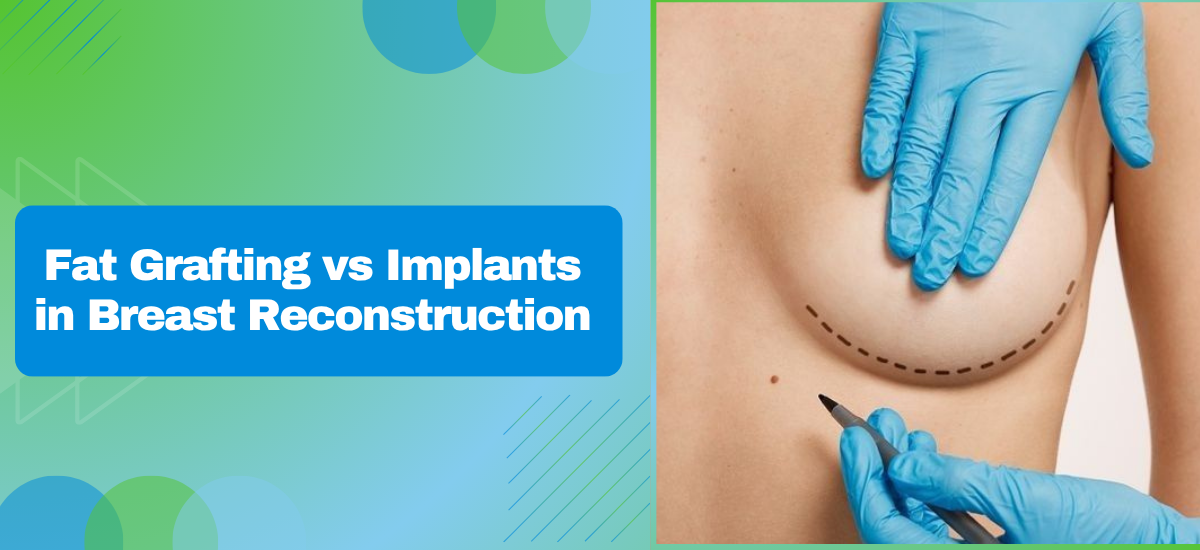 Fat grafting can replace implants in some breast reconstruction cases, particularly for smaller-volume needs or as a refinement after other reconstruction. It uses the patient’s own fat, harvested by liposuction from elsewhere on the body, to rebuild breast shape gradually over multiple sessions. Whether it can fully replace implants depends on two things. How much volume needs to be restored. And whether the local tissue can support repeated grafting. According to Dr. Leena Jain,[ plastic surgeon in Mumbai](https://theplasticsurgeryclinic.co/),Fat grafting offers a natural feel and avoids implant-related concerns, but the volume that can be built up is limited by the tissue’s ability to support the graft. ## When Can Fat Grafting Replace Implants? Fat grafting suits certain reconstruction profiles where the tissue conditions and patient goals align with what the technique can deliver. These are the main situations. Smaller reconstructions Patients with naturally smaller breasts or modest volume needs are the best candidates, since each session adds only a limited amount of volume. After lumpectomy. Partial breast reconstruction after lumpectomy often suits fat grafting well, since the defect is smaller and the surrounding tissue is preserved. Refinement after flaps Fat grafting works well as a finishing step after autologous flap reconstruction, smoothing contour irregularities and adding volume where needed. Avoiding implants Patients who want to avoid implants for personal, medical, or radiation-related reasons may prefer fat grafting despite the multiple sessions involved. The technique has real limits. Fat grafting works best when tissue is healthy and volume needs are realistic, and while not every reconstruction fits, the cases that do tend to feel naturally part of the body. For patients weighing the full range of[ breast surgery](https://theplasticsurgeryclinic.co/services/breast-surgery-in-mumbai/) options, Dr. Leena Jain matches the method to the individual rather than the other way round. ## What Are the Limits of Fat Grafting Reconstruction? Fat grafting has clear boundaries that make it unsuitable as a complete replacement for implants in many cases. These are the main constraints. Volume limits Each session adds only a limited amount of fat that survives, so achieving large volumes requires multiple operations spaced months apart. Fat absorption. A portion of grafted fat is absorbed by the body over the following months, which means overcorrection and repeat sessions are usually needed. Tissue quality Radiated or thin tissue holds grafted fat poorly, so patients who have had radiation may not be good candidates for full fat grafting reconstruction. Donor site needs Sufficient fat must be available at donor sites like the abdomen, thighs, or flanks, which can limit the option in very lean patients. No technique fits everyone. Fat grafting offers natural results and avoids implants, but the volume and timeline have to match what the body can support. For a fuller picture of reconstruction timing and options, read [stages of breast reconstruction after mastectomy.](https://theplasticsurgeryclinic.co/blogs/stages-of-breast-reconstruction-after-mastectomy-a-guide-by-dr-leena-jain/) ## Why Choose Dr. Leena Jain ? [Dr. Leena Jain](https://theplasticsurgeryclinic.co/about/) is a Plastic, Reconstructive and Microsurgeon. She holds an MCh in Plastic Surgery and a Fellowship in Microsurgery and Perforator Flaps from Hanyang University, Seoul, with over 7 years across breast reconstruction and microsurgical work.Patients have rebuilt breast shape using their own tissue under her care, with technique matched to body, volume needs, and treatment history. She advises fat grafting when it genuinely fits rather than as a default. Considering reconstruction with your own tissue instead of an implant? [Book Appointment](https://theplasticsurgeryclinic.co/contact/) ## FAQs ##### Is fat grafting safe for breast reconstruction? Yes, autologous fat grafting is widely used and safe when performed by experienced surgeons. ##### How many sessions does fat grafting reconstruction need? Usually two to four sessions, spaced several months apart, to reach the final volume. ##### Can fat grafting be used after radiation? It can, but radiated tissue holds grafted fat less reliably and may need more sessions. ##### How much fat survives after grafting? Typically 50 to 70 percent of the grafted fat survives, with the rest absorbed over months. References 1. 1. [National Library of Medicine – Autologous Fat Grafting](https://www.ncbi.nlm.nih.gov/books/NBK557860/) 2. [PubMed – Fat Grafting in Breast Reconstruction](https://pubmed.ncbi.nlm.nih.gov/32071575/) **Categories:** Blog --- ### [Navigating Life 4 Months After Achilles Tendon Surgery](https://theplasticsurgeryclinic.co/blogs/navigating-life-4-months-after-achilles-tendon-surgery/) **Published:** February 21, 2024 **Author:** Dr. Leena Jain **Content:** # Navigating Life 4 Months After Achilles Tendon Surgery Feb 21, 2024 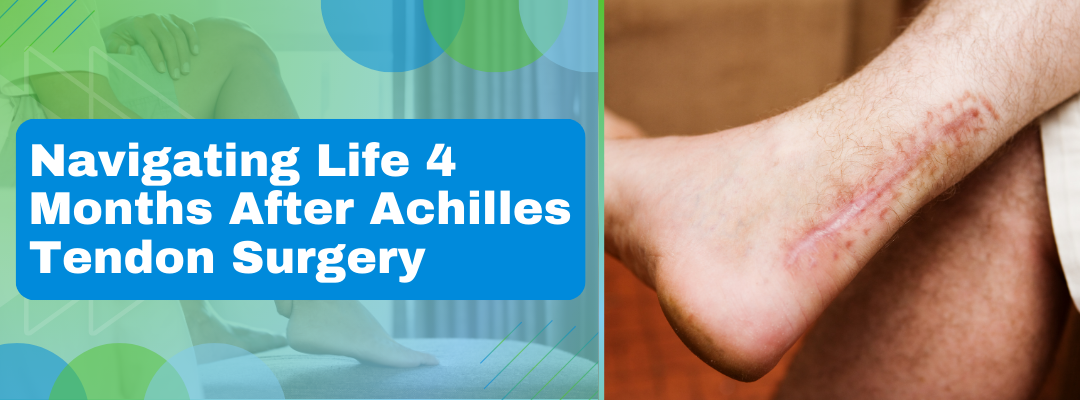 Are you navigating the terrain of life 4 months after Achilles tendon surgery? You’ve reached a critical stage in your healing process. You might have questions about the progress, concerns, and the path forward. “At this crucial stage of recovery, patients can expect significant progress,” says [Dr. Leena Jain](https://theplasticsurgeryclinic.co/), a distinguished plastic surgeon in Bandra, Mumbai. “[Patients](https://theplasticsurgeryclinic.co/case-study/) often experience reduced pain, increased mobility, and a gradual return to regular activities 4 months after [Achilles tendon surgery](https://theplasticsurgeryclinic.co/blogs/achilles-tendon-surgery-restoring-mobility-with-precision-and-care/).” “Physical therapy becomes more focused on rebuilding strength and flexibility.” *In this blog, we’ll address your concerns about life 4 months after Achilles tendon surgery.* ## **First, let’s understand: What Exactly is Achilles Tendon Surgery?** 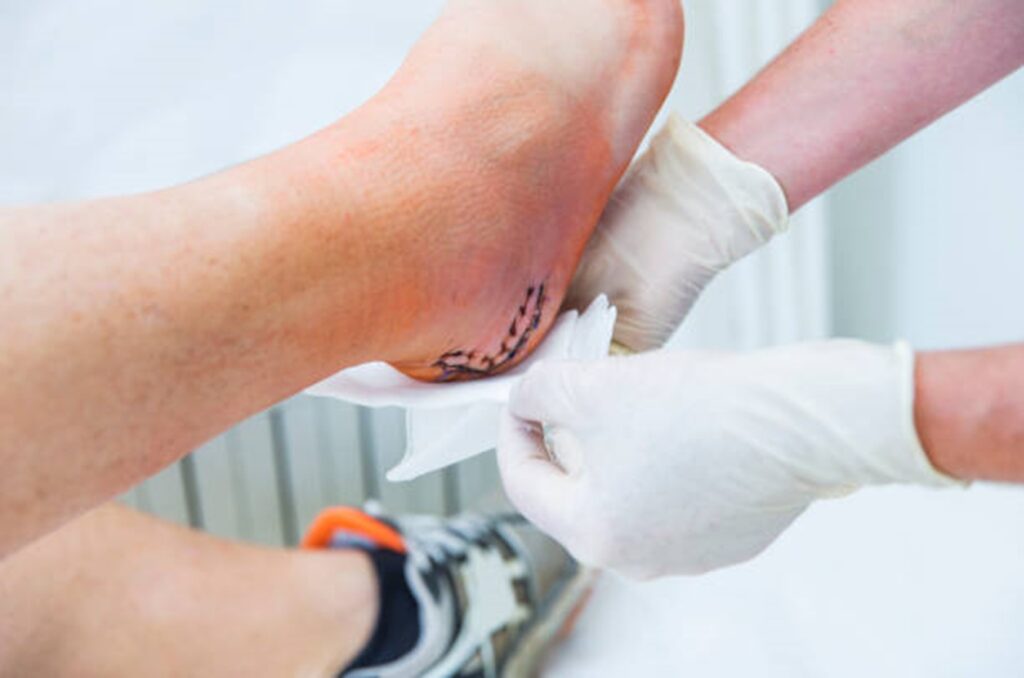This surgical procedure repairs or reconstructs the Achilles tendon. It is the large tendon at the back of the ankle. It connects the calf muscles to the heel bone. Surgeons usually perform this surgery to address ruptures, tears, or chronic conditions. It helps restore strength, function, and stability to the affected tendon. The surgery may include techniques such as suturing, grafting, or lengthening. The surgical approach depends on the specific nature of the injury or condition. *Navigating the path to recovery after Achilles tendon surgery? Let’s break down what to expect at the 4-month mark.* ## **What Can You Expect 4 Months After Achilles Tendon Surgery?** Four months post Achilles tendon surgery, you’re in a crucial recovery phase. Here’s what you can expect: · **Improved Mobility:** Your ability to move around and perform daily activities will noticeably increase. · **Reduced Pain:** Pain levels should significantly decrease compared to the earlier post-surgery period. · **Focused Physical Therapy:** Your rehabilitation program will now concentrate on building strength and flexibility. · **Gradual Return to Normal Activities:** You’ll start reintegrating regular activities into your routine with caution. · **Decreased Swelling:** Swelling around the surgical site will continue to subside. · **Increased Independence:** You’ll find yourself relying less on assistance and gaining more independence. · **Possibly Return to Work or Light Activities:** A gradual return to work or light activities may be considered depending on your progress. · **Continued Patience:** While significant strides are made, patience remains crucial as full recovery takes time. “Remember, everyone’s recovery journey is unique,” mentions Dr. Leena Jain, a highly skilled [tendon repair surgery](https://theplasticsurgeryclinic.co/services/tendon-repair-surgery-doctor-in-mumbai/) doctor in Mumbai. “Stay committed to your rehabilitation plan. The positive changes will continue to unfold.” ***Considering Achilles tendon surgery?*** [***Reach out***](https://theplasticsurgeryclinic.co/contact) ***for expert guidance today.*** *Concerned about persistent swelling at the 4-month mark? Know the reasons and tips for effective management.* ## **Swelling 4 Months After Achilles Tendon Surgery** By the 4-month mark post Achilles tendon surgery, you’ll notice much reduction in swelling. Initially, post-op swelling is normal. But as time progresses, your body diligently works to heal. The initial swelling and discomfort gradually fade away as the inflammation reduces. Your adherence to post-operative care instructions, including elevation and ice application, has been crucial in this positive development. At this point, it’s common to see a notable decrease in the size of the affected area. Keep in mind that individual responses to surgery may vary. Yet, if you’re diligent with your recovery routine, you’ll likely experience the benefits. Maintain open communication with your healthcare expert. Discuss any concerns with them. As the swelling diminishes, you will be one step closer to a full and comfortable recovery. ***Dealing with post-surgery swelling? Consult our specialists for personalized advice.*** *Understanding any limitations or precautions post-surgery is essential. Know the precautions to ensure a smooth recovery process.* ## **Are There Any Restrictions or Precautions to Be Aware Of?** 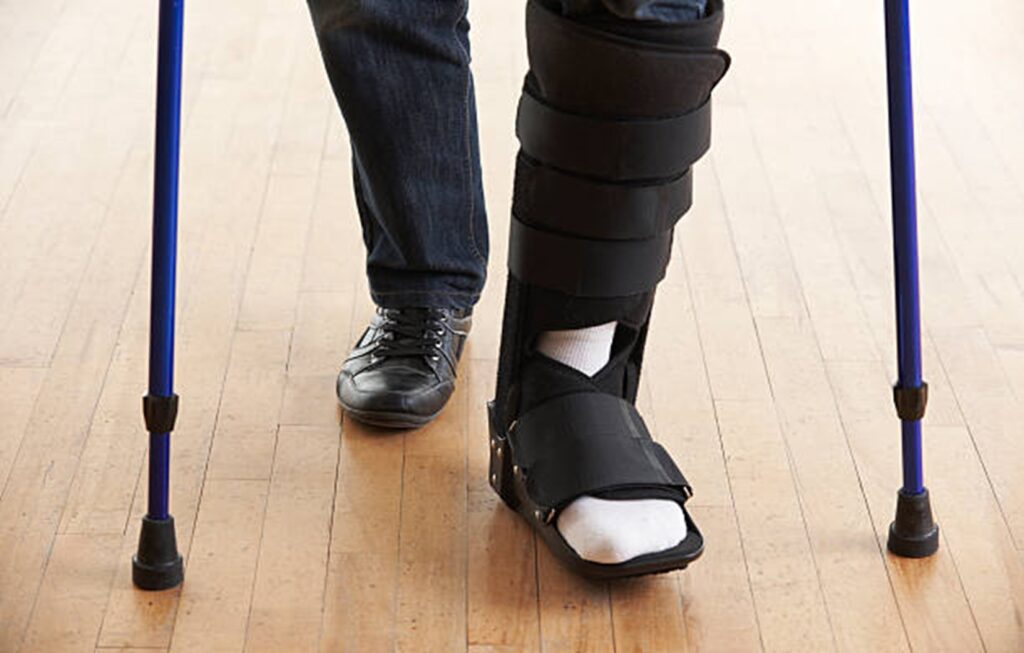Post Achilles tendon surgery, it’s crucial to stay mindful of a few restrictions and precautions: · **Physical Activities:** Avoid high-impact activities like running or jumping. · **Foot Elevation:** Elevate your foot for effective management of swelling. · **Footwear:** Stick to supportive footwear. Avoid high heels or unsupportive shoes. · **Physical Therapy:** 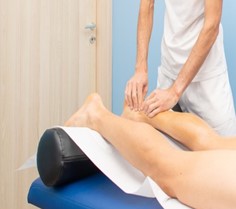 Keep up with your prescribed exercises. But avoid pushing yourself too hard. · **Gradual Return:** While tempting, don’t rush back into intense sports or activities. Gradual reintroduction is vital. · **Listen to Your Body:** If you experience pain or discomfort, don’t ignore it. Consult your doctor promptly. “Remember, this phase is about balance. Push your limits within the safe zones,” advises Dr. Leena Jain. “Stay consistent with your rehabilitation plan. You’ll be back on your feet with increased strength and flexibility.” ***Curious about post-surgery precautions?*** [***Connect with Dr. Leena Jain***](https://theplasticsurgeryclinic.co/) ***for tailored guidance.*** *Ready to boost your Achilles strength? Learn exercises and expert tips for effective strengthening.* ## **How do you Strengthen your Achilles Tendon After Surgery?** 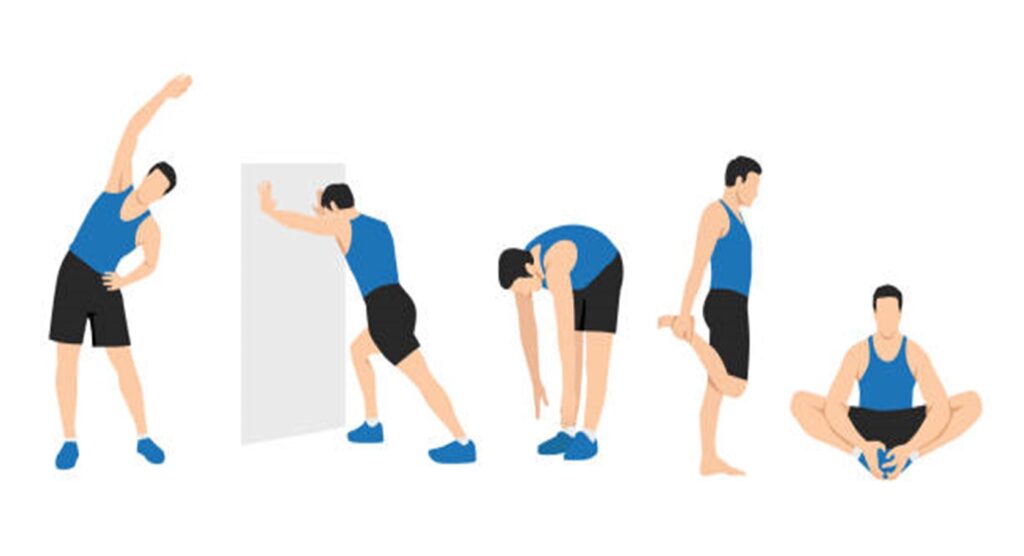Strengthening your Achilles tendon involves targeted exercises. They help rebuild muscle and flexibility: · **Gradual Loading:** Gradually increase weight-bearing activities to strengthen the Achilles tendon. Start with low-impact exercises like walking. Then, advance to more challenging activities. · **Calf Raises:** Incorporate calf raises into your routine. This simple yet effective exercise helps build calf strength. It supports the Achilles tendon. · **Eccentric Exercises:** Focus on eccentric exercises, like controlled heel drops. This engages the tendon as it lengthens. It promotes strength and flexibility. · **Resistance Training:** Introduce resistance training using bands or weights. It enhances overall lower leg muscle strength. This indirectly benefits the Achilles tendon. · **Balancing Exercises:** Improve stability with balance exercises. Stand on one leg or use a wobble board. It helps enhance proprioception and fortifies the ankle joint. · **Heel Cord Stretching:** Regularly stretch the heel cord to maintain flexibility. Gentle, consistent stretching helps prevent stiffness and promotes optimal healing. · **Sports-Specific Training:** If applicable, gradually reintegrate sports-specific drills. This ensures a smooth transition back to your regular activities. It minimizes the risk of re-injury. · **Consultation with Physiotherapist:** Work closely with your physiotherapist to tailor a customized rehabilitation plan. They can guide you through specific exercises catering to your recovery needs. Remember, consistency is essential. Stay committed to your rehabilitation plan. Consult your doctor for personalized advice. *Are you planning to get back to sports post-surgery? Know the timeline, precautions, and steps to resume intense physical activities safely.* ## **Can you Resume Sports or Intense Physical Activity?** By the 4-month mark post Achilles tendon surgery, you’re generally in the clear to resume sports or intense physical activity. At this point, the tendon is on its way to regaining strength and flexibility. Your rehab efforts will pay off. It enables you to reintroduce activities and sports you enjoy gradually. Listen to your body, follow your physiotherapist’s advice, and relax. This ensures a smooth return to your active lifestyle. Remember, consistency and patience are essential to a successful recovery. ***Are you eager to resume sports? Please consult Dr. Leena Jain for personalized guidance.*** **Conclusion** Your dedication to recovery is evident at the 4-month mark post Achilles tendon surgery. While challenges may still exist, celebrate the progress made so far. Continue working closely with your medical specialists. [Dr. Leena Jain](https://theplasticsurgeryclinic.co/about-us), often known as the best [plastic surgeon](https://theplasticsurgeryclinic.co/services/plastic-surgery-and-trauma-treatment-in-mumbai/\) in Borivali, Mumbai, ensures you’re on the right path to optimal healing. Moving forward, focus on continued commitment to prescribed exercises and follow-up appointments. Adhere to your personalized plan. Look forward to regaining full functionality in the coming months. Your commitment now sets the stage for a stronger, more resilient future. Embrace the progress and stay consistent. Trust in the expertise of Dr. Leena Jain for a successful post-surgery recovery. ***Ready to take the next step in your recovery journey?*** [***Book a consultation***](https://theplasticsurgeryclinic.co/contact) ***with Dr. Leena Jain, a trusted plastic surgeon in Mumbai.*** *Got questions? We’ve got answers. Explore common queries on recovery post Achilles tendon surgery.* **Frequently Asked Questions:** **1. Can an Achilles heal in 3 months?** The Achilles tendon can start healing in 3 months. Yet, full recovery varies. Follow your surgeon’s guidelines for optimal healing. **2. How long will it take to walk normally after Achilles tendon surgery?** Walking normally post-surgery typically begins around 4-6 months. Your progress depends on adherence to rehab exercises and your body’s response to healing. **3. What can you expect 6 months after Achilles tendon surgery?** At 6 months, expect significant improvement. Most individuals resume regular activities. Yet, the extent of recovery varies. Physical therapy continues to refine strength and flexibility. **4. Can I drive 4 months after Achilles tendon surgery?** Driving may be possible but check with your surgeon. Ensure your strength and reflexes are enough for safe driving. **5. Are there long-term effects after Achilles tendon surgery?** Long-term effects are minimal if rehabilitation is thorough. Follow-up appointments and continued exercise can prevent issues and promote lasting recovery. **6. How can I reduce pain 3 months after Achilles tendon surgery?** Pain at 3 months is expected. Regular icing, elevation, and adherence to prescribed pain management strategies can help. If pain persists or intensifies, consult your healthcare professional. **Reference links:** **Categories:** Blog --- ### [Can Breasts Be Reconstructed After Mastectomy?](https://theplasticsurgeryclinic.co/blogs/can-breasts-be-reconstructed-after-mastectomy/) **Published:** May 26, 2026 **Author:** Dr. Leena Jain **Content:** # Can Breasts Be Reconstructed After Mastectomy? May 26, 2026 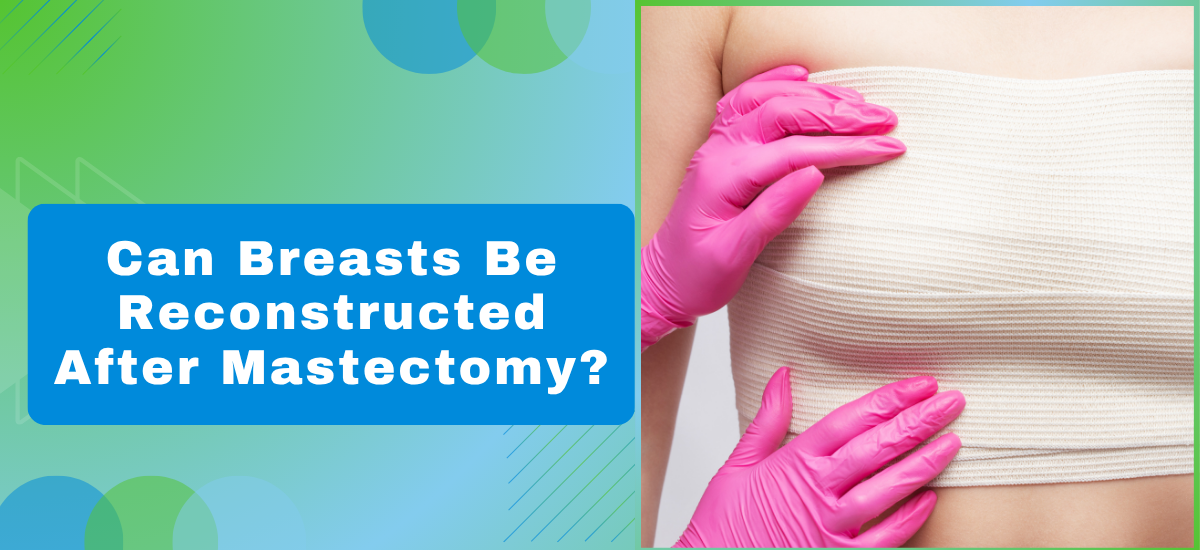 Yes. Breasts can be reconstructed after mastectomy. The options are implants or the patient’s own tissue, sometimes a combination of the two. And the timing is flexible. Some patients have reconstruction during the same operation as the mastectomy, others much later. The aim throughout is to restore shape and symmetry without compromising cancer care. The decision breaks two ways. Which technique fits the body and treatment plan. And when it’s best done. According to Dr. Leena Jain, One of the [best plastic surgeon in Borivali](https://theplasticsurgeryclinic.co/), “Reconstruction follows the cancer treatment, not the other way around. The disease is treated first, with reconstructive options preserved throughout. ## What Are the Main Types of Breast Reconstruction? Two routes dominate. Implants, or the patient’s own tissue, with combinations of the two where it helps. These are the main approaches. Implants first: A silicone or saline implant rebuilds the shape, usually after a tissue expander has stretched the skin over weeks to make room for it. The body’s own tissue: Skin, fat, sometimes muscle is moved from the abdomen, back, or thigh to the chest. The result feels natural and carries its own blood supply. Why DIEP?: This flap uses lower abdominal skin and fat without sacrificing muscle, which preserves abdominal strength compared to older techniques. Mixing both: Some patients have an implant supported by a small flap. The combination can give a more natural shape when there isn’t enough tissue alone. Each option suits a different body, history, and goal. No single technique wins for everyone. The right choice rests on anatomy first, then on what matters most to the patient. For broader reconstructive work spanning the body, this connects with [plastic surgery and trauma care](https://theplasticsurgeryclinic.co/services/plastic-surgery-and-trauma-treatment-in-mumbai/). ## When Should Breast Reconstruction Be Performed? Timing is its own decision. Reconstruction can happen during the mastectomy itself, or months and years later. The choice fits around cancer treatment. Done together: Reconstruction during the same operation as the mastectomy. It spares the patient a second surgery, and more skin can be preserved, which gives a more natural result. Done later: Performed months or years after mastectomy. Often the choice when radiation is planned, or when more time is needed before deciding. Half and half: Some reconstructions start at the mastectomy with a tissue expander and finish later with the final implant or flap, balancing immediate cover with later refinement. What about radiation?: It can damage reconstructed tissue, so timing is adjusted around it. That often shifts reconstruction to after treatment is complete. No single timing fits every case. Cancer care sets the pace, and reconstruction works around it. The decision is made jointly, with the breast surgeon and oncologist at the table. For long-term outcomes of flap reconstruction, read [DIEP flap complications](https://theplasticsurgeryclinic.co/blogs/diep-flap-complications-years-later/) years later. ## Why Choose Dr. Leena Jain? [Dr. Leena Jain](https://theplasticsurgeryclinic.co/about/) is a Plastic, Reconstructive and Microsurgeon. MCh in Plastic Surgery. Fellowship in Microsurgery and Perforator Flaps, Hanyang University, Seoul. Over 7 years across breast reconstruction and microsurgical work. Patients have rebuilt shape and confidence after mastectomy through both implant and flap reconstruction under her care. The technique is matched to body and treatment plan, not the other way round. She works alongside the breast surgeon and oncologist, so reconstruction supports cancer care rather than complicating it. **Considering reconstruction after a recent or upcoming mastectomy?** [Book Appointment](https://theplasticsurgeryclinic.co/contact/) ## FAQs ##### Is breast reconstruction safe after mastectomy? Yes, when planned around cancer treatment it’s safe and widely performed. ##### Does reconstruction interfere with cancer treatment? No, timing is adjusted around chemotherapy and radiation to avoid interference. ##### How long does breast reconstruction take to heal? Recovery varies by method, but several weeks of limited activity is typical. ##### Can reconstruction be done years after mastectomy? Yes, delayed reconstruction is an option even years later for many patients. **References** **–** 1. [National Library of Medicine – Breast Reconstruction](https://www.ncbi.nlm.nih.gov/books/NBK470317/) 2. [National Cancer Institute – Breast Reconstruction After Mastectomy](https://www.cancer.gov/types/breast/reconstruction-fact-sheet) **Categories:** Blog --- ### [Things You Should Know About Oral Cancer Reconstruction Surgery](https://theplasticsurgeryclinic.co/blogs/things-you-should-know-about-oral-cancer-reconstruction-surgery/) **Published:** January 13, 2023 **Author:** Dr. Leena Jain **Content:** # Things You Should Know About Oral Cancer Reconstruction Surgery Jan 13, 2023 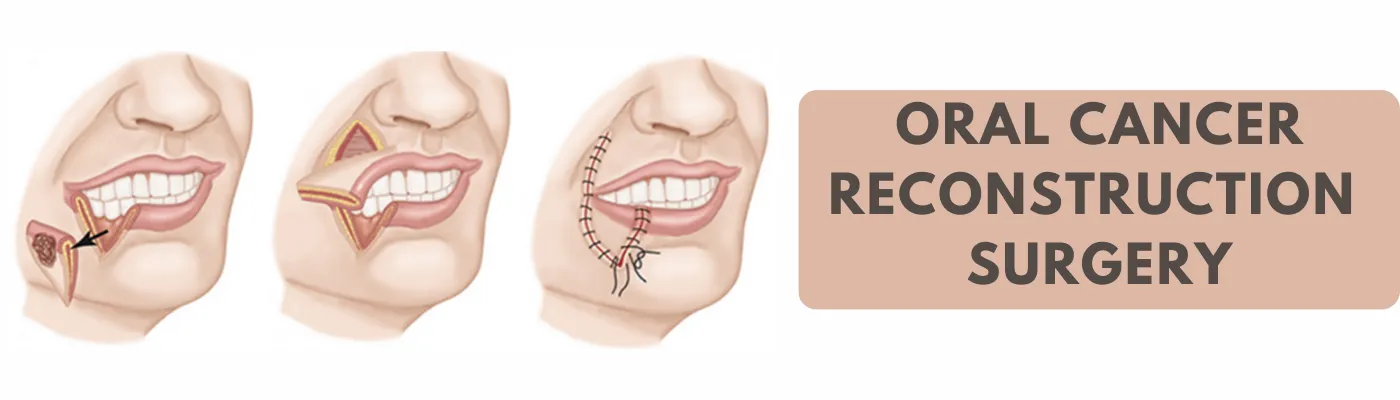 Surgical removal of malignant tissue is the most common treatment for those diagnosed with oral or mouth cancer, particularly in cases where disease is in its early stages. Depending on the size and extent of your cancer and its removal, your surgical team will undertake reconstructive oral cancer surgery to address changes in the appearance or function of the mouth, jaw, or throat resulting from the cancer surgery. Following mouth cancer surgery, plastic surgeons can assist in restoring the afflicted areas of your oral cavity. Plastic surgeons often undertake reconstructive surgery to replace the soft tissue, teeth, and bone that might need to be removed during oral cancer surgery. During reconstruction, the oral cavity is reconstructed using bone and/ or tissue from another body part. Microvascular surgery, in which surgeons cut and stitch together tiny blood vessels under a microscope, can be used to transfer this tissue—this aids in re-establishing blood flow to the tissue in the defect area. Rebuilding structures that support the mouth’s functions—such as speaking and chewing food—often uses microvascular reconstructive surgery. If teeth are lost, dental implants might also be required. 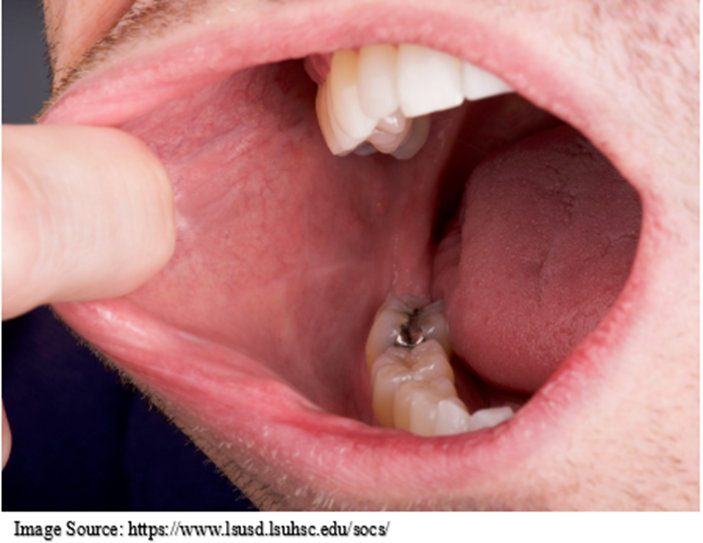According to Dr. Leena Jain, a reputed [plastic surgeon in Mumbai](https://theplasticsurgeryclinic.co/), if you are knowledgeable about oral cancer surgery reconstruction procedures, you can discuss your alternatives with your cancer surgeon more effectively. Moreover, Dr. Leena Jain has over seven years of experience and expertise in [reconstructive microsurgery](https://theplasticsurgeryclinic.co/blogs/reconstructive-microsurgery/), hand surgery, burn reconstruction, [breast surgery](https://theplasticsurgeryclinic.co/services/breast-surgery-in-mumbai), and cosmetic procedures. In this article, we will discuss things you should know about reconstructive plastic surgery after oral cancer. Read on to learn more. **Now, let’s see,** ## **Who is a candidate for oral cancer reconstruction?** Patients needing a significant amount of facial or neck soft tissue, or upper or lower jaw bone portions is removed due to medium- to large-sized tumors may be candidates for surgical reconstruction. Dr. Leena Jain, a highly skilled plastic surgeon in Bandra, Mumbai, can review all your options for repairing the surgical area’s structure and functionality. **Let’s look at the,** ### **Different Techniques Used in Oral Cancer Reconstruction Surgery** Plastic surgeons employ several reconstructive methods depending on the area that needs reconstruction. Your quality of life may be improved by these surgeries, which may be highly helpful in assisting you in regaining function and looks. 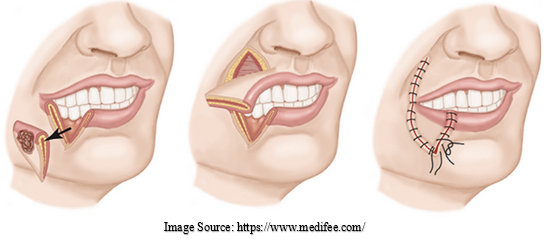**Some of the most common reconstructive procedures include:** - **Flap tissue transfer:** When removing larger sections of malignant tissue, surgeons replace them with flaps or tissue sections that comprise skin, muscle, and fat rather than just skin. Flaps are usually taken from a site distant to head and neck region. such as the abdomen or leg. During the flap transfer process, small blood vessels supplying the flap are identified and dissected with the flap. Flap is then transferred into the defect and anastomosis is done with surrounding blood vessels. Anastomosis means joining of artery to artery and vein with a vein, so as to establish connectivity between bloood vessels for the blood to flow into the flap and keep it alive. The affected area may need to be repaired by microvascular surgery. This promotes tissue health and restores functionality. To re-establish movement and sensation at the site, surgeons might also graft nerves. - **Dental implants:** They can be used to restore missing teeth in cases where oral cancer surgery is necessary. Your jawbone will be fixed with tiny titanium screws by the dentist. The dentist places substitute teeth over the screw posts when your tissue has grown over the exposed metal. - **Bone graft:** If surgeons need to remove a portion of your jaw, they can use bone from your leg, rib, or other areas to replace the jawbone. Before removing the bone, your medical team will take images or perform imaging tests of your face to match your appearance throughout reconstruction. The hard palate, the bony region in the upper part of your mouth, and the lower jaw may occasionally have some missing jawbone filled in by using specially formed synthetic implants or metal plates. ## **Recovery from Oral Cancer Reconstruction** The extent of the surgical incisions and your general health will impact how quickly you recover from oral cancer reconstructive surgery. Average recovery trime is about 10-12 days and hospitalization is not required. Patients often see exceptional outcomes thanks to recent advancements in reconstructive plastic surgery after oral cancer. [Speak with your doctor](https://theplasticsurgeryclinic.co/contact) about the options available if you are having surgery for oral cancer to help you feel ready and prepared. ### Submit a Comment Your email address will not be published. Required fields are marked \* Comment \* Name Email Website **Categories:** Blog --- ### [Why Burn Scars Tighten and How They're Fixed?](https://theplasticsurgeryclinic.co/blogs/why-burn-scars-tighten-and-how-theyre-fixed/) **Published:** May 11, 2026 **Author:** Dr. Leena Jain **Content:** # Why Burn Scars Tighten and How They’re Fixed? May 11, 2026 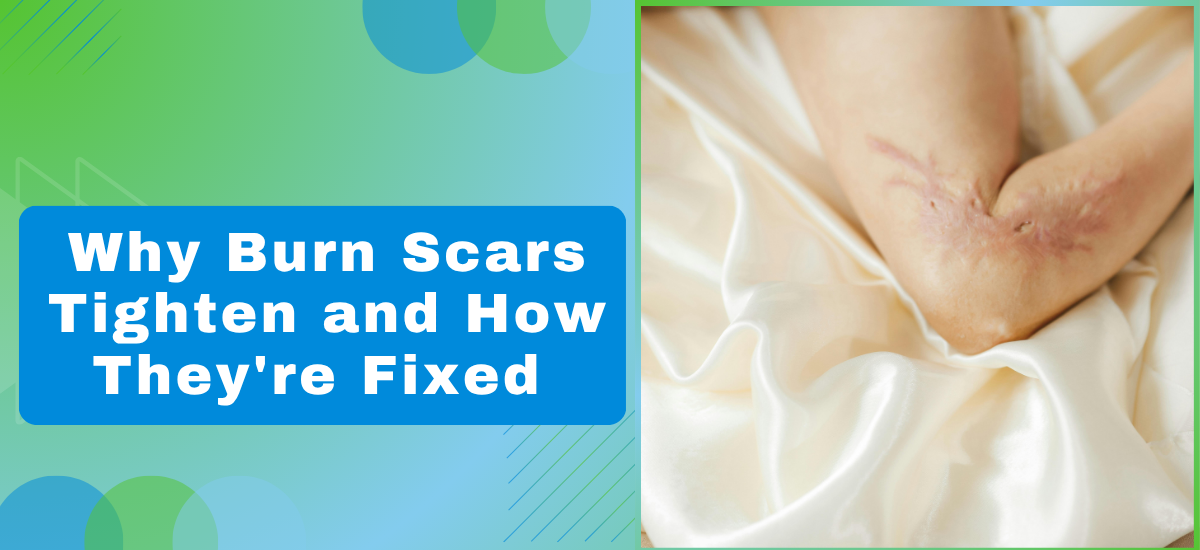 Burn scars tighten because the body produces dense, disorganized collagen during healing, and this tissue contracts as it matures. The result is a scar contracture, where skin and the structures beneath it get pulled tight, often across a joint. Deeper burns mean more contraction. When a contracture crosses the neck, elbow, hand, or knee, it can lock that area and limit how far it moves. According to Dr. Leena Jain, One of the [best plastic surgeon in Borivali](https://theplasticsurgeryclinic.co/), A maturing burn scar behaves like a shrinking sheet of tissue, and once it crosses a joint the pull becomes mechanical, not just cosmetic. ## What Makes a Burn Scar Tighten Over Time? Burn scars tighten through a biological process that starts during healing and continues for months. Here’s what’s happening underneath. Collagen overload: Deep burns trigger the body to flood the wound with collagen, and because it’s laid down fast and messy, it shrinks instead of staying flexible like normal skin. Myofibroblasts: These are specialized cells that actively pull wound edges together, and they don’t switch off neatly, so contraction keeps going well after the surface looks closed. Lost elasticity: Burned skin loses the elastin that lets healthy skin stretch, leaving stiff tissue that can’t keep up when you move. Joint involvement: A scar sitting across the inside of an elbow or the front of the neck gets tugged with every bend, and that repeated tension makes the contracture worse over weeks. Scars don’t stay still. They remodel, and an untreated one over a joint tends to win that tug-of-war. So early attention matters. For scars affecting hand function specifically, options overlap with [Hand Surgery](https://theplasticsurgeryclinic.co/services/hand-surgery-in-mumbai/). ## How Do Surgeons Release a Tight Burn Scar? Surgical correction removes or rearranges the tight tissue and replaces the lost length, restoring movement to the affected area. The method depends on scar size and location. Z-plasty: The surgeon cuts the scar in a zigzag and repositions the flaps, which redirects tension and adds length, and it’s a workhorse for narrow band-like contractures. Skin grafting: When releasing the scar leaves a raw gap, a graft taken from elsewhere covers it, though grafts can contract again and need pressure therapy afterward. Flap reconstruction: Bringing in healthy skin with its own blood supply gives a more durable, pliable result over joints, which is why it’s often chosen for the neck and hand. Tissue expansion: A balloon placed under nearby healthy skin slowly grows extra tissue over a few weeks, and that spare skin then resurfaces the released area. No single technique fits everyone. Surgeons match the approach to the scar, and recovery usually pairs surgery with splinting and physiotherapy to hold the gains. Quietly, that rehab phase does half the work. Want to see comparable outcomes? Read [Why Diabetic Foot Ulcers Don’t Heal](https://theplasticsurgeryclinic.co/blogs/blogs-why-diabetic-foot-ulcers-dont-heal/). ## Why Choose Dr. Leena Jain? [Dr. Leena Jain](https://theplasticsurgeryclinic.co/about-us/) is a Plastic, Reconstructive and Microsurgeon with an MCh in Plastic Surgery and a Fellowship in Microsurgery and Perforator Flaps from Hanyang University, Seoul, plus over 7 years treating burn contractures and complex reconstruction. Patients with neck and hand contractures who’d struggled through earlier surgeries elsewhere have regained joint movement under her care. She plans each release around how you actually use that limb, not just how the scar looks. Function first. **Noticing a scar that’s slowly pulling a joint out of position?** [Book Appointment](https://theplasticsurgeryclinic.co/contact/) ## FAQs ##### Can a burn scar contracture come back after surgery? Yes, scars can re-tighten, so splinting and physiotherapy after surgery are essential to hold results. ##### How long after a burn should contracture surgery be done? Usually once the scar matures, often 6 to 12 months, unless function is severely limited sooner. ##### Does releasing a burn scar restore full movement? Often most of it returns, though final range depends on scar depth and joint involvement. ##### Is burn scar contracture surgery done under anesthesia? Yes, it’s performed under local or general anesthesia depending on the size and site. **References** **–** 1. [World Health Organization – Burns](https://www.who.int/news-room/fact-sheets/detail/burns) 2. [National Library of Medicine – Burn scar contracture](https://www.ncbi.nlm.nih.gov/pmc/articles/PMC8295123//) **Categories:** Blog --- ### [What Is Nerve Compression and When Does It Need Surgery?](https://theplasticsurgeryclinic.co/blogs/what-is-nerve-compression-and-when-does-it-need-surgery/) **Published:** June 11, 2026 **Author:** Dr. Leena Jain **Content:** # What Is Nerve Compression and When Does It Need Surgery? Jun 11, 2026 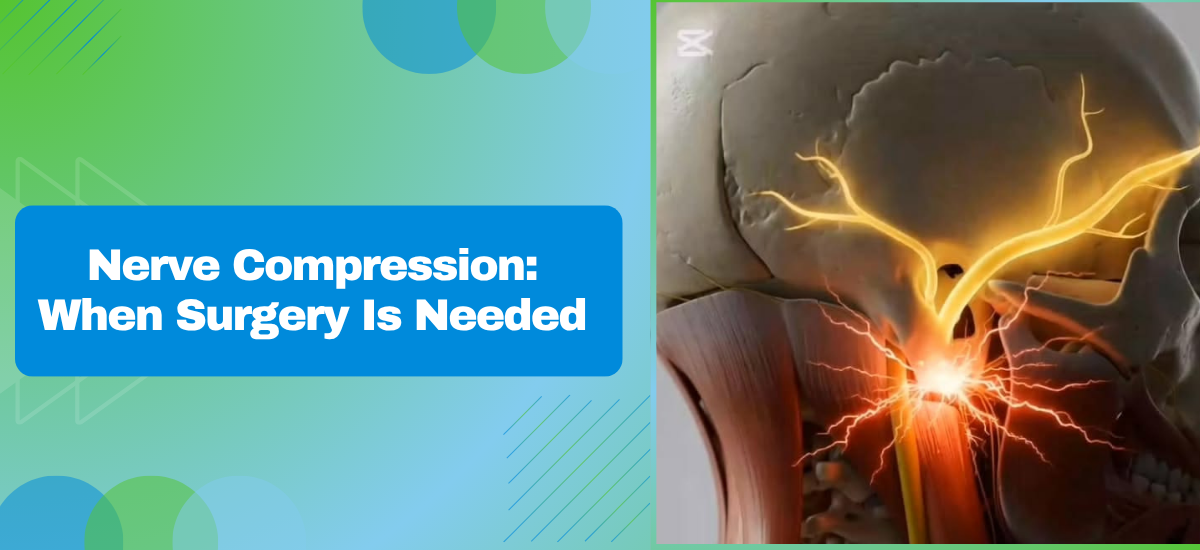 Nerve compression is a condition where a peripheral nerve is pinched or squeezed by surrounding tissue, leading to pain, numbness, tingling, or weakness in the area the nerve supplies. Surgery becomes necessary when symptoms persist despite rest, splinting, and medication, or when nerve damage begins to show through muscle weakness or constant numbness. Because severity varies, the decision splits two ways. When conservative care is enough. And when decompression surgery becomes the right next step. According to Dr. Leena Jain,[ plastic surgeon in Mumbai](https://theplasticsurgeryclinic.co/), A compressed nerve recovers better when decompressed before damage becomes permanent, so timing the surgery matters as much as the surgery itself. ### What Causes Nerve Compression? Nerve compression develops when surrounding tissue presses on a nerve, restricting its function. These are the main contributors. Anatomical narrowing Some nerves pass through naturally tight spaces, like the carpal tunnel at the wrist or the cubital tunnel at the elbow, making them vulnerable. Repetitive movement. Activities that involve prolonged or repeated wrist, elbow, or shoulder positions can inflame the tissues around a nerve and tighten the space it occupies. Swelling or growths Cysts, lipomas, or inflamed tendons can press directly on a nerve and cause symptoms without any other obvious trigger. Trauma or fractures A previous injury can leave scar tissue or bony irregularities that compress nearby nerves over months or years. The exact trigger varies between cases. What is clear is that the longer pressure continues, the less fully the nerve recovers, so timing matters at both ends: early treatment protects function, while long delays risk permanent loss. This sits within Dr. Leena Jain’s wider[ hand surgery](https://theplasticsurgeryclinic.co/services/hand-surgery-in-mumbai/) care. ### When Does Nerve Compression Need Surgery? Surgery becomes the right choice when specific clinical signs show that conservative measures aren’t restoring the nerve. These are the main triggers. Persistent symptoms Numbness, tingling, or pain that continues despite weeks of splinting, anti-inflammatories, and activity changes signals a nerve that needs decompression. Failed conservative care. When rest, splinting, and steroid injections don’t relieve symptoms or the relief doesn’t last, surgery is the logical next step. Muscle weakness Wasting of muscles supplied by the affected nerve, or loss of grip and pinch strength, indicates motor fibres are being damaged. Severe nerve studies Nerve conduction tests showing significant slowing or loss of signal mean delaying surgery risks permanent damage to the nerve. Surgery doesn’t suit every compression. Mild cases often settle without it. But when nerve function is dropping or symptoms are dominating daily life, decompression is what gives the nerve room to recover. For a related hand condition often confused with nerve compression, read [trigger finger vs carpal tunnel.](https://theplasticsurgeryclinic.co/blogs/trigger-finger-vs-carpal-tunnel-differences/) ### Why Choose Dr. Leena Jain ? [Dr. Leena Jain](https://theplasticsurgeryclinic.co/about/) is a Plastic, Reconstructive and Microsurgeon. She holds an MCh in Plastic Surgery and a Fellowship in Microsurgery and Perforator Flaps from Hanyang University, Seoul, with over 7 years across hand surgery and reconstructive microsurgery.Patients with long-standing nerve compression have regained sensation and strength under her care, often after conservative treatment alone wasn’t enough. She times surgery around the nerve’s chances of recovery rather than rushing in. Living with persistent numbness, weakness, or tingling that won’t settle? [Book Appointment](https://theplasticsurgeryclinic.co/contact/) ## FAQs ##### What does nerve compression feel like? Tingling, numbness, pain, or weakness in the area supplied by the affected nerve. ##### Can nerve compression heal on its own? Mild cases can settle with rest, splinting, and anti-inflammatories, though many need targeted treatment. ##### How long is recovery after nerve decompression surgery? Initial recovery takes weeks, with full nerve recovery sometimes taking months. ##### Will nerve compression come back after surgery? Recurrence is uncommon, though some residual symptoms can remain in long-standing cases. References 1. [National Library of Medicine – Peripheral Nerve Injury](https://www.ncbi.nlm.nih.gov/books/NBK549848/) 2. [PubMed – Radial Nerve Compression: Anatomical Perspective and Clinical Consequences](https://pubmed.ncbi.nlm.nih.gov/36781706/) **Categories:** Blog --- ### [What Causes Inverted Nipples and How Are They Corrected?](https://theplasticsurgeryclinic.co/blogs/what-causes-inverted-nipples-and-how-are-they-corrected/) **Published:** June 13, 2026 **Author:** Dr. Leena Jain **Content:** # What Causes Inverted Nipples and How Are They Corrected? Jun 13, 2026 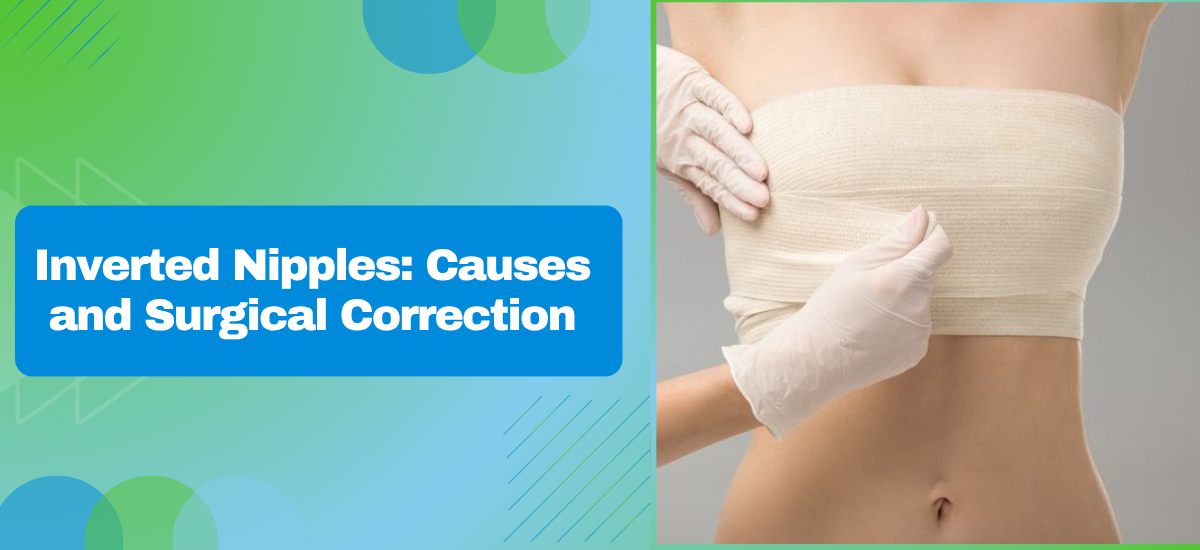 Inverted nipples are caused by short milk ducts, tight fibrous bands, or scar tissue that pull the nipple inward instead of letting it project outward. Correction is done surgically by releasing the tethering tissue, with the technique chosen to match the severity of the inversion. Because severity varies, the picture splits two ways. What pulls the nipple inward. And what surgery does to free it. According to Dr. Leena Jain,[ plastic surgeon in Mumbai](https://theplasticsurgeryclinic.co/),Inverted nipples are graded by how readily they come out, and that grade decides which surgical approach gives a lasting correction. ## What Causes Inverted Nipples? Inverted nipples develop when the structures behind the nipple pull it inward rather than supporting it outward. These are the main contributors. Short milk ducts Underdeveloped or shortened milk ducts can tether the nipple from beneath, especially when the condition is present from puberty. Fibrous bands. Tight bands of connective tissue behind the nipple act like anchors that hold it inverted, and these are usually the main target of corrective surgery. Scarring or infection Past breast infections, abscesses, or surgery can leave scar tissue that pulls the nipple inward as it contracts. Underlying conditions Rarely, a newly inverted nipple in an adult can signal an underlying issue like an inflammatory condition or, less commonly, a breast malignancy. The exact cause depends on whether the inversion has always been there or developed later. What is clear is that a newly inverted nipple in an adult always deserves proper assessment before assuming it’s harmless. For broader breast assessment and surgical care, this connects with[ Breast Surgery](https://theplasticsurgeryclinic.co/services/breast-surgery-in-mumbai/). ## How Are Inverted Nipples Surgically Corrected? The goal is straightforward. Release the tethering tissue behind the nipple so it sits naturally outward. The method depends on the grade and whether breastfeeding needs to be preserved. Grade-based approach Mild cases can be corrected by simply releasing fibrous bands. Severe cases need duct division and more extensive release. Local anaesthesia. Most corrections are done under local anaesthesia as a day procedure, with the patient awake and the area numbed. Suture techniques Internal sutures support the nipple in its new position and help prevent re-inversion as healing settles. Preserving breastfeeding Techniques that avoid dividing the milk ducts can preserve breastfeeding capacity, which is discussed with patients planning future pregnancies. No single approach fits every nipple. Mild and severe cases need different handling. For another breast procedure with attention to scar placement and recovery, read [fibroadenoma surgery side effects.](https://theplasticsurgeryclinic.co/blogs/fibroadenoma-surgery-side-effects/) ## Why Choose Dr. Leena Jain ? [Dr. Leena Jain](https://theplasticsurgeryclinic.co/about/) is a Plastic, Reconstructive and Microsurgeon. She holds an MCh in Plastic Surgery and a Fellowship in Microsurgery and Perforator Flaps from Hanyang University, Seoul, with over 7 years across breast surgery and reconstructive microsurgery.Patients with long-standing inverted nipples have had them corrected with attention to symmetry and scar placement under her care. Each correction is matched to the grade of inversion and the patient’s plans around breastfeeding. Living with inverted nipples and considering correction? [Book Appointment](https://theplasticsurgeryclinic.co/contact/) ## FAQs ##### Are inverted nipples a medical problem? Usually not, though a newly inverted nipple in an adult should be assessed properly. ##### Can inverted nipples be corrected without surgery? Mild cases sometimes respond to suction devices, though surgery gives the most lasting result. ##### Will correction surgery affect breastfeeding? It can if milk ducts are divided, so technique is chosen with future breastfeeding in mind. ##### Can inverted nipples come back after surgery? Recurrence is uncommon when fibrous bands are fully released, though it can happen. References 1. 1. 1. [National Library of Medicine – Autologous Fat Grafting](https://www.ncbi.nlm.nih.gov/books/NBK557860/) 2. [PubMed – Fat Grafting in Breast Reconstruction](https://pubmed.ncbi.nlm.nih.gov/32071575/) **Categories:** Blog --- ### [What Do Patients Get Wrong About Tummy Tucks?](https://theplasticsurgeryclinic.co/blogs/what-do-patients-get-wrong-about-tummy-tucks/) **Published:** May 13, 2026 **Author:** Dr. Leena Jain **Content:** # What Do Patients Get Wrong About Tummy Tucks? May 13, 2026 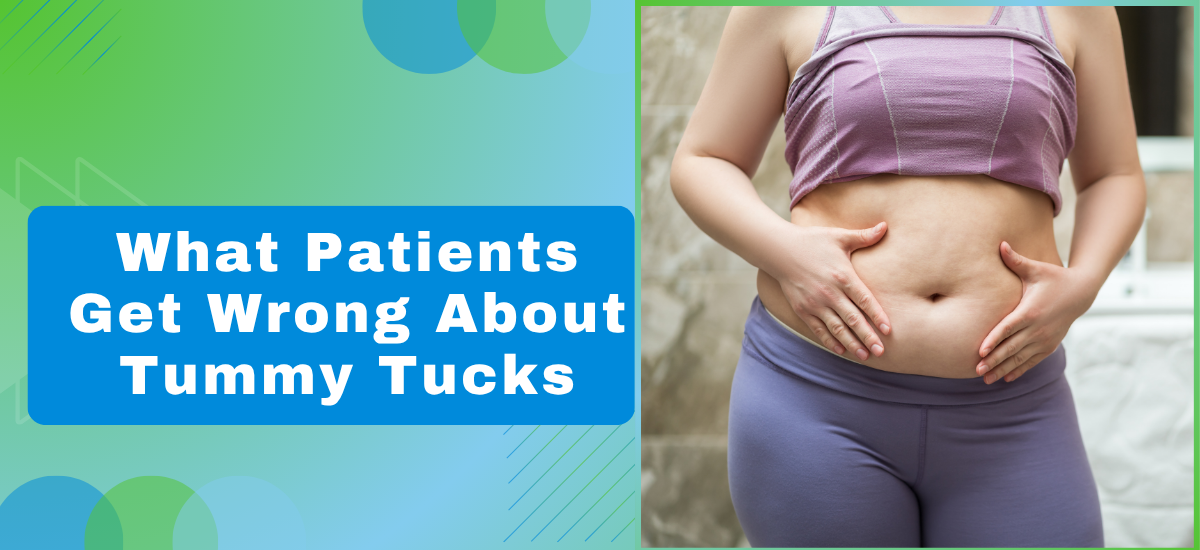 The most common misconception? That a tummy tuck is a weight-loss procedure. It isn’t. The surgery removes excess skin and tightens separated abdominal muscles, a different goal altogether. The misunderstandings usually cluster in three areas. What the procedure is for. What the scar and recovery involve. And who it actually suits. A tummy tuck reshapes the abdomen. It doesn’t lower your weight on the scale. Whatever fat comes out during surgery is incidental. According to Dr. Leena Jain, [plastic surgeon in Mumbai](https://theplasticsurgeryclinic.co/), Patients often expect the scale to drop after surgery, but the real change is in contour and core support, especially when the muscles have separated. ### What Misconceptions Do Patients Have About Tummy Tucks? Most confusion starts with one idea: that the surgery is a fat-loss method. These are the areas where expectations slip most often. Not weight loss: Skin and muscle are what get addressed here, not body weight, so arriving expecting a smaller number on the scale tends to disappoint. Permanent scar: A fixed scar sits low across the abdomen. It’s placed to stay hidden beneath underwear, but it should still factor into the decision. Recovery duration: This one gets underestimated constantly. Expect several weeks of limited movement rather than a few days, because returning to activity too soon compromises the outcome. Not a substitute: It doesn’t replace diet and exercise, and weight gained later can stretch the tissue again, so the procedure works best once weight is stable. Pregnancy and large weight swings can reverse the result too. Which is why timing deserves a proper discussion before any surgery is scheduled. For muscle separation that calls for precise tissue handling, the technique overlaps with the approach used in [Hand Surgery](https://theplasticsurgeryclinic.co/services/hand-surgery-in-mumbai/). ## When Is a Tummy Tuck Actually the Right Choice? Right candidates share a pattern. Loose skin or separated muscles that diet and training won’t fix. Here’s who benefits most. After pregnancy: Pregnancy can split the abdominal muscles and leave skin that never fully retightens, and that’s a classic, well-suited indication for surgery. After weight loss: Significant reduction often leaves excess skin that no amount of exercise removes. A tummy tuck handles what’s left. Stable weight: The strongest candidates are already near their target and holding steady, since that stability is what makes the result last. Realistic expectations: Understanding the scar, the recovery, and the real purpose of the surgery matters just as much as meeting the physical criteria. It isn’t right for everyone. A responsible surgeon will say so when the timing or circumstances don’t fit, and that honesty saves later regret, This phase calls for the same attentive aftercare outlined in our guide to [tummy tuck recovery.](https://theplasticsurgeryclinic.co/blogs/4-weeks-post-tummy-tuck/) ## Why Choose Dr. Leena Jain? [Dr. Leena Jain](https://theplasticsurgeryclinic.co/about/) is a Plastic, Reconstructive and Microsurgeon. She holds an MCh in Plastic Surgery and a Fellowship in Microsurgery and Perforator Flaps from Hanyang University, Seoul, with over 7 years across cosmetic and reconstructive body procedures. Patients with long-standing post-pregnancy muscle separation have regained a firm, flat core under her care. She sets clear expectations from the first consultation, so the result reflects what was actually discussed. No surprises. **Dealing with loose skin or muscle separation that exercise won’t correct?** [Book Appointment](https://theplasticsurgeryclinic.co/contact/) ## FAQs ##### Is a tummy tuck a weight-loss surgery? No, it removes excess skin and tightens muscle rather than reducing overall body weight. ##### Does a tummy tuck leave a permanent scar? Yes, a low horizontal scar remains, though it’s positioned to stay hidden under clothing. ##### How long is tummy tuck recovery? Most people need several weeks of limited activity before returning to normal routines. ##### Can pregnancy affect tummy tuck results? Yes, a later pregnancy can stretch the repaired muscles and skin again. **References** **–** 1. [National Library of Medicine – Abdominoplasty](https://www.ncbi.nlm.nih.gov/books/NBK431058/) 2. [PubMed – Abdominoplasty risk factors and complication rates](https://pubmed.ncbi.nlm.nih.gov/26505716/) **Categories:** Blog --- ### [Why Diabetic Foot Ulcers Don't Heal?](https://theplasticsurgeryclinic.co/blogs/blogs-why-diabetic-foot-ulcers-dont-heal/) **Published:** May 9, 2026 **Author:** Dr. Leena Jain **Content:** # Why Diabetic Foot Ulcers Don’t Heal? May 9, 2026 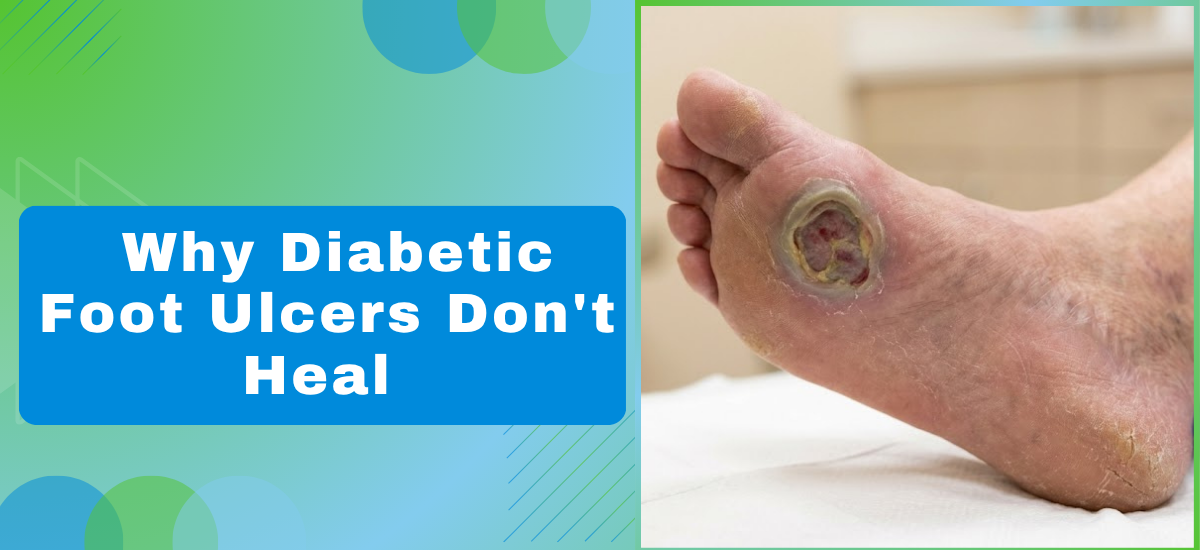 Diabetic foot ulcers don’t heal on their own due to high blood sugar causing poor circulation (peripheral artery disease), nerve damage (neuropathy) that masks injury, and weakened immune responses to infection. Plastic surgeons treat these stubborn wounds through expert debridement, specialized skin grafts, dermal substitutes, and tissue transfer to reconstruct damaged areas and salvage limbs. Why it doesn’t heal What a plastic surgeon does Peripheral artery disease (poor circulation) Surgical debridement of dead tissue Neuropathy (masked injury) Specialized skin grafts Weakened immune response to infection Dermal substitutes for wound bed prep Persistent hyperglycemia stalling repair Tissue transfer (flap reconstruction)According to Dr. Leena Jain, [plastic surgeon in Bandra](https://theplasticsurgeryclinic.co/), A diabetic ulcer that hasn’t closed in four weeks isn’t a wound problem anymore. It’s a circulation and tissue-coverage problem, and that’s where reconstructive surgery changes the outcome. ## Why don’t diabetic foot ulcers heal without surgery? The wound bed in a diabetic foot lacks the basic biology required for closure, oxygen delivery, immune response, and intact nerve signaling. Four mechanisms keep the ulcer open. Neuropathy: Patients can’t feel the pressure or injury, so they keep walking on it and the wound deepens silently. Ischemia: Narrowed arteries deliver less blood, and tissue starved of oxygen simply can’t rebuild itself no matter how clean the dressing is. Infection: Bacteria settle into the warm, sugar-rich wound bed and form biofilms that topical antibiotics can’t reach. Hyperglycemia: Elevated glucose disables white blood cells, slows collagen formation, and stalls every phase of normal healing. That’s why standard dressings hit a ceiling. The wound needs structural intervention, not just topical care, and that’s where [diabetic ulcer treatment](https://theplasticsurgeryclinic.co/services/diabetic-ulcer-treatment-in-mumbai/) by a reconstructive surgeon becomes the deciding factor between healing and amputation. ## What does a plastic surgeon do for a non-healing diabetic ulcer? Reconstructive plastic surgery treats the diabetic ulcer as a tissue-coverage problem, not a dressing problem. Four interventions, in sequence, restore durable closure. Debridement: All dead, infected, and biofilm-laden tissue is surgically removed down to a clean, bleeding wound bed. Skin grafts: A thin sheet of the patient’s own skin is harvested and laid over the prepared wound bed to seal the defect. Dermal substitutes: Engineered scaffolds are applied to deep wounds where the dermis is missing, giving the body a template to rebuild on. Tissue transfer: Healthy skin, fat, and sometimes muscle are moved from another part of the body using techniques like [perforator flaps](https://theplasticsurgeryclinic.co/blogs/perforator-flaps-explained/) to cover exposed bone or tendon. The reconstructive approach turns a chronic, limb-threatening ulcer into a closed, weight-bearing foot. ## **Why Choose The Plastic Surgery Clinic?** Dr. Leena Jain is a Plastic, Reconstructive and Microsurgeon with 7+ years of experience, MBBS, MS – General Surgery, and MCh – Plastic Surgery, plus international fellowships in Microsurgery from Hanyang University, Seoul, and Ludwig Maximilian University, Munich. She brings perforator-flap and microvascular expertise directly to limb-salvage cases, and you can read more about her credentials and case work on the [Dr. Leena Jain](https://theplasticsurgeryclinic.co/about/) profile. Her diabetic-foot patients walk again. That’s the metric. Whether the ulcer is on the heel, forefoot, or amputation stump, the focus stays on a closed wound and a foot the patient can stand on. **Wound open longer than a month with no healing?** [Book Appointment](https://theplasticsurgeryclinic.co/contact/) ## FAQs ##### Can a diabetic ulcer heal without surgery? Small, shallow ulcers with good blood flow can heal with strict offloading and wound care. ##### How long before a diabetic ulcer needs surgery? Any ulcer not improving after four weeks of standard treatment needs surgical evaluation. ##### Does flap surgery prevent amputation? Yes, well-timed flap reconstruction can salvage limbs that would otherwise need amputation. ##### Will the ulcer come back after surgery? Recurrence is possible without offloading, glucose control, and proper footwear after healing. **References** **–** 1. [Diabetic Foot Ulcers — National Institutes of Health](https://www.ncbi.nlm.nih.gov/pmc/articles/PMC5793889/) 2. [Diabetes and Foot Problems — World Health Organization](https://www.who.int/news-room/fact-sheets/detail/diabetes) **Categories:** Blog --- ### [Exposed Orthopaedic Implants in Leg - Causes, Risks, and Treatment Options](https://theplasticsurgeryclinic.co/blogs/exposed-orthopaedic-implants-in-leg-causes-risks-and-treatment-options/) **Published:** October 21, 2023 **Author:** Dr. Leena Jain **Content:** # Exposed Orthopaedic Implants in Leg – Causes, Risks, and Treatment Options Oct 21, 2023 Implants are used extensively in Orthopaedic practice to stabilize bones following fractures, following joint replacement and occasionally to position a limb for soft tissue reconstruction. Implants used in the present day are usually made of titanium. These play an important role in stabilizing bones which is the first requisite for wound healing- a stable skeletal structure. When these implants get exposed they can cause various issues as well as healing of underlying bones also gets delayed or may get arrested 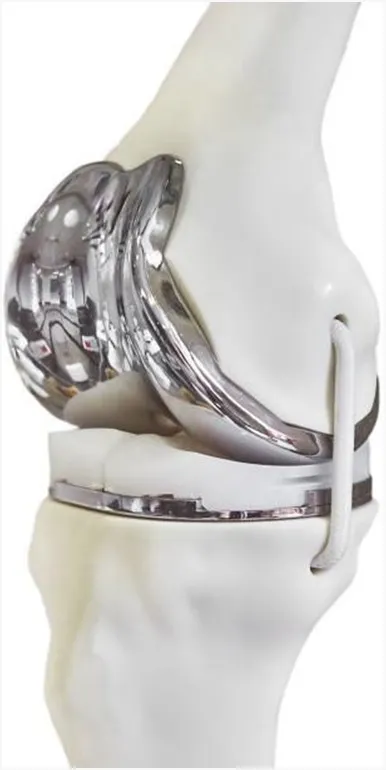Orthopaedic implants are like tiny heroes inside your body. They help fix broken bones and give support. Made from strong materials like metal or plastic, they can last for years. But sometimes, things change. These implants might become exposed, peeking out through the skin. This could be due to infection, poor wound healing, or other issues. But don’t worry, we’re here to help. For guidance on handling these situations, consider [consulting ](https://theplasticsurgeryclinic.co/contact)specialist like Dr. Leena Jain, one of the [best plastic surgeon in Bandra, Mumbai.](https://theplasticsurgeryclinic.co/) In the next segment, we’ll explore the causes behind exposed orthopaedic implants, equipping you with insight to keep these valuable allies safely within. ***Are you ready to delve deeper? Join us in uncovering the reasons behind exposed the following section.*** ## Causes of Exposed Orthopaedic Implants in Leg “As a medical professional, I’ve often seen exposed orthopaedic implants occur due to various factors,” says an eminent plastic surgeon in Borivali, [Dr. Leena Jain](https://theplasticsurgeryclinic.co/about-us). “Understanding these reasons is crucial for proper evaluation and treatment.” Implants are foreign bodies, hence, always prone to infection. One needs to understand that any particle in our body which is not our own body part will be susceptible to infection. 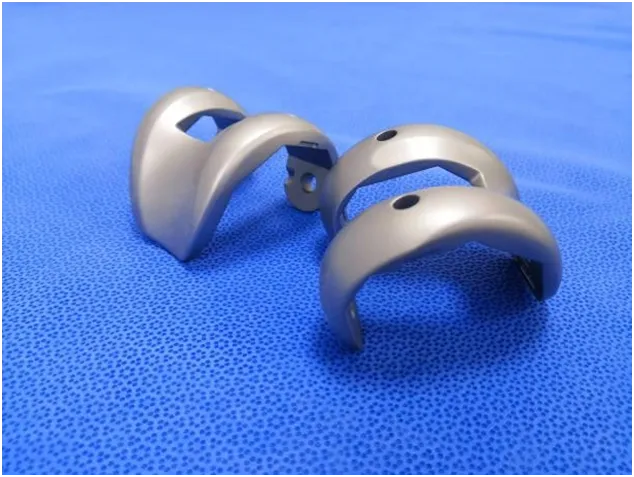Understanding this basic principle will make things easier to imagine regarding the susceptibility of implants to infection. **Factors behind exposed orthopaedic implants include:** - **Infection:** Grossly infected fractures where implants are inserted are prone to infection. - **Poor Wound Healing:** Sometimes, the wound doesn’t close as it should, especially in diabetics - **Implant Size:** Improperly fitting implants - **Tissue Damage:** Extensive injury to nearby tissues can uncover the implant’s presence. ***Read on to understand why you must not delay seeking medical attention for an exposed orthopaedic implant.*** ## Complications of Exposed Orthopaedic Implants In Legs **Osteomyelitis:** Exposed infected implants can cause bone infection called [osteomyelitis](https://theplasticsurgeryclinic.co/services/limb-reconstruction-surgery-in-mumbai/). 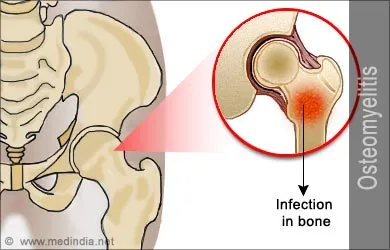**Soft tissue retraction:** A wound will be formed with exposure of underlying implanted this will then need to be covered with a flap. Joint instability- due to implant loosening **Severe Infections:** Untreated exposure increases the risk of infections. A spread of infections can lead to systemic illness and potentially life-threatening conditions. **Chronic Pain:** The area around the exposed implant can become painful and uncomfortable. This discomfort, in turn, will affect the patient’s daily life and mobility. 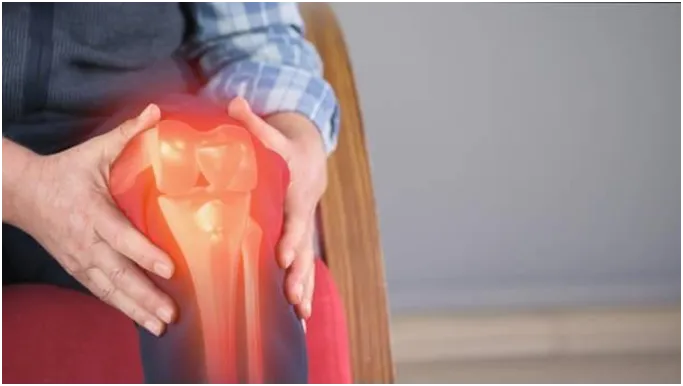Following implant exposure, one needs to assess the stability of skeletal structure and then decide about the retention or removal of implants. This is a major concern when the underlying fracture is not united. ***Now we understand how clinical evaluation helps identify issues with exposed orthopaedic leg implants.*** ## Clinical Evaluation Dr. Leena Jain performs the clinical evaluation through the following steps: **Medical History:** Dr. Leena Jain examines the patient’s medical history to identify any relevant past surgeries, infections, or health issues like diabetes that could impact the implant. **Physical Examination:** She meticulously inspects the exposed area, searching for indications of infection, skin complications, or implant damage. **Imaging Studies:** Dr. Jain employs X-rays, CT scans, or MRIs to visualize the implant and adjacent tissues precisely. 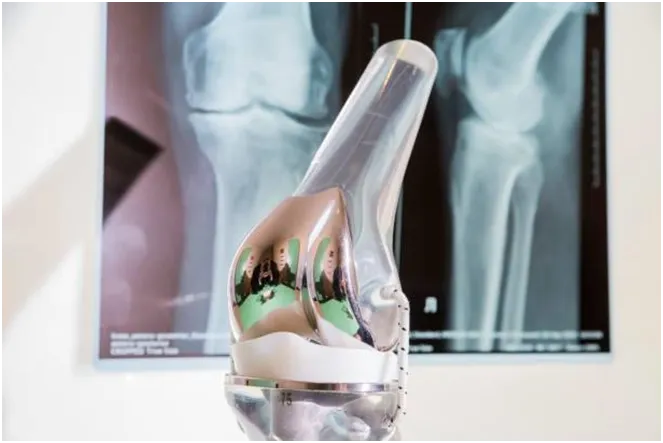**Laboratory Tests:** The medical team conducts blood tests and cultures to detect existing infections and assess their severity. **Functional Assessment:** Dr. Leena Jain evaluates the implant’s functionality to determine whether it requires retention, replacement or removal. **Customized Treatment Plan:** Dr. Leena Jain formulates a personalized treatment plan to meet the patient’s specific requirements based on the evaluation results. These measures ensure a thorough evaluation and effective management of exposed orthopaedic leg implants under Dr. Leena Jain’s care. ***Let’s explore the treatment options that Dr. Jain employs to address these concerns and promote healing.*** [***Book an appointment***](https://theplasticsurgeryclinic.co/contact) ## Treatment options for exposed orthopaedic leg implants include: ### Antibiotics: If an infection is present, Dr. Leena Jain prescribes antibiotics to fight the germs and prevent the infection from spreading. Antibiotics help protect the implant and the surrounding tissue. ### Wound Care: Dr. Leena Jain oversees proper wound care, ensuring the exposed area is meticulously cleaned and dressed with sterile materials. This proactive approach reduces infection risks and aids the healing process. 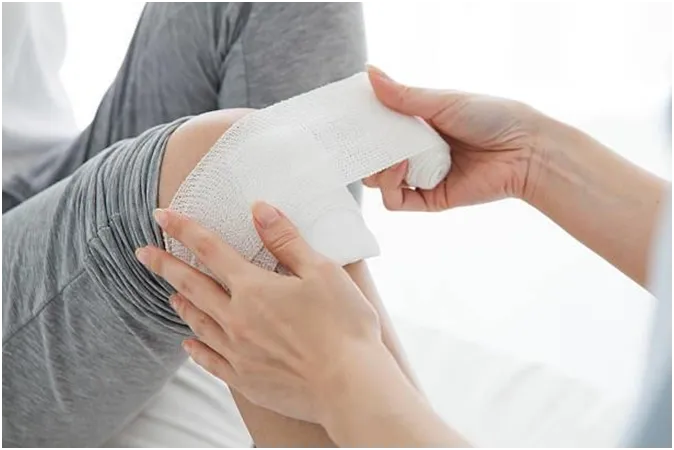### Implant Revision: In cases demanding it, in coalition with the orthopaedic team. A decision is made regarding implant revision which involves repairing or replacing it to maintain its functionality. This ensures the implant remains effective. Flaps for exposure with large gaps in the wound, Dr. Leena Jain covers the wounds and implants with flaps from the adjacent area or distant areas to bring in healthy vascular tissue to cover the exposed implants. [](https://theplasticsurgeryclinic.co/blogs/free-flap-surgery-a-groundbreaking-reconstructive-technique/) ### [Flap surgery](https://theplasticsurgeryclinic.co/blogs/free-flap-surgery-a-groundbreaking-reconstructive-technique/): To salvage any implant healthy vascularised tissue is required. Often once the implant is exposed, tissue needs to be taken from elsewhere to cover it. This tissue is taken from adjacent available skin or from elsewhere and transferred using [microsurgery](https://theplasticsurgeryclinic.co/blogs/reconstructive-microsurgery/). ### Pain Management: Dr. Leena Jain administers medications to manage any pain or discomfort associated with the exposed implant. This is to ensure the patient’s comfort during the recovery process. To explore these [treatment](https://theplasticsurgeryclinic.co/services/plastic-surgery-and-trauma-treatment-in-mumbai/) options further and receive personalized care, don’t hesitate to contact Dr. Leena Jain, a skilled plastic surgeon in Bandra. ## Conclusion In this comprehensive journey, we’ve discussed the complexities surrounding exposed orthopaedic implants in the leg. We’ve also discussed about the problems it can cause and why it’s really important to go to the doctor quickly if there’s an issue. From antibiotics to implant revision and flap covers we delved into the solutions that can restore health and functionality. Remember, promptly addressing [exposed orthopaedic](https://pubmed.ncbi.nlm.nih.gov/19927521/) leg implants is the key to avoiding problems and having a smoother recovery. If you or a loved one faces such concerns, don’t hesitate to seek the expert guidance of the dedicated plastic surgeon Dr. Leena Jain. With over 8 years of experience and countless thankful patients, Dr. Jain is known to many as the best plastic surgeon in Borivali. ## **FAQ** **Q. Can exposed orthopaedic implants cause allergic reactions?** **A.** In rare cases, yes. Some individuals may develop allergies to the materials used in orthopaedic implants. Such allergies can lead to skin irritation or discomfort. **Q.** Is it possible for exposed implants to heal on their own? **A.** In very mild cases, with close monitoring and proper wound care, the body might heal the exposed area without surgical intervention. However, it’s uncommon. **Q.** Are there non-surgical treatments like medications for exposed orthopaedic implants? **A.** Medications can be used for pain management and to treat any infections. However, they won’t resolve the exposure itself. Surgical intervention is often required to address the root of the issue **Categories:** Blog --- ### [How Does Limb Salvage Surgery Prevent Amputation?](https://theplasticsurgeryclinic.co/blogs/how-does-limb-salvage-surgery-prevent-amputation/) **Published:** June 14, 2026 **Author:** Dr. Leena Jain **Content:** # How Does Limb Salvage Surgery Prevent Amputation? Jun 14, 2026  Limb salvage surgery prevents amputation by restoring blood supply, removing infection or dead tissue, and reconstructing the limb so it can heal and function again. It’s used for limbs threatened by severe trauma, advanced diabetic complications, vascular disease, or tumour resection, where amputation would otherwise be the next step. The approach rests on two things. Restoring the conditions a limb needs to heal. And reconstructing what was lost so the limb stays usable. According to Dr. Leena Jain,[best plastic surgeon in Mumbai](https://theplasticsurgeryclinic.co/),Limb salvage works when the limb can be made to heal and stay useful, so the decision weighs not just saving the limb but giving the patient a limb worth keeping. ## How Does Limb Salvage Surgery Work? Limb salvage combines several surgical and medical steps to address the threats facing the limb. These are the main components. Debridement Infected, or non-viable tissue is removed surgically, often in stages, since a clean wound bed is the foundation for any later reconstruction. Vascular reconstruction. When blood supply is poor, vascular surgery restores circulation through bypass, angioplasty, or vessel repair before any soft tissue work can succeed. Infection control Antibiotics and surgical drainage clear active infection. Closing over an unresolved infection almost always leads to wound breakdown later. Soft tissue cover Flaps and grafts rebuild the skin and soft tissue layer, often using free tissue transfer when local options aren’t enough. Each step builds on the last. What is clear is that skipping a stage usually means losing the limb later. Vascular flow first, infection cleared next, reconstruction at the end. For complex reconstructive needs in limb salvage, this connects with[ Limb Reconstruction Surgery](https://theplasticsurgeryclinic.co/services/limb-reconstruction-surgery-in-mumbai/). ## When Is Limb Salvage Surgery the Right Choice? Limb salvage isn’t always possible. Specific factors decide whether saving the limb makes sense. These are the main considerations. Adequate blood supply: A limb with severely compromised circulation that can’t be restored may not heal even after reconstruction, which limits the chance of salvage. Controllable infection: Infection has to be containable, since spreading infection that threatens life shifts the balance toward amputation as the safer choice. Functional potential: A salvaged limb has to be usable. Nerve damage, joint destruction, or extensive tissue loss can leave a limb that’s preserved but not functional. Patient factors: overall health, ability to tolerate multiple operations, and willingness to undergo a long recovery all shape whether salvage is the right path. Salvage isn’t always the right answer. Sometimes a well-fitted prosthesis after planned amputation gives better function than a struggling salvaged limb. For an example of why diabetic wounds threaten limbs and how care changes that, read[ why diabetic foot ulcers don’t heal](https://theplasticsurgeryclinic.co/blogs/blogs-why-diabetic-foot-ulcers-dont-heal/\). ## Why Choose Dr. Leena Jain ? [Dr. Leena Jain](https://theplasticsurgeryclinic.co/about/) is a Plastic, Reconstructive and Microsurgeon. She holds an MCh in Plastic Surgery and a Fellowship in Microsurgery and Perforator Flaps from Hanyang University, Seoul, with over 7 years across limb salvage, diabetic foot reconstruction, and microsurgical work.Patients facing possible amputation have kept their limbs through staged reconstruction under her care, with technique matched to the wound and the patient’s overall condition. She advises salvage when it genuinely helps rather than at all costs. Facing possible amputation from a wound, infection, or vascular problem? [Book Appointment](https://theplasticsurgeryclinic.co/contact/) ## FAQs ##### What conditions need limb salvage surgery? Severe trauma, diabetic foot complications, vascular disease, infection, or tumour resection that threaten the limb. ##### Is limb salvage always successful? Not always, success depends on blood supply, infection control, and the limb’s potential to function. ##### How long does limb salvage recovery take? Weeks to months, depending on how many stages of surgery and rehabilitation are needed. ##### When is amputation better than salvage? When the limb can’t be made functional, or when salvage threatens the patient’s overall health. References 1. [National Library of Medicine – Autologous Fat Grafting](https://www.ncbi.nlm.nih.gov/books/NBK557860/) 2. [PubMed – Fat Grafting in Breast Reconstruction](https://pubmed.ncbi.nlm.nih.gov/32071575/) **Categories:** Blog --- ### [1 Week After Liposuction](https://theplasticsurgeryclinic.co/blogs/1-week-after-liposuction/) **Published:** September 14, 2024 **Author:** Dr. Leena Jain **Content:** # 1 Week After Liposuction Sep 14, 2024 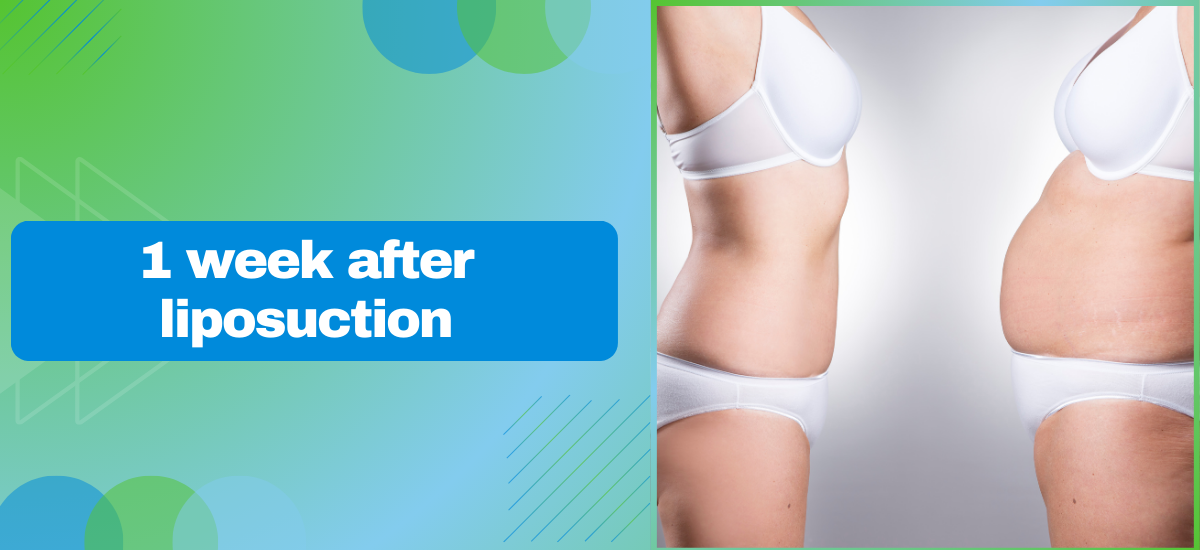 Undergoing liposuction is a significant step towards achieving your desired body shape, but what happens next? Patients often have questions and concerns about their recovery 1 week after liposuction, such as managing discomfort, identifying normal symptoms, and caring for the treated areas. [Dr. Leena Jain](https://theplasticsurgeryclinic.co/about-us/), a prominent plastic surgeon in Borivali, Mumbai, advises patients to meticulously follow the recommended post-operative care instructions for a smooth recovery. “Proper care and attention during the initial recovery phase can significantly impact your results,” she says. With her extensive expertise in liposuction and other body contouring procedures, Dr. Jain is committed to providing comprehensive care and guidance to each patient throughout their recovery journey. She is dedicated to helping patients achieve their aesthetic goals while prioritising their health and well-being. Looking for expert advice on smooth liposuction recovery? Consult with a professional for expert guidance and support. Book your appointment today. [Book an appointment](https://theplasticsurgeryclinic.co/contact/) Want to know what to expect 1 week after liposuction surgery? Let’s dive into the details. ## What are the Common Symptoms and Changes 1 Week After Liposuction? During the first week after fat liposuction, it is normal to experience various symptoms and changes. Here are some common ones: - **Swelling and Bruising:** It’s normal to experience swelling and bruising around the treated areas. These symptoms gradually decrease over the next few weeks. 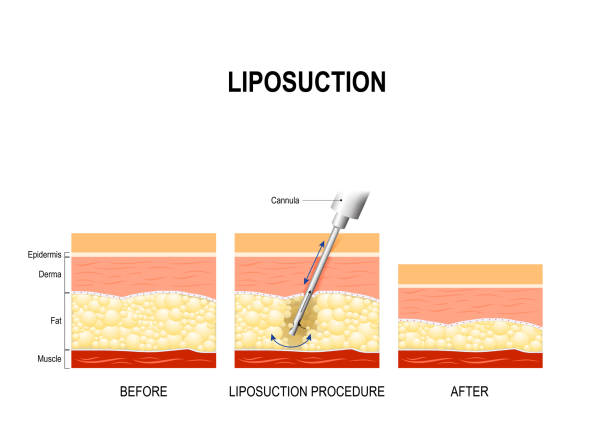 - **Mild Pain and Discomfort:** Patients may feel mild pain or discomfort. It can be managed with prescribed pain medication. - **Numbness:** Temporary numbness in the treated areas is common and usually subsides as healing progresses. - **Fluid Drainage:** Minor fluid drainage from the incision sites is expected and should diminish over time. - **Tightness and Stiffness:** Some tightness and stiffness in the treated areas are normal and will improve with gentle movement and time. - **Initial Results:** While some contour improvements may be visible, swelling can obscure the final results. Experiencing post-liposuction symptoms? Get personalized recovery tips from a seasoned specialist! Schedule your consultation now. [Book an appointment](https://theplasticsurgeryclinic.co/contact/) ## How Should You Care for Your Body and Incision Sites 1 Week After Liposuction? “Proper care for your body and incision sites is crucial during the first week after liposuction,” advises Dr. Leena Jain, an esteemed[ plastic surgeon in Borivali](https://theplasticsurgeryclinic.co/), Mumbai. Here are some essential tips: - **Wear Compression Garments:** These help reduce swelling and support the treated areas, aiding in proper contouring. - **Keep Incision Sites Clean:** Follow your surgeon’s instructions for cleaning and dressing the incision sites to prevent infection. - **Follow a Healthy Diet**: Eating nutritious foods supports your body’s healing process. - **Stay Hydrated:** Drink plenty of water to help your body flush out toxins and reduce swelling. 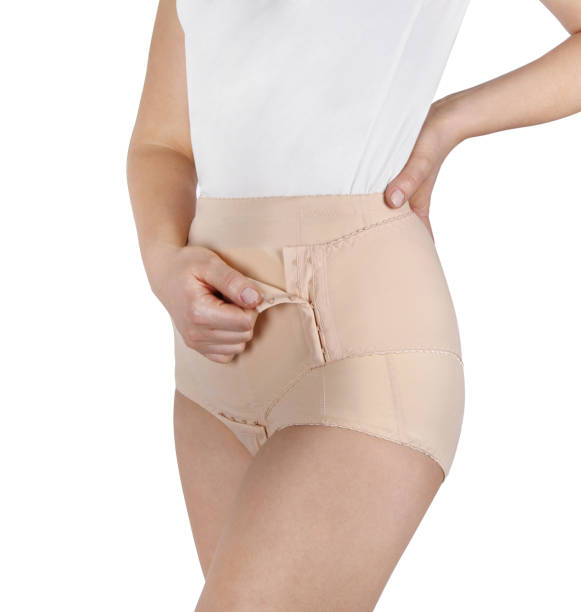 - **Avoid Strenuous Activities:** Rest and avoid heavy lifting or vigorous exercise to allow your body to heal. - **Take Prescribed Medications:** Ensure you take the prescribed medications, including antibiotics and pain relievers, as directed. - **Monitor for Complications:** Watch for signs of infection, excessive swelling, or unusual pain, fever or foul smelling discharge and contact your surgeon if you have concerns. *Curious about dietary and lifestyle modifications post-liposuction surgery? Here’s what you need to do.* ## What are the Recommended Dietary and Lifestyle Changes 1 Week After Liposuction? Adopting the proper dietary and lifestyle changes can enhance your recovery: - **Healthy Diet:** Focus on a balanced diet of fruits, vegetables, lean proteins, and whole grains to support healing. - **Avoid Alcohol and Smoking:** Both can impede the healing process and increase the risk of complications. - **Stay Active:** Light activities such as walking can help improve circulation without straining the body and reduces the risk of blood clots.  - **Follow the Surgeon’s Advice:** Adhere to any specific dietary or activity recommendations provided by your surgeon. - **Hydration:** Maintain adequate hydration to support overall health and recovery. Experiencing unusual symptoms after liposuction? Reach out to a specialist for expert guidance and care! [Book an appointment](https://theplasticsurgeryclinic.co/contact/) *Eager to know when you’ll see the final results of your fat liposuction? Let’s find out.* ## When Can You Expect to See Final Results After Liposuction? Patience is essential when awaiting the final results of your liposuction. Here’s a timeline of what to expect: - **Initial Weeks**: Swelling and bruising are most prominent. Results may take time to be visible. - **1-2 Months**: Swelling gradually subsides, and the treated areas start to take shape. - [**6 Months**](https://theplasticsurgeryclinic.co/blogs/swelling-6-months-after-liposuction/)**2-3 months**: Most swelling should be gone; you can see more defined results.  - **1 Year**: The final results are typically visible, with all swelling and skin adjustments completed. *Concerned about the signs to watch for after liposuction? Let’s discuss the key indicators.* ## What are the Signs you Should Contact your Surgeon 1 Week after Liposuction? While most symptoms are typical, some signs may indicate complications: - - **Excessive Swelling and Pain**: If swelling and pain are severe and not improving, contact your surgeon. - **Signs of Infection:** Redness, warmth, and unusual pus or foul-smelling discharge from the incision sites are signs of infection. - **Persistent Numbness:** If numbness persists or worsens, seek medical advice. - **Fever:** A fever could indicate an infection and should be reported to your surgeon. - **Difficulty Breathing**: Shortness of breath or chest pain requires urgent care. ## Conclusion Understanding what to expect 1 week after liposuction is essential for a smooth recovery and achieving the best possible results. By addressing common symptoms, following proper care instructions, and making the recommended lifestyle adjustments, patients can significantly enhance their recovery experience. Dr. Leena Jain, a distinguished plastic surgeon in Mumbai, offers invaluable support and expertise to guide you through this critical phase. Her personalized approach ensures that you are well-informed and prepared for each step of your recovery journey. Seek professional advice to ensure your recovery is on track. Book your appointment now. [Book an appointment](https://theplasticsurgeryclinic.co/contact/) *Have more questions about liposuction recovery? Let’s address some common queries.* ## Frequently Asked Questions ##### When will my skin feel normal after liposuction? Skin typically feels normal a few weeks post-surgery. However, full recovery can take several months. ##### What to expect after 3 weeks of liposuction? At 3 weeks, most swelling and bruising should have reduced significantly, and you may start to see more defined results. ##### How long does it take for your stomach to get flat after liposuction? Complete stomach flattening can take up to three- six months as swelling gradually decreases. ##### When can I wear regular clothes after lipo? You can typically start wearing regular clothes after about two weeks, but follow your surgeon’s advice. ##### How long does the swelling last after lipo? Swelling can last upto six months, most subsiding in the first few weeks. ***Reference*** **Categories:** Blog --- ### [Carpal Tunnel Surgery: When Is It Truly Necessary?](https://theplasticsurgeryclinic.co/blogs/carpal-tunnel-surgery-when-is-it-truly-necessary/) **Published:** June 9, 2026 **Author:** Dr. Leena Jain **Content:** # Carpal Tunnel Surgery: When Is It Truly Necessary? Jun 9, 2026 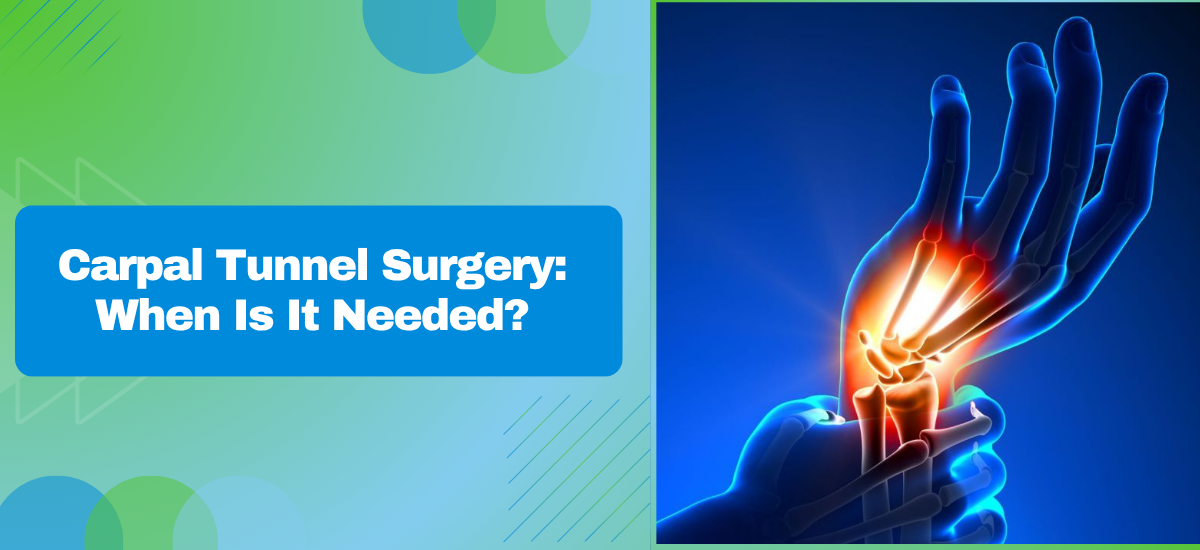 Carpal tunnel surgery becomes truly necessary when symptoms persist despite splinting, anti-inflammatories, and steroid injections, or when nerve damage starts to show through muscle weakness or constant numbness. Many cases respond to non-surgical management, especially when caught early. Because severity varies, the decision splits two ways. When conservative care is enough. And when surgery becomes the right next step. According to Dr. Leena Jain,[best plastic surgeon in Mumbai](https://theplasticsurgeryclinic.co/),Surgery is reserved for nerves that aren’t recovering with simpler measures, so timing the operation matters as much as performing it well. ## When Is Carpal Tunnel Surgery Considered Necessary? Surgery becomes appropriate when specific clinical signs show that the nerve isn’t recovering with conservative measures. These are the main triggers. Persistent symptoms Numbness, tingling, or pain continuing despite weeks of splinting, anti-inflammatories, and activity changes points to a nerve that needs decompression. Failed injections. A steroid injection often improves symptoms temporarily. When the relief doesn’t last or fails entirely, surgery is the logical next step. Muscle weakness Wasting of the thumb base muscles or loss of grip strength signals that the median nerve is being compressed enough to affect motor function. Severe nerve damage Nerve conduction studies showing significant slowing or constant numbness indicate that delaying surgery risks permanent damage. The exact threshold isn’t a single number. What is clear is that nerves recover better when decompressed before damage becomes permanent. For broader hand and wrist surgical care, this connects with[ Hand Surgery](https://theplasticsurgeryclinic.co/services/hand-surgery-in-mumbai/). ## How Is Carpal Tunnel Surgery Performed? The goal is straightforward. Release the transverse carpal ligament to relieve pressure on the median nerve. The method depends on the surgeon’s preference and case specifics. Open release A small incision in the palm allows direct division of the ligament. Reliable, widely used, and suits most cases. Endoscopic release. A smaller incision and a camera-guided device divide the ligament from inside. Recovery can be slightly faster for some patients. Local anaesthesia Most carpal tunnel surgery is performed under local anaesthesia with the patient awake, since the procedure is short and the area is easily numbed. Outpatient procedure Surgery is done as a day case, with patients going home the same day and starting gentle hand use within days. Recovery isn’t instant but it’s predictable. Symptoms often improve within weeks, though full strength can take months to return. For another wrist condition that can linger after surgery, read[ wrist pain years after carpal tunnel surgery](https://theplasticsurgeryclinic.co/blogs/wrist-pain-years-after-carpal-tunnel-surgery/). ## Why Choose Dr. Leena Jain ? [Dr. Leena Jain](https://theplasticsurgeryclinic.co/about/) is a Plastic, Reconstructive and Microsurgeon. She holds an MCh in Plastic Surgery and a Fellowship in Microsurgery and Perforator Flaps from Hanyang University, Seoul, with over 7 years across hand surgery and reconstructive microsurgery. Patients with persistent carpal tunnel symptoms have regained sensation and grip strength under her care, often after conservative treatment alone wasn’t enough. She times the operation around symptom severity rather than rushing into surgery. Waking up with hand numbness or losing grip strength despite treatment? [Book Appointment](https://theplasticsurgeryclinic.co/contact/) ## FAQs ##### How long does carpal tunnel surgery take? About 15 to 30 minutes, performed under local anaesthesia as a day procedure. ##### How long is recovery after carpal tunnel surgery? Initial recovery takes a few weeks, with full strength returning over several months. ##### Will carpal tunnel come back after surgery? Recurrence is uncommon, though residual symptoms can occur in long-standing cases. ##### Is carpal tunnel surgery painful? The procedure itself is painless under anaesthesia, with mild discomfort during early recovery. References [National Library of Medicine – Trigger Finger](https://www.ncbi.nlm.nih.gov/books/NBK459310/) **Categories:** Blog --- ### [Understanding the Role of Free Flap Reconstruction in Head and Neck Cancer](https://theplasticsurgeryclinic.co/blogs/understanding-the-role-of-free-flap-reconstruction-in-head-and-neck-cancer/) **Published:** June 2, 2025 **Author:** Dr. Leena Jain **Content:** # Understanding the Role of Free Flap Reconstruction in Head and Neck Cancer Jun 2, 2025 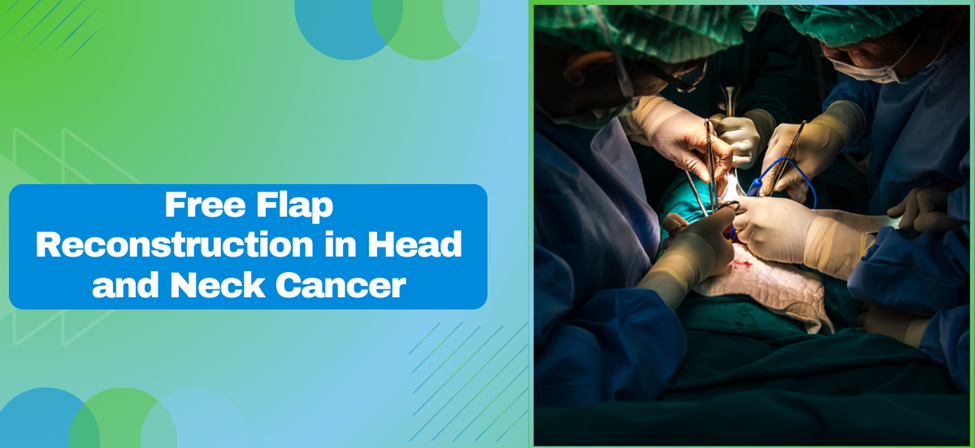 Head and neck cancers encompass a diverse group of malignancies affecting areas such as the oral cavity, pharynx, larynx, nasal cavity, and salivary glands. Treatment often involves surgical resection, which can lead to significant defects impacting essential functions like speech, swallowing, and appearance. In such cases, reconstructive surgery becomes vital to restore both aesthetics and function. One of the most advanced techniques in reconstructive surgery is free flap reconstruction. It involves transplanting tissue from one part of the body to another to repair complex defects.[ ](https://theplasticsurgeryclinic.co/)Dr. Leena Jain, a prominent [plastic surgeon in Bandra, Mumbai](https://theplasticsurgeryclinic.co/), emphasizes, “Free flap reconstruction has revolutionized the way we approach complex head and neck defects, offering patients a chance at a better quality of life post-surgery.” Being a seasoned[ ](https://theplasticsurgeryclinic.co/about-us/)[plastic and reconstructive microsurgeon](https://theplasticsurgeryclinic.co/about-us/), Dr. Jain specializes in[ ](https://theplasticsurgeryclinic.co/services/hand-surgery-in-mumbai/)[hand surgery](https://theplasticsurgeryclinic.co/services/hand-surgery-in-mumbai/), tumor and trauma reconstruction, and[ ](https://theplasticsurgeryclinic.co/services/breast-surgery-in-mumbai/)[breast surgery](https://theplasticsurgeryclinic.co/services/breast-surgery-in-mumbai/). Known for her patient-centered care and surgical excellence in head and neck cancer reconstruction, she employs cutting-edge free flap techniques to achieve excellent functional and aesthetic outcomes. *Before we dive deeper, let’s first understand what a free flap exactly is.* ## What is a Fibroadenoma? Free flap reconstruction, also known as microvascular free tissue transfer, involves transplanting tissue, comprising skin, muscle, fat, or bone, from a donor site to a recipient site, reconnecting blood vessels using microsurgical techniques. This method ensures the transplanted tissue remains viable, promoting healing and functionality. Unlike pedicled flaps, which remain attached to their original blood supply, free flaps are entirely detached and reconnected at the new site, offering greater flexibility in reconstructing complex defects. 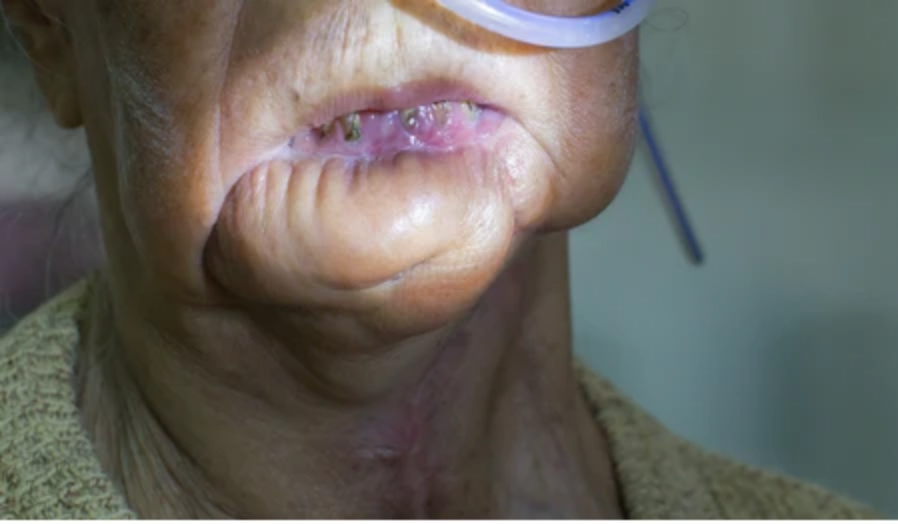 Restore form and function with expert guidance. Connect with a skilled specialist for a personalized evaluation and explore your options! [Book an appointment](https://theplasticsurgeryclinic.co/contact/) *Now, let’s explore the significance of free flap surgery in head and neck cancer care.* ## The Critical Role of Free Flap Reconstruction in Head and Neck Cancer In head and neck cancer surgeries, especially those involving extensive tissue removal, free flap [reconstruction](https://theplasticsurgeryclinic.co/blogs/things-you-should-know-about-oral-cancer-reconstruction-surgery/) plays a pivotal role in restoring essential functions and aesthetics. By using tissue from other body parts, surgeons can reconstruct areas affected by cancer resection, aiding in speech, swallowing, and appearance. This technique has become the standard of care for many complex head and neck defects, particularly after oncological resections. It allows for tailored reconstruction, addressing patients’ functional and cosmetic needs. 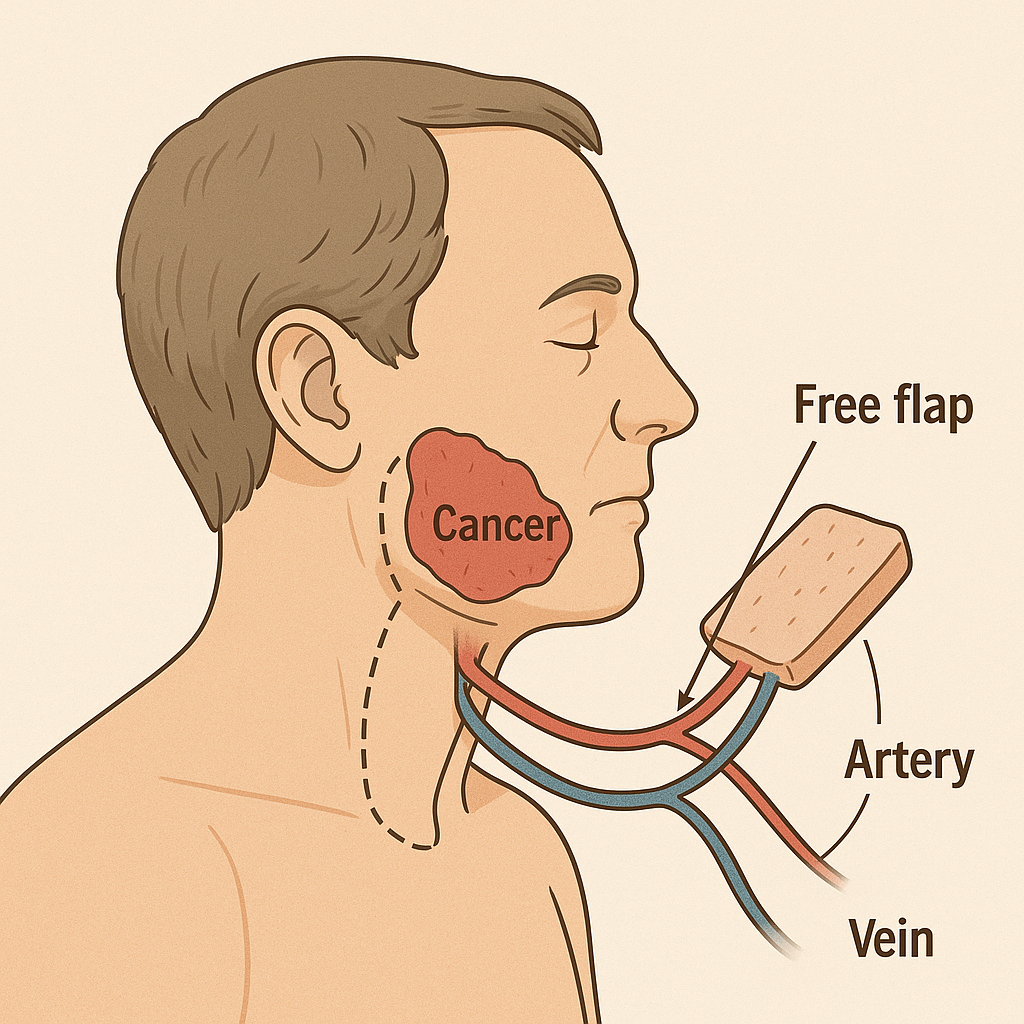 ***Let’s take a closer look at the various options available.*** ## Common Types of Free Flaps Used A variety of free flaps are used depending on the nature of the reconstruction: - ### **Radial Forearm Free Flap (RFFF):** Ideal for soft tissue reconstruction due to its thin and pliable nature. - ### **Anterolateral Thigh (ALT) Flap:** Offers a large volume of tissue, suitable for extensive defects. - ### **Fibula Free Flap:** In mandible reconstruction, used mainly to provide both bone and tissue. - ### **Scapular and Parascapular Flaps:** They provide versatile tissue options with low donor site morbidity. “The choice of flap depends on factors such as defect size, location, and the patient’s general health,” explains Dr. Leena Jain, a well-known plastic surgeon in Mumbai. ## How the Procedure is Performed The free flap reconstruction procedure involves several meticulous steps: ### **1. Donor Site Preparation:** The surgeon harvests tissue from the donor site, ensuring minimal impact on function and appearance. ### **2. Recipient Site Preparation:** The area requiring reconstruction is prepared, and recipient blood vessels are identified. ### **3. Microsurgical Anastomosis:** Using a microscope, the surgeon connects the arteries and veins of the flap to those at the recipient site, restoring blood flow. ### **4. Flap Inset and Monitoring:** The flap is shaped and secured into place, with continuous monitoring to ensure viability. This intricate procedure demands high surgical expertise and precision to ensure successful outcomes. ***Let’s weigh the pros and cons of this reconstructive surgery.*** ## Benefits and Challenges of Free Flap Reconstruction in Head and Neck Cancer ### **Benefits:** - **Functional Restoration:**Improves speech, swallowing, and breathing. - **Aesthetic Improvement:**Enhances appearance, boosting self-esteem. - **Versatility:**Allows for reconstruction of various tissue types and sizes. ### **Challenges:** - **Complexity:**Demands sophisticated surgical technique and instrumentation. - **Risk of Complications:** Flap failure or infection risk. - **Extended Recovery:**Longer healing period than other procedures. Though there are challenges, the advantages usually exceed the risks, giving patients a chance at better quality of life. ***Let’s discuss about recovery and aftercare.*** ## Recovery and Postoperative Care Postoperative care is the key to successful free flap reconstruction: - ### **Monitoring:** Periodic checks to maintain flap viability and identify complications early. - ### **Wound Care:** Cleanliness and dressing of donor and recipient sites. - ### **Rehabilitation:** Speech and swallowing therapy might be required. - ### **Follow-Up:** Frequent visits to track healing and address any queries. Compliance with postoperative instructions improves recovery and overall results. ## Conclusion Free flap reconstruction stands as a cornerstone in the management of complex head and neck cancer defects. With the technical expertise of experienced surgeons such as Dr. Leena Jain, patients can achieve significant improvements in function and appearance, resulting in an enhanced quality of life. Your road to recovery starts with the right care. Reach out to a competent professional for expert support. [Book an appointment](https://theplasticsurgeryclinic.co/contact/) ## FAQs ##### Why is free flap reconstruction significant in head and neck cancer? It restores essential functions such as speech and swallowing and enhances facial aesthetics following tumor removal operations. ##### What components of the body can be harvested for free flap donor tissue? Depending on tissue requirements, typical donor sites are the forearm, thigh, fibula, and scapula. ##### How long is recovery following free flap reconstruction? The initial 2–3 weeks of recovery, with complete functional recovery, including rehab, possibly several months. ##### Are there complications of this surgery? Complications involve infection, flap failure, delayed wound healing, and donor site complications. However, these risks are rare and can be avoided by choosing a skilled and experienced surgeon. ##### Will there be noticeable scarring? Scars are generally small and discreet. They do fade with time and can be treated further if necessary. ##### What’s the difference between a free flap and a local flap? A local flap remains connected to its original blood supply, while a free flap is completely detached and reattached using microsurgery. ##### How do I look after the donor and recipient sites post-operatively? Follow your surgeon’s post-operative care advice strictly. Wound care, monitoring signs of infection, and avoiding strain are essential. **Reference links:** **Disclaimer:** This page is for informational purposes and not for promotional use. **Categories:** Blog --- ### [What Is Charcot Foot in Diabetic Patients?](https://theplasticsurgeryclinic.co/blogs/what-is-charcot-foot-in-diabetic-patients/) **Published:** May 18, 2026 **Author:** Dr. Leena Jain **Content:** # What Is Charcot Foot in Diabetic Patients? May 18, 2026 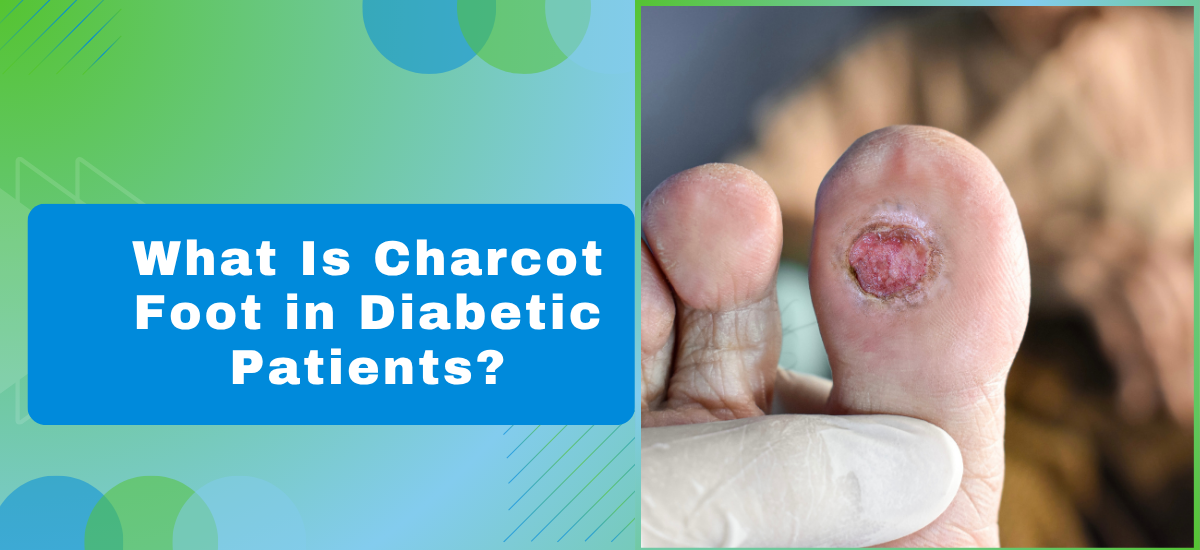 Charcot foot is a serious diabetic complication. The bones in the foot weaken, fracture, and slowly collapse, often with no pain at all. Why no pain? Nerve damage from diabetes hides the injury, so the foot keeps taking weight while the bones break down underneath. There are two stages that matter. An early inflammatory phase, where the damage moves fast. And a later one, where the deformity sets and stays. The lack of pain is the danger. Patients keep walking on a foot that’s quietly falling apart. By the time it looks wrong, the damage is often done. According to Dr. Leena Jain,One of the [best plastic surgeon in Bandra](https://theplasticsurgeryclinic.co/), The trap with Charcot foot is that it rarely hurts, so a warm swollen foot in a diabetic patient needs urgent attention even when nothing seems painful. ## What Causes Charcot Foot in Diabetes? It takes two things together. Nerve damage, and a foot that keeps bearing weight on bone that’s already weakening. These are the main drivers. Neuropathy: Long-term diabetes dulls sensation in the foot, so a fracture can happen and go completely unnoticed, untreated for weeks. Continued walking: Because the foot doesn’t hurt, the person keeps walking on it, and that repeated load drives the bones to break down further. Weakened bone: Diabetes and reduced sensation alter bone metabolism, leaving the bones more fragile and prone to fracture under normal use. Inflammation: An early surge of inflammation accelerates bone resorption, which is why the foot turns warm and swollen before any deformity is visible. Trauma can trigger it, sometimes minor enough that the patient doesn’t recall it. The cascade builds quietly. So early recognition changes everything. For severe structural damage needing reconstruction, this connects with [plastic surgery and trauma care](https://theplasticsurgeryclinic.co/services/plastic-surgery-and-trauma-treatment-in-mumbai/). ## How Is Charcot Foot Treated in Diabetic Patients? The aim is straightforward. Protect the foot, let the bones heal, stop the deformity getting worse. These are the main approaches. Offloading: Keeping weight off the foot is the cornerstone, usually with a total contact cast, and it gives the damaged bones a chance to stabilise. Immobilisation: A cast or brace holds the foot still during the active phase, which can last months, so healing isn’t disrupted by movement. Protective footwear: Once the active phase settles, custom shoes or braces spread pressure evenly and reduce the risk of ulcers forming over deformities. Surgery: Severe deformity or instability may need surgical correction to realign the foot, reserved for cases where bracing alone isn’t enough. For an early-stage wound that often follows, read [stage 1 diabetic foot ulcer](https://theplasticsurgeryclinic.co/blogs/stage-1-diabetic-foot-ulcer/). ## Why Choose Dr. Leena Jain? [Dr. Leena Jain](https://theplasticsurgeryclinic.co/about/) is a Plastic, Reconstructive and Microsurgeon. She holds an MCh in Plastic Surgery and a Fellowship in Microsurgery and Perforator Flaps from Hanyang University, Seoul, with over 7 years across diabetic foot reconstruction and microsurgery. Patients with diabetic foot complications have avoided amputation through timely reconstruction and wound care under her care, with a focus on keeping people on their own feet. She treats the warning signs seriously before deformity sets in. Early action, real outcomes. **Noticing a warm, swollen foot that doesn’t hurt the way you’d expect?** [Book Appointment](https://theplasticsurgeryclinic.co/contact/) ## FAQs ##### Is Charcot foot painful? Often not, since nerve damage from diabetes masks the pain that injury would normally cause. ##### Can Charcot foot be reversed? Early treatment can stabilise it, but established deformity is usually permanent. ##### How long does Charcot foot take to heal? The active phase often lasts several months, requiring prolonged offloading and immobilisation. ##### Can Charcot foot lead to amputation? Yes, untreated cases raise the risk of ulcers and eventual amputation. **References** **–** 1. [National Library of Medicine – Charcot Neuropathic Osteoarthropathy](https://www.ncbi.nlm.nih.gov/books/NBK470164/) 2. [National Library of Medicine – Diabetic Foot Ulceration and Complications](https://www.ncbi.nlm.nih.gov/books/NBK499887/) **Categories:** Blog --- ### [Pain 1 Year after Achilles Tendon Surgery](https://theplasticsurgeryclinic.co/blogs/pain-1-year-after-achilles-tendon-surgery/) **Published:** March 12, 2024 **Author:** Dr. Leena Jain **Content:** # Pain 1 Year after Achilles Tendon Surgery Mar 12, 2024  Experiencing pain 1 year after Achilles tendon surgery can be both concerning and confusing for patients expecting a full recovery. Understanding your pain’s nature and its potential causes is crucial. It is important knowing the difference as well. Are you seeking pain management strategies? Or, are you wondering if your symptoms are normal? Our overview offers the clarity and direction you need for a smoother recovery. Dr. Leena Jain is a top[ plastic surgeon in Bandra,](https://theplasticsurgeryclinic.co/) known for her expert care in treating achilles tendon surgery. She uses the latest techniques to get the best results for her patients. Dr. Jain’s approach is all about personal care and using proven methods. She’s highly respected for changing her patients’ lives by improving their confidence and function. **Reduce your Achilles pain! Learn from Leena Jain’s journey and expert insights from Dr. Jain.** [Book an appointment.](https://theplasticsurgeryclinic.co/contact/) ***Want to know more about what happens 1 year after achilles tendon surgery? Keep reading to find out!*** ## **Understanding Pain 1 Year After Achilles Tendon Surgery** Pain after Achilles [tendon surgery](https://theplasticsurgeryclinic.co/blogs/navigating-life-4-months-after-achilles-tendon-surgery/) is not uncommon, but it should ideally go away over time. By the one-year mark, most patients expect significant improvement and return to normal activities. However, some individuals may still experience pain, which could be due to several factors including the natural healing process, rehabilitation effectiveness, and individual health conditions. ***Curious about the different types of pain you might be experiencing? Let’s know more together.*** ## **Causes and Types of Pain One Can Experience** - **Mild Discomfort:** A common feeling that might not hinder daily activities but is noticeable. - **Moderate Pain:** This can affect daily activities and might indicate slow or problematic healing. - **Severe Pain:** Intense enough to limit movement and daily functions, possibly signaling reinjury or other serious issues. - **Incomplete Healing:** The tendon hasn’t fully recovered, leading to continued pain. - **Scar Tissue Formation:** Scar tissue can cause stiffness and discomfort, affecting the tendon’s flexibility. - **Reinjury:** Returning to activities too soon or accidents leading to re-damaging the tendon. - **Identifying Pain Triggers:** Understanding what activities or movements exacerbate the pain is key to managing it. - **Preventing Further Complications:** Recognizing pain types and causes helps in taking the right steps towards recovery. **Identifying your pain type knowledge is the first step towards relief.** [Book an appointment now!](https://theplasticsurgeryclinic.co/contact/) ## **Is It Normal or Concerning?** While fluctuations in pain levels can be normal due to factors like activity levels and physical therapy, consistent or increasing pain 1 year [after surgery](https://theplasticsurgeryclinic.co/recovery-chronicles-navigating-life-4-months-after-achilles-tendon-surgery/) is concerning. It may indicate underlying issues that require medical attention to prevent long-term damage or complications. ***Wondering how you can actively manage your pain and aid your recovery? The next section is for you.*** ## **Strategies for Managing Pain and Promoting Recovery** - Follow a tailored physical therapy regimen. - Engage in recommended exercises. - Avoid activities that strain the healing tendon. - Have regular follow-ups with healthcare providers. - Monitor progress and adjust treatment plans as needed. ***Is ongoing pain a standard part of recovery, or is it time to sound the alarm? Let’s find out!* ## **Difference between normal post-surgical pain and pain 1- year post-op?** **Aspect** **Normal Post-Surgical Pain** **Pain 1 Year Post-Op** Duration Decreases over months. Unusual if it persists or starts after a year. Intensity Fades with time. Constant or worsening could indicate a problem. Characteristics Normal healing sign. It may suggest complications (e.g., scar tissue, reinjury). Treatment Response Improves with standard care. It might need further evaluation and treatment. Need for Evaluation Standard check-ups. Requires medical review if pain persists or emerges. **Ready to demystify your post-surgery journey? Let’s dive deeper into understanding the path to recovery together.** [Contact us now!](https://theplasticsurgeryclinic.co/contact/) ***And finally, how do you wrap up your journey towards healing? Let’s conclude with some actionable insights.*** ## **What are the surgeries done for repair of Achilles Tendon** **Achilles tendon is repaired in the following ways: 1. **If only a tendon tear without tendon loss: end to end repair** 1. **If tendon loss with intact overlying skin, tendon reconstruction is required with various procedures like tendon lengthening or tendon grafting.** 1. **If tendon loss with damage of overlying skin: tendon and skin reconstruction with a flap- tissue taken from the thigh** 1. **If tendon tear with loss of overlying skin: tendon to be covered by a local flap taken from adjoining areas.** ## **Conclusion** Pain 1 year after Achilles [tendon surgery](https://theplasticsurgeryclinic.co/recovery-chronicles-navigating-life-4-months-after-achilles-tendon-surgery/) can be a distressing experience, but understanding its potential causes and adopting appropriate management strategies can significantly improve outcomes. It’s crucial to maintain open communication with healthcare professionals like Dr. Leena Jain to ensure the best possible recovery path. Reference link: **Categories:** Blog --- ### [When Does Hidradenitis Suppurativa Need Surgery?](https://theplasticsurgeryclinic.co/blogs/when-does-hidradenitis-suppurativa-need-surgery/) **Published:** May 29, 2026 **Author:** Dr. Leena Jain **Content:** # When Does Hidradenitis Suppurativa Need Surgery? May 29, 2026 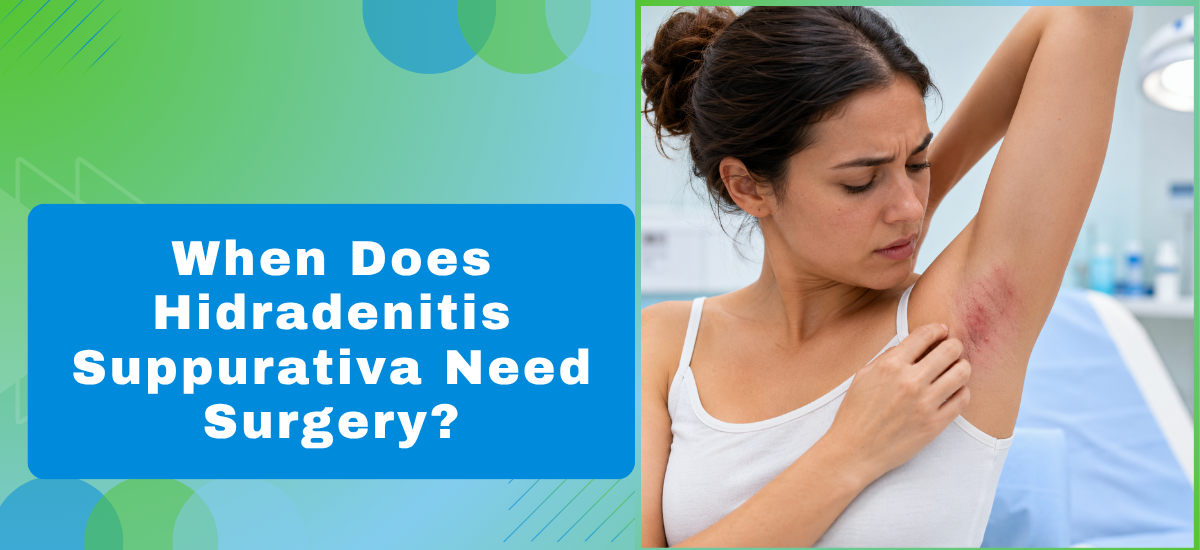 Hidradenitis suppurativa needs surgery when medical treatment fails to control the disease, when extensive scarring and sinus tracts develop, or when recurrent abscesses keep returning to the same areas. Surgery isn’t first-line. It enters the plan once the condition reaches a stage where conservative care can’t keep up with the damage. The decision rests on two things. How advanced the disease is. And how much scarring and tunnelling has already formed. According to Dr. Leena Jain, [best plastic surgeon in Borivali](https://theplasticsurgeryclinic.co/), Once sinus tracts and dense scarring have formed, no amount of medication will reverse them, so surgery becomes the only way to remove the damaged tissue and give the skin a chance to heal. ## What Signs Indicate Surgery for Hidradenitis Suppurativa? Surgery becomes appropriate when specific features signal that medical management alone won’t control the disease. These are the main signs. Recurrent abscesses: Lumps that keep returning to the same area, often draining and re-forming over months, point to tissue damage that won’t settle without surgical removal. Sinus tract formation: Tunnels develop under the skin connecting affected areas. These don’t close with medication, and they tend to grow longer and more complex over time. Why scarring matters?: Dense fibrous scarring distorts skin, restricts movement, and creates pockets where infection lingers. Once established, only excision restores healthy tissue. Stage III disease: Advanced cases with widespread sinus tracts, abscesses, and scarring across an entire region usually need wide surgical excision rather than further antibiotics or biologics. Mild cases respond to medication. Many do. But when the disease keeps escalating despite treatment, surgery becomes the only option that addresses the structural damage rather than the symptoms. For complex reconstructive needs after wide excision, this connects with [plastic surgery and trauma care](https://theplasticsurgeryclinic.co/services/plastic-surgery-and-trauma-treatment-in-mumbai/). ## What Surgical Options Are Used for Hidradenitis Suppurativa? Surgery for hidradenitis suppurativa ranges from limited drainage to wide excision with reconstruction. These are the main techniques. Incision and drainage: Used for acute abscesses to relieve pain quickly, though it doesn’t prevent recurrence. Recurrence rates remain high without further treatment. Local excision: Removal of the affected area with a margin of healthy skin. Suits isolated lesions but recurrence at the edges remains a risk. Wide local excision?: Removal of all affected tissue down to fascia in an entire region, which is the most effective at preventing recurrence in that specific area. Reconstruction: After wide excision, the resulting wound often needs flap reconstruction, skin grafting, or healing by secondary intention, depending on size and location. Excision is the only intervention that consistently prevents recurrence in a treated area. Reconstruction restores function and appearance afterward. So the decision isn’t surgery or no surgery, but how wide the excision needs to be and how the wound will be closed. For another example of chronic wound management, read [sternal wound infection.](https://theplasticsurgeryclinic.co/blogs/sternal-wound-infection/) ## Why Choose Dr. Leena Jain? [Dr. Leena Jain](https://theplasticsurgeryclinic.co/about/) is a Plastic, Reconstructive and Microsurgeon. MCh in Plastic Surgery. Fellowship in Microsurgery and Perforator Flaps, Hanyang University, Seoul. Over 7+ years across reconstructive work for chronic skin and wound conditions. Patients with advanced hidradenitis suppurativa have had affected areas cleared and reconstructed under her care, with attention to scar placement and functional recovery. Each plan balances thorough disease removal against the impact of wide excision. Definitive, not partial. **Living with painful recurrent lumps that keep coming back despite treatment?** [Book Appointment](https://theplasticsurgeryclinic.co/contact/) ## FAQs ##### Is hidradenitis suppurativa curable with surgery? Surgery can eliminate disease in a treated area, but recurrence elsewhere remains possible. ##### What stage of HS needs surgery? Usually Stage II or III with sinus tracts, scarring, or persistent abscesses. ##### Can mild hidradenitis suppurativa be treated without surgery? Yes, early cases often respond to medical therapy and lifestyle measures. ##### Does surgery leave scars? Yes, but careful reconstruction minimises scar impact and restores function. **References** **–** 1. [National Library of Medicine – Hidradenitis Suppurativa](https://www.ncbi.nlm.nih.gov/books/NBK534867/) 2. [National Library of Medicine – Surgical Management of Hidradenitis Suppurativa](https://www.ncbi.nlm.nih.gov/books/NBK553159/) **Categories:** Blog --- ### [What Are Axillary Fat Pads? Causes and Treatment](https://theplasticsurgeryclinic.co/blogs/what-are-axillary-fat-pads-causes-and-treatment/) **Published:** March 25, 2025 **Author:** Dr. Leena Jain **Content:** # What Are Axillary Fat Pads? Causes and Treatment Mar 25, 2025 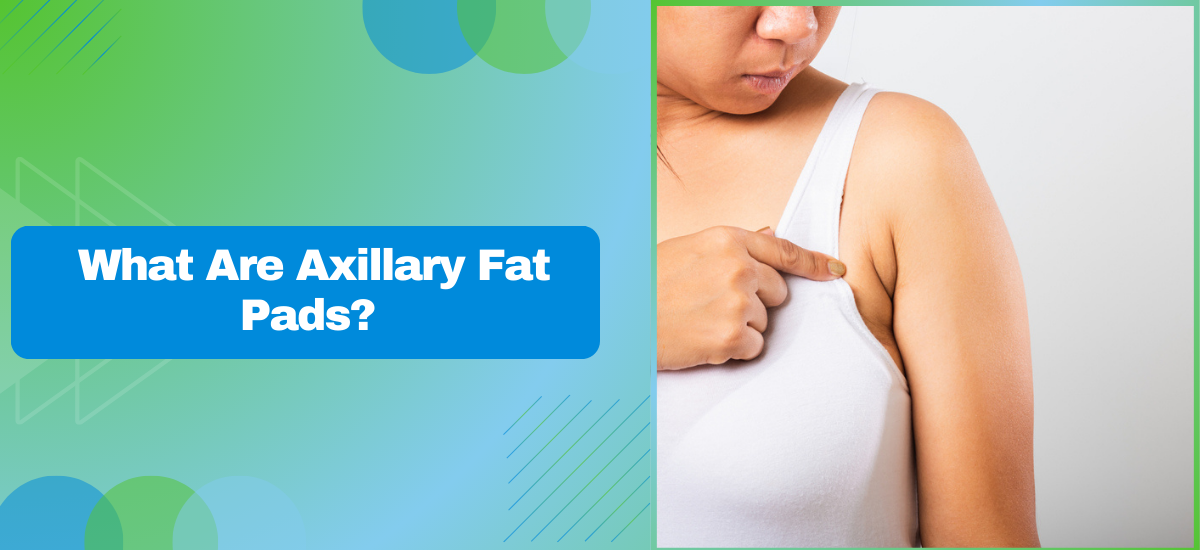 Axillary fat pads are localized fat collections that occur in the armpit area and may cause both cosmetic and functional problems. These fat pockets are stubborn and refuse to budge despite regular exercise and a healthy diet, leading to bulge and embarrassment. In the opinion of Dr. Leena Jain, a well-known [plastic surgeon in Mumbai](https://theplasticsurgeryclinic.co/), “Axillary fat pads can have a huge effect on one’s confidence level due to their appearance and discomfort that persists all along. Choice of clothes and swim wear gets affected seriously with this condition. With years of experience, Dr. Leena Jain is a specialist in[ ](https://theplasticsurgeryclinic.co/services/hand-surgery-in-mumbai/)[hand surgery](https://theplasticsurgeryclinic.co/services/hand-surgery-in-mumbai/),[ ](https://theplasticsurgeryclinic.co/services/breast-surgery-in-mumbai/)[breast reconstruction](https://theplasticsurgeryclinic.co/services/breast-surgery-in-mumbai/), and cosmetic surgery. She is committed to providing personalized treatment plans that ensure optimal outcomes for her patients. Her expertise in treating conditions like axillary fat pads has improved the quality of life and confidence of numerous individuals. Do you have extra fullness in your underarm area that seems different from regular body fat? Let’s delve into what axillary fat pads are and why they develop. ## Understanding Axillary Fat Pads Axillary fat pads are discrete fatty deposits found in the armpit area that extend up to the upper arm or the chest. They are commonly mistaken as swelling or an enlarged lymph node. Even though they are benign, fat pads can cause pain, restrict the arm’s movement, can have hygiene issues, can impact body appearance and thereby confidence. Understanding the nature of axillary fat pads is crucial in determining the most effective treatment approach. Achieve a more contoured and confident look by addressing axillary fat pads effectively. Meet an expert to talk about the best treatments now! [Book an appointment](https://theplasticsurgeryclinic.co/contact/) *Wondering why some people develop fat pads in the armpit while others don’t? Let’s explore the main reasons behind this condition.* ## What Causes Axillary Fat Pads? There are several reasons to develop axillary fat pads, including: - **Genetics:**One of the chief contributory causes as some individuals are disposed towards storing excessive fat in the axillary region. - **Hormonal Changes:**Pregnancy, menopause, and hormonal imbalances can contribute to fat accumulation. - **Weight Gain:**Excess fat storage in different body areas, including the armpits, can result from weight gain. - **Tight Garments:**Constantly wearing tight tops or bras can push fat into the axillary region, making it more prominent. - **Lymphedema or Lipomas:**In rare cases, axillary fat pads may be confused with swelling due to fluid retention or benign fatty tumors. Identifying the root cause of axillary fat pads can help in choosing the most effective treatment. Dr. Leena Jain emphasizes, “A thorough evaluation is essential to distinguish axillary fat pads from other conditions and to develop a tailored treatment plan.” Are you looking for ways to get rid of armpit fat pads? Let’s explore both non-surgical and surgical treatment options. ## Treatment Options for Axillary Fat Pads 1. **Non-Surgical Treatments** For those who prefer non-invasive methods, the following options may help: - **Weight Management & Exercise:**While targeted fat loss isn’t possible, overall weight loss may reduce axillary fat to some extent. Want a more permanent solution for axillary fat pads? Let’s discuss the most effective option that is surgery. **2. Surgical Treatments** For more effective and permanent results, surgical options include: - [**Liposuction**](https://theplasticsurgeryclinic.co/blogs/1-week-after-liposuction/)**:**A minimally invasive procedure where excess fat is suctioned out, leading to a smoother underarm contour. This is useful for small bulges which can be removed by liposuction alone. This involves a surgery under general anaesthesia or sometimes under local anaesthesia with two small 5mm cuts through which liposuction is done. - **Excisional Surgery:**In cases where excess skin is present along with excess fat, surgical surgical excision is required for optimal results. Concealed scar surgery is done where the cut is placed in an existing arm pit crease so that the eventual scar will get concealed in the crease and will become inconspicuous. - Small bulges: Liposuction alone can resolve the problem - Large bulges: liposuction along with excision using concealed small scar surgery method gives great aesthetic outcomes. Surgical procedures offer permanent results for those confronted with stubborn axillary fat. As per Dr. Leena Jain, a prominent[ plastic surgeon in Mumbai](https://theplasticsurgeryclinic.co/about-us/), “Surgical intervention is generally the best option for patients who desire dramatic and long-term reduction of axillary fat pads.” Worried about recovery from axillary fat removal? Let’s explore what to expect after the procedure. ## Recovery & What to Expect Post-Surgery - **Recovery Time:**Most patients resume light activities the very next day with either type of surgery. Within two weeks, normal full range hand movements are allowed. Upper body cardio and swimming are allowed only after 6weeks to 3 months so as to prevent scar stretching. - Pressure garment needs to be worn for 3 months to allow the skin to retract and regain its elasticity after liposuction. - **Pain & Swelling:**Swelling, bruising, and minor discomfort are anticipated but go away in a few weeks. - **Results:**Marked improvement after a few weeks, with best results showing up after 3-6 months. - **Aftercare:**Wearing compression garments and following post-op care guidelines ensures optimal healing. Not sure if you’re the right candidate for axillary fat removal? Let’s explore the key factors that determine eligibility for the procedure. ***Not sure if you’re the right candidate for axillary fat removal? Let’s explore the key factors that determine eligibility for the procedure.*** ## Who is an Ideal Candidate for Axillary Fat Removal? You may be a good candidate for axillary fat pad removal if you: - Have stubborn armpit fat pads resistant to diet and exercise. - Experience discomfort or difficulty moving your arms due to excess fat. - Are in overall good health with realistic expectations. - Are not prone to excessive scarring or poor wound healing. If axillary fat pads are affecting your comfort and self-esteem, finding a solution is the next step. Reach out to an expert to determine your suitability.  ## Conclusion Axillary fat pads are a common concern that can impact both aesthetics and comfort. Understanding their nature and the available treatment options is crucial for effective management. Consulting an expert like Dr. Leena Jain can provide personalized solutions to address this condition effectively. Regain confidence and comfort with the right axillary fat pad treatment. Book a consultation with a specialist today to take the first step. [Book an appointment](https://theplasticsurgeryclinic.co/contact/) ## FAQs ##### Are axillary fat pads harmful? They are generally harmless but may cause discomfort or aesthetic concerns. ##### Can axillary fat pads be reduced with exercise? Targeted fat loss isn’t possible, but overall weight loss may help reduce their size. ##### Does axillary fat removal leave scars? Liposuction leaves minimal scarring, while excisional surgery may have a small, discreet scar. ##### Can axillary fat pads come back after removal? If a healthy lifestyle is maintained, recurrence is unlikely. However, significant weight gain can lead to fat reaccumulation. ##### Is liposuction for axillary fat pads painful? Mild discomfort is unavoidable but can be treated with the medicines prescribed for the same. ##### How long does one take to recover from axillary fat pad removal? It usually takes 4-6 weeks for most patients to recover completely , with gradual improvement afterward. **Reference links:** **Disclaimer:** This page is for informational purposes and not for promotional use. Please add website link to gallery containing pictures of axillary fat pad surgery under breast **Categories:** Blog --- ### [What is Polydactyly?](https://theplasticsurgeryclinic.co/blogs/what-is-polydactyly/) **Published:** August 23, 2022 **Author:** Dr. Leena Jain **Content:** # What is Polydactyly? Aug 23, 2022 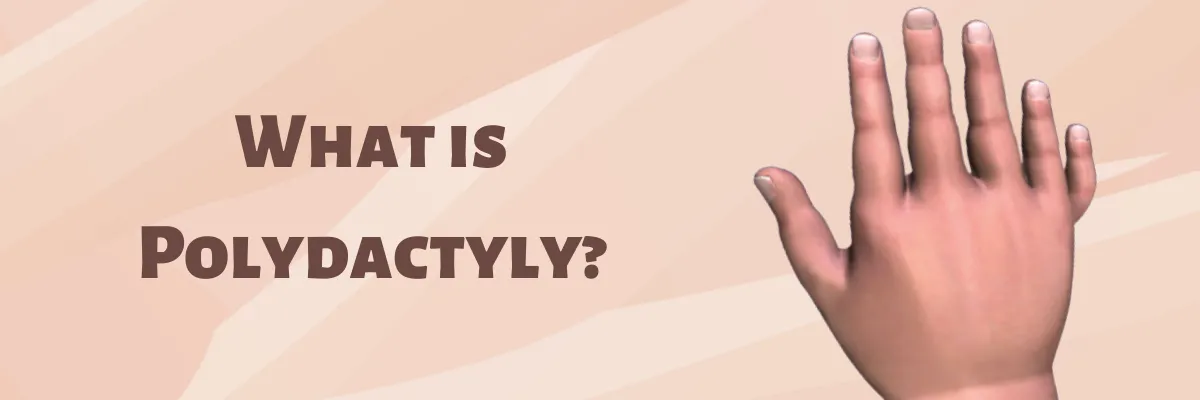 A person with polydactyly is born with one or more extra fingers or toes. The extra digit typically develops next to the fifth finger or toe or may develop near the thumb. One or both hands or both feet may be affected. Different varieties of polydactyly exist. Typically, polydactyly runs in families. Environmental factors or genetic mutations may also contribute to it. Some are associated with a few syndromes. Depending on the type of polydactyly, various treatments are available. Surgery is typically used to remove the extra digit. If you or your loved ones have polydactyly, consult an experienced [plastic surgeon in Borivali](https://theplasticsurgeryclinic.co/) like Dr. Leena Jain. She is a seasoned plastic and hand surgeon in Borivali with 7+ years of experience. She performs advanced and outcome-driven [hand surgery](https://theplasticsurgeryclinic.co/services/hand-surgery-in-mumbai/) in Mumbai. Moreover, Dr. Leena Jain is a renowned plastic reconstructive microsurgeon & hand surgeon in Borivali, Mumbai, who provides excellent functional and cosmetic results for trauma-related plastic surgery and conditions requiring reconstructive surgeries. She is highly skilled in microsurgeries, hand surgery, bladder reconstruction surgery, [limb reconstruction surgery](https://theplasticsurgeryclinic.co/services/limb-reconstruction-surgery-in-mumbai/), etc. This article provides an overview of symptoms, types, causes, diagnosis, and treatment of polydactyly. **Continue reading to know more.** **First, let’s see,** ## **Symptoms of Polydactyly** One or both feet or hands of a person with polydactyly have extra toes and/or fingers. **The extra digit or digits may be:** - fully developed and functional - partly developed with some bone - just a small mass of soft tissue (called nubbin) 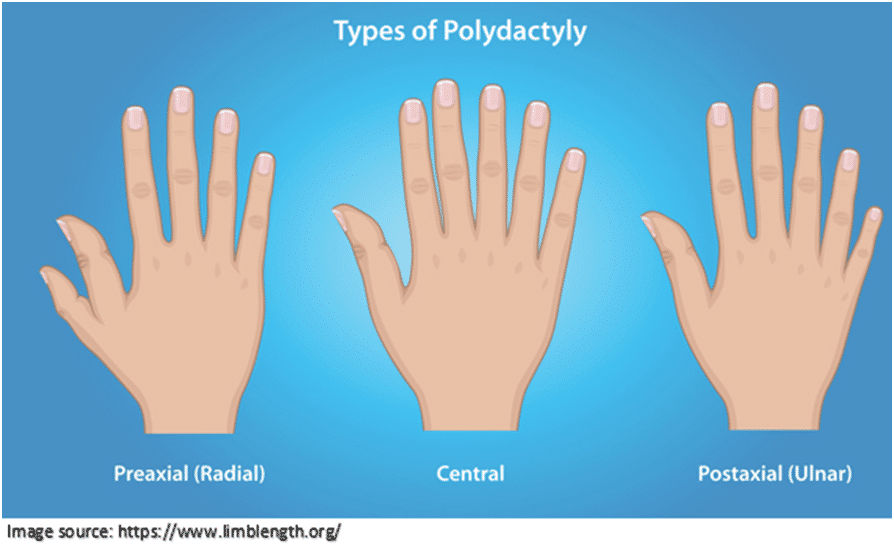## **Types of Polydactyly** - **Isolated or nonsyndromic polydactyly:** In this type, most frequently, polydactyly occurs without other abnormalities. - **Syndromic polydactyly:** It occasionally has a connection to another genetic disorder or genetic abnormalities. ### **Isolated polydactyly** According to where the extra digit is located, there are three different types of isolated polydactyly: - **Postaxial polydactyly** occurs outside the hand or foot, where the fifth digit is. On the hand, this is referred to as the ulnar side. It is the most typical form of polydactyly. - **Preaxial polydactyly** develops inside the thumb or big toe of the hand or foot. On the hand, this is referred to as the radial side. - **Central polydactyly** occurs on the middle digits of the hand or foot. It is a rare type. Researchers have categorized subtypes based on variations in the malformation and the genes involved as genetic technology has advanced. #### **Causes of Polydactyly** **Isolated or Nonsyndromic Polydactyly** Isolated polydactyly is often inherited genetically from one parent. It is called autosomal dominant inheritance. The involved six specific genes have been identified: - GLI3 - GLI1 - MIPOL1 - ZNF141 - PITX1 - IQCE These genes’ chromosome locations have also been determined. ### **Syndromic Polydactyly** - As genetic technologies have advanced, researchers have discovered more genes and mechanisms related to polydactyly and its associated syndromes. Genetic mutations that impact the signalling pathways during an embryo’s development are the basis for the syndromes. - Malformations of the limbs are frequently linked to issues with other organs. Researchers hope to clarify the mechanisms underlying limb development as they gain more knowledge about these genes. **Now, let’s discuss about,** ## **Diagnosis of Polydactyly** - In the first three months of development, polydactyly in the embryo can be seen using ultrasound. The polydactyly could be a standalone condition, or it could be linked to another genetic syndrome. - If polydactyly runs in the family, the doctor will inquire. To look for chromosomal anomalies that might point to other conditions, they might also perform genetic testing. - If other genetic disorders are present, the doctor and perhaps a medical geneticist will talk about the child’s prognosis. - After birth, polydactyly can be immediately identified. The child’s chromosomes will undergo additional testing if the doctor suspects the child has other genetic disorders. - To determine how the involved digit(s) are attached to the other digits and whether they have bones, the doctor may also order an X-ray of the digit(s). ## **Treatment of Polydactyly** The polydactyly treatment will depend on the manner and location of the extra digit’s connection to the hand or foot. The extra digit is typically removed during the first two years of a child’s life. Due to this, the child can use their hands as they usually would, and their feet can now wear shoes. Adults may undergo surgery to enhance their hands or feet’ appearance. Most surgeries are performed as outpatients under local or topical anesthesia. Research into various surgical procedures is ongoing. - **Fifth digit** A little finger or toe that is extra is typically easy to remove. Nubbins used to typically just be tied off, but this frequently left a bump. Surgery is now preferred. Stitches will be used to close the wound on the child. Within two to four weeks, the stitches fall out. - **Big toe or the thumb** An extra thumb may be difficult to remove. The remaining thumb needs to be at the ideal angle and shape to function properly. The soft tissues, tendons, joints, and ligaments of the thumb may need to be modified to accomplish this. - **Toes or central fingers** This surgery is typically more complex and necessitates hand remodeling to guarantee full functionality. The child might need more than one surgery, and the recovery period could include a few weeks of having them in a cast. The bones may occasionally need to have a pin inserted to keep them together while they heal. The doctor may recommend physiotherapy to lessen scarring and enhance function. ##### **Outlook** Polydactyly is a quite common condition. It has been represented in prehistoric artwork for thousands of years and has been handed down through the generations. In most cases, routine surgery can remove the extra digit if polydactyly is not linked to other genetic syndromes. The treating plastic surgeon may monitor how well the affected hand or [foot ](https://theplasticsurgeryclinic.co/case-study/foot-deformity)works. Adults may also undergo surgery to enhance the appearance and not functionality of their hands or feet. Other body parts may be hampered by [syndromic polydactyly](https://www.frontiersin.org/articles/10.3389/fgene.2018.00447/full). The outlook will depend on the underlying syndrome because it may also involve cognitive disability and impaired development. ### Submit a Comment Your email address will not be published. Required fields are marked \* Comment \* Name Email Website **Categories:** Blog --- ### [Why Do Young Men Get Gynecomastia and Need Treatment?](https://theplasticsurgeryclinic.co/blogs/why-young-men-get-gynecomastia-its-fix/) **Published:** May 12, 2026 **Author:** Dr. Leena Jain **Content:** # Why Do Young Men Get Gynecomastia and Need Treatment? May 12, 2026 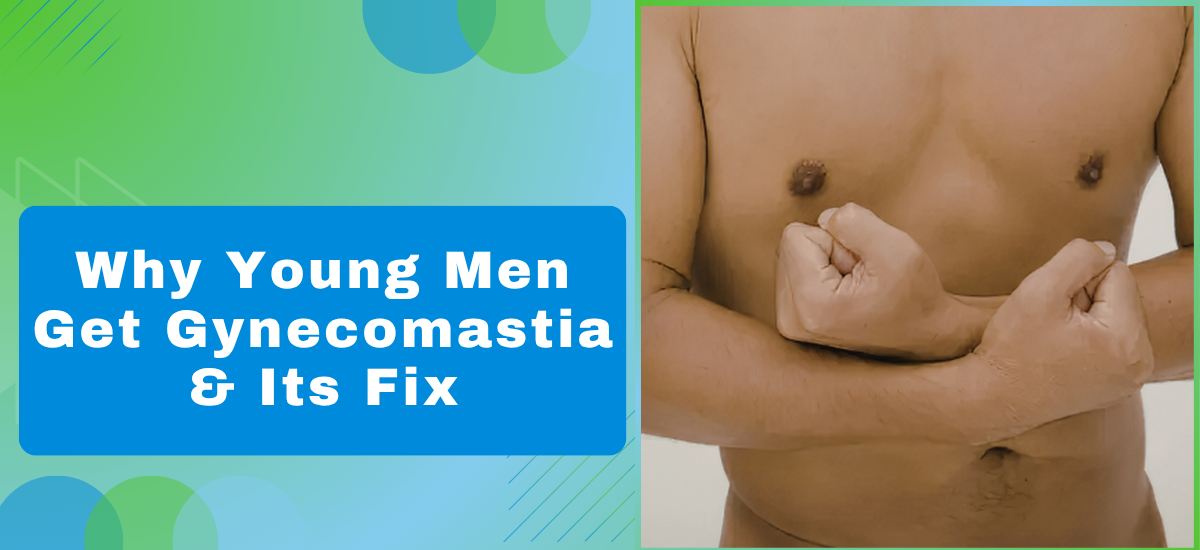 Gynecomastia is the enlargement of glandular breast tissue in males. In young men it usually stems from a temporary hormonal imbalance, with estrogen running higher than testosterone. Most cases are harmless and resolve on their own. Treatment is considered when the tissue persists past puberty, causes psychological distress, or brings physical discomfort. According to Dr. Leena Jain, One of the [best plastic surgeon in Bandra](https://theplasticsurgeryclinic.co/), True gynecomastia is glandular, so you can feel a firm disc beneath the nipple, and that’s what tells us it won’t melt away at the gym. ## What Causes Gynecomastia in Young Men? Comes down to the estrogen-testosterone balance getting knocked off by hormones, drugs, or some underlying condition. Here’s the usual suspects. Puberty: Adolescent hormones are all over the place, and a short estrogen spike can puff up breast tissue. Good news is it tends to fade by itself inside a year or two. Medications: Some steroids, certain anti-androgens, even a few anxiety meds can shift things enough to set it off. Health conditions: Thyroid trouble, liver or kidney problems, the odd tumor, all of these mess with hormone output. Persistent cases? Get them checked properly. Lifestyle factors: Booze, some recreational drugs, gym supplements with anabolics. They all bump estrogen, and we see this in young lifters way more than you’d guess. Thing is, not every lump is gynecomastia. Could be fat. Could be something worth investigating. Guessing helps nobody. When the tissue overlaps with fatty distribution, treatment sometimes borrows from [Tummy Tuck](https://theplasticsurgeryclinic.co/services/tummy-tuck-surgery-in-mumbai/) techniques. ## When Does Gynecomastia Need Treatment in Young Men? Treatment’s on the table once the tissue lingers past puberty, knocks someone’s confidence, or causes physical discomfort. After that, you match the fix to the cause. Observation: Puberty cases often just get watched. Plenty resolve on their own once hormones level out, so nobody’s rushing to operate. Treating the trigger: Medication or condition driving it? Sort that out and the tissue can shrink without any surgery at all. Liposuction: Mostly fat? Liposuction pulls it out through tiny cuts. Minimal scarring, flatter chest. Gland excision: Firm glandular tissue ignores liposuction, so it has to be cut out directly. Often paired with lipo for the cleanest contour. Surgery’s usually reserved for tissue that persists or causes real distress. Recovery is quick, and a compression garment helps the chest settle.Patients often find the relief greater than expected, similar to what’s discussed in [burn scar contracture treatment](https://theplasticsurgeryclinic.co/blogs/neck-contracture-post-burns-causes-treatment-and-prevention/). ## Why Choose Dr. Leena Jain? [Dr. Leena Jain](https://theplasticsurgeryclinic.co/about/) is a Plastic, Reconstructive and Microsurgeon. MCh in Plastic Surgery, plus a Fellowship in Microsurgery and Perforator Flaps from Hanyang University in Seoul, and 7 years-plus across cosmetic and reconstructive chest work. Young men who’d skipped the pool and dodged fitted shirts for years have left with a flat, natural chest. She builds the procedure around your frame and skin, so it doesn’t look done. Just looks like you. **Firm lump under the nipple that workouts won’t budge?** [Book Appointment](https://theplasticsurgeryclinic.co/contact/) ## FAQs ##### Does gynecomastia in teenagers go away on its own? Often yes, puberty-related cases resolve within one to two years as hormones stabilize. ##### Can exercise alone get rid of gynecomastia? No, glandular tissue won’t shrink with workouts, though exercise helps if it’s mostly fat. ##### Is gynecomastia surgery permanent? Usually yes, removed gland tissue doesn’t grow back unless a hormonal trigger returns. ##### Will gynecomastia surgery leave a visible scar? Incisions are small and placed discreetly, so scars are minimal and fade over time. **References** **–** 1. [National Library of Medicine – Gynecomastia](https://www.ncbi.nlm.nih.gov/books/NBK430812/) 2. [World Health Organization – Adolescent health](https://www.who.int/health-topics/adolescent-health) **Categories:** Blog --- ### [Limb Salvage vs Amputation](https://theplasticsurgeryclinic.co/blogs/limb-salvage-vs-amputation/) **Published:** April 18, 2026 **Author:** Dr. Leena Jain **Excerpt:**Surgeons weigh vascular viability, nerve function, and functional goals before choosing limb salvage or amputation. Dr. Leena Jain at The Plastic Surgery Clinic explains.
**Content:** # Limb Salvage vs Amputation Apr 18, 2026 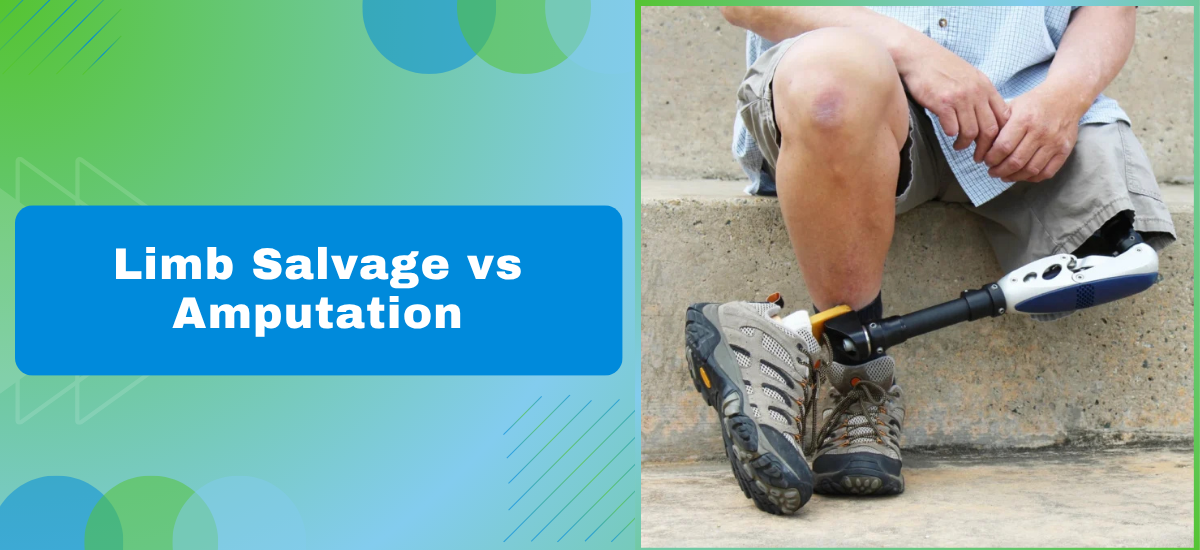 Surgeons choose between limb salvage and amputation based on three primary factors: vascular viability, nerve function, and whether the preserved limb can realistically support daily activity. Salvage reconstructs the limb through microsurgery and flap coverage; amputation removes it when reconstruction would leave the patient with less function than a prosthetic. The decision isn’t about saving the limb at any cost. It’s about which option gets the patient back to life with the least long-term damage. According to Dr. Leena Jain, an experienced[ best plastic surgeon in Bandra](https://theplasticsurgeryclinic.co/), “The cases I worry about most are ones where salvage gets pursued past its clinical window a limb that’s structurally present but neurologically finished will disable a patient far more than any prosthetic would.” [](https://theplasticsurgeryclinic.co/contact/) ## **What Clinical Factors Push Surgeons Toward Limb Salvage?** Several markers get evaluated together in the first hours after injury, and none of them alone closes the case. - **Vascular window:** Six hours. That’s roughly the outer limit for arterial repair before ischaemic muscle crosses into necrosis and no reconstruction reverses that, so the clock matters more than the imaging in those early hours. - **Bone gap:** Defects under 6 cm can usually be handled with bone transport or grafting. Larger gaps are a different problem entirely staged reconstruction across multiple procedures, and each one brings its own infection risk, recovery setback, and cumulative toll on the patient. - **Nerve continuity:** Partial injuries with the nerve still intact often recover meaningfully over a year or more of targeted rehab. Complete high-level transection of a major trunk is a different situation distal function below that level becomes unlikely enough that it has to factor into whether salvage makes clinical sense. - **Contamination:** Grade IIIC open fractures with agricultural or soil debris don’t just complicate wound healing. They can escalate into systemic infection within 24 to 48 hours. So that finding shifts the risk picture faster than almost anything else on the assessment list. Getting a[ limb reconstruction surgery](https://theplasticsurgeryclinic.co/services/limb-reconstruction-surgery-in-mumbai/) assessment before committing to a surgical path is what separates a planned decision from one made under pressure. ## **When Does Amputation Actually Give a Better Outcome?** Not a failure. In certain presentations it’s the faster, safer, and more functional choice and surgeons who don’t say that clearly do their patients a disservice. - **Sepsis driving the picture:** When the limb is the source of toxaemia and the patient is haemodynamically unstable, this stops being an orthopaedic decision. Amputation can be the only intervention that stabilises someone in time. Delay costs lives, full stop. - **MESS above 7:** The Mangled Extremity Severity Score combines vascular injury, skeletal damage, shock, and age into one number. Scores above 7 predict failed salvage consistently enough that most surgeons won’t override it without something very specific pulling them in the other direction. - **Hand involvement:** Upper limb injuries need careful evaluation of[ hand surgery](https://theplasticsurgeryclinic.co/services/hand-surgery-in-mumbai/) options first replantation, partial amputation, flap coverage because even partial grip or sensation in a hand is worth more functionally than the equivalent outcome anywhere in a lower limb. - **Salvage that’s already failed:** Two or three reconstruction attempts with a functional plateau still well below what a prosthetic would give is a signal, not a reason to try again. Most patients, looking back, wish someone had been blunt about that earlier rather than later. The injury patterns that shape these decisions are explored further in our blog on [finger amputation and reattachment.](https://theplasticsurgeryclinic.co/blogs/if-your-finger-gets-cut-off-can-it-be-reattached/) ## **Why Choose The Plastic Surgery Clinic?** [Dr. Leena Jain](https://theplasticsurgeryclinic.co/about/) brings 7+ years in plastic and reconstructive microsurgery across trauma reconstruction, limb salvage, diabetic foot surgery, and free flap procedures, trained under globally recognised microsurgeons where the standard was always functional recovery not just a technically clean operation. What patients consistently say is that nobody gave them false reassurance before surgery. They were told what each option would realistically look like at 6 months, at 12, and what daily life would involve. That kind of honesty before the first incision changes how people recover. And it shows. Unsure whether your injury is being looked at with every option on the table? [Book Appointment](https://theplasticsurgeryclinic.co/contact/) ## FAQs ##### What is the first thing assessed when deciding between limb salvage and amputation? Vascular status. Blood supply to the limb determines tissue viability within the first critical hours. ##### Can limb salvage surgery fail after the initial procedure? Yes. Infection, flap failure, or poor nerve recovery can require revision surgery or late amputation. ##### How long does recovery take after limb salvage surgery? Typically 6 to 18 months, depending on reconstruction complexity and rehabilitation compliance. ##### Is amputation ever recommended even when the limb can technically be saved? Yes, when the salvaged limb’s predicted function is meaningfully worse than a well-fitted prosthetic. **References** **–** 1. Limb Salvage Outcomes in Trauma Surgery —[ National Center for Biotechnology Information, NIH](https://pubmed.ncbi.nlm.nih.gov/) 2\. Mangled Extremity Severity Score in Clinical Practice —[ National Institutes of Health](https://www.ncbi.nlm.nih.gov/) **Categories:** Blog --- ### [Decoding Types of Neurogenic Bladder - Advancing with Bladder Reconstruction](https://theplasticsurgeryclinic.co/blogs/decoding-types-of-neurogenic-bladder-advancing-with-bladder-reconstruction/) **Published:** July 21, 2023 **Author:** Dr. Leena Jain **Content:** # Decoding Types of Neurogenic Bladder – Advancing with Bladder Reconstruction Jul 21, 2023  Neurogenic bladder is a disorder that interferes with the urine bladder’s regulatory operation due to damage or failure of the nerves that regulate bladder function. Modern medical science and the expertise of [plastic surgeons](https://www.clinicspots.com/plastic-surgeon/india) have led to novel therapies and new treatments for the neurogenic bladder that present fresh opportunities for a better future. Neurogenic bladder is one wherein the patient is unable to empty his/her bladder voluntarily due to lack of contractions of bladder muscle called detrusor muscle. Detrusor muscle inactivity causes failure of evacuation of urine from the bladder. Individuals with bladder dysfunction or urinary problems can find relief through the surgical technique known as bladder reconstruction, which tries to restore the bladder’s structure and function. “Living with a neurogenic bladder can be challenging, as it disrupts the normal functioning of the urinary system and affects one’s quality of life,” says Dr. Leena Jain, a proficient [plastic surgeon in Borivali, Mumbai](https://theplasticsurgeryclinic.co/). “Exploring options like bladder reconstruction can bring hope and improved bladder control.” ## **Bladder reconstruction** [Bladder reconstruction](https://theplasticsurgeryclinic.co/services/bladder-reconstruction-surgery-in-mumbai) using microsurgery is required to improve bladder contraction and its emptying. Bladder reconstruction procedures aim to improve the quality of life for those with neurogenic bladder by: - restoring bladder capacity - helping to empty the bladder - promoting better urinary control “Understanding the different types of neurogenic bladder is crucial in determining the most appropriate treatment approach for each individual,” explains Dr. Leena Jain, a highly-skilled [plastic surgeon](https://theplasticsurgeryclinic.co/services/plastic-surgery-and-trauma-treatment-in-mumbai/) in Mumbai. ## **Understanding Different Types Of Neurogenic Bladders** **The different types of neurogenic bladders include:** 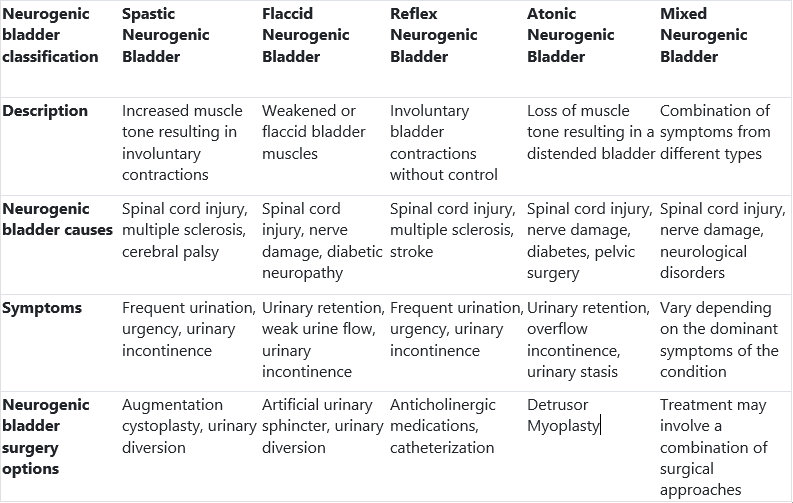Please do not ignore if you or a loved one experiences neurogenic bladder symptoms. Seek medical help from a qualified [reconstructive microsurgeon ](https://theplasticsurgeryclinic.co/services/tendon-repair-surgery-doctor-in-mumbai/)at the earliest to avoid further complications. ## **Surgical Options** Detrusor Myoplasty is a surgery involving transfer of muscle flap with its nerve and blood supply from the thorax to cover the urinary bladder all around. The nerve is then attached to a nerve of the abdominal muscle and flap circulation is reestablished by joining its blood vessels with adjacent available vessels. Once the nerve supplying this transferred muscle regenerates, when the muscle contracts, bladder will contact and patient will be able to void his/her bladder. This is a complex microsurgery procedure which can be life changing for affected individuals. ## **Intermittent Self-Catheterization** In cases where, patients are not offered this surgery, the only option they have is Intermittent Self-Catheterization is a technique where individuals learn to insert a catheter into their urethra to empty the bladder regularly. This method helps in bladder emptying and preventing urinary complications. Are you or a loved one living with a bladder disorder and want a safe and effective solution? Please consult Dr. Leena Jain, a well-known Plastic [Reconstructive](https://theplasticsurgeryclinic.co/services/limb-reconstruction-surgery-in-mumbai/) Microsurgeon & [Hand surgeon](https://theplasticsurgeryclinic.co/services/hand-surgery-in-mumbai/) in Mumbai, to explore surgical options for bladder reconstruction. ## **Post-operative care** **Recovery and post-operative care for bladder reconstruction may involve the following:** - Hospital stay duration is typically a week. - Pain management is crucial, so follow the prescribed regimen for post-operative pain. - A urinary catheter is usually placed during bladder reconstruction surgery to drain urine. Follow instructions for catheter maintenance. - Follow any specific wound care instructions the healthcare team provides, such as changing dressings or using topical medications to keep incision sites clean and dry. - Go for regular check-ups to monitor the healing process, check for any complications, and adjust the treatment plan if necessary. - Balance rest and gradual increase in activity as advised by the healthcare provider to help regain strength while avoiding excessive strain or complications. - Follow a balanced diet and stay hydrated to aid in the healing process. - Practice good hygiene and follow precautions to prevent infections. ## **Conclusion** Neurogenic bladder is a condition that arises from damage or dysfunction of the nerves that control [bladder function](https://www.hopkinsmedicine.org/health/wellness-and-prevention/anatomy-of-the-urinary-system). A dysfunctional bladder can result in various urinary problems, such as urinary incontinence, urinary retention, or the inability to empty the bladder. But you can regain control and live life to the fullest by arming yourself with knowledge and exploring the route of bladder reconstruction. Don’t allow neurogenic bladder dysfunction to define you. You are not alone in this path; a caring medical team and support system can assist you in overcoming obstacles. Please [get in touch](https://theplasticsurgeryclinic.co/contact) with Dr. Leena Jain, a dedicated plastic surgeon in Mumbai, and welcome a new chapter of enhanced urinary health. Stay informed and take control of your health! ### Submit a Comment Your email address will not be published. Required fields are marked \* Comment \* Name Email Website **Categories:** Blog --- ### [The Role Of AV fistula In Dialysis](https://theplasticsurgeryclinic.co/blogs/the-role-of-av-fistula-in-dialysis/) **Published:** March 24, 2023 **Author:** Dr. Leena Jain **Content:** # The Role Of AV fistula In Dialysis Mar 24, 2023 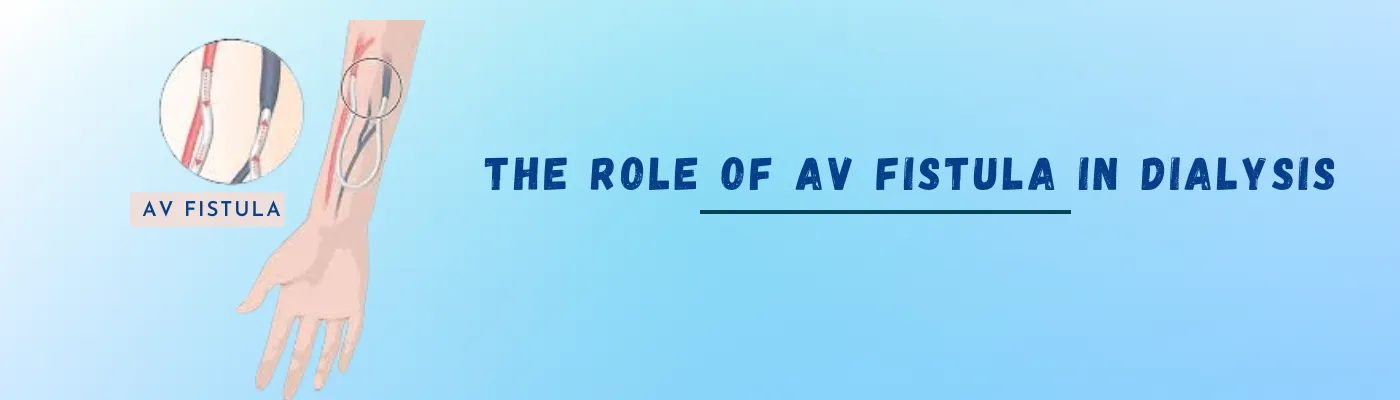 People with impaired renal function frequently receive dialysis as a treatment. In people with ESRD (end-stage renal disease) or ESKD (end-stage kidney disease), a dialysis machine takes over the job of their failing kidneys by filtering toxins from their blood. A patient must undergo a surgical procedure to make an access site for the machine before starting dialysis. This surgery is generally performed in the wrist or arm by joining an artery and a vein. A Microvascular surgeon specializing in treating the vascular (circulatory) system performs the treatment. Dialysis should be explored once end-stage renal illness has been diagnosed, advises Dr. Leena Jain, a renowned [plastic surgeon in Bandra, Mumbai](https://theplasticsurgeryclinic.co/). She adds that an arteriovenous fistula, commonly known as an AV fistula, is the best and most durable type of dialysis access. 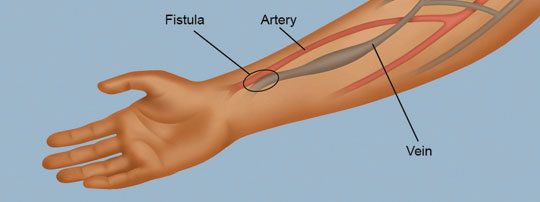Read on to learn more about AV fistula. ## **Understanding the importance of AV fistula** The selected artery and vein are joined and an AV (arteriovenous) fistula is created to provide dialysis access. The entry point must be strong enough to bear weekly dialysis sessions without buckling. An AV fistula is usually created in the forearm but sometimes in the arm; however, depending on size of veins available. When there is an AV fistula, blood flows straight from the artery into the vein, which raises the blood pressure and increases the flow of blood through the vein. The veins widen as a result of the higher flow and pressure. The larger veins thus become able to produce enough blood flow to support a sufficient hemodialysis therapy. AV fistulas endure longer than any other type of dialysis access, are less likely to become infected or clot, and provide consistent results. These qualities make AV fistulas the ideal vascular access for long-term dialysis. Dr. Leena Jain, a highly-skilled plastic surgeon in Bandra, Mumbai, and her well-trained team, ensures that they use the best surgical procedures for AV fistula creation. Currently, her focus is on radial cephalic fistula and brachiocephalic fistula to develop. It is accomplished when the surgeon joins the radial artery with the cephalic vein in the wrist of the patient. There are further surgical variations as well, typically made in the forearm of the patient. If you choose to have this treatment, the surgeon will consult with you to determine which choice is best for you. ## **How is the AV fistula utilized in dialysis?** 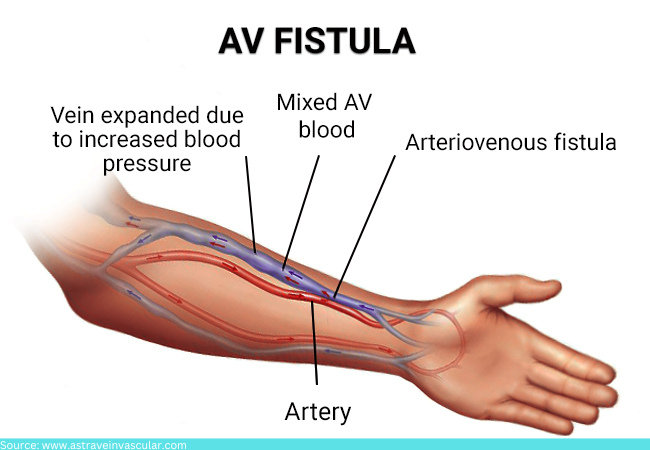Once created, the fistula is ready for use after about 6-8 weeks. An AV fistula provides access for dialysis procedure. Your nurse will begin your dialysis procedure with the insertion of 2 needles into the AV (arteriovenous) fistula. Blood is drawn using a single needle and sent to a machine, where it goes through the filtration process. The blood can then be safely injected back into the body using the second needle. The eminent plastic surgeon Dr. Leena Jain explains that patients typically need 2- 3 dialysis sessions each week, each lasting 3 – 4 hours. ## **What are the advantages of AV fistula?** **The main advantages of AV fistula include:** - It keeps working longer than alternative vascular access methods - There is no synthetic material inserted into your body - It enables adequate blood flow required for efficient dialysis, which helps reduce the treatment time - There is little chance of infection - The chances of clotting are fewer than in alternative dialysis entry methods - It is created during an outpatient procedure with the help of a local anesthetic - The recovery is faster, as is the resumption of your everyday activities Due to the mentioned advantages, Dr. Leena Jain explains that healthcare professionals recommend an AV fistula over any other access type. ## **What does AV fistula surgery involve?** The first step your doctor will take in forming an AV fistula is to examine your blood vessels (veins, capillaries, arteries, etc.) to ensure they are strong enough and capable of supporting a fistula. A radiologist will evaluate width and depth of your blood vessels using non-invasive or minimally invasive procedures like ultrasonography Doppler of upper limbs. These tests will determine if your blood vessels can sustain an AV fistula. “Vessel mapping” is a common term used to describe these tests. If the results show you to be a candidate for an AV fistula, then you will be given an appointment to have an AV fistula created. The surgery is done using local anesthetic injection to the selected access location in order to create an AV fistula. Your doctor will then make a small incision to gain access to the chosen arteries and veins and make a surgical connection between the selected artery and vein using sutures. Sutures are then applied to close the skin and a dressing placed. This connection enables blood to stream from the artery into the vein, and this increase in blood flow causes the veins to enlarge, and their walls also become thicker. It will take 6-8 weeks after the AV fistula has been made before it becomes sturdy and strong enough to undergo the ordeal of dialysis treatments. The accomplished plastic surgeon Dr. Leena Jain explains that this is why AV fistula surgery is conducted about 6 months before your first dialysis session ideally. ## **Conclusion** An AV fistula is an ideal technique for vascular access in long-term dialysis. Compared to alternative access techniques, such as AV grafts and venous catheters, it typically lasts longer with fewer risks and problems. People who require long-term dialysis may find more comfort and a higher quality of life after AV fistula surgery. If you or a loved one has to undergo dialysis and requires an AV fistula, please do not hesitate to contact Dr. Leena Jain. With over 9 years of expertise in plastic surgery and [reconstructive microsurgery](https://theplasticsurgeryclinic.co/services/limb-reconstruction-surgery-in-mumbai/), Dr. Jain is dedicated to providing safe, reliable, and effective treatments to her patients. ### Submit a Comment Your email address will not be published. Required fields are marked \* Comment \* Name Email Website **Categories:** Blog --- ### [What Causes Skin Laxity and How Is It Surgically Corrected?](https://theplasticsurgeryclinic.co/blogs/what-causes-skin-laxity-and-how-is-it-surgically-corrected/) **Published:** June 18, 2026 **Author:** Dr. Leena Jain **Content:** # What Causes Skin Laxity and How Is It Surgically Corrected? Jun 18, 2026 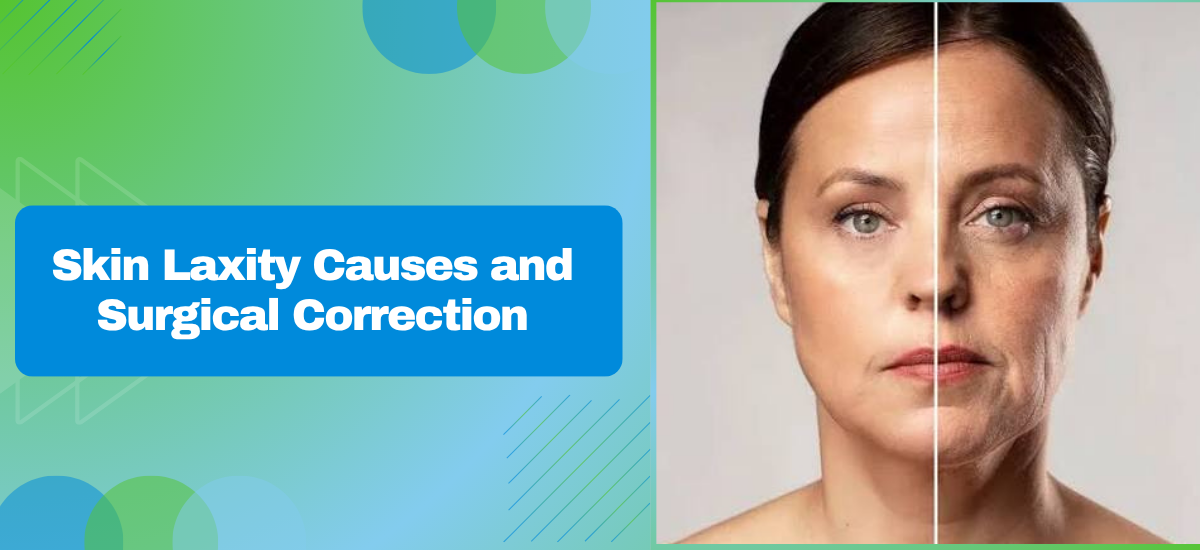 Skin laxity is caused by gradual loss of collagen and elastin from aging, sun damage, significant weight loss, pregnancy, and genetic factors, all of which reduce the skin’s ability to spring back into shape. Surgical correction removes the excess skin and tightens what remains, restoring contour where creams and exercise can’t reach. The picture rests on two things. Why the skin loses its support. And what surgery does to restore a firmer shape. According to Dr. Leena Jain,[ plastic surgeon in Mumbai](https://theplasticsurgeryclinic.co/),Loose skin doesn’t tighten on its own once collagen support is gone, so surgical removal is what reliably restores the contour patients want. ## What Causes Skin Laxity? Skin laxity develops when the structural proteins that keep skin firm break down faster than the body can replace them. These are the main contributors. Aging Collagen and elastin production slow with age, so the skin gradually loses the elasticity that lets it stay tight against underlying tissue. Sun damage. UV exposure breaks down collagen and damages elastin fibres in the dermis, accelerating the loss of skin firmness well before age alone would. Weight loss Significant or rapid weight reduction leaves skin that was stretched without time to retract, particularly in the abdomen, arms, and thighs. Pregnancy Pregnancy stretches abdominal skin and weakens the supporting layers, often leaving laxity that exercise alone can’t reverse. The exact pattern varies between people. What is clear is that once skin has lost its supporting framework, no topical treatment restores it. The body has to be helped to a tighter contour through surgical removal. For abdominal laxity needing surgical correction, this connects with[ Tummy Tuck Surgery](https://theplasticsurgeryclinic.co/services/tummy-tuck-surgery-in-mumbai/). ## How Is Skin Laxity Surgically Corrected? Surgical correction matches the technique to the area and the amount of excess skin. These are the main approaches. Abdominoplasty Removes excess abdominal skin and tightens the underlying muscles, used for laxity after pregnancy or significant weight loss. Brachioplasty. Arm lift surgery removes loose skin from the upper arms, used when significant laxity remains after weight loss or with aging. Thigh lift Removes excess skin from the inner or outer thighs through carefully placed incisions, often after major weight loss. Body lift A combined procedure addressing skin laxity across the abdomen, hips, and thighs in one operation, used for more extensive cases. The choice depends on which area is affected and how much skin needs to come off. Recovery and scar placement are key parts of the planning. For a related procedure with a different recovery pattern, read [1 week after liposuction.](https://theplasticsurgeryclinic.co/blogs/1-week-after-liposuction/) ## Why Choose Dr. Leena Jain? [Dr. Leena Jain](https://theplasticsurgeryclinic.co/about/) is a Plastic, Reconstructive and Microsurgeon. She holds an MCh in Plastic Surgery and a Fellowship in Microsurgery and Perforator Flaps from Hanyang University, Seoul, with over 7 years across body contouring and reconstructive surgery. Patients with loose skin after pregnancy, major weight loss, or aging have regained a firmer contour under her care, with scar placement and recovery planned around each patient’s body and lifestyle. Each procedure is matched to what actually needs correcting rather than a default. Living with loose skin after weight loss, pregnancy, or aging? [Book Appointment](https://theplasticsurgeryclinic.co/contact/) ## FAQs ##### Can creams reverse skin laxity? No, creams can improve surface appearance but don’t restore lost collagen support. ##### Will exercise tighten loose skin? Exercise builds underlying muscle but doesn’t tighten skin once its elasticity is gone. ##### How long is recovery after skin tightening surgery? Several weeks for initial recovery, with scars maturing and contour settling over months. ##### Are skin tightening results permanent? Largely yes, though aging and weight changes continue to affect the skin over time. References 1. [National Library of Medicine – Autologous Fat Grafting](https://www.ncbi.nlm.nih.gov/books/NBK557860/) 2. [PubMed – Fat Grafting in Breast Reconstruction](https://pubmed.ncbi.nlm.nih.gov/32071575/) **Categories:** Blog --- ### [When Should a Lipoma Be Surgically Removed?](https://theplasticsurgeryclinic.co/blogs/when-should-a-lipoma-be-surgically-removed/) **Published:** May 29, 2026 **Author:** Dr. Leena Jain **Content:** # When Should a Lipoma Be Surgically Removed? May 29, 2026 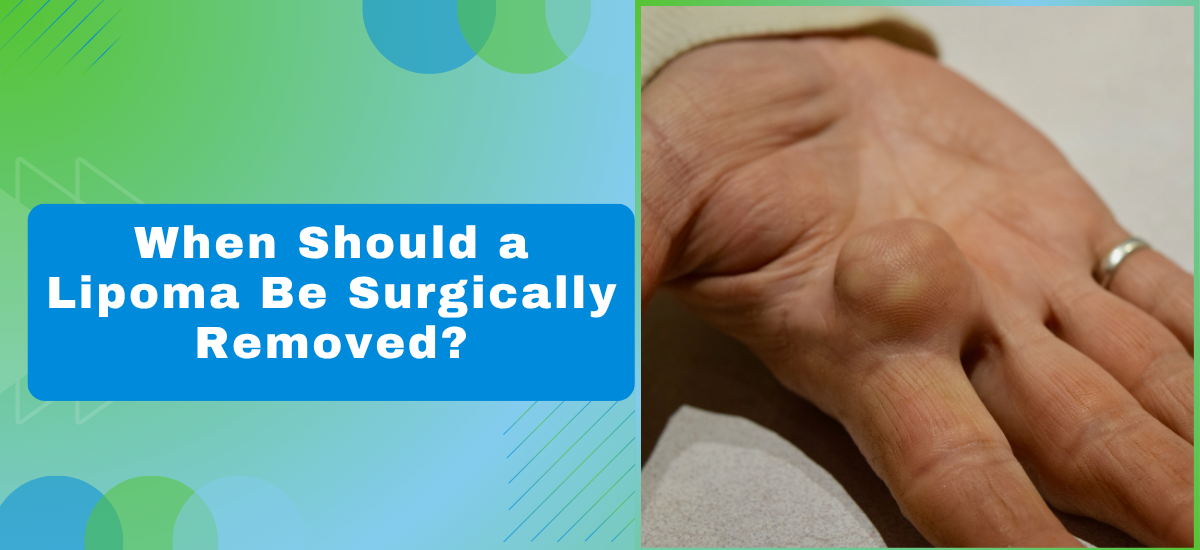 A lipoma should be surgically removed when it grows in size, causes pain or pressure, restricts movement, or interferes with appearance. Most lipomas are harmless and don’t need treatment, since they’re benign fatty tumours that grow slowly under the skin. The decision to operate rests on two things. What the lump is doing to the body around it. And whether the diagnosis itself needs confirmation. According to Dr. Leena Jain, [best plastic surgeon in Bandra](https://theplasticsurgeryclinic.co/), A lipoma earns surgery when it changes, hurts, or starts affecting how something works, not simply because it’s there, since most can be safely left alone. ## What Reasons Justify Surgical Removal? Removal becomes appropriate when a lipoma changes character or starts affecting daily life. These are the main reasons. Growing size: A lipoma that keeps enlarging usually warrants removal, since a changing lump needs both treatment and certainty about what it is. Pain or pressure:Most lipomas are painless. When one begins to ache or press on nerves, vessels, or joints, it’s a clear sign for excision. Why location matters?: Lipomas in tight areas like the back of the neck, near joints, or under thick muscle can restrict movement or compress structures. Site changes urgency. Cosmetic concerns: A visible lump that affects appearance is a valid reason for removal, even when the lipoma causes no physical symptoms. Not every lipoma needs to come out. Many sit quietly for decades. So the decision rests on what the lump is doing, not simply on its presence. For complex soft tissue cases requiring careful planning, this connects with [plastic surgery and trauma care](https://theplasticsurgeryclinic.co/services/plastic-surgery-and-trauma-treatment-in-mumbai/). ## How Is a Lipoma Surgically Removed? Lipoma removal uses techniques scaled to the size and depth of the lump. These are the main approaches. Simple excision: The most common method. A small incision is made over the lipoma and the entire mass is removed with its surrounding capsule to prevent recurrence. Minimal incision technique: A smaller cut allows the lipoma to be squeezed out, suiting smaller, superficial lipomas where scar size matters. Liposuction-assisted removal?: Useful for large or multiple lipomas where standard excision would leave significant scarring. Recurrence rates are higher with this method. Deep or muscle-involved cases: Lipomas extending into or beneath muscle need a more involved procedure under general anaesthesia, often with imaging to plan the approach. Most lipoma surgery is straightforward. Recovery is short, and the lump itself doesn’t return at the same site when the capsule is fully removed. So the procedure choice depends on size, location, and what’s around it. For an example of soft tissue lump management, read [fibroadenoma surgery side effects.](https://theplasticsurgeryclinic.co/blogs/fibroadenoma-surgery-side-effects/) ## Why Choose Dr. Leena Jain? [Dr. Leena Jain](https://theplasticsurgeryclinic.co/about/) is a Plastic, Reconstructive and Microsurgeon. MCh in Plastic Surgery. Fellowship in Microsurgery and Perforator Flaps, Hanyang University, Seoul. Over 7+ years across soft tissue surgery and reconstructive work. Patients with lipomas in difficult locations have had them removed cleanly under her care, with attention to scar placement and recovery. Each removal is approached based on the lump’s size, depth, and what surrounds it. Precise, not routine. **Noticed a soft lump that’s grown larger or started to ache?** [Book Appointment](https://theplasticsurgeryclinic.co/contact/) ## FAQs ##### Are lipomas cancerous? No, lipomas are benign, though any lump should be assessed to confirm. ##### Will a lipoma come back after removal? Rarely if the capsule is fully removed, though new lipomas can form elsewhere. ##### Does lipoma removal leave a scar? Yes, a small scar remains, though careful technique keeps it minimal. ##### Can a lipoma turn into cancer? No, lipomas don’t transform into cancer, though similar-looking lumps can. **References** **–** 1. [National Library of Medicine – Lipoma](https://www.ncbi.nlm.nih.gov/books/NBK507906/) 2. [National Library of Medicine – Soft Tissue Tumor](https://www.ncbi.nlm.nih.gov/books/NBK538353/) **Categories:** Blog --- ### [Brachial Plexus Injury Treatment in Mumbai](https://theplasticsurgeryclinic.co/blogs/brachial-plexus-injury-treatment-in-mumbai/) **Published:** January 3, 2022 **Author:** Dr. Leena Jain **Content:** # Brachial Plexus Injury Treatment in Mumbai Jan 3, 2022 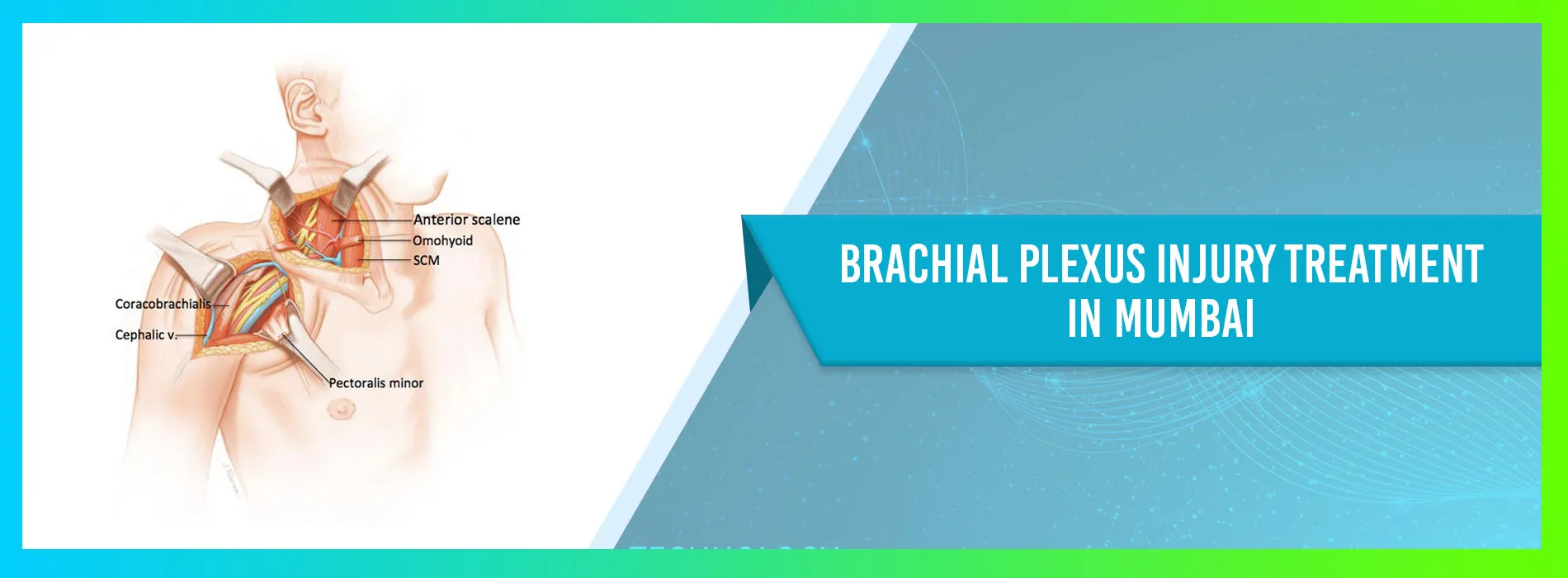 **Dr. Leena Jain, a** [**leading Plastic Surgeon in Mumbai**](https://theplasticsurgeryclinic.co/)**, treats brachial plexus injuries. She is an expert microsurgeon with considerable experience in hand reconstruction. In this blog, she gives an insight on the treatment of brachial plexus injuries.** The brachial plexus is a network of nerves arising from the uppermost part of the spinal cord located in the neck. This plexus transmits sensory and motor (movement) signals to the upper limb- from shoulder to fingers. Blunt trauma, penetrating injury, fall of weight on the shoulder region or dragging injury to the neck/ shoulder to the neck and/or shoulder region can affect the brachial plexus network. Brachial plexus injury causes loss of sensation and movement in the affected upper limb making it limp and flail. ### Presentation of brachial plexus injury: Depending upon the extent of injury, some brachial plexus injuries are self-limiting and the patient may recover to near normal or normal functioning of the affected nerve functions. However, more often than not, patients do sustain injury to all the nerves in the plexus causing permanent damage with no scope of spontaneous recovery. Here the patients present with affection of a single nerve of the entire plexus of nerves causing global palsy. Patients are often unable to move their arm above their head, nor bend elbow to eat, neither can they curl their fingers into a fist. In all these cases of severe and extensive brachial plexus injuries, surgery is the only option to restore hand function.. [Dr. Leena Jain](https://theplasticsurgeryclinic.co/about-us), a brachial plexus surgeon in Mumbai, states that diagnosing the brachial plexus injury is very important. Patients with the following conditions required brachial plexus surgery to recover well – - Neck and shoulder trauma injuries resulting in torn or severely stretched nerves or severed nerves in the brachial plexus - Nerve tumors of the brachial plexus i.e., neurofibromas, schwannomas, and so on. The plastic surgeon will conduct an in-depth examination to know which nerves are injured, the extent of damage, location, availability of donor nerves for transfer. Status of nerves is then evaluated using Electromyography and nerve conduction studies. A plan is then drawn in place by the Plastic Surgeons to decide on nerve transfers or transfer of functioning muscle. The medical examination involves - An in-depth history of health condition - Symptoms and their impact on normal activities and quality of life - Physical examination to study the pain, sensation, and motor function on comparing the affected and the unaffected side. - Chest function is assessed - Imaging studies – MRI and Ultrasound to view the injury, its location, and extent - EMG for nerve function and decision which nerves can be chosen for repair ### Planning and scheduling brachial plexus surgery **Immediate scheduling of brachial plexus surgery is possible only in case of penetrating injuries where the nerves are severed. Scheduling the brachial plexus surgery later is advised if the injury is due to crushing or stretching.** The patient’s recovery from the injury is observed for a minimum of 2-3 months for any signs of spontaneous recovery otherwise surgical intervention is required. EMG tests and physical therapy are advised at regular intervals to determine the state of recovery Brachial plexus surgery is advised to restore sensation and movement in case of poor or no recovery using nerve transfers if spare nerves are available or a few nerves remain undamaged. This surgery is advised three to six months after the injury for best results. Delaying the surgery for more than one year is not recommended as the affected muscles in this region start to shrink permanently, this condition is referred to as atrophy, and once they become atrophic then the treatment involves transferring muscles or tendons.. ### Various surgeries to treat brachial plexus condition The focus of the brachial plexus surgery is to establish the motor function of the hand, elbow, arm, and shoulder along with restoring sensation. The [plastic ](https://theplasticsurgeryclinic.co/services/plastic-surgery-and-trauma-treatment-in-mumbai/)surgeon will take an overview of the extent of nerve injury, location and type, and an overview of the existing health condition of the patient. Also, the impact of injury affecting the quality and work of life is also considered. ### Procedures your surgeon might recommend are: #### Brachial Plexus Nerve Repair The surgeon performs the Brachial Plexus Nerve Repair surgery to repair the cut or torn nerve. The procedure involves sewing the ends together and reconnecting them. This surgery is done using small, specialized instruments and a microscope. #### Brachial Plexus Decompression and Neurolysis Decompression surgery is performed to treat a compressed nerve and release the pressure. This surgery also addresses the loss of function and associated symptoms. The surgery also known as neurolysis removes the adhesions or scar tissues in and around the injured nerve. #### Nerve Grafting Surgery This surgery is performed to remove an injured or severely scarred nerve. The injured nerve cannot carry signals from the brain to the hand and arm; hence, the patient is in a paralytic condition. The plastic surgeon removes the damaged brain and replaces it with a nerve graft of an expendable sensory nerve. The graft could be taken from the sural nerve in the leg. This procedure creates a bridge that becomes a passage for nerve regeneration as the nerve graft replaces the damaged nerve. #### Nerve Transfer Surgery The aim of the [nerve transfer ](https://theplasticsurgeryclinic.co/blogs/what-are-nerve-injuries/)surgery is to transfer healthy functioning nerves to the branches of brachial plexus which are involved in supplying the corresponding upper limb muscles so new nerves regenerate along this pathway and activate the muscles. This surgery proves to be the best option to restore movement and sensation to muscles and skin and is best done within a year of injury. The timing is the key feature of a nerve transfer surgery, as restoring nerve supply is essential before the onset of irreversible atrophy. Also, the location of the injury and the type of injured nerve determines the feasibility of nerve transfer surgery. Nerves used in these procedures are, - The medial pectoral nerve in the front of the shoulder - The intercostal nerve under the ribs - The spinal accessory nerve - The thoracodorsal nerve - The musculocutaneous nerve in the arm - Other nerves in the forearm and hand #### Tendon Transfer Surgery In certain conditions especially if a considerable time has passed after the injury, tendon transfer is the most reliable option for restoring movement after a brachial plexus injury. This option is given serious thought when nerve transfers and nerve grafting are not possible. There is no time constraint for performing tendon transfer surgeries. The [tendon transfer surgery](https://theplasticsurgeryclinic.co/services/tendon-repair-surgery-doctor-in-mumbai/) is performed on a paralyzed tendon and an expendable and functioning tendon is attached. The functioning tendon will act upon the paralyzed tendon and attempt to restore movement in the upper extremity. This is possible only in partial brachial plexus injuries where tendons are available for transfer. #### Functional Muscle Transplant Functional muscle transplant is ideal if a considerable time has passed after the occurrence of brachial plexus injury. Also, it is impossible to perform nerve repair, grafting, and transfer in that condition. Mostly, a nonessential muscle is transplanted to the impaired muscle in the upper extremity to restore elbow flexion with or without finger extension. This procedure takes about 3-4 months to show some recovery and about 8-10 months for functional recovery that is restoration of elbow bending or flexion. A second muscle can be transferred about 6 months later to restore finger flexion. The muscle used is one from the thigh called [gracilis muscle](https://www.verywellhealth.com/gracilis-muscle-anatomy-4774807) , using this does not affect any thigh function. The surgeon uses a microscope, and tiny blood vessels of the transplanted muscle are used to connect to muscles in the axilla or neck to restore the blood flow. Similarly, a nearby nerve is connected to provide motor functionality to the nerve of the transplanted muscle. One of the prominent Microsurgeon and Hand surgeons in Mumbai, Dr. Leena Jain provides treatment for brachial plexus injuries ### Submit a Comment Your email address will not be published. Required fields are marked \* Comment \* Name Email Website **Categories:** Blog --- ### [Squamous Cell Skin Cancer on Leg](https://theplasticsurgeryclinic.co/blogs/squamous-cell-skin-cancer-on-leg/) **Published:** March 25, 2025 **Author:** Dr. Leena Jain **Content:** # Squamous Cell Skin Cancer on Leg Mar 25, 2025  Skin cancer is among the most common cancers, with Squamous Cell Carcinoma (SCC) being one of the most frequently diagnosed types.Factors like too much sun exposure, a weak immune system, and genetics can cause SCC. It mostly appears on body parts exposed to the sun, like the legs, face, and forearms. Spotting it early is the key to prevention, so knowing the symptoms and risks are important. *“small non-healing lesions on skin are often overlooked as a minor skin issue, but if left untreated, it can lead to severe complications especially the most dreaded: cancer. Timely intervention improves outcomes and helps preserve limb function and appearance,”* notes Dr. Leena Jain, an eminent [plastic and reconstructive surgeon in Mumbai](https://theplasticsurgeryclinic.co/). With years of expertise in treating complex skin conditions, she specializes in functional and aesthetic restoration following SCC treatment. Her approach combines oncologic precision with advanced reconstructive techniques, ensuring patients receive optimal care. Ever wondered why skin cancer, especially SCC, forms on the legs or forearms? Let’s discuss the key risk factors that contribute to this condition. ## Why Does SCC Develop on the Leg/ forearm? Key Causes & Risk Factors There are several etiologic factors causing squamous cell [skin cancer](https://theplasticsurgeryclinic.co/blogs/blogs-tackling-skin-cancer-the-silent-killer/) on leg, such as: - **Excessive Sun Exposure**: Being in the sun too much can harm skin cells. Over time, this damage can lead to changes that cause SCC (Squamous Cell Carcinoma). - **Weak Immune System:** People with weak immunity, such as those with HIV, organ transplants, or on immune-suppressing medicines, have a higher risk of SCC. - **Chronic scars and wounds:** Burn scars, unstable tight or stretched scars following healing after injury or infection or chronic long standing non healing wounds/ulcers of a few years duration (often more than 2-3 years) can turn malignant and develop SCC. - Non healing ulcers are often seen on legs while burns scars can occur anywhere in the body. - **Fair Skin & Aging:** Light-skinned individuals and older adults are more likely to develop SCC on their legs. - **Exposure to Hazardous Substances:** Being around harmful chemicals or radiation for a long time can increase the chances of getting SCC. “Leg ulcers and old scars are potential sites for SCC development. Patients with non-healing wounds should seek early medical evaluation to rule out malignant transformation,” advises Dr. Leena Jain. Spotting symptoms early can prevent complications. Get in touch with a professional for a thorough skin evaluation. [Book an appointment](https://theplasticsurgeryclinic.co/contact/) *Is that sore or rough patch on your leg serious? Let’s delve into the common symptoms that could indicate SCC.* ## Recognizing the Symptoms Early detection of SCC lower leg is crucial. Common signs include: - **Scaly, Red Patch:** A persistent rough, red, or scaly area that doesn’t heal. - **Open Sore That Won’t Heal:** A wound that bleeds, crusts over, and keeps reopening. - **Firm, Wart-Like Growth:** A raised, thickened, or wart-like lesion on the leg. - **Pain or Tenderness:** Discomfort, itching, or tenderness around the affected area. - **Rapidly Growing Lump:** A hard bump that increases in size over weeks or months. - **Swelling Around the Lesion:** Inflammation or thickening of the surrounding skin. - **Changes in an Existing Scar or Ulcer:** SCC may develop in old wounds, scars, or burn sites. “Any wound or lesion that persists beyond four weeks warrants medical attention. The sooner SCC is detected, the simpler and more effective the treatment,” highlights Dr. Leena Jain. *How do doctors confirm if a suspicious skin lesion is SCC? Let’s explore the diagnostic procedures used to detect this condition.* ## Diagnosis - **Physical Examination:** A specialist examines the lesion closely, after taking a thorough history. - **Punch Biopsy:** A circular tool removes a deeper skin sample for a more detailed examination. - **Ulcer Biopsy:** Small multiple samples of the lesion/ulcer along with adjacent skin are taken and analyzed under a microscope to confirm the diagnosis: this is called multiple edge wedge biopsy. This is a minor surgery. - **Excisional Biopsy:** If the lesion is small, the entire growth may be removed for testing. - **Lymph Node Assessment:** Nearby lymph nodes may be checked to determine if the cancer has [spread](https://theplasticsurgeryclinic.co/blogs/managing-multiple-skin-cancers-at-once/). - **Imaging Tests (CT, MRI, or PET scans):** If SCC is suspected to have spread, imaging tests help assess deeper and widespread tissue involvement. *Curious about the best treatment options for SCC on leg/forearm? Let’s discuss the available medical and surgical approaches.* ## Treatment Options for Squamous Cell Carcinoma on the Leg Treatment choice depends on the SCC’s size, depth, and location. Common treatments include: - **Surgical Excision:** The surgeon removes the tumor and a margin of healthy skin to ensure complete elimination. - **Mohs Surgery:** A precise method where layers of cancerous tissue are removed and examined under a microscope until only healthy tissue remains. Done layer by layer and useful for very small lesions in cosmetically important areas like around eyes or nose or lips. - **Radiation Therapy:** Recommended for patients who cannot undergo surgery or for cases where SCC has spread deeper. - **Topical Medications (5-Fluorouracil or Imiquimod):** Used for early-stage or superficial squamous cell leg lesions to avoid invasive procedures. - **Targeted Therapy & Immunotherapy:** Used in advanced cases where SCC has spread beyond the skin. ***Worried about scarring or tissue loss after SCC treatment? Let’s explore how reconstructive surgery can help restore both function and appearance.*** ## The Role of Plastic & Reconstructive Surgery in SCC Treatment For larger SCC lesions, surgical removal may leave significant wounds. A reconstructive surgeon can help restore function and appearance through advanced techniques such as skin grafting and flap reconstruction. These methods ensure proper healing while maintaining mobility and aesthetics, especially in weight-bearing areas like the leg. In the forearm, preserving function of digits is of utmost importance hence, reconstructive surgery is essential to reform, tendons, nerves that may have been removed with the tumor and soft tissue cover to resurface the entire wound after tumor removal. “Reconstructive surgery is not just about restoring appearance; it plays a crucial role in preserving limb function, especially when SCC affects vital areas like the lower leg,” explains Dr. Leena Jain, a distinguished [plastic surgeon in Mumbai](https://theplasticsurgeryclinic.co/about-us/). By combining oncologic precision with reconstructive expertise, patients can achieve optimal results with minimal complications. 1. **Flap Reconstruction** - Flap Reconstruction: Uses skin with underlying tissue (called flap) with its own blood supply to repair deep or complex wounds. Flaps from the vicinity of the ulcer can be used for small tumor reconstruction. Large tumor/ ulcer excisions require advanced microsurgical reconstruction using free flaps where flaps are taken from the thigh or elsewhere and transferred onto the ulcer area to be covered. Along with flap, tendons and nerve grafts can be taken to reconstruct these structures if they have been removed. - Skin grafting is usually not helpful to resurface wounds left after tumor excision as these areas may need radiation therapy after flap surgery for complete eradication of cancer. Grafts cannot sustain radiation and will breakdown causing a raw area/wound again. 2. **Limb Preservation & Functional Restoration** For SCC cases involving deeper tissues, reconstructive surgery helps: - Preserve limb movement and function. - Reduce scarring and promote better wound healing. - Restore the skin’s natural appearance post-treatment. ***Not sure what to expect after SCC treatment? Let’s discuss the recovery process and long-term skin care tips.*** ## Recovery & Long-Term Skin Care After SCC Treatment Recovery depends on the treatment method used, but general care includes: - **Follow Post-Surgery Instructions:** Take care of the treated area as advised by your doctor to help it heal properly and within time. - **Manage Wounds Carefully:** Keep the wound clean and dry. Change the dressing as instructed to avoid infection. - **Monitor for Complications:** Check for signs of infection, like redness, swelling, or unusual changes in the wound. - **Sun Protection:** Apply SPF 50+ sunscreen daily, even when it’s cloudy. Wear protective clothing to keep the area safe from the sun. - **Avoid Direct Sun Exposure:** Limit exposure to the sun, particularly during peak hours (10 a.m. to 4 p.m.). - **Regular Skin Checks:** Conduct regular self-exams of your skin to identify new growths or changes in existing lesions. - **Healthy Diet and Hydration:** Eat a balanced diet and drink plenty of water to support skin healing and recovery. - **Quit Smoking:** Smoking can impair healing and increase the risk of recurrence. - **Follow-Up Appointments:** Schedule regular check-ups with your doctor to ensure proper healing and detect any recurrence early. ***Not sure what to expect after SCC treatment? Let’s discuss the recovery process and long-term skin care tips.*** ## Recovery & Long-Term Skin Care After SCC Treatment Recovery depends on the treatment method used, but general care includes: - **Follow Post-Surgery Instructions:** Take care of the treated area as advised by your doctor to help it heal properly and within time. - **Manage Wounds Carefully:** Keep the wound clean and dry. Change the dressing as instructed to avoid infection. - **Monitor for Complications:** Check for signs of infection, like redness, swelling, or unusual changes in the wound. - **Sun Protection:** Apply SPF 50+ sunscreen daily, even when it’s cloudy. Wear protective clothing to keep the area safe from the sun. - **Avoid Direct Sun Exposure:** Limit exposure to the sun, particularly during peak hours (10 a.m. to 4 p.m.). - **Regular Skin Checks:** Conduct regular self-exams of your skin to identify new growths or changes in existing lesions. - **Healthy Diet and Hydration:** Eat a balanced diet and drink plenty of water to support skin healing and recovery. - **Quit Smoking:** Smoking can impair healing and increase the risk of recurrence. - **Follow-Up Appointments:** Schedule regular check-ups with your doctor to ensure proper healing and detect any recurrence early. ***Want to lower your chances of SCC recurrence? Let’s explore some essential prevention tips.*** ## Preventive Measures to Reduce Recurrence Risk  - **Apply Broad-Spectrum Sunscreen Daily:** Use SPF 50+ sunscreen on exposed skin. - **Wear Protective Clothing:** Cover your legs with long pants and opt for UV-protective fabrics when outdoors. - **Avoid Peak Sun Hours:** Limit sun exposure between 10 a.m. and 4 p.m. when UV rays are strongest. - **Stay Alert to New or Changing Lesions:** Regularly check your skin for any new growths, sores, or changes in existing spots. - **Protect Healed Skin:** If you’ve had SCC, ensure proper care of the treated area to prevent damage and irritation. - **Be Cautious with Chronic Wounds & Scars:** Seek medical advice for non-healing wounds or persistent skin changes. - **Use Moisturizers & Skin-Nourishing Products:** Keeping your skin hydrated enhances its natural barrier function. - **Follow-up with a Specialist:** Routine skin examinations help detect recurrences at an early stage. ## Conclusion Squamous cell skin cancer on the leg/forearm is serious but manageable with early detection. With the right treatment and reconstructive surgery, patients can recover well and restore both function and appearance. Preventive measures, including sun protection and regular skin screenings, play a vital role in reducing future risks. If you suspect SCC or need expert care, consult a highly skilled professional like Dr. Leena Jain for the best possible treatment and recovery options. Timely intervention can make a difference in treatment outcomes. Reach out to a specialist today for a consultation. [Book an appointment](https://theplasticsurgeryclinic.co/contact/) ## FAQs ##### Is SCC lower leg dangerous? If caught early, it is treatable. However, advanced cases may spread to nearby tissues or lymph nodes. ##### What are the early signs of SCC on leg? Look for persistent sores, rough patches, or wart-like growths that don’t heal. ##### Does SCC on leg always require surgery? Most cases require surgical removal, but early-stage SCC may be treated with topical medications or cryotherapy. ##### Can SCC on leg spread to other parts of the body? Advanced SCC can spread to lymph nodes or distant organs if left untreated. ##### What is the recovery time after SCC leg surgery? Recovery varies but typically takes a few weeks, depending on the procedure. **Reference links:** **Disclaimer: This page is for informational purposes and not for promotional use.** **Categories:** Blog --- ### [How Do Surgeons Grade a Diabetic Foot Ulcer?](https://theplasticsurgeryclinic.co/blogs/how-do-surgeons-grade-a-diabetic-foot-ulcer/) **Published:** May 22, 2026 **Author:** Dr. Leena Jain **Content:** # How Do Surgeons Grade a Diabetic Foot Ulcer? May 22, 2026 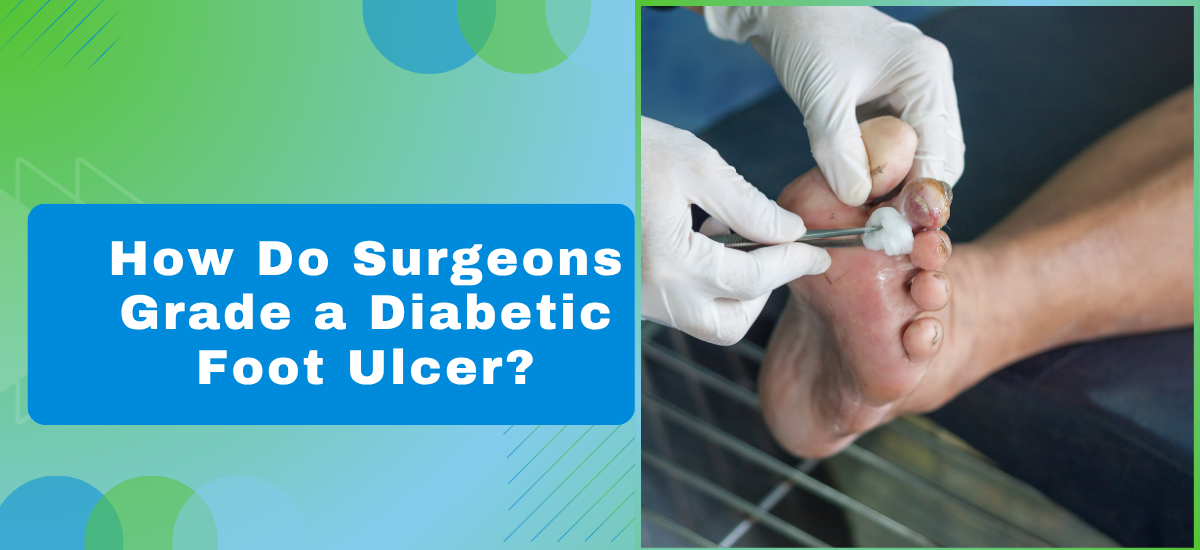 Surgeons grade a diabetic foot ulcer by assessing its depth, the presence of infection, and the blood supply to the area. Grading puts the ulcer on a scale that guides treatment and predicts the risk of amputation. Two systems dominate. The Wagner scale, which focuses mainly on depth and tissue death. And the University of Texas system, which adds infection and blood flow into the picture. Together they tell a surgeon how serious the wound really is. Grading isn’t paperwork. It’s how the treatment plan gets chosen. A grade 1 ulcer and a grade 4 ulcer are different worlds. According to Dr. Leena Jain, one of the [best plastic surgeon in Borivali](https://theplasticsurgeryclinic.co/), The grade tells us how deep the trouble goes, so an ulcer that looks small on the surface can still be high-grade once infection or bone involvement is found underneath. ## **What Does the Wagner Grading System Measure?** The Wagner system grades ulcers from 0 to 5, based mainly on depth and the extent of dead tissue. These are the levels it describes. Grades 0 and 1: Grade 0 means skin that’s intact but at risk, while grade 1 is a shallow ulcer involving only the surface layers of skin. Grade 2: The ulcer extends deeper to reach tendon or joint capsule, though bone isn’t yet involved at this stage. Grade 3: Now the wound reaches bone, often with infection or an abscess, which marks a serious escalation in risk. Grades 4 and 5: Grade 4 means localised gangrene of part of the foot, and grade 5 means gangrene has spread across the whole foot. The higher the grade, the greater the danger to the limb. Depth drives this scale. So a deep wound always demands faster action than a shallow one. For severe wounds needing reconstruction, this connects with [diabetic ulcer treatment](https://theplasticsurgeryclinic.co/services/diabetic-ulcer-treatment-in-mumbai/). ## How Does the University of Texas System Differ? The University of Texas system adds infection and blood supply to depth, giving a fuller picture than Wagner alone. These are the factors it weighs. Depth grades: It uses grades 0 to 3 for depth, much like Wagner, mapping how far the wound reaches into the tissue. Infection stage: Each depth grade is paired with a stage that records whether infection is present, which Wagner doesn’t capture directly. Ischemia stage: The system also flags whether blood supply is poor, because an ulcer with bad circulation heals very differently from one without. Combined picture: By layering these together, it predicts outcomes more accurately, which helps a surgeon weigh healing against amputation risk. No grade is read in isolation. Depth, infection, and blood flow together shape the plan. So the fuller the assessment, the safer the decision. For why higher-grade wounds resist healing, read [why diabetic foot ulcers don’t heal.](https://theplasticsurgeryclinic.co/blogs/blogs-why-diabetic-foot-ulcers-dont-heal/) ## Why Choose Dr. Leena Jain? [Dr. Leena Jain](https://theplasticsurgeryclinic.co/about/) is a Plastic, Reconstructive and Microsurgeon. She holds an MCh in Plastic Surgery and a Fellowship in Microsurgery and Perforator Flaps from Hanyang University, Seoul, with over 7 years across diabetic foot reconstruction and limb salvage. Patients with high-grade ulcers have kept their feet through careful staging and timely reconstruction under her care, with the grade guiding every decision. She assesses depth, [infection](https://nivaranhealth.com/what-are-early-signs-of-a-diabetic-foot-infection/), and blood supply before planning treatment. An accurate diagnosis comes first; surgery is considered only once that is confirmed. **Unsure how serious a foot ulcer really is beneath the surface?** [Book Appointment](https://theplasticsurgeryclinic.co/contact/) ## FAQs ##### What is the Wagner grading system? It grades diabetic foot ulcers from 0 to 5 based mainly on depth and tissue death. ##### Why is grading a foot ulcer important? It guides treatment choices and helps predict the risk of amputation. ##### Does ulcer grade affect treatment? Yes, higher grades usually need more aggressive surgical and infection management. ##### Can a small ulcer still be high-grade? Yes, a shallow-looking ulcer can be high-grade if infection or bone is involved. **References** **–** 1. [PubMed – A Comparison of the Wagner and University of Texas Diabetic Foot Ulcer Classification Systems](https://pubmed.ncbi.nlm.nih.gov/11194247/) 2. [National Library of Medicine – Diabetic Foot Ulcers: Classification, Risk Factors and Management](https://www.ncbi.nlm.nih.gov/pmc/articles/PMC9791567/) **Categories:** Blog --- ### [Tackling Skin Cancer - The Silent Killer](https://theplasticsurgeryclinic.co/blogs/blogs-tackling-skin-cancer-the-silent-killer/) **Published:** November 4, 2022 **Author:** Dr. Leena Jain **Content:** # Tackling Skin Cancer – The Silent Killer Nov 4, 2022  People who are fair complexioned, have freckles, blue eyes, and red or blonde hair have a higher risk of developing skin cancer. It is one of the most common forms of cancer in the United States, with more than 3.5 million cases diagnosed each year. Dr. Leena Jain, a well-known [plastic surgeon in Mumbai](https://theplasticsurgeryclinic.co/), says that most cases of skin cancer are treatable, but it is crucial to catch the disease in its early stages. Earlier, skin cancer was relatively not very common in India. However, the past few decades have seen a slight increase in the incidences of skin cancer occurring in India, with the highest cases detected in the northern parts of India. According to a recent ICMR (Indian Council of Medical Research) study, melanoma cases are most common in Northern India, and non-melanoma skin cancer cases are most common in Northeast India, particularly in Nagaland. ## **Types of skin cancer** 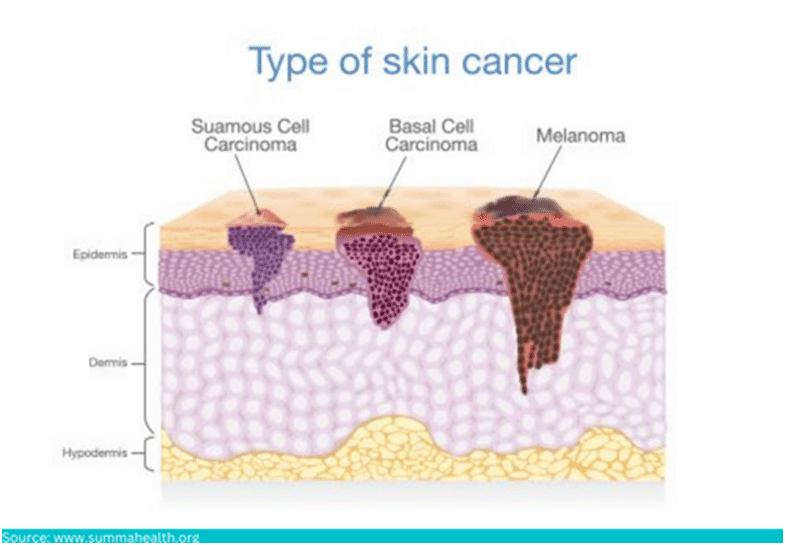**There are 2 main types of skin cancer: melanoma and non-melanoma.** - Melanoma is the deadliest form of skin cancer, accounting for about 75 % of all skin cancer deaths. - Non-melanoma skin cancers, such as basal cell carcinoma (BCC) and squamous cell carcinoma (SCC), are much more common, but they are also usually much less aggressive **Melanoma** Melanoma is the most invasive or infiltrating skin cancer and has the highest probability of death. This lethal skin cancer is caused by melanocytes – the cells that produce pigments. It is characterized by the uncontrolled growth of pigment cells in the skin and can occur in any area of your body but is usually found on the face, neck, and arms. Despite being a dangerous form of skin cancer, it is treatable if discovered early. Dr. Leena Jain, an eminent plastic surgeon in Bandra, cautions that if left untreated, melanoma can spread to other parts of your body, including your brain and lungs. **Basal cell carcinoma** Basal cell carcinoma is a skin cancer that typically appears as a small, white, or flesh-colored bump on the sun-exposed skin of your face, neck, chest, or back. **Squamous cell carcinoma** Squamous cell carcinoma is a type of cancer that starts in squamous cells. Squamous cells are thin, flat cells that line th and outer surfaces of your body, such as the inside of the mouth or anywhere on the skin or on pre-existing scars. When squamous cell carcinoma starts in the mouth, it is called oral squamous cell carcinoma. ## **Symptoms of skin cancer** Most skin cancers are found on the skin surface. The first sign is usually a change in the size, shape, color, or feel of the skin. **Other possible symptoms include:** - A mole that changes in size, shape, or color - A sore that does not heal - A lump - A crusty or bleeding sore - A scaly patch of skin - A change in the color of the skin The best way to detect skin cancer is to perform a self-exam every month, looking for any new or changing moles or freckles. The highly-skilled [plastic and trauma](https://theplasticsurgeryclinic.co/services/plastic-surgery-and-trauma-treatment-in-mumbai/) surgeon, Dr. Leena Jain, says that if you notice anything suspicious, please make sure that you visit a dermatologist for a biopsy as soon as possible. ## **Causes of skin cancer** 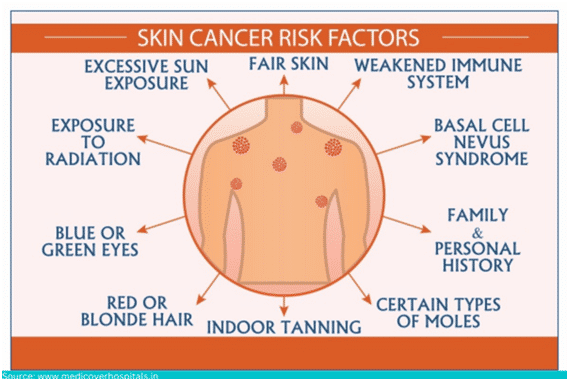Ultraviolet (UV) radiation from the sun is the leading cause of skin cancer. Other causes include exposure to artificial UV radiation from tanning beds and sunlamps, and having a weakened immune system. Individuals with fair skin, blue or green eyes, and red or blond hair are at the highest risk of developing melanoma. People with a history of sunburns are also at increased risk. People with a family history of melanoma and exposure to certain chemicals may also have a higher risk to developing skin cancer. ## **Diagnosis** The dermatologist usually starts by inquiring about any changes you have seen in any moles, freckles, or other skin lesions already present in your body, as well as any new skin growths. They will then examine your overall skin, including the skin on your scalp, ears, neck, hands, and feet, between your toes, genitalia, and between and around your buttocks. A biopsy may be done if any suspicious skin lesion is detected. During a biopsy, a sample of the suspicious tissue is taken and sent to a lab where a pathologist can study it under a microscope. If your skin lesion is skin cancer, your dermatologist will identify it, describe the type you have, and go over your treatment choices. ## **Treatment** If you develop skin cancer, it can be treated in several ways, depending on the type and stage of the cancer. Skin cancer can be diagnosed in stages ranging from 0 to IV; the higher the stage, the higher the spread of the disease. Treatment options include surgery and radiation therapy.If the cancer is small and restricted to your skin’s surface alone, a biopsy may occasionally be able to remove all the cancerous tissue. Other typical therapies for skin cancer, whether used alone or in conjunction, include: ### **Excisional surgery** 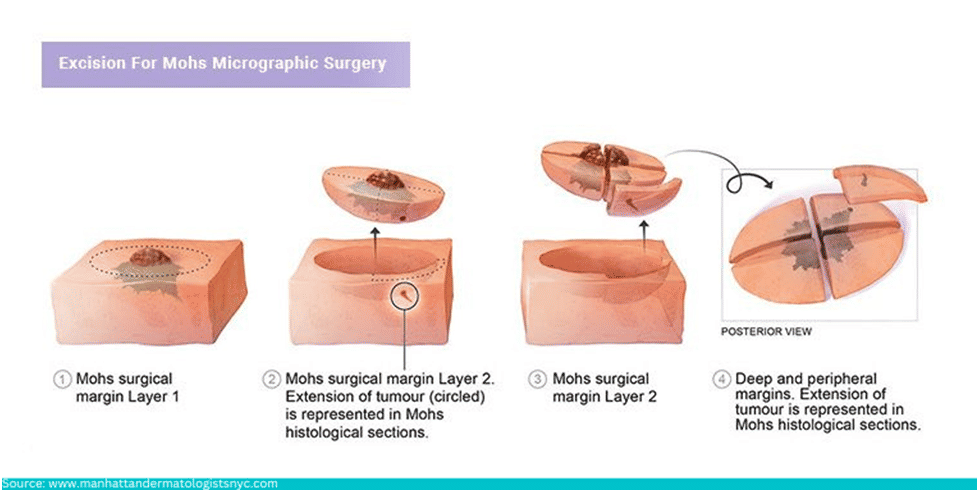In this procedure, the cancer is removed along with some healthy skin around it to ensure that no trace of cancer is left behind. ### **Mohs surgery** With this method, the tumor’s visible, elevated portion is first removed. Then a very thin layer of cancer cells is removed by your surgeon using a scalpel and immediately studied under a microscope. The subsequent layers of cancer cells are removed one by one until the surgeon can detect no more cancer cells under the microscope. Mohs surgery only removes cancerous tissue to preserve as much surrounding healthy tissue as possible. This surgery is most frequently used to treat basal and squamous cell malignancies. It is also helpful in treating cancers in areas closest to sensitive or critical cosmetic regions, such as the eyelids, lips, ears, forehead, fingers, scalp, or genitals. Mumbai’s renowned plastic surgeon, Dr. Leena Jain, says we can take a few simple preventive measures to lower the risk of skin cancer. ## **Preventive measures** There are a few things you can do to reduce your risk of skin cancer, including: - Wearing sunscreen with an SPF of at least 30 every day, even on cloudy days - Seeking shade whenever possible, especially between 10 am and 4 pm when the sun’s rays are the strongest - Wearing protective clothing, such as long-sleeved shirts, pants, and hats - Avoiding tanning beds and sunlamps - Wearing a wide-brimmed hat that shades your head, face, ears, and neck Please do not hesitate to see a dermatologist if you notice anything suspicious on your skin. Skin cancer is much easier to treat when it is caught early. ## **Conclusion** There are many different types of [skin cancer](https://www.aad.org/public/diseases/skin-cancer/types/common), and each type has its own characteristics. Some skin cancers are more aggressive than others, and some are more difficult to treat. In contrast to non-pigmented skin malignancies like squamous cell cancer (SCC) and basal cell carcinoma (BCC), melanoma frequently has no symptoms. No wonder it is known as the “*silent killer*.” The best way to combat skin cancer is by preventing it in the first place. That means using sunscreen, wearing protective clothing, and avoiding exposure to ultraviolet (UV) rays. Be sure to see a doctor if you notice any changes in your skin. Do not delay by thinking it is a minor infection and will go away on its own. Remember, the most important thing is that skin cancer is curable if caught early. If you or a loved one suspects skin cancer and are seeking treatment in Mumbai, please visit the proficient plastic surgeon, Dr. Leena Jain, for a safe and reliable treatment. ### Submit a Comment Your email address will not be published. Required fields are marked \* Comment \* Name Email Website **Categories:** Blog --- ### [Fibroadenoma Surgery Side Effects](https://theplasticsurgeryclinic.co/blogs/fibroadenoma-surgery-side-effects/) **Published:** May 5, 2026 **Author:** Dr. Leena Jain **Content:** # Fibroadenoma Surgery Side Effects May 5, 2026  Fibroadenoma surgery is a commonly performed procedure to remove a benign breast lump. While it is generally safe and straightforward, like any surgical procedure it comes with a set of side effects that patients should be aware of before and after the operation. Understanding what is normal and what is not can help ensure a smoother, safer recovery. Dr. Leena Jain, a leading [plastic surgeon in Mumbai](https://theplasticsurgeryclinic.co/), shares, *“Fibroadenoma removal is a minor procedure, but patients still need to know what to expect after surgery. Being informed about normal side effects versus warning signs helps them recover confidently and avoid unnecessary delays in seeking care.”* ## What Is Fibroadenoma Surgery? 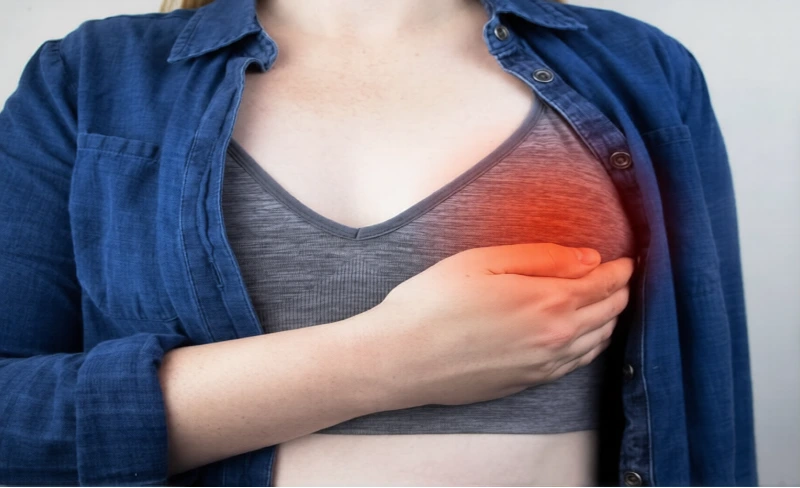 Fibroadenoma surgery involves the surgical removal of a benign breast lump through a small incision. It falls under the broader category of [breast surgery](https://theplasticsurgeryclinic.co/services/breast-surgery-in-mumbai/) and is typically performed under local or general anaesthesia, completed on an outpatient basis in most cases. Recovery is usually quick, but the body still undergoes a healing process that produces predictable side effects in the days and weeks that follow. ## Common Side Effects After Fibroadenoma Surgery Most side effects after fibroadenoma removal are mild, temporary, and part of the body’s natural healing response. Knowing what to expect helps patients manage discomfort and monitor their recovery effectively. ### Pain and Tenderness Around the Incision Mild to moderate pain and tenderness around the surgical site are entirely expected in the first few days following the procedure. This discomfort is typically well managed with prescribed pain relief medications and gradually reduces as healing progresses. Patients should avoid strenuous activity during this period to prevent worsening of pain. ### Swelling and Bruising Some degree of swelling and bruising around the breast is normal after fibroadenoma removal. This is the body’s inflammatory response to surgery and usually peaks within the first 48 to 72 hours before slowly subsiding. Wearing a well-fitted supportive bra can help reduce swelling and provide comfort during recovery. ### Temporary Numbness or Altered Sensation Patients sometimes experience temporary numbness, tingling, or altered sensation in the skin around the incision site. This occurs due to minor disruption of small superficial nerves during surgery and typically resolves on its own within a few weeks to months as the nerves regenerate. ### Scarring at the Incision Site A small scar at the incision site is an inevitable outcome of fibroadenoma surgery. In most cases, surgeons place the incision carefully to minimise visible scarring. The scar typically fades significantly over 6 to 12 months. Scar management options such as silicone gel sheets or creams may be recommended after the wound has fully healed. You can view real surgical outcomes in [Dr. Leena Jain’s gallery](https://theplasticsurgeryclinic.co/gallery/breast-surgery/) to understand what results look like after breast procedures. Concerned About Side Effects After Fibroadenoma Surgery? If you are unsure whether what you are experiencing is a normal part of recovery, consult Dr. Leena Jain, an experienced plastic surgeon in Mumbai, for a timely evaluation and personalised guidance. [Book an appointment](https://theplasticsurgeryclinic.co/contact/) ## Side Effects That Need Medical Attention While the side effects above are expected, certain symptoms go beyond normal recovery and require prompt medical evaluation. Identifying these early is critical to preventing complications. ### Signs of Infection Redness that spreads beyond the incision, increasing warmth, pus or foul-smelling discharge, and a fever above 100.4°F (38°C) are all signs of a possible infection. Infections after fibroadenoma surgery are uncommon but can occur and must be treated promptly with antibiotics or drainage if required. ### Unusual or Excessive Swelling A sudden increase in swelling, or swelling that feels firm and fluctuant under the skin, may indicate a haematoma (blood collection) or seroma (fluid collection) at the surgical site. These conditions require medical evaluation and may need drainage to resolve properly. ### Wound Opening or Delayed Healing If the incision edges appear to be separating, or if the wound is not progressing through normal healing milestones, it should be reviewed by your surgeon. Delayed healing can increase the risk of infection and may affect the appearance of the final scar. Patients dealing with complex wound healing issues may also benefit from learning about [plastic surgery and trauma care](https://theplasticsurgeryclinic.co/services/plastic-surgery-and-trauma-treatment-in-mumbai/) available at the clinic. ### Changes in Breast Shape or Contour Some degree of contour change is expected when a lump is removed, particularly if it was large. However, if there is an unexpected indentation, asymmetry, or significant shape change that causes concern, a review with your plastic surgeon can help assess whether any corrective steps are needed. ## How Long Do Side Effects Last After Fibroadenoma Surgery? Most common side effects resolve within 2 to 4 weeks following the procedure. Pain and bruising typically improve within the first week. Swelling may persist for 3 to 4 weeks. Numbness and altered sensation can take longer, sometimes up to 3 months to fully resolve. Scarring continues to mature and fade for up to 12 months after surgery. Patients who follow post-operative care instructions carefully and attend all follow-up appointments consistently experience faster and more comfortable recoveries. Experiencing Unexpected Symptoms After Fibroadenoma Removal? Dr. Leena Jain, a trusted plastic surgeon in Mumbai, provides expert post-surgical care to ensure you heal safely and comfortably. [Book an appointment](https://theplasticsurgeryclinic.co/contact/) ## Tips to Minimise Side Effects and Support Recovery Following your surgeon’s post-operative instructions is the most important step in reducing side effects and supporting smooth healing. General guidance includes: - Wear a soft, supportive bra for the first few weeks to reduce swelling and discomfort - Avoid lifting heavy objects or strenuous upper body activity for at least 2 to 3 weeks - Keep the incision site clean and dry as instructed to prevent infection - Attend all scheduled follow-up appointments so your surgeon can monitor healing - Avoid smoking during recovery as it significantly impairs wound healing - Report any unusual symptoms to your surgeon early rather than waiting to see if they resolve According to guidance published by the American Society of Plastic Surgeons, following post-operative instructions carefully is one of the most effective ways to reduce complications and improve recovery outcomes after breast surgery. ## Why Choosing the Right Surgeon Matters The skill and experience of the surgeon performing fibroadenoma removal directly influences both the aesthetic outcome and the likelihood of side effects. A well-executed procedure with precise incision placement minimises tissue disruption, reduces scarring, and lowers the risk of post-operative complications. [Dr. Leena Jain](https://theplasticsurgeryclinic.co/about/) is a highly experienced plastic surgeon in Mumbai who specialises in breast procedures including fibroadenoma removal. Her approach prioritises minimal scarring, careful tissue handling, and thorough patient education before and after surgery ensuring patients are informed, prepared, and closely supported throughout their recovery. As noted in a review published by the National Institutes of Health, surgical technique and post-operative care are key determinants of recovery quality and patient satisfaction following breast lump excision. ## Conclusion Fibroadenoma surgery is a safe and well-tolerated procedure, and the majority of side effects are mild, predictable, and temporary. Understanding what is normal and knowing when to seek medical attention allows patients to recover with confidence. With the right surgical care and proper post-operative guidance, most patients return to their normal routine within a few weeks with minimal disruption. Planning Fibroadenoma Surgery or Recovering From One? Schedule a consultation with Dr. Leena Jain, a leading plastic surgeon in Mumbai, for expert guidance, personalised care, and a recovery plan tailored to your needs. [Book an appointment](https://theplasticsurgeryclinic.co/contact/) ## FAQs ##### Is fibroadenoma surgery painful? Mild to moderate pain is expected for the first few days and is managed with prescribed medication. Most patients find the discomfort very manageable and significantly better within a week. ##### Will fibroadenoma surgery leave a scar? Yes, a small scar is inevitable. However, with careful incision placement and proper scar care, it typically fades considerably over 6 to 12 months. ##### Can fibroadenoma come back after surgery? The removed fibroadenoma will not return, but new fibroadenomas can develop in other areas of the breast. Regular self-examination and routine check-ups are recommended. ##### How long does it take to fully recover from fibroadenoma surgery? Most patients resume normal daily activities within 1 to 2 weeks. Full recovery, including scar maturation, takes up to 12 months. ##### When should I contact my surgeon after fibroadenoma surgery? Contact your surgeon immediately if you develop fever, increasing pain, redness spreading from the incision, unusual swelling, or any discharge from the wound. **References** - American Society of Plastic Surgeons — Breast Surgery Recovery: - National Institutes of Health — Fibroadenoma Excision Outcomes: **Categories:** Blog --- ### [4 Weeks Post Tummy Tuck](https://theplasticsurgeryclinic.co/blogs/4-weeks-post-tummy-tuck/) **Published:** October 10, 2024 **Author:** Dr. Leena Jain **Content:** # 4 Weeks Post Tummy Tuck Oct 10, 2024 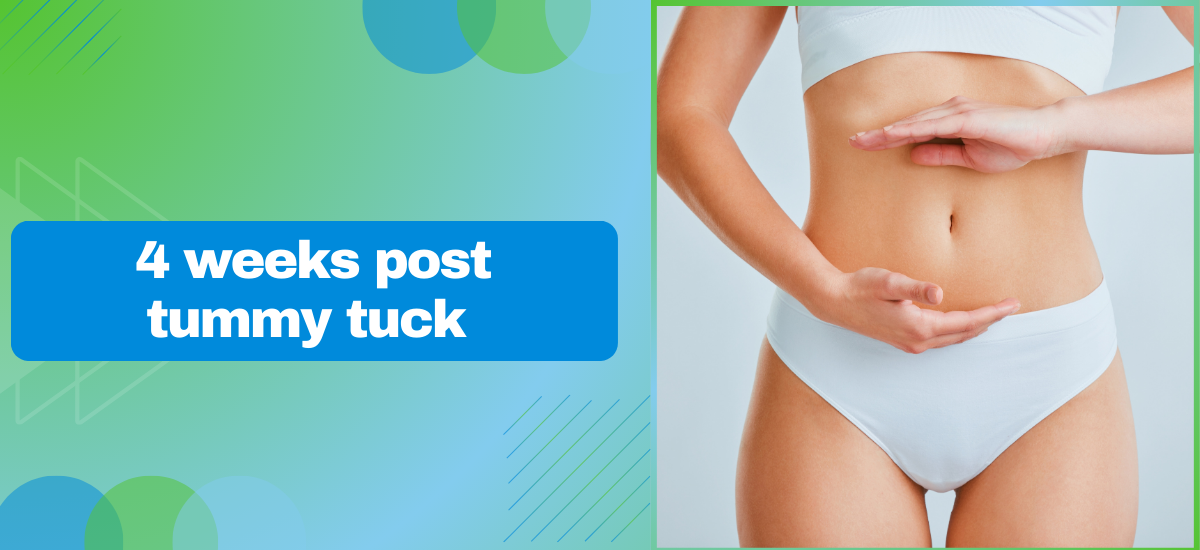 A tummy tuck, also known as abdominoplasty, is a popular cosmetic procedure. It involves removing excess skin and fat from the abdominal area to achieve a flatter, more toned appearance. The recovery process after the tummy tuck plays a vital role in achieving the desired results. Understanding what to expect after the procedure, particularly 4 weeks post tummy tuck, is crucial to ensure optimal healing. Patients often have concerns about swelling, pain, and their recovery progress during this phase. Staying informed and following your surgeon’s advice is essential for a safe and positive outcome. “The 4-week mark is a critical time when the body is still healing, and patience is the key,” notes Dr. Leena Jain. She advises patients to focus on gradual improvements rather than immediate perfection. Consistent care and adherence to post-op guidelines can significantly influence the overall outcome. Dr Leena Jain is a distinguished plastic surgeon in Bandra, Mumbai, with years of expertise assisting patients in achieving their aesthetic goals. Her proficiency in tummy tucks ensures the highest standard of care, from the initial consultation to post-operative recovery. With a commitment to patient well-being and an eye for detail, she guides patients through every step of the journey, ensuring they are well-informed and confident in their recovery process. *Curious if your recovery is progressing well. Consult with a seasoned expert to ensure you’re on the right path.*Book your appointment now! [Book an appointment](https://theplasticsurgeryclinic.co/contact/) ## What to Expect 4 Weeks After Tummy Tuck At 4 weeks post tummy tuck, your body will have made significant progress in healing. However, there are still important things to monitor: - **Swelling:** Swelling, especially in the lower abdomen, is normal and can last several weeks. - **Pain:** 4 weeks post tummy tuck pain and discomfort have reduced. However, mild pain or sensitivity around the incision area may persist. - **Scar Formation:** The [incision scars](https://theplasticsurgeryclinic.co/tummy-tuck-scar-after-3-years/) may appear reddish or darker. Following your surgeon’s advice on scar care is essential to ensure they heal properly over time. - **Follow-Up Appointments:** Regular follow-ups are crucial to monitor your healing process. Your surgeon may adjust your care plan based on your progress. Are you experiencing any unusual side effects? Let’s discuss how to manage them effectively. ### Side Effects and How to Manage Even though a tummy tuck can deliver impressive results, it’s essential to be aware of potential side effects and how to manage them: - **Residual Swelling:** Ice packs and elevating the area can help reduce 4 weeks post op tummy tuck swelling. - **Pain Management:** OTC pain medications are typically sufficient to manage discomfort. However, follow your surgeon’s advice regarding pain relief to avoid complications. 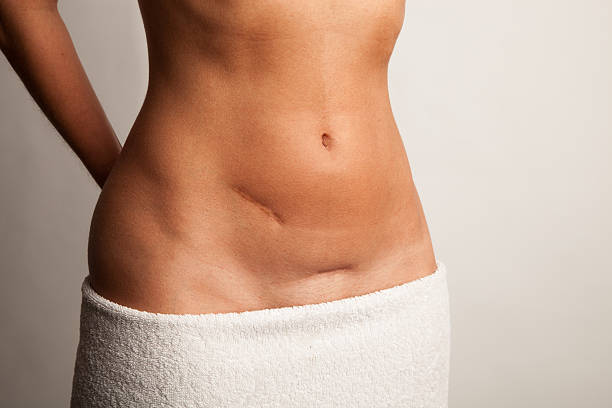 - **Scarring:** The appearance of a tummy tuck scar 4 weeks post op can vary depending on individual healing processes. Silicone sheets or gels can effectively reduce the prominence of scars over time. - **Bruising:** Any remaining bruising should be minimal but may still be visible. Gentle massages around the affected area, as recommended by your surgeon, can help with this. - **Itching:** Itching around the scar is a common sign of healing. Applying a soothing lotion can help ease discomfort. - **Numbness:** At this stage, it’s normal to experience numbness around the incision site, which can last several months. - **Infection Risk:** Although rare at this stage, monitoring the incision sites for any signs of infection, such as redness or unusual discharge, is crucial. If you notice any concerning signs, consult your surgeon. Ensure you’re managing your recovery symptoms effectively. Consult a professional for personalized advice. [Book an appointment](https://theplasticsurgeryclinic.co/contact/) What are the results at this stage? Let’s explore how your body is adjusting. ### Results & Improvements 4 Weeks Post Tummy Tuck By the 4-week mark, patients typically start to see the initial results of their tummy tuck. However, it takes time for the full results to become apparent. Here’s what you can expect: The abdomen usually appears flatter and more contoured, but some swelling may obscure the final results. Patience is crucial as the body continues to heal and settle into its new shape. 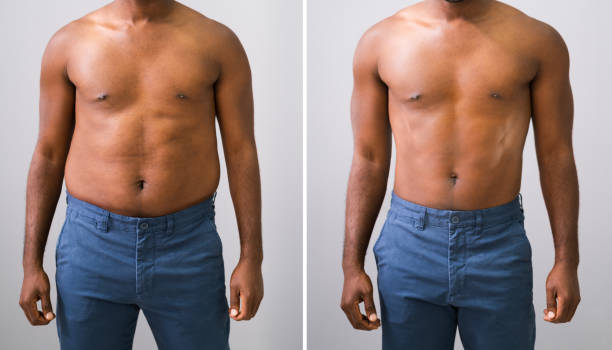 Many patients notice improvements in posture and comfort as excess skin and fat have been removed, leading to better support for the back and core. While the complete transformation may take several months, the progress you see at 4 weeks is a good sign of what’s to come. To ensure these results are long-lasting, it is crucial to follow all post-op guidelines and attend follow-up appointments. ### Recovery The recovery process following a tummy tuck is gradual and varies from person to person. 4 weeks post tummy tuck, your body is still healing, but the most critical phase is behind you. Most patients can resume their routines at this point. However, it’s essential to listen to your body and not rush the recovery process. It’s normal for scars to appear more pronounced at this stage but gradually fade over time. The emotional aspect of the recovery journey is also important, alongside the physical healing. Some patients may notice changes in mood or body image perceptions during this period. Staying connected with your support system and seeking professional advice can be beneficial. Full recovery can take several months, and ongoing care is crucial to achieve the best tummy tuck results What steps should you take to support your recovery? Let’s go over the post-op instructions. ### Post Op Guidelines Following post-operative guidelines is crucial to ensure the best outcome from your tummy tuck. Here’s what you should be doing 4 weeks post-op: - **Wound Care:** Monitor the incision sites for any signs of infection and keep them clean and dry. Your surgeon may recommend specific ointments or treatments to aid in healing. - **Compression Garments:** Wear compression garments as directed by your surgeon to reduce swelling and support the abdominal area during the healing process. - **Scar Management:** Use prescribed scar treatment to aid in scar healing. Protect your scar from sun exposure to prevent discolouration. - **Physical Activity:** Light activities like walking are encouraged, but exercises that strain the abdominal muscles should be avoided. Check with your surgeon before resuming more intense physical activities. 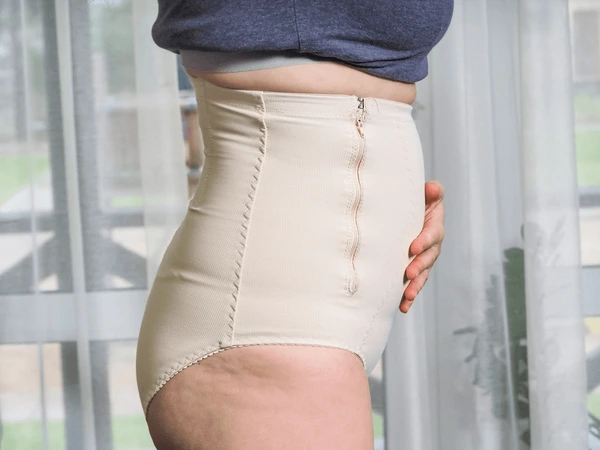 - **Hydration and Nutrition:** Follow a balanced, nutrient-rich diet to support healing. Avoid smoking and alcohol, as they can hinder recovery. ## Why Choose Dr. Leena Jain? Dr. Leena Jain is a board-certified plastic, reconstructive, and microsurgeon in Bandra, Mumbai. Patients choose her for tummy tuck because of: - **Body-contouring expertise:** Skilled in advanced abdominoplasty tailored to each patient’s body type and skin laxity. - **Top hospital affiliations:** Operates at Lilavati Hospital, Bandra, and Plastikos Clinic, Borivali. - **Microsurgical precision:** Fine suturing and careful incision placement help keep scars discreet. - **Clear recovery plan:** Personalised post-op guidance on garments, scar care, and activity. - **Honest counselling:** Realistic outcomes and risks explained in plain language. - **Long-term follow-up:** Structured reviews to track healing and catch issues early. ## Conclusion Understanding the recovery process 4 weeks post tummy tuck is crucial for achieving the best results. The journey from surgery to recovery can be challenging, but with the proper guidance and care, you can navigate this period successfully. Dr. Leena Jain, a renownedplastic surgeon in Bandra, is committed to helping her patients achieve their desired outcomes with minimal complications. Need more information about your recovery? Schedule your consultation with a specialist to stay on track with your healing. [Book an appointment](https://theplasticsurgeryclinic.co/contact/) Do you still have questions about tummy tuck recovery? Let’s answer some of the common queries. ## Frequently Asked Questions ##### What is more painful, tummy tuck or liposuction? A tummy tuck is generally more invasive and may cause more discomfort than liposuction, but pain levels vary for each individual. ##### Can I lay flat 4 weeks after tummy tuck? It’s advisable to avoid laying completely flat for extended periods to prevent strain on the incision sites. One needs to be active, up and about. Consult your surgeon for personalized advice. ##### Are you still swollen 4 weeks after tummy tuck? Some swelling is normal at this stage, particularly in the lower abdomen. However, it should gradually decrease. Wearing compression garments can help manage it. ##### How should a tummy tuck scar look after 4 weeks? The scar will still be healing and may appear red or slightly raised. With proper care, it will gradually fade over time. ***Reference links:*** ***Disclaimer:*** This page provides information about the recovery process following a tummy tuck and is not intended as a promotion or marketing effort for any specific medical practice. **Categories:** Blog --- ### [Brachial Plexus Injury at Birth](https://theplasticsurgeryclinic.co/blogs/brachial-plexus-injury-at-birth/) **Published:** January 29, 2026 **Author:** Dr. Leena Jain **Content:** # Brachial Plexus Injury at Birth Jan 29, 2026  **Introduction** A brachial plexus injury occurs when the network of nerves controlling the arm and hand is damaged during birth. This condition can cause varying degrees of weakness or paralysis in the affected arm. Dr. Leena Jain, a renowned [plastic surgeon in Mumbai](https://theplasticsurgeryclinic.co/), provides detailed insights into brachial plexus injury, its causes, and treatment options. Dr. Leena Jain emphasizes, *“Brachial plexus injury, though often temporary, can have lasting effects on a newborn’s development. Early diagnosis and appropriate treatment are crucial for a positive outcome.”* In this blog, we will explore everything you need to know about brachial plexus injury at birth, including how it occurs, signs to look for, types of injury, and available treatments. Concerned about your newborn’s arm strength or movement? Schedule a consultation with Dr. Leena Jain to discuss brachial plexus injury and treatment options. [Book an appointment](https://theplasticsurgeryclinic.co/contact/) ## What Is Brachial Plexus Injury? 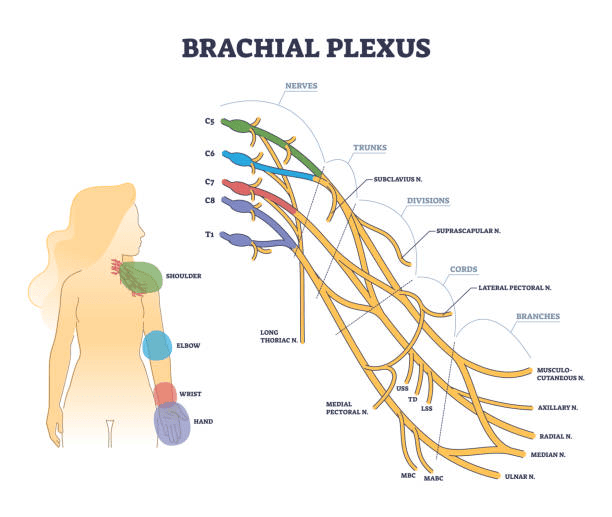 A brachial plexus injury refers to damage to the bundle of nerves that controls the muscles of the arm, hand, and shoulder. ### Function of Brachial Plexus These nerves are responsible for both motor and sensory functions in the upper limbs, which makes the injury potentially impactful on movement and sensation. ### Severity The severity of the injury varies and can range from mild stretching of the nerves to complete rupture. ## How Does Brachial Plexus Injury Occur During Birth? ### Cause The injury typically occurs when excessive force is applied to the baby’s head or neck during delivery. This may happen during a difficult or assisted delivery, such as with the use of forceps or vacuum extraction. ### Risk Factors - **Large Baby Size**: Babies born with a higher birth weight are at greater risk. - **Shoulder Dystocia**: When the baby’s shoulders become stuck during delivery, causing the brachial plexus nerves to stretch. - **Prolonged Labor**: Longer or more difficult deliveries increase the risk of nerve damage. Dr. Leena Jain explains, *“During birth, the* [brachial plexus nerves](https://theplasticsurgeryclinic.co/right-upper-limb-brachial-artery-reconstruction-after-thrombus-removal/) *can be stretched or torn due to difficult delivery. The key is prompt recognition and appropriate intervention to minimize long-term effects.”* ## Signs and Symptoms in Newborns 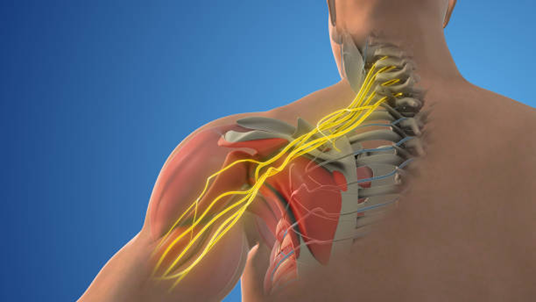 ### Arm Weakness One arm may appear limp or weak. ### Limited Movement The baby may not be able to move the affected arm or hand fully. ### Muscle Atrophy In severe cases, the muscles of the arm may begin to shrink due to lack of use. ### Absent Reflexes Reflexes, like the Moro reflex, may be diminished or absent on the affected side. ### Abnormal Position The arm may hang by the side or may be turned inward. ## Types of Brachial Plexus Injury 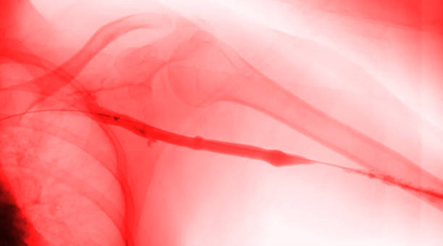 ### Stretch (Neurapraxia) The most common type, where the nerve is stretched but not torn. This usually heals on its own over time. ### Rupture The nerve is torn but not at the root. Surgery may be necessary to repair it. ### Avulsion The nerve is torn from the spinal cord, which may require more complex surgical intervention. ### Neuroma Scar tissue forms on the nerve, which can be repaired surgically if necessary. a Concerned about the type of brachial plexus injury your baby may have? Schedule a consultation with Dr. Leena Jain to assess the severity and discuss the best treatment options for a full recovery. [Book an appointment](https://theplasticsurgeryclinic.co/contact/) ## Diagnosis and Early Evaluation ### Physical Exam Doctors assess the baby’s reflexes and ability to move the arm and hand. ### Imaging MRI may be used to evaluate the extent of the nerve damage. ### Electromyography (EMG) This test can assess the electrical activity of muscles to determine nerve function. ### Timing Early diagnosis is crucial as nerve damage that occurs early can often be treated more successfully. [Dr. Leena Jain](https://theplasticsurgeryclinic.co/about-us/) advises, *“Patience is key during the recovery process. Avoid any unnecessary tugging or pressure on the earlobe to ensure proper healing.”* ## Treatment Options for Brachial Plexus Injury ### Non-Surgical Treatment: - **Physical Therapy**: Essential to maintain muscle function and prevent joint stiffness. - **Splinting**: Special devices may be used to help keep the arm in a functional position during the healing process. - **Observation**: Many mild cases heal on their own with time, and regular follow-ups help monitor progress. ### Surgical Treatment - **Nerve Grafting**: If the nerve is ruptured or avulsed, surgery may be required to repair or graft the nerve. - **Tendon Transfers**: In cases of significant weakness or paralysis, tendon transfers can restore some function. **Timing for Surgery**: Surgery is typically considered if there is no improvement within the first few months after birth. [Dr. Leena Jain ](https://theplasticsurgeryclinic.co/about-us/)advises, *“In many cases, early physical therapy can make a significant difference. Surgery is considered only if there**’s no improvement after a few months or if the injury is severe.”* Is your baby showing signs of brachial plexus injury? Contact Dr. Leena Jain for an early evaluation and to determine the best course of action. [Book an appointment](https://theplasticsurgeryclinic.co/contact/) ## FAQs ##### 1. What is the long-term outlook for babies with brachial plexus injury? The outlook depends on the severity of the injury. Many babies recover fully with time and physical therapy. In more severe cases, surgery may be required to restore function. ##### 2. How soon can a brachial plexus injury be diagnosed? Brachial plexus injury can often be diagnosed immediately after birth through physical examination. Early imaging and EMG tests help assess the damage. ##### 3. Can brachial plexus injury be prevented? While not all cases can be prevented, the use of careful birthing techniques and monitoring during delivery can reduce the risk, particularly for babies with a high birth weight or those in shoulder dystocia. ##### 4. What are the most common treatments for brachial plexus injury in newborns? The most common treatments include physical therapy, observation, and splinting. Surgery may be needed in more severe cases to repair or graft damaged nerves. ##### 5. Will my baby need surgery? Not all cases of brachial plexus injury require surgery. Many mild injuries recover with therapy and time, but surgical intervention may be needed for more severe injuries. **Categories:** Blog --- ### [Excess Skin on Stomach After Pregnancy](https://theplasticsurgeryclinic.co/blogs/excess-skin-on-stomach-after-pregnancy/) **Published:** August 16, 2025 **Author:** Dr. Leena Jain **Content:** # Excess Skin on Stomach After Pregnancy Aug 16, 2025 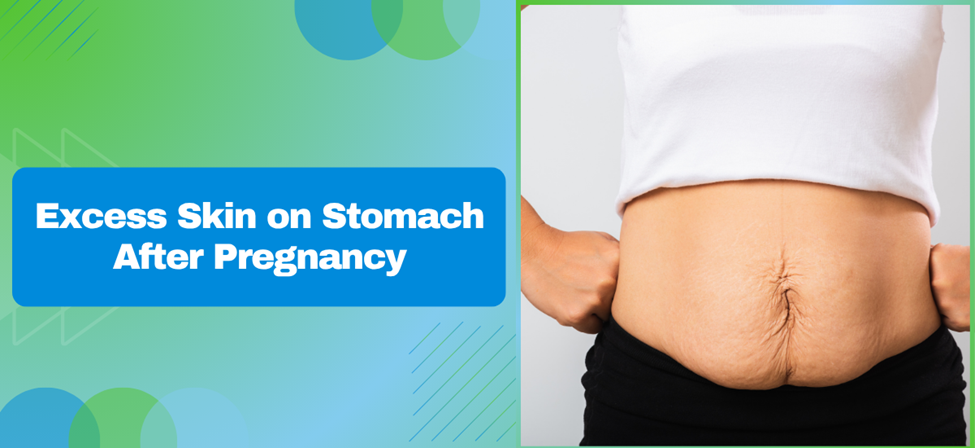 After childbirth, it is common for women to experience loose skin or a persistent bulge in the abdominal area—even after returning to a healthy weight. These changes are often due to the stretching of skin, separation of abdominal muscles (diastasis recti), and weakening of the internal abdominal wall. Dr. Leena Jain, a highly experienced [Plastic and Reconstructive Surgeon](https://theplasticsurgeryclinic.co/) in Bandra, Mumbai, explains: “Pregnancy alters the structure of the abdominal wall. In many cases, the muscles remain separated, and the fascia becomes lax, which cannot be corrected with exercise alone. A tummy tuck restores this anatomy and improves both function and appearance.” These physical changes can affect posture, core strength, and overall comfort. Recognizing the root cause is essential to deciding on the right treatment. ***So, what’s really causing the changes you see in the mirror?*** ## Why Do So Many Women Have Loose Skin After Pregnancy? During pregnancy, the skin and muscles of the abdomen stretch significantly to accommodate the growing uterus. This can lead to: - Loose or excess skin, especially in women with multiple pregnancies - Muscle separation(diastasis recti), where the left and right abdominal muscles move apart - Weakness of the internal abdominal wall, which may result in bulging or poor core stability In many cases, these tissues do not return to their original position after delivery, leading to persistent contour issues and functional concerns. According to Dr. Jain, “Even women who return to their pre-pregnancy weight may continue to experience a protruding abdomen if the muscles remain separated or the tissues haven’t re-tightened.” ## Can Exercise or Creams Fix It? 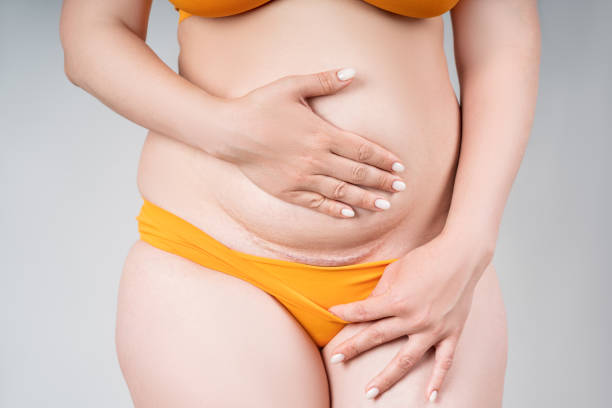 While exercise is beneficial for overall health and muscle tone, it has limitations when structural changes have occurred. You can work out and strengthen your core, but if your abdominal muscles have separated too much, exercise alone usually won’t bring them back together. Creams might keep your skin soft, but they can’t tighten [loose skin](https://redefineu.in/liposuction-after-pregnancy/) or get rid of the extra folds. If the deeper tissues are still weak or stretched, that stubborn belly bulge often sticks around—no matter how hard you try. “A [tummy tuck](https://theplasticsurgeryclinic.co/services/tummy-tuck-surgery-in-mumbai/) is often the most effective solution when conservative measures fail,” says Dr. Jain. “It addresses both the cosmetic and anatomical issues in a single procedure.” If your body doesn’t feel like “you” anymore, let’s talk about how to change that. Book a Consultation [Book an appointment](https://theplasticsurgeryclinic.co/contact/) ## How a Tummy Tuck Fixes What Pregnancy Changed Inside A tummy tuck (abdominoplasty) is a surgical procedure designed to restore the abdominal wall and remove excess skin. It is not just a cosmetic procedure—it is a **reconstructive solution** for structural issues that develop after pregnancy. The surgery typically involves: - **Bringing the separated abdominal muscles back together**(correcting diastasis recti) - **Tightening the internal fascia and tissues**to support the core - **Removing loose or hanging skin**, particularly in the lower abdomen - **Repositioning the navel**for a natural appearance “This is more than tightening skin,” explains Dr. Jain. “It’s about restoring the abdominal anatomy to how it was before pregnancy, which improves posture, core strength, and daily comfort.” ## What Are the Benefits of a Tummy Tuck After Pregnancy?  Women who undergo a tummy tuck after pregnancy often report both physical and psychological improvements, including: - A **flatter, firmer stomach - **Improved muscle strength**and posture - Relief from **lower back pain**linked to poor core support - **Better fit in clothing**and improved mobility - **Increased confidence**in personal appearance In some cases, the procedure can also help with minor hernias or urinary incontinence when related to weakened abdominal structures. Ready to take the next step? Talk to Dr. Leena Jain [Book an appointment](https://theplasticsurgeryclinic.co/contact/) ## When’s the Right Time to Get a Tummy Tuck After Pregnancy? The ideal timing for a tummy tuck depends on your personal recovery and family planning: - **Wait at least 6 to 12 months after childbirth Your body needs time to recover after delivery. Waiting allows your uterus to shrink back, hormones to stabilize, and tissues to return to a resting state—making surgery safer and more effective. - **Be at a stable weight and finished with breastfeeding Fluctuating weight or ongoing breastfeeding can affect healing and final [results](https://theplasticsurgeryclinic.co/gallery/tummy-tuck/). It’s best to have consistent weight and hormone levels before undergoing surgery. - **Consider surgery only after your last planned pregnancy A future pregnancy can stretch the muscles and skin again, possibly undoing the results of your tummy tuck. That’s why it’s recommended once your family is complete. Each case is different, so it’s best to consult a qualified plastic surgeon to assess your readiness. Let’s bring back your confidence, one step at a time. [Book an appointment](https://theplasticsurgeryclinic.co/contact/) ## Why Choose Dr. Leena Jain for Your Post-Pregnancy Tummy Tuck? [Dr. Leena Jain](https://theplasticsurgeryclinic.co/about-us/) is a renowned **Plastic and Reconstructive Surgeon in Mumbai**, known for her precision and patient-centric care. Her expertise includes: - Abdominal reconstruction for both **aesthetic and functional concerns - Extensive experience in treating post-pregnancy anatomical issues - A personalized, ethical approach to surgical planning and recovery With a reputation for natural results and meticulous technique, Dr. Jain ensures that patients receive the safest and most effective care for their individual needs. ## Conclusion Excess skin and muscle separation after pregnancy are common concerns—but they don’t have to be permanent. A tummy tuck is a safe and effective way to restore your body’s structure, improve your core strength, and help you feel more like yourself again. If non-surgical efforts haven’t worked and your symptoms are affecting daily life, it may be time to explore a long-term solution. 📞 [**Contact** ](https://theplasticsurgeryclinic.co/contact/)**Dr. Leena Jain in Bandra, Mumbai, to schedule a comprehensive evaluation and learn more about post-pregnancy abdominal restoration.** ## FAQs ##### Q1: Can I get a tummy tuck after a C-section? Yes. Once your body has healed, a tummy tuck can be safely performed, and the previous C-section scar can be improved or incorporated into the new incision. ##### Q2: Will a tummy tuck remove all my stretch marks? Only the stretch marks located in the lower part of the abdomen (where the excess skin is removed) will be eliminated. Others may remain but appear less visible. ##### Q3: Is it safe to combine a tummy tuck with other procedures? Yes. Many women opt for a combined “mommy makeover,” including breast surgery or liposuction. Dr. Jain can advise on safe combinations based on your health. ##### Q4: How long will the results of a tummy tuck last? The results are long-lasting, especially if you maintain a stable weight and do not plan future pregnancies. ##### Q5: Is the procedure painful? Some discomfort is expected after surgery, but it is manageable with prescribed pain medications and typically improves within a few days. **References –** . **Disclaimer:** This page is for informational purposes and not for promotional use. **Categories:** Blog --- ### [Labiaplasty Recovery Week by Week](https://theplasticsurgeryclinic.co/blogs/labiaplasty-recovery-week-by-week/) **Published:** December 26, 2025 **Author:** Dr. Leena Jain **Content:** # Labiaplasty Recovery Week by Week Dec 26, 2025  Labiaplasty is a procedure designed to reshape or reduce the size of the labia minora (the inner vaginal lips). It is a highly individualized surgery, addressing both functional and aesthetic concerns. While the recovery process varies from person to person, understanding the general timeline and expectations can significantly ease your experience. Dr. Leena Jain, a renowned [plastic surgeon in Mumbai](https://theplasticsurgeryclinic.co/), emphasizes, *“Labiaplasty not only enhances the appearance but can also improve comfort, confidence, and physical well-being. Understanding the recovery process is crucial to ensuring a smooth healing journey.”* In this blog, we’ll walk you through the stages of recovery after labiaplasty, offering a week-by-week breakdown, common concerns, and when to reach out to your surgeon for advice. Consult with Dr. Leena Jain, an experienced plastic surgeon in Mumbai, to discuss your options and what to expect from your procedure. [Book an appointment](https://theplasticsurgeryclinic.co/contact/) ## Week 0–1 The first week post-labiaplasty is crucial for your recovery. This period involves the initial healing of the tissues and can be marked by some discomfort, swelling, and bruising. Here’s what you can expect: ### Swelling and Bruising: It’s normal to experience significant swelling and bruising during the first few days. This is your body’s response to the [surgery](https://theplasticsurgeryclinic.co/services/plastic-surgery-and-trauma-treatment-in-mumbai/), and while it may seem alarming, it will subside gradually. ### Pain and Discomfort: Mild to moderate discomfort is common. Pain is typically managed with prescribed medications, but if you experience severe pain, it’s important to contact your surgeon. ### Rest and Hygiene: Keeping the area clean is critical during this stage. Follow your surgeon’s instructions for cleaning and applying any prescribed ointments. Avoid any strenuous activity.  Dr. Leena Jain advises, “During the first week, it’s important to rest and let the body heal. Pay special attention to hygiene to prevent infection and follow the aftercare instructions closely.” ## Week 2 By the second week, most of the swelling and bruising should start to reduce, but the recovery process is still ongoing. The pain should also begin to diminish, although some mild discomfort may persist. Here’s what you can expect: ### Swelling Reduction: Significant reduction in swelling is typical by this stage. ### Return to Routine Activities: You may feel well enough to resume light activities, but strenuous exercises and heavy lifting should still be avoided. ### Follow-up Appointment: This week, a follow-up appointment with your surgeon is usually scheduled. The surgeon will check on your progress and assess the healing. [Dr. Leena Jain](https://theplasticsurgeryclinic.co/about-us/) shares, “While the second week marks progress, it’s vital to avoid activities that can strain the healing tissues. Patience is key to achieving optimal results.” *Are you concerned about your recovery or need personalized guidance?* [Schedule](https://theplasticsurgeryclinic.co/contact/) a consultation with Dr. Leena Jain, a leading plastic surgeon in Bandra, to get expert advice [Book an appointment](https://theplasticsurgeryclinic.co/contact/) ## Week 3–4 By this time, you should see continued healing, with much of the swelling and bruising gone. The tissues will continue to firm up, and you should feel more comfortable. What to expect: ### Less Swelling, More Comfort: Swelling should be minimal, and discomfort should be largely gone. ### Begin Light Physical Activity: If your doctor clears you, light activities like walking can be resumed. ### Watch for Complications: While things are generally improving, monitor the area for any signs of infection, such as increased redness, warmth, or unusual discharge. ## Week 5–6 By the fifth and sixth weeks, most patients experience a substantial improvement in their recovery. However, full recovery is still ongoing. Here’s what you can expect: ### Comfortable, Yet Sensitive: The labial tissues should be much less sensitive, but they can still be a little tender. ### Scarring and Healing: While the incision sites are beginning to heal, scarring may still be present. It’s important to follow your surgeon’s advice on scar management and avoid activities that could disrupt the healing process.  ### Gradual Resumption of Exercise: If your recovery is progressing well, your surgeon may approve light exercises, such as stretching or yoga. However, high-impact exercises like running should still be avoided. Dr. Leena Jain explains, “At this stage, it’s important to be mindful of any remaining tenderness and avoid actions that could impact the healing process, such as wearing tight clothing.” ## Week 8–12 By the eighth to twelfth week, most patients are well on their way to full recovery. The initial discomfort should have subsided, and you’ll likely be back to your routine. Key considerations include: ### Minimal Swelling: Any lingering swelling should have resolved, and the labial area should be more defined. ### Final Scarring: The scars should be softening and becoming less visible. Over time, they will fade further, but it can take several months for them to fully mature. ### Full Activity Resumption: If cleared by your surgeon, you can resume all physical activities, including more intense exercise and sexual activity. Dr. Leena Jain emphasizes, “By this stage, you should feel much more comfortable, but it’s important to give your body time to heal completely before engaging in more strenuous activities.” ## Common Recovery Concerns During Healing Here are some common concerns that patients may face during labiaplasty recovery: ### Pain and Swelling: While mild swelling and discomfort are normal, severe or prolonged pain could indicate complications like infection. ### Infection Risks: Follow hygiene protocols meticulously to avoid infections. If you notice any unusual symptoms, seek medical attention immediately. ### Scarring Scarring will occur, but it typically fades over time. Your surgeon will guide you on how to care for your scars to minimize their appearance. ### Activity Restrictions: It’s important to follow activity restrictions during recovery to ensure the best outcome and avoid strain on the healing tissues. ## When to Contact Your Surgeon While recovery is generally straightforward, there are certain signs that may require professional attention: ### Increased Pain or Discomfort: If you experience worsening pain despite following post-operative care instructions, consult your surgeon. ### Signs of Infection: Redness, excessive warmth, drainage, or fever are signs of infection that require immediate attention.  ### Excessive Swelling: If swelling does not reduce after the first few weeks or worsens, it may require professional evaluation. ### Complications with Scarring: If scarring is abnormal or seems to be causing discomfort, contact your surgeon for advice. Want to learn more about labiaplasty and recovery tips? Contact Dr. Leena Jain for a follow-up consultation to guide you through your recovery and answer any questions you may have. [Book an appointment](https://theplasticsurgeryclinic.co/contact/) ## Conclusion Labiaplasty recovery can take a few weeks, but with proper care and patience, most patients can expect a full recovery and enjoy the results of their surgery. Remember, the recovery process varies for each individual, and following your surgeon’s instructions is crucial for the best outcome. Dr. Leena Jain concludes, “Recovery is just as important as the surgery itself. By taking the time to follow post-operative care instructions and listening to your body, you’ll achieve the best results.” ## FAQs ##### 1. How long does it take to recover from labiaplasty? Recovery from labiaplasty typically takes 6–12 weeks ##### 2. Will labiaplasty affect sexual function? Labiaplasty is designed to improve comfort and appearance. Many patients report increased comfort during sexual activity post-surgery. ##### 3. Is labiaplasty covered by insurance? In many cases, labiaplasty is considered a cosmetic procedure, so it may not be covered by insurance. However, if the procedure is medically necessary (for example, due to discomfort), some insurance plans may provide coverage. ##### 4. When can I return to exercise after labiaplasty? You can typically resume light exercise after 3–4 weeks. Strenuous activities should be avoided until your surgeon clears you, usually around 6 weeks. ##### 5. Will there be noticeable scarring after labiaplasty? Scarring is expected but typically minimal and fades over time. Your surgeon will provide tips for scar management to help minimize the appearance of scars. **Categories:** Blog --- ### [DIEP flap complications years later](https://theplasticsurgeryclinic.co/blogs/diep-flap-complications-years-later/) **Published:** October 13, 2025 **Author:** Dr. Leena Jain **Content:** # DIEP flap complications years later Oct 13, 2025 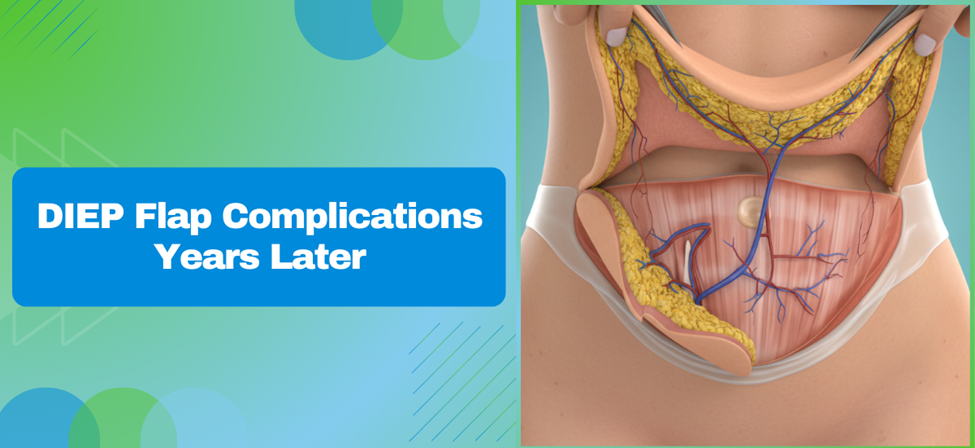 Life often throws unexpected challenges, and for many women, a breast cancer diagnosis is one of the most daunting. Breast reconstruction, particularly with the DIEP (Deep inferior epigastric perforator) flap procedure, provides hope to many, offering restoration of the breast as well as a sense of regained confidence. Globally, breast cancer remains the most common cancer in women, with the World Health Organization reporting 2.3 million new cases annually, making breast reconstruction an increasingly relevant procedure. While DIEP flap reconstruction has proven to be one of the most durable and natural options, concerns often arise about what happens years after surgery… Are there hidden complications waiting down the line? Can the reconstructed breast truly stand the test of time? [Dr. Leena Jain](https://theplasticsurgeryclinic.co/), an accomplished Plastic surgeon in Mumbai, explains: “The DIEP flap is considered the gold standard in breast reconstruction because it uses the patient’s own tissue, ensuring a natural look and feel. However, like any surgical procedure, it is not entirely free from long-term complications. Understanding these potential outcomes helps patients prepare and manage their expectations effectively.” Let’s take a closer look at the longevity of this procedure… ## How Long Does a DIEP Flap Last? One of the most common concerns patients have is the durability of their [reconstructed breast](https://theplasticsurgeryclinic.co/services/breast-surgery-in-mumbai/). The DIEP flap is unique because it uses living tissue from the abdomen to recreate the breast, which means it ages and adapts with the body. Unlike implants, which often require replacement after 10–15 years, a well-healed DIEP flap can potentially last a lifetime. 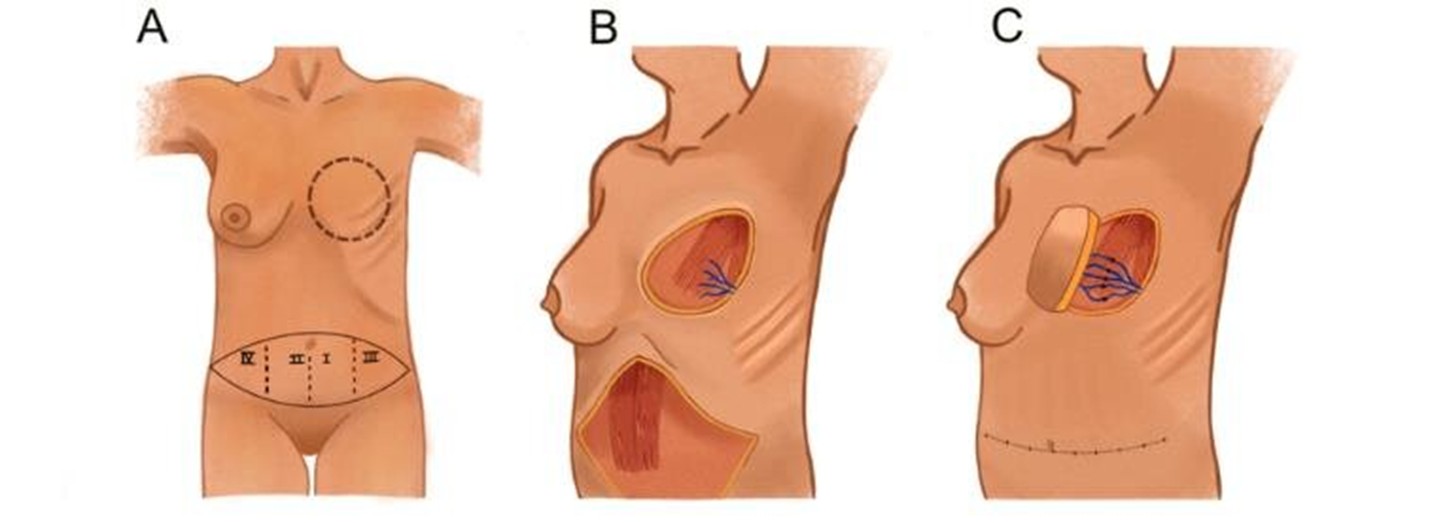 Several studies show promising results. Research published in international plastic surgery journals highlights that over 85–90% of DIEP flap reconstructions remain intact and complication-free even after 15 years. This longevity gives patients confidence that they will not need multiple surgeries in the future. However, patients should keep in mind that natural aging, weight fluctuations, or changes due to hormonal shifts can subtly alter the appearance of the reconstructed breast over time. Wondering how long your reconstruction results may last? Seek professional advice from a qualified reconstructive surgeon to understand what’s best for your long-term health. [Book an appointment](https://theplasticsurgeryclinic.co/contact/) But what if things don’t go smoothly in the years ahead? Let’s uncover the possible complications that might occur later. ## Possible Long-Term Complications Even though DIEP flap reconstruction is considered safe, a small percentage of women may experience issues years later. These complications may not appear immediately but can gradually develop with time: ### Fat Necrosis: Sometimes, tiny portions of transferred fat don’t survive, creating firm lumps that can be felt under the skin. Though not dangerous, they can cause discomfort or worry.  ### Abdominal Weakness or Hernia: Because tissue is taken from the abdomen, some women may experience muscle weakness or, rarely, a hernia years later. ### Breast Asymmetry: Natural changes like weight loss, weight gain, or aging can make one breast look different from the other. ### Scar Tissue Formation: Internal scarring may sometimes cause firmness or restricted movement. ### Delayed Wound Healing: In rare cases, small wounds or skin thinning can appear years after, especially if the skin over the flap has been under stress. Dr. Leena Jain, a highly regarded [Plastic surgeon](https://theplasticsurgeryclinic.co/services/limb-reconstruction-surgery-in-mumbai/) in Mumbai, emphasizes: “Late complications are not very common, but they can happen. The key is early identification. Most issues, whether they are aesthetic or functional, can be corrected with minimally invasive procedures, preventing them from becoming major concerns.” So, what influences whether someone develops these problems? Let’s break it down. ## Factors That Increase Long-Term Risks Not every patient faces complications years after DIEP flap surgery. Several factors can influence outcomes, and understanding them can help women make informed choices and adopt preventive care: ### Lifestyle Habits: Smoking, poor diet, or lack of exercise can compromise blood flow and healing. ### Medical Conditions: [Diabetes](https://theplasticsurgeryclinic.co/services/diabetic-ulcer-treatment-in-mumbai/), obesity, or hypertension can increase the chances of late complications. ### Radiation Therapy: Women who undergo radiation before or after reconstruction have a slightly higher risk of long-term tissue changes. ### Aging: Natural aging weakens tissues and can alter the reconstructed breast’s shape over time.  ### Inadequate Follow-up: Missing routine check-ups may delay the detection of small issues before they become serious. Concerned about whether your health condition may impact your reconstruction results? Consult a reconstructive specialist for a personalized evaluation. [Book an appointment](https://theplasticsurgeryclinic.co/contact/) Thankfully, most long-term issues following DIEP flap reconstruction can be managed effectively. ## How Are Late Complications Managed? The treatment approach depends on the type and severity of the complication: 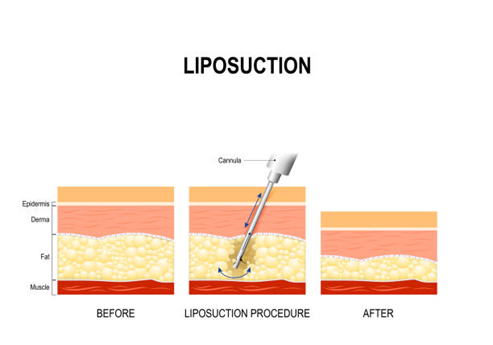 ### Fat Necrosis Removal: Small lumps can be treated with liposuction or minor excision procedures. ### Abdominal Support: Physiotherapy, abdominal strengthening exercises, or corrective surgery may help manage weakness or hernia. ### Scar Revision: Advanced scar treatments, including laser therapy or surgical correction, can improve appearance and mobility. ### Symmetry Correction: Procedures like fat grafting or minor flap adjustments can restore balance between breasts. ### Lifestyle Modifications: Nutrition, exercise, and quitting smoking significantly improve healing and reduce future risks. Dr. Leena Jain, a renowned [Plastic surgeon](https://theplasticsurgeryclinic.co/services/tummy-tuck-surgery-in-mumbai/) in Mumbai, notes: “Patients should not feel discouraged if they face complications years later. Advances in surgical techniques and non-invasive methods mean that most concerns can be addressed without major surgery. The focus is always on maintaining the patient’s quality of life and confidence.” Timely medical consultation can prevent small issues from turning into bigger ones. ## When to Contact Your Surgeon Even years after DIEP flap surgery, patients should remain vigilant about certain warning signs. You should contact your surgeon if you notice: - Sudden swelling or persistent pain in the reconstructed breast - Hard lumps that don’t subside over time - Redness, warmth, or discharge suggesting infection - Visible changes in breast shape or size - Abdominal discomfort or bulging that could indicate weakness or hernia Noticing unusual changes in your reconstructed breast or abdomen? Don’t delay—reach out to a qualified reconstructive surgeon for evaluation and reassurance. [Book an appointment](https://theplasticsurgeryclinic.co/contact/) As we near the conclusion, let’s summarize what this means for long-term recovery and peace of mind. ## Takeaway DIEP flap breast reconstruction has transformed countless lives by offering natural, long-lasting results. While the possibility of complications years later does exist, they are relatively uncommon and manageable with timely intervention. Patients are best placed to enjoy their results for decades if they: - Stay informed - Adopt healthy lifestyle habits - Maintain regular follow-ups with their surgeon Ultimately, the success of this journey lies in understanding the risks while embracing the hope and confidence that reconstruction brings. But you might still have questions, right? Let’s address some of the most common ones… ## FAQs ##### 1. Can DIEP flap complications years later affect cancer detection? No, complications like fat necrosis may create lumps, but these can be distinguished from cancer using imaging tests like mammograms or ultrasounds. Surgeons usually recommend routine screenings to ensure clarity. ##### 2. Is it normal for the reconstructed breast to feel different years later? Yes, because the flap consists of living tissue, it changes with age and weight fluctuations just like natural breasts. This is a normal part of the healing journey. ##### 3. Do patients need repeat surgery after a DIEP flap? Most patients do not require repeat surgery unless they experience significant complications or wish to make aesthetic adjustments for symmetry. ##### 4. Can exercise prevent late complications after DIEP flap surgery? Yes, gentle abdominal strengthening and maintaining overall fitness can reduce the chances of abdominal weakness and improve long-term outcomes. ##### 5. Is DIEP flap surgery safe for elderly women? Yes, with proper medical evaluation, even older women can undergo DIEP flap reconstruction. However, the risks of complications may be slightly higher depending on individual health conditions. Still unsure whether your reconstruction is on the right track? Schedule a consultation with a reconstructive surgeon to discuss your long-term recovery plan. [Book an appointment](https://theplasticsurgeryclinic.co/contact/) **References:** **Disclaimer:** The information shared in this content is for educational purposes only and not for promotional use. **Categories:** Blog --- ### [Toe to Thumb Transfer](https://theplasticsurgeryclinic.co/blogs/toe-to-thumb-transfer/) **Published:** June 27, 2025 **Author:** Dr. Leena Jain **Content:** # Toe to Thumb Transfer Jun 27, 2025  Our thumbs are marvels of anatomy—versatile, strong, and essential for everything from gripping objects to performing delicate tasks like writing or typing. Losing even part of a thumb can drastically impact daily life, career, and self-esteem. In India, traumatic hand injuries affect hundreds of thousands each year, and globally, thumb amputations significantly impair quality of life. Dr. Leena Jain, a distinguished [Plastic surgeon in Bandra, Mumbai](https://theplasticsurgeryclinic.co/), explains: “Our thumbs set humans apart, providing up to 50% of hand function. Without a thumb, simple tasks become monumental challenges. The beauty—and complexity—of toe-to-thumb transfer lies in its ability to restore both function and form. It’s not just a finger; it’s the difference between independence and dependence.” ## What Is a Toe-to-Thumb Transfer?  A Toe-to-Thumb Transfer—also called toe transfer—is a [reconstructive microsurgery](https://theplasticsurgeryclinic.co/services/limb-reconstruction-surgery-in-mumbai/) where a patient’s toe is repurposed to recreate a functional thumb. Surgeons typically use the second Toe, due to its size and mobility, though in specific cases other toes might be considered. In India, though national data are limited, an estimated few thousand individuals annually undergo reconstructive procedures following hand trauma. Globally, toe-to-thumb transfer has proven successful in renowned centers across the US, Europe, and Asia, with success rates around 85–90%. Concerned about the long-term impact of thumb loss? Speak with a reconstructive specialist to understand your options and reclaim hand function with confidence. [Book an appointment](https://theplasticsurgeryclinic.co/contact/) ***Want to find out if this procedure is right for you? Read on.*** ## Who Needs This Surgery? Toe transfer isn’t for everyone, but it can be life-changing for many. Let’s examine typical candidates: ### Trauma survivors: Road accidents or industrial injuries that result in thumb loss. ### Failed replantation cases: When the original thumb cannot be reattached or restored. ### Congenital absence or hypoplasia: Individuals born without a thumb or with underdeveloped thumbs. ### Professionally impacted individuals: Artists, musicians, athletes whose careers depend on fine motor skills. Dr. Leena Jain, a visionary [Plastic surgeon](https://theplasticsurgeryclinic.co/services/breast-surgery-in-mumbai/) in Mumbai, shares insight: “While toe-to-thumb transfer is a complex microsurgical procedure, patients who are physically fit and mentally prepared have excellent outcomes. Preoperative counselling ensures realistic expectations. Life after surgery isn’t immediate perfection—it’s a journey toward regained independence.” ***Eager to learn the ins and outs of surgery? Let’s dive in.*** ## Step-by-Step: What Happens During the Surgery?  Toe-to-thumb transfer involves meticulous planning and intricate surgical execution. Here’s how the journey unfolds: ### Preoperative assessment and planning - Detailed evaluation of hand injury, blood supply, and donor foot. - Imaging (X-ray, CT, Doppler) ensures compatibility of toe size and vasculature. - Design sessions determine optimal toe placement for alignment and appearance. ### Harvesting the toe - Typically the second toe is used. However, a trimmed great toe is also a great choice to reconstruct the thumb. - Surgeons preserve blood vessels, nerves, tendons, and joints for maximum function. ### Preparing the recipient site - Hand surgeons prepare bone stumps, vessels, and nerves at the thumb site. - Bone fixation devices are readied for the incoming toe. ### Microsurgical transfer - Using a microscope, surgeons connect arteries, veins, and nerves—some as small as 0.5-1 mm in diameter. - Bone is affixed via wires. Tendons are also reattached and balanced. ### Soft tissue coverage and skin closure - skin is sutured or grafted for cover and protection. ### Postoperative care in surgery unit - Blood flow is closely monitored using clinical examination bt trained doctors and nurses round the clock by observing the colour, temperature and turgor of the transferred toe. - Immobilization of hand and foot in carefully designed splints. ## Is It Safe to Lose a Toe? It’s natural to worry about the donor site. But studies and patient experiences reveal: ### Minimal function loss: Most patients walk normally with one toe absent. Balance and gait are typically unaffected. ### Cosmetic outcomes: Skilled microsurgeons ensure minimal scarring and preserve foot aesthetics and mechanics ### Low complication rates: Mild soreness or wound healing issues are rare and resolved quickly. India has emerging evidence from tertiary centers affirming safety and patient satisfaction. This gives many candidates the confidence to proceed. Unsure if you’re a candidate for toe-to-thumb transfer? Connect with a microsurgical expert to receive a tailored assessment and take the first step toward recovery. [Book an appointment](https://theplasticsurgeryclinic.co/contact/) ***And when surgery ends, what life awaits? Let’s explore life after.*** ## What to Expect After Surgery Rehabilitation is a multi-step process. Here’s what comes next: ### Immediately (0–2 weeks) - Hospital stay under close observation - Elevation and splinting of hand and foot - Pain management and infection prevention ### Early recovery (2–6 weeks) - Gentle finger-to-thumb movements - Suture removal - Begin weight-bearing as the foot heals ### Mid-stage rehab (6–12 weeks) - Gradual range-of-motion exercises - Customized physiotherapy for strength and coordination - Scar pressure therapy if needed ### Late-stage rehab (3–12 months) - Advanced strength drills; Grip and pinch refining - Occupational therapy to help return to work or hobbies - Possible minor procedures for appearance or function enhancement Throughout, compliance with therapy and regular follow-ups are paramount. Healing times vary—some regain near-normal function within six months, with full refinement by twelve. Dr. Leena Jain, a leading [Plastic surgeon](https://theplasticsurgeryclinic.co/services/bladder-reconstruction-surgery-in-mumbai/) in Bandra, Mumbai, emphasizes: “Recovery is realistic progress, not instant perfection. Patients often tell me they’re surprised by how intuitive grasping feels after months of steady work. The sensation may not be exactly like the original thumb, but over time, it becomes an extension of self.” ## Conclusion Toe-to-Thumb Transfer is a pioneering reconstructive feat—a testament to modern microsurgery. It aims not just to restore appearance, but to give back independence—transforming lives marred by thumb loss. Ideal candidates include those affected by traumatic accidents, failed replantation attempts, or congenital thumb defects. [Dr. Leena Jain](https://theplasticsurgeryclinic.co/about-us/) concludes: “Though technically demanding, toe-to-thumb transfer consistently delivers life-enhancing outcomes. Across India and globally, patients regain not just thumb function and grip strength, but a profound sense of independence. Recovery demands dedication—but the reward is a hand restored in both form and purpose.” Dr. Leena Jain’s expertise—spanning microsurgery, plastic reconstruction, and compassionate patient care—guides each person’s path toward renewed independence and improved quality of life. When thumb loss threatens your autonomy, toe transfer offers a second chance to hold life in your hands again—literally. Ready to take the next step? Consult a qualified microsurgeon to explore whether toe-to-thumb transfer is right for you. [Book an appointment](https://theplasticsurgeryclinic.co/contact/) ***Wondering whether a toe transfer could be your turning point? Let’s address some common concerns.*** ## FAQs ##### 1. How much thumb function can I expect after surgery? Most patients regain 70–95% of their original function, enough for daily tasks, precise gripping, and some recreational activities. Individual outcomes depend on the complexity of injury and therapy engagement. Age at surgery and motivation of the patient. ##### 2. Will I feel the transferred toe as a thumb? Sensation gradually returns over months as nerves regenerate. Pressure Touch and temperature develop first followed by fine touch. ##### 3. Can both thumbs be reconstructed if needed? In rare cases, bilateral toe transfer may be an option—but only if both the hand injuries and donor feet are suitable. Each case demands personalized planning. ##### 4. Is the procedure covered by insurance in India? Some plans offer partial coverage under trauma or reconstructive surgery clauses. Patients often finance through medical loans or charitable grants. It’s wise to check with your provider. ##### 5. Are there long-term risks at the donor (foot) site? Long-term complications are uncommon. Most people walk, run, and go about daily life without issues. A few may experience mild cramping or discomfort on uneven surfaces—but these are rare. **References:** **Disclaimer: The information shared in this content is for educational purposes only and not for promotional use.** **Categories:** Blog --- ### [Fibroadenoma in 40s: Causes, Treatments, and Aesthetic Solutions](https://theplasticsurgeryclinic.co/blogs/fibroadenoma-in-40s-causes-treatments-and-aesthetic-solutions/) **Published:** June 2, 2025 **Author:** Dr. Leena Jain **Content:** # Fibroadenoma in 40s: Causes, Treatments, and Aesthetic Solutions Jun 2, 2025  Fibroadenomas are benign breast tumors commonly found in women during their reproductive years. These non-cancerous lumps are typically smooth, firm, and movable under the skin, often discovered during routine breast examinations or imaging tests. While they are most prevalent in younger women, fibroadenomas can also occur or persist into the 40s, raising concerns about their nature and management. Dr. Leena Jain, a renowned reconstructive and [plastic surgeon in Mumbai](https://theplasticsurgeryclinic.co/), emphasizes the importance of understanding fibroadenomas in 40s. She notes, *“As women age, hormonal fluctuations and other factors can influence the behavior of fibroadenomas, necessitating careful evaluation and personalized treatment approaches.”* With extensive experience in breast surgeries and aesthetic procedures, Dr. Jain offers comprehensive care tailored to each patient’s unique needs. Her expertise ensures optimal outcomes, combining medical efficacy with aesthetic considerations. *Curious about what that breast lump is? Here’s everything you need to know about fibroadenomas and why they’re usually harmless.* ## What is a Fibroadenoma? A fibroadenoma is a benign (non-cancerous) breast tumor composed of glandular and fibrous tissue. These lumps are typically round, firm, and mobile, often described as feeling like a marble within the breast. They are most common in women between the ages of 15 to 35, but can occur at any age. The exact cause of fibroadenomas is not well understood, but hormonal factors, particularly oestrogen, are believed to play a role in their development and growth. Most fibroadenomas are asymptomatic and discovered incidentally during physical exams or imaging studies. While fibroadenomas are generally harmless, any new breast lump should be evaluated to rule out malignancy and determine appropriate management. 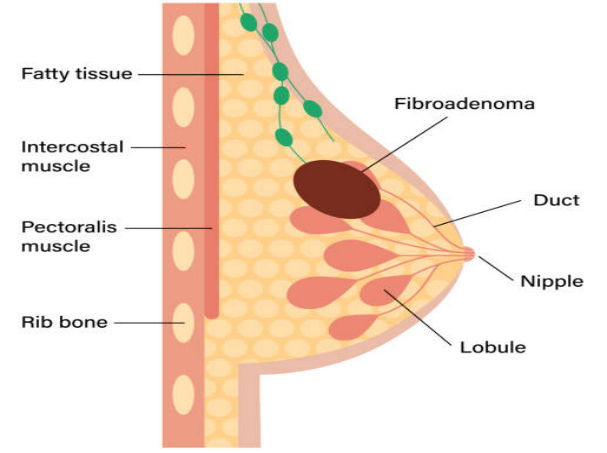 Choose expert care that treats the lump and protects your breast aesthetics. [Book an appointment](https://theplasticsurgeryclinic.co/contact/) ## Why Fibroadenomas Can Appear or Change in Your 40s The 40s bring with them hormonal shifts that can affect breast tissue. Although most fibroadenomas form earlier, they can continue or even occur within this decade. Contributing factors are: - **Hormonal Fluctuations:** Perimenopause is associated with alterations in oestrogen and progesterone levels, which may induce the growth of fibroadenoma or alter the existing ones. - **Hormone Replacement Therapy (HRT):** Fibroadenomas develop or increase in size in women who are on HRT. - **Delayed Detection:** Certain fibroadenomas, particularly those embedded deep in the breast tissue, are not discovered until routine checks in the 40s. 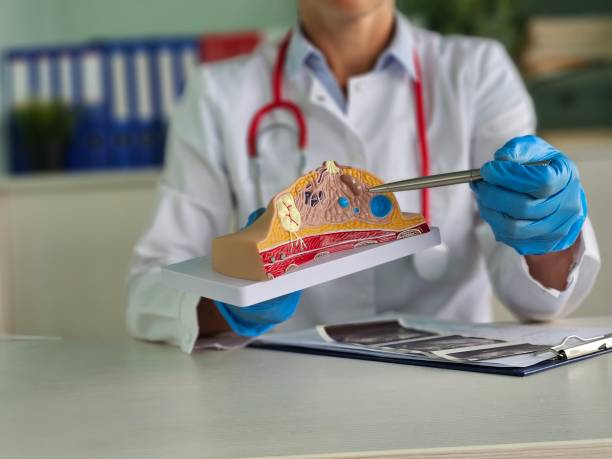 It’s necessary to keep an eye out for any change in breast during this time and consult the medical professional for proper assessment and care. ***Curious how physicians determine if it’s only a fibroadenoma? Let’s deconstruct the easy steps of the diagnostic process.*** ## Clinical Evaluation and Diagnosis Fibroadenoma diagnosis is accurately achieved by both clinical examinations as well as imaging tests: - **Clinical Breast Exam:**Physical checkup to evaluate the lump size, shape, and if it’s mobile. - **Ultrasound:**Used to differentiate between cystic and solid masses, particularly useful in women with dense breasts under the age of 40. - **Mammography:** Imaging is suggested for women aged more than 40 years. It detects calcifications and determines the type of lump. 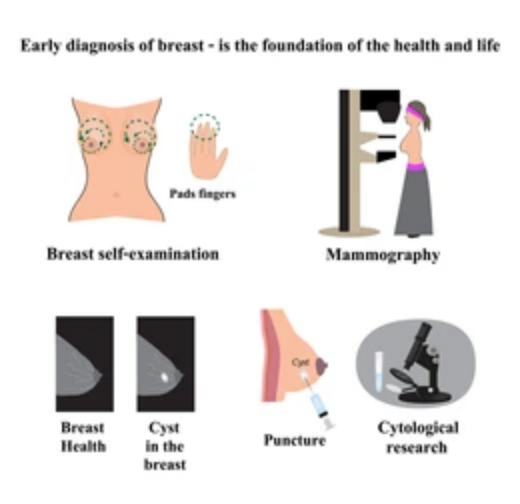 - **Core Needle Biopsy:**A less invasive procedure to take tissue samples to be examined histologically and to confirm the diagnosis. These diagnostic tests provide precise identification and influence the treatment plan accordingly. *Confused about which treatment is best for you? Let’s explore the available options to help you make an informed decision.* ## Treatment Options Management of fibroadenomas depends on factors like size, symptoms, and patient preference: - **Observation:**Small, asymptomatic fibroadenomas may be monitored with regular check-ups and imaging. - **Surgical Excision:**Recommended for large, symptomatic, or suspicious lumps involving complete removal of the fibroadenoma. - **Vacuum-Assisted Excision:**Employs a vacuum-powered instrument to remove the lump through a small incision, minimizing scarring. Each treatment option has its indications, benefits, and considerations, which should be discussed with a qualified specialist. ## Plastic Surgery & Aesthetic Considerations Surgical removal of fibroadenomas can impact breast aesthetics, making the involvement of a plastic surgeon crucial: - **Scar Minimization:**Techniques like periareolar incisions help conceal scars within the natural contours of the breast. - **Symmetry Restoration:**In cases of significant tissue removal, reconstructive procedures ensure balanced and natural-looking breasts. - **Volume Preservation:**Utilizing tissue-sparing methods maintains breast volume and contour, preserving the patient’s body image. ***Is there a risk that a fibroadenoma could turn cancerous? Let’s look at the facts and put your mind at ease.*** ## Risk of Malignancy While fibroadenomas are benign, certain types may carry a slight increase in breast cancer risk: - **Simple Fibroadenomas:** Usually do not raise cancer risk. - **Complex Fibroadenomas:** Exhibiting characteristics such as calcifications or cysts, these might be slightly increasing the risk. - **Family History:**A history of breast cancer in family members along with fibroadenomas that are complicated may further increase risk. Maintenance check-ins and advice from healthcare providers ensure early detection and reassurance. 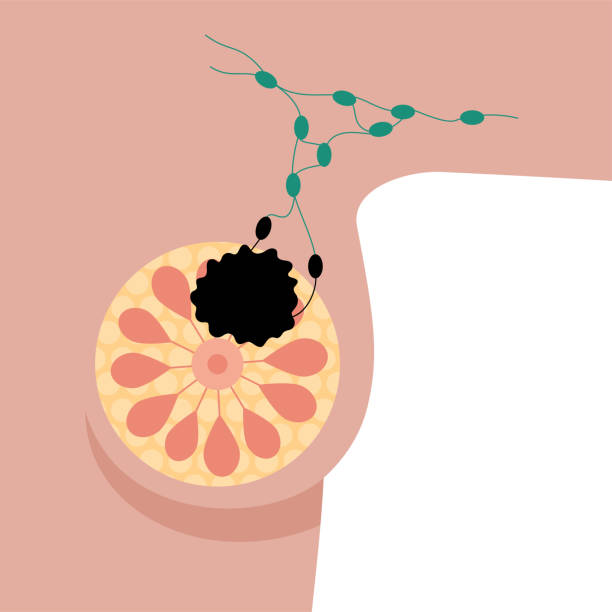 ## Recovery and Results Recovery after treatment differs depending on the procedure: - **Surgical Excision:**Typically involves a short recovery period with minimal discomfort. - **Minimally Invasive Procedures:**Options like cryoablation or vacuum-assisted excision offer quicker recovery and less scarring. Patients can expect excellent cosmetic outcomes, especially when skilled plastic surgeons perform procedures. ## Why Choose a Plastic & Reconstructive Surgeon for Fibroadenoma Excision? Choosing a[ ](https://theplasticsurgeryclinic.co/about-us/)[plastic and reconstructive surgeon](https://theplasticsurgeryclinic.co/about-us/) to have fibroadenomas removed has the following advantages: - Aesthetic Expertise:**Guarantees minimal scars and natural breast contour maintenance. - Holistic Approach:** Balances oncological safety and aesthetics. - Individualized Care:**Adapts treatment plans according to personal needs and priorities. Dr. Leena Jain’s extensive experience in breast surgeries makes her a preferred choice for patients seeking both effective treatment and aesthetic excellence. 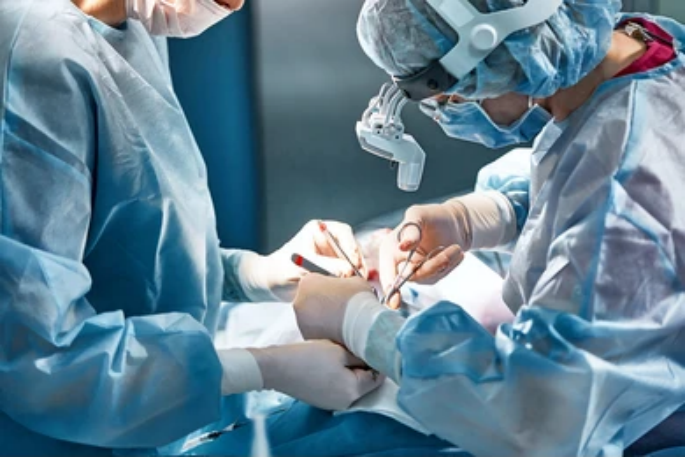 ## Conclusion Fibroadenomas in 40s need meticulous assessment and individualized management plans. With improved medical and surgical protocols, patients can now opt for treatments that guarantee health and cosmetic fulfillment. Dr. Leena Jain, one of the top plastic and reconstructive surgeons in Mumbai, provides quality care in line with every patient’s individual requirements. Take charge of your breast health. Reach out to a competent professional for comprehensive fibroadenoma care. [Book an appointment](https://theplasticsurgeryclinic.co/contact/) ## FAQs ##### Are fibroadenomas common in women over 40? Yes, although more frequent in younger women, fibroadenomas can happen or recur in women in their 40s because of hormonal imbalance. ##### Do fibroadenomas turn malignant? Most fibroadenomas are benign, but complex fibroadenomas might marginally raise the risk. Normal follow-up is recommended. ##### How are fibroadenomas diagnosed? Diagnosis typically includes a clinical breast exam, ultrasound, mammography, and sometimes a core needle biopsy. ##### Do fibroadenomas shrink or resolve on their own? Some will shrink over time but most remain unchanged unless excised or treated. ##### Will surgery result in visible scars? Advanced surgical techniques minimize scarring. Dr. Leena Jain focuses on both medical and aesthetic outcomes. ##### How long does it take to recover after fibroadenoma removal? Most patients recover within a week, especially with minimally invasive procedures. ##### What are the signs that a fibroadenoma might be cancerous? Rapid growth, irregular shape, and associated symptoms like pain or nipple discharge warrant immediate evaluation. ##### Is non-surgical treatment available for fibroadenomas? Yes, options like cryoablation and vacuum-assisted excision offer minimally invasive alternatives. **Reference links:** **Disclaimer:** This page is for informational purposes and not for promotional use. **Categories:** Blog --- ### [Breast Reconstruction in Mumbai](https://theplasticsurgeryclinic.co/blogs/breast-reconstruction-in-mumbai/) **Published:** November 10, 2021 **Author:** Dr. Leena Jain **Content:** # Breast Reconstruction in Mumbai Nov 10, 2021  ### Post Cancer Breast Reconstruction **If you or your family member is a breast cancer patient and are seriously considering breast reconstruction surgery, you have arrived at the right place.** Apart from suffering from breast cancer, its treatment requires either a complete breast removal/mastectomy or lumpectomy/ removal of the lump and hence, the need to consider a [breast reconstruction surgery](https://theplasticsurgeryclinic.co/services/breast-surgery-in-mumbai/). Ideally, the patient should give the option of breast reconstruction surgery, a serious thought before breast removal/mastectomy, or lumpectomy/ removal of the lump. It is possible to seek a breast reconstruction procedure at the same time when the breast removal procedure is done. This does save a repeat hospital trip and a great deal of surgical trauma. ### Why breast reconstruction surgery? For a woman, losing one or both breasts can be stressful and make her feel incomplete. With advancements in medical science, it is possible to go for reconstructive surgery. Indeed, it is a milestone development, which most women can undergo provided they wish to look complete once again. ### There are two types of breast reconstruction surgery, - Implant reconstruction: - Autologous or “flap” reconstruction: #### Implant Reconstruction After removal of the breast, a silicone implant is used to reconstruct the breast; preferably a muscle flap from the patient’s back is taken to cover the implant and then the skin is closed. The addition of a muscle flap reduces the chances of implant infection. **Merits:** Simpler procedure **Demerits:** Implant infection, implant extrusion, poor tolerance to radiation **Anaesthesia:** General #### Autologous or “flap” reconstruction The [reconstructive surgeon](https://theplasticsurgeryclinic.co/) will reconstruct a breast from tissues or flap from other body areas such as the abdomen or thigh. The flap is shaped to form a breast mound and its circulation is re-established. In patients undergoing breast-conserving therapy flaps from the back are taken to reconstruct the volume loss and provide symmetric breasts. **Merits:** Superior reconstruction, minimal risk of infection, better tolerance to radiation **Anaesthesia:** General ### When to go ahead with breast reconstruction? **Timing of reconstruction:** Primary breast reconstruction: The best time to seek breast reconstruction is at the same time the tumour or lump removal surgery is performed, that is, in the same sitting. A single surgery can take care of breast removal and breast reconstruction in the same admission and [anaesthesia](https://medlineplus.gov/anesthesia.html). **Secondary breast reconstruction:** Undertaken after completing the cancer treatment, including chemotherapy and radiation. It is a viable option, but the patient will require a subsequent hospitalization and yet another surgical experience, including anaesthesia and post-operation pain. ### Breast Reconstruction After Breast-Conserving Surgery: This procedure is recommended to a patient undergoing breast-conserving surgery wherein the tumour or lump in the affected breast is removed. In doing so, the breast volume reduces significantly, making it look different in size from the other normal one. Here, the Breast Reconstruction procedure involves working on the conserved breast to restore the volume and maintain a symmetrical dimension with the normal breast. There are three options feasible after lump or tumour removal surgery viz. - Repositioning surgery - Replacement surgery - Reduction surgery ### Points to remember **General Anesthesia is administered for all breast reconstruction procedures** - **The length of hospital stay depends upon the type of breast reconstruction procedures chosen, which could vary between two to six days** - **It takes nearly two weeks to recover well from this procedure** ### Risks involved in breast reconstruction surgery There are chances that the patient may develop - Infection - Blood clot or bleeding ### Breast Reconstruction Surgery The option of breast reconstruction is quite essential in completing any breast cancer removal surgery. It gives a great aesthetic outcome to the patient and she feels so much more psychologically secure. ### Submit a Comment Your email address will not be published. Required fields are marked \* Comment \* Name Email Website **Categories:** Blog --- ### [Arm Lift Scar After 1 Year](https://theplasticsurgeryclinic.co/blogs/arm-lift-scar-after-1-year/) **Published:** March 22, 2024 **Author:** Dr. Leena Jain **Content:** # Arm Lift Scar After 1 Year Mar 22, 2024 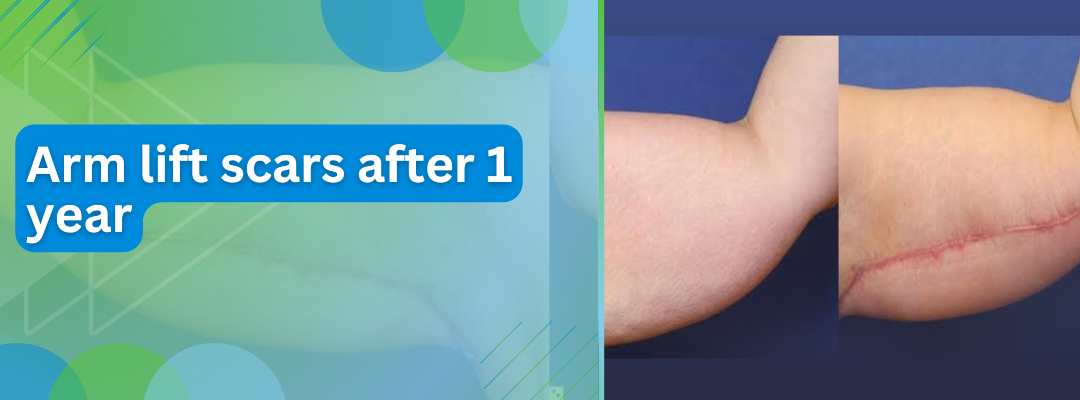 A year after an arm lift, you reach an important point in seeing how your arm lift scars are healing. This time shows a lot about how the **arm lifts scars after 1-year** look and feel, as your body has been working to heal them. Knowing what happens with arm lift scar after a year helps you understand what to expect, precautions and treatments as an essential part of your recovery. It’s all about watching how your body heals arm lift scars and getting used to the changes, which is a big part of feeling good about the choice to have this surgery. Dr. Leena Jain is a top [**plastic surgeon in Borivali,**](https://theplasticsurgeryclinic.co/) known for her expert care in treating neck contractures. She uses the latest techniques to get the best results for her patients. Dr. Jain’s approach is all about personal care and using proven methods. She’s highly respected for changing her patients’ lives, not just their looks, by improving their confidence and function. ***Unsure About Arm Lift Scars? Let us guide you in understanding more further!*** **Discover personalized scar care with Mumbai’s leading plastic surgeons.** [**Book your consultation now!**](https://theplasticsurgeryclinic.co/contact/) ## **Understanding Arm Lift Scars After 1 Year** A year after your arm lift surgery, healed arm lift surgery scars have typically passed through various stages of the healing process. By this time, most scars have matured, fading in color and becoming less noticeable. However, individual healing rates can vary based on factors like genetics, skin type, and the care provided during the healing process. ## **Is it Normal for Arm Lift Scars to Feel Itchy or Tender After One Year?** Experiencing itchiness or tenderness around your arm lift scars a year after surgery can occur but is generally less common. These sensations are typically part of the normal healing process and should diminish over time. Here are some reasons why this might occur: 1. **Scar Maturation**: Scars undergo a maturation process that can take up to 18 months or longer. During this time, the scar tissue remodels and changes in appearance and texture. Itchiness and tenderness can be part of this ongoing healing process as the nerves and tissues continue to settle. 2. **Nerve Regeneration**: After surgery, nerves in the skin undergo a healing process. As the nerves regenerate, you may experience sensations such as itching, tingling, or occasional discomfort around the scar area. This is a normal part of nerve recovery. 3. **Skin Sensitivity**: Surgery can leave the skin around the scar more sensitive to touch and changes in temperature. This heightened sensitivity can contribute to feelings of itchiness or tenderness. 4. **Scar Care and Environment**: Factors such as dry weather, friction from clothing, or exposure to sunlight can exacerbate itching or discomfort around scars. Proper scar care, including moisturizing the area and protecting it from excessive sun exposure, can help minimize these symptoms. 5. **Individual Variability**: Everyone heals differently, and some individuals may experience more prolonged sensations of itchiness or tenderness than others. Factors such as skin type, scar location, and personal healing tendencies can influence how scars feel over time. If you’re feeling constant discomfort, it’s important to check in with your surgeon to make sure your healing is on track. ## **ARM LIFT SCARS HEALING PROCESS** The healing process of arm lift scars can be broken down into several stages: - **0-3 Months:** During this initial phase, scars are typically red and raised, indicating the body’s natural healing process. - **4-6 Months:** Scars start to fade, becoming less pronounced as they begin to blend with the surrounding skin. - **7-9 Months:** This period sees a further reduction in scar visibility, with the texture smoothing out and color lightening. - **10-12 Months:** Arm lift scars after 1 year have usually matured, significantly faded, and become more consistent with your skin’s natural tone. **Still Curious about your arm lift scar healing process? Our experts are here to help you navigate every step.** [**Contact Now!**](https://theplasticsurgeryclinic.co/contact/) ***Is your healing process extended? No worries, learn how to manage scars even after a year!*** ## **Managing Arm Lift Scars After a Year** Proper care can enhance the appearance of arm lift scars after 1 year. - **Follow up with your surgeon:** Regular check-ups to monitor healing and get professional advice. - **Moisturize the area:** Keep the skin hydrated to support elasticity and healing. - **Use silicone sheets or gels:** These can help flatten and fade the scars. - **Sun protection:** Apply sunscreen to prevent scars from darkening. - **Gentle massage:** Massaging the scars can improve texture and flexibility. - **Stay healthy:** A balanced diet and hydration support skin health and scar healing. - **Avoid smoking:** Smoking can delay healing and worsen scar appearance. - **Consider scar treatments:** Laser therapy or microneedling might be recommended for significant improvement. **Transform your healing experience and make informed decisions about your health.** [**Book an appointment.**](https://theplasticsurgeryclinic.co/contact/) ***Will arm lift scars fade after a year? Get to know more about the preventive measures.*** ### **Using Scar Creams or Silicone Sheets on Arm Lift Scars After One Year** Scar creams and silicone sheets remain effective even after one year, aiding further in scar maturation and appearance. - **Silicone sheets:** Apply them over the scars to reduce thickness and improve color. - **Scar creams:** Look for ingredients like silicone, vitamin E, and onion extract to promote healing and fading. - **Consistency is key:** Regular application as directed can lead to noticeable improvements. - **Consult your surgeon:** Get recommendations tailored to your specific healing progress and skin type. - **Sun protection:** Combine with sunscreen to prevent scar darkening from sun exposure. - **Monitor skin reaction:** Ensure no adverse reactions occur, and consult a professional if concerns arise. **Achieve the best version of your arms. Learn more about advanced arm lift scar** [**treatments from specialists.**](https://theplasticsurgeryclinic.co/contact/) **Your journey to seamless healing begins here!** ## **CONCLUSION** **Arm lift scars after 1 year** have typically undergone significant healing and improvement. With Dr Leena Jain’s expert guidance, individuals can navigate their post – operative journey with confidence. Remember, each person’s healing process is unique, and consulting with a **Plastic Surgeon in Bandra** or **a Plastic Surgeon in Borivali** for personalized care is essential for achieving the best outcomes. ## **FAQs** **1. Are arm lift scars permanent?** Yes, arm lift scars are permanent, but they significantly fade and improve over time, especially with proper care and treatment. **2. How long does it take for arm lift scars to fade?** Arm lift scars begin to fade within the first few months and continue to improve for up to a year or more, depending on individual healing processes and scar care. **3. Can I undergo additional treatments to minimize arm further lift scars?** Yes, there are extra treatments like laser therapy and microneedling that can make arm lift scars look better. Talk to your surgeon about what’s best for you. **Categories:** Blog --- ### [Toe to Thumb Surgery](https://theplasticsurgeryclinic.co/blogs/toe-to-thumb-surgery/) **Published:** June 19, 2024 **Author:** Dr. Leena Jain **Content:** # Toe to Thumb Surgery Jun 19, 2024 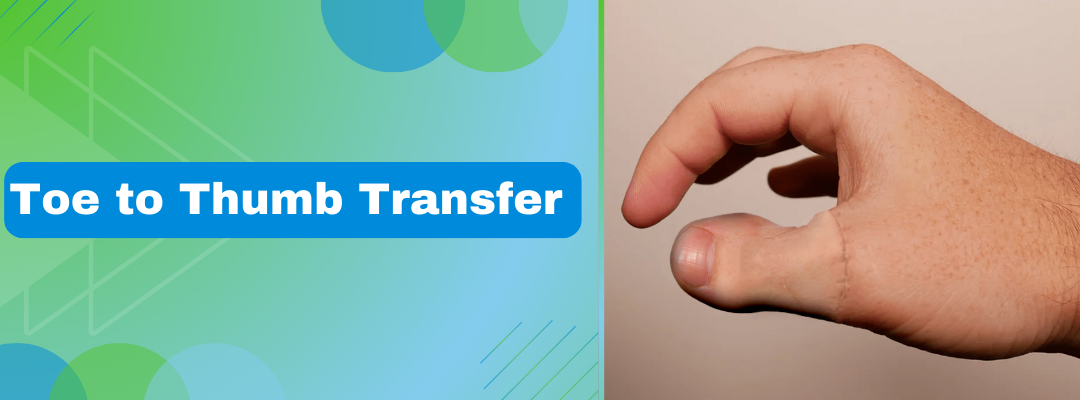 Toe to thumb surgery is also known as toe to thumb transplant or transfer. It is an effective option for people who want to restore their thumbs. Especially, those who have had serious accidents or congenital deformities. Thumb contributes to 40% of hand function and is the most important digit of the hand, hence, to restore length, strength and stability is very important. This article will look at the surgical techniques used in toe to thumb transfer surgery. It will also discuss who can benefit from the surgery, the recovery process, potential hazards, and the estimated healing time. Let us investigate each topic in depth. Dr. Leena Jain is a highly skilled reconstructive microsurgeon and [plastic surgeon in Borivali](https://theplasticsurgeryclinic.co/). Specializing in [hand surgery](https://theplasticsurgeryclinic.co/services/hand-surgery-in-mumbai/), Dr. Leena has helped numerous patients. She ensures that her patients regain functionality and confidence. Her extensive experience and dedication to patient care make her a trusted name in the field. Consult an expert surgeon today to begin your journey toward regaining full use of your hand [Book an Appointment](https://theplasticsurgeryclinic.co/contact/) *Let’s explore the surgical techniques used in toe to thumb transplants.* ## Surgical Techniques used in toe to thumb transfer 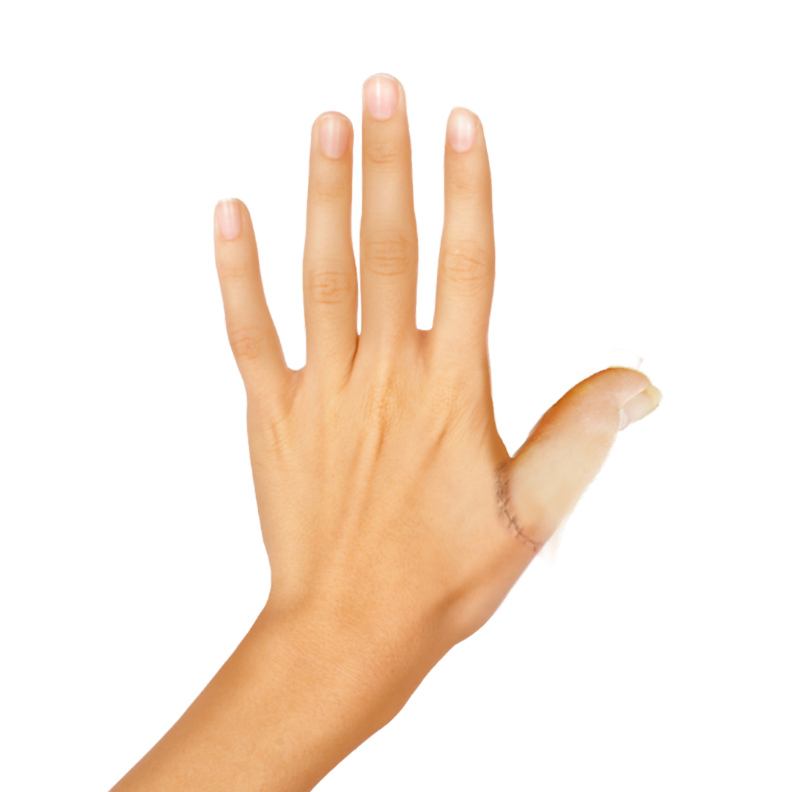 Toe to thumb surgery involves intricate procedures designed to move the toe to the thumb area, ensuring optimal functionality. Here are some crucial insights into the surgical techniques used: - **Microsurgical Procedure:** The surgery is performed under a microscope to ensure precision and accuracy in connecting blood vessels and nerves. - **Toe Selection:** The first or second toes can be used. Second toe is typically chosen for transplant as it resembles the thumb in size and structure, however, great toe is bulkier. - **Bone Reshaping:** The great toe bone is reshaped to match the contour of the thumb, allowing for proper alignment and movement. **Tendon and Ligament Attachment:** Tendons and ligaments are meticulously attached to restore grip strength and mobility. *Wondering, who might need this surgery? Let’s uncover who can benefit from toe to thumb surgery.* ## Who Can Benefit from toe to thumb surgery? Toe to thumb surgery is apt for people struggling with thumb deficits or loss. Candidates who may benefit from this surgery include: - **Trauma Survivors:** Individuals who have experienced traumatic injuries resulting in thumb loss or deformities. - **Congenital Conditions:** Patients born with thumb abnormalities such as hypoplasia or absence of the thumb. - **Arthritis Patients:** Those suffering from debilitating arthritis affecting thumb function and mobility. - **Functional Impairments:** Individuals seeking to restore hand function for activities of daily living and work. A thorough evaluation is essential when examining a candidate for toe to thumb surgery. By addressing individual requirements the surgery seeks to improve quality of life. It also helps to restore mobility and resume daily activities. Explore options for your transformative journey. Consult an experienced plastic surgeon for personalized insights today! [Book an appointment](https://theplasticsurgeryclinic.co/contact/) *Curious to know the recovery process after this surgery?* ## Recovery Process after toe to thumb transplant surgery 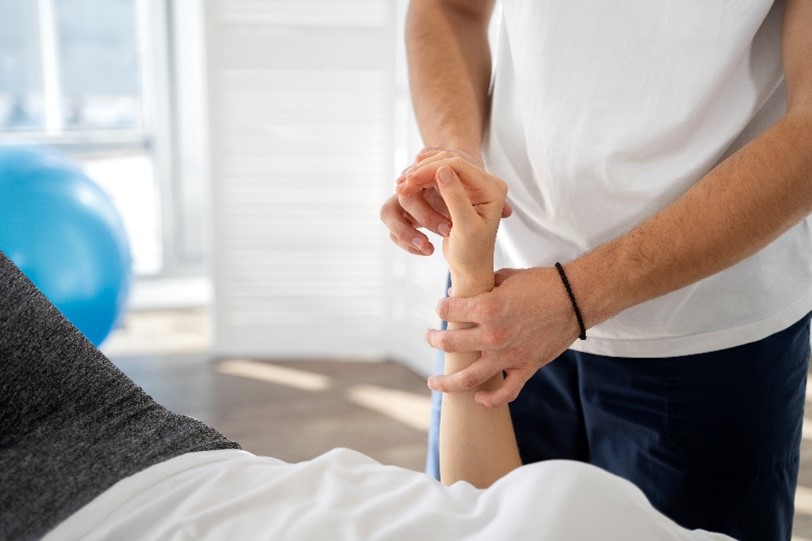 The rehabilitation period after toe to thumb surgery is crucial. It requires patience and dedication. Here’s what patients should expect during their recovery process: - **Initial Healing:** Patients will be monitored closely for signs of healing and proper blood flow to the transplanted toe. - **Immobilization:** A splint or cast may be used to immobilize the hand and protect the surgical site during the initial weeks. - **Physical Therapy:** Rehabilitation exercises are initiated to gradually restore strength, flexibility, and function to the hand. - **Monitoring Progress:** Regular follow-up appointments with the surgeon are essential. These help to track progress and address any concerns. - **Return to Normal Activities:** Patients can typically resume light activities within a few months, with full recovery expected within3-6 months. Dr. Leena Jain explains, “Adherence to post-operative instructions and active participation in rehabilitation is crucial for successful outcomes. By following the prescribed regimen, patients can regain independence and confidence in their hand function.” *Let**’**s address the risks and complications associated with toe to thumb transplant surgery.* ## Risks and Complications During toe to thumb transplant surgery Toe to thumb transplant surgery offers promising outcomes. But, it is not without risks and potential complications. Here are some considerations: - **Infection:** Risk of infection at the surgical site, requiring prompt intervention and antibiotic therapy. - **Vascular Compromise:** Impaired blood flow to the transplanted toe, necessitating immediate surgical intervention to salvage the graft. - **Delayed Healing:** Factors such as poor circulation or wound breakdown may prolong the healing process. - **Functional Limitations:** Despite successful surgery, some patients may experience limitations in thumb function or aesthetics. Informed consent and thorough pre-operative evaluation are essential. It helps to mitigate risks and optimize outcomes. Consult with a leading plastic surgeon to understand and mitigate potential risks. [Get in Touch](https://theplasticsurgeryclinic.co/contact/) *Wondering how much time it takes to heal? Read on below to understand* ## How long does a toe surgery take to heal Following toe to thumb surgery, patients usually undergo an initial healing period lasting approximately 6 to 8 weeks. During this phase, the focus lies on the body’s natural healing processes, with any stitches or sutures typically removed. However, Dr Leena Jain says, “it’s crucial to understand the full recovery. This includes the restoration of thumb function and strength, which is a gradual journey. Beyond the initial healing phase, patients will continue to progress with the help of physical therapy. Also, rehabilitation is essential for improving flexibility and strength in the reconstructed thumb. The initial 6 to 8 weeks mark a significant milestone. But, patients should remain committed to their rehabilitation regimen for optimal outcomes.” ## Conclusion Finally, toe to thumb surgery appears as a light of hope for those facing the challenges of impaired hand function. Individuals can embark on a transformative journey to regain both functionality and confidence in their hands. Dr. Jain, an expert in hand surgery in Mumbai, is dedicated to guiding patients through every stage of their toe to thumb surgery experience. Her goal is to encourage people to embrace life with newfound enthusiasm and confidence. She focuses on personalized treatment plans and a commitment to quality. *Have more doubts? Here are some FAQs below.* ## FAQs **What is the success rate of toe to thumb transplant surgery?** The success rate of toe to thumb transplant surgery varies, but it generally ranges from 80% to 90-98%. **How long does it take to regain thumb function after surgery?** It can take 3-5 months to fully regain thumb function after surgery, depending on individual factors and the extent of rehabilitation. **How can I prepare for toe to thumb transplant surgery?** To prepare for toe to thumb transplant surgery, it’s essential to undergo a thorough evaluation by a qualified surgeon, follow pre-operative instructions diligently, and mentally prepare for the recovery process ahead. **Reference links:** **Categories:** Blog --- ### [Swelling 6 Months After Liposuction](https://theplasticsurgeryclinic.co/blogs/swelling-6-months-after-liposuction/) **Published:** May 24, 2024 **Author:** Dr. Leena Jain **Content:** # Swelling 6 Months After Liposuction May 24, 2024 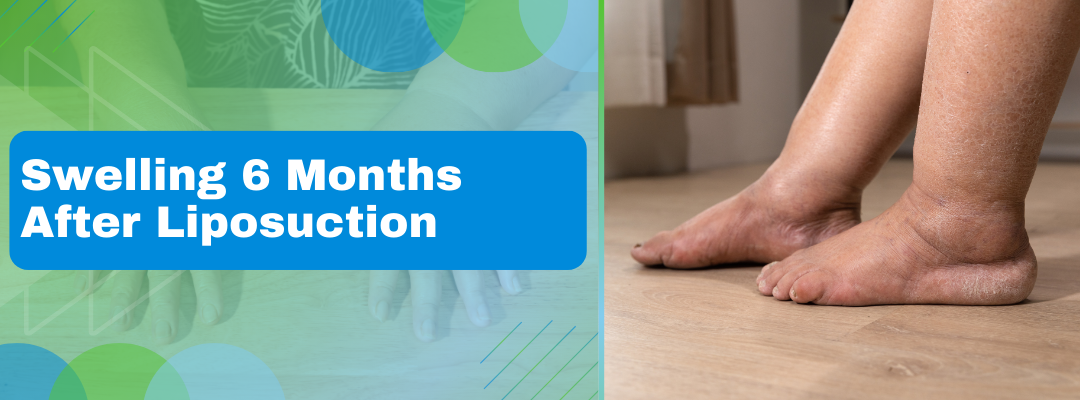 It’s common to worry about swelling 6 months post liposuction. This article discusses potential reasons for prolonged swelling and its effects on recovery. Dr. Leena Jain shares her expert perspective on this issue. She is a leading reconstructive microsurgeon and [plastic surgeon in Mumbai](https://theplasticsurgeryclinic.co/). She has helped many patients in their post-surgery recovery. She has shared some valuable tips on liposuction and patient care to manage these issues. Dr. Jain explains, “Swelling is expected after liposuction as part of healing. But, ongoing symptoms might suggest more serious conditions.” She utilizes a thorough evaluation and personalized care plans. This ensures each patient’s recovery progresses smoothly and addresses any concerns quickly. This article aims to help you understand what is normal during recovery. And also, when it is the right time to consider seeking professional advice. Need more information on recovery after liposuction? Consult with a plastic surgeon today to better understand your symptoms. [Book an Appointment](https://theplasticsurgeryclinic.co/contact/) *But what does it mean if swelling continues for six months? Let’s investigate.* ## Is it Normal to Have Swelling 6 Months After Liposuction? Generally, post liposuction swelling diminishes within a few weeks to months. However, if swelling persists six months after your procedure, it’s important to recognize that, while unusual, it can still happen. Factors such as the procedure’s scope, individual healing rates, and adherence to post-operative care impact the duration of swelling. Dr. Jain advises, “Careful attention to post-operative guidelines is crucial. Adhering to recommendations like wearing compression garments and managing physical activities is important.” She also notes that not following these recommendations can extend swelling and delay recovery. Thus, persistent swelling can be normal, especially if it is mild and gradually lessens. Worried about ongoing swelling after liposuction? Speak with a professional for a customized recovery plan. [Consult us](https://theplasticsurgeryclinic.co/contact/) *Persistent swelling after liposuction: What causes it? Let’s delve deeper.* ## Causes of Swelling 6 Months After Liposuction Prolonged swelling can arise from various factors. The body’s response to surgical trauma is a common cause. “Liposuction is only slightly invasive. But, it involves removing fat cells. This triggers a long-lasting inflammatory response in some people,” Dr. Jain explains. Poor lymphatic drainage and fluid build-up can also worsen swelling. Lifestyle choices after surgery also play a significant role. It is important to have a nutritious diet and adequate hydration. Also, you should avoid smoking, which can hinder healing. Individual responses to surgery vary based on genetics, age, and overall health. It influences recovery speed.  Need expert guidance on managing post-liposuction swelling? Speak with a qualified professional for personalized support. [Consult us](https://theplasticsurgeryclinic.co/contact/) *What should you watch for if complications arise from prolonged swelling? Let’s consider.* ## Potential Complications Persistent swelling may indicate serious complications that require immediate attention. Key warning signs include: 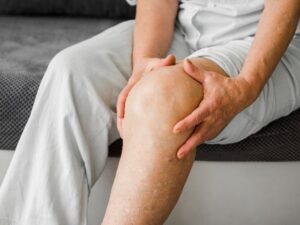 - **Seroma Formation:** Seromas are pockets of fluid that can develop under the skin after liposuction. If not properly absorbed by the body, they can lead to persistent swelling and discomfort. - **Hematoma:** It is a collection of blood outside of blood vessels. It can occur if there is bleeding under the skin that isn’t managed during or after the procedure. Hematomas can cause swelling, bruising, and pain. - **Infection:** While infections after liposuction are rare, they can occur. Swelling accompanied by redness, warmth, tenderness, or fever could indicate an infection. This requires prompt medical attention. - **Lymphedema:** Liposuction can disrupt the lymphatic system. It leads to fluid buildup and swelling in the affected area. [Lymphedema](https://theplasticsurgeryclinic.co/services/lymphedema-treatment-in-mumbai/) can cause discomfort and may require specialized treatment to manage. - **Delayed Healing:** Some individuals may experience delayed healing after liposuction. It can result in prolonged swelling. Certain factors contribute to delayed healing. It includes inadequate post-operative care, excessive activity, and underlying health conditions. - **Fat Necrosis:** Fat necrosis occurs when fatty tissue dies as a result of trauma, such as during liposuction. This can lead to inflammation and swelling in the affected area. - **Scar Tissue Formation:** Excessive scarring, known as hypertrophic scars or keloids, can occur after liposuction. It happens especially if the incisions are not cared for during the recovery period. Scar tissue can contribute to persistent swelling and discomfort. - **Fluid Imbalance:** Swelling may also be related to fluid imbalance within the body. It includes electrolyte abnormalities or fluid retention. This could be exacerbated by factors like medication, diet, or underlying medical conditions. [Dr. Leena Jain](https://theplasticsurgeryclinic.co/about-us/), a renowed plastic surgeon in Borivali, recommends monitoring any unusual symptoms and consulting a healthcare provider promptly. “Taking active steps to manage your health during recovery is essential,” she advises. Uncertain about your post-liposuction symptoms? Discuss them with a specialist to ease your concerns. [Discuss with us](https://theplasticsurgeryclinic.co/contact/) *How can you effectively manage swelling if it occurs? Here are some tips.* ## Managing Swelling 6 Months After Liposuction Effective management of post-liposuction swelling involves professional advice and personal care efforts. - **Compression Garments:** These garments reduce swelling by applying gentle pressure. This aids in contouring and promoting healing. - **Proper Nutrition**: A balanced diet rich in proteins, vitamins, and antioxidants supports tissue repair and reduces inflammation. - **Adequate Hydration:** Drinking enough water flushes out toxins, reduces fluid retention, and maintains skin elasticity. - **Healthy Lifestyle Choices:** Avoiding smoking and excessive alcohol. Engaging in light activity, and getting enough rest support optimal healing. - **Follow-up Care:** Regular appointments with your surgeon ensure monitoring and potential treatments. This enables prompt attention to any concerns. Adhering to these practices can significantly enhance comfort and accelerate recovery.  *When should swelling after liposuction be a concern? Let’s find out.* ## When Should You Be Concerned About Swelling? While swelling is normal in healing, certain signs necessitate immediate medical attention, such as: - If swelling continues to increase instead of decrease over time. - If the swelling is accompanied by significant pain. - If you experience fever alongside the swelling. - If the area appears uneven or lumpy. - If it persists beyond the typical healing period of a few weeks to months. Want a smoother recovery journey after liposuction? Get in touch with a knowledgeable professional for peace of mind. [Get in Touch](https://theplasticsurgeryclinic.co/contact/) *We’ve discussed much about managing swelling after liposuction. Let’s summarize the essential points.* ## Conclusion In conclusion, swelling is normal after liposuction. But, we should not overlook swelling that is persistent or worrying. It is necessary to watch your recovery. Get medical help if you develop long or severe swelling. This may suggest hidden issues that need immediate treatment. You should follow your healthcare provider’s recommendations. This includes wearing compression garments and maintaining proper nutrition and hydration. Further, adopting healthy lifestyle habits can help you achieve the best possible results. ## FAQs **Are there any warning signs or symptoms I should watch out for that might indicate a complication related to the swelling?** Look out for excessive pain, increasing redness or warmth around the swollen area, fever, or any discharge, as these could signal an infection or other complication. **Can swelling be permanent after liposuction?** While some swelling is normal post-liposuction, permanent swelling is rare and typically resolves over time with proper care and follow-up appointments. **How long does swelling last after liposuction?** Swelling after liposuction can last anywhere from a few weeks to several months, gradually decreasing over time as the body heals and adjusts to the procedure. **Reference:** **Categories:** Blog --- ### [Expert Insights on Scarless Surgery: What You Need to Know](https://theplasticsurgeryclinic.co/blogs/expert-insights-on-scarless-surgery-what-you-need-to-know/) **Published:** July 14, 2024 **Author:** Dr. Leena Jain **Content:** # Expert Insights on Scarless Surgery: What You Need to Know Jul 14, 2024 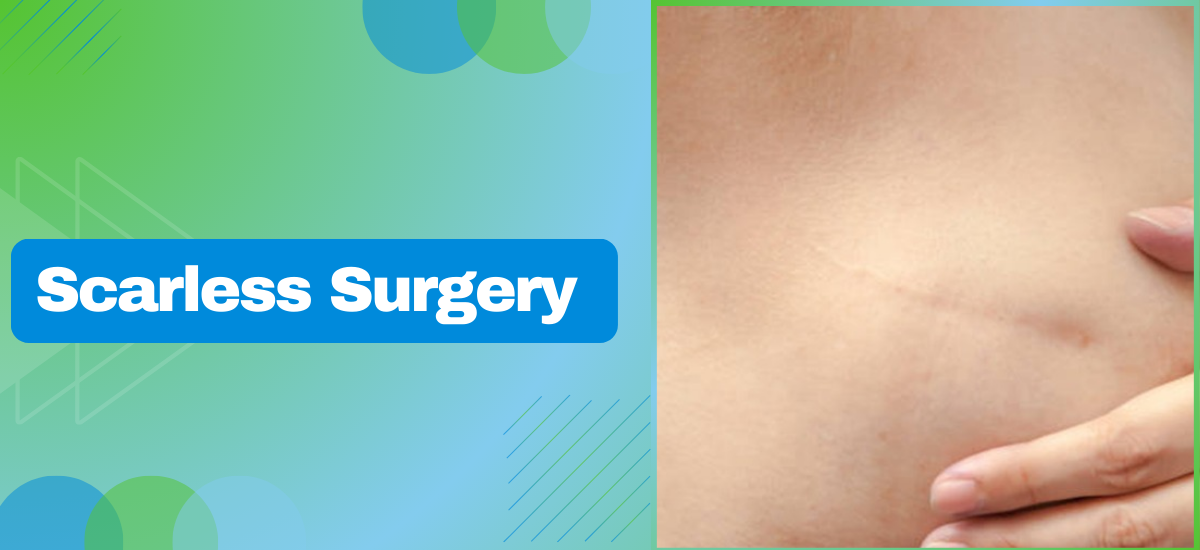 Scarless surgery is a cutting-edge technique designed to minimize or eliminate visible scarring after surgical procedures. Unlike traditional methods that leave noticeable scars, scarless surgery employs specialized tools and techniques to reduce visible scarring, offering patients a more discreet and aesthetically pleasing outcome. With meticulous precision and advanced technology, plastic surgeons can perform complex procedures with minimal trauma to surrounding tissues, resulting in quicker recovery times and optimal results. *According to* *Dr. Leena Jain, a prominent* [*plastic surgeon in Bandra*](https://theplasticsurgeryclinic.co/)*,* ***“Scarless surgery is not just about aesthetics. It’s about improving patients’ quality of life by enhancing their confidence and reducing the psychological impact of scars.”*** With over 7 years of experience, Dr. Jain has honed her skills in executing these advanced techniques. Known for her attention to detail and patient-centred care, she has helped countless individuals achieve their aesthetic goals with minimal scarring. Let’s delve deeper into the specifics of scar less surgery. ## Will My Scar Be Visible After Surgery? 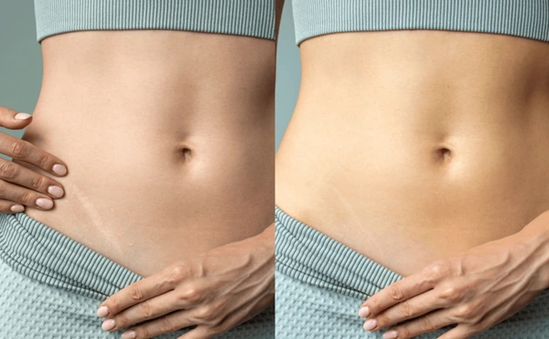 One of the primary concerns for patients considering surgery is the visibility of scars post-procedure. Traditional surgeries often leave noticeable scars, affecting one’s confidence and satisfaction with the results. Scarless surgery addresses this concern by employing techniques that minimize scarring. These methods include smaller incisions, advanced suturing techniques, and, in some cases, lasers to promote better healing. In scarless surgery, the incisions are strategically placed in less noticeable areas within natural skin creases or along the hairline. This strategic placement and precise surgical methods ensure that any potential scars are as inconspicuous as possible. Over time, with proper care, these scars can become nearly invisible. This allows patients to enjoy the benefits of surgery without the lingering marks. Looking to undergo a procedure with minimal scarring? Schedule an appointment with a skilled professional to explore scarless surgery options. [Book an appointment](https://theplasticsurgeryclinic.co/contact/) Want to know why choosing a specialist matters? Here’s what you should consider! ## Why You Should Consider a Plastic Surgeon for Surgery? 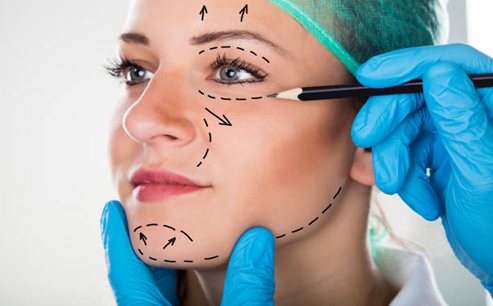 Choosing a qualified plastic surgeon is crucial for achieving the best possible outcome, particularly for procedures designed to minimize scarring. Plastic surgeons receive extensive training and specialize in both [cosmetic and reconstructive surgery](https://theplasticsurgeryclinic.co/services/plastic-surgery-and-trauma-treatment-in-mumbai/). This dual expertise allows them to meet a wide range of patient needs, from aesthetic enhancements to functional restorations. Plastic surgeons have a deep understanding of the nuances of skin and tissue. This enables them to make strategic decisions that enhance healing and reduce scarring. Their comprehensive knowledge of the human body and artistic eye for detail make them uniquely qualified to perform scarless surgery, delivering results that are visually pleasing and medically sound. In addition to their surgical expertise, plastic surgeons are adept at managing post-operative care and complications, ensuring a smooth recovery process for their patients. By entrusting your care to a board-certified plastic surgeon, you can have confidence in the quality of scar treatment and the likelihood of achieving your desired outcomes Now, let’s explore the phases of scar recovery and what you can expect. ## Phases of Scar Healing 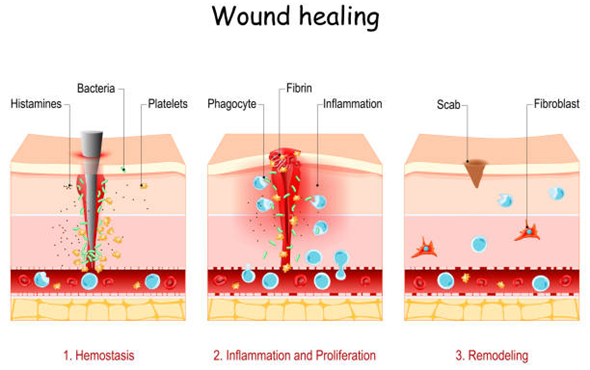 Understanding the phases of scar healing can help patients set realistic expectations and appreciate their recovery progress. After surgery, scars go through several phases, including: - **Hemostasis** Immediately after surgery or an injury, the body’s primary response is to stop any bleeding. This phase, known as hemostasis, involves the constriction of blood vessels and the formation of a blood clot. This clot seals the wound and prevents further blood loss. It also serves as a temporary barrier, protecting the wound from external contaminants. - **Inflammation** During this phase, the body’s immune response is activated to prevent infection and clear out any debris from the wound. White blood cells migrate to the wound site to engulf bacteria and dead cells. This phase typically lasts a few days and is characterized by redness, heat, swelling, and pain around the affected area. Inflammation is a crucial phase in the healing process, setting the stage for tissue repair. - **Proliferation** The proliferative phase marks the growth of new tissue and blood vessels to replace the damaged ones. During this phase, new collagen fibers are deposited, gradually strengthening the wound and reducing its visibility. - **Maturation** During this phase, the newly formed tissue remodels and strengthens. The scar tissue gradually becomes less red and more similar in texture and colour to the surrounding skin. Over time, the scar becomes flatter and softer, blending more seamlessly with the surrounding tissue. While complete scar elimination may not be possible, scar less surgery aims to minimize their appearance and improve overall aesthetic outcomes. ## Conclusion Scarless surgery offers a revolutionary approach to achieving aesthetic enhancements with minimal scarring. With the expertise of professionals like Dr. Leena Jain, a distinguished [plastic surgeon](https://theplasticsurgeryclinic.co/about-us/) in Bandra, patients can achieve transformative results and enhanced confidence without the fear of conspicuous scars. Whether you’re considering cosmetic procedures or reconstructive surgery, Dr. Jain’s commitment to excellence and compassionate care ensures a positive experience and exceptional outcomes. Ready to achieve seamless results with minimal scarring? Schedule a consultation with a seasoned expert now. [Book an appointment](https://theplasticsurgeryclinic.co/contact/) ## Frequently Asked Questions: 1. **How does concealed scar surgery differ from traditional surgery?** In concealed scar surgery, surgeons strategically place incisions in natural skin creases or less visible areas. This helps minimize the appearance of scars compared to traditional surgery, where incisions are more noticeable. 2. **How do you know if a scar is permanent?** Scars typically take up to a year to fully mature. If a scar remains red, raised, or itchy beyond this timeframe, it may indicate that it’s still in the healing process. But if it persists beyond 12-18 months, it’s likely permanent. 3. **Can a plastic surgeon fix a scar?** Yes, plastic surgeons specialize in scar revision techniques to improve the appearance of scars, including minimizing size, improving texture, and making them less noticeable. 4. **How soon after surgery can scar revision be performed?** Scar removal surgery is usually performed once the initial wound has healed, which may take several months. However, the timing can vary depending on the type of scar and the recommendation of your plastic surgeon. 5. **What is the cost of scar revision surgery?** The cost of scar revision surgery varies depending on factors such as: - the complexity of the procedure - the surgeon’s experience - the geographic location of the practice It’s best to consult a reliable plastic surgeon for an accurate cost estimate. **Reference links:** **Categories:** Blog --- ### [Skin Graft for Vitiligo](https://theplasticsurgeryclinic.co/blogs/skin-graft-for-vitiligo/) **Published:** May 23, 2024 **Author:** Dr. Leena Jain **Content:** # Skin Graft for Vitiligo May 23, 2024 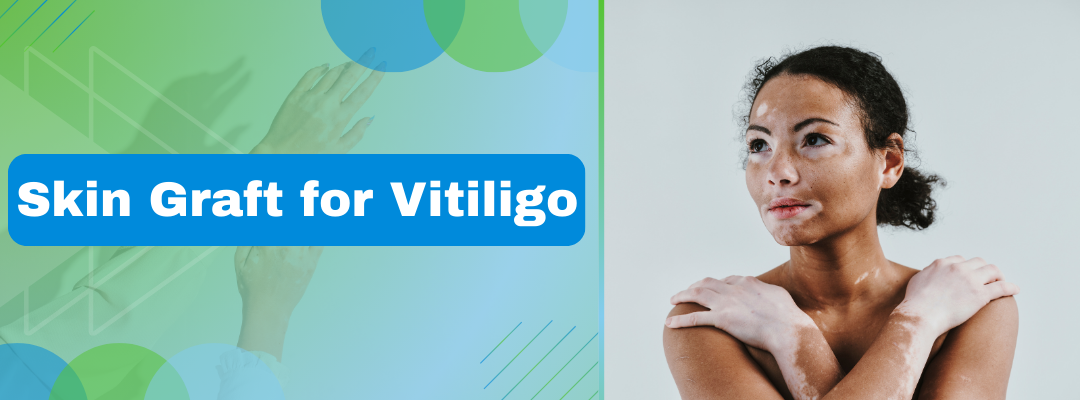 Vitiligo is not merely a cosmetic concern; it is a medical condition characterized by the loss of skin pigmentation in patches, leading to visible white spots. These depigmented areas can significantly impact an individual’s psychological and emotional well-being. 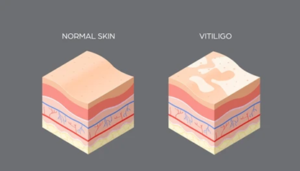 Dr. Leena Jain, a seasoned reconstructive microsurgeon and [plastic surgeon in Mumbai](https://theplasticsurgeryclinic.co/), confronts this challenging condition with her extensive expertise. She is renowned for her proficiency in [hand surgery](https://theplasticsurgeryclinic.co/services/hand-surgery-in-mumbai/), limb reconstruction surgery, breast surgery, and many more. Utilizing advanced surgical techniques and medicinal interventions, Dr. Jain endeavors to restore pigmentation in affected areas, offering hope to those suffering from vitiligo’s effects. However, her approach exceeds basic medical treatment; her work is fueled by deep care and understanding for her patients. Discover how expert care can restore your skin’s pigmentation and confidence. Contact a specialist today! [Book an Appointment](https://theplasticsurgeryclinic.co/contact/) *Uncover the effectiveness of skin grafting in treating vitiligo’s pigment loss.* ## Does Skin Grafting Work for Vitiligo? Skin grafting has shown promising results in treating white spots on skin. It especially shows results for conditions that do not respond to conventional therapies. This skin graft surgery procedure can provide a permanent solution.  [Dr. Leena Jain](https://theplasticsurgeryclinic.co/about-us/) emphasizes, “Success in skin grafting largely depends on careful patient selection and the stability of vitiligo. For those who qualify, it can significantly restore pigment and improve life quality.” Skin grafting can be particularly effective for stable areas of vitiligo, where small skin pieces from pigmented areas are transplanted to depigmented spots, aiming to restore color. *Discover the different ways skin grafting can bring back your skin’s natural color. Explore now!* ## Types of Skin Grafting for Vitiligo There are various skin grafting techniques, personalized to address the specific requirements of each vitiligo case: - **Mini-punch Grafting:** This is often used for small, stable areas of vitiligo. Tiny skin grafts are removed from pigmented areas and transferred to depigmented spots. - **Blister Grafting:** Less invasive than other methods, this involves creating blisters on pigmented skin using suction. These are then carefully transferred to vitiligo-affected areas. - **Split-thickness Grafts:** It is suitable for larger areas. This method involves removing a thinner layer of skin from a donor site and transplanting it to the depigmented area. Each method has its advantages, chosen according to the size, area, and extent of the white spots on the skin affected by vitiligo. During consultations, patients can expect a detailed explanation of the available options and what to anticipate from each procedure. Explore the diverse world of skin grafting for vitiligo treatment – find the perfect match for your skin’s needs. Connect with a professional today! [Consult us](https://theplasticsurgeryclinic.co/contact/) *Let’s dive into the world of skin grafting and witness its remarkable procedure of vitiligo* ## Skin Grafting Procedure for Vitiligo  **Initial Consultation and Assessment** A comprehensive medical evaluation is conducted to assess the stability of vitiligo. Different grafting techniques tailored to the patient’s needs are discussed. **Preoperative Preparation** Skin conditioning and general health optimization are undertaken to prepare both the donor and recipient sites, enhancing the success rate of the graft. **The Grafting Procedure** A suitable donor site is chosen, and skin is harvested using methods such as mini-punch, blister, or split-thickness. The skin is then carefully transplanted to the prepared area. **Immediate Postoperative Care** The graft and donor sites are dressed carefully to protect them and manage pain effectively, ensuring patient comfort. **Follow-Up Visits** Regular monitoring of the graft’s health and the healing process is conducted. Adjustments are made as needed to promote optimal outcomes. **Long-Term Care and Maintenance** Guidance is provided on protecting the grafted skin from the sun and maintaining proper skincare to prevent future issues. **Outcome Assessment and Additional Treatments** Once healed, the results are assessed, and further interventions may be considered to refine the appearance if necessary. This meticulous approach ensures each step of the skin grafting process is performed with precision, aiming for the best results while providing comprehensive care and support during the patient’s healing journey. Revitalize your skin with the transformative power of skin grafting for vitiligo treatment. Book your appointment today! [Book an Appointment](https://theplasticsurgeryclinic.co/contact/) ## Skin graft recovery stages The healing process of skin graft is critical and involves several stages: 1. **Initial Healing Phase (Days 1-7):**During this stage, the grafted skin begins to adhere to the recipient site, and the formation of new blood vessels (neovascularization) begins. Dressings are regularly changed to monitor progress and prevent infection. 2. **Early Granulation Phase (Days 7-14):**Granulation tissue starts to form beneath the graft as the body initiates the wound-healing process. The grafted area may appear pink or red, and small blood vessels become visible. 3. **Maturation Phase (Weeks 2-8):**The grafted skin continues to heal and mature, gradually blending in with the surrounding tissue. The area may still be sensitive and require protection from trauma or excessive pressure. 4. **Long-term Healing (Months to Years):**Over time, the grafted skin further matures and remodels, becoming more similar in appearance and texture to the surrounding skin. Scarring may occur, but it often improves in appearance over the long term. Ready to bring color back into your life? Book your appointment for a skin grafting consultation today! [Book an Appointment](https://theplasticsurgeryclinic.co/contact/) *Let’s conclude a journey towards self-assurance and restored pigmentation.* ## Conclusion Choosing a skilled and caring surgeon like Dr. Leena Jain for the treatment of white color patches on the skin means putting your trust in one of the most dedicated professionals in vitiligo treatment. Skin grafts represent a highly effective treatment option for vitiligo, delivering significant improvements in pigmentation and overall appearance. Patients can achieve restored confidence and quality of life through this procedure. ## FAQs **Can plastic surgery cure vitiligo?**Plastic surgery can’t cure vitiligo, but it can significantly improve skin appearance by covering depigmented areas. **How long does vitiligo surgery last?** The duration of vitiligo surgery varies, but the effects can be long-lasting, often depending on the stability of the vitiligo before surgery. **Reference:** **Categories:** Blog --- ### [Free Flap Surgery – A Groundbreaking Reconstructive Technique](https://theplasticsurgeryclinic.co/blogs/free-flap-surgery-a-groundbreaking-reconstructive-technique/) **Published:** June 24, 2022 **Author:** Dr. Leena Jain **Content:** # Free Flap Surgery – A Groundbreaking Reconstructive Technique Jun 24, 2022  A flap is a tissue that is taken with its blood vessels from one part of the body and used to cover a wound or reconstruct defects elsewhere in the body. A free flap is a portion of tissue removed from the body with its blood vessels ( cutting off from its original blood supply) and then transferred to cover the defect elsewhere on the body (recipient site) and restoring its blood supply by joining its blood vessels to vessels at the recipient site. Dr. Leena Jain, a renowned [plastic surgeon](https://theplasticsurgeryclinic.co/) in Borivali, Mumbai, says that free flap surgery has changed the face of reconstructive surgery. 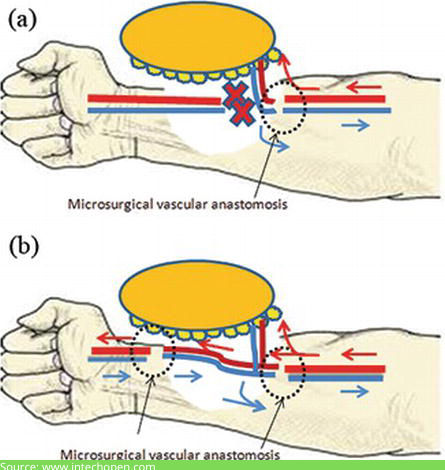In this procedure, the blood vessels transporting blood to and from the flap tissue being used are severed and then rejoined to a different source of blood supply (at the recipient site) such that the defect is covered with a healthy living flap, using microsurgery. Microvascular surgery involves stitching two tiny blood vessels together under magnification, often using a microscope so that blood flows smoothly from one vessel to another. ## **What are the indications of free flap surgery?** - Patients who have been diagnosed with **head and neck cancer** are frequently treated with surgery. Tumors in the throat and mouth that are removed can significantly impair speech and swallowing. - Similarly, removing jaw bone, when involved in cancer impacts the patient’s appearance and function. The leftover woundsare often too extensive, and the tissue taken with the tumor has to be replaced. In such cases, fixing the deficiency with a “free flap” may be a viable alternative to rectify the defect and restore the appearance and function of the affected area. - Free flap surgery is also necessary to cover deep open wounds in [accident victims](https://theplasticsurgeryclinic.co/services/plastic-surgery-and-trauma-treatment-in-mumbai/) and patients with burns. - It is also a viable surgery for rehabilitating and reconstructing congenital (present from birth) defects. - Free flaps are indicated in Diabetic Foot Reconstruction- diabetics have ulcers on their feet commonly. Ulcers are cleaned and dead tissue is removed. Large ulcers are then covered well with free flaps if foot needs to be saved otherwise extensive wounds can land up in leg amputation. - Free flaps are required in old nerve injuries of the limbs of the face to restore function of movement and smile; like in brachial plexus injury and in facial palsy and urinary bladder reconstruction. Dr. Leena Jain, adds that different types of tissues can be transferred to reconstruct various defects with varied tissue components- like replacement of bone for bone, muscle for muscle, fat for fat, and skin for skin. ## **What are the contraindications of free flap surgery?** Any medical condition preventing a prolonged operative procedure. This contraindication is relevant to any significant procedure anywhere on the body. A history of excess bleeding or clotting (coagulopathy)that can result in a hypercoagulable state. Other contraindications include uncontrolled diabetes, cardiac issues, etc. or if the patient is unfit for major surgery. vasculitis, venous insufficiency, and connective tissue disorders, Dr. Leena Jain, among the leading [microsurgeons](https://theplasticsurgeryclinic.co/services/hand-surgery-in-mumbai/) in Mumbai, points out that the patient’s physiologic health is far more essential than their chronological age in establishing the suitability of free flap surgery. ## **What are the merits of free flap surgery?** Like any other Plastic surgery, free flap surgery has both aesthetic and functional benefits. The following are some of the benefits of the free flap procedure: - The coverage provided by the free flap procedure is highly stable and sturdy, with very few risks of flap breaking or being damaged. - The tissue match is excellent and natural in terms of color, contour, etc. - Healthy tissue is used to aid to combat infection, and accelerate healing and coverage of wounds. - Restores functions like the functioning muscles used to smile or move hands and fingers. - Restores tissue losses sustained due to accidents, tumors, infections, burns, developmental deformities, etc. ## **What are the demerits of free flap surgery?** Every surgery comes with its own set of hazards, and free flap surgery is no exception. The following are some of the demerits of the free flap procedure: - Flap failure, which is defined as necrosis or tissue death. - Need for 7 – 10days of hospitalization. - Bulky flaps due to tissue thickness which may need a second surgery to improve contour ### **Conclusion** Going through an accident or an ailment that requires surgery can be painful enough, and if you are left with [deep wounds](https://www.healthline.com/health/open-wound) that are not visually appealing can be disheartening. Furthermore, such deep wounds become a constant reminder of the ordeal you went through. Fortunately, free flap surgery can come to your rescue due to advancements in the medical field. The success rate of free tissue or flap surgery has been steadily improving, with most recent studies reporting a rate of 90% – 95%. If you are considering getting free flap surgery, please [contact](https://theplasticsurgeryclinic.co/contact/) Dr. Leena Jain, a top-notch plastic surgeon in Mumbai. Dr. Leena Jain believes everyone has the right to feel comfortable in their skin. She keeps herself, and her plastic surgery clinic in Mumbai updated on reconstructive and microvascular surgery so she can help improve the quality of her patients’ lives. ### Submit a Comment Your email address will not be published. Required fields are marked \* Comment \* Name Email Website **Categories:** Blog --- ### [Replantation/Revascularization](https://theplasticsurgeryclinic.co/blogs/replantation-revascularization/) **Published:** May 11, 2022 **Author:** Dr. Leena Jain **Content:** # Replantation/Revascularization May 11, 2022  The goal of replantation (commonly known as re-implantation or re-attachment surgery) after traumatic amputation is successful attachment and restoration of circulation in the severed body part thereby restoring its form and function. The severed body part when replanted, the restored circulation will facilitate healing of all severed tissues including bony union, tendon healing and nerve regeneration resulting in a sensate, painless, normal looking and usable body part. ## Scope: With advent and advancement in microsurgical techniques, successful replantations of even terminal part of fingers is now a reality. Replantation of amputated parts can be done for amputated fingers, hands, forearms, feet, amputated ears, avulsed scalp injuries, an amputated face, amputated lips, amputated penis and even in an amputated tongue. ## Cause of Amputations: These injuries can arise from multiple potential etiologies including trauma (often industrial), machine injuries, assault or even self-mutilation. We will focus on finger and upper extremity replantation here since they are much more common than other amputations. ### **Indications:** The indications and contraindications are not absolute, and the decision for replantation is best made by the patient and physician after a discussion of the potential outcome, benefits, risks, possible complications and available alternatives to the replantation. This discussion is very dependent on the [surgeons](https://theplasticsurgeryclinic.co/) judgement of the potential outcome in a given patient which at times can be best done in the operation theatre under good light and magnification. If the patient does not want to undergo replantations, then the surgeon will discuss other treatment options to heal the wound. **Indications:** - Any level of upper limb amputation/s - Lower limb amputation at any level below the knee - Scalp avulsion- where the entire hair bearing scalp is pulled off from the head - Penis amputation - Ear/ tongue amputation **Contraindications:** When is a patient not a good candidate for replantation- - Medical co-morbidities that can affect anesthesia and long surgery - Life threatening injuries - Refusal to accept blood transfusions or blood products ### Decision making in replantations: The following factors need to be considered: - History about time since injury, mode of amputation, other injuries and transport of amputated part to the hospital. - Physical examination: An examination of the amputated part(s) and of course the affected limb is required to understand the extent of injury and potential for success and useful functional outcome. - Medical co-morbidities - Occupation - Hand dominance: in case of hand or finger amputations An examination of the amputated part(s) and of course the affected limb is required to understand the extent of injury and potential for success and useful functional outcome. The feasibility of replantation may not be certain on gross inspection and may not be apparent until after surgical dissection intraoperatively. A radiographic evaluation is invaluable for the assessment of the extent of bone injury and or loss of bone. ## Surgical Procedure: The amputated part is aseptically prepped and surgically exposed/tagged under loupe magnification. The following are the steps involved in replantations surgery: - Identification of cut structures in the amputated part and the body. - Bone shortening and fixation - Flexor tendon/muscle repair. - Extensor tendon/muscle repair - Nerve repair. - Arterial repair (with vein grafts if necessary). - Venous repair (with vein grafts if necessary). - Skin grafting or local flap if necessary. - Microvascular free tissue transfer/ free flap if necessary - Bone fixation: shortening is done so the cut structures can be got together easily for repair. - Fixation is done wither using wires, internal plates or external fixation system. - Tendon repair: tendons in front and back of the hand need to be repaired to get movements of the attached finger. - Nerve repair: nerve ends are freshened and repaired under microscope. - Arterial repair: this is the most important step in a replant surgery. The cut ends of artery are joined with sutures and once this is complete, the finger or hand should become pink which is sign of restoration of circulation. - Veins on the back of the hands or finger are then joined. - Skin closure is completed. - Plaster is applied ### Post surgery Case: Patients are monitored for perfusion disturbances in the replanted part. Monitoring is performed by the nursing staff and microsurgical team. Any change in perfusion is addressed according to the etiology of the disturbance. Treatment may be as simple as removal of restrictive dressings or repositioning a patient to promote venous drainage. Medical management of perfusion with anti-coagulants can be changed according to the patient’s response, especially with medicinal leeches and heparin. Operative re-exploration may be required at times. During hospitalization, consultation with an occupational therapist is initiated. [Post-operative therapy ](https://www.healthline.com/health/postoperative-care)is critical to success, and a patient that does not put full effort into this rehabilitation is very likely to do poorly. Therapy is continued with an outpatient program after discharge **Duration of hospital stay:** 8-10 days **Rehabilitation:** Once there are signs of bony union after 4-6 weeks, therapy is begun to restore movements at all joints. ### Conclusion: Replantations is the most gratifying surgery in Microsurgery. When you save a patient’s life, you keep him alive… When you save a patient’s limb, you help him survive ### Submit a Comment Your email address will not be published. Required fields are marked \* Comment \* Name Email Website **Categories:** Blog --- ### [Skin Grafting](https://theplasticsurgeryclinic.co/blogs/skin-grafting/) **Published:** May 2, 2022 **Author:** Dr. Leena Jain **Content:** # Skin Grafting May 2, 2022  Skin grafting refers to the transfer of skin from one part of the body to the other to cover raw areas in the body. Through this procedure, the defect in the skin is reconstructed irrespective of the reason for the defect The skin is the largest organ of the body and comprises two layers. However, a skin graft is a segment of skin comprising of epidermis and variable part of the dermis which is elevated and separated from its blood supply. - **Epidermis:** It is a protective outer layer of the body. Epidermis protects the body from infection, trauma and dehydration. - **Dermis** – It is a tissue located below the epidermis that contains living cells such as sweat glands, hair follicles, nerve endings, and blood vessels. ## Types of skin grafts – The thickness of the dermis determines the type of skin graft, viz. ## **Split-thickness skin graft:** A split-thickness skin graft (STSG) consists of the entire epidermis and a varying portion of dermis. These grafts do not contain hair follicles, sebaceous glands, and sweat glands. The outcome of a split-thickness skin graft is usually dry and hairless. A split-thickness skin graft is further divided based on its dermal thickness: - Thin – 0.008- to 0.012-mm - Medium – 0.012- to 0.018-mm - Thick – 0.018- to 0.030-mm ## **Full-thickness skin graft** – A full-thickness skin graft includes the epidermis and entire dermis. It is similar to normal skin, especially in terms of color match, texture and scope for hair growth. ### **Indications of skin graft** Skin grafting is the most common form of Reconstructive Surgery performed for decades. Grafts are required to cover a wound that cannot be closed with sutures and leaving it alone would take a long time to heal or may likely cause the development of scar contractures. Also, skin grafting is done to cover wounds that do not have exposed bare bone, bare cartilage, or open joints; neither is it the first choice to cover wounds in cosmetically important areas like the face and functionally important areas like hands. **The most common injuries suitable for skin graft are –** - Post-traumatic defects/ raw areas - Post infective raw areas - Primary Burns or residual post burn raw area - Diabetic foot ulcers - Vitiligo to add pigment in the white patches - In any other procedure where there is likely to be skin shortage like syndactyly release. ## **Split-thickness skin graft** A split-thickness skin graft is preferred when the cosmetic appearance of the wound is unimportant. Also, the wound is relatively large and or infective, wherein the use of a full-thickness skin graft is not recommended. **Use of Split-thickness skin graft** - To cover acute and chronic cutaneous ulcers cover post-traumatic raw areas - To cover sites that require observation for tumour recurrence - To cover white patches in depigmenting disorders - To line orbital cavities following orbital exenteration surgeries - To cover post burn raw areas to speed the healing process and reduce the loss of fluid **Use of Full-thickness skin graft** - To cover and restore skin in cosmetically important areas like the face where color and texture match is essential like infra-orbital area, temple area - To cover raw areas post-surgical release of joined fingers and following contracture releases like eyelid contracture, finger contracture, etc. - To surgically correct the depigmentation conditions through punch grafting - To facilitate punch grafting( hair transplantation) and mini grafting ### **Contraindications of skin graft** Contraindications of skin graft depend upon location, nature of the wound and type of skin graft. Contraindications to the use of Split Thickness Skin Graft are - A good cosmesis is required at the affected area - Durability - Ensure functionality of the area Contraindications to the use of Full-Thickness Skin Graft are - Poor vascular supply - High risk of graft necrosis - Infected and/or large wound ### **Procedure for a split-thickness skin graft** Skin grafting surgery is done under local/ regional/general anaesthesia depending on the location f defect and size.., Donor site for a split-thickness graft is usually the inner or outer thigh or buttock. For large aw areas, the entire thigh skin is harvested to cover the raw area. Raw area is prepared by scooping to remove and unhealthy tissue or infective material, washed and all bleeding is controlled. The graft is then spread on the raw area and anchored with staples or sutures. Meanwhile, a sterile dressing covers the dressing site for 3 to 5 days and plaster is given to aid in immobilizing the grafted area. ### **Procedure for a full-thickness skin graft** Donor site is usually the back of the ear for graft on the face and neck; for grafts below the neck, full-thickness graft is taken from the groin crease or other concealed areas. A gauze template is taken of the defect and placed onto the donor site. An appropriate size donor graft is marked and removed from the donor site. Donor site is prepared. Graft is placed and anchored with sutures. The[ surgeon](https://theplasticsurgeryclinic.co/) takes care to place the graft in apposition to the wound bed avoiding any shearing forces and minimizing any chances of graft failureGraft dressing is done after 7-8 days. Donor site is closed with sutures. **Post–operations care** - Few days of hospital stay recommended for proper healing of the graft as well as the donor site - Issues in graft or recovery on account of infection, collection of blood or fluid under the graft, smoking, and improper blood supply to the graft area. - General Instructions for proper healing of the graft - Keep the bandage dry and clean at all times. ##### **Complications** Graft loss is the most important complication that can occur, however, if the wound is prepared well for grafting then loss is unusual. **Post graft care:** Dressings are usually out by the 15-18 days post [grafting](https://my.clevelandclinic.org/health/treatments/21647-skin-graft). The patient is then asked to apply a moisturizer to the graft twice a day for about 2-3months to make it feel and look like natural skin. ### Submit a Comment Your email address will not be published. Required fields are marked \* Comment \* Name Email Website **Categories:** Blog --- ### [Sternal Wound Infection](https://theplasticsurgeryclinic.co/blogs/sternal-wound-infection/) **Published:** August 23, 2024 **Author:** Dr. Leena Jain **Content:** # Sternal Wound Infection Aug 23, 2024 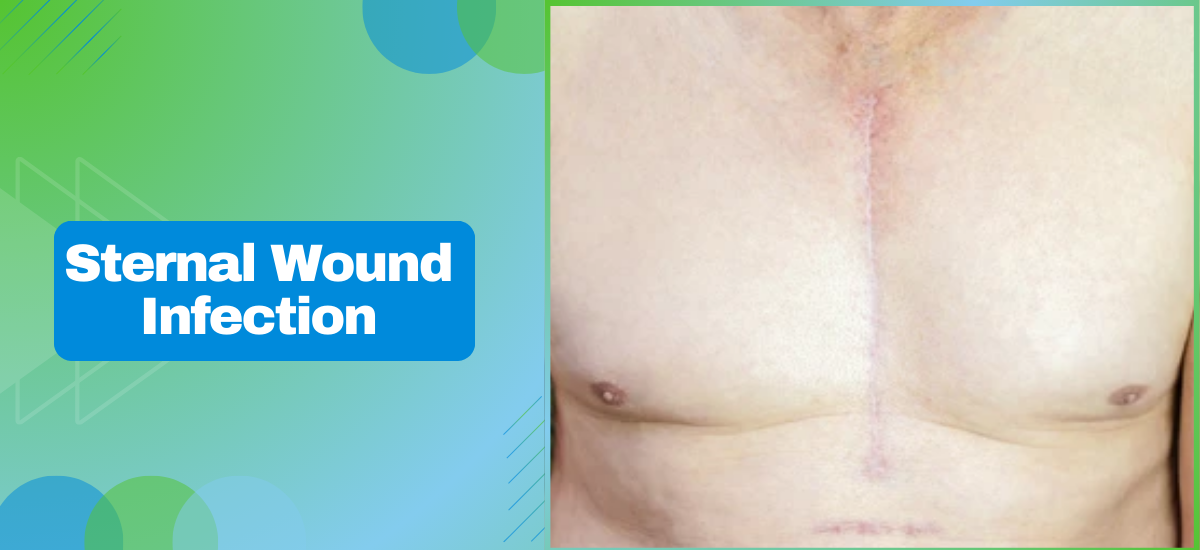 The sternal region, located at the center of the chest, plays a crucial role in chest stability and protection of vital organs such as the heart and lungs. “The sternum or breastbone and its surrounding structures are critical for the structural integrity of the chest. It is an anchor point for several major muscles involved in breathing and upper body movement. Issues in the sternal region can significantly impact daily life, particularly when faced with complications like Sternal Wound Infection (SWI).” says [Dr. Leena Jain](https://theplasticsurgeryclinic.co/about-us/), a renowned plastic surgeon in Mumbai. Dr. Leena Jain offers advanced treatments for SWI, ensuring comprehensive care and optimal recovery. Her expertise in innovative surgical approaches helps patients regain function and reduce the risk of further complications. ***Did You Know?*** *High Risk with Heart Surgery: Up to 5% of heart surgery patients may develop a sternal wound infection.* ***Are you concerned about a potential SWI or looking for preventive guidance?* *Reach out* *to your healthcare provider today to ensure your post-surgical recovery is on track.*** [Reach Us](https://theplasticsurgeryclinic.co/contact/) *Let’s dive into the details.* ## What is a sternal wound infection? SWI is a severe complication that can occur along the sternum (breastbone) after chest surgeries, such as open-heart surgery. This infection can develop when bacteria invade the surgical site, leading to inflammation and potential complications. Dr. Leena Jain, a proficient[ plastic surgeon in Borivali](https://theplasticsurgeryclinic.co/), adds: “A sternal wound infection impacts the tissue around the sternum. It can vary in severity from superficial infections to deeper, more serious ones affecting the bone, known as osteomyelitis. Effective management is crucial to prevent progression, deeper tissue damage, and other systemic effects.” *How can you tell if it’s more severe than it seems? Let’s find out!* ## Symptoms of deep sternal wound infection Here are the symptoms of deep SWI you should watch out for: - Increased pain around the sternum that worsens over time and does not respond well to usual pain management - Persistent fever along with chills is common, indicating that the body is fighting a severe infection - Redness and swelling around the sternum indicate the infection progression - Purulent discharge of pus or other fluids may begin to drain from the site of the surgery - The sternum may feel unstable or move when touched or when you move or when you breathe, indicating that the infection has affected the bone - A foul odor may emanate from the infection site, indicating a possible bacterial infection.  These symptoms require immediate medical attention to prevent further complications. Mumbai’s trusted Reconstructive Microsurgeon, Dr. Leena Jain, cautions: “Deep sternal wound infection can lead to the breakdown of the surgical incision and the underlying bone. This breakdown weakens the structural integrity of the sternum, resulting in sternal wound dehiscence, which is the separation or instability of the breastbone.” *Let’s dig deeper into why these infections occur.* ## Causes of sternal wound infection  SWIs arise from several factors: - Bacterial contamination which may occur during or after surgery - Poor surgical techniques, such as inadequate sterilization or improper handling during the procedure - A weakened immune system which makes patients more vulnerable to infections - Underlying medical conditions like [diabetes ](https://theplasticsurgeryclinic.co/services/diabetic-ulcer-treatment-in-mumbai/)or obesity which impair wound healing due to poor circulation - Use of medical devices like sternal wires or pacemakers that may harbor bacteria - Insufficient postoperative care and monitoring after surgery which may hamper proper healing These factors highlight the importance of stringent sterile techniques, careful monitoring, and appropriate patient care before and after surgery to minimize the risk of SWIs. *Are you more susceptible to these infections? Let’s consider the risk factors.* ## Risk factors of an infected sternum E Older patients often have a reduced immune response, increasing susceptibility to infections E Diabetes, as high blood sugar levels, can impair the body’s ability to heal E Excess body weight can strain the healing process, particularly in wound closure and immune function E Tobacco use impairs blood flow and wound healing E Prior chest surgeries can leave scar tissue, complicating healing and increasing infection chances E Conditions that weaken the immune system, such as HIV/AIDS or the use of certain medications E Inadequate nutrition can weaken the body’s natural defense mechanisms against infection ***Are you concerned about the risk of developing a sternal infection? Please* *visit* *a health professional for a proper evaluation and treatment plan.*** [Visit Us](https://theplasticsurgeryclinic.co/contact/) *So, what can you do if you find yourself affected?* ## Treatment options Effective management of SWI requires a multidisciplinary approach. It often involves cardiologists, infectious disease specialists, and surgeons to tailor the treatment plan to the individual’s needs. Treatment approaches include: \\ ### Surgical Debridement: Surgical debridement involves removing infected and necrotic (dead) tissue from the wound. Reducing the load of infectious agents is crucial to promote healthier healing conditions. This procedure may need to be repeated to remove all infected material. \\ ### Vacuum-Assisted Closure (VAC) Therapy: VAC is the application of a vacuum dressing to the wound, which uses negative pressure to enhance healing. This therapy helps reduce swelling, removes exudate and infectious materials, and promotes the formation of granulation tissue. This method is often used after debridement to aid in faster wound closure. \\ ### Muscle Flap Reconstruction: Muscle flap reconstruction is the surgical reconstruction of the area using muscle flaps from the patient’s body. Surgeons employ this procedure to cover the defect when the infection has led to significant tissue loss. This not only improves the structural integrity of the chest wall but also enhances blood supply to the area, which is vital for healing. \\ ### Antibiotic Therapy: The administration of antibiotics is the first line of treatment for controlling and eradicating the infection. They can be intravenous (through a vein) or oral, depending on the severity of the infection. The antibiotic type is typically determined by the bacteria identified in cultures taken from the wound. \\ ### Ongoing Wound Care: Proper wound care, dressing change, and regular visits to a healthcare provider are essential to prevent re-infection and monitor the progress of wound healing.  *As we wrap things up, here’s the key takeaway.* ## Conclusion Sternal wound infections, while serious, are easily manageable thanks to advancements in medical technology and the dedication of healthcare professionals. Dr. Leena Jain is deeply committed to improving patient outcomes with innovative treatments and refined [surgical techniques](https://theplasticsurgeryclinic.co/services/limb-reconstruction-surgery-in-mumbai/). Focusing on personalized treatment plans ensures that patients receive comprehensive care, promoting healing and minimizing complications effectively. ## FAQs ##### How do you treat an inflamed sternum? Doctors typically prescribe anti-inflammatory medications to reduce swelling and pain. Rest and avoiding strenuous activities are also crucial to prevent further irritation of the sternum area. In some cases, the doctor may recommend physical therapy to strengthen the surrounding muscles and gently support the healing process. ##### Why does my sternum hurt? Sternum pain can be due to various factors, including: - Physical trauma to the chest - Inflammation of the costosternal joints (costochondritis) - Conditions like SWI, especially following surgery Activities that strain the chest muscles, such as heavy lifting or strenuous exercise, can also lead to discomfort in the sternum area. ##### What are the 4 signs and symptoms of a chest wound? Signs and symptoms of a chest wound can include: - Visible bleeding or discharge from the site - Sharp or stabbing pain that may worsen with breathing or movement - Swelling or bruising around the affected area - In severe cases, difficulty breathing or a sucking sound from the wound when inhaling Immediate medical attention is essential to manage these symptoms and prevent complications. ***Reference*** **Categories:** Blog --- ### [Understanding and Treating Marginal Mandibular Nerve Palsy](https://theplasticsurgeryclinic.co/blogs/understanding-and-treating-marginal-mandibular-nerve-palsy/) **Published:** November 28, 2023 **Author:** Dr. Leena Jain **Content:** # Understanding and Treating Marginal Mandibular Nerve Palsy Nov 28, 2023 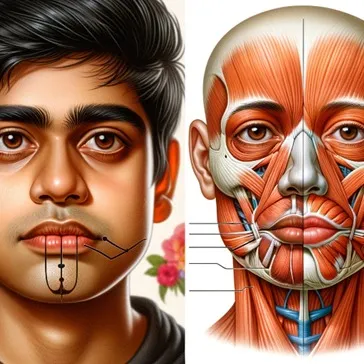 Dr Leena Jain offers Plastic Surgery and Trauma Treatment in Mumbai and is considered one of the best plastic surgeons in Borivali. Many patients approach her for comprehensive advice and treatment on marginal mandibular nerve palsy condition. [Dr Leena Jain](https://theplasticsurgeryclinic.co/about-us) is an expert Hand Reconstructive Microsurgeon and Plastic Surgeons who has helped many patients recover from marginal mandibular nerve injury. Fortunately, plastic surgery resolves most issues related to Marginal mandibular nerve palsy, which she would like to highlight in this blog. To begin with, let us understand ## What is Mandibular Nerve Palsy? Marginal mandibular nerve palsy happens when the nerve that controls your lower face gets hurt or damaged. This can be due to several reasons. Sometimes, it’s because of an injury, like a cut near your jawline. It can also happen after dental surgery because the nerve is close to where dentists work. In rare cases, it can be caused by a virus or a tumor pressing on the nerve. ## Causes of Marginal Mandibular Nerve Palsy A patient affected with marginal mandibular nerve palsy will experience the following - It is hard to move the lower part of your face. - The lower lip might droop, and you may have trouble smiling or frowning. - Speaking clearly becomes a bit hard at times. - Also, if there is only palsy on one side, that side of the lower lip is affected. 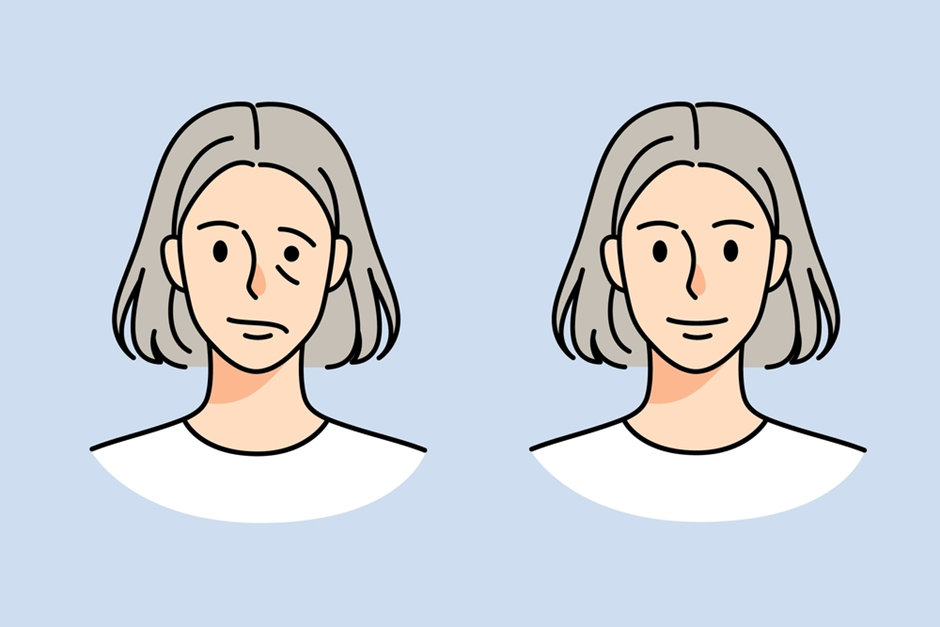## How Is Marginal Mandibular Nerve Palsy Diagnosed? Diagnosis of marginal mandibular nerve palsy condition includes medical examination to - Know more about the symptoms and medical history - Check the face for muscle weakness, especially around the mouth - Request the patient to make different facial expressions to see how the muscles work - An MRI or a CT scan to look at the nerves and muscles in the face ## Treatment Options After an extensive evaluation, we can discuss the role of plastic surgery in treating Marginal mandibular nerve palsy, which includes the following options – 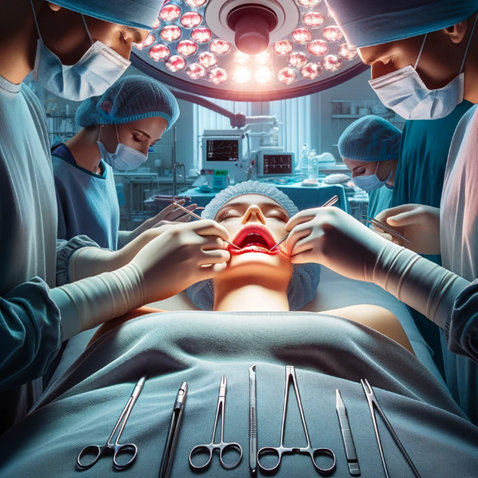1. **Reconnecting Nerves**: If the nerve is severely damaged, a plastic surgeon might perform “nerve repair.” In this surgery, they try to reconnect the damaged parts of the nerve. This helps restore movement to the affected area of the face. 1. **Transferring Nerves or Muscles**: In some cases, surgeons can connect a working nerve or muscle from another body part to the face. This can help make up for the nerve that isn’t working properly. It’s like adding an extra helper to do the job of the damaged nerve. 1. **Improving Symmetry**: Marginal mandibular nerve palsy can cause one side of the lower lip to droop, making the face look uneven. Plastic surgeons can do procedures to make both sides of the face look more balanced. This might not fully restore movement, but it can improve how the face looks at rest. 1. **Botox Injections**: While not a surgical procedure, Botox (a type of muscle-relaxing injection) can sometimes be used by plastic surgeons to balance facial movements. If one side of the face works too hard compared to the side affected by the palsy, Botox can relax these muscles, making the facial movement more even. 1. **Supportive Procedures**: In addition to these main treatments, plastic surgeons might also perform other procedures to support better facial function. This could include surgeries to adjust the lip’s position or improve the ability to close the mouth properly. Considering the apprehensiveness of the patients, let us understand To what extent is marginal mandibular nerve palsy curable? Whether it can be cured entirely depends on what caused it. In many cases, if the cause is temporary, like swelling from a dental procedure, it can improve. But if it’s due to something more serious, like a deep injury, the recovery might not be 100%. Treatment, like physical therapy, can help a lot. Plastic surgery can help patients severely affected by marginal mandibular nerve palsy. But ensure you approach an experienced and well-versed plastic surgeon who has successfully treated Marginal mandibular nerve palsy patients. ## How long does it take to recover from marginal mandibular nerve palsy? The time taken for marginal mandibular nerve recovery varies a great deal. There may be a noticeable improvement in a few weeks or months if it’s a mild case. But more serious cases can take longer, maybe even a year or more. It really depends on how severe the damage to the nerve is and what’s causing the problem. It’s important to follow the advice of healthcare professionals for the best recovery. ## What are the complications associated with marginal mandibular nerve palsy? Most of the time, this condition gets better without long-term problems. But sometimes, if the nerve damage is severe, you could have lasting trouble with facial movements. This can affect things like speaking and eating. In rare cases, if the condition is left untreated, it could lead to more serious complications. ## What is the difference between marginal mandibular nerve palsy and other facial nerve palsies? Marginal mandibular nerve palsy specifically affects the nerve that controls the lower lip and sometimes the chin area. This means it mainly impacts the ability to move the lower lip, especially when speaking or making facial expressions. Other facial nerve palsies can affect different parts of the face. For example, Bell’s palsy affects one side of your face, not just the lower lip. So, the main difference lies in which parts of the face are affected and how they’re impacted. ## Conclusion In conclusion, Marginal mandibular nerve palsy is a challenging condition but can be managed effectively with the help of an experienced plastic surgeon who has successfully treated similar patients. Besides Borivali, Dr Leena Jain is a practising plastic surgeon in Bandra at the Lilavati Hospital. The techniques used, ranging from nerve repair to muscle transfers, are tailored to each individual’s needs, aiming to restore as much function and symmetry to the face as possible. It’s essential for anyone experiencing symptoms to seek medical advice, as early intervention can make a significant difference. Remember, treatment aims to improve physical appearance and enhance overall quality of life and confidence. With the right care and treatment, many individuals with Marginal mandibular nerve palsy can expect positive outcomes. Reference: [https://en.wikipedia.org/wiki/Marginal\_mandibular\_branch\_of\_the\_facial\_nerve](https://en.wikipedia.org/wiki/Marginal_mandibular_branch_of_the_facial_nerve) https://emedicine.medscape.com/article/1290547-overview **Categories:** Blog --- ### [6 Weeks After Flexor Tendon Surgery](https://theplasticsurgeryclinic.co/blogs/6-weeks-after-flexor-tendon-surgery/) **Published:** June 3, 2024 **Author:** Dr. Leena Jain **Content:** # 6 Weeks After Flexor Tendon Surgery Jun 3, 2024 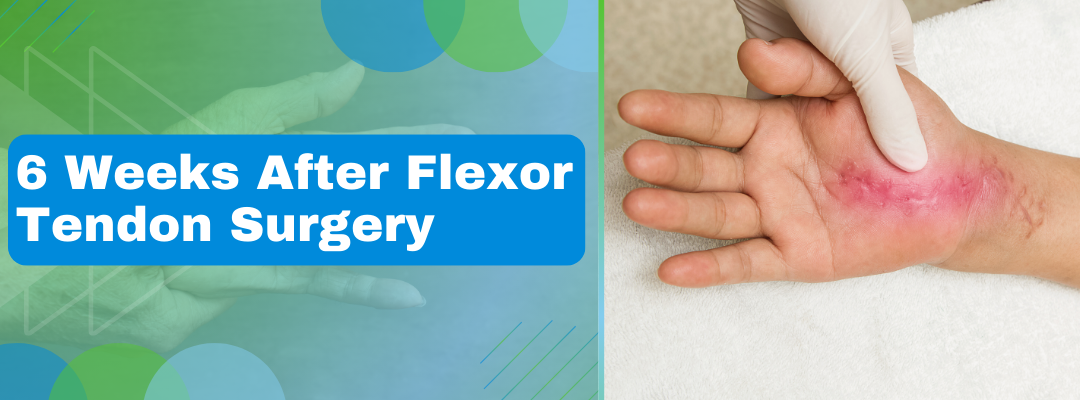 Flexor tendon surgery recovery is a gradual process that demands patience and strict adherence to post-operative instructions. The 6 weeks after flexor tendon surgery phase is important as it significantly influences the long-term outcomes of the surgery. Flexor tendons are essential for the bending and gripping functions of the fingers and thumb. It requires careful management to regain proper functionality. In this blog, we will discuss what individuals can typically expect 6 weeks after undergoing flexor tendon surgery. We will examine the general healing process, activities to avoid, strategies for managing pain and swelling, and advice on when to consult a doctor. Such a delicate recovery process should be overlooked by an expert, like Dr. Leena Jain, a prominent [plastic surgeon in Borivali](https://theplasticsurgeryclinic.co/). She brings over years of experience and specializes in [hand surgery](https://theplasticsurgeryclinic.co/services/hand-surgery-in-mumbai/), reconstructive microsurgery, and trauma reconstruction among many others. If you need better insights on your surgery, book a consultation today. [Book an Appointment](https://theplasticsurgeryclinic.co/contact/) *But, what exactly changes at this 6-week mark? Let’s dive into the details.* ## What to Expect 6 Weeks After Flexor Tendon Surgery? As you approach the six-week mark after flexor tendon repair, you may notice a decrease in pain and an improvement in finger mobility. Yet, the tendon is still in the healing phase, and finger strength remains limited. It’s crucial during this period to follow all guidelines provided by your doctor to achieve the best recovery outcome. Rehabilitation at this stage usually includes doing more exercises designed to gently stretch the tendon and enhance your hand movement. These exercises are vital and must be performed carefully; overextending the tendon can cause setbacks. The aim is to gradually restore flexibility without placing much stress on the healing tendon. *Wondering how you can manage certain side effects? Here’s what you need to know.* ## Manage Pain and Swelling 6 Weeks After Flexor Tendon Surgery  Pain and swelling are typical symptoms following flexor tendon operation but should begin to subside by the six-week mark. [Dr. Leena Jain](https://theplasticsurgeryclinic.co/about-us/) suggests these effective strategies to manage symptoms: - Elevating the hand above heart level as often as possible. - Continuing with prescribed hand therapy and exercises to improve blood flow and reduce stiffness. *Want to know how the recovery process advances? Take a look below.* ## Healing Process 6 Weeks After Flexor Tendon Surgery You should know that the flexor or finger tendon repair process is intricate, occurring in several stages. Initially, the tendon goes through an inflammatory phase, which is followed by proliferative and remodeling phases. At six weeks, the tendon transitions from the proliferative phase, during which the tendon fibers start to rebuild. Then it moves to the remodeling phase, where the tendon strengthens and aligns correctly. During this period, your discipline toward prescribed physical therapy is crucial. The exercises and activities recommended by therapists aim to prevent scar tissue formation, which can restrict movement and lead to a condition known as tendon adhesion. Why do the guesswork when an expert can assist you in your recovery process? Consult Dr. Leena Jain, one of the best plastic surgeon in Borivali by Book an appointment now! [Book an appointment](https://theplasticsurgeryclinic.co/contact/) *A lot of people 6 weeks after flexor tendon surgery try to manage their recovery through their own methods. Don’t be among them as it can falter the long-term outcome. Learn what you should avoid doing.* ## Activities to Avoid 6 Weeks After Flexor Tendon Surgery  While certain movements are essential for recovery, specific activities should be avoided to prevent re-injury. These include: - Lifting heavy objects. - Gripping or twisting motions that strain the tendon. - Any sudden or jerking movements with the hand. - Using the affected hand in high-impact activities or unprotected situations. *When should you be concerned?* ## When to Consult a Doctor While some discomfort and swelling are normal, certain symptoms necessitate immediate consultation with a healthcare provider. These include: - Increased pain or swelling that does not improve with standard care. - Signs of infection such as redness, warmth, or unusual discharge. - Sudden loss of mobility or increased stiffness in the fingers. - Any numbness or tingling in the hand or fingers. Intervention from a hand surgery expert can prevent complications, book an appointment today. [Get in Touch](https://theplasticsurgeryclinic.co/contact/) ## Conclusion Reaching 6 weeks after flexor tendon surgery is a crucial phase in the recovery timeline. With proper care, most individuals can expect gradual improvement in hand function. Also, remember complete healing may take several months. Following your surgeon’s advice, engaging in prescribed rehabilitation exercises, and being aware of the process are the keys to a successful recovery. Dr. Leena Jain, an esteemed plastic surgeon in Borivali, Mumbai specializes in flexor tendon procedures and brings a wealth of expertise and experience to ensure patients receive the highest standard of care. *Have more doubts? Here are some FAQs below.* ## FAQs **How long does it take for a flexor tendon to heal after surgery?** A damaged flexor tendon can take up to 12 weeks for initial recovery, with complete healing and strength restoration potentially taking another couple of months. The timeline for healing can vary depending on the extent of the injury, the type of surgical repair, and individual factors such as overall health and compliance with rehabilitation protocols. **How long does swelling last after flexor tendon surgery?** Swelling typically peaks in the first few weeks post-surgery and should gradually decrease thereafter with proper care and rehabilitation. **When can I resume work or sports activities after flexor tendon surgery?** The timeline for returning to work or sports depends on the activity and your recovery. Typically, light activities can be resumed as guided by your doctor, with full activities gradually reintroduced as strength and flexibility return. Reference link **Categories:** Blog --- ### [Fat Grafting for Breast](https://theplasticsurgeryclinic.co/blogs/fat-grafting-for-breast/) **Published:** November 23, 2024 **Author:** Dr. Leena Jain **Content:** # Fat Grafting for Breast Nov 23, 2024 When it comes to enhancing breast size or shape, many women seek natural and safe options. One emerging technique is fat grafting, also known as fat transfer, which uses the body’s own fat to enhance breast size. Dr. Leena Jain, a prominent[ plastic surgeon in Borivali](https://theplasticsurgeryclinic.co/), Mumbai, offers this advanced procedure to patients seeking a natural look and feel. Dr. Leena Jain says, “Fat grafting involves harvesting fat from areas like the abdomen or thighs and carefully injecting it into the breasts. This method offers a more natural appearance, as the fat integrates seamlessly with the existing tissue. It’s ideal for those looking for subtle enhancement without implants.” Let’s dive into the details of this fascinating procedure that is transforming lives. ### Types of Fat Grafting for Breast  Fat grafting for[ breasts](https://theplasticsurgeryclinic.co/services/breast-surgery-in-mumbai/) isn’t a one-size-fits-all approach. An experienced plastic surgeon may use various techniques depending on individual needs. - **Primary Breast Augmentation**: In this method, fat is transferred to increase breast size without implants. It’s ideal for women seeking subtle, natural-looking enhancement. - **Post-Implant Revision**: Fat grafting can help refine and smooth out areas after a breast implant, creating a more even contour. - **Breast Reconstruction**: Fat grafting offers a natural way to restore breast volume and shape after mastectomy or lumpectomy. Each technique has unique advantages, and your surgeon will recommend the one that aligns with your goals. Are you looking for a safe and natural way to improve your breast shape? Consult an experienced plastic surgeon to learn about the possibilities of fat grafting. [Book an appointment](https://theplasticsurgeryclinic.co/contact/) Curious about how much fat can be transferred? Let’s explore the limits. ### What Amount of Fat Can You Safely Transfer to the Breasts? When it comes to fat transfer, the amount that can be safely grafted to the breasts depends on several factors.  [Dr. Leena Jain](https://theplasticsurgeryclinic.co/about-us/), a highly-skilled plastic reconstructive micro surgeon, explains, “Typically, surgeons transfer 200-400cc of fat per breast. However, the amount varies based on the individual’s body fat reserves and the breast tissue’s capacity to accept the fat. It’s essential to understand that not all the fat transferred will survive. Usually, about 60-70% of the fat survives while the body naturally absorbs the rest. Some women may require multiple fat grafting sessions to achieve the desired results.” Dr. Leena Jain is among the preferred specialists for people seeking a reliable[ plastic surgeon](https://theplasticsurgeryclinic.co/services/plastic-surgery-and-trauma-treatment-in-mumbai/) in Borivali, Mumbai. Ready to learn why women are choosing fat grafting? The benefits are hard to overlook. ### Benefits of Fat Grafting for Breasts Fat transfer for breast offers numerous advantages over traditional breast augmentation methods. Here’s why more women are considering it:  - **Natural Look and Feel**: Because the fat comes from your own body, the results look and feel more natural than those of implants. - **Minimal Scarring**: Fat grafting requires only tiny incisions for fat injection, so minimal scarring is involved. - **Dual Benefit**: You get fuller breasts and experience fat reduction in areas like the abdomen, thighs, or flanks. - **No Risk of Implant Related Complications**: Fat grafting poses no risk of rupture, infection or capsular contracture, a condition in which scar tissue forms around an implant. These benefits make fat grafting an attractive option for women seeking a subtle yet effective enhancement. Are you curious about fat grafting for a more natural breast enhancement? Speak with a reliable plastic surgeon to learn how this procedure can benefit you. [Book an appointment](https://theplasticsurgeryclinic.co/contact/) Let’s break the procedure down step by step. ### Fat Grafting Procedure for Breasts The breast fat transfer procedure typically involves three stages: - **Liposuction**: The surgeon harvests fat from areas like the abdomen, thighs, or hips. The procedure is minimally invasive, and the fat is carefully collected to preserve its quality.  - **Sedimentation**: this helps to remove all the blood and saline from the suctioned out fat and makes it more refined and ready for grafting. - **Injection**: The surgeon meticulously injects the purified fat into the breasts in small, controlled amounts. This ensures an even distribution for a natural look. The procedure is generally performed under general anesthesia . The entire process takes a few hours, depending on the amount of fat being transferred. If its for limited fat grafting like only enhancement of cleavage then it can be done under local anaesthesia with sedation. What can you expect during recovery? Let’s find out. ### Breast Fat Grafting Recovery stages The stages of fat transfer to breast recovery vary, but most patients experience similar stages of healing: - **First Few Days**: Swelling, bruising, and discomfort are common, particularly at the liposuction and injection sites. Pain is usually mild to moderate, which you can manage with prescribed medication. - **First Week**: By the end of the first week, most swelling starts to subside, and patients can typically return to light activities. Compression garments are often worn on the liposuction areas to minimize swelling. - **First Month**: Around 4-6 weeks post-surgery, swelling reduces significantly, and the new breast shape becomes more apparent. - **Final Results**: Full results may take up to 3-6 months, as it takes time for the fat to fully settle and integrate into the breast tissue. Following the aftercare instructions provided by your surgeon is crucial to ensure the best results. ### Conclusion Fat grafting for breasts offers a natural, versatile solution for those looking to enhance their bust. Whether it’s for primary augmentation, post-implant refinement, or breast reconstruction, this procedure has proven to be a safe and effective option. As [Dr. Leena Jain](https://theplasticsurgeryclinic.co/about-us/), a seasoned Plastic Surgeon in Borivali, Mumbai, notes: “Fat grafting is not just about enhancing size but also about achieving a natural, harmonious look that complements your[ body’s contours](https://theplasticsurgeryclinic.co/services/tummy-tuck-surgery-in-mumbai/). It provides a subtle yet effective solution for women seeking a more organic enhancement without the need for implants. The use of your own fat ensures a personalized and smooth result.” Are you thinking about enhancing your breasts naturally? Consult a trusted plastic surgeon to explore if fat grafting is the right option for you. [Book an appointment](https://theplasticsurgeryclinic.co/contact/) Let’s dive into some of the most common FAQs to clear up any lingering doubts. ## FAQs ##### How long does fat transfer last in breasts? Fat transfer results are generally long-lasting, depending on how much fat survives after the procedure. Typically, 60-70% of the transferred fat will remain permanently while the body reabsorbs the rest. With proper care and stable weight maintenance, the results can last many years. ##### Is breast fat grafting painful? Most patients report that fat grafting is not overly painful. You may feel soreness and discomfort, particularly in the liposuction areas, but you can easily manage it with pain relief medication. The pain typically subsides within a week. ##### Do fat-transfer breasts feel natural? Yes, fat-transfer breasts feel incredibly natural because they are enhanced with your own fat tissue. There are no foreign materials involved, giving them a soft and natural texture that is indistinguishable from normal breast tissue. ##### How long does the fat grafting procedure take? The entire fat grafting procedure typically takes 3 to 4 hours, depending on the amount of fat being harvested and the complexity of the transfer. This includes liposuction, fat purification, and fat injection into the breasts. ##### Will I lose sensation in my breasts after fat grafting? Most patients maintain normal sensation in their breasts after fat grafting. While temporary numbness may occur due to swelling, sensation returns as the area heals. **Reference Links:** **Disclaimer**: The information shared in this content is for educational purposes only and not for promotional use. **Categories:** Blog --- ### [Lobuloplasty - Reconstructing The Earlobe](https://theplasticsurgeryclinic.co/blogs/lobuloplasty-reconstructing-the-earlobe/) **Published:** February 5, 2023 **Author:** Dr. Leena Jain **Content:** # Lobuloplasty – Reconstructing The Earlobe Feb 5, 2023 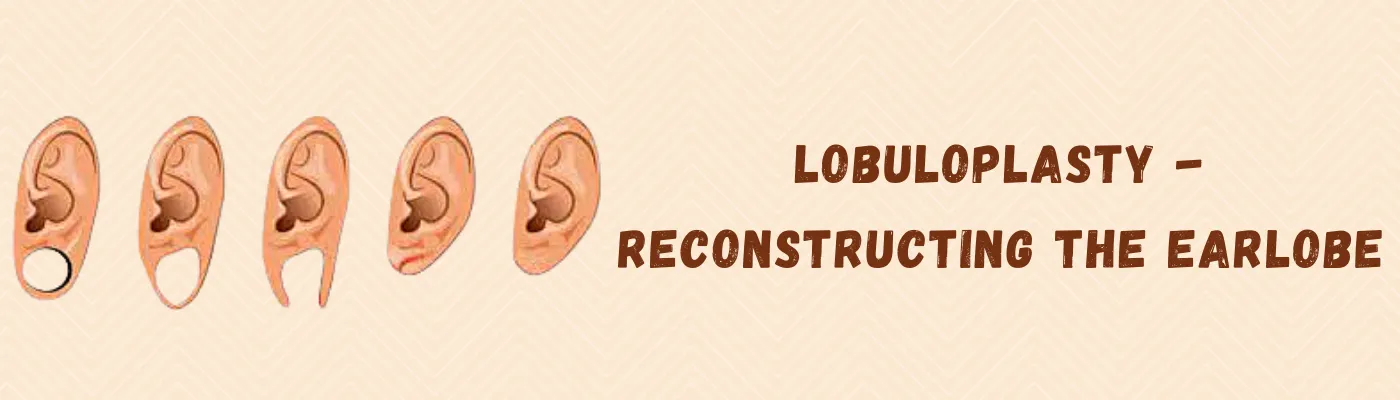 A lot of people tear their earlobes because their earrings are too heavy or hang too low. These tears can go completely through your earlobe and cause split earlobes, or they can only go partway, stretching out the earlobes and causing droopy earrings. Every body part, including the ears, changes as a person ages, but a little nip and tuck can help get them back in shape, says Dr. Leena Jain, a well-known [plastic surgeon in Borivali.](https://theplasticsurgeryclinic.co/) Most repairs are easy and inexpensive, which is good news. Lobuloplasty simply means earlobe repair or reconstruction surgery, a surgical procedure to fix an enlarged or torn earlobe. Read on to understand more about earlobe and ear lobule repair. The earlobe is a part of your facial structure with strong cultural and aesthetic significance. It is especially important because, in many regions of the world, males and females get it pierced so they can wear earrings. Round long ear lobes are a sign of prosperity. Our earlobe is made up of skin and fat. It does not have thick cartilage like the remaining portion of the ear. So, it is easy to pierce and make a hole in an earlobe. Where the earlobe is pierced, that part becomes the weakest part and all tears go through it rendering it unsightly to wear earrings. Once the hole is elongated it does not go back to its original shape. ## What are the different problems that can occur to the ear lobe? 1. Earlobe hole elongation: occurs due to damage caused by heavy earrings or other jewellery. Sometimes it is because someone (usually a child) pulls on the earlobe or earring. 1. Ear lobe injury: In rare cases, the damage may be caused by your earring getting stuck in some material, like a curtain or dress causing single or multiple cuts to the ear lobe and distorting it. 1. Ear lobe loss: bite injuries are also not unusual as in fights where the ear lobe maybe bitten off causing partial or complete loss of ear lobe. 1. Ear lobe clefts: this is a congenital issue (deformity present from birth), wherein there is a split of the ear lobe called a cleft of ear lobe and lobe is smaller than the normal side. This may affect one or both the ear lobes. If you or a loved one has a damaged earlobe, please visit the highly-skilled [plastic surgeon](https://theplasticsurgeryclinic.co/services/plastic-surgery-and-trauma-treatment-in-mumbai/) in Mumbai, Dr. Leena Jain, to fix the ruptured part and restore its previous appearance. ## **What are the ear lobe surgeries?** ### **A. Ear lobe repair or Auroplasty** An earlobe repair may be required in 2 scenarios: **a.Partial ear lobe split** Ear lobe hole elongation repair in young females: recurrence of elongation of the hole after an initial repair is quite common; more so in younger females once they get back to wearing heavy earrings. In the age group ear lobe repair is done with a cartilage graft taken from back of the ear to provide strength to the repair. A small round disc of cartilage of 5-8mm is taken and inserted between the two layers of ear lobe thought the elongated hole/split. Then the split ends are sutured in front and behind covering the cartilage and repairing the split. A future piercing is done through the cartilage as cartilage will not elongate like skin with heavy earrings and the chance of recurrence is minimised. Ear lobe repair in elderly: here the split ear lobe is sutured in front and behind after making the edges raw. Patients are instructed to wear only small and light earrings after three months. b. **Complete earlobe split:** Complete split is usually on one side and is caused due to accidental direct local trauma, like pulling your earrings out or earring getting stuck in clothing or curtain. Here ear lobe is repaired ensuring the lower border is reconstructed well giving the lobe a rounded appearance. Often these earlobe tears are fixed with surgery that uses a vasoconstrictor and local anaesthesia. Doctors use sutures to repair splits in the earlobe. This process can take up to an hour or so. Dr. Leena Jain advises her patients that the sutures have to stay in place for a week, after which the accomplished plastic surgeon in Borivali, Mumbai, takes them out at a follow-up appointment if required. ### **B. Ear lobe reconstruction:** This procedure is required when lobe needs to be reconstructed following partial or complete loss of lobe or in a cleft of ear lobe. Here, using tissue of the neck below ear, lobe is reconstructed so that it matches in shape and size with the normal side. The new ear lobe can be pierced after 6-8 weeks. Ear lobe reconstruction is also required in microtia surgery where the ear is completely absent by birth. Post burns of face and neck, when ear lobes get distorted, they need to be reconstructed. ### **C. Ear lobe reduction:** Most of the time, droopy earlobes are a sign of getting older, and by making the earlobes smaller, you can achieve a much younger look. In patients suffering from leprosy, ear lobes become enlarged and called mega lobes. These can be reduced in size by a simple surgery. ## **Recovery post lobuloplasty or ear repair surgery** - Most ear lobe procedures are done a day care surgeries. - Antibiotics are given for 5-7 days. - A water proof dressing is applied after ear lobe surgery, so bathing is not an issue. - Suture removal is done in 7-10 days. - Ear lobe piercing is done only after 3 months to maximise strength of repair and minimise chance of recurrence of elongation. - Follow up is required for scar assessment and future piercing. ### **Conclusion** Our ear is the organ that helps us hear and keep our balance. Its unique shape allows it to take in sound waves and change them into sounds we can understand. We also often tuck our hair behind our ears, making our [earlobes](https://en.wikipedia.org/wiki/Earlobe) visible and a place to adorn a sparkling diamond! Although your earlobes do not serve any essential biological purpose, the fact that they do not have any cartilage increases blood supply in that area which may help keep your ears warm. Furthermore, our earlobes play an important part in making us look attractive, as their softness allows us to wear beautifying pieces of jewellery. And this very softness makes them vulnerable to damage or tear. If you have torn your earlobe, do not worry. Please visit Dr. Leena Jain, an eminent reconstructive microsurgeon in Mumbai, for safe and effective ear repair surgery. ### Submit a Comment Your email address will not be published. Required fields are marked \* Comment \* Name Email Website **Categories:** Blog --- ### [How long does it take to recover from a tummy tuck?](https://theplasticsurgeryclinic.co/blogs/how-long-does-it-take-to-recover-from-a-tummy-tuck/) **Published:** February 21, 2023 **Author:** Dr. Leena Jain **Content:** # How long does it take to recover from a tummy tuck? Feb 21, 2023 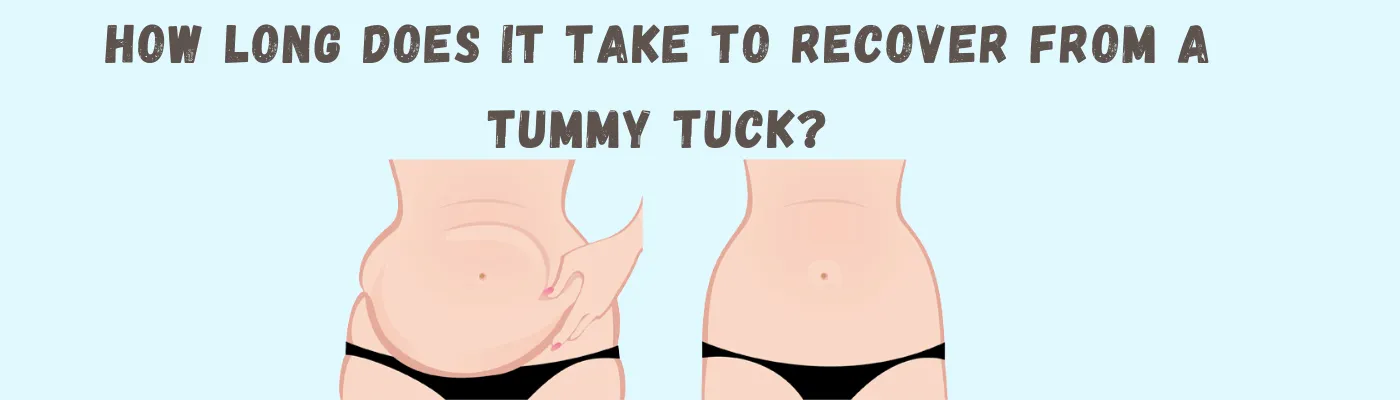 Did you know that the abdominoplasty, or tummy tuck, has been performed since the early 1800s? Globally, it has gained popularity as one of the most common cosmetic procedures. Thankfully, in the last few years, there has been a significant advancement in the methods and equipment used to do modern tummy tucks. Fortunately, the most recent advances in [plastic surgery](https://theplasticsurgeryclinic.co/services/plastic-surgery-and-trauma-treatment-in-mumbai/) allow for even better outcomes, a smoother, faster recovery, with relatively minimal discomfort. Despite the popularity of this procedure, many patients often need to learn what to expect during recovery. Understanding the recovery process and timeline can help make the tummy tuck easier for many patients. According to Dr. Leena Jain, a renowned [plastic surgeon in Bandra, Mumbai,](https://theplasticsurgeryclinic.co/) various tummy tuck procedures are available, each with a different recovery time. The degree of correction required to get the desired results will define the course of your treatment. Additionally, it is crucial to ensure you adhere to your doctor’s recommendations and all aftercare instructions. Although the recovery process may seem complicated, Dr. Leena Jain strives to provide the most remarkable outcomes for your tummy tuck in Mumbai with minimal discomfort. In this article, we will discuss more about [tummy tuck surgery in Mumbai ](https://theplasticsurgeryclinic.co/services/tummy-tuck-surgery-in-mumbai)and its recovery process. ## **Overview of Tummy Tuck Surgery** A tummy tuck is an elective cosmetic procedure. It involves removing excess skin and tightening the abdominal muscles. The best abdominoplasty procedure for you will depend on your specific requirements and the regions you want to change. There are many different types of tummy tuck surgeries that may assist patients in obtaining a flatter, slimmer, and tighter abdomen over the long term. ## **Recovery from Tummy Tuck** The time to recover from a tummy tuck cannot be predicted. There is a basic time schedule, as with any surgical procedure, but individual recoveries depend on a range of factors, including the following: - Age - Overall health - Type of tummy tuck - Postoperative care Your surgeon will review a more detailed recovery schedule after completing the treatment. But typically, people feel normal around the third-fourth week. ## **Why does the type of abdominoplasty matter?** There are various tummy tuck procedures available. You can choose between a “mini” tuck, which only targets a small area in the lower abdomen, and a complete or more thorough “extended tummy tuck.” Your recovery time might be lengthier if your abdominal contouring was more comprehensive. This is particularly true if you want an extensive tummy tuck encompassing the flanks and lower back. ## **What can you expect during a tummy tuck recovery?** The most crucial thing to remember throughout this process is to pay close attention to your surgeon’s instructions. Don’t hesitate to contact your doctor if you have any questions or concerns. According to [Dr. Leena Jain](https://theplasticsurgeryclinic.co/about-us), one of the best tummy tuck surgeon in Mumbai, selecting a board-certified plastic surgeon for your tummy tuck is always advised because they have met stringent training and safety standards that other doctors have not. Your board-certified plastic surgeon can provide recovery guidance and support throughout the recovery process. ### **1. Immediately after the tummy tuck procedure** Your surgeon will cover your abdomen with a surgical dressing after a tummy tuck. Tiny, thin tubes will often be positioned around your incision to remove any accumulated fluid. This is typical and shouldn’t make you feel any worse. For the first few days of recovery, you will need to rest at an angle and be told to move around to help prevent blood clots. ### **2. While you are at home** It is crucial to arrange assistance for at least the first few days after surgery when you are at home as you will need help for food, etc. You won’t be able to drive home and will need assistance for that. You will be up and about and independent in mobility. Once you get home, you could find it challenging to bend, lift, or remain still for a long time. Therefore, having help around the first few days after a tummy tuck can make recovery much simpler. ### **3. Regular maintenance** Most patients receive topical creams to put around the incision site, antibiotics, and anticoagulants for a predetermined period. It is crucial to wear your abdominal support wrap or garment for the prescribed number of hours each day for a minimum of three months to minimize swelling and discomfort as you recover. Smoking and drinking alcohol should be avoided for at least three months after surgery because they can adversely hinder your recovery. ### **4. Returning to regular life** Avoid squatting or picking up children or heavy things for the first few weeks. However, driving, cooking, and shopping are usually manageable after a week or two. For recovery, most people take up to two-four weeks off work. Having ample time off is essential to ensure your recovery is not compromised if you work in a physically demanding job. For the same reasons, you should also refrain from heavy exercising, however, walking can be resumed in 2 weeks time. ### **5. Long-term effects** After a tummy tuck, some people may suffer numbness or a pulling sensation for a few weeks or months, although this is usually common and goes away over time. The swelling and bruising may go away entirely within one -two months. But it might take longer for your scar to fade away. ## **Recovery requires patience.** Your recovery can go more smoothly if you work closely with your plastic surgeon and the surgical team to understand and plan for life after surgery. You can reach your individual aesthetic goals with a tummy tuck. Do everything you can to recover fully from the surgery while keeping in mind to treat your body with kindness. A tummy tuck can help people eliminate the extra skin, fat, and tissue that [liposuction](https://www.medicalnewstoday.com/articles/180450), diet, and exercise cannot remove on their own. When researching and getting ready for your surgery, it is crucial to understand your procedure’s recovery process and aftercare instructions. A board-certified plastic surgeon with extensive experience in body surgeries should be consulted if you are thinking about getting tummy tuck surgery in Mumbai so they can provide you with complete details about the process, risks, and recovery. ### Submit a Comment Your email address will not be published. Required fields are marked \* Comment \* Name Email Website **Categories:** Blog --- ### [Dupuytren’s disease – Causes, Symptoms, and Treatment](https://theplasticsurgeryclinic.co/blogs/dupuytrens-disease-causes-symptoms-and-treatment/) **Published:** July 25, 2022 **Author:** Dr. Leena Jain **Content:** # Dupuytren’s disease – Causes, Symptoms, and Treatment Jul 25, 2022 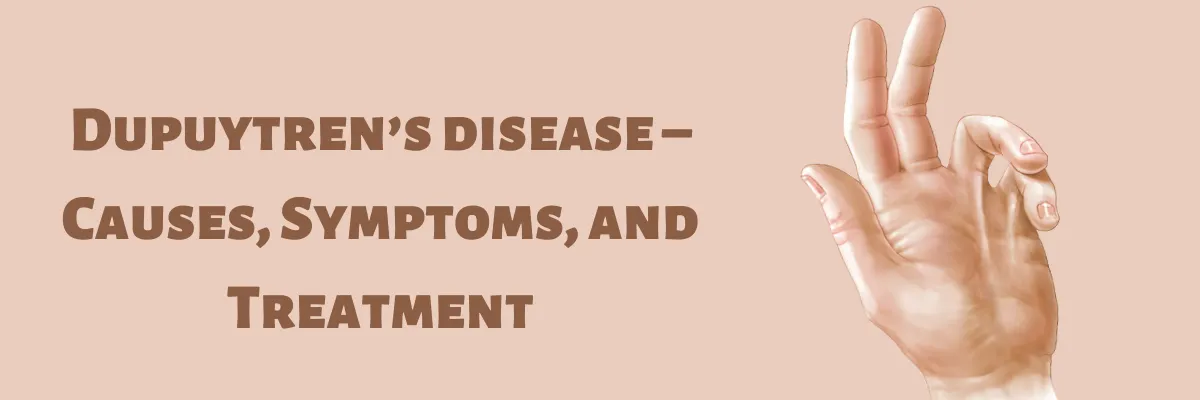 A Finger contracture is a deformity of fingers caused by a tightening of the skin and/or any of the underlying tissues including tendon, ligaments, joint capsule, volar plate, etc. It can be caused by any of the following- injury, infection, inflammation, burns, post-surgery, post fracture, tumor, congenital, developmental, etc. scarring. Contractures can also result from a condition called Dupuytren’s disease where the fascia of the palm and fingers thickens forming cord-like structures pulling the fingers into the palm. Dr. Leena Jain, among the leading [plastic surgeons in Borivali](https://theplasticsurgeryclinic.co/), Mumbai, says that while not painful, Dupuytren’s disease can be quite debilitating, making it difficult to perform everyday tasks such as buttoning a shirt or shaking hands. Dupuytren’s disease, or Dupuytren’s contracture, is a hand deformity that results in the formation of thick, fibrous bands of tissue in the palm that can pull one or more fingers into a bent/ flexed position. The disorder generally develops slowly over the years and is most commonly seen in people over 50. ## **What causes Dupuytren’s disease?** The cause of Dupuytren’s disease is not fully understood, although it is thought to have a genetic component. **Some possible risk factors include:** 1. **Age:** This condition commonly occurs after the person has crossed 50 years. 1. **Gender:** Men are more prone than women to acquire Dupuytren’s disease and develop more severe contractures. 1. **Family history:** Dupuytren’s disease seems to run in families, so there may be a genetic component to the condition. 1. **Exposure to certain chemicals:** People who work with certain chemicals, such as those used in dry cleaning or leather working, may be more likely to develop Dupuytren’s disease. 1. **Diabetes:** [Diabetic ](https://theplasticsurgeryclinic.co/services/diabetic-ulcer-treatment-in-mumbai)people may have a higher risk of getting Dupuytren’s contracture. 1. **Injury to the hand:** An injury to the hand, such as a burn or a cut, may increase the risk of developing Dupuytren’s disease. 1. **Smoking and alcohol abuse:** Smoking is linked to a higher incidence of Dupuytren’s contracture, possibly due to microscopic changes smoking causes in blood vessels. Additionally, drinking alcohol is linked to Dupuytren’s. 1. **Ancestry:** Those of Northern European ancestry are more susceptible to contracting the illness, so much so that it has been dubbed “the Viking disease.” 1. **It is also associated with tuberculosis** 1. **More common in the west/ Caucasians** If you have been noticing stiffening of your fingers lately, please consult with Dr. Leena Jain, a plastic surgeon in Borivali, Mumbai, for an effective solution. **What are the symptoms of Dupuytren’s disease?** Dupuytren’s disease is a condition that affects the connective tissue in the palm and the fingers. **The symptoms of Dupuytren’s disease include:** - A thickening and shortening of the connective tissue in the palm causing bending of ring and little fingers - A palpable lump in the palm - A contracture of the affected fingers, which can limit their range of motion - Tenderness in the affected area and slight pain in some cases - Numbness and tingling in the affected fingers, occasionally These contractures can cause your fingers to bend or curl inwards towards the palm. This condition typically impacts the two fingers furthest from your thumb. The affected fingers may become stiff and difficult to move. In severe cases, the contracture may prevent the [hand](https://theplasticsurgeryclinic.co/services/hand-surgery-in-mumbai/) from opening fully. If you experience any of these symptoms, it is crucial to see a reconstructive surgeon like Dr. Leena Jain to diagnose and treat the condition properly. ## **How is Dupuytren’sdisease diagnosed?** Dupuytren’s disease is diagnosed by a physical examination. A physician will look for the characteristic signs and symptoms of the condition, including thickened and hardened skin on your palm and knots of tissue beneath the skin. If you have a finger contracture, do not hesitate to contact Dr. Leena Jain, an acclaimed reconstructive surgeon in Mumbai, for reliable treatment to prevent the condition from getting worse. ### **What is the treatment for Dupuytren’s disease in Mumbai?** The most effective treatment for Dupuytren’s disease is surgery. The core pathophysiology of Dupuytren’s disease is that all of the usual bands in your palm and fingers turn into taut cords, entangling the nerves and blood vessels and causing your finger to bend. Surgery involves cutting the cord that is causing the deformity while safeguarding the finger nerves and blood vessels. After administering regional or general anesthesia, contracture is released with a zig-zag incision made on skin. The cords are carefully dissected and released from finger nerves and blood vessels to avoid damaging them We prefer to perform this procedure under magnification with a microscope aiding us to meticulously unentangle all the tight cords and adequately straighten the finger while preserving finger nerve and artery. This surgery can be done as a daycare procedure. Following surgery, a splint is applied for roughly 10 days, during which time exercises and physical therapies are started. The recovery of hand function after surgery and post-operative physical therapy is anticipated to be successful over the long term with no recurrence. Dr. Leena Jain, a well-known [plastic ](https://theplasticsurgeryclinic.co/services/plastic-surgery-and-trauma-treatment-in-mumbai/)and microsurgeon surgeon with Plastikos Clinic in Mumbai, says that with timely treatment, most people can improve the full range of motion in their affected fingers and regain the use of their hands. #### **Conclusion** People with [Dupuytren’s disease](https://medlineplus.gov/genetics/condition/dupuytren-contracture/) may have difficulty performing everyday tasks, such as writing, cooking, or opening a door. They may also have trouble holding onto objects or completing a firm handshake. Dr. Leena Jain, a proficient reconstructive plastic surgeon in Mumbai, adds that people affected by this condition can feel highly self-conscious and embarrassed in social situations due to their deformed fingers. The exact cause of Dupuytren’s disease is unknown, though it is thought to be a combination of genetic and environmental factors. Heredity appears to play a role, as the disorder often runs in families. In addition, people who have diabetes and other medical conditions that affect the palms are at increased risk. If you have Dupuytren’s disease, you must meet Mumbai’s hand and reconstructive surgeon, Dr. Leena Jain. ### Submit a Comment Your email address will not be published. Required fields are marked \* Comment \* Name Email Website **Categories:** Blog --- ### [Wrist pain years after carpal tunnel surgery](https://theplasticsurgeryclinic.co/blogs/wrist-pain-years-after-carpal-tunnel-surgery/) **Published:** March 15, 2024 **Author:** Dr. Leena Jain **Content:** # Wrist pain years after carpal tunnel surgery Mar 15, 2024  Experiencing **wrist pain years after carpal tunnel surgery** can be both confusing and concerning. Starting your journey to feel better after **carpal tunnel surgery**, you might expect to leave **wrist pain** behind for good. But sometimes, the pain sticks around, making every day feel like a challenge as you try to handle unexpected soreness. ***Is it normal to feel pain years after the surgery? Let’s find out.* This guide aims to clear up the confusion. It’s about why some people still feel wrist pain years after surgery. It also aims to explain the causes of this pain. It will also outline good strategies for pain management. It will cover lifestyle changes and treatments. Understanding the nuances of wrist pain treatment post-surgery is essential for a pain-free life. Dr. Leena Jain is a renowned [plastic surgeon from Mumbai](https://theplasticsurgeryclinic.co/)**.** She specializes in wrist conditions. In this blog, she shares expert advice on managing pain after carpal tunnel surgery. Dr. Jain’s expertise provides a professional guide to recovery and improved wrist health. **Don’t let wrist pain hold you back any longer. [Schedule a consultation](https://theplasticsurgeryclinic.co/contact/) with our experts today!** ***Even years after surgery, what causes wrist pain to come back? Know more about it!*** ## **Causes of wrist pain years after carpal tunnel surgery** The recurrence of wrist pain after [carpal tunnel surgery](https://en.wikipedia.org/wiki/Carpal_tunnel_surgery%23Postoperative_care) can stem from several factors. Recognizing these causes is the first step toward addressing **wrist pain years after carpal tunnel surgery. - **Scar tissue formation:** Scar tissue can develop around the surgery site, compressing the nerve anew and leading to pain. - **Incomplete nerve release:** Sometimes, the carpal tunnel release is incomplete resulting in continued discomfort. There maybe additional bands which are not released completely or are causing pressure on the nerve. - **Repetitive strain:** Repetitive strain can recall symptoms. It happens when people return to activities with repetitive wrist motions. - **New wrist injuries:** New wrist injuries are more likely to happen after surgery which can cause pain. - **Wrist arthritis:** The development of [arthritis in the wrist](https://www.healthline.com/health/arthritis-wrist) unrelated to the surgery can also manifest as pain in the same area. ***Let’s get to know more about how to manage* wrist pain post carpal tunnel surgery.** ## **Pain evaluation** **The reason of persistent symptoms need to be evaluated with ultrasound or MRI. These modalities can help in identifying the rstructure and site of compression on the nerve if any.** ## **Pain Managemen**t Effective pain management begins with an accurate diagnosis. Non-invasive treatments such as anti-inflammatory medications or corticosteroid injections can offer immediate relief. Incorporating **wrist physical therapy** plays a crucial role in strengthening and increasing the flexibility of the wrist joint, alleviating **pain in the wrist joint**. **Not sure if your wrist pain is normal post-surgery? Get insights from our experts!** [Book an appointment now.](https://theplasticsurgeryclinic.co/contact/) ## **Lifestyle Modifications** - **Ergonomic adjustments:** Use ergonomic keyboards, mice, and workstations to minimize wrist strain during work and other activities. - **Regular breaks:** Incorporate frequent short breaks into your routine to rest and stretch your wrists, especially during prolonged periods of typing or manual work. - **Wrist-friendly tools:** Opt for tools and gadgets designed to reduce wrist strain, such as ergonomic pens, gardening tools, or kitchen utensils. - **Strengthening exercises:** Engage in exercises aimed at strengthening the wrist and forearm muscles to support the joint and reduce the risk of injury. - **Proper posture:** Maintain proper posture while sitting and working to ensure minimal strain on your wrists. - **Use of splints or braces:** Consider wearing wrist splints or braces to keep the wrist in a neutral position, especially during activities that trigger pain. - **Stress management techniques:** Practice stress management techniques like meditation or yoga to prevent tension buildup in the wrists. - **Consultation with specialists:** Regularly consult with healthcare professionals, such as a physiotherapists or plastic surgeons in Bandra or, for personalized advice and adjustments. ***There are new and innovative treatments available for persistent wrist pain post-carpal tunnel surgery. Let’s explore your options.*** ## **Treatment Options Available** For persistent wrist pain years after carpal tunnel surgery, surgical intervention might be necessary. 1. **Medication:** Nonsteroidal anti-inflammatory drugs (NSAIDs) to reduce inflammation and pain. 1. **Physical therapy:** Engaging in targeted exercises to improve strength, flexibility, and function of the wrist. 1. **Splinting:** Wearing a wrist splint, especially at night, to keep the wrist in a neutral position and reduce pressure on the median nerve. 1. **Surgical revision:** Considering a second surgery to address any unresolved issues from the first surgery, such as scar tissue removal or further release of the carpal tunnel. 1. **Occupational therapy:** Modifying daily activities and workspace to reduce the wrist and prevent further injury. **Curious about learning more about long-term wrist health post-surgery?** [Contact our specialists](https://theplasticsurgeryclinic.co/contact/) **for better guidance.** ## **When to Consult a Doctor** Seeking medical advice is crucial for persistent or worsening wrist pain after carpal tunnel surgery, particularly if it impacts daily life. Key indicators for consulting a doctor include: - Persistent Pain: Pain that does not improve over time. - Worsening Symptoms: Increase in pain, new symptoms like numbness or weakness, or reduced hand functionality. - Daily Activity Impairment: Pain that hinders routine tasks. - Ineffectiveness of Home Remedies: Lack of relief from standard home treatments. - Night Pain: Pain ssevere enough to disrupt sleep. **Talk to a Specialist for the best wrist pain care after surgery.** [Book consultation now!](https://theplasticsurgeryclinic.co/contact/) ## **Conclusion** While **wrist pain years after carpal tunnel surgery** can be disheartening. But, understanding the causes and exploring treatments can lead to big improvements. With help from experts like Dr. Leena Jain, you can take a proactive approach to managing pain. You can also make lifestyle changes. These can help you get lasting relief. ## **FAQs** **1. Is it normal to have lingering wrist pain years after carpal tunnel surgery? Yes, it’s possible, though not common. Pain can result from scar tissue, nerve issues, or new wrist conditions. **2. How can I prevent wrist pain recurrence after carpal tunnel surgery? Adopt ergonomic practices, take regular breaks, and engage in wrist-strengthening exercises to reduce the risk. **3. Is it common for wrist pain to recur after successful carpal tunnel surgery? Adopt ergonomic practices. Take regular breaks. Do wrist-strengthening exercises. These steps reduce the risk. **4. Can carpal tunnel return years after surgery? Yes, carpal tunnel syndrome can come back. If the median nerve becomes compressed again, this will happen. This compression is often due to repetitive strain or other conditions. **References: [https://en.wikipedia.org/wiki/Carpal\_tunnel\_surgery#Postoperative\_care](https://en.wikipedia.org/wiki/Carpal_tunnel_surgery%23Postoperative_care) **Categories:** Blog --- ### [Reconstructive microsurgery](https://theplasticsurgeryclinic.co/blogs/reconstructive-microsurgery/) **Published:** April 7, 2022 **Author:** Dr. Leena Jain **Content:** # Reconstructive microsurgery Apr 7, 2022 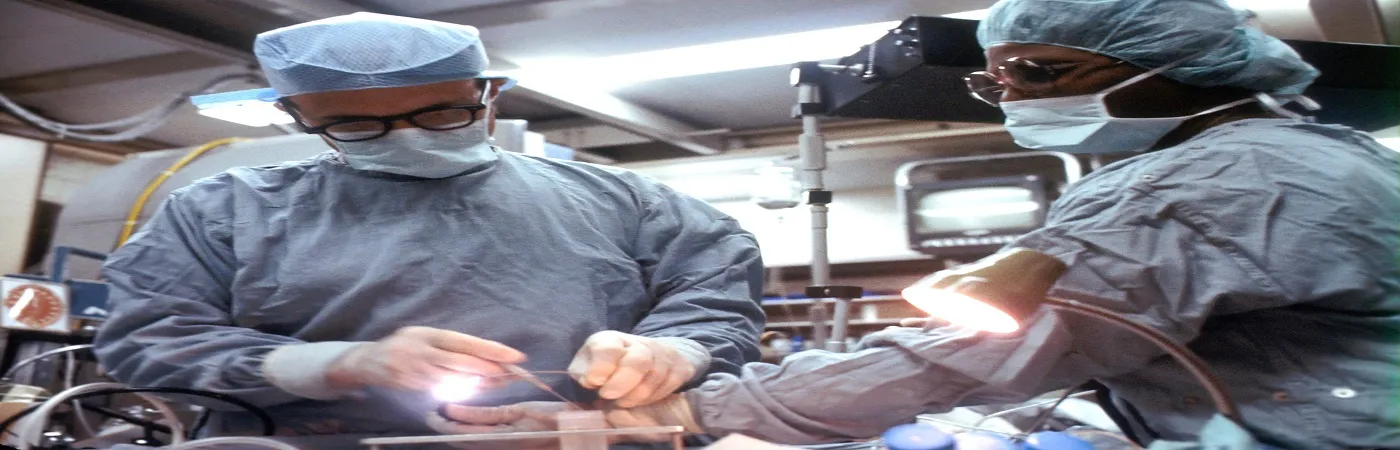 Dr. Leena Jain is a leading reconstructive microsurgeon in Mumbai. She is a qualified plastic surgeon who performs free tissue transfers and reattaches severed parts along with composite tissue transplantation. As an expert reconstruction microsurgeon, [Dr. Leena Jain](https://theplasticsurgeryclinic.co/) performs these surgical procedures with extreme precision. She is available for consultation at her plastic surgery clinic in Mumbai. ## What is microsurgery? [Microsurgery](https://www.plasticsurgery.org/reconstructive-procedures/microsurgery) is a surgery performed under a microscope as the surgeon can get a magnified view of the surgical site. It is far more precise and helps the plastic surgeon effectively and safely. Microsurgeons use special operating microscopes that help transplant tissue, bone, or muscle from one part of the body to the other. Similarly, they can reattach severed fingers and limbs. Microsurgeons rely on the operating microscope to magnify the surgical area, especially the donor area’s blood vessels and nerves, and carefully reattach it. The microsurgeons ensure that the transplanted tissue survives in the new location while restoring its sensitivity and motor function..  https://umanitoba.ca/medicine/department-surgery/microsurgery-and-reconstructive-surgery-fellowship Microsurgeons take tissue from the back, either thighs or arm of the leg to perform reconstructive surgery on toes, tongues, fingers, hands, nose, scalp, ears, and so on. They also use it to reconstruct breasts or reattach fingers. The role of a microsurgeon is very much crucial in the treatment of trauma and cancer cases. Dr. Leena Jain is an adept plastic surgeon in Mumbai with expertise and experience in plastic and reconstructive surgery. She performs the following microsurgery procedures – **Reconstruction** - [Breast reconstruction](https://www.mdanderson.org/cancerwise/reconstructive-microsurgery-for-cancer-treatment--what-patients-should-know.h00-159226512.html) - Head and neck reconstruction - Lymphatic reconstruction - Complex wound reconstruction **Replantation :** Digit/ toe/ hand - Toe Transplantation - Functioning free muscle transfer for certain types of muscle paralysis - Vascularized bone flap transfer - Nerve repair and grafting 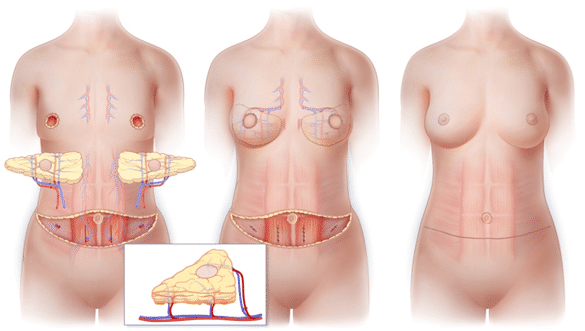 https://tprsg.com/restorative-techniques/perforator-flap-reconstruction/flap-procedures/body-lift-breast-reconstruction-with-extended-diep-flaps-new ## Reconstructive Microsurgery procedure Dr. Leena Jain, a microsurgeon in Mumbai, explains the Reconstructive Microsurgery procedure. Dr. Leena Jain will assess the patient’s defect to be reconstructed, and medical and other surgical issues. She will analyze in-depth the defect that needs reconstruction- bony, soft tissue, nerve, tendon, etc. She will also suggest the reconstruction options along with the advantages, risks, and complications to enable the patient to make an informed decision. Reconstructive surgery is performed under general anesthesia/ regional anesthesia. The patients need to be assessed for fitness for surgery and anesthesia. Dr. Leena Jain will define the defect area (pre-existing or due to trauma or resection) that requires reconstruction. The flap is raised from the donor site and the defect site and vessels are prepared. The flap is then sutured into the recipient site and the donor site is closed. Using the microscope, the flap blood vessels are sutured with recipient site vessels. A microscope enables a precise suturing of the lumens of vessels such that circulation is restored through them into the flap in the new position and aids in wound healing. This is called microvascular surgery. In the case of micro neurosurgery, transferred nerves are sutured end to end or end to the side of donor nerves. In case of micro lymphatic surgery, lymphatics identified and dissected using a microscope and are joined to veins to provide a drainage system. If required, drains are placed to allow the excess fluid or blood to flow out and/or monitor the site for infection or post-operative bleeding ## Risks, Complications, and Post-operative care Reconstructive microsurgery procedures are extremely complex procedures with their share of risks and complications. The first 72 hours after the surgery are critical, and the patient will be continuously monitored for blood circulation in the flap transferred or digit reattached. Clots can form at the site of sutured vessels, if a clot forms, then blood flow is obstructed into the flap and this will jeopardize it. Monitoring of flap is thus essential. If one detects an issue with the blood flow in an artery or vein, the patient is taken back to OT to rectify it. It takes about 5-7 days for maturation of the stitch line of vessels. Dr. Leena Jain will discuss the likelihood of postoperative complications before the reconstructive surgery: **These could include :** - Bleeding at the operated site, - Partial or complete flap failure - Wound infection. ## Who is eligible for microsurgery? It is possible to perform reconstructive microsurgery to restore any defect from the head to the toes. Patients with congenital defects, burns, or trauma defects, cancer resection can reform and reconstruct their defects through microsurgery. Dr. Leena Jain has performed procedures to cover and restore defects of the vessels, bones, and tendons, especially in hand and head, and neck regions. Microsurgery is required for reattachment of severed body parts, toe transfers to hand, brachial plexus Also, it is most commonly performed for complex defects exposing vital structures such as vessels, bone, and tendons, when robust coverage is required, such as in the head and neck region, or when function and aesthetics are restored using pedicled or [free flaps](https://emedicine.medscape.com/article/1284841-overview). Dr. Leena Jain is an eminent microsurgeon in Mumbai who has performed reconstructive surgery to restore the functionality or the aesthetics of body parts affected due to trauma, developmental abnormalities or health conditions or congenital defects. ### Submit a Comment Your email address will not be published. Required fields are marked \* Comment \* Name Email Website **Categories:** Blog --- ### [Facial palsy Surgery](https://theplasticsurgeryclinic.co/blogs/facial-palsy-surgery/) **Published:** March 9, 2022 **Author:** Dr. Leena Jain **Content:** # Facial palsy Surgery Mar 9, 2022 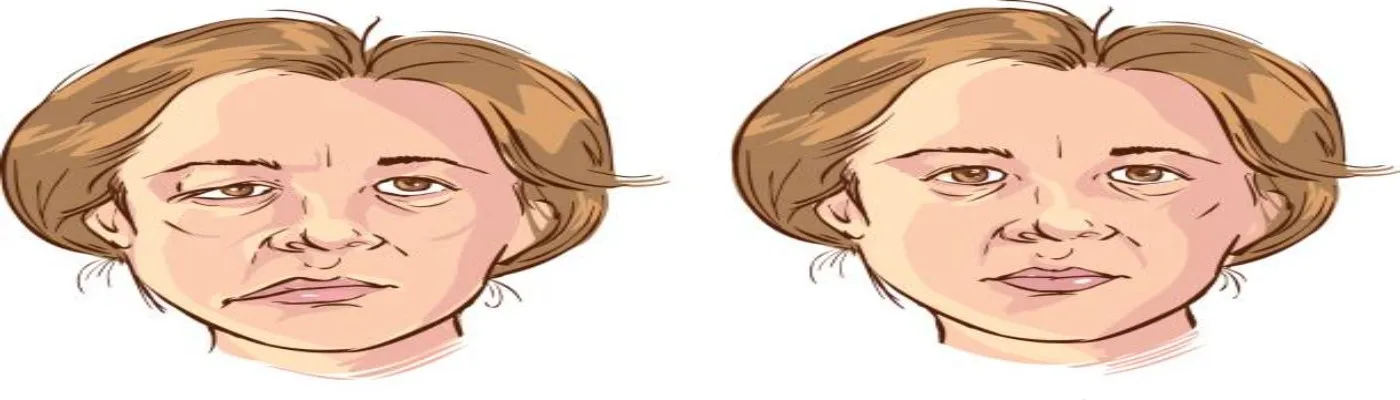 Facial Palsy refers to the paralysis of the facial muscles because of damage to the facial nerve. Missing or damaged facial nerve means the facial muscles do not receive signals and hence do not function properly. In such cases, eyes and/or mouth, along with other areas, are affected. In addition, the varying degrees of facial paralysis, such as only the lower half of the face are affected or a single side of the face is affected, or both the sides of the face are affected. Dr. Leena Jain is a [plastic surgeon in Mumbai](https://theplasticsurgeryclinic.co/) who treats patients with facial palsy and here she shares insights on Facial Palsy and its treatment. ## **About the facial nerve** The facial nerve is also known as cranial nerve VII; it is the nerve of facial expression. It comprises approximately 10,000 neurons, including 7,000 myelinated and innervated nerves of facial expression. The facial nerve arises from the brain and the upper spinal cord, and it is connected with the nerves of the head and neck while it exits into the face around the ear. It also passes into the parotid gland and supplies several facial muscles required for expression. The facial nerve includes general sensory fibres, special sensory fibres, autonomic motor fibres, and somatic motor fibres. These fibres transmit signals to and fro from the various areas of the face and the brain. Some of these nerves located in the anterior2/3 part of the tongue are involved in taste and in producing tears. In addition, the small branches of this nerve helps in noise sensitivity. ## **Facial paralysis occurs due to several reasons –** ### **By birth** – The damage to the nerve occurs just before or at the time of delivery for unknown reasons. For example, a difficult delivery can damage the facial nerve. At times, the use of forceps can also damage the facial nerve. ### **Stroke** – Facial Palsy can occur due to a stroke. The type of stroke determines the damage to the brain cells. The damage to the brain cells is either due to a shortage of oxygen or more pressure on the brain cells on account of bleeding. ### **Tumors of ear and/or parotid gland** – In case of surgery to remove the ear and/or parotid gland tumors, there is a risk of damage to the facial nerve as it travels through the parotid gland. Total Parotidectomy surgery is a complex procedure in which, along with the entire parotid gland, a section of the facial nerve is removed, and hence results in Facial Palsy. ### **Infection of the middle ear** – An infection in the middle ear can lead to changes in the microenvironment of the middle ear such as acute inflammation, retrograde inflammation, osteitis, elevated pressure, presence of active viruses in the bony facial canal wherein the facial nerve is located, and likely to be affected. ### **Injury to face or head trauma** – Injury to the temporal bone through which the facial nerve travels can lead to facial Palsy. In head trauma such as assault, falls, accidents, and more, the bony channel gets crushed or swells up, resulting in either temporary or permanent damage to the facial nerve. ### **Spontaneously as in Bell’s Palsy** – Multiple viral Infections such as HSV-1, CMV, and EBV are considered to cause Bell’s Palsy, though exact causes are still unknown. Moreover, Bells’s Palsy is identified as a spontaneous, acute, unilateral weakening of facial muscles due to unknown reasons. A patient in this condition will experience loss of facial movement as the facial muscles decrease their capacity to function. As a result, the facial muscles in the affected area are likely to droop gradually. The duration of the paralysis can be either long or short. Hence, an accurate diagnosis is necessary to ascertain the exact cause and extent of facial Palsy. ## **Symptoms of Facial Palsy** Facial palsy occurs on one side of the face, and it is characterized by pulling of the opposite side working muscles. Facial Palsy patients cannot raise eyebrows, close eyes, smile, or pout as the mouth is twisted. The patients also complain of trouble in talking, headache, dizziness, sensitivity to noise, twitching of muscles, etc. **Age and facial palsy** Facial Palsy can affect newborns, young and old as well. If the paralytic condition is not treated correctly, the patients develop eating and speech problems leading to low self-esteem. Hence, seeking the most suitable treatment is necessary. ## **The course of the facial palsy** ### **Spontaneous recovery in few cases** The patient can experience spontaneous recovery in the case of Bell’s Palsy, Guillain-Barré syndrome, and Ramsay Hunt syndrome though the extent and degree of recovery are not predictable. However, complete recovery is not assured. The patient is likely to recover within first three weeks after experiencing facial palsy. During the initial recovery stages, the muscle will be weak and floppy, referred to as the flaccid stage. In the second stage, or the paretic stage, the muscles regain their shape, tension and patient can make small, spontaneous movements followed by complete recovery in the following weeks. ### **Partial/incomplete recovery** Incomplete or partial recovery is noted within two-three weeks after the palsy. Therefore, it is essential to ascertain the cause, duration of paralysis, and its degree to decide the most comprehensive recovery plan. The focus is to prevent development of asymmetry, synkinesis, contracture, and hypertension, and this condition mentally affects the patient to a great extent. The focus of the treatment is to preserve and restore the face and its functioning in the best possible manner. There are numerous rehabilitation options available for partial recovery cases. The Botulinum toxin injection shows promising results however, may need to be repeated. ### **No recovery** If no improvement is noted within two to three months after the palsy attack, an abnormal facial function is associated with delayed recovery. In addition, the patient can develop asymmetry, synkinesis, contracture, etc. Synkinesis refers to unwanted muscular contractions of the face on movement e.g., closure of eyes when attempting to smile or involuntary muscle spasms when the patient moves their face. Patients and family members can visit Dr. Leena Jain for consultation at her[ plastic surgery](https://theplasticsurgeryclinic.co/services/plastic-surgery-and-trauma-treatment-in-mumbai/) clinic in Mumbai. She is easily approachable and highly understanding and explains the nerve surgeries and their likely outcome. ## **Treatment of Facial Palsy** Early treatment of Facial Palsy is recommended, especially within two weeks of its onset. Early-stage or intermediate facial palsy patients are suggested to attempt facial muscles retraining, massages, and exercises to maintain their condition. Facial paralysis prevents desired facial expression, symmetrical smile, communication, speaking abilities, and eye protection. Also, each patient is affected differently. Therefore, the treating plastic surgeon should conduct an in-depth examination to determine the cause, duration, and extent of paralysis. Early-stage facial palsy patients need to approach neurologists for facial nerve decompression treatment after ascertaining the cause of palsy. For a patient with facial paralysis for more than three months, the plastic surgeon recommends electromyography testing (EMG) and specific therapy to treat after-effects of the disease functionally and cosmetically. Plastic surgeons perform nerve transfer surgery, an advanced cosmetic procedure for patients whose nerve branches and working facial muscles cannot be linked with the primary facial nerve. Plastic surgery is recommended for patients with chronic facial paralysis. The multidisciplinary team, with the plastic surgeon being the key person, plans a comprehensive recovery plan and chooses the most suitable plastic surgery for the best outcome. The most preferred approaches include direct facial nerve repair with or without muscle transfer, cross-facial nerve grafting, nerve transfer, grafting, etc. Dr. Leena Jain is a leading plastic surgeon in Mumbai who performs facial reconstruction or facial reanimation surgeries. ### **Facial Nerve Repair** – The surgeon performs the facial nerve repair as and when possible, usually in cases of acute injury to nerve. The focus of the procedure is to identify the cut ends of the nerve or its branches and reconnect them. ### **Facial nerve grafting** – In cases of acute nerve injury with a gap as can occur during injury or during surgery, the surgeon uses a piece of nerve graft from elsewhere like nerves in the leg or in the forearm to bridge the gap. The surgeon then uses tiny sutures to graft paralyzed nerves to healthy ones. ### **Cross face nerve graft** – In cases, presenting late after about more than a year, the surgeon takes healthy donor nerve from another part of the body and connects one end to muscles on the affected side of the face while the other end is connected with the functioning nerve branches on the unaffected side. A nerve graft takes nearly a year to regenerate, followed by improvement in muscle control in some cases; in most other cases the second stage of muscle transfer is required. ### **Nerve Transfer –** In the early stages, nerve branches of other healthy, intact nerves of the face can be transferred to the affected facial nerve. The fibres will grow or regenerate into the affected nerve and supply the muscles of the face. ### **Free muscle transfer or Gracilis Muscle Transplant** The microsurgeon transplants the gracilis muscle (located in the inner thigh) to replace the facial muscles enabling the patient to smile. The free flap transfer is done with its artery, vein, and nerve to enable movement of the transferred muscle. The muscle is attached to the angle of the mouth, such that contracting it brings about a smile. The patient needs to undergo two stages of this surgery A natural-looking smile is considered as one of the best outcomes of this surgery. This free tissue transfer involves the transfer of distant nerves and muscle to the paralyzed face to improve facial symmetry by restoring blood supply and muscle movements. ### **Nerve transfers** – In this procedure, the surgeon reroutes a healthy and functioning nerve (donor nerve) and connects it with a damaged and nonfunctioning nerve (recipient nerve). The nerve fibers of the donor nerve grow within the damaged nerve and it regenerates. Nerve transfer is an ideal treatment for flaccid facial palsy patients, especially those with severe nerve injuries with zero recoveries of function or discontinuity of the facial nerve. Therefore, nerve transfer is performed only if there is a viable facial musculature and intact neuromuscular junction that is usually within12 months of palsy. Dr. Leena Jain is one of the most experienced facial palsy surgeons in Borivali, Mumbai who performs eye closure surgery and smile restoration surgery with precision for good outcomes. ### **Eye Closure Surgery** Facial palsy patients face serious issues of varying degrees of eye closure, including dry eyes and other cosmetic concerns. This condition is referred to as lagophthalmos and is one of the most damaging results of facial Palsy. As a result, there are multiple eyelid surgery options such as insertion of a gold weight in the upper eyelid crease, Palpebral spring placement,etc. The lower eyelid is corrected through a lower eyelid tendon sling, modified tarsorrhaphy, and tarsal wedge resection. These surgeries focus on better closure and optimum protection of the eyes against dryness and corneal ulceration. ### **Smile restoration** A smile is important, and hence its restoration is equally important. The smile restoration procedure depends upon the patient’s presentation and the extent of the damage. The most preferred surgery options include cross facial nerve graft and masseteric nerve transfer for smile reanimation. If facial palsy attack is more than two years old, then the most suitable procedures include temporalis [tendon ](https://theplasticsurgeryclinic.co/services/tendon-repair-surgery-doctor-in-mumbai/)transfer (T3) and free muscle transfer with gracilis muscle. The combination of cross facial nerve graft and masseteric nerve transfer is highly suitable for [smile restoration](https://www.hopkinsmedicine.org/health/conditions-and-diseases/facial-paralysis#:~:text=Facial%20paralysis%20surgery%20is%20also,lower%20half%20of%20the%20face.) in select patients affected with Facial Palsy. Dr. Leena Jain suggests a pro-active patient-doctor relationship that helps assess the risks and benefits of possible surgery options to restore the smile and functionality of the affected patient. The journey of recovery from facial Palsy is long and challenging, and hence extreme patience and faith in the treating surgeon are the key factors for the best possible outcomes. ### Submit a Comment Your email address will not be published. Required fields are marked \* Comment \* Name Email Website **Categories:** Blog --- ### [Lipoma – Symptoms, Causes & Treatment Options](https://theplasticsurgeryclinic.co/blogs/lipoma-symptoms-causes-treatment-options/) **Published:** April 21, 2023 **Author:** Dr. Leena Jain **Content:** # Lipoma – Symptoms, Causes & Treatment Options Apr 21, 2023 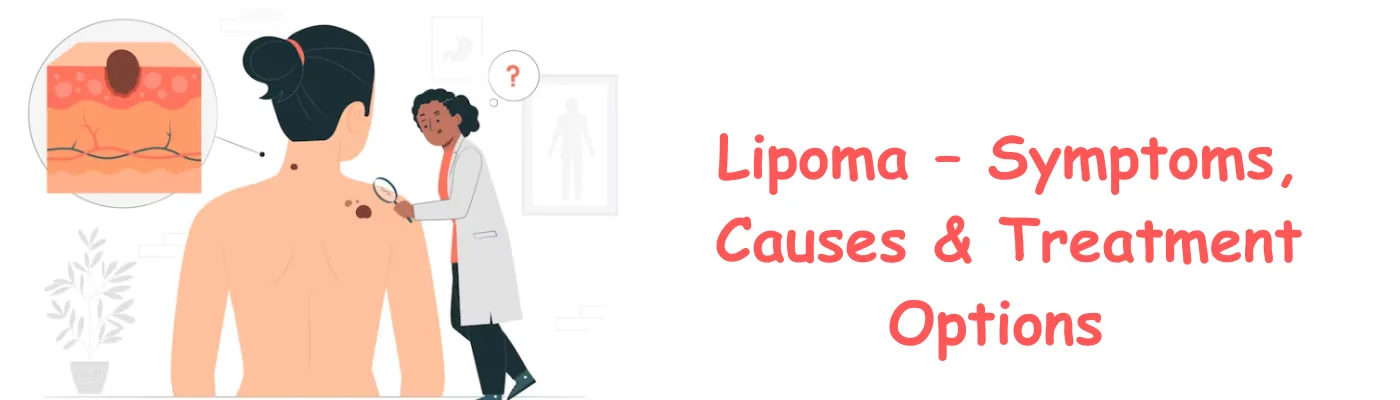 Lipoma is a fatty mass typically seen between the skin and muscle layer. It is a buildup of fat cells that develops mostly in the soft tissues of your body. However, it can occur in muscles, in bone, in spinal canal and in the brain too! Lipomas are the most common type of non-cancerous tumors. Lipomas are primarily innocuous and slow-growing. It is very rare for a lipoma to become cancerous less than 0.1%. Lipomas can occur in anyone and anywhere and unrelated to being overweight or obese. These tumors develop from increase in size of fat cells and once removed, they do not recur. They can grow anywhere in the body as fat is the most abundant tissue in our bodies but most commonly occur in the nape of neck, arms, back, forearm,etc. If you are concerned about a soft, movable lump under your skin, please contact Dr. Leena Jain, a proficient [plastic surgeon in Borivali, Mumbai](https://theplasticsurgeryclinic.co/), for advice. Read on to know more about lipoma. ## **Symptoms of Lipoma** There are no specific symptoms of lipomas, but the presence of a lump in the affected area may indicate the diagnosis. The most common symptoms may include: - detection of a swelling or soft bump under your skin - the lump is, soft, or rubbery in consistency - Usually painless - it may be movable under the skin - it increases in size slowly - It may cause pressure symptoms when it grows large in size ## **Causes of Lipoma** It is not very clear what brings them on. They are more prevalent among middle-aged men and women. Moreover, they run in families. **Some conditions that may cause multiple lipomas include:** - **Dercum’s disease:** A rare disorder causing multiple, painful lipomas all over the body. - **Familial multiple lipomatosis:** A rare hereditary disorder that causes numerous lipomas more populated in the trunk area. - **Madelung’s disease:** A rare condition causing accumulation of painless lipomas usually around the neck, shoulders, upper arms, trunk, hips, and thighs. If you have any swelling that is bothering you, do not hesitate to meet the eminent plastic surgeon, [Dr. Leena Jain](https://theplasticsurgeryclinic.co/about-us), for an expert diagnosis and treatment options. ## **How can you detect lipoma?** 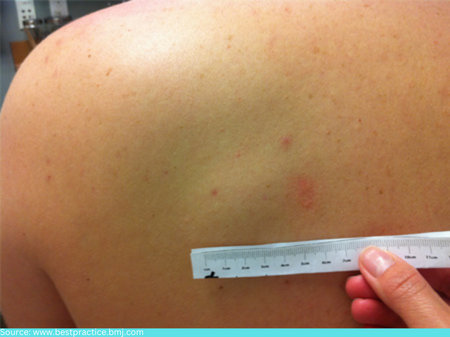You should see your doctor if you notice a lump or bump on your skin. A simple visual examination is usually sufficient to make a diagnosis. The doctor will ask you about your medical history, as well as your family’s medical history. They will also examine the lump to determine its size and consistency. A clinical examination is sufficient for most Lipomas. Imaging diagnostic tests like ultrasound or MRIs is required if the lipoma is deep seated like inside or beneath muscles. ## **Lipoma treatment** **SURGERY IS THE ONLY SOLUTION** Any swelling in the body needs to be removed. Lipomas are obvious swellings known to keep growing in size, hence, need to be removed. Lipomas when painful or causing pressure symptoms should always be removed. In patients with multiple Lipomas, those that are painful, excessively large or in the forearm interfering with wearing a wrist watch or bangle need to be removed. **There are 2 types of surgeries for lipomas:** ### **Liposuction** Liposuction is an effective surgery for large lipomas. Through a small cut, fat cells are removed surgically and large Lipomas become small. Then by increasing the cut a little more, the entire Lipoma can be removed . Advantage of liposuction is that large Lipomas can be removed through a very small cut thereby scar is minimal and aesthetically pleasing. ### **Concealed Scar excision Surgery** Excision Surgery is removal of the lipoma through a cut in a concealed location or a natural skin crease or wrinkle so it remains inconspicuous. The entire Lipoma is removed and sutures are used to close the wound. The scar will ultimately be very fine and in a concealed location or in the crease, hence, inapparent. 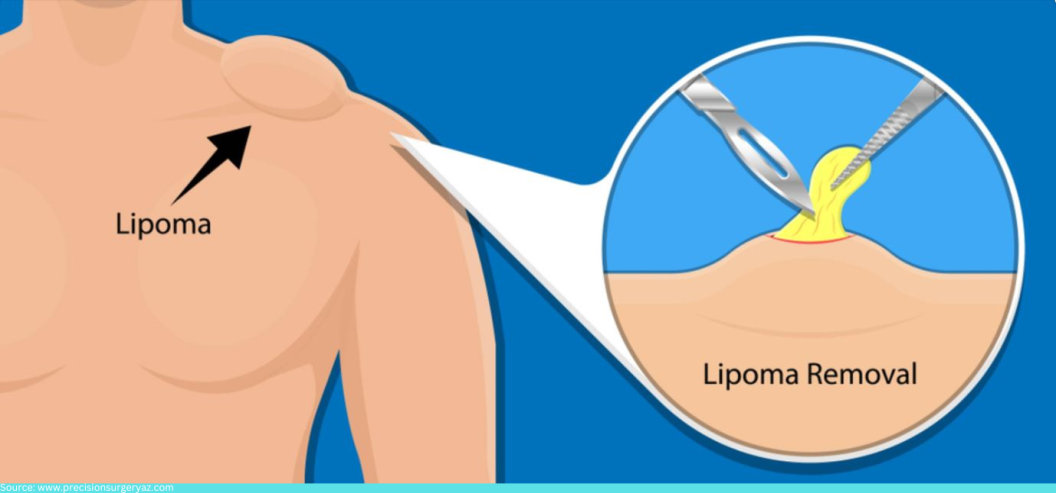If you are seeking treatment for a suspected lipoma, please visit Dr. Leena Jain, a highly-skilled plastic surgeon. She is among the preferred surgeons for people requiring plastic surgery in Mumbai. ### **Conclusion** A [lipoma](https://www.nhs.uk/conditions/lipoma/) is a type of benign (non-cancerous) fat cell growth. Lipomas are sometimes called fatty, adipose, or soft tissue tumors. They are soft, freely movable lumps formed by the growth of fat cells in the fatty tissues just below the skin or deep in the muscle layer. Lipomas are the most common type of fat tumor in adults and are also prevalent in children and adolescents. They are often found in various locations but commonly around nape of neck, arm, back. Lipomas are not dangerous and are not associated with any malignancies (cancers), but because lipomas can grow large and may be painful, they need to be removed. If you are looking for advice and treatment for lipoma, please do not wait any longer. [Contact](https://theplasticsurgeryclinic.co/contact) us to schedule an appointment with Mumbai’s well-known plastic surgeon Dr. Leena Jain, for safe, reliable, and effective treatment. ### Submit a Comment Your email address will not be published. Required fields are marked \* Comment \* Name Email Website **Categories:** Blog --- ### [Diabetic Ulcer Treatment - What you should know?](https://theplasticsurgeryclinic.co/blogs/diabetic-ulcer-treatment-what-you-should-know/) **Published:** November 10, 2021 **Author:** Dr. Leena Jain **Content:** # Diabetic Ulcer Treatment – What you should know? Nov 10, 2021 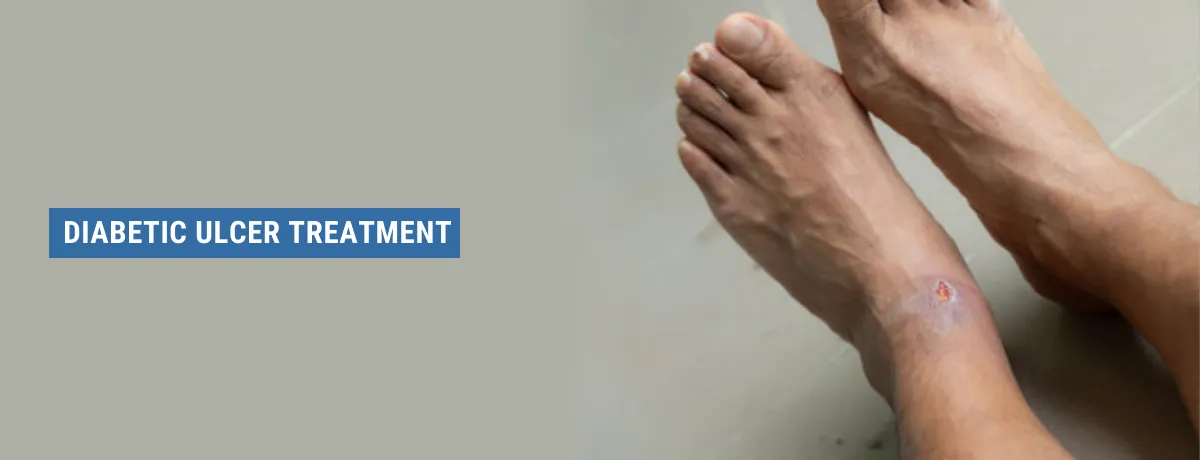 **A diabetic foot infection/ulcer is a sore/wound on the bottom of the foot caused by diabetes. A** [**diabetic foot ulcer** ](https://theplasticsurgeryclinic.co/services/diabetic-ulcer-treatment-in-mumbai)**is usually an open sore or wound that affects a considerable number of diabetics.** It is usually located on the bottom of the foot. If left untreated, the infection can extend upwards to involve the foot, ankle and leg and also can lead to a systemic spread of toxins or infective pathogens into the rest of the body resulting in the need for emergency hospitalization and urgent surgery. Patients with these conditions require medical treatment to heal their infection and restrict its spread. Across the globe and especially in India, diabetes is the largest cause of non-traumatic lower extremity amputations, most of which are preceded by foot ulcers. If diabetic patients take proper care of their health and feet and stay alert, then it is possible to prevent the formation of foot ulcers and timely treatment will help heal the ulcers. Still confused, then you should take the help of Dr Leena Jain, one of the [experienced plastic surgeon in Mumbai](https://theplasticsurgeryclinic.co/) who is also specialised in diabetic foot ulcer treatment. ### Causes of diabetes foot ulcer Along with diabetes conditions, patients who have disorders of the kidney, eye, and heart are more likely to develop a foot ulcer. Also, the consumption of tobacco and alcohol and overweight conditions can contribute to the development of foot ulcers. There are more than 5 million diabetics in India, thus there are atleast 100 million feet at risk of developing an ulcer. The feet of diabetic patients experience less sensation on account of poor circulation and nerves dying due to long-standing diabetes, irritation, trauma, and even friction. Their feet could suffer from nerve damage too or a vascular disease which increases the risk of infection and the body’s capacity to heal. Lastly, high or uncontrolled blood glucose levels decrease the body’s ability to fight infection and delay or prevent the healing process. ### Symptoms Diabetic patients with foot ulcer conditions may not experience pain thence the ulcer may be seen only when it becomes quite big. Foul-smelling discharge from the wound discoloration and swelling of the foot. ### Treatment and Diagnosis The treating doctor focuses on treating the foot ulcer for a quick recovery to minimize the risk of infection and avoid further complications. Some of the important aspects to consider when treating a diabetic foot ulcer are, ### Prevention of infection 1. Offloading: Reducing the pressure in the infected area 1. Debridement: involves removing the dead skin and tissue 1. Regular dressings to facilitate healing 1. Regular monitoring of sugar levels and maintaining them at normal levels In case, the treating doctor discovers an infection, hospitalization would be recommended along with total wound care and consumption of antibiotics. To prevent an existing ulcer from getting infected, it is advisable to - Walk using appropriate footwear – never walk barefoot - Regulate blood sugar levels to maintain them at normal levels - Clean and dress the wound with new dressing daily The [doctor](https://theplasticsurgeryclinic.co/about-us) may suggest wearing special footwear or a customized cast or a brace along with the use of walking support such as crutches or a wheelchair in order to put minimal pressure on the injured foot. Keeping on par with the modern healing protocols, the doctor may dress the wound with dressings, topically administered drugs, growth factors, ulcer dressings, and skin substitutes. The wounded area must get adequate circulation to enable healing. ### Surgical Options: The factors that determine surgical treatment are – - The location, size, and area of the wound: superficial or deep infection - The pressure on the wound when standing or on movement - The inflammation and swelling in the surrounding - Blood sugar levels ### Surgical Treatment **(i) Ulcer Preventive Surgeries** - Shaving or excision of bone or bones involved - Repair of hammertoes, bunions, or bony bumps and other deformities - Relieve pressure on the wound area- offloading surgeries **(ii) Surgery in Superficial, Non–Limb-Threatening Infections** In cases of superficial, non–limb-threatening infections, the plastic surgeon may recommend DEBRIDEMENT SURGERY: surgical removal of dead tissue, pus, etc. Purpose of this surgery: 1. removes bioburden 1. removes dead tissue and tissue breaking enzymes 1. opens up infective collections and allows drainage 1. provides the platform to start the healing process. Also, care should be taken not to damage the surrounding healthy areas. Most of these procedures are performed under general or spinal anaesthesia as this is a vital surgery and needs to be done thoroughly. Post-surgical debridement, the wound should be cleaned and dressed properly along with suitable antibiotics for quick recovery. The type of dressing to be done would be decided by the surgeon. The foot would be covered in plaster to provide rest and aid in reducing swelling. **(iii) Surgery in Deep Foot Infections** Most patients with deep foot infections require aggressive management to save the foot and to save life. This involves hospitalization and assessment of the general condition of the patient and assessment of the foot for: - Infective involvement of bones of the foot - Extent of infection - Vascular status of the lower limb - Sensations in the foot #### Plan of management involves: 1. Restoration of circulation in the lower limb by doing an angioplasty procedure 1. Debridement surgery for the merits listed above 1. Repeat debridement to assess the healing 1. Plastic/Reconstructive surgery to cover the wound to facilitate healing: wounds once in the healing phase have to be covered with a graft or a flap depending on their location on the foot. 1. Medical management of [diabetes ](https://www.webmd.com/diabetes/guide/understanding-diabetes-symptoms)and nutrition 1. Post surgery rehabilitation to get the patient to start walking on his feet **Diabetic patients are at a high risk of amputation if they:** - Have a widespread bone infection - Have severe compromise in blood circulation due to atherosclerosis of vessels - Have uncontrolled high blood sugar levels - Have not taken timely and thorough treatment **Prevention of foot ulcers is possible** - Stopping the consumption of smoking - Controlling sugar levels - Controlling cholesterol levels - Wearing proper footwear - Daily examination of the foot for cuts, bruises, cracks, blisters, redness, ulcers especially between the toes and soles. *To sum it up,* *“Our feat is to get you back on your feet”* ### Submit a Comment Your email address will not be published. Required fields are marked \* Comment \* Name Email Website **Categories:** Blog --- ### [Get Natural-Looking Dimples with Dimpleplasty](https://theplasticsurgeryclinic.co/blogs/get-natural-looking-dimples-with-dimpleplasty/) **Published:** May 23, 2023 **Author:** Dr. Leena Jain **Content:** # Get Natural-Looking Dimples with Dimpleplasty May 23, 2023  Dimples are small indentations on the cheeks when a person smiles or makes certain facial expressions. They are often considered desirable and an attractive facial feature. Some people feel that having dimples can enhance their facial appearance and make them look more appealing - Do you desire a cheerful smile and cute dimpled cheek? If yes, a dimpleplasty in Mumbai can be an excellent option for you. Dimpleplasty, commonly known as dimple creation surgery, can provide a natural-looking dimple that can enhance the appearance of the face and create a more youthful and attractive look. It can also improve the face’s overall symmetry and balance out other facial features. Dimple surgery in Mumbai is increasingly becoming popular, with people seeking to achieve the look of a natural dimple. Dimpleplasty is a cosmetic surgical procedure that involves creating dimples on the cheeks or chin through a small incision in the skin under local anesthesia. This surgery is an elective cosmetic procedure typically performed for aesthetic purposes only and not necessary for medical or functional reasons. The surgery takes about 20 to 30 minutes to complete. It is crucial to carefully consider the procedure’s risks and benefits and choose a qualified and experienced surgeon. According to Dr Leena Jain, a reputed [plastic surgeon in Bandra, Mumbai](https://theplasticsurgeryclinic.co/), dimple creation surgery is a personal choice and should be considered carefully. It is a surgical procedure requires a recovery period. “It is important to have realistic expectations about the outcome of the surgery and to be fully informed about the associated risks and benefits before undergoing the procedure”, she adds. [Dr. Leena Jain](https://theplasticsurgeryclinic.co/about-us) is renowned for her expertise in offering safe and result-oriented plastic surgery in Bandra, Mumbai. Hence, people prefer her for cosmetic procedures like dimpleplasty. She can precisely change the dimples’ size, shape, and depth to match the client’s facial features. Moreover, Dr Leena Jain concentrates on creating natural-looking dimples that enhance the patient’s smile and personality while complementing the rest of the face. **Now, let’s know,** ## **Types of Dimples** ### **1. Cheek dimples:** Cheek dimples, also known as dimples of Venus, are the most common type. They are located on the bottom of the cheeks, near the corners of the mouth. They appear on the cheeks when a person smiles or makes certain facial expressions. Cheek dimples can be single or double and are usually symmetrical. ### **2. Chin dimples:** Chin dimples, known as cleft chins, are less common than cheek dimples. They appear as small indentation in the centre of the chin. These dimples occur due to an underlying bony chin structure that creates a small divot in the skin. **Let’s learn about,** ## **Dimple Creation Surgery Procedure** Dimpleplasty is a cosmetic surgical procedure that a qualified plastic surgeon can perform. Here is a general overview of the dimple creation procedure: **1. Consultation:** The first step is to schedule a [consultation ](https://theplasticsurgeryclinic.co/contact)with a qualified plastic surgeon. The surgeon will assess the patient’s facial structure during this appointment and discuss their requirement. They will also explain the risks and benefits of the procedure, as well as the recovery process. **2. Anesthesia:** Surgeons usually perform dimpleplasty by applying a topical anesthetic and local anaesthetic injection at the treatment site. It numbs the area where the dimples will be created. This means the patient will be awake during the procedure but will not feel any pain. **3. Incision:** 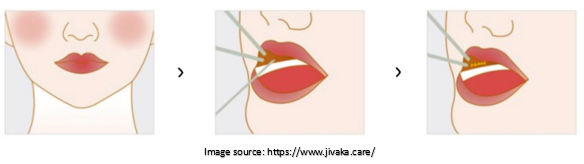The surgeon will then make a small incision on the inside of the cheek or chin, depending on where the dimples are desired. They will use a small needle or scalpel to make the incision, typically less than 5mm long. **4. Suture placement:** The surgeon will place a dissolvable suture from mucosa through the cheek or chin muscle to the skin and then secure it. This will create the dimple effect by pulling the skin inward when the patient smiles or makes certain facial expressions. **5. Closing the incision:** The surgeon will then close the incision using dissolvable sutures. The procedure usually takes about 20 to 30 minutes to complete. **Let’s know,** ## **Dimple Surgery Cost in Mumbai** - Dimple surgery costs can vary depending on several factors, including the clinic’s location, the surgeon’s expertise, and the extent of the procedure. - It is important to note that the cost of the procedure may also be influenced by additional factors, such as the patient’s overall health and the complexity of the procedure. **Dimple Creation Surgery Information Capsule** **Alternative Name of the Procedure** Dimpleplasty **Synopsis of the Surgery** It is a minimally-invasive cosmetic surgery that can add natural-looking dimple to your cheeks and chin. **Anaesthesia** Topical anaesthetic is applied on treatment area. **Length of Process** 20 to 30 minutes (may vary) **Recovery Period** 2 days to recoverHealing time is 2 weeks - It is advisable to have an initial consultation with Dr Leena Jain, a qualified plastic surgeon in Mumbai, to know the exact cost and any available financing options for your specific dimpleplasty treatment. **Now, let’s discuss about,** ## **Recovery and Aftercare** After dimple surgery, following proper recovery and aftercare instructions is essential to ensure optimal results and minimize the risk of complications. Here are some general guidelines for recovery and aftercare following dimple surgery: 1\. Rest for the first few days after surgery. 2\. Avoid strenuous physical activity or exercise for at least a week. 3\. Apply ice packs to the treated area to reduce swelling and discomfort. 4\. Take prescribed pain medications to manage pain and discomfort. 5\. Follow a soft or liquid diet to avoid aggravating the surgical site. 6\. Maintain oral hygiene to keep the surgical site clean. 7\. Avoid smoking and alcohol. Recovery time can vary depending on the extent of the procedure and the individual’s healing process. Often, most patients resume normal activities within a week. The complete healing process may take several weeks to a few months, and patients should be patient and gentle with the surgical site during this time to avoid complications or delayed healing. Overall, dimple creation is a safe and effective procedure that can enhance facial features and improve the appearance of the face. However, it is crucial to choose a qualified plastic surgeon with experience performing this surgery and carefully follow pre and post-operative instructions to ensure optimal results and minimize the [risk of complications](https://www.ncbi.nlm.nih.gov/pmc/articles/PMC3481420/). ### **Frequently Asked Questions** 1. **Is dimple surgery painful?** Most patients report mild discomfort during the procedure and some pain and swelling after the surgery. However, the surgeon will provide anesthesia during the procedure and prescribe pain medications to manage any discomfort afterwards. **2. How long does the dimple surgery procedure take?** The dimple creation procedure typically takes about 20 to 30 minutes, depending on the extent of the procedure and the individual patient’s needs. **3. What are the risks associated with dimple surgery?** As with any surgical procedure, dimple surgery carries some risks, including infection, bleeding, nerve damage, scarring, and asymmetry. **4. How long do the dimples last after the surgery?** The dimples created by dimple surgery are permanent. But their appearance may fade slightly over time as the tissues heal and settle into their final position. **5. Is dimple surgery suitable for everyone?** Only some people are suitable candidates for dimple surgery. It is better to consult a qualified plastic surgeon who can evaluate your needs and determine whether you are a good candidate for the procedure. ### Submit a Comment Your email address will not be published. Required fields are marked \* Comment \* Name Email Website **Categories:** Blog --- ### [Bed Sores: Recognizing the Signs and Taking Action](https://theplasticsurgeryclinic.co/blogs/bed-sores-recognizing-the-signs-and-taking-action/) **Published:** October 11, 2023 **Author:** Dr. Leena Jain **Content:** # Bed Sores: Recognizing the Signs and Taking Action Oct 11, 2023 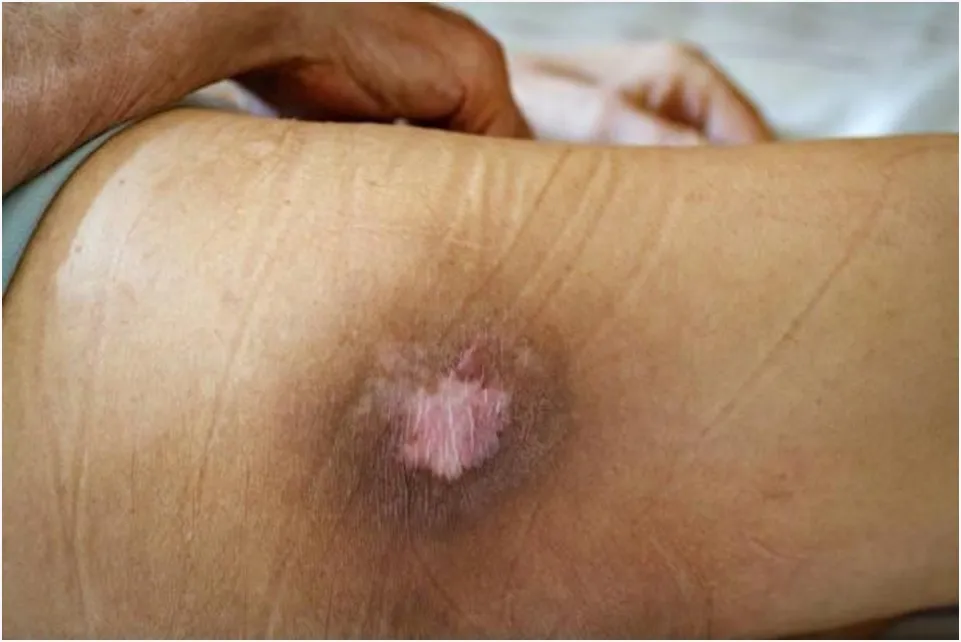 ***Are you suffering from bed sores?*** Imagine sitting or lying in one position for too long. Your skin can break down, and that’s when bed sores happen. Bed sores are also known as pressure sores or pressure ulcers. They are skin wounds that develop when there’s prolonged pressure on one area of the body. These sores can cause severe problems for patients. They can extend to deeper tissues they can even go up to muscles and bones. That’s why seeking help from experts like Dr. Leena Jain, a skilled [plastic surgeon](https://theplasticsurgeryclinic.co/) in Bandra, is crucial. In this blog, we’ll delve into the world of bed sores, understand their impact on patients, and explore the effective solutions provided by Dr. Leena Jain and explore the effective solutions provided by Dr. Leena Jain, one of the [best plastic surgeons in India ](https://www.clinicspots.com/plastic-surgeon/india) to heal these sores and prevent them from recurring. ## Signs and Symptoms of Bed Sores Recognizing the signs and symptoms of bed sores is crucial for early intervention and effective treatment. - The skin might look reddish, bluish, or purplish. - Patient soften may not feel pain in the affected area as they are patients of stroke - The skin can feel warmer than the surrounding areas. - Swelling may occur around the sore. - Bed sores might appear as open wounds or blisters. - Some sores may ooze fluid. - The skin can become rough or scaly. - Tip of iceberg: they appear small on surface but are extensive inside If you notice any of these signs or symptoms, please seek prompt medical attention from [Dr. Leena Jain](https://theplasticsurgeryclinic.co/about-us). A well-known plastic surgeon in Mumbai, she can provide expert care and treatment for bed sores. ***Understanding the causes and risk factors behind bed sores is essential in preventing these skin wounds. So, let’s find out what can cause bed sores.*** ## Causes and Risk Factors of Bed Sores  - **Pressure:** Sitting or lying in one position for a long time can press on the skin and cause bedsores. - **Friction:** Rubbing the skin against bedding or clothing can damage skin especially while turning the patient, etc. - **Moisture:** Damp skin from sweat or urine can make skin more vulnerable to bed sores. - **Limited Mobility:** People who can’t move easily are at higher risk/due to lack of sensations and maceration. - **Poor Nutrition:** Not getting enough protein and low haemoglobin will impact wound healing. - **Advanced Age:** Older adults are more vulnerable to bed sores. - **Medical Conditions:** Health issues like stroke, [diabetes, ](https://theplasticsurgeryclinic.co/services/diabetic-ulcer-treatment-in-mumbai)circulation problems, or spinal cord injuries increase the risk. - **Thin Skin:** Fragile or thin skin is more prone to bed sores. - **Smoking:** Smoking reduces blood flow, affecting skin health. “Bed sores can develop in areas where bones are close to the skin,” explains Dr. Leena Jain, known to many as the best plastic surgeon in Borivali. “Areas like heels, hips, lower back, and elbows are the most vulnerable. They can also appear on the back of the head if you lie on your back for too long.” If you think you may be prone to bedsores, seek advice from Dr. Leena Jain, a specialist in pressure ulcer treatment. ***Don’t wait! Care for early-stage bed sores can prevent them from getting worse.*** ## Stages of Bed Sores 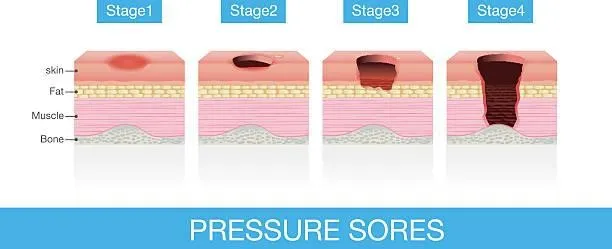**Stage 1 Pressure Ulcer:** The skin is red but not broken in the early stage. It might be warm, macerated or itchy. **Stage 2 Pressure Ulcer:** The skin breaks, forming a shallow sore like a blister or abrasion. **Stage 3 Pressure Ulcer:** The sore gets deeper, reaching beneath the skin’s surface. **Stage 4 Pressure Ulcer:** The wound is severe, affecting muscles, bones, and sometimes joints. Are you or a loved one worried about bed sores? Consult Mumbai’s highly-skilled [plastic surgeon](https://theplasticsurgeryclinic.co/services/plastic-surgery-and-trauma-treatment-in-mumbai/), Dr. Leena Jain, for effective treatment and a speedy recovery. ***Now, let’s talk about the Treatment Options for bed sores.*** ## Bed Sores Treatment Options ### Stage 1 Pressure Ulcers:  - Relieve pressure by changing positions regularly. - Keep the area clean and dry. - Use air mattresses/ special cushions or padding. - Apply padding as a precaution to extension ### Stage 2 Pressure Ulcers: - Clean the wound gently and keep it covered. - Apply prescribed dressings. - Continue pressure relief techniques. - Manage infection, if present 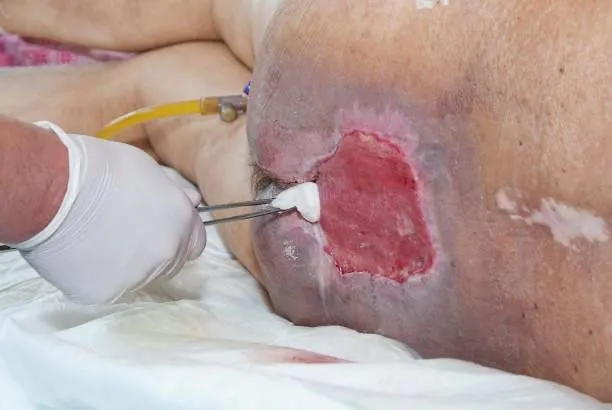### Stage 3 Pressure Ulcers: - These will require debridement (removing dead tissue)/ black patches. - More intensive wound care is needed. - VAC dressing to facilitate healing and reduction in size of wound - Will require Antibiotics if there’s an infection. - Maintain pressure relief and repositioning. ### Stage 4 Pressure Ulcers: - Debridement and cleaning are essential - Extensive wound care, often involving surgery. - Surgery: use of flaps to cover the wound - Rigorous infection control measures. - Pressure relieving aids - Nutrition: haemoglobin and protein deficiencies need to be corrected ### **Flap Surgery** [Bed sores](https://www.youtube.com/shorts/S8nfydPo-9s?feature=share) are best covered with flaps taken from the adjacent area. Flaps can be rotated or advanced into the defect to fill it. These are all designed based on their blood supply and planned in a way that in case a sore recurs, the same flap can be advanced to cover it up again. Anatomical knowledge and planning are essential for these flap surgeries which are the best to heal the wounds and prevent recurrence. ***Have you noticed any signs of bed sores like red or broken skin or changes in skin texture? It’s crucial to seek help early.*** Please consult a plastic and reconstructive micro surgeon like Dr. Leena Jain to determine the most suitable treatment plan. ***Read on to understand why it is essential not to ignore a bedsore. Here, we list the complications and long-term effects of bed sores.*** ## Complications of Bed sores 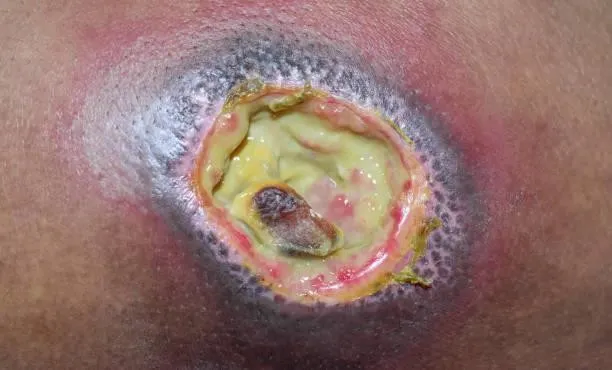**Bed sores can lead to serious problems, including:** - Infections: Open sores may get infected, causing significant health issues. - Cellulitis: The skin can swell and become red and painful. - Abscesses: Pus-filled pocket scan form under the skin. - Sepsis: In severe cases, an infection can spread throughout the body. **Long-Term Effects:** - Scarring: Healed bed sores may leave scars. - Extension of ulcers: often what is seen on the surface is only a tip of the iceberg; deep down they can extend and be infective. - Chronic non healing ulcer: Sores may at times persist and be unrelenting - Recurrence: Without proper care, bed sores may return or may come at other sites. So, please do not take bed sores lightly. It’s crucial to prevent bedsores from worsening. Seek timely treatment to avoid these complications and long-term effects. ## Conclusion 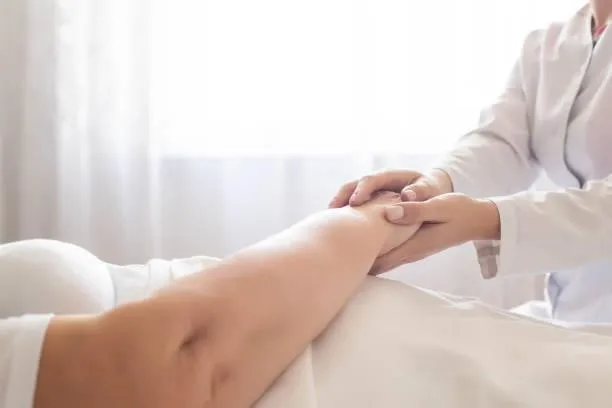Bed sores can be chronic and extensive and can lead to infective complications. If you or a loved one is facing bed sores, seeking prompt treatment is vital. Dr. Leena Jain, a skilled plastic surgeon, can provide the treatment needed for a faster recovery and better quality of life. Treatment may include cleaning and dressing the wounds, relieving pressure and flap surgery to cover them. With nearly 8 years of experience and countless happy patients, Dr. Jain is often called the best plastic surgeon in Bandra. Don’t hesitate to [contact](https://theplasticsurgeryclinic.co/contact) Dr. Leena Jain today for the help you deserve. Your health and comfort matter. ### **FAQ** **Q.** What do bed sores look like? **A.** Depending on their stage, bed sores can appear as red or discolored skin, blisters, black patches or open wounds. **Q.** What is a pressure ulcer? **A.** A [pressure ulcer](https://www.nhsinform.scot/illnesses-and-conditions/skin-hair-and-nails/pressure-ulcers), also known as a bed sore, is a wound that forms due to constant pressure or friction on the skin, often from prolonged sitting or lying down. **Q.** I have pressure sores on buttocks from sitting too long in one position. What can I do about it? **A.** Pressure sores develop due to constant pressure on the skin, leading to tissue damage. Treatment for bed sores on buttocks may include: - Keeping the area clean - Changing positions regularly - Using special cushions - In severe cases, surgical interventions like debridement or flaps ### Submit a Comment Your email address will not be published. Required fields are marked \* Comment \* Name Email Website **Categories:** Blog --- ### [Nipple Reduction Surgery](https://theplasticsurgeryclinic.co/blogs/nipple-reduction-surgery/) **Published:** January 24, 2024 **Author:** Dr. Leena Jain **Content:** # Nipple Reduction Surgery Jan 24, 2024 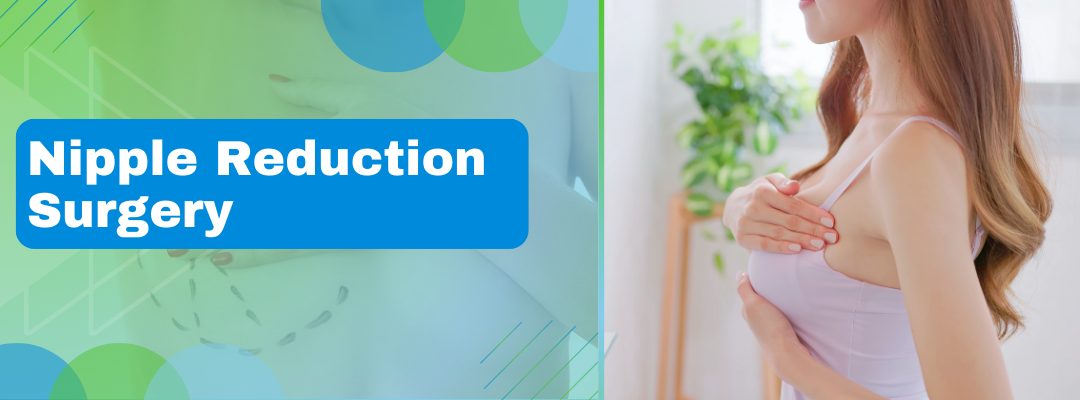 Dr. Leena Jain, a distinguished [plastic surgeon](https://theplasticsurgeryclinic.co/) in Mumbai, unveils the transformative journey of Nipple Reduction Surgery. It is a procedure meticulously designed to enhance both aesthetics and self-assurance. In this precise and nuanced surgery, Dr. Jain skillfully sculpts and reshapes the nipples. The aim is to achieve a harmonious balance that aligns with the patient’s desired aesthetics. The process involves minimizing excess tissue and ensuring proportionality and symmetry. With a keen eye for detail, Dr. Leena Jain employs cutting-edge techniques to refine your nipple size. She skillfully creates a natural, aesthetically pleasing appearance. This procedure is ideal for those seeking to address enlarged or asymmetrical nipples. It is an ingenious technique fostering a newfound sense of confidence. *Are you ready to redefine your confidence and embrace a more balanced set of nipples? [Visit](https://theplasticsurgeryclinic.co/contact/) Dr. Leena Jain, a reputed plastic surgeon in Mumbai, and explore the personalized journey of Nipple Reduction Surgery.* ***Wondering if this transformative procedure aligns with your aesthetic goals? Let’s explore the characteristics that make a perfect fit.*** ## **Ideal Candidates For Nipple Reduction Surgery** [Nipple Reduction](https://theplasticsurgeryclinic.co/services/breast-surgery-in-mumbai/) Surgery is suitable for individuals seeking aesthetic improvements in nipple size and symmetry. Mumbai’s eminent plastic surgeon, Dr. Jain, performs this procedure in the following cases:  - **Enlarged Nipples:** Do you have naturally enlarged nipples? This procedure can help you achieve a more proportionate and aesthetically pleasing appearance. - **Asymmetry Concerns:** Are you experiencing nipple asymmetry where one nipple is larger than the other? You can find symmetry through the precision of Nipple Reduction Surgery. - **Proportionality Seekers:** Do you desire a balanced and harmonious nipple-to-breast ratio? You can achieve your aesthetic goals through this surgery. - **Confidence Boost:** Are you keen on addressing nipple size concerns? Explore the personalized journey offered by Mumbai’s renowned plastic surgeon Dr. Leena Jain. She can help enhance your confidence and self-image. ***Wondering if Nipple Reduction is similar to Areola Reduction? Let’s explore these [transformative procedures](https://theplasticsurgeryclinic.co/services/tummy-tuck-surgery-in-mumbai).*** ## **Nipple And Areola Reduction** Dr. Leena Jain, an expert plastic surgeon, explains how Nipple and Areola Reduction differ. While both procedures aim to enhance aesthetics, they target different aspects.  - **Nipple Reduction:** In this procedure, Dr. Jain precisely addresses the size and projection of the nipple itself. It’s an ideal choice for those seeking modifications in nipple dimensions or symmetry. - **Areola Reduction:** Areola Reduction focuses on resizing the pigmented area surrounding the nipple. This procedure is suitable for individuals wanting to refine the size or shape of the areola. Each surgery is tailored to the unique goals of the patient, ensuring a balanced outcome. *Would you like to explore these options? Please visit Dr. Leena Jain, often called the best plastic surgeon in Bandra for her expertise.* ***In the next section, Dr. Leena Jain, a skilled plastic surgeon in Mumbai, addresses the common concern:*** ***How is nipple sensation affected post-surgery?*** ## **Navigating Nipple Sensation Post-Surgery** Following Nipple Reduction or Areola Reduction, patients often wonder about changes in sensation. Here’s looking at the most common changes:  - **Post-Surgery Sensation:** The majority experience a temporary decrease in nipple sensation after surgery. This is normal, given the impact on nerve endings during the procedure. - **Gradual Recovery:** Over time, sensation typically improves. As nerves regenerate, patients regain normal or near-normal sensitivity in the treated area. - **Individual Variances:** It’s essential to note that individual responses vary. Some may experience a quicker return to sensation, while for others, it may take more time. *Would you like personalized insights on post-surgery sensation and a smoother recovery? [Consult](https://theplasticsurgeryclinic.co/contact/) Dr. Leena Jain, a well-known plastic surgeon in Borivali. Her expertise ensures a comprehensive understanding of your unique journey.* ***Embarking on the journey of motherhood is a magical chapter. However, concerns about breastfeeding after Nipple Reduction Surgery may linger. Let’s unravel the mysteries and explore the possibilities together.*** ## **Breastfeeding & Nipple Reduction Surgery** Dr. Jain believes every woman deserves confidence and comfort in every aspect of life. Breastfeeding post-nipple surgery is a common concern for women. Dr. Jain provides some insights in this section.  - **Understanding the Impact:** Nipple Reduction Surgery may potentially affect breastfeeding. The surgery involves handling of the milk ducts and nerves. This can influence milk flow and sensation. - **Individual Factors:** The impact varies among individuals. While some women successfully breastfeed after Nipple Reduction, others may experience challenges. - **Expert Guidance Matters:** For personalized tailored advice, please consult Dr. Leena Jain. Her expertise ensures a detailed understanding of potential influences on breastfeeding post-surgery. Her dedication to you achieving your desired outcome has earned her the title of the best plastic surgeon in Mumbai. *Are you concerned about the impact of Nipple Reduction Surgery on your daily life? Visit Dr. Leena Jain, the go-to doctor for people seeking transformative* [*breast surgery*](https://theplasticsurgeryclinic.co/services/breast-surgery-in-mumbai) *in Mumbai. Your journey towards confidence and aesthetic harmony begins here.* ***Curious about the investment in your transformative journey? Let’s dive into the details of Nipple Reduction Surgery costs in India.*** ## **How Much Does Nipple Reduction Surgery Cost In India?** The cost of Nipple Reduction Surgery in India can vary based on several factors. They include: - **Surgeon’s Expertise:** The level of experience and reputation of the plastic surgeon performing the procedure. - **Facility Fees:** Costs associated with the surgical facility where the procedure takes place. - **Geographic Location:** Costs can vary between different cities or regions. - **Preoperative Tests:** Any required medical tests or evaluations before the surgery. - **Anesthesia Fees:** Charges related to the administration of anesthesia during the surgery. - **Postoperative Care:** Follow-up appointments and postoperative care provided by the surgeon. - **Complexity of the Procedure:** The extent of the Nipple and or Areola Reduction Surgery and other techniques or procedures involved. - **Additional Services:** Any supplementary services, such as consultation fees, compression garments, or medications. - **Reputation of the Clinic:** The reputation and facilities offered by the clinic or hospital. - **Travel and Accommodation:** Travel and accommodation costs may be a factor for outstation patients. *Please discuss your desired outcomes with Dr. Leena Jain for a personalized estimate. Dr. Jain provides cost-effective female and male Nipple Reduction Surgery in Mumbai.* ## **Conclusion**  Nipple Reduction Surgery is a decisive step toward enhanced self-confidence. This procedure can yield tangible benefits in terms of aesthetics and patient empowerment. Dr. Jain executes each procedure with precision. She strives to bring in a harmonious blend of physical refinement and psychological reassurance. The practical advantages extend to improved comfort and self-assurance. Dr. Jain, an accomplished plastic surgeon in Mumbai, is firm in her commitment to individualized care. This dedication strengthens the conclusion of Nipple Reduction Surgery. It marks a pivotal chapter in the pursuit of enhanced well-being. *Ready to enhance your confidence and well-being through Nipple Reduction Surgery?* [*Schedule a consultation*](https://theplasticsurgeryclinic.co/contact) *with Dr. Leena Jain today for personalized guidance and expert care.* *The path to confident self-expression is just a step away.* ***Now, let’s unravel common queries together in the FAQ section.*** ## **FAQ** **Q. Can Men Also Undergo Nipple Reduction Surgery?** Yes, men can undergo Nipple Reduction Surgery. It’s a procedure that helps address concerns about the size or shape of the nipples. **Q. Does Nipple Reduction Surgery Leave Scars?** Yes, there may be some scars, but a skilled surgeon like Dr. Leena Jain minimizes them. The scars are usually discreet and fade over time. **Q. What Is the Average Size of a Nipple?** The average size of a nipple varies, but in general, it’s around 3/8 to 1/2 inch in diameter. Keep in mind that individual sizes can differ. What matters most is your comfort and confidence. **Q. How Long Does It Take to Recover After Nipple Reduction Surgery?** Recovery time varies, but patients often return to normal activities within a week. You may have to avoid strenuous activities for a few weeks. **Q. Is Nipple Reduction Surgery Painful?** Patients may experience some discomfort, but pain is usually manageable with prescribed medications. Dr. Jain ensures a comprehensive pain management plan for a smoother recovery. **Reference Links:** - [**https://www.ncbi.nlm.nih.gov/pmc/articles/PMC2740602/**](https://www.ncbi.nlm.nih.gov/pmc/articles/PMC2740602/) - [**https://www.healthline.com/health/areola-reduction**](https://www.healthline.com/health/areola-reduction) **Categories:** Blog --- ### [Things You Need To Know About Tattoo Removal Treatment in Mumbai](https://theplasticsurgeryclinic.co/blogs/things-you-need-to-know-about-tattoo-removal-treatment-in-mumbai/) **Published:** June 15, 2023 **Author:** Dr. Leena Jain **Content:** # Things You Need To Know About Tattoo Removal Treatment in Mumbai Jun 15, 2023  The tattoo removal procedure helps eliminate unwanted tattoos on any body part. The human body can remove common small particles from the skin’s surface. The tattoo is made permanent by using much larger tattoo ink particles that are challenging for the human body to eliminate. As a result, there are only a limited number of treatment options for permanent tattoo removal, such as laser tattoo removal, dermabrasion, chemical peels, and surgical excision. 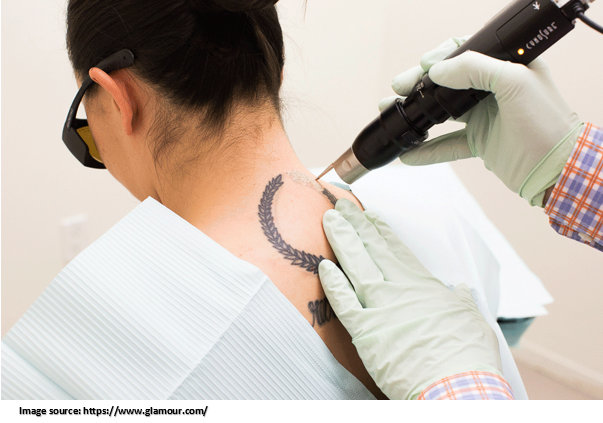If you have decided to have your tattoo removed, [consult ](https://theplasticsurgeryclinic.co/contact)a reputable plastic surgeon in Mumbai, like Dr. Leena Jain, to discuss your treatment options. Dr. Leena Jain is a highly experienced and skilled [plastic surgeon in Borivali, Mumbai](https://theplasticsurgeryclinic.co/). She offers advanced and effective tattoo removal in Mumbai at an inexpensive cost. **Before making any recommendations, Dr. Leena will take into account several factors, including:** - The size and location of the tattoo - Your medical history, including any surgeries - Allergies and current medications or treatments Dr. Leena Jain will select the best tattoo removal treatment for you based on these factors. For example, surgical excision is the best method for removing smaller tattoos, whereas laser treatment is the best option for certain colored inks. Discuss everything you want to get out of your tattoo with the [plastic surgeon](https://theplasticsurgeryclinic.co/about-us). Several side effects may occur after tattoo removal, including scarring, long-term skin discoloration, etc. Therefore, discuss your concerns with your surgeon and be sure to get all of your questions answered before undergoing the treatment. **Now, let’s discuss the actual,** ## **Tattoo Removal Procedures** Since tattoo removal requires only minor surgery, the surgeon may typically begin by administering local anesthesia. Again this would depend on site and size of tattoo. ### **Surgical Excision** 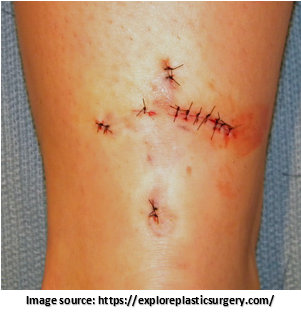The surgeon surgically removes the tattooed skin and sutures the wounds. Large tattoos, will need a skin graft to cover the wound and this option needs to be considered with a full understanding of its aesthetic results. ### **Laser Tattoo Removal** It is the most widely used and often safest tattoo removal method. The surgeon will advise wearing eye shielding glasses throughout the procedure to protect your eyes from intense light. Only the tattoo pigments will be affected by the laser beam’s absorption, leaving the inner layer of your skin unaffected as the laser light only penetrates the top layer of the skin. Tattoos are broken up into smaller pieces using a high-intensity laser beam so that the body can easily remove them. The surgeon will first test how the skin reacts to various laser intensities to select the best level. The tattoo can be removed using any laser wavelength if it is black. Specific laser wavelengths can only treat particular color pigments in colored tattoo inks. 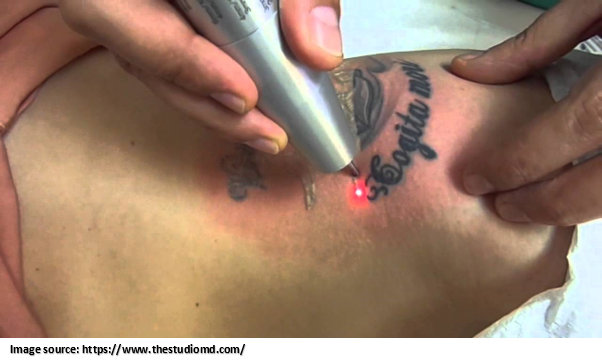Laser tattoo removal involves several steps. To completely remove the tattoo, you may need more than 5-6 sessions. The number of sessions also depends on the tattoo’s size, color, age, and skin color. Two laser treatment sessions will be separated by a 3-4 weeks, giving your body enough time to eliminate the treated pigments. 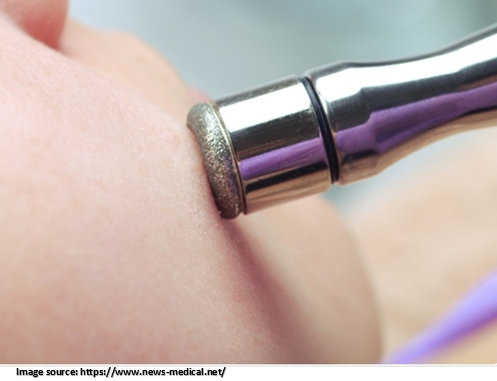### **Dermabrasion** In a dermabrasion procedure, the surgeon uses a fast-rotating instrument to remove the top layer of the skin. This will also remove the skin and the pigments from the tattoo. Typically, the device in question will have a wheel or an abrasive brush. Given the potential for significant pain during this procedure, some surgeons may use general anesthesia. The procedure might need more than one session, depending on the size of the tattoo. ## **Recovery After Tattoo Removal Treatment** After all tattoo removal procedures, the affected area is wrapped in gauze or a bandage. The surgeon may prescribe some medications and advise properly caring for the treated area. Your recovery time will vary depending on the [type of procedure](https://www.healthline.com/health/tattoo-removal-how#methods) you had. ### **Surgical removal** You might need to rest for the first two days following this procedure. Only on the doctor’s advice should you take off the dressing to clean the area, apply an antibiotic cream, and redress the wound. After using the suggested antibiotic cream, you should clean your wound daily and redress it. Depending on the method used, tattoo removal procedures may occasionally be unable to remove the tattoo entirely and may leave a permanent scar. Therefore, before you undergo a tattoo removal procedure, ensure you know all the relevant information. ### **Laser Tattoo Removal** An ice pack applied immediately after the procedure will help reduce the burning sensation. The surgeon will bandage the treated area after using antibiotic cream. The wound will need to be cleaned with regular water, a prescription soap, and antibiotic cream as part of your daily care regimen. It may take 5 to 8 days for the wound to fully heal, during which time it must be kept covered. You are allowed to use sunscreen outside during the entire laser treatment. ### **Dermabrasion** Following the application of the antibiotic cream, dermabrasion treatment is similar to laser tattoo removal in that you must clean the wound daily with soap and water. Generally, a dermabrasion procedure takes 10 to 15 days to heal. Laser tattoo removal usually takes less time. Until the treated area is fully healed, it must be covered with the dressing. ### Submit a Comment Your email address will not be published. Required fields are marked \* Comment \* Name Email Website **Categories:** Blog --- ### [All you need to know about corneal ulcer surgery](https://theplasticsurgeryclinic.co/blogs/all-you-need-to-know-about-corneal-ulcer-surgery/) **Published:** June 14, 2022 **Author:** Dr. Leena Jain **Content:** # All you need to know about corneal ulcer surgery Jun 14, 2022  Let us understand what a cornea is and its purpose. The cornea is a clear layer of tissue located in the front of the eye. It is like window through which the light enters the eye. Tears protect the cornea against viruses, fungi and bacteria. https://media.npr.org/assets/img/2011/07/08/cornea-bulging-a96cef893481f78dbb421dc500091c2652ea3c69.jpg ## Causes of corneal ulcer **There are several causes of corneal ulcers. The main reasons are:** - **Infection** 1. Bacterial infections 1. Herpes simplex virus( causes cold sores) and varicella virus(chickenpox and shingles) are some of the viral infections causing corneal ulcer. 1. Candida,Fusarium, Aspergillus, are some of the fungal infections that can occur due to an injury by a branch, twig or any other natural object. However, these infects are rare. 1. Acanthamoeba, an amoeba found in fresh water and dirt is a type of Parasitic infection that can lead to corneal ulcer - Cuts and scratches, abrasions in the corneal surface become infectious leading to corneal ulcer. - Keratoconjunctivitis sicca or dry eyes syndrome is a condition characterized by zero germ-fighting protection of the tear film which can lead to corneal ulcer or aggravate it. This syndrome is rather common and affects younger age group also risking early visual loss. - Bell’s palsy causes paralysis of eyelid muscles that causes failure of full closure of eyelids or lashes growing inwards, and rubbing against the cornea. This exposure of cornea at night and the abrasions caused by rubbing of lashes can lead to ulceration. - Any other condition leading to loss of sensation of the corneal surface - Splashing of caustic solutions, chemical burns to the eyes can damage the cornea causing ulceration. - Patients who wear contact lens can develop corneal ulcers, especially the long lasting type of contact lenses. - Patients suffering from other autoimmune disorders like rheumatoid arthritis, lupus,with immune-mediated scleritis can develop corneal ulcers. ## Symptoms An ophthalmologist will check the eyes for corneal ulcer. The signs of corneal ulcer are - Inflammation in the conjunctiva and in the anterior chamber of the eye with swelling of cornea/ conjunctiva - Swollen eyelids with a gray or white round spot on the cornea maybe visible to the naked eye, if large in size. - Location of the ulcer could be central or maybe located at the outer rim of the cornea. - Scarring on account of earlier corneal ulcers - Loss of sensation of cornea - Indication of iritis, an inflammatory response within the anterior chamber which is also noticed in the hypopyon, the lower section of the anterior chamber, if the ulcer is severe - Thinning of the cornea with inner layers of the cornea ballooning outwards ## Diagnosis An ophthalmologist is qualified to conduct an examination for corneal ulcer using a slit lamp, special eye microscope. The corneal examination is done by placing a drop of dye fluorescein for better visibility of the ulcer. If required, scrapings of the corneal ulcer are sent for further investigation to the laboratory. The investigation detects the presence of virus, fungi or bacteria and also the extent of infection in the cornea. Surgery to prevent or healing the corneal ulcer As a microsurgeon,[ Dr. Leena Jain](https://theplasticsurgeryclinic.co/), an experienced facial palsy surgeon in Borivali, Mumbai offers procedure to restore nerve supply of cornea and prevent ulceration through two surgical procedures – - Salivary Gland Transplantation for Dry Eyes - Corneal neurotization https://source.wustl.edu/wp-content/uploads/2005/01/2568.jpg ### **Salivary Gland Transplantation** It is a major procedure that is performed to resolve dry eye issues. This [surgery](https://theplasticsurgeryclinic.co/services/plastic-surgery-and-trauma-treatment-in-mumbai/) is recommended when the tear glands are secreting fewer or no tears, causing dryness of the eyes. Here, the microsurgeon removes the salivary gland (with its duct) from the neck and transplants it into the temple area of the forehead. The duct is then tunneled into the eyes and fixed there. The blood vessels taken with the gland are joined with blood vessels in the temple area. Once the circulation of the gland is restored, it becomes functional and secretes saliva which moistens the eyes. Patients with cicatricial disorders wherein the mucous membranes are affected due to autoimmune conditions are suggested to undergo the Salivary Gland Transplantation procedure for dry eyes. ### **Surgery for insensate cornea or Corneal neurotization**– This procedure is performed to restore sensations to the cornea of a patient with an impending corneal ulcer or insensate cornea. The cornea is located centrally in the eye. The microsurgeon takes a small[ nerve graft ](https://www.hopkinsmedicine.org/health/treatment-tests-and-therapies/nerve-graft#:~:text=A%20nerve%20graft%20is%20a,location%20and%20placed%20in%20another.)from the lower limb and connects it to a nerve of the forehead which is then tunneled into the eye around the cornea. The nerve regrowth is directed into the affected cornea to restore the eye’s sensation. Through this procedure, the patient’s tearing reflex, protective blink reflex, and normal wound healing pursues to help cure ulcers and provide a better result post corneal transplant. ### Submit a Comment Your email address will not be published. Required fields are marked \* Comment \* Name Email Website **Categories:** Blog --- ### [Breast Reconstruction following Breast Conservation Surgery](https://theplasticsurgeryclinic.co/blogs/breast-reconstruction-following-breast-conservation-surgery/) **Published:** April 10, 2024 **Author:** Dr. Leena Jain **Content:** # Breast Reconstruction following Breast Conservation Surgery Apr 10, 2024 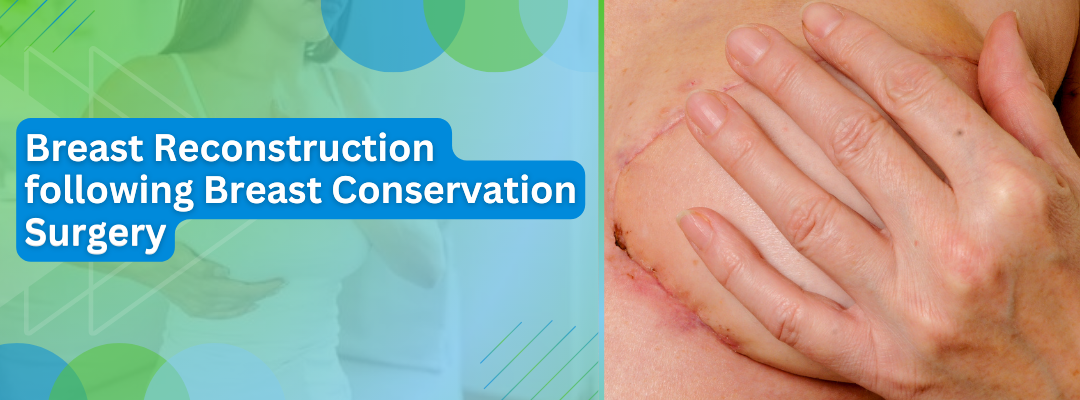 The journey of breast cancer treatment is full of decisions like the need for mastectomy or breast conserving surgery, followed by reconstruction requirement and lastly need of radiation. Cancer treatment is a journey of choices. People seek to balance the physical and emotional parts of breast cancer recovery. Breast conservation surgery aims to reconstruct the breast volume after removal of cancerous tissue. Plastic surgeon does the reconstruction while cancer surgeon does the latter. Breast conserving surgery offers a less invasive option to mastectomy and is the current norm to preserve as much of breast as is feasible. This leaves a small defect in the breast after removal of the tumor. Now if the volume loss created by tumor removal is more than 15% of total breast volume, then it requires to be reconstructed to give a symmetric, aesthetically acceptable and pleasing breast. This is very essential to build back the confidence of a woman. Dr. Leena Jain is a renowned [Plastic Surgeon in Borivali.](https://theplasticsurgeryclinic.co/) She aims to shed light on this complex decision process. Dr. Jain has extensive experience. She has worked particularly in Bandra and Borivali. She offers invaluable insights into breast reconstruction and [breast cancer treatment](https://theplasticsurgeryclinic.co/services/breast-surgery-in-mumbai/). ## [Dr Leena Jain Shedding lights on Importance of Breast Reconstruction, Types, and Procedure ](https://www.youtube.com/watch?v=IMIHAVqzDzM) *Guess what? Breast reconstruction can be a transformative journey. Learn how it might be the right choice for you.* Curious about breast reconstruction after BCS? Discover how we can help you feel whole again. [Get expert advice now!](https://theplasticsurgeryclinic.co/contact/) ## Breast Conservation Surgery (BCS) Explained 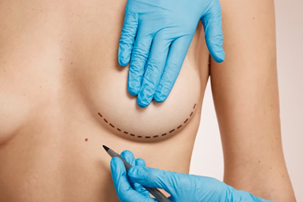Breast Conservation Surgery, is known as lumpectomy or quadrantectomy. It removes cancerous tissues from the breast. It also takes a bit of nearby healthy tissue. The goal is to save as much of the breast as possible. This procedure is for early-stage breast cancer patients. It focuses on removing cancer while keeping the breast’s appearance. After surgery, patients get radiation therapy. It kills any remaining cancer cells to stop the cancer from returning. Many prefer BCS. It aims to keep the breast’s appearance while treating cancer. ***Here’s the deal! Deciding on breast reconstruction isn’t easy. Let us help simplify the process for you.* ## **Who should opt for breast reconstruction after BCS**? 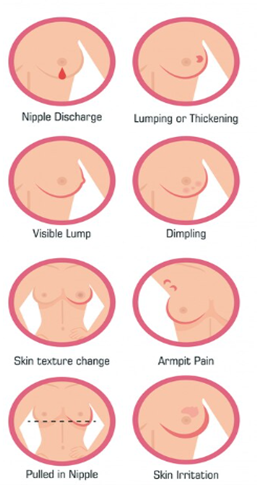According to Dr. Leena Jain, “choosing breast reconstruction after Breast Conservation Surgery (BCS) is a personal decision and not necessary for everyone.” Factors influencing this choice include: - **Amount of tissue removed:** This affects the chance of considering reconstruction. More tissue out during BCS means more likely to consider it to restore the breast’s shape and size. - **Breast Size: Patients with larger breasts might not see as big a change after BCS. Those with smaller breasts will notice a definite depression and asymmetry in the two breasts. - **Aesthetic Concerns:** asymmetric volume depleted breasts definitely affect the woman’s appearance and confidence, hence requires reconstruction. - **Psychological Well-being:** Breast cancer and its treatment can hurt a patient’s body image and self-esteem. This can influence the decision to have reconstruction. ### Patient Considerations When deciding on breast reconstruction after breast conservation surgery, patients must consider many personal and medical factors. They need to make the best decision for their health and well-being. Choosing breast reconstruction depends on several patient-specific factors. These include the cancer stage, overall health, and personal surgery preferences. - Stage of Cancer. - Overall Health - Personal Preferences - Understanding the Surgical Process - Recovery Expectations - Impact on Body Image and Self-esteem Imagine feeling confident again. Learn about post-BCS reconstruction options.[ Contact us now!](https://theplasticsurgeryclinic.co/contact/) ## Breast Reconstruction Techniques: **There are two types of [breast reconstrmection](https://theplasticsurgeryclinic.co/blogs/breast-reconstruction-in-mumbai/) surgery** - Implant reconstruction: - Autologous or “flap” reconstruction: - **1. Implant-based reconstruction**: Usually breast volume removed is only 20-30 % hence implants are not the primary choice. Besides, they interfere with radiation. - **2. Autologous flap reconstruction**: This is the method of choice to restore size, symmetry and shape of the breast. Here two important methods are employed depending on the tumour location: - *A. Local or regional flaps*: Here tissue of required dimensions is taken from the side of the chest or from the back or inferior to the breast and moved into the defect. This way the volume and shape of breast are reconstituted. **Commonly done flaps are**– Thoracodorsal artery perforator flap, anterior or lateral intercostal artery perforator flaps. From wherever the flap is taken that area will have a single line fine scar, without any functional compromise. - ***B. Breast reduction***: In a woman with heavy breasts undergoing breast conserving tumor removal can undergo a breast reduction surgery. Here the entire volume of both breasts is reduced in a symmetric manner. The large sagging breasts will now be replaced with smaller, symmetric and upright breasts; again tremendously boosting a woman’s confidence and appearance. In addition, the symptoms associated with heavy breasts like back pan, shoulder pain and neck pain disappear. Healing time for both breasts after reaction is about two weeks. *Timing is everything when it comes to reconstruction post-BCS. Find out the best approach for you.* ## Best Time to Undergo Breast Reconstruction Following BCS The timing of breast reconstruction can vary. Reconstruction may happen right away during BCS- primary reconstruction. Or, it can be delayed for those who wish to wait due to extra cancer treatments- secondary reconstruction. Dr. Jain emphasizes on the importance of breast reconstruction during the cancer removal itself – that is, during the primary surgery as the anatomy is best delineated, healing is optimal, both are done during a single anaesthesia and patient feels her breast restored and this gives a psychological boost to the entire cancer treatment. *Want to know how successful it turns out? Success stories abound. Discover how breast reconstruction has helped many regain confidence post-BCS.* ## Success Rate of Breast Reconstruction Surgery After BCS The [success rate](https://www.ncbi.nlm.nih.gov/pmc/articles/PMC4115743/) of breast reconstruction post-BCS is generally high. Advances in surgical techniques have improved aesthetic results and minimized complications. However, success is subjective. Patient satisfaction and post-recovery quality of life measure it. ## CONCLUSION Reconstructing a breast after breast conservation surgery is a personal choice. It is influenced by medical, psychological, and aesthetic factors. Dr. Leena Jain is a distinguished Plastic Surgeon in Mumbai. She stresses the importance of a tailored and comprehensive approach. It ensures that patients get full care that fits their desires and health needs. By understanding BCS and breast reconstruction, patients can make empowered decisions. They can do this alongside their healthcare providers. Reclaim control after breast cancer by exploring your reconstruction options. [Book your appointment now!](https://theplasticsurgeryclinic.co/contact/) ## FAQs 1. Is breast reconstruction always necessary after breast conservation surgery? Yes, more often than not, breast reconstruction is always necessary after BCS. The need for reconstruction depends on the amount of tissue removed . 2\. Does breast reconstruction affect cancer treatment outcomes? Breast reconstruction does not affect cancer treatment outcomes. It is crucial to plan reconstruction around cancer treatments to ensure the best possible health results. - Is breast reconstruction covered by health insurance? Often, health insurance covers breast reconstruction as part of breast cancer treatment. Yet, it can vary, so patients should verify with their insurance provider. **Categories:** Blog --- ### [DIEP Flap vs. TRAM Flap: Which is Better for Breast Reconstruction](https://theplasticsurgeryclinic.co/blogs/diep-flap-vs-tram-flap-which-is-better-for-breast-reconstruction/) **Published:** February 24, 2025 **Author:** Dr. Leena Jain **Content:** # DIEP Flap vs. TRAM Flap: Which is Better for Breast Reconstruction Feb 24, 2025 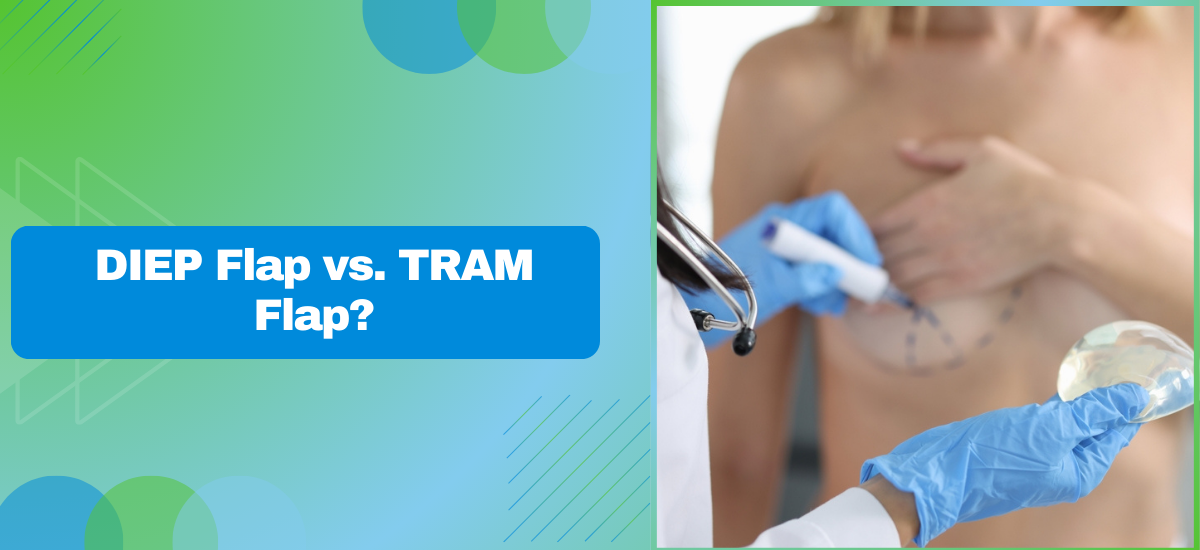 Breast reconstruction is essential for many women recovering from a mastectomy, whether due to cancer or other conditions. Using natural tissue for reconstruction can significantly improve a patient’s self-esteem and quality of life. The DIEP Flap and TRAM Flap are two common techniques that use tissue from the lower abdomen but differ in their harvesting and application methods. Knowing these differences is essential for making an informed choice. Dr. Leena Jain, a highly regarded plastic surgeon in Mumbai, explains, “As with any surgery, each option has unique benefits and risks. The choice between DIEP Flap and TRAM Flap depends on individual health, aesthetic goals, and personal preferences.” Dr. Leena Jain specializes in reconstructive surgeries, combining technical expertise with a compassionate approach to provide personalized care. Committed to helping women regain their confidence, she aims for natural and aesthetically pleasing results and guides patients in making informed decisions about their reconstruction options. In this blog, we will compare DIEP Flap vs. TRAM Flap to help you understand which option might be better for you. ## Understanding Flap-Based Breast Reconstruction Flap-based breast reconstruction involves using tissue from another part of your body to rebuild the breast. Unlike implants, which rely on synthetic materials, flap-based methods utilize natural tissue. This approach helps create a more natural look and feel for the reconstructed breast. The two most common flap techniques are the DIEP flap (Deep Inferior Epigastric Perforator Flap) and the TRAM flap (Transverse Rectus Abdominis Myocutaneous Flap). While both techniques use tissue from the abdominal area, the way they harvest and use this tissue differs.  Ready to explore your breast reconstruction options? Consult an expert to learn more about which procedure is best for you. [Book an appointment](https://theplasticsurgeryclinic.co/contact/) ***How does breast reconstruction with DIEP flap technique differ from other methods? Let’s look at its benefits and advantages for recovery.*** ## What is DIEP Flap Reconstruction? DIEP flap reconstruction involves using skin and fat from the lower abdomen, but unlike the TRAM flap, it does not include any muscle tissue. This technique preserves the abdominal muscles, which helps maintain core strength and reduces the risk of long-term complications related to muscle weakness. The DIEP flap procedure is considered more advanced. Plastic surgeons generally prefer it because it offers a more natural appearance. Additionally, it carries a lower risk of complications, such as hernias or abdominal weakness. ***“Patients who undergo DIEP flap breast reconstruction typically experience faster recovery times and fewer complications compared to those who have TRAM flap surgery,” notes Dr. Leena Jain.*** ***What is the TRAM flap procedure, and why might it be suitable for some women? Let’s look at how it works and when it may be appropriate.*** ## What is TRAM Flap Reconstruction? TRAM flap reconstruction is a common procedure in breast surgeries that involves using skin and fat from the lower abdomen and the rectus abdominis muscle. While this muscle is essential for abdominal strength, it is removed during TRAM flap procedures, weakening the abdominal wall and potentially leading to complications such as hernias or bulging. Although TRAM flap reconstruction has been a standard technique in breast surgeries for many years, it is less commonly performed today due to advancements in the DIEP flap technique. However, some patients may choose the TRAM flap if they do not have enough tissue for a DIEP flap or cannot undergo a muscle-sparing procedure. ***What factors should you consider when choosing between the DIEP and TRAM flaps? Let’s explore these key aspects to help you make an informed decision.*** ## Which One is Right for You?  The decision between DIEP Flap vs. TRAM Flap ultimately depends on your health, anatomy, and preferences. Several factors will influence your choice, including: ### 1. Abdominal Strength: If you are concerned about losing abdominal muscle strength, the DIEP Flap may be the better option since it spares the muscles. ### 2. Tissue Availability: Some women may not have enough excess tissue in the abdomen to undergo a DIEP Flap procedure and may be better suited for TRAM Flap reconstruction as the muscle will give an additional bulk. ### 3. Recovery Time: DIEP Flap typically offers a quicker recovery and fewer complications than TRAM Flap, but this can depend on individual healing. ### 4. Aesthetic Goals: Both options provide natural-looking breasts, but the absence of muscle removal in DIEP Flap often results in a better aesthetic outcome with a lower risk of future abdominal wall complications. Before making a decision, it’s essential to have a thorough consultation with an expert to discuss your options and determine which procedure is best suited for your body and lifestyle. ## Conclusion DIEP flap and TRAM flap breast reconstruction are both options for women desiring to restore breast volume and shape after a mastectomy. The DIEP flap is often preferred due to its preservation of abdominal muscles and lower complication risk, but the TRAM flap remains a viable choice for some patients. It’s essential to consult an experienced plastic surgeon specializing in breast surgeries, like Dr. Leena Jain, to evaluate your specific needs, guide you through the decision-making process, and help you choose the best option for your body and recovery. Looking for the best option for your breast reconstruction? Consult a competent specialist to discuss your choices. Book an appointment now! [Book an appointment](https://theplasticsurgeryclinic.co/contact/) ***Still have questions? Let’s address the most common ones below.*** ## FAQs ##### What is the difference between DIEP Flap vs. TRAM Flap? DIEP Flap uses skin and fat without removing abdominal muscles, while TRAM Flap includes tissue and muscle-rectus abdominis muscle from the abdomen. ##### Is DIEP Flap better than TRAM Flap? Many consider the DIEP Flap better due to fewer complications, faster recovery, and better preservation of abdominal muscle strength. ##### Can I have a DIEP Flap if I don’t have enough abdominal tissue? If you don’t have enough abdominal tissue, TRAM Flap may be a better option as muscle will provide an additional bulk, but it depends on your anatomy. ##### How long does it take to recover from DIEP Flap surgery? Recovery from DIEP Flap surgery typically takes 3 to 4 weeks, but it may vary based on individual health and healing. ##### Will my new breast look natural after DIEP Flap reconstruction? Yes, DIEP Flap provides a natural-looking result because it uses your tissue to create the breast. ##### Is DIEP Flap surgery more expensive than TRAM Flap? DIEP Flap surgery can be more expensive due to its complexity, but the exact cost varies depending on the hospital and room choice. ##### Can TRAM Flap surgery help with abdominal contouring? TRAM Flap can improve abdominal appearance by removing tissue and muscle from the lower abdomen. **Reference Links:** **Disclaimer:** This page is for informational purposes and not for promotional use. **Categories:** Blog --- ### [Ear lobe repair](https://theplasticsurgeryclinic.co/blogs/ear-lobe-repair/) **Published:** October 9, 2024 **Author:** Dr. Leena Jain **Content:** # Ear lobe repair Oct 9, 2024 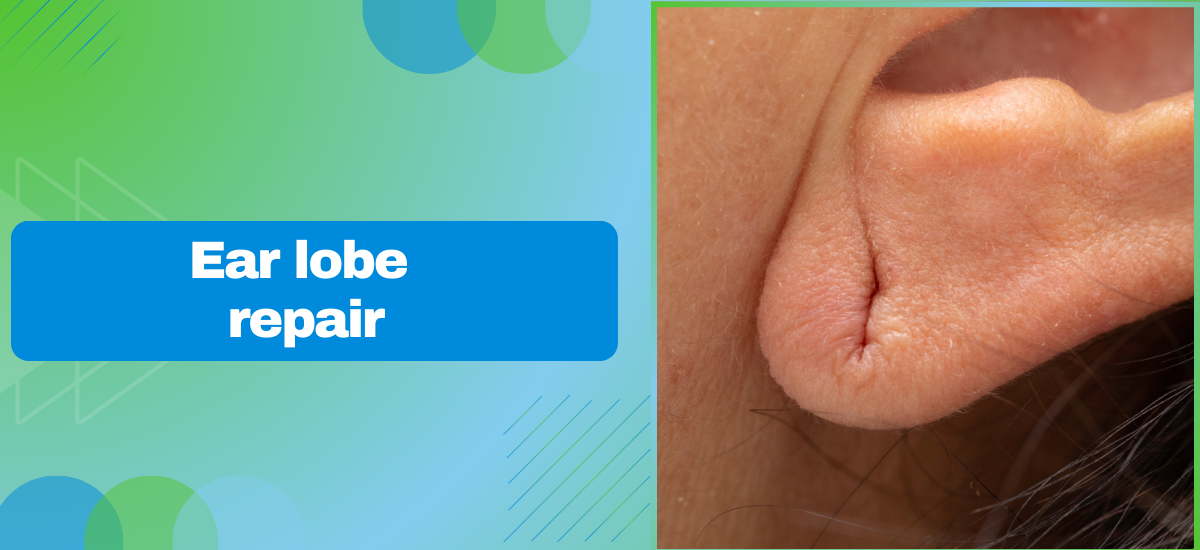 Ear lobes are pierced in most girls in childhood and all of us love wearing earrings- small and big through our life, irrespective the age of a woman. Not having earrings on, leaves an otherwise glamorous face incomplete! Ear lobes are pierce in their middle so both earrings are placed in the same position. With aging, injury, infection or excessive load of earrings, the ear lobe hole becomes elongated, resulting in downward shift of any earring worn. When excessively elongated, earrings may just come out of the hole along with its screw and at times the entire ear lobe also maybe torn completely! Ear lobe repair or Auroplasty is a surgery done to repair the elongated hole made in the ear lobe. One or both affected lobes can be operated upon simultaneously. ## Day care surgery Anaesthesia : local Procedure: There are three methods of doing this: - **Method 1**: With preservation of hole- it involves making the edges of the hole raw and then suturing the skin layer in front and at the back of the ear along the entire length except leaving behind a small opening at the uppermost end to wear earrings. Here a small flap is raised from one side to line the hole. - **Method 2**: Without preservation of hole- here the entire length of the hole is made raw and sutured without leaving behind any opening. About 3 months after this surgery a new hole is pierced adjacent to the stitch/ repair line so the problem does not recur. - **Method 3**: With cartilage graft- elongated ear lobes in young females or in those where it has recurred after a repair, repair is done adding a small disc of cartilage in between the skin layers in front and behind. This bolsters the repair site. When the lobe is then pierced, the piercing is done through the cartilage which is strong than skin and hence, the hole will not elongate in future giving a long term satisfactory result. Making a new hole: in methods 2 and 3, a new hole can be made after atleast three months so the skin repaired gets back a reasonable strength. Go on get those lovely earrings back in place perfectly without worrying about their weight! **Categories:** Blog --- ### [6 Weeks After Tummy Tuck](https://theplasticsurgeryclinic.co/blogs/6-weeks-after-tummy-tuck/) **Published:** January 13, 2024 **Author:** Dr. Leena Jain **Content:** # 6 Weeks After Tummy Tuck Jan 13, 2024 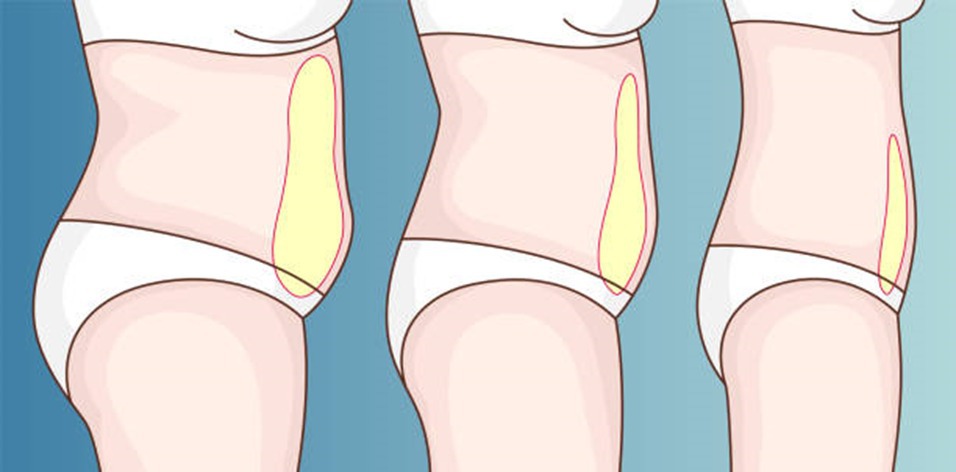 A Tummy Tuck is a cosmetic surgical procedure designed to enhance the abdominal contour. Globally, the ISAPS\* reported that there were 611,337 tummy tuck procedures performed in 2019. \* ISAPS – International Society of Aesthetic Plastic Surgery Dr. Leena Jain, a respected [plastic surgeon](https://theplasticsurgeryclinic.co.in/) in Mumbai, specializes in this transformative procedure also called abdominoplasty. *But what should you expect a few weeks after the surgery? Are you concerned about your ‘6 weeks post [tummy tuck](https://theplasticsurgeryclinic.co.in/services/tummy-tuck-surgery-in-mumbai/) swelling’?* “It’s normal to experience some swelling at 6 weeks after a tummy tuck,” says Dr. Leena Jain. “The body is still in the process of healing, and mild swelling is a common part of the recovery. This will gradually diminish as the healing progresses, revealing the final results of the procedure.” ***Continue reading as we shed light on what to expect 6 weeks after this transformative procedure.*** ## ****What to Expect 6 Weeks After Tummy Tuck**** Following are some common changes that you can expect 6 weeks after tummy tuck. **Reduced Swelling and Bruising: At this stage, swelling and bruising should noticeably decrease. It will reveal a more defined and natural appearance. **Visible Scar Healing: While scars are still present, they begin to fade. Their appearance becomes less prominent as the healing process progresses. **Improved Mobility: Patients often experience improved mobility. This occurs as the body continues to adjust and heal, allowing for more comfortable movements. **Return to Normal Activities: Most individuals can gradually resume normal daily activities. Remember to follow the specific guidelines provided by the surgeon. **Enhanced Contour Definition: The contour of the abdomen becomes more refined. It showcases the intended results of the tummy tuck procedure.  Do you wish to embark on your transformative journey to a well-shaped tummy? [Schedule a consultation](https://theplasticsurgeryclinic.co.in/contact/) with Dr. Leena Jain. With nearly 8 years of expertise, she is the go-to surgeon for people seeking [tummy tuck](https://theplasticsurgeryclinic.co.in/services/tummy-tuck-surgery-in-mumbai) surgery in Mumbai. ***Curious about potential complications 6 weeks post a tummy tuck? Let’s ensure you’re well-informed on this crucial stage of your recovery journey.*** ## ****Possible Complications 6 Weeks Post Op Tummy Tuck**** ### **Persistent Swelling** Mild swelling may persist at 6 weeks, but it’s a normal part of the healing process. Elevating the legs and following post-operative care instructions can help alleviate this. ### **Bruising** Some residual bruising may still be visible, although it should continue to fade. This is typically part of the natural [healing timeline](https://theplasticsurgeryclinic.co.in/blogs/how-long-does-it-take-to-recover-from-a-tummy-tuck). ### **Numbness or Sensation Changes** Patients may experience temporary numbness or changes in sensation around the abdominal area. This usually resolves gradually over time. ### ****Scar Appearance**** Scars may still be noticeable, but they will continue to fade and mature over the coming months. Following scar care instructions is essential for optimal healing. 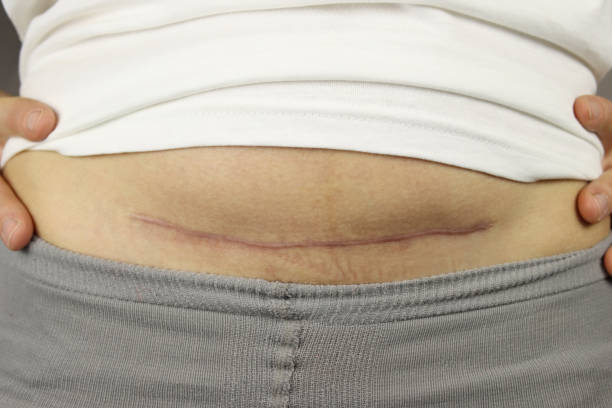### **Delayed Healing** In some cases, delayed healing of incisions or areas with compromised blood supply may occur. Dr. Leena Jain monitors patients closely to address any potential complications. ### ****Infection Risk**** While uncommon, there is a minimal risk of infection. Strict adherence to post-operative care, including cleanliness and antibiotic use, helps mitigate this risk. It is important to choose a highly qualified medical professional like Dr. Leena Jain to minimize the potential complications. Having performed several successful tummy tuck procedures, she is often called the best plastic surgeon in Borivali. ***Wondering if you can resume your fitness routine after 6 weeks post-tummy tuck? Let’s navigate the path to a more active lifestyle.*** ***[Schedule an appointment](https://theplasticsurgeryclinic.co.in/contact/) to discuss your personalized fitness plan today.*** ## ****Fitness Journey After 6 Weeks Post-Tummy Tuck**** It’s generally safe to resume exercise after 6 weeks post-tummy tuck. Dr. Leena Jain recommends starting with gentle activities like walking or stationary cycling. These will promote blood flow and aid in [recovery](https://theplasticsurgeryclinic.co.in/blogs/how-long-does-it-take-to-recover-from-a-tummy-tuck/). Here’s a ‘6 weeks post tummy tuck exercise regime’ you can safely follow: **Walking: Start with short walks and gradually increase the duration. Walking is an excellent low-impact exercise to kick-start your activity. **Light Aerobics:** Incorporate light aerobics, focusing on controlled movements. This will help avoid excessive strain on the abdominal area. Collaborations between plastic surgeons and researchers will likely yield breakthroughs that lead to safer, more efficient, and more personalized treatments. Dr. Leena Jain, a leading plastic surgeon in Mumbai, remains at the forefront of these [developments](https://theplasticsurgeryclinic.co.in/services/publications), ensuring her patients benefit from the latest and most effective solutions available. **Leg Lifts: Gradually introduce leg lifts. Keep movements controlled to engage the lower body without stressing the midsection. **Arm Exercises: Include light arm exercises to maintain overall fitness. Keep in mind the healing process of the abdomen. **Stationary Cycling: Engage in stationary cycling for cardiovascular benefits without putting strain on the abdominal muscles. ***Ready to witness the visible proof of renewed confidence? Let’s unlock the impact of tummy tuck through before and after photos.*** ## [****Before and After Tummy Tuck****](https://theplasticsurgeryclinic.co.in/gallery/tummy-tuck/) 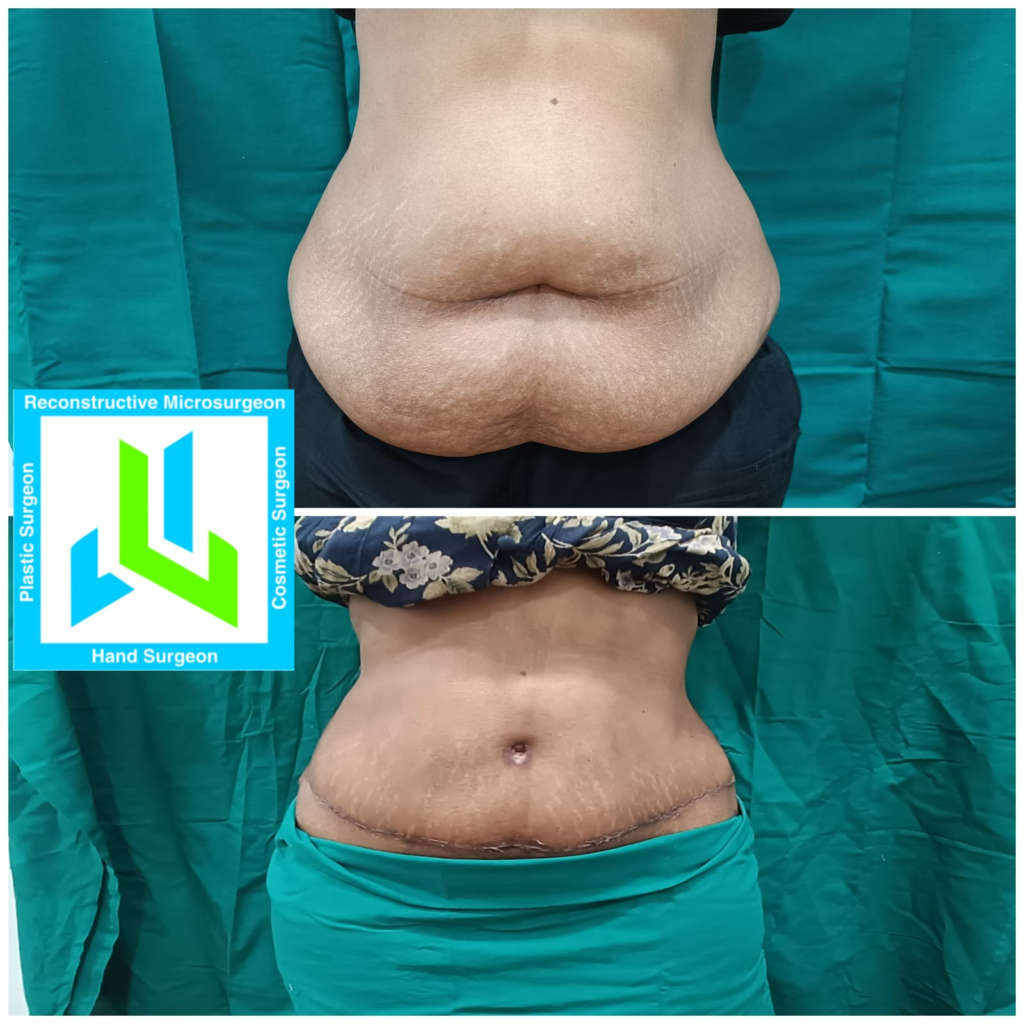 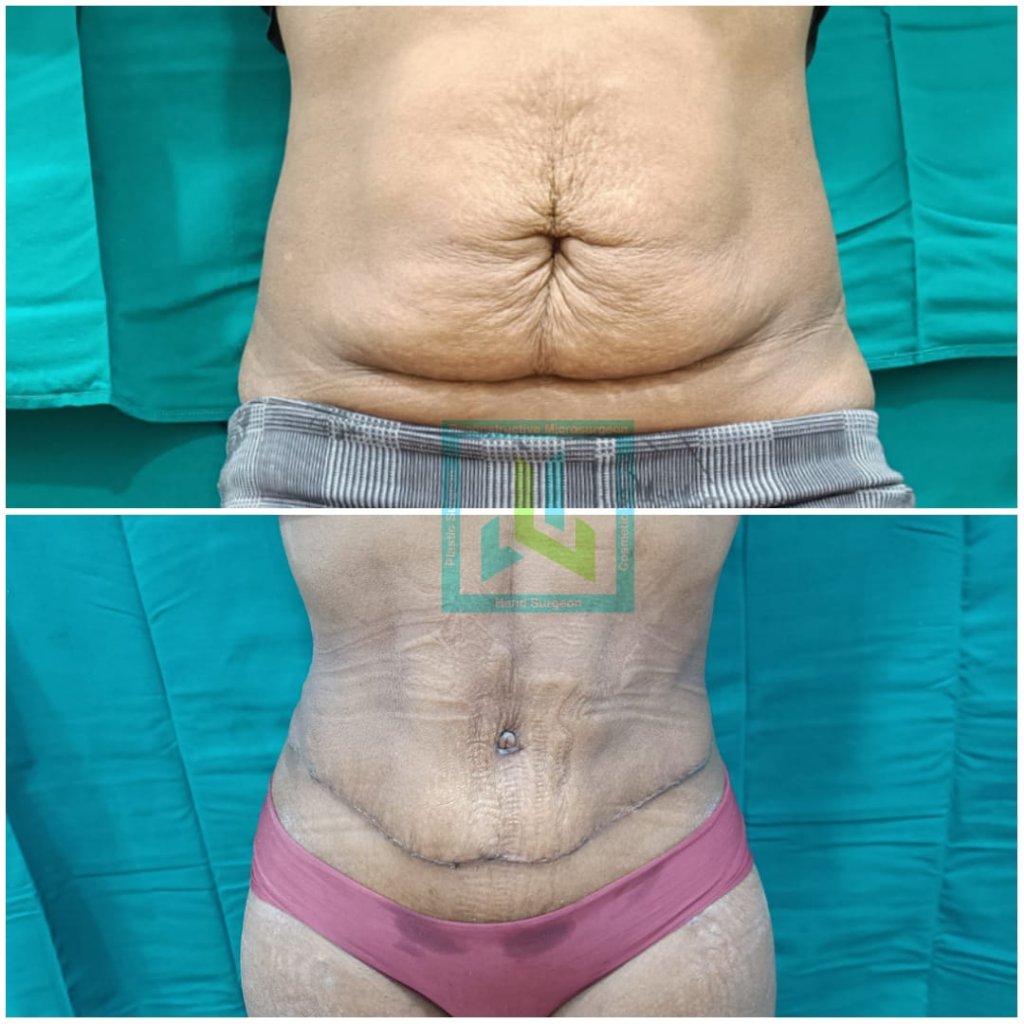 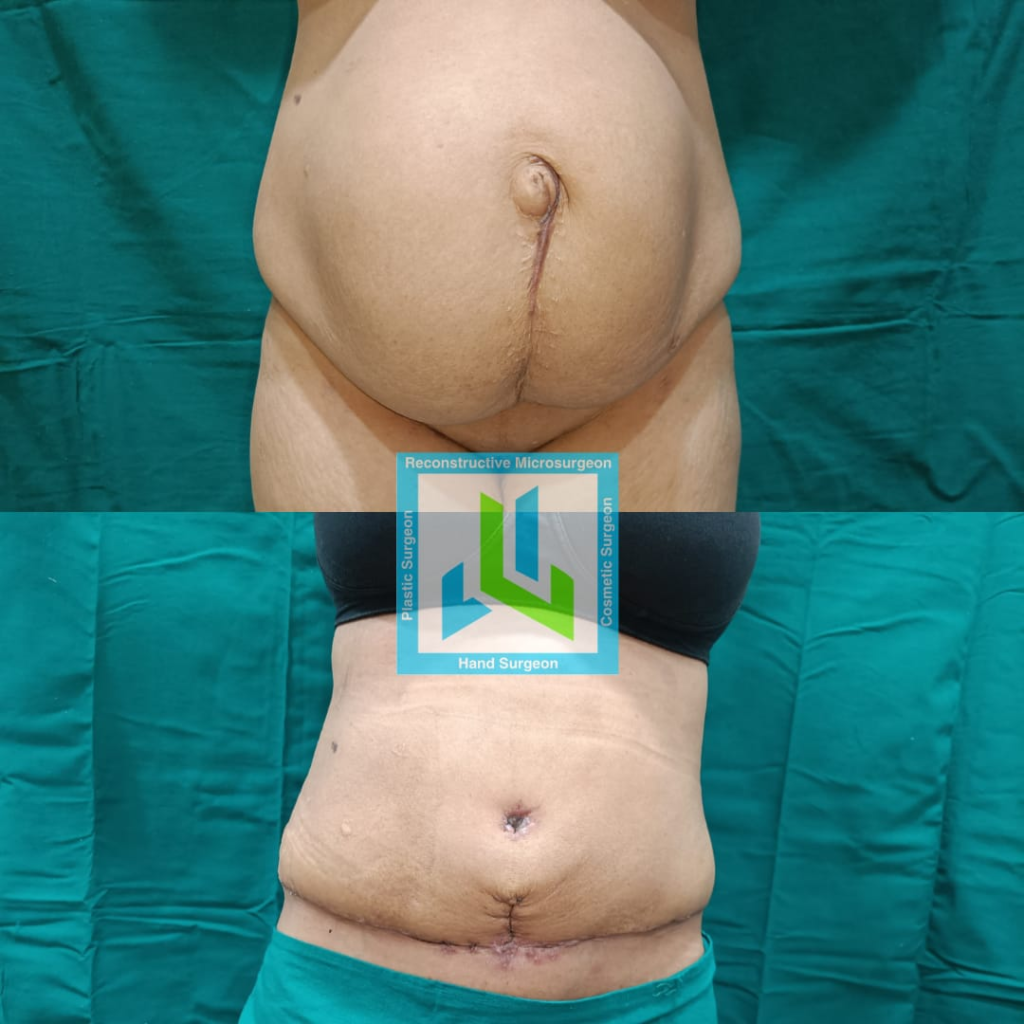 ***Are you considering a tummy tuck surgery?* [*Book a consultation*](https://theplasticsurgeryclinic.co.in/contact) *with Dr. Leena Jain, a trusted plastic surgeon in Mumbai.*** ## **Conclusion** In the pursuit of a sculpted abdomen, a tummy tuck emerges as a transformative solution. Whether post-pregnancy, weight loss, or aging, a tummy tuck offers a renewed silhouette. It helps in addressing concerns of excess skin and stubborn fat. Today, we’ve unraveled the journey 6 weeks post-surgery. We discussed the reduction of swelling, scar healing, and the gradual return to normal activities.  Dr. Leena Jain’s expertise ensures a smooth path through these milestones. For those considering this transformative step, she provides personalized care and expert guidance. Are you ready to redefine your confidence and body image? Schedule a [consultation](https://theplasticsurgeryclinic.co.in/contact) with Dr. Leena Jain. ***Embrace the change, and rediscover confidence! Embark on your journey to a sculpted and revitalized you!*** ***In the next section, we shall address some questions surrounding this transformative journey.*** ## **Frequently Asked Questions** **Q.** **What should I wear 6 weeks after tummy tuck?** A. Choose loose and comfortable clothing to avoid unnecessary pressure on the healing area. Opt for high-waisted or elastic waistbands for added comfort. **Q. Can I lay on my stomach 6 weeks after tummy tuck?** A. It’s advisable to avoid lying on your stomach for about 6 weeks after a tummy tuck. It is vital to prevent undue pressure on the healing abdominal area. Consult with your surgeon for personalized guidance. **Q. Can I wear a bikini after 6 weeks of having a tummy tuck?** A. Most patients can confidently wear a bikini after 6 weeks, as swelling reduces, and scars continue to heal. Ensure your incisions are well-protected from sun exposure. **Q. Can I have children after a tummy tuck?** A. Yes, you can have children after a tummy tuck. However, it’s recommended to undergo the procedure after completing family planning for optimal and lasting results. ### **Reference Links:** **Categories:** Blog --- ### [Tummy Tuck Scar After 3 Years](https://theplasticsurgeryclinic.co/blogs/tummy-tuck-scar-after-3-years/) **Published:** April 1, 2024 **Author:** Dr. Leena Jain **Content:** Tummy tuck surgery is a transformative procedure that reshapes the abdomen for a firmer, smoother profile. However, the journey doesn’t end with surgery. The healing process, especially the evolution of tummy tuck scar 3 years after surgery, is a significant part of the recovery. Three years post-operation is a milestone where patients and surgeons can evaluate the long-term results. Dr. Leena Jain, a renowned [**Plastic Surgeon in Mumbai**](https://theplasticsurgeryclinic.co.in/), offers an in-depth look at what to expect from tummy tuck scars after 3 years, providing insights into scar appearance, and management techniques. **Ready to embark on your tummy tuck recovery journey with confidence?** [**Book an appointment now!**](https://theplasticsurgeryclinic.co.in/contact/) ***Now let’s learn more about the Tummy Tuck scar post 3 years.*** 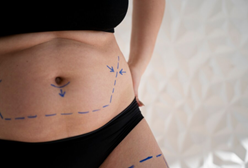## **Understanding Tummy Tuck Scars at the 3-Year Mark** Three years after a tummy tuck, scars mature significantly. Initially red and prominent, they soften and lighten over time. By the three-year mark, they’ve typically faded and settled, reflecting the enduring results of your surgery in a much subtler way. This transformation highlights the long-term success and aesthetic enhancement of the procedure. ***Wondering if scars are common 3 years post tummy tuck surgery? Learn more further.*** ### **How Noticeable Are Tummy Tuck Scars After 3 Years?** The visibility of [tummy tuck](https://theplasticsurgeryclinic.co.in/gallery/tummy-tuck/) scars after 3 years largely depends on several factors, including - **Individual’s skin type** - **Surgical technique used** - **Post-operative care** In many cases, these scars become significantly less noticeable, blending into the natural contours and skin tone. **Unsure about recovery? For concise information** [**talk to the experts**](https://theplasticsurgeryclinic.co.in/contact/) **now!** ***Concerned about potential complications after tummy tuck surgery? Learn more about the signs to watch out for and ensure a safe recovery.*** ## **Is It Normal for Tummy Tuck Scars to Still Be Red or Raised After 3 Years?** 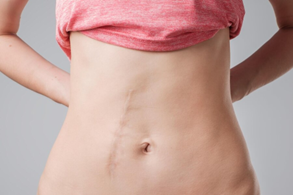While most [tummy tuck scars](https://theplasticsurgeryclinic.co.in/blogs/how-long-does-it-take-to-recover-from-a-tummy-tuck/) improve significantly in appearance, some individuals may notice their scars remain slightly red or raised. Factors such as genetics, skin color, and healing capacity can influence this. However, persistent redness or elevation is not typical, and consulting with a [Plastic Surgeon](https://theplasticsurgeryclinic.co.in/) is advisable for personalized care. ***Still, facing discomfort about scars even 3 years after surgery? Get to know more about the precautions and post-surgery care!*** ## **Scar Management Techniques** Effective scar management is crucial for optimizing the healing process. There are various ways to manage tummy tuck scars which include: - **Regular Moisturization:** Keeps the scarred area soft and may reduce itchiness. - **Silicone Scar Sheets or Gel:** Helps flatten and fade the scar by providing constant pressure and hydration. - **Sun Protection:** UV exposure can darken scars, so applying sunscreen is essential. - **Balanced Diet:** Nutrients from a healthy diet support overall skin healing. - **Adequate Hydration:** Drinking plenty of water helps keep the skin elastic and may aid in scar healing. **Want personalized scar management strategies? Get in touch with the experts for scar management advice and** [**Schedule a Consultation**](https://theplasticsurgeryclinic.co.in/contact/) **today!** ## **Treatments for Tummy Tuck Scars After 3 Years** 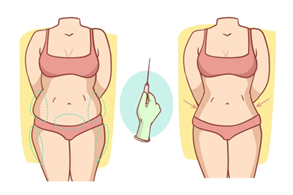For scars that remain prominent after three years, several treatment options can further improve their appearance, such as: - **Laser Therapy**: [Laser Therapy](https://www.dreyfussplasticsurgery.com/can-laser-treatments-erase-tummy-tuck-scars/) targets and reduces scar pigmentation and texture, enhancing skin appearance. - **Microdermabrasion:** Usually [m](https://www.ncbi.nlm.nih.gov/books/NBK535383/)[icrodermabrasion](https://www.ncbi.nlm.nih.gov/books/NBK535383/) gently exfoliates the top layer of skin to promote a smoother scar surface. - **Scar Revision Surgery:** Surgically improves the scar’s appearance for those with significantly raised or wide scars. ## **Conclusion** Tummy tuck scars after 3 years have usually matured, revealing the outcome of the surgery. While most scars fade significantly, some may require additional treatments for optimal aesthetics. Consulting with experienced professionals like Dr. Leena Jain, renowned for [Tummy Tuck Surgery](https://theplasticsurgeryclinic.co.in/services/tummy-tuck-surgery-in-mumbai/) in Mumbai, ensures access to expert care and advice for managing tummy tuck scars effectively. **For a deeper understanding of tummy tuck procedures and scar management,** [**consult**](https://theplasticsurgeryclinic.co.in/contact/) **with renowned Plastic Surgeons now!** ## **FAQs:** 1. **Can tummy tuck scars improve after the 3-year mark?** Yes, tummy tuck scars can keep improving with time. This can happen even after 3 years, especially with careful scar care. 2. **Can my tummy tuck scars fade away completely?** Tummy tuck scars become much less noticeable. But, they may not go away completely. The final appearance depends on individual healing characteristics and post-operative care. 3. **When should I consider scar revision surgery for my tummy tuck scar after 3 years?** Consider scar revision surgery if your tummy tuck scar is much raised or widened. Or if it hasn’t improved with non-surgical techniques and you’re worried about how it looks. 4. **Can a scar hurt 3 years after tummy tuck?** It’s uncommon for a scar to hurt 3 years after a tummy tuck. Persistent pain may show hidden issues. It’s important to ask a surgeon to check it.  Dr. Leena Jain [See Full Bio](https://theplasticsurgeryclinic.co/blogs/author/clinicspots-user/) [ ](https://theplasticsurgeryclinic.co/blogs/author/clinicspots-user/) **Categories:** Blog --- ## Pages ### [Home](https://theplasticsurgeryclinic.co/) **Published:** January 11, 2024 **Author:** Dr. Leena Jain **Content:**  # **Plastic Surgeon in Mumbai (Bandra & Borivali)** Dr Leena Jain is a highly passionate and dedicated Plastic Reconstructive Microsurgeon & Hand surgeon in Mumbai (Bandra & Borivali). She offers the surgical solution for her patients based on long-term outcomes and the patients’ profession, allowing them to return to work & live as normal a life as possible. Dr. Leena Jain, a plastic surgeon in Mumbai is an expert in Plastic Surgery with nearly 7+ years of experience. Dr Leena Jain specializes in Hand Surgery, Reconstructive microsurgery for tumour and trauma reconstruction, [Diabetic ulcer](https://theplasticsurgeryclinic.co/services/diabetic-ulcer-treatment-in-mumbai) reconstruction, Burns reconstruction, lymphedema surgery and cosmetic surgeries. She believes that a good Plastic Surgeon needs three ingredients- artistic vision, meticulous techniques, and expert knowledge. She understands the importance of being approachable and friendly. She listens to your concerns, answers queries, understands the results you would like to achieve, and gives honest advice regarding the practicality of your expectations. Dr Leena Jain is sincerely committed to patient satisfaction “to reform the ideal beautiful normal”. That’s the main reason why her patients vouch for her as the Plastic Surgeon in Mumbai (Bandra & Borivali). Discover the transformative power of plastic surgery with Dr. Leena Jain in Mumbai. Book your personalized consultation today! [Book Online Consultation](https://theplasticsurgeryclinic.co/contact/) ## **Happy Clients**  [Dr. Leena Jain](https://maps.google.com/?cid=10658202826733552276) 5.0Based on 86 reviews powered by Google [review us on](https://search.google.com/local/writereview?placeid=ChIJ1W_IXh7J5zsRlIKEVwCL6ZM)  [Akansha Punjabi](https://www.google.com/maps/contrib/106313554054369392787/reviews)3 months ago Dr. Leena was absolutely wonderful. After my 6 year olds fingers were injured in a door accident, our pediatrician, Dr. Ugra, referred us to her. She was kind, patient, and incredibly reassuring during this stressful time. She was confident and did a fantastic job repairing his injury. We are greateful for her skill and compassion. Best compliment I can give is that my son doesn’t remember which hand of his was injured anymore. Can’t thank you enough.  [Ansari Aftab](https://www.google.com/maps/contrib/115939330115175910509/reviews)5 months ago I had a major surgery at Lilavati Hospital—a left 2nd partial toe transfer to my right thumb. I would like to extend a heartfelt thank you to Dr. Leena Jain. Her expertise made my surgery very successful. I am 100% satisfied with my recovery. I am now able to use my thumb quite well and perform my daily routine tasks without any problems. My toe has also healed very quickly. Dr. Leena Jain is very supportive, and the staff at Lilavati Hospital is very professional. Highly recommended!  [Pratha Canser](https://www.google.com/maps/contrib/110873935746995786490/reviews)7 months ago I had excess breast tissue in both of my underarms, and Dr. Lina was recommended to me from the very beginning. The entire surgery process was incredibly smooth, and the results have made such a positive difference in my confidence. It looks amazing, and I’m genuinely so happy with how everything turned out. What I appreciate most is how accessible and supportive she has been throughout — always just a call or message away whenever I needed guidance. I’m truly grateful for her care and professionalism, and I’m so glad I chose to get this done with her.  [Sujata Menon](https://www.google.com/maps/contrib/111482858091944329870/reviews)8 months ago The excellent doctor.. she is very calm, approachable and expert in her work. We had a very good experience with Dr.Leena Jain.  [Vinita](https://www.google.com/maps/contrib/113443615530495597913/reviews)9 months ago From the very first consultation, her simplicity, warm smile, and positive aura instantly made me feel at ease. She explained all aspects of the treatment with clarity and empathy, which greatly reassured me. Her calm demeanor, caring attitude, and professional excellence make her not only an exceptional doctor but also a truly wonderful human being. Her transparency about treatment costs and her thoughtful, considerate approach are qualities that are both rare and highly commendable in today’s medical landscape. She is a young, dynamic surgeon, supported by a excellent team.  [Sonal Shah](https://www.google.com/maps/contrib/117932705219042850357/reviews)9 months ago I underwent a surgery for HS which affected my underarms severely. Thanks to Dr. Pooja & Dr. Leena Jain for suggesting the surgery which was very helpful to a good quality of life.  [Kashyap Gala](https://www.google.com/maps/contrib/105220213880885768222/reviews)9 months ago Hi Thanks to Dr. Leena Jain. She did my lipoma surgery. Very well guided during Pre and Post surgery. Very Polite and Calm Doctor. She is expert in her work . Thanks to her again for all support given during my successful surgery.  [Milky Jain](https://www.google.com/maps/contrib/109715936231139646911/reviews)2 years ago  [Suhani Yadav](https://www.google.com/maps/contrib/106200598334880834715/reviews)2 years ago Dr. Leena Jain is an excellent plastic surgeon and truly the best in her field. I had burn scars on my shoulder for which I underwent TDAP flap surgery. After visiting various other doctors, it was Dr. Jain who eased my anxiety and gave me the best possible option for my case. Right from the beginning I knew that it was her whom I can trust because of her passion and attention to detail. Dr. Jain and her team have been very helpful even with the follow ups and any concerns that I've had during my recovery. She indeed is very kind, compassionate and hardworking and I'd forever be grateful to have been under your care! Thank you!  [Suraj Palshetkar](https://www.google.com/maps/contrib/118383470722025040307/reviews)3 years ago Wonderful Surgeon and caring doctor He did the surgery on my pair and I got a quick recovery. Or Dr. Leena ma'am, you are very well understood.  [Asha Kalzunkar](https://www.google.com/maps/contrib/107773952656938677749/reviews)3 years ago The Best & specialized plastic surgeon as far as my experience is concerned. She possesses extremely great knowledge & skill about her profession. She has much concern for her patients & treats them with most personal care. She is very humble and softspoken. One can rely on her for safe & successful surgical treatment. I can never forget her & will always keep her in my prayers.  [silvia fernandes](https://www.google.com/maps/contrib/112507368792336268291/reviews)3 years ago Dr. Leena Jain has worked miraculously with the biggest lipoma I had on my chest. She has done such an amazing job with the scar treatment that the visibility of the scar is close to disappearing. She explained me everything in detailed and attended all my questions and concerns. She was also confident that the scar won't be seen after a few months. 10/10  [Sandeep Amin](https://www.google.com/maps/contrib/107020611566324379332/reviews)3 years ago Hello Dr. Leena - Thank you so much for the great care and surgery for my child. You gave us courage and that confidence during operation and for the caring nature throughout the course. Lastly not to forget about human understanding. Blessed to have such doctors like you. A big thank you from us.  [Durva Mhatre](https://www.google.com/maps/contrib/100615739640516273485/reviews)3 years ago Very good experience  [Niral Dhariwal Saboo](https://www.google.com/maps/contrib/103669879052090292492/reviews)3 years ago Dr. Leena Jain, comes across as a very calm and very comforting doctor.. it helps the patient ease out on the already on going worry as her positive approach is very comforting and reassuring that's everything is fine.  [Raj Gautam](https://www.google.com/maps/contrib/102074181691984943654/reviews)3 years ago  [Manoj Gautam](https://www.google.com/maps/contrib/115730325285380959484/reviews)3 years ago  [Minnati Zaveri](https://www.google.com/maps/contrib/111017149574743321252/reviews)3 years ago I underwent a spinal fusion surgery by Dr. Shekhar Bhojraj and Dr. Leena Jain was in charge of closing up the surgical site as per her expertise in plastic surgery. Not only did she do a fabulous job of suturing the wound, she was also helpful and kind post surgery while assessing & removing the drains along with monitoring wound healing, even two months post surgery. She is knowledgeable, confident of her craft, and is the best choice if you’re looking to consult a plastic surgeon. Bonus: She has an excellent hand; while removing staples/sutures/drains, while changing dressing, the patient feels no pain and that is so important as the patient is at ease during the whole process!  [Farzana Kanorwala](https://www.google.com/maps/contrib/106043021404239396680/reviews)3 years ago I Farzana, am delighted to provide a review of Dr. Leena Jain's surgical expertise in performing a successful breast reduction surgery. From the initial consultation to the post-surgery follow-up, Dr. Jain demonstrated exceptional professionalism and attentiveness. She took the time to understand my concerns and expectations, explained the procedure in detail, and answered all her questions patiently. She also took the necessary precautions to ensure my safety during the surgery and post-operative recovery. The surgery itself was performed with great skill and precision, resulting in a significant reduction in the size of my breasts, which was exactly what she had hoped for. The recovery process was also seamless, with Dr. Jain providing clear instructions on post-operative care and checking in with me regularly to monitor her progress. Overall, I cannot recommend Dr. Leena Jain highly enough for her expertise in breast reduction surgery. Her professionalism, expertise, and dedication to patient care made the entire experience a positive one for me and I have no doubt that she would provide the same level of care to any patient in need of this type of procedure. Sincerely,  [Shamji Babaniya](https://www.google.com/maps/contrib/112859641640940072020/reviews)3 years ago Dr. Leena Jain is really an expert! Explained the need of surgery for my wife for her scar that had trouble healing. She is very experienced and answered our all queries and doubts related to surgery. She is also very polite and gentle in behaviour. Understands her patients well!  [Taniya Haider](https://www.google.com/maps/contrib/100954098797321826110/reviews)4 years ago I had an accident in December 2017 where the apartment I was living in caught fire due to a short circuit, and I suffered 40% burns, resulting in numerous contractures and scars. Because of that I had multiple contracture release surgeries under the care of several plastic surgeons, but by far she is the best doctor I've ever met. She calmly addressed all of my questions and those of my father, who was very apprehensive and had many questions about the process. She's a very competent, polite, kind and caring doctor. I was hesitant to have my neck contracture released after my past experience at Apollo Hospital, but under Dr. Leena Jain's care, everything went well. My surgery was seamless, recovery was speedy and I'm very satisfied with the results. I'm very grateful to her.  [Paritosh Shiledar](https://www.google.com/maps/contrib/113491350771693839185/reviews)5 years ago Dr. Leena Jain did a great job with restoration of my left ankle. I had an accident in Feb 2021 where my ankle had a crush injury with loss of skin and tissue. Leena ma'am did a free flap surgery and skin grafting on the injury. She was very kind & ensured I had a smooth transition throughout the surgeries. From her excellent treatment, curiosity, investigative mind and ability to connect, you know where you stand immediately and what next steps look like. She explained everything about how the surgeries were to take place and ensured we won't panic. Leena ma'am is also keen on taking regular follow-ups post surgery. All in all it was a great experience and I am thankful to Dr. Leena Jain for her contribution. ## **Services provided by Dr. Leena Jain** 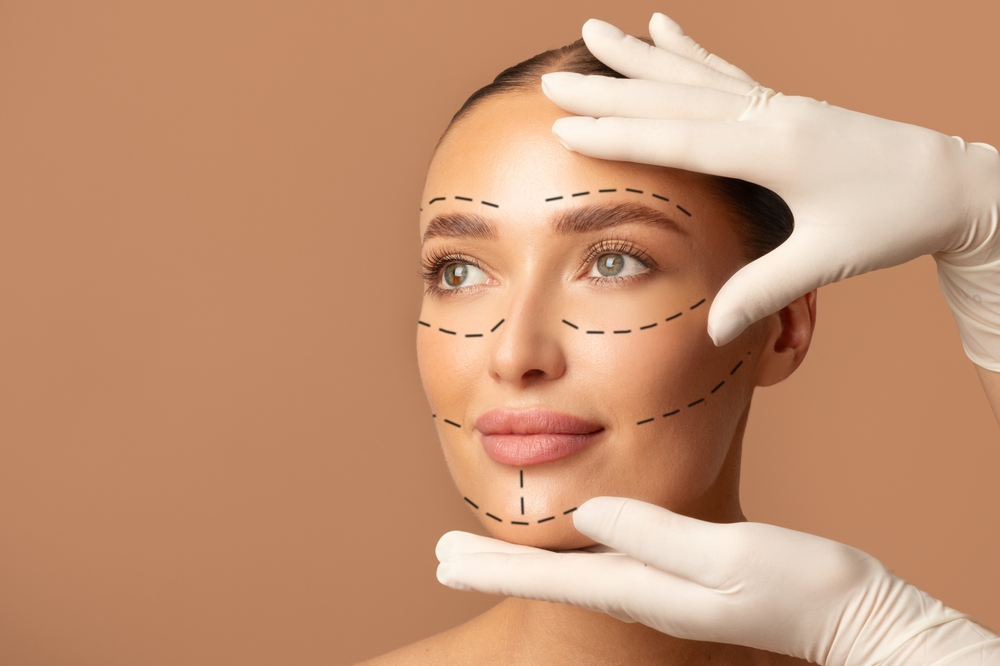 #### Plastic Surgery ##### Plastic surgery focuses on reshaping or repairing body parts for cosmetic enhancement and medical reconstruction, utilizing specialized surgical techniques to improve appearance, restore function, and enhance overall patient confidence and well-being. 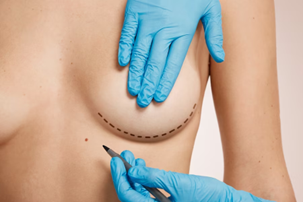 #### Breast Surgery ##### Breast surgery involves procedures that modify breast size, shape, or appearance for cosmetic, reconstructive, or medical purposes, ensuring improved aesthetics, symmetry, and confidence while addressing individual patient needs and health concerns effectively. 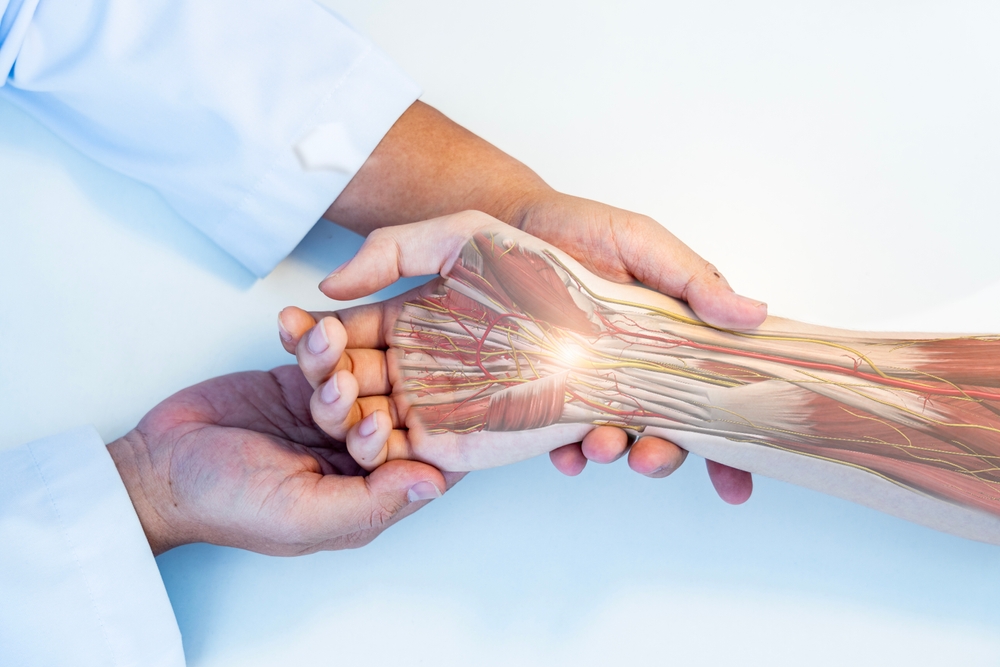 #### Hand Surgery ##### Hand surgery specializes in treating injuries, conditions, or deformities of the hand, wrist, and forearm, aiming to restore function, enhance mobility, and improve aesthetic appearance through advanced surgical techniques and precision care. 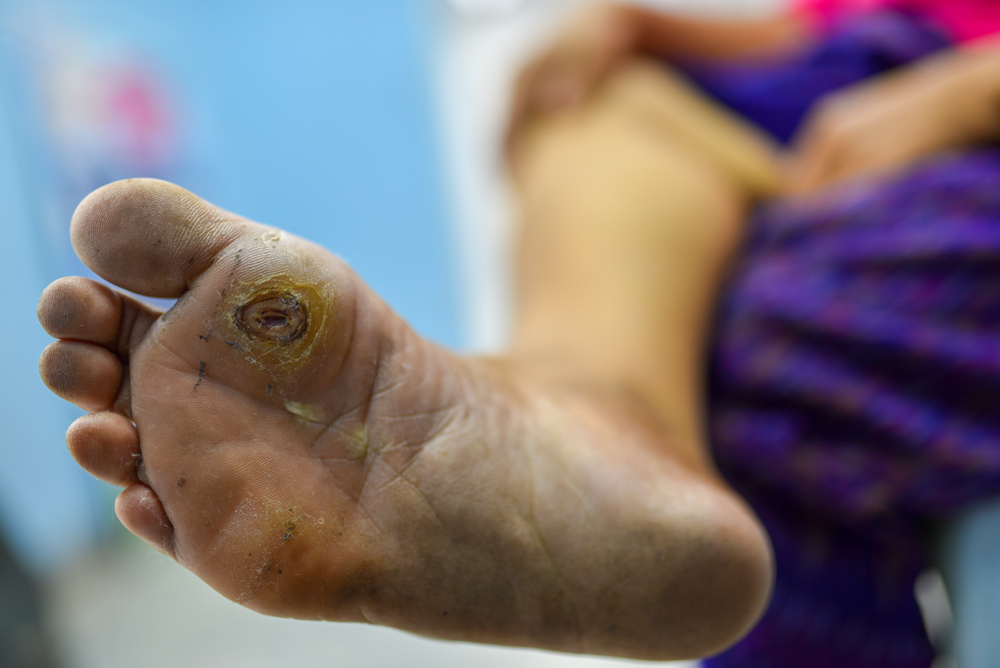 #### Diabetic Foot Ulcer ##### As a Reconstructive Microsurgeon, Dr Leena aims to restore healing of ulcers and salvage feet so as to rehabilitate such patients back to stand on their own feet. “To save a person’s feet, Dr Leena believes, is her biggest feat.”  #### Burn Reconstruction Surgery ##### Dr. Leena Jain, a highly experienced plastic surgeon in Mumbai(Bandra & Borivali), has a special interest in Burns’ reconstruction surgery. Except for first-degree burns, all others heal with scars.  #### Microsurgery ##### Microsurgery is a specialized technique that enables intricate procedures on tiny structures like blood vessels and nerves, using advanced microscopes and precision instruments to achieve optimal functional and aesthetic surgical outcomes successfully. 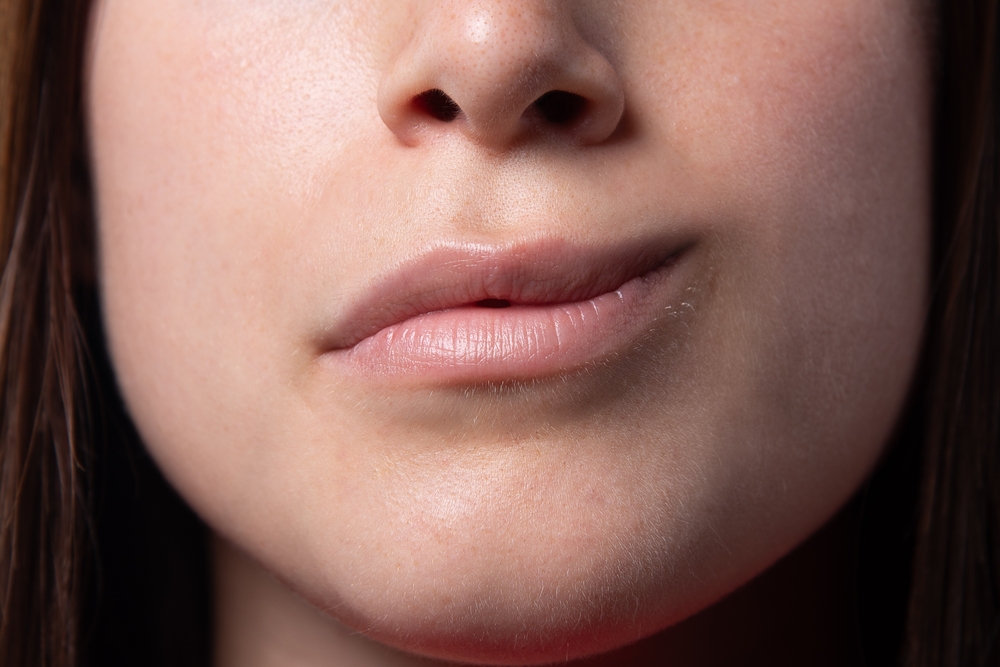 #### Facial Palsy ##### Facial palsy can be overcome if proper treatment is given. Give the professional considerations, which will provide successful ways of treatment and place patients on a course returning high-class methods along with caring encouragement. 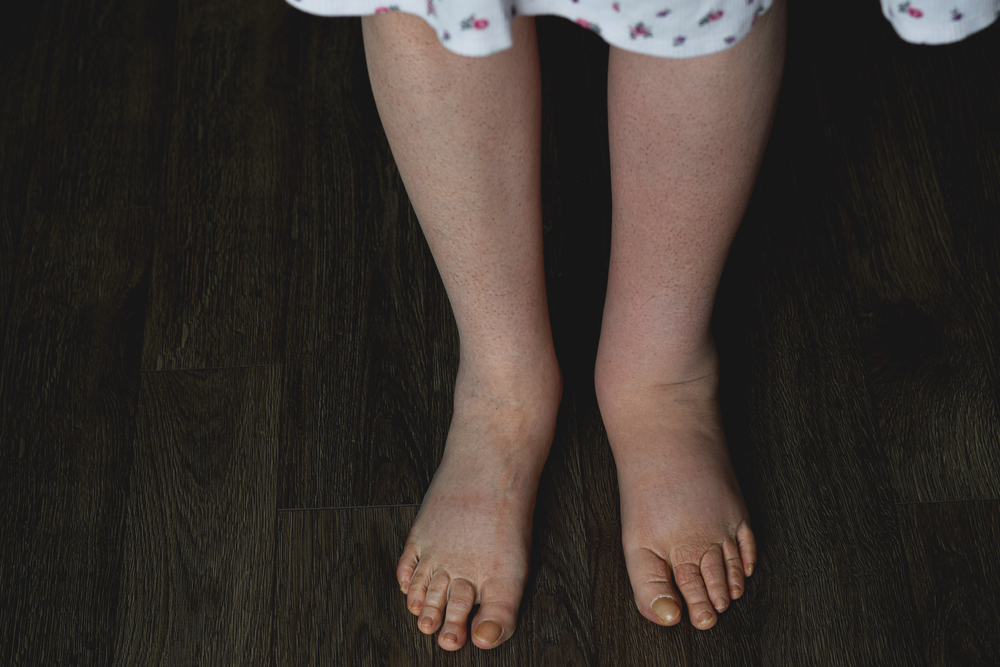 #### Lymphedema Treatment ##### Find the top Lymphedema Treatment Doctor in Mumbai for better treatment. Tailored treatments provide magnificent relief and enhance destiny for lymphedema patients via innovative, effective management technique. Thinking about a confidence boost? Explore your options with Dr. Leena Jain’s expertise in plastic surgery. [Book An Appointment](https://theplasticsurgeryclinic.co/contact/) ## **About Dr. Leena Jain** **MBBS, MS – General Surgery, MCh – Plastic Surgery** **Plastic and Reconstructive Microsurgeon,** **Hand and Cosmetic Surgeon** **7+ Years of Experience** Dr. Leena Jain is one of the top plastic surgeon in Mumbai. In the pursuit of excellence in her desired field of expertise, she has many degrees to her credit. After completing her MBBS from M. S. Ramaiah Medical College, Bangalore, Dr Leena Jain pursued her MS – General Surgery from Kempegowda Institute of Medical Sciences, Bangalore (RGUHS). She then went on to do her MCh – Plastic Surgery from Bangalore Medical College, Bangalore (RGUHS). She has the privilege of training under the world-renowned microsurgeon, Dr Samir Kumta. Later, Dr Leena Jain did her Fellowship in Microsurgery and Perforator flaps from the prestigious Hanyang University, Seoul, South Korea. Apart from that, she also did AO Fellowship in Microsurgery and Faciomaxillary trauma from the renowned Ludwig Maximilian University Munich, Germany. That’s not all. Dr Leena Jain has several national and international publications to her credit. Furthermore, she has contributed by writing chapters in different [textbooks](https://theplasticsurgeryclinic.co/publications/). [Learn more](https://theplasticsurgeryclinic.co/about-us/)  Ready for a transformative journey with Dr. Leena Jain? Discover a new you through her expert plastic and reconstructive surgeries. [Book An Appointment](https://theplasticsurgeryclinic.co/contact/) Name Email Address Contact Number Message Submit #### Bandra Ground Floor, Lilavati Hospital & Research Centre, A- 791, Krishna Chandra Marg, Bandra Reclamation, Bandra West.Mumbai, Maharashtra 400050. Timing: 24×7 Phone: [+91 9137767350](tel:+91%209137767350) #### Borivali Plastikos Clinic, A Wing, 403, Lancelot Building, S. V. Road, Borivali West -400090. Timing: 9 am- 9 pm Phone: [+91 9137767350](tel:+91%209137767350) Do You Have Any Questions? [Request an appointment](https://theplasticsurgeryclinic.co/contact/) ## FAQ ##### Do I need an appointment to consult Dr. Leena Jain? Yes, it would be preferable if you have an appointment. You can easily take one by filling the contact us form on our website, and we will contact you. You can also call us on +91 9820991853 or mail us at link.jain@gmail.com. ##### What is microsurgery? Microsurgery is an expertise that uses advanced diploscopes and highly special precision tools along with many operating techniques with magnification to perform surgery. Microsurgery allows the movement of tissue from one body location to the other, where donor tissue is required. [Mircrosurgery](https://my.clevelandclinic.org/health/treatments/microsurgery) enables operation and connection of blood vessels through the use of microscope. ##### What is the scope of microsurgery? The scope of microsurgery includes breast reconstruction, breast augmentation, facial reanimation, lymphedema, head and neck reconstruction, limb reconstruction, and trunk reconstruction. These microsurgeries help in improving the physical health of the patient and regain their confidence of living. ##### What are the advantages of hand microsurgery? Hand microsurgery experience better use of their hands. They experience better grip strength and finger movement. The appearance and the sensation of their hands improve a great deal. ##### How beneficial is a Lymphedema Surgery? The main benefits of lymphedema surgery are reduced tightness and heaviness in the limbs. The patient feels relieved emotionally and physically. It is possible that the volume and the circumference of the swelling reduce greatly. ##### Will I have to stay in hospital after a tummy tuck? Yes, after a tummy tuck, you will have to stay in the hospital. The total number of days will depend on the type of tummy tuck you underwent and your general health. ##### Does Dr. Leena Jain treat cleft lip? Dr. Leena Jain is an expert in reconstructive plastic surgery. She does offer treatment for cleft lips. ##### Does tummy tuck leaves scars? You will have a fine scar after a tummy tuck, usually located above the pubic area between the hipbones. It becomes less prominent over some time. ## Before & After [  ](https://theplasticsurgeryclinic.co/wp-content/uploads/2024/01/Ear-Lobe-Reconstruction.webp "Ear Lobe Reconstruction") ### Ear Lobe Reconstruction [  ](https://theplasticsurgeryclinic.co/wp-content/uploads/2024/01/Ear-Lobe-Reconstruction1.webp "Ear Lobe Reconstruction") ### Ear Lobe Reconstruction [  ](https://theplasticsurgeryclinic.co/wp-content/uploads/2024/01/Diabetic-Foot-Surgery4.webp "Diabetic Foot Surgery Case 3") ### Diabetic Foot Surgery Case 3 [  ](https://theplasticsurgeryclinic.co/wp-content/uploads/2024/01/Scar-Revision-1.webp "Scar Revision") ### Scar Revision [View More](https://theplasticsurgeryclinic.co/gallery/) ## Latest Events Free Cosmetic Consultation Camp for Women CME on Recent Advancement and Updates on Plastic Surgery Discover the transformative power of plastic surgery with Dr. Leena Jain in Mumbai. Book your personalized consultation today! [Book An Appointment](https://theplasticsurgeryclinic.co/contact/) ## Recent Blogs [](https://theplasticsurgeryclinic.co/blogs/how-long-does-hymenoplasty-last/) ## [How Long Does Hymenoplasty Last?](https://theplasticsurgeryclinic.co/blogs/how-long-does-hymenoplasty-last/) by [Dr. Leena Jain](https://theplasticsurgeryclinic.co/blogs/author/clinicspots-user/ "Posts by Dr. Leena Jain") | Sep 1, 2026 | [Blog](https://theplasticsurgeryclinic.co/blogs/category/blog/) Hymenoplasty is one of the most privately researched and publicly under-discussed procedures in cosmetic gynaecology. Women considering it, whether for cultural, religious, or personal reasons, almost always ask the same question first: once it's done, how long will... [read more](https://theplasticsurgeryclinic.co/blogs/how-long-does-hymenoplasty-last/) --- ### [Services](https://theplasticsurgeryclinic.co/services-2/) **Published:** September 7, 2026 **Author:** kashish **Content:** [](https://theplasticsurgeryclinic.co/services-brachial-plexus-surgery-in-mumbai/) Brachial Plexus Surgery in Mumbai --- ### [Brachial Plexus Surgery in Mumbai](https://theplasticsurgeryclinic.co/services-brachial-plexus-surgery-in-mumbai/) **Published:** November 4, 2025 **Author:** Dr. Leena Jain **Content:** --- ### [Gallery](https://theplasticsurgeryclinic.co/gallery/) **Published:** January 17, 2024 **Author:** Dr. Leena Jain **Content:** # BEFORE AND AFTER ## Breast Surgery [  ](https://theplasticsurgeryclinic.co/wp-content/uploads/2024/01/Breast-Reduction.webp "Breast Reduction Case-1") ### Breast Reduction Case-1 [  ](https://theplasticsurgeryclinic.co/wp-content/uploads/2024/01/Breast-Reduction1.webp "Breast Reduction Case-1") ### Breast Reduction Case-1 [  ](https://theplasticsurgeryclinic.co/wp-content/uploads/2024/01/Breast-Reduction2.webp "Breast Reduction Case-1") ### Breast Reduction Case-1 [  ](https://theplasticsurgeryclinic.co/wp-content/uploads/2024/01/Breast-Reduction3.webp "Breast reduction Case-2") ### Breast reduction Case-2 [View More](https://theplasticsurgeryclinic.co/gallery/breast-surgery/) ## Hand Surgery [  ](https://theplasticsurgeryclinic.co/wp-content/uploads/2024/01/Left-Hand-Burns.webp "Left Hand Burns") ### Left Hand Burns [  ](https://theplasticsurgeryclinic.co/wp-content/uploads/2024/01/Hand-Crush-Injury.webp "Left Hand Crush Injury") ### Left Hand Crush Injury [  ](https://theplasticsurgeryclinic.co/wp-content/uploads/2024/01/Diabetic-Hand-Infection.webp "Diabetic Hand Infection Case 1") ### Diabetic Hand Infection Case 1 [  ](https://theplasticsurgeryclinic.co/wp-content/uploads/2024/01/Infective-Hand-With-Exposed-Tendons.webp "Infective Hand With Exposed Tendons") ### Infective Hand With Exposed Tendons [View More](https://theplasticsurgeryclinic.co/gallery/hand-surgery/) ## Diabetic Foot Surgery [  ](https://theplasticsurgeryclinic.co/wp-content/uploads/2024/01/Diabetic-Foot-Surgery.webp "Diabetic Foot Surgery Case 1") ### Diabetic Foot Surgery Case 1 [  ](https://theplasticsurgeryclinic.co/wp-content/uploads/2024/01/Diabetic-Foot-Surgery1.webp "Diabetic Foot Surgery Case 2") ### Diabetic Foot Surgery Case 2 [  ](https://theplasticsurgeryclinic.co/wp-content/uploads/2024/01/Diabetic-Foot-Surgery2.webp "Diabetic Foot Surgery Case 2") ### Diabetic Foot Surgery Case 2 [  ](https://theplasticsurgeryclinic.co/wp-content/uploads/2024/01/Diabetic-Foot-Surgery3.webp "Diabetic Foot Surgery Case 2") ### Diabetic Foot Surgery Case 2 [View More](https://theplasticsurgeryclinic.co/gallery/diabetic-foot-surgery/) ## Gynecomastia [  ](https://theplasticsurgeryclinic.co/wp-content/uploads/2024/01/Gynecomastia.webp "Gynecomastia") ### Gynecomastia [  ](https://theplasticsurgeryclinic.co/wp-content/uploads/2024/01/Left-Gynaecomastia.webp "Left Gynaecomastia Case-1") ### Left Gynaecomastia Case-1 [  ](https://theplasticsurgeryclinic.co/wp-content/uploads/2024/01/Bilateral-Gynaecomastia.webp "Bilateral Gynaecomastia Case-2") ### Bilateral Gynaecomastia Case-2 [  ](https://theplasticsurgeryclinic.co/wp-content/uploads/2024/01/Gynaecomastia.webp "Bilateral Gynaecomastia Case-2") ### Bilateral Gynaecomastia Case-2 [View More](https://theplasticsurgeryclinic.co/gallery/gynaecomastia/) ## General Plastic Surgery [  ](https://theplasticsurgeryclinic.co/wp-content/uploads/2024/01/Cancer-Foot-Melanoma.webp "Cancer Foot - Melanoma") ### Cancer Foot – Melanoma [  ](https://theplasticsurgeryclinic.co/wp-content/uploads/2024/01/Hidradenitis-Suppurativa6.webp "Hidradenitis Suppurativa") ### Hidradenitis Suppurativa [  ](https://theplasticsurgeryclinic.co/wp-content/uploads/2024/01/Chin-and-Lip-Loss1.webp "Chin and Lip Loss") ### Chin and Lip Loss [  ](https://theplasticsurgeryclinic.co/wp-content/uploads/2024/01/Face-Fat-Grafting.webp "Face Fat Grafting") ### Face Fat Grafting [View More](https://theplasticsurgeryclinic.co/gallery/general-plastic-surgery/) ## Limb Reconstruction [  ](https://theplasticsurgeryclinic.co/wp-content/uploads/2024/01/Bilateral-Lower-Limb-Defects.webp "Bilateral Lower Limb Defects") ### Bilateral Lower Limb Defects [  ](https://theplasticsurgeryclinic.co/wp-content/uploads/2024/01/Bilateral-Lower-Limb.webp "Bilateral Lower Limb") ### Bilateral Lower Limb [  ](https://theplasticsurgeryclinic.co/wp-content/uploads/2024/01/Limb-Lymphedema.webp "Limb Lymphedema") ### Limb Lymphedema [  ](https://theplasticsurgeryclinic.co/wp-content/uploads/2024/01/Limb-Reconstruction.webp "Limb Reconstruction Case 2") ### Limb Reconstruction Case 2 [View More](https://theplasticsurgeryclinic.co/gallery/limb-reconstruction/) ## Microsurgery [  ](https://theplasticsurgeryclinic.co/wp-content/uploads/2024/01/Microvascular-Anastomosis.webp "Microvascular Anastomosis") ### Microvascular Anastomosis [  ](https://theplasticsurgeryclinic.co/wp-content/uploads/2024/01/Soft-Tissue-cover-with-Microsurgery.webp "Bony reconstruction with microsurgery Case 1") ### Bony reconstruction with microsurgery Case 1 [  ](https://theplasticsurgeryclinic.co/wp-content/uploads/2024/01/Soft-Tissue-cover-with-Microsurgery1.webp "Bony reconstruction with microsurgery Case 1") ### Bony reconstruction with microsurgery Case 1 [  ](https://theplasticsurgeryclinic.co/wp-content/uploads/2024/01/Bony-Reconstruction-with-Microsurgical-bone-flap-transfer.webp "Bony Reconstruction with Microsurgical bone flap transfer Case 1") ### Bony Reconstruction with Microsurgical bone flap transfer Case 1 [View More](https://theplasticsurgeryclinic.co/gallery/microsurgery/) ## Nerve Surgery [  ](https://theplasticsurgeryclinic.co/wp-content/uploads/2024/01/Nerve-Injury-Treatment.webp "Nerve Injury Treatment") ### Nerve Injury Treatment [  ](https://theplasticsurgeryclinic.co/wp-content/uploads/2024/01/Nerve-Injury-Treatment1.webp "Nerve Injury Treatment") ### Nerve Injury Treatment [  ](https://theplasticsurgeryclinic.co/wp-content/uploads/2024/01/Right-Thumb-Fracture-with-Nerve-Injury.jpeg "Right Thumb Fracture with Nerve Injury") ### Right Thumb Fracture with Nerve Injury [  ](https://theplasticsurgeryclinic.co/wp-content/uploads/2024/01/Nerve-surgery.webp "Nerve surgery") ### Nerve surgery [View More](https://theplasticsurgeryclinic.co/gallery/nerve-surgery/) ## Oral Cancer Surgery [  ](https://theplasticsurgeryclinic.co/wp-content/uploads/2024/01/Oral-Cancer-1.webp "Complex Oral Cancer - 1") ### Complex Oral Cancer – 1 [  ](https://theplasticsurgeryclinic.co/wp-content/uploads/2024/01/Oral-Cancer-2.webp "Oral Cancer - 2") ### Oral Cancer – 2 [  ](https://theplasticsurgeryclinic.co/wp-content/uploads/2024/01/Oral-Cancer.webp "Complex Oral Cancer 5") ### Complex Oral Cancer 5 [  ](https://theplasticsurgeryclinic.co/wp-content/uploads/2024/01/Angle-of-Mouth-Cancer.webp "Lip Reconstruction") ### Lip Reconstruction [View More](https://theplasticsurgeryclinic.co/gallery/oral-surgery/) ## Tummy Tuck [  ](https://theplasticsurgeryclinic.co/wp-content/uploads/2024/01/Tummy-Tuck-8.jpeg "Tummy Tuck Before and After") ### Tummy Tuck Before and After [  ](https://theplasticsurgeryclinic.co/wp-content/uploads/2024/01/Tummy-Tuck-7.jpeg "Tummy Tuck Before and After") ### Tummy Tuck Before and After [  ](https://theplasticsurgeryclinic.co/wp-content/uploads/2024/01/Tummy-Tuck-6.jpeg "Tummy Tuck Before and After") ### Tummy Tuck Before and After [  ](https://theplasticsurgeryclinic.co/wp-content/uploads/2024/01/Tummy-Tuck-5.jpeg "Tummy Tuck Before and After") ### Tummy Tuck Before and After [View More](https://theplasticsurgeryclinic.co/gallery/tummy-tuck/) ## Glomus Tumor [ 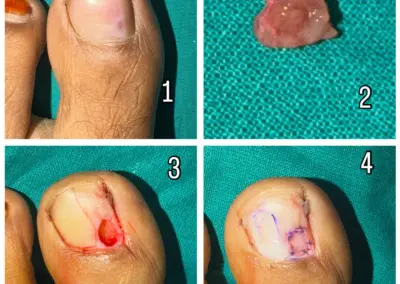 ](https://theplasticsurgeryclinic.co/wp-content/uploads/2026/09/Screenshot-2026-09-01-at-101341_AM.webp "Glomus Tumor") --- ### [Hymenoplasty Surgery in Mumbai](https://theplasticsurgeryclinic.co/services/hymenoplasty-surgery-in-mumbai/) **Published:** September 3, 2026 **Author:** Dr. Leena Jain **Content:**  --- ### [Hidradenitis Suppurativa ](https://theplasticsurgeryclinic.co/gallery/hidradenitis-suppurativa/) **Published:** August 12, 2026 **Author:** Dr. Leena Jain **Content:** # Hidradenitis Suppurativa [ 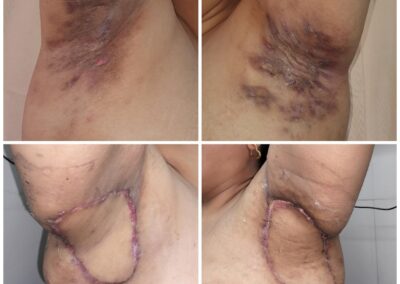 ](https://theplasticsurgeryclinic.co/wp-content/uploads/2026/08/WhatsApp-Image-2026-08-07-at-155659-1.jpeg "WhatsApp Image 2026-08-07 at 155659 1") [ 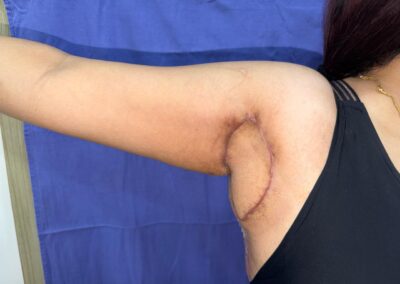 ](https://theplasticsurgeryclinic.co/wp-content/uploads/2026/08/WhatsApp-Image-2026-08-07-at-155642-1.jpeg "WhatsApp Image 2026-08-07 at 155642 1") --- ### [knee surgery](https://theplasticsurgeryclinic.co/gallery/knee-surgery/) **Published:** August 12, 2026 **Author:** Dr. Leena Jain **Content:** # Knee Surgery [ 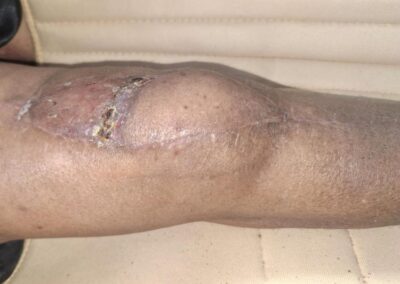 ](https://theplasticsurgeryclinic.co/wp-content/uploads/2026/08/WhatsApp-Image-2026-07-24-at-100118.jpeg "WhatsApp Image 2026-07-24 at 100118") [ 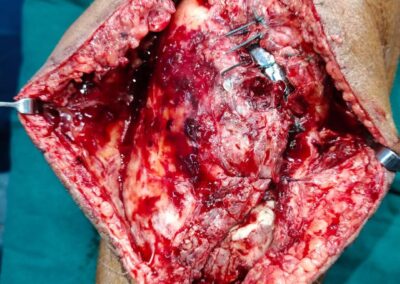 ](https://theplasticsurgeryclinic.co/wp-content/uploads/2026/08/WhatsApp-Image-2026-07-16-at-113902-7.jpeg "WhatsApp Image 2026-07-16 at 113902 7") --- ### [Case Study](https://theplasticsurgeryclinic.co/case-study/) **Published:** December 28, 2023 **Author:** Dr. Leena Jain **Content:** # HAPPY CLIENTS ## Post-Burns Neck Contracture Release with Free Flap Resurfacing in a Young Woman Ms. C, a 25-year-old woman with a history of childhood burns, presented with neck burn scarring and tightness that was limiting her neck movement. She had previously undergone skin grafting for the neck burns on two separate occasions. She was evaluated by **Dr. Leena Jain** at [Plastikos Clinic](https://theplasticsurgeryclinic.co/), and on clinical assessment, the condition was diagnosed as post-burns neck contracture. [Read Full Case Study](https://theplasticsurgeryclinic.co/case-study/post-burns-neck-contracture-release-free-flap/) [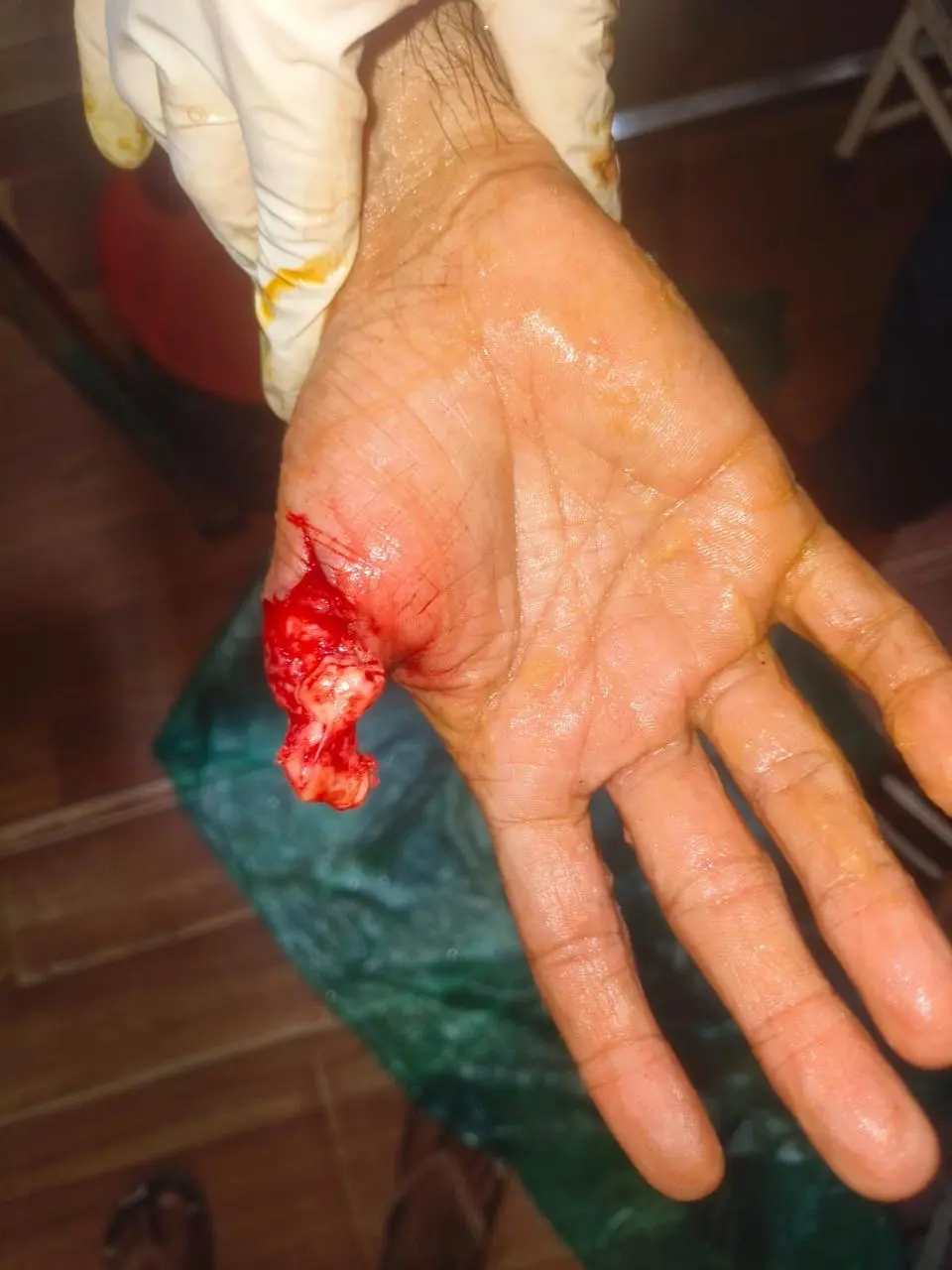](https://theplasticsurgeryclinic.co/wp-content/uploads/2026/08/Pre-Finger-Amputation.webp "Two-panel clinical photo showing axillary hidradenitis suppurativa with surgical markings around the armpit and upper arm; the skin shows scarring and skinfold changes.") ## Finger Replantation Surgery in a Young Engineering Student Mr. B, a 20-year-old engineering student, presented with an amputation of his finger sustained while cleaning the chain of his bicycle. He was evaluated by Dr. Leena Jain at [Plastikos Clinic](https://theplasticsurgeryclinic.co/), and on clinical assessment, the injury was diagnosed as a finger amputation, with replantation surgery identified as the appropriate treatment. [Read Full Case Study](https://theplasticsurgeryclinic.co/case-study/finger-replantation-surgery-engineering-student/) [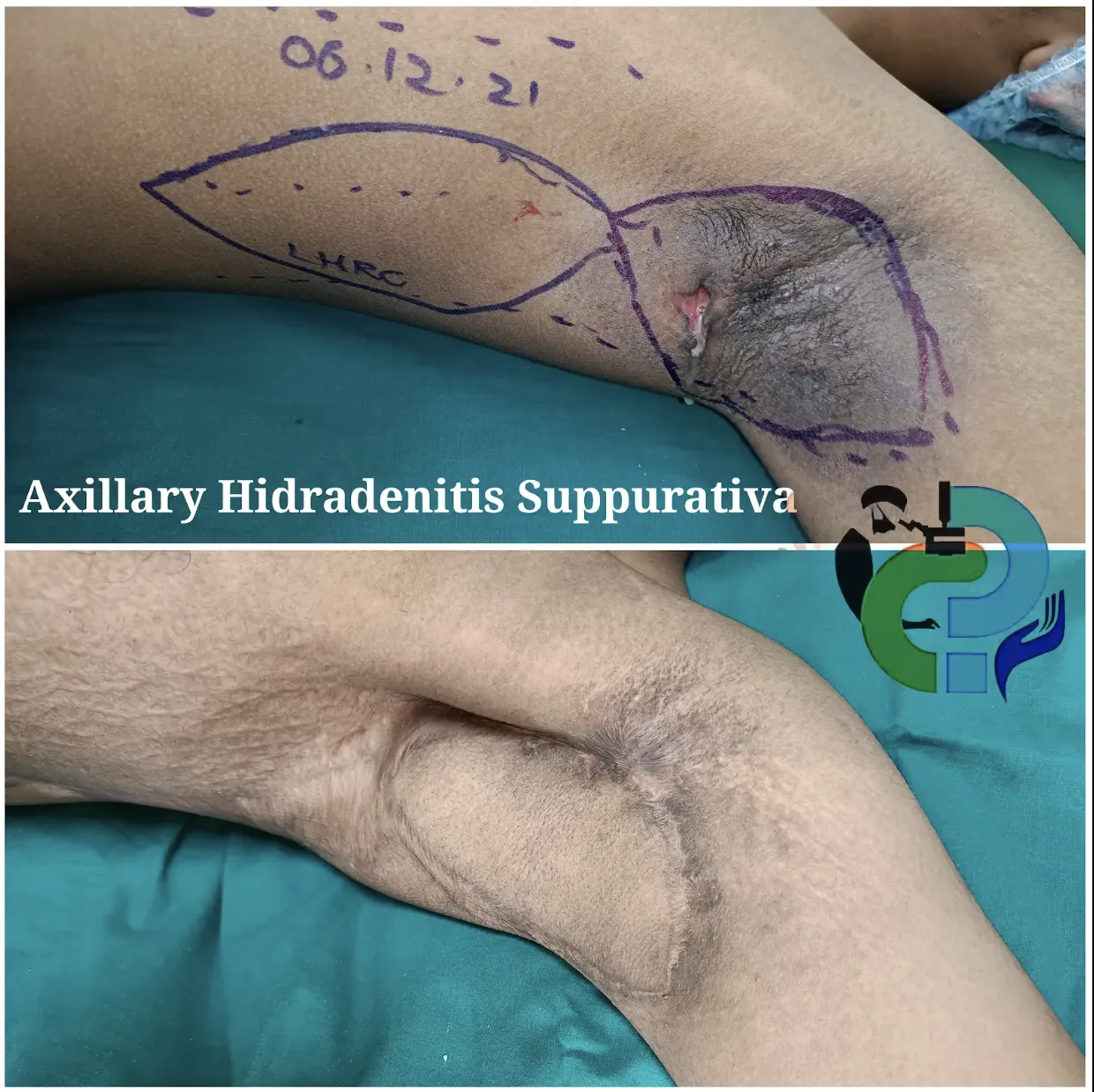](https://theplasticsurgeryclinic.co/wp-content/uploads/2026/07/Picture1239.webp "Two-panel clinical photo showing axillary hidradenitis suppurativa with surgical markings around the armpit and upper arm; the skin shows scarring and skinfold changes.") ## Hidradenitis Suppurativa of the Underarm — Wide Excision and Flap Reconstruction Hidradenitis suppurativa is a chronic inflammatory skin condition that affects areas rich in sweat glands, most commonly the underarms, groin, and under the breasts. In this patient, the right armpit was affected by repeated crops of painful boils and abscesses that discharged pus, alongside fixed open sinus tracts and scarring built up over time. [Read Full Case Study](https://theplasticsurgeryclinic.co/hidradenitis-suppurativa-of-the-underarm-wide-excision-and-flap-reconstruction/) [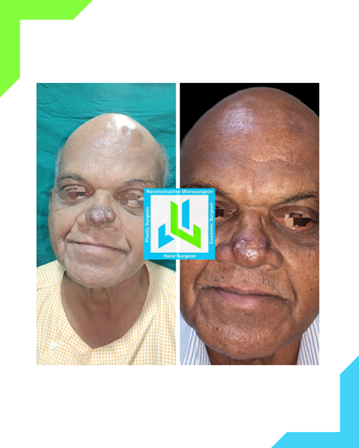](https://theplasticsurgeryclinic.co/wp-content/uploads/2025/12/Picture11.png "lomus Tumor Nail Bed Treatment") ## Forehead Lipoma and Nose Rhinophyma Surgery Mr. R, a 65-year-old male from rural Maharashtra, had a swelling on the left side of his forehead and his nose, which had been increasing in size over time. The swelling had persisted for a while, and the patient sought medical intervention. [Read Full Case Study](https://theplasticsurgeryclinic.co/case-study/forehead-lipoma-and-nose-rhinophyma-surgery/) [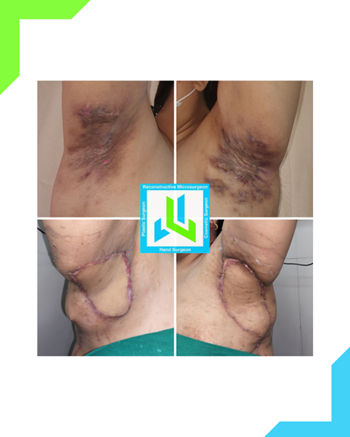](https://theplasticsurgeryclinic.co/wp-content/uploads/2025/12/Picture13.png "lomus Tumor Nail Bed Treatment") ## Hidradenitis Suppurativa Surgery & Treatment Case Study S, a 40-year-old female, works as a teacher at an international school in Mumbai. For the past couple of years, she had been struggling with recurring abscesses and draining wounds in both armpits, which significantly impacted her personal and professional life. Despite various treatments, the condition persisted, causing discomfort and emotional distress. Due to the nature of the condition, S felt embarrassed, making it difficult to lead a normal social life. [Dr. Leena Jain](https://theplasticsurgeryclinic.co/). [Read Full Case Study](https://theplasticsurgeryclinic.co/case-study/hidradenitis-suppurativa-surgery-treatment-case-study/) [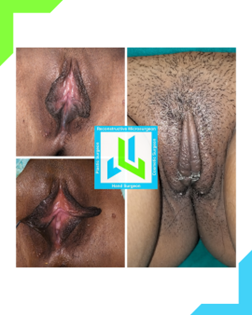](https://theplasticsurgeryclinic.co/wp-content/uploads/2025/11/Picture1-1.bmp "lomus Tumor Nail Bed Treatment") ## Labia Minora Hypertrophy Treatment through Labia Minoraplasty A 20-year-old female presented with concerns about the appearance and function of her genitalia. She reported feeling self-conscious about her overhanging labia, which caused discomfort and embarrassment. It affected her sitting and walking due to constant irritation. This condition affected her confidence and daily life, prompting her to seek professional help from [Dr. Leena Jain](https://theplasticsurgeryclinic.co/). [Read Full Case Study](https://theplasticsurgeryclinic.co/case-study/labia-minora-hypertrophy-treatment-through-labia-minoraplasty-by-dr-leena-jain/) [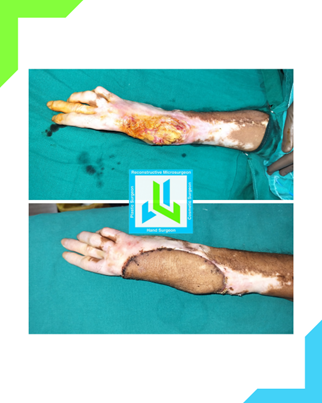](https://theplasticsurgeryclinic.co/wp-content/uploads/2025/11/Picture1.bmp "lomus Tumor Nail Bed Treatment") ## Marjolin’s Ulcer with well-differentiated Squamous Cell Carcinoma The patient presented with a non-healing ulcer on the back of his right hand that was characterized by spontaneous bleeding and increased pain. The ulcer had become increasingly problematic, leading Mr. J to seek surgical intervention after years of discomfort. [Read Full Case Study](https://theplasticsurgeryclinic.co/case-study/marjolins-ulcer-with-well-differentiated-squamous-cell-carcinoma/) [](https://theplasticsurgeryclinic.co/wp-content/uploads/2025/04/image-12.png "lomus Tumor Nail Bed Treatment") ## Reconstructive Surgery Mucormycosis, popularly referred to as the “black fungus,” is a rare but aggressive fungal infection caused by mucorales fungi. It primarily affects individuals with weakened immune systems, including those recovering from COVID-19. Following the pandemic, there was a… [Read Full Case Study](https://theplasticsurgeryclinic.co/case-study/reconstructive-surgery-for-left-orbital-defect-post-mucormycosis/) [](https://theplasticsurgeryclinic.co/wp-content/uploads/2025/04/image-9.png "lomus Tumor Nail Bed Treatment") ## Glomus Tumor Nail Bed Treatment Glomus tumors are rare but intensely painful conditions, often misdiagnosed due to their elusive symptoms. These small vascular tumors, typically found beneath the fingernails, can severely impact daily life due to heightened sensitivity and sharp pain, especially when exposed to cold…. [Read Full Case Study](https://theplasticsurgeryclinic.co/case-study/successful-excision-and-nail-bed-reconstruction-for-glomus-tumor-of-the-left-thumb/) [](https://theplasticsurgeryclinic.co/wp-content/uploads/2023/12/post-bypass-wound-breakdown.webp "post-bypass-wound-breakdown") ## Post- Bypass Wound Breakdown Heart Bypass surgery is a lifesaving procedure done following symptoms like a heart attack when it is diagnosed the blood supply to different parts of the heart is reduced due to the narrowing of blood vessels supplying blood to…. [Read Full Case Study](https://theplasticsurgeryclinic.co/case-study/post-bypass-wound-breakdown/) [](https://theplasticsurgeryclinic.co/wp-content/uploads/2023/12/Forehead-Swellings.webp "forehead-swellings") ## Forehead Swellings This middle-aged woman presented with the twin swellings that were evident in her forehead. They were not painful, felt hard and were slowly increasing in size such that they were conspicuous in every photograph!….. [Read Full Case Study](https://theplasticsurgeryclinic.co/case-study/forehead-swellings/) [](https://theplasticsurgeryclinic.co/wp-content/uploads/2023/12/foot-deformity.webp "foot-deformity") ## Foot Deformity This young patient was brought in at the age of 18 years with foot deformity arising from a scar contracture across the top of his [foot](https://theplasticsurgeryclinic.co/diabetic-ulcer-treatment) and toes. Scar was the result of an injury in his childhood which was left to heal by itself without…. [Read Full Case Study](https://theplasticsurgeryclinic.co/case-study/foot-deformity/) [](https://theplasticsurgeryclinic.co/wp-content/uploads/2023/12/fibroadenoma.webp "fibroadenoma") ## Fibroadenoma This young 14 years old girl presented with a lump in her left breast of one-year duration. She noticed it steadily in size. It had caused significant stretching of the areola on the affected side. It was a matter in concern as it grew rapidly to the ….. [Read Full Case Study](https://theplasticsurgeryclinic.co/case-study/fibroadenoma/) [](https://theplasticsurgeryclinic.co/wp-content/uploads/2024/03/Hidradenitis-Suppurativa.webp "Hidradenitis Suppurativa") ## Hidradenitis Suppurativa A young male patient working abroad came to us with complaints of Hidradenitis. He suffered from the complication and experienced the following symptoms for these three years recurrent abscesses, discharges, sinuses and scars…. [Read Full Case Study](https://theplasticsurgeryclinic.co/case-study/hidradenitis-suppurativa/) [](https://theplasticsurgeryclinic.co/wp-content/uploads/2023/12/wrist-amputation.webp "wrist-amputation") ## Wrist Amputation A 4-year-old girl was playing outside her house when she heard a recorded voice from the elevator calling for the door to be closed. Her right hand got trapped in the door when she attempted to close it…. [Read Full Case Study](https://theplasticsurgeryclinic.co/case-study/wrist-amputation/) [](https://theplasticsurgeryclinic.co/wp-content/uploads/2023/12/lymphedema-of-upper-limb.webp "lymphedema of upper limb") ## Lymphedema of Upper Limb This cheerful lady, in her sixties, presented with swelling of her left upper limb since last 10 years after she underwent surgery for left breast cancer (in 2010). …… [Read Full Case Study](https://theplasticsurgeryclinic.co/case-study/lymphedema-of-upper-limb/) --- ### [Post-Burns Neck Contracture Release with Free Flap Resurfacing in a Young Woman](https://theplasticsurgeryclinic.co/case-study/post-burns-neck-contracture-release-free-flap/) **Published:** August 11, 2026 **Author:** Dr. Leena Jain **Content:** # Post-Burns Neck Contracture Release with Free Flap Resurfacing in a Young Woman ## Patient Profile **Age** **25 years** **Gender** Female **Background** History of childhood burns; underwent skin grafting for neck burns twice previously **Presenting Complaint** Neck burn scarring and tightness limiting neck movement **Diagnostic Method** Clinical assessment **Diagnosis** Post-burns neck contracture **Treatment** Contracture release and resurfacing with free flap **Outcome** Aesthetically very pleasing result with full range of neck movement **Patient identity withheld per confidentiality guidelines (referred to as Ms. C).** ## The Problem Ms. C, a 25-year-old woman with a history of childhood burns, presented with neck burn scarring and tightness that was limiting her neck movement. She had previously undergone skin grafting for the neck burns on two separate occasions. She was evaluated by **Dr. Leena Jain** at [Plastikos Clinic](https://theplasticsurgeryclinic.co/), and on clinical assessment, the condition was diagnosed as post-burns neck contracture. Post-burns contractures of the neck are a recognised long-term consequence of burn injuries, particularly when the burn involves the anterior neck, an area of skin that is under constant tension due to the range of neck movement. Scar tissue formed after a burn, or after skin grafting performed to close the original wound, can shorten and tighten over time, restricting movement and, in some cases, recurring even after earlier grafting. ### **About Post-Burns Neck Contracture and Free Flap Resurfacing (General Information)** A post-burns contracture develops when scar tissue following a burn injury contracts and restricts the normal range of motion of the affected area. When this occurs in the neck, it can limit the ability to extend, rotate, or tilt the head, and may also affect the appearance of the neck. Where a contracture is significant, or where previous grafting has not achieved a durable result, surgical release combined with resurfacing may be considered. This generally involves: - Release of the contracted scar tissue to restore the underlying range of movement - Resurfacing of the resulting defect with well-vascularised tissue, such as a free flap, to provide durable, pliable cover - Microsurgical connection of the flap’s blood vessels to vessels in the neck region to establish blood supply - Positioning and insetting of the flap to restore both movement and a natural contour to the neck The use of a free flap, rather than a further skin graft, is generally considered where a more durable and better-vascularised reconstruction is required, since flap tissue carries its own blood supply and tends to be more resistant to further contracture over time compared with a skin graft alone. ## Treatment Plan Following clinical assessment, **Dr. Leena Jain** planned contracture release with resurfacing using a free flap. Given that Ms. C had already undergone skin grafting twice previously without a lasting resolution of the contracture, a free flap was chosen as the reconstructive option for this stage of treatment. As a general principle in the management of post-burns neck contractures, the treatment plan is guided by the extent and depth of the contracture, the condition of the surrounding tissue following previous surgery, and the need for durable, well-vascularised cover that can withstand ongoing neck movement without recurrence. ## Procedure The treatment carried out for Ms. C was contracture release and resurfacing with a free flap, performed by **Dr. Leena Jain** at Plastikos Clinic. ### **How Contracture Release with Free Flap Resurfacing Is Generally Performed** In general, this procedure follows a structured sequence: - The contracted scar tissue is released to restore the underlying range of neck movement - The resulting soft tissue defect is assessed to determine the size and type of flap required - A free flap is raised from the selected donor site - The flap’s blood vessels are connected to vessels in the neck region under microsurgical magnification - The flap is positioned and inset to resurface the defect and restore neck contour - The donor site is closed This general sequence reflects the standard approach to contracture release with free flap resurfacing and is provided here as background information on the type of surgery performed for Ms. C, rather than as a detailed account of her specific operative course. ## Outcome The surgery resulted in an aesthetically very pleasing outcome, with full range of neck movement achieved. ### **Outcomes at a Glance** **Outcome Metric** **Result** Contracture Release Successful Range of Neck Movement Full Aesthetic Outcome Very pleasing ## Long-Term Expectation The long-term expectation for this patient is no recurrence of the contracture. ## Patient Feedback The patient reported being very satisfied and confident with the outcome. **Profile:** Female · 25 years · History of childhood burns **Procedure:** Contracture release and resurfacing with free flap · Performed by Dr. Leena Jain · Plastikos Clinic **Related Case Study:** [Finger Replantation Surgery in a Young Engineering Student](https://theplasticsurgeryclinic.co/case-study/finger-replantation-surgery-engineering-student/) ## FAQs ##### Q1. What is a post-burns neck contracture? A post-burns neck contracture occurs when scar tissue from a burn injury tightens and restricts the normal range of neck movement. ##### Q2. Why was a free flap used instead of a further skin graft? A free flap provides durable, well-vascularised tissue with its own blood supply, which is generally more resistant to recurrence than a further skin graft, particularly where previous grafting has already been performed. ##### Q3. What was the outcome for this patient? The outcome was aesthetically very pleasing, with full range of neck movement achieved. ##### Q4. What is the long-term expectation after this surgery? The long-term expectation is no recurrence of the contracture. ##### Q5. Where was this treatment carried out? The treatment was carried out by Dr. Leena Jain at Plastikos Clinic. --- ### [Finger Amputation ](https://theplasticsurgeryclinic.co/gallery/finger-amputation/) **Published:** August 10, 2026 **Author:** Dr. Leena Jain **Content:** # Finger Amputation [ 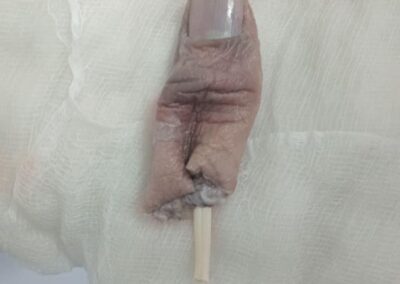 ](https://theplasticsurgeryclinic.co/wp-content/uploads/2026/08/WhatsApp-Image-2026-07-24-at-100120-1.jpeg "WhatsApp Image 2026-07-24 at 100120 1") [ 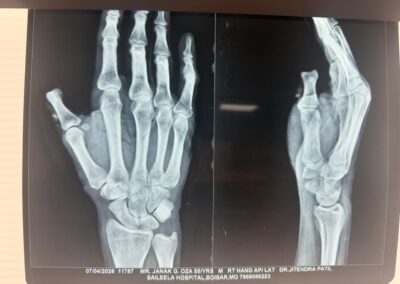 ](https://theplasticsurgeryclinic.co/wp-content/uploads/2026/08/WhatsApp-Image-2026-07-24-at-100121-1.jpeg "WhatsApp Image 2026-07-24 at 100121 1") [ 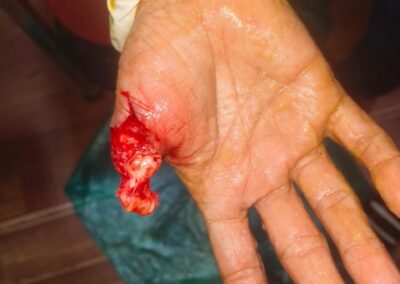 ](https://theplasticsurgeryclinic.co/wp-content/uploads/2026/08/WhatsApp-Image-2026-07-24-at-100121.jpeg "WhatsApp Image 2026-07-24 at 100121") [ 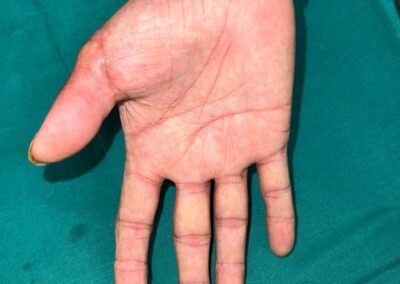 ](https://theplasticsurgeryclinic.co/wp-content/uploads/2026/08/WhatsApp-Image-2026-07-24-at-100122-1.jpeg "WhatsApp Image 2026-07-24 at 100122 1") [ 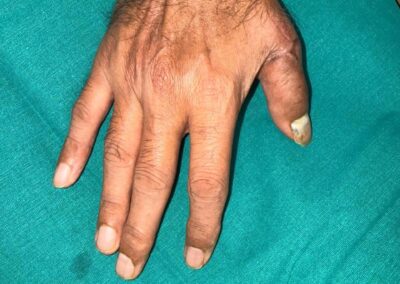 ](https://theplasticsurgeryclinic.co/wp-content/uploads/2026/08/WhatsApp-Image-2026-07-24-at-100122.jpeg "WhatsApp Image 2026-07-24 at 100122") --- ### [Lipoma Excision](https://theplasticsurgeryclinic.co/gallery/lipoma-excision/) **Published:** August 6, 2026 **Author:** Dr. Leena Jain **Content:** # Lipoma Excision [ 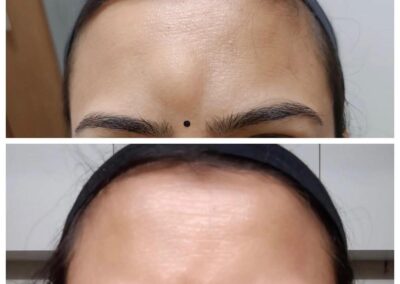 ](https://theplasticsurgeryclinic.co/wp-content/uploads/2026/08/WhatsApp-Image-2026-07-24-at-100121-2.jpeg "WhatsApp Image 2026-07-24 at 100121 2") --- ### [Genital aesthetic surgery](https://theplasticsurgeryclinic.co/gallery/hidradenitis-suppurativa-hs/) **Published:** August 6, 2026 **Author:** Dr. Leena Jain **Content:** # Genital aesthetic surgery [ 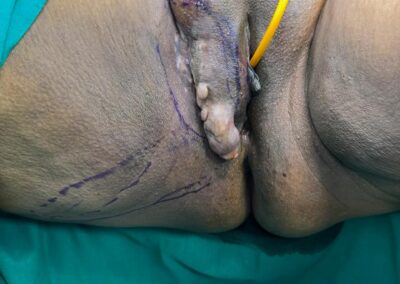 ](https://theplasticsurgeryclinic.co/wp-content/uploads/2026/08/WhatsApp-Image-2026-07-24-at-100119-1.jpeg "WhatsApp Image 2026-07-24 at 100119 1") [ 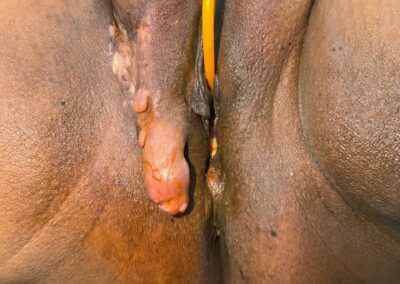 ](https://theplasticsurgeryclinic.co/wp-content/uploads/2026/08/WhatsApp-Image-2026-07-24-at-100119.jpeg "WhatsApp Image 2026-07-24 at 100119") [ 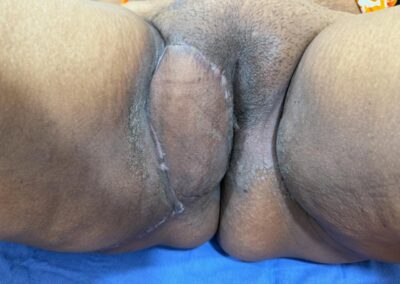 ](https://theplasticsurgeryclinic.co/wp-content/uploads/2026/08/WhatsApp-Image-2026-07-24-at-100120.jpeg "WhatsApp Image 2026-07-24 at 100120") --- ### [Pilonidal Sinus](https://theplasticsurgeryclinic.co/gallery/pilonidal-sinus/) **Published:** August 6, 2026 **Author:** Dr. Leena Jain **Content:** # Pilonidal Sinus [ 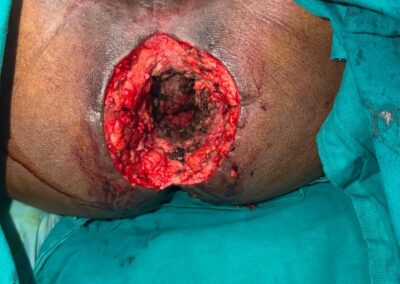 ](https://theplasticsurgeryclinic.co/wp-content/uploads/2026/08/WhatsApp-Image-2026-07-16-at-113901.jpeg "WhatsApp Image 2026-07-16 at 113901") [ 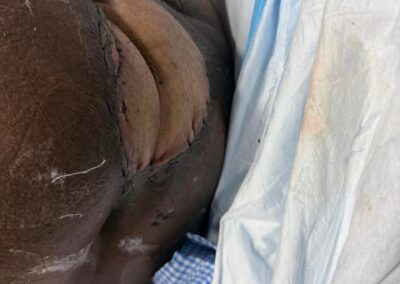 ](https://theplasticsurgeryclinic.co/wp-content/uploads/2026/08/WhatsApp-Image-2026-07-16-at-113902-4.jpeg "WhatsApp Image 2026-07-16 at 113902 4") [ 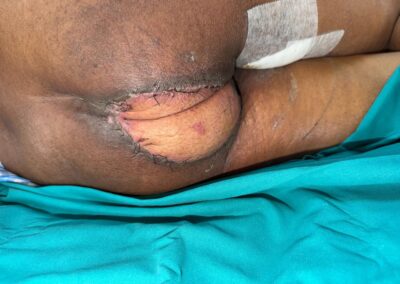 ](https://theplasticsurgeryclinic.co/wp-content/uploads/2026/08/WhatsApp-Image-2026-07-16-at-113902.jpeg "WhatsApp Image 2026-07-16 at 113902") --- ### [Finger Replantation Surgery in a Young Engineering Student](https://theplasticsurgeryclinic.co/case-study/finger-replantation-surgery-engineering-student/) **Published:** August 2, 2026 **Author:** shraddha **Content:** # Finger Replantation Surgery in a Young Engineering Student  ## Patient Profile **Age**20 years **Gender**Male **Background**Engineering student **Presenting Complaint**Amputation of finger while cleaning a bicycle chain **Diagnostic Method**Clinical assessment **Diagnosis**Finger amputation **Treatment**Replantation surgery **Outcome**Finger reattached successfully with full function and good range of movement *Patient identity withheld per confidentiality guidelines (referred to as Mr. B).* ## The Problem Mr. B, a 20-year-old engineering student, presented with an amputation of his finger sustained while cleaning the chain of his bicycle. He was evaluated by Dr. Leena Jain at [Plastikos Clinic](https://theplasticsurgeryclinic.co/), and on clinical assessment, the injury was diagnosed as a finger amputation, with replantation surgery identified as the appropriate treatment. Injuries involving bicycle or machinery chains are a recognised mechanism of finger amputation, since the chain and sprocket can trap and sever a digit during routine cleaning or maintenance. Clinically, such injuries are assessed to determine the level of amputation and whether the amputated segment and the remaining stump are suitable for reattachment. ### **About Finger Amputation and Replantation (General Information)** Finger amputation refers to the complete separation of a digit, or part of it, from the hand. Once diagnosed, the treating surgeon evaluates whether replantation, that is, reattachment of the amputated part, is a viable option. Replantation surgery is a reconstructive procedure in which the amputated segment is rejoined to the hand. It generally involves: - Stabilising the bone to restore the skeletal framework of the finger - Repairing the tendons responsible for bending and straightening the digit - Reconnecting blood vessels to restore circulation to the reattached part - Repairing nerves to allow the return of sensation over time - Closing the skin to complete the reattachment The objective of replantation, where clinically suitable, is to restore both the physical structure and the functional capacity of the finger, rather than to manage the injury by amputation alone. ## Treatment Plan Following clinical assessment, Dr. Leena jain planned a replantation surgery to reattach the amputated finger. Replantation, as a surgical approach, involves reattaching the amputated segment to the hand with the aim of restoring both the structure and the function of the finger. As a general principle in replantation surgery, the treatment plan is guided by the level of the amputation, the condition of the amputated part, and the structures that require repair, namely bone, tendon, vessels, and nerves, in order for the reattached digit to survive and regain use. ## Procedure The treatment carried out for Mr. B was replantation surgery, performed by Dr. Leena Jain at Lilavati Hospital/Plastikos Clinic. 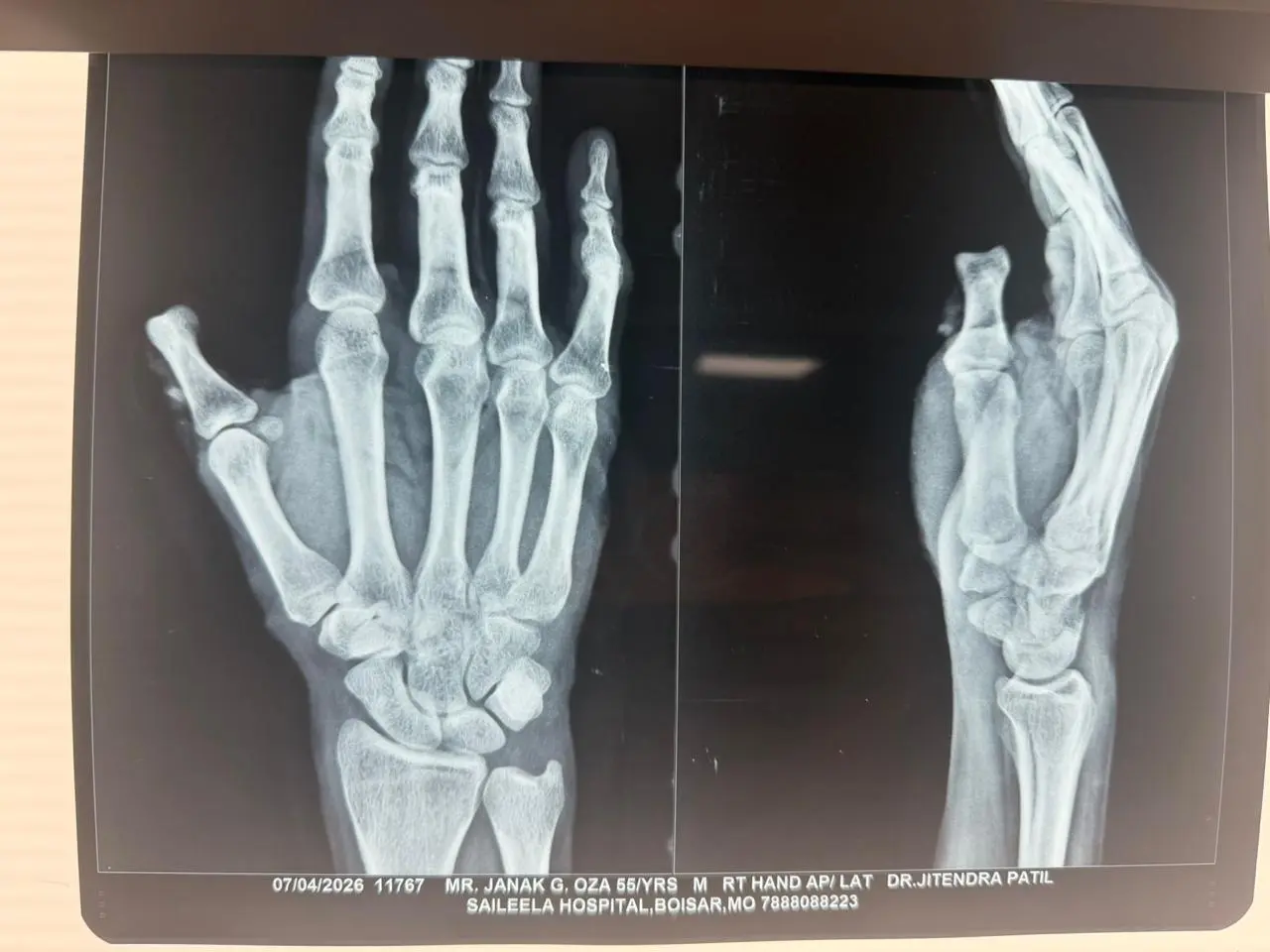 \] ### How Replantation Surgery Is Generally Performed In general, replantation surgery for a finger amputation follows a structured sequence: - The amputated part and the stump are prepared and examined to identify the structures requiring repair - The bone is stabilised to re-establish the length and alignment of the finger - The tendons are repaired to restore movement - The blood vessels are repaired under magnification to restore blood supply to the reattached finger - The nerves are repaired to support the return of sensation - The skin is closed to complete the procedure  This general sequence reflects the standard approach to finger replantation and is provided here as background information on the type of surgery performed for Mr. B, rather than as a detailed account of his specific operative course. ## Outcome The surgery resulted in the finger being reattached successfully. The outcome recorded was full function and good range of movement in the reattached finger. ### **Outcomes at a Glance** 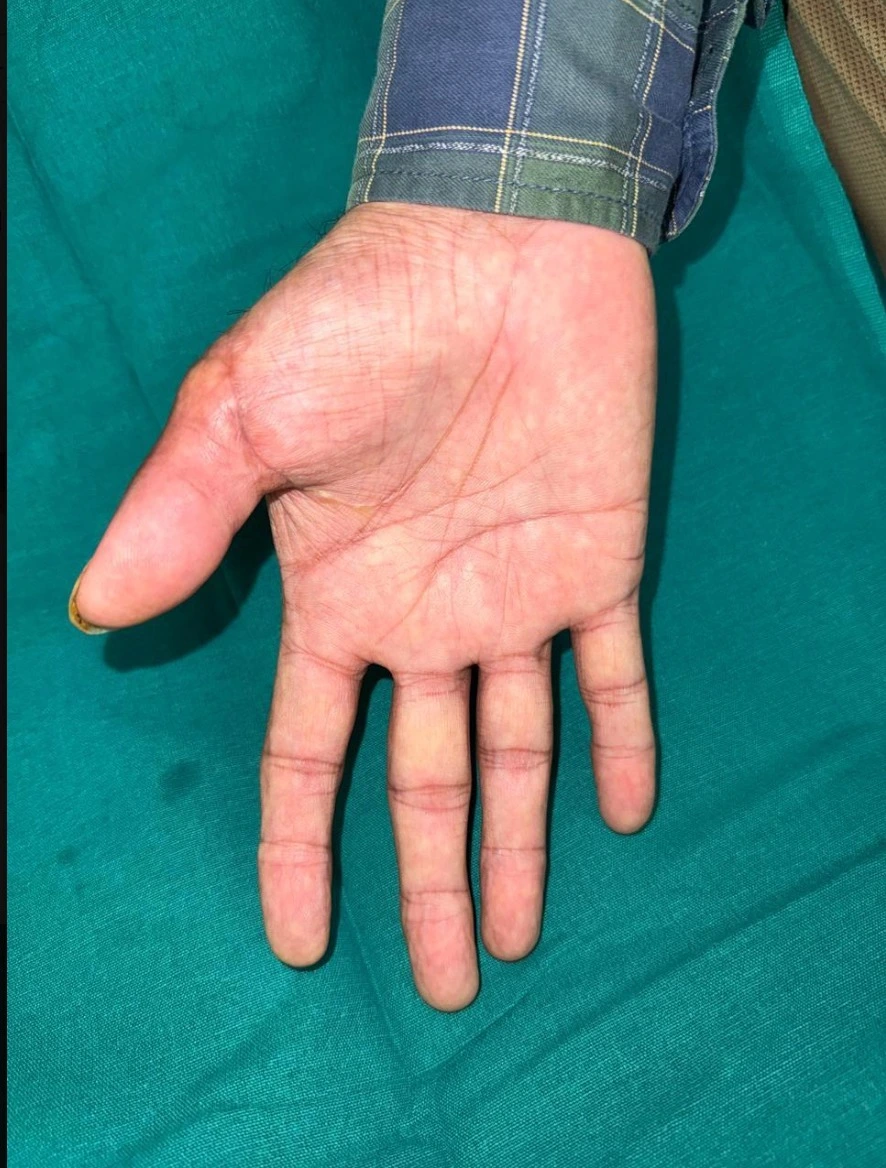 **Outcome Metric** **Result** **Finger Reattachment** Successful **Function** Full function **Range of Movement** Good ## Long-Term Expectation The long-term expectation for this patient is normal sensation and movement in the reattached finger. In replantation surgery generally, sensation and fine movement in a reattached digit tend to improve gradually as the repaired nerves and tissues recover, and the extent of this recovery is monitored over subsequent follow-up visits. ## Patient Feedback The patient reported being very satisfied with the saved finger. **Profile:** Male · 20 years · Engineering student **Procedure:** Replantation surgery · Performed by Dr. Leena Jain · Lilavati Hospital/Plastikos Clinic **Related Case Study:** [Hidradenitis Suppurativa of the Underarm — Wide Excision and Flap Reconstruction](https://theplasticsurgeryclinic.co/hidradenitis-suppurativa-of-the-underarm-wide-excision-and-flap-reconstruction/) ## FAQs ##### Q1. What is finger replantation surgery? Finger replantation is a surgical procedure to reattach a finger that has been amputated. It generally involves stabilising the bone, repairing the tendons, reconnecting the blood vessels, and repairing the nerves to restore the structure and function of the digit. ##### Q2. How is a finger amputation from a chain injury typically assessed? A finger amputation is assessed clinically to determine the level of the injury and the condition of the amputated part and the stump, which together guide whether replantation is a suitable treatment option. ##### Q3. What was the outcome for this patient? The patient’s finger was reattached successfully, with full function and a good range of movement. ##### Q4. What is the long-term expectation after this surgery? The long-term expectation is normal sensation and movement in the reattached finger. ##### Q5. Where was this treatment carried out? The treatment was carried out by Dr. Leena Jain at Lilavati Hospital/Plastikos Clinic. --- ### [Reconstructive Surgery for Left Orbital Defect Post-Mucormycosis](https://theplasticsurgeryclinic.co/case-study/reconstructive-surgery-for-left-orbital-defect-post-mucormycosis/) **Published:** April 19, 2025 **Author:** Dr. Leena Jain **Content:** # Reconstructive Surgery for Left Orbital Defect Post-Mucormycosis ## Overview  Mucormycosis, popularly referred to as the “black fungus,” is a rare but aggressive fungal infection caused by mucorales fungi. It primarily affects individuals with weakened immune systems, including those recovering from COVID-19. Following the pandemic, there was a noticeable surge in cases, especially in India. Globally, the incidence is estimated at 0.005 to 1.7 per million population, but in India, post-COVID-19, this shot up to over 14 cases per 100,000 population, making it an epidemic in itself. In some severe cases, mucormycosis affects the eyes, leading to orbital invasion. According to Dr. Leena Jain, an acclaimed [Plastic Surgeon in Mumbai](https://theplasticsurgeryclinic.co/): “When mucormycosis progresses to the orbit, it often results in orbital exenteration — removal of the eye and infected surrounding tissues. This leaves behind a significant anatomical defect requiring surgical reconstruction for both function and appearance.” This case study highlights the journey of a 55-year-old woman who underwent reconstructive surgery for her left orbital defect caused by mucormycosis, performed by Dr. Leena Jain.  ## Basic Info **Doctor’s Name:** Dr. Leena Jain**Clinic/Hospital Name:** Plastikos Clinic / Lilavati Hospital **Patient’s Age:** 55 **Gender:** Female ## Patient Background The patient, a 55-year-old woman, had a history of COVID-19 infection in 2021. During recovery, she developed mucormycosis, which rapidly progressed, affecting her left eye. To contain the infection and prevent it from spreading to the brain, surgical removal of the eye (orbital exenteration) was performed. Though life-saving, the procedure left her with a gaping defect in the orbit, continuous discharge, and emotional trauma due to facial disfigurement. Seeking functional rehabilitation and aesthetic restoration, she approached Dr. Leena Jain, a renowned specialist in complex facial reconstruction. ## Symptoms Patients with orbital defects post-mucormycosis often experience both physical discomfort and psychological distress. In this patient’s case, the following symptoms were observed: \] ### Persistent discharge from the left orbital cavity \] ### Open raw area in the orbit \] ### Path of discharge tracking into the food pipe \] ### Facial asymmetry \] ### Loss of the eyeball and associated soft tissues \] ### Crusting and infection in the orbital cavity \] ### Difficulty in maintaining hygiene \] ### Emotional distress and reduced confidence ## Diagnostic Method W ### Detailed clinical examination of the orbital cavity W ### Evaluation of tissue condition and surrounding structures W ### Assessment for signs of recurrent infection W ### Determination of viability for flap coverage and reconstruction ## Disease Diagnosed The patient was diagnosed with a left orbital defect post-mucormycosis. Dr. Leena Jain explains, “After orbital removal, patients are left with a deep, unhealed cavity that not only causes persistent discharge but can also impact adjacent functions. This defect can become a source of chronic infection and social embarrassment. Hence, timely reconstruction is essential to restore both health and confidence.” ## Treatment To restore both form and function, the treatment plan involved a complex reconstructive procedure. **Pre-operative Preparation:** \] #### Infection control with antibiotics and antifungals \] #### Nutritional optimization to promote healing \] #### Pre-surgical imaging to map vascular supply \] #### Psychological counseling and expectation setting **Step-by-Step Procedure:** Z **Surgical Planning:** A [free flap reconstruction](https://theplasticsurgeryclinic.co/blogs/free-flap-surgery-a-groundbreaking-reconstructive-technique/) was selected to provide durable soft tissue coverage for the orbital cavity. Z **Flap Harvesting:** A suitable donor site was identified from which a free flap with a vascular pedicle was harvested. Z **Microvascular Anastomosis:** The flap’s blood vessels were meticulously connected to vessels near the orbital defect using microsurgical techniques. Z **Flap Inset:** The flap was positioned to fill and cover the defect, eliminating dead space and preventing further discharge. Z **Wound Closure:** The area was closed in layers to ensure optimal healing and symmetry. 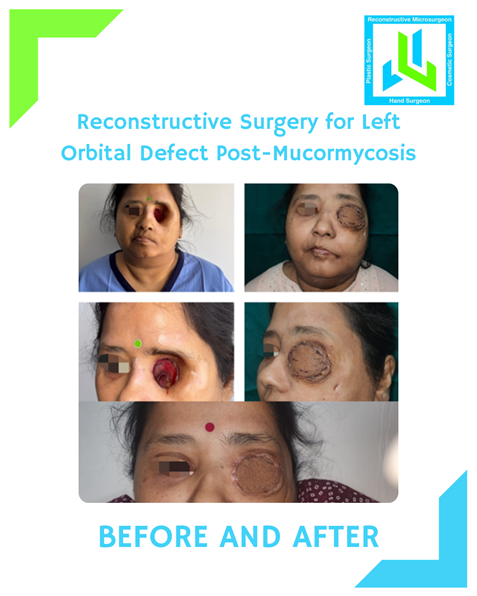 ## Post Surgery Guidelines After surgery, a set of clear guidelines was shared with the patient to ensure smooth recovery and long-term success: Z **Daily Care:** Maintain cleanliness using mild antiseptics as prescribed Z **Activity Restrictions:** Avoid strenuous activities for the first few weeks Z **Follow-Up Appointments:** Attend regular checkups to monitor flap viability and healing Z **Nutrition:** Follow a high-protein, balanced diet to support tissue regeneration Z **Prosthesis Planning:** Once healing was complete, planning began for implanting an artificial eye ## Outcome The patient achieved complete closure of the orbital defect. The discharge ceased, and no raw areas were visible. She no longer required daily dressings, significantly improving her comfort and confidence. ## Long-Term Expectation Following complete healing, the patient is eligible for an implant-based ocular prosthesis. This prosthetic eye will enhance her facial symmetry and allow her to regain a sense of normalcy. With continued follow-ups and proper care, long-term results are expected to remain highly satisfactory, both functionally and aesthetically. ## Patient Feedback “After I lost my eye, I felt like I had lost a part of my identity. I was constantly battling discomfort, discharge, and the emotional weight of looking different. Meeting Dr. Leena Jain changed everything. She not only treated me with care but also gave me hope. Today, my face looks whole again, and I no longer have to depend on dressings. I feel confident stepping out. I’m deeply thankful to Dr. Jain and her team for bringing back my smile.” **Disclaimer:** The information shared in this content is for educational purposes only and not for promotional use. --- ### [Diabetic Ulcer Treatment in Mumbai](https://theplasticsurgeryclinic.co/services/diabetic-ulcer-treatment-in-mumbai/) **Published:** December 28, 2023 **Author:** Dr. Leena Jain **Content:** [](https://theplasticsurgeryclinic.co/blogs/how-long-does-hymenoplasty-last/) ##### [How Long Does Hymenoplasty Last?](https://theplasticsurgeryclinic.co/blogs/how-long-does-hymenoplasty-last/) 1 Sep, 26 Hymenoplasty is one of the most privately researched and publicly under-discussed procedures in... --- ### [Foot Deformity](https://theplasticsurgeryclinic.co/case-study/foot-deformity/) **Published:** December 27, 2023 **Author:** Dr. Leena Jain **Content:** # Foot Deformity 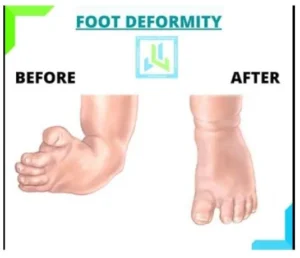 ## Details of the Patient - Patient’s Name: AA - Patient’s Age: 18 - Patient’s Gender: male ## Symptoms shown by the Patient - Foot Deformity ## An Overview of the Case **This young patient was brought in at the age of 18 years with foot deformity arising from a scar contracture across the top of his** [**foot**](https://theplasticsurgeryclinic.co/blogs/diabetic-ulcer-treatment-what-you-should-know/) **and toes. Scar was the result of an injury in his childhood which was left to heal by itself without any surgical intervention.** As he continued to grow, his foot deformity worsened as the growth of the bones was hampered by the skin scar. This caused clawing of his toes and altered his gait too. He then came to improve the foot appearance and function to be able to walk normally. Surgery consisted of release of all scar tissue completely and resurfacing the defect with a flap. Flap was taken from the thigh and using microsurgery the flap was inset into the defect. His foot was maintained in the corrected position using rods, which were removed after 6 weeks. He was allowed to start walking after about 8-10 days. With time the flap settled quite beautifully flush with the rest of the normal skin. ### Before & After 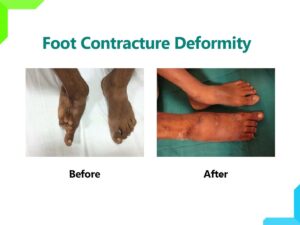 --- ### [Breast Surgery in Mumbai](https://theplasticsurgeryclinic.co/services/breast-surgery-in-mumbai/) **Published:** December 22, 2023 **Author:** Dr. Leena Jain **Content:** [](https://theplasticsurgeryclinic.co/blogs/how-long-does-hymenoplasty-last/) ##### [How Long Does Hymenoplasty Last?](https://theplasticsurgeryclinic.co/blogs/how-long-does-hymenoplasty-last/) 1 Sep, 26 Hymenoplasty is one of the most privately researched and publicly under-discussed procedures in... --- ### [Tummy Tuck Scar After 3 Years](https://theplasticsurgeryclinic.co/tummy-tuck-scar-after-3-years/) **Published:** April 1, 2024 **Author:** Dr. Leena Jain **Content:** Tummy tuck surgery is a transformative procedure that reshapes the abdomen for a firmer, smoother profile. However, the journey doesn’t end with surgery. The healing process, especially the evolution of tummy tuck scar 3 years after surgery, is a significant part of the recovery. Three years post-operation is a milestone where patients and surgeons can evaluate the long-term results. Dr. Leena Jain, a renowned [**Plastic Surgeon in Mumbai**](https://theplasticsurgeryclinic.co/), offers an in-depth look at what to expect from tummy tuck scars after 3 years, providing insights into scar appearance, and management techniques. **Ready to embark on your tummy tuck recovery journey with confidence?** [**Book an appointment now!**](https://theplasticsurgeryclinic.co/contact/) ***Now let’s learn more about the Tummy Tuck scar post 3 years.*** ## **Understanding Tummy Tuck Scars at the 3-Year Mark** 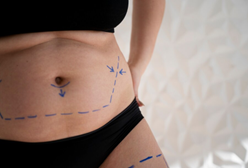Three years after a tummy tuck, scars mature significantly. Initially red and prominent, they soften and lighten over time. By the three-year mark, they’ve typically faded and settled, reflecting the enduring results of your surgery in a much subtler way. This transformation highlights the long-term success and aesthetic enhancement of the procedure. ***Wondering if scars are common 3 years post tummy tuck surgery? Learn more further.*** ### **How Noticeable Are Tummy Tuck Scars After 3 Years?** The visibility of [tummy tuck](https://theplasticsurgeryclinic.co/gallery/tummy-tuck/) scars after 3 years largely depends on several factors, including - **Individual’s skin type** - **Surgical technique used** - **Post-operative care** In many cases, these scars become significantly less noticeable, blending into the natural contours and skin tone. **Unsure about recovery? For concise information** [**talk to the experts**](https://theplasticsurgeryclinic.co/contact/) **now!** ***Concerned about potential complications after tummy tuck surgery? Learn more about the signs to watch out for and ensure a safe recovery.*** ## **Is It Normal for Tummy Tuck Scars to Still Be Red or Raised After 3 Years?** 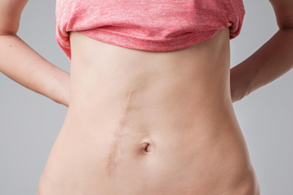While most [tummy tuck scars](https://theplasticsurgeryclinic.co/blogs/how-long-does-it-take-to-recover-from-a-tummy-tuck/) improve significantly in appearance, some individuals may notice their scars remain slightly red or raised. Factors such as genetics, skin color, and healing capacity can influence this. However, persistent redness or elevation is not typical, and consulting with a [Plastic Surgeon](https://theplasticsurgeryclinic.co/) is advisable for personalized care. ***Still, facing discomfort about scars even 3 years after surgery? Get to know more about the precautions and post-surgery care!*** ## **Scar Management Techniques** Effective scar management is crucial for optimizing the healing process. There are various ways to manage tummy tuck scars which include: - **Regular Moisturization:** Keeps the scarred area soft and may reduce itchiness. - **Silicone Scar Sheets or Gel:** Helps flatten and fade the scar by providing constant pressure and hydration. - **Sun Protection:** UV exposure can darken scars, so applying sunscreen is essential. - **Balanced Diet:** Nutrients from a healthy diet support overall skin healing. - **Adequate Hydration:** Drinking plenty of water helps keep the skin elastic and may aid in scar healing. **Want personalized scar management strategies? Get in touch with the experts for scar management advice and** [**Schedule a Consultation**](https://theplasticsurgeryclinic.co/contact/) **today!** ## **H2 Treatments for Tummy Tuck Scars After 3 Years** For scars that remain prominent after three years, several treatment options can further improve their appearance, such as: - **Laser Therapy**: [Laser Therapy](https://www.dreyfussplasticsurgery.com/can-laser-treatments-erase-tummy-tuck-scars/) targets and reduces scar pigmentation and texture, enhancing skin appearance. - **Microdermabrasion:** Usually [m](https://www.ncbi.nlm.nih.gov/books/NBK535383/)[icrodermabrasion](https://www.ncbi.nlm.nih.gov/books/NBK535383/) gently exfoliates the top layer of skin to promote a smoother scar surface. - **Scar Revision Surgery:** Surgically improves the scar’s appearance for those with significantly raised or wide scars. ## **Conclusion** Tummy tuck scars after 3 years have usually matured, revealing the outcome of the surgery. While most scars fade significantly, some may require additional treatments for optimal aesthetics. Consulting with experienced professionals like Dr. Leena Jain, renowned for [Tummy Tuck Surgery](https://theplasticsurgeryclinic.co/services/tummy-tuck-surgery-in-mumbai/) in Mumbai, ensures access to expert care and advice for managing tummy tuck scars effectively. **For a deeper understanding of tummy tuck procedures and scar management,** [**consult**](https://theplasticsurgeryclinic.co/contact/) **with renowned Plastic Surgeons now!** ## **FAQs:** 1. **Can tummy tuck scars improve after the 3-year mark?** Yes, tummy tuck scars can keep improving with time. This can happen even after 3 years, especially with careful scar care. 2. **Can my tummy tuck scars fade away completely?** Tummy tuck scars become much less noticeable. But, they may not go away completely. The final appearance depends on individual healing characteristics and post-operative care. 3. **When should I consider scar revision surgery for my tummy tuck scar after 3 years?** Consider scar revision surgery if your tummy tuck scar is much raised or widened. Or if it hasn’t improved with non-surgical techniques and you’re worried about how it looks. 4. **Can a scar hurt 3 years after tummy tuck?** It’s uncommon for a scar to hurt 3 years after a tummy tuck. Persistent pain may show hidden issues. It’s important to ask a surgeon to check it. --- ### [Fibroadenoma](https://theplasticsurgeryclinic.co/case-study/fibroadenoma/) **Published:** December 27, 2023 **Author:** Dr. Leena Jain **Content:** # Fibroadenoma 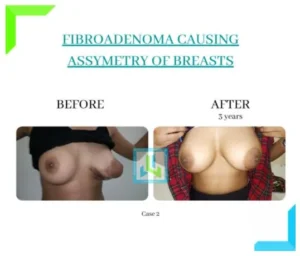 ## Patient Review - Patient’s Name: AA - Patient’s Age: 14 - Patient’s Gender: female ## Symptoms - lump in her left breast ## Case Presentation **This young 14 years old girl presented with a lump in her left breast of one-year duration. She noticed it steadily in size. It had caused significant stretching of the areola on the affected side. It was a matter in concern as it grew rapidly to the size 10\*8cms and caused a disproportionate increase in the size of the breast and the Areola.** She was then evaluated with an MRI scan to see the extent of the tumor. It was found to have two lobes and was extending deep into the breast. Her surgery was planned under General Anaesthesia. The tumour was removed through a cut along the lower border of the stretched areola so as to leave no scars on her skin. Her breast tissue was then apposed to fill in the gap left after tumor removal. She had an uneventful recovery. Her biopsy confirmed the tumor to be a [fibroadenoma](https://www.mayoclinic.org/diseases-conditions/fibroadenoma/symptoms-causes/syc-20352752#:~:text=Fibroadenomas%20(fy%2Dbroe%2Dad,has%20a%20well%2Ddefined%20shape.). As she grew up, her breasts grew with acceptable symmetry of the breasts and the areolae, with no scar visible. This young girl was quite satisfied with the overall aesthetics of the [breast](https://theplasticsurgeryclinic.co/services/breast-surgery-in-mumbai/). Timely surgery is essential to ensure that breast development is not affected because of a giant fibroadenoma. Before and After   ## Treatment and prognosis - General Anaesthesia - Surgery ## Physical Examination & Tests - MRI scan --- ### [Media Coverage](https://theplasticsurgeryclinic.co/media-coverage/) **Published:** January 17, 2024 **Author:** Dr. Leena Jain **Content:** # Media Coverage          ### 14 Surrendered Maoists Undergo Sterilisation Reversal Surgeries [Read More](https://timesofindia.indiatimes.com/city/nagpur/14-surrendered-maoists-undergo-sterilisation-reversal-surgeries/articleshow/129810846.cms)  ### The Surgery That Turns a Toe into a Thumb: And Why It’s a Miracle of Modern Medicine [Read More](https://bhaskarlive.in/a-post-covid-mucormycosis-survivor-gets-a-new-lease-on-life-after-dr-leena-jain-successfully-performs-an-advanced-facial-reconstruction-in-mumbai/) 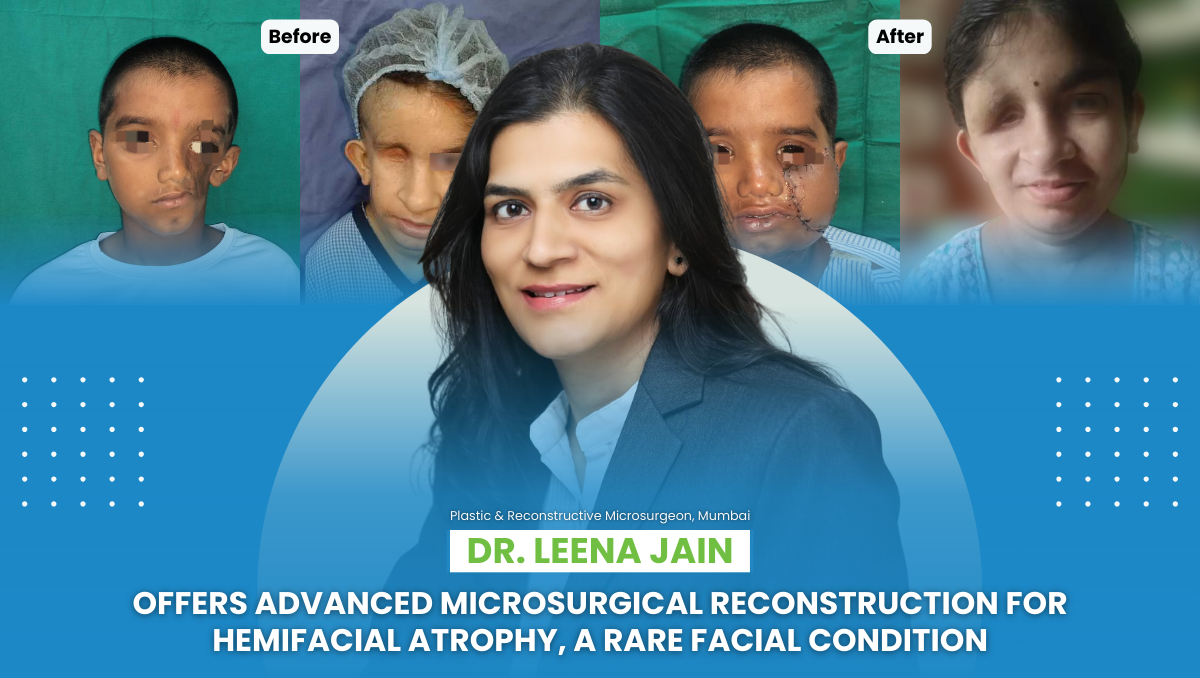 ### Dr. Leena Jain Offers Advanced Microsurgical Reconstruction for Hemifacial Atrophy, a Rare Facial Condition [Read More](https://www.lokmattimes.com/health/innovative-approaches-to-treating-compound-fractures-of-the-leg-a-plastic-and-reconstructive-surgeons-perspective-a475/) 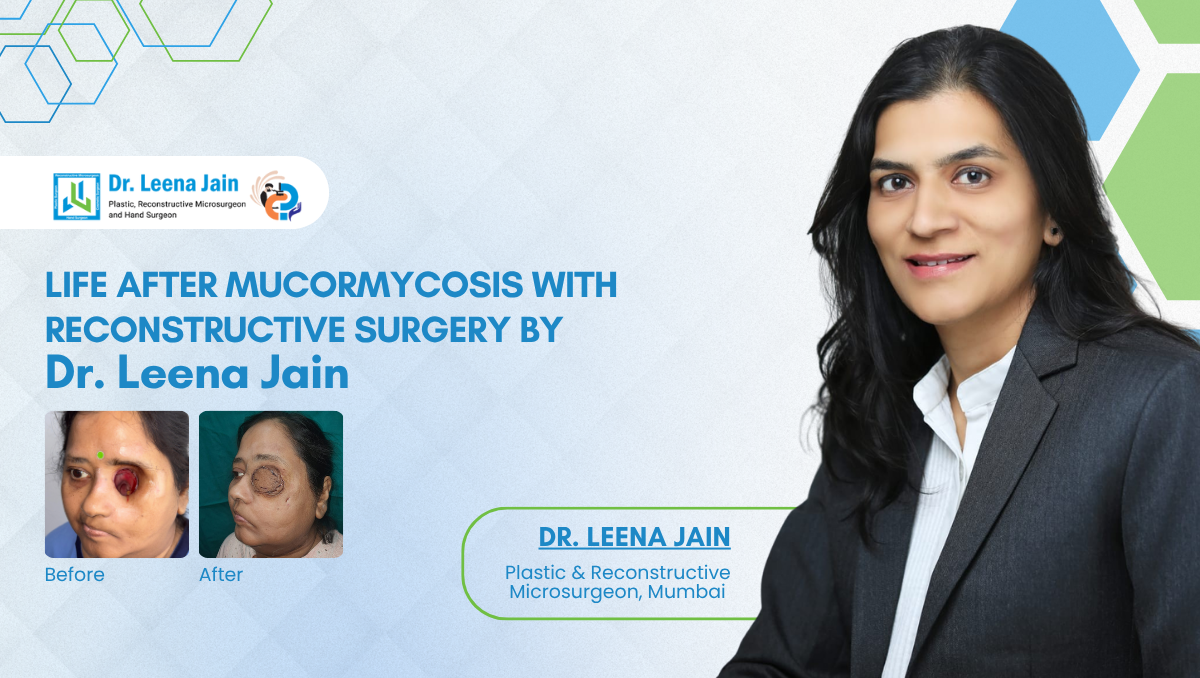 ### Advanced Facial Reconstruction Restores Life for Post-COVID Mucormycosis Survivor [Read More](https://bhaskarlive.in/a-post-covid-mucormycosis-survivor-gets-a-new-lease-on-life-after-dr-leena-jain-successfully-performs-an-advanced-facial-reconstruction-in-mumbai/)  ### Innovative Approaches to Treating Compound Fractures of the Leg: A Plastic & Reconstructive Surgeon's Perspective [Read More](https://www.lokmattimes.com/health/innovative-approaches-to-treating-compound-fractures-of-the-leg-a-plastic-and-reconstructive-surgeons-perspective-a475/)  ### From Amputation to Recovery: Dr. Leena Jain’s Remarkable Reconstructive Surgery Success [Read More](https://newsable.asianetnews.com/pr-spot/from-amputation-to-recovery-dr-leena-jain-s-remarkable-reconstructive-surgery-success-sjagr2)  ### Here's all about the role of reconstructive surgery [Read More](https://timesofindia.indiatimes.com/life-style/health-fitness/health-news/heres-all-about-the-role-of-reconstructive-surgery/articleshow/111685654.cms)  ### Finger Replantation, A Challenging Yet Successful Surgery For Near Total Finger [Read More](https://up18news.com/finger-replantation-a-challenging-yet-successful-surgery-for-near-total-finger-amputation-performed-by-dr-leena-jain-mumbais-leading-plastic-reconstructive-microsurgeon-hand-surgeon/)  ### Reconstructive Surgery: A Specialised Plastic Surgery  ### Dr. Leena Jain on the Toe-to-Thumb Surgery, a Transformative Surgery for the Absent Thumb [Read More](https://english.loktej.com/article/7172/dr--leena-jain-on-the-toe-to-thumb-surgery--a-transformative-surgery-for-the-absent-thumb)  ### 12-hour-surgery gives hope to 4-year-old after lift horror severs wrist [Read More](https://www.mid-day.com/mumbai/mumbai-news/article/All-hands-on-deck-to-save-4-year-olds-severed-limb-21381199)  ### Thane woman beats rare life-threatening bacterial infection Read More  ### A 12-year-old boy's severed thumb was reattached after a six-hour surgery [Read More](https://www.gujaratimidday.com/news/mumbai-news/article/the-amputated-thumb-of-a-12-year-old-boy-was-reattached-after-six-hours-of-surgery-145176)  ### Mumbai doctors reattach boy’s thumb in 6-hr surgery [Read More](https://www.hindustantimes.com/cities/mumbai-news/mumbai-doctors-reattach-boy-s-thumb-in-6-hr-surgery-101626426972949.html)  ### CA regains finger movement in reattached nearly-severed arm [Read More](https://timesofindia.indiatimes.com/city/mumbai/ca-regains-finger-movement-in-reattached-nearly-severed-arm/articleshow/101031616.cms)  ### Dr Leena Jain’s Tummy Tuck Surgery Services for Postpartum Women helps them get back in shape [Read More](https://english.newstracklive.com/news/dr-leena-jains-tummy-tuck-surgery-services-for-postpartum-women-helps-them-get-back-in-shape-sc53-nu318-ta318-1281997-1.html)  ### Dr. Leena Jain explains how breast reconstruction helps to restore confidence after mastectomy [Read More](https://theindiasaga.com/saga-corner/dr-leena-jain-explains-how-breast-reconstruction-helps-to-restore-confidence-after-mastectomy)  ### Dr. Leena Jain on how plastic surgery offers reliable treatment to resolve Diabetes-Related Foot Conditions [Read More](https://english.newstracklive.com/news/dr-leena-jain-on-how-plastic-surgery-offers-reliable-treatment-to-resolve-diabetesrelated-foot-conditions-sc53-nu346-1261393-1.html)  ### Mumbai’s Dr. Leena Jain on the Cutting Edge of Plastic Surgery Techniques for Neck Contracture [Read More](https://www.timebulletin.com/mumbais-dr-leena-jain-on-the-cutting-edge-of-plastic-surgery-techniques-for-neck-contracture/)  ### Dr Leena Jain elaborates on what patients should expect from a tendon repair surgery! [Read More](https://mediahindustan.com/dr-leena-jain-elaborates-on-what-patients-should-expect-from-a-tendon-repair-surgery/)  ### Dr. Leena Jain offers diabetic foot salvage treatment to treat complex diabetic foot ulcer cases. [Read More](https://www.hellomumbainews.com/lifestyle/dr-leena-jain-offers-diabetic-foot-salvage-treatment-to-treat-complex-diabetic-foot-ulcer-cases/)  ### Dr Leena Jain explains Limb Reconstruction Surgery [Read More](https://m.dailyhunt.in/news/india/english/hindustan+metro-epaper-dh6ae7922f205548bc994645e1b7a6d8d9/dr+leena+jain+explains+limb+reconstruction+surgery-newsid-dh6ae7922f205548bc994645e1b7a6d8d9_d4eeb0503db911edbd6f0a233947afea)  ### Dr Leena Jain elaborates on what patients should expect from a tendon repair surgery! [Read More](https://mediahindustan.com/dr-leena-jain-elaborates-on-what-patients-should-expect-from-a-tendon-repair-surgery/)  ### Glad to share a recent story of a patient who approached Dr. Leena Jain for Breast Reconstruction. [Read More](https://www.facebook.com/leenajain00/photos/a.109045531299024/216509043886005/)  ### Mumbai's Dr. Leena Jain, has successfully treated a case of Extensive Degloving Injury of the Abdomen & Thigh [Read More](https://www.mid-day.com/brand-media/article/mumbai-dr-leena-jain-has-successfully-treated-a-case-of-extensive-degloving-injury-of-the-abdomen-and-thigh-23212325) 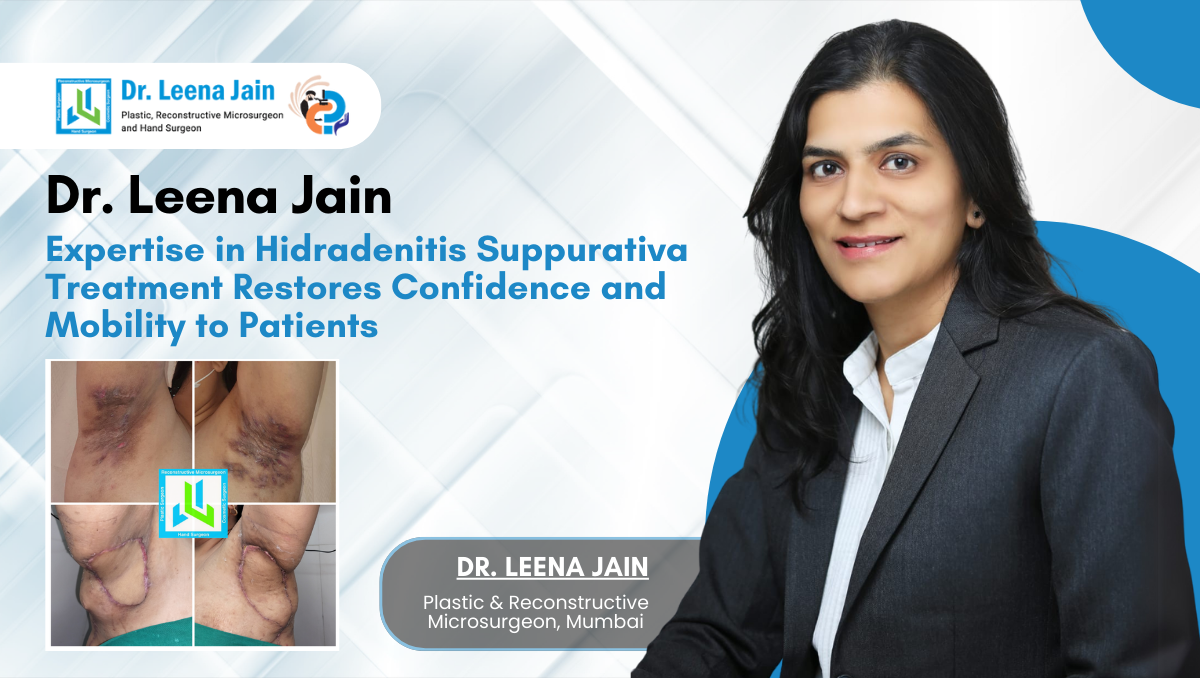 ### Dr. Leena Jain’s Expertise in Hidradenitis Suppurativa Treatment Restores Confidence and Mobility to Patients [Read More](https://bhaskarlive.in/a-post-covid-mucormycosis-survivor-gets-a-new-lease-on-life-after-dr-leena-jain-successfully-performs-an-advanced-facial-reconstruction-in-mumbai/) --- ### [Hidradenitis Suppurativa of the Underarm — Wide Excision and Flap Reconstruction](https://theplasticsurgeryclinic.co/hidradenitis-suppurativa-of-the-underarm-wide-excision-and-flap-reconstruction/) **Published:** July 2, 2026 **Author:** Dr. Leena Jain **Content:** # Hidradenitis Suppurativa of the Underarm — Wide Excision and Flap Reconstruction  ## Patient Profile **Age**35 years **Gender**Female **Occupation**Working professional and mother of one **City**Mumbai **Presenting Complaint**Multiple recurring boils and abscesses in the right underarm, discharging pus, with persistent open sinuses and scarring **Diagnosis**Hidradenitis suppurativa, right axilla **Duration**Long-standing, recurrent **Previous Treatments**Limited local excision (wound breakdown) **Outcome**Excellent *Patient identity withheld per confidentiality guidelines.* ## The Problem #### **The Condition** Hidradenitis suppurativa is a chronic inflammatory skin condition that affects areas rich in sweat glands, most commonly the underarms, groin, and under the breasts. In this patient, the right armpit was affected by repeated crops of painful boils and abscesses that discharged pus, alongside fixed open sinus tracts and scarring built up over time. The disease in the affected skin was extensive rather than a single isolated spot, which is why piecemeal treatment of one boil at a time does not resolve it. Hidradenitis suppurativa is widely under-recognised, and many patients move between dermatology visits for years before the underlying need for surgery is identified. Hidradenitis suppurativa is best understood as a disease of the skin itself in that region. Because the affected skin keeps generating new flares, the durable solution is to remove the entire involved area rather than drain individual lesions. Visit the[ ](https://theplasticsurgeryclinic.co/hidradenitis-suppurativa-treatment-in-mumbai/)[hidradenitis suppurativa treatment service](https://theplasticsurgeryclinic.co/hidradenitis-suppurativa-treatment-in-mumbai/) page for an overview of the surgical approach. #### **Emotional and Psychological Impact** Living with recurring underarm abscesses takes a heavy toll well beyond the physical pain. For a working mother, the constant discharge, dressing changes, and discomfort interfered with daily routine, work, and the ordinary movement of the arm. The patient had already undergone a smaller surgery elsewhere in the hope of a quick fix. When the stitches gave way within a week, that setback brought real distress, and she called in a state of panic. The cycle of flare, partial treatment, and recurrence is exactly what erodes confidence in patients with this condition and leaves them feeling that nothing will ever fully settle it. ## Consultation and Treatment Plan #### **What Was Assessed During the Consultation** - Full extent of the diseased skin across the right axilla, including active sinuses and scarred tissue - Quality and laxity of the surrounding healthy skin available for reconstruction - The failed previous limited excision and its broken-down wound - The patient’s goal of a permanent, recurrence-free result with unrestricted arm movement - General medical fitness for surgery under anaesthesia #### **Why This Approach Was Chosen** The patient had already experienced what a small, limited excision delivers: the wound came apart within a week and the disease remained. Dr. Leena Jain recommended the definitive plastic surgical approach for the following reasons. - **Complete removal of affected skin:**Hidradenitis suppurativa recurs from any diseased skin left behind, so excising the entire involved area, rather than a part of it, is what changes the long-term outcome. - **Flap cover over the defect:**Removing the full thickness of affected underarm skin leaves a sizable raw area. A flap brings in healthy, well-vascularised tissue to cover it, which heals far more reliably than leaving the wound to close under tension, the very thing that caused the earlier failure. - **Restoring movement:**Covering the armpit with supple flap tissue preserves the range of motion at the shoulder, so the patient can return to normal work and daily activity without tightness or restriction. - **Curative intent:**By changing the anatomy of the affected area through complete excision and healthy cover, the disease in that region is effectively cured rather than merely suppressed. After being counselled again following her failed earlier surgery, the patient understood why the entire affected skin needed removal and consented to the flap procedure. ## Pre-Operative Photos and Markings Pre-operative photographs document the baseline condition of the right axilla and confirm the planned excision margins. These are taken in a standardised standing position under neutral lighting before anaesthesia. ## Procedure Details \] #### Step-by-Step Overview - Excision margins marked with the patient positioned to expose the full extent of diseased axillary skin - General anaesthesia administered - Complete wide excision of all affected skin, sinus tracts, and scar tissue from the right axilla - Healthy tissue margins confirmed to ensure no diseased skin was left behind - Flap raised from adjacent healthy tissue and transposed to cover the excision defect - Flap inset with attention to preserving shoulder and arm movement - Layered wound closure with the flap providing tension-free cover ## Procedure Facts Dr. Leena Jain recommended a **wide local excision** of the affected tissue in both armpits to remove the diseased skin completely. Following the excision, **flap coverage** was performed to cover the surgical sites with healthy tissue, promoting optimal healing and reducing the risk of recurrence. This two-step approach was designed to not only address the abscesses but also ensure long-term relief and restore full function to the arms. Procedure Details Duration— AnaesthesiaGeneral anaesthesia Implant / Device UsedNone Approach / IncisionWide excision of affected axillary skin with local flap reconstruction Intraoperative ComplicationsNone Hospital Stay— ## Post-Operative Results The surgery delivered a complete and lasting result. With the entire affected area removed and covered by a healthy flap, the wound healed soundly and there was no recurrence. By three months after surgery the patient was fully comfortable, free of pain, and able to carry out all her work and daily activities without any restriction in arm movement. #### **Outcomes at a Glance** **Outcome Metric** **Result** Disease Clearance ✔ Complete — no recurrence at three months Wound Healing ✔ Sound healing with healthy flap cover Arm Movement ✔ Full range restored, no restriction Pain ✔ Resolved Patient Satisfaction ✔ Very high — comfortable and relieved ## Patient Feedback *Recorded during clinical follow-up.* “After my first small surgery elsewhere failed and the stitches gave way, I was really scared. This time the whole affected area was treated properly. Three months on, there are no boils coming back, I have no pain, and I can move my arm and do all my work freely. I finally feel relieved.” **Profile:** Female · 35 years · Working professional · Mumbai **Procedure:** Wide excision with flap reconstruction · Plastikos Clinic, Mumbai **Surgeon:** Dr. Leena Jain · Plastikos Clinic ## Post-Procedure Care and Recovery #### **Instructions Given to Patient** - Keep the operated area and flap clean and protected as advised - Attend scheduled dressing changes and suture checks - Take prescribed medication for the full duration - Restrict heavy arm and shoulder movement initially, then gradually resume as advised - Begin gentle mobilisation of the arm once healing allows, to preserve range of motion - Attend all follow-up appointments to monitor healing and confirm no recurrence #### **Recovery Timeline** Post-Operative Recovery Timeline Day 1–3Soreness and swelling around the flap. Rest with restricted arm movement. Week 1–2Swelling settles. Suture and flap check. Light routine resumes. Week 4–6Wound well healed. Daily activities resume. Gentle arm movement reintroduced. Month 3Full comfort, no pain, complete arm movement, and no recurrence confirmed. ## FAQs ##### Q1. What is hidradenitis suppurativa, and can it be cured with surgery? Hidradenitis suppurativa is a chronic skin condition that causes recurring boils, abscesses, and sinus tracts in areas like the underarms and groin. When the affected skin is completely removed and covered with a healthy flap, the disease in that region is effectively cured, because the anatomy that drives the recurrence is changed. ##### Q2. Why do small or limited surgeries for hidradenitis suppurativa often fail? A limited excision leaves diseased skin behind and frequently closes under tension, so the wound can break down and the boils return. Removing the entire affected area and covering it with a flap is what gives a durable, recurrence-free result. ##### Q3. How long is the recovery after wide excision and flap surgery? Most patients settle over the first two weeks, resume daily activities by around four to six weeks, and reach full comfort with complete arm movement by about three months, as seen in this case at Plastikos Clinic, Mumbai. ##### Q4. Why choose Dr. Leena Jain for hidradenitis suppurativa treatment in Mumbai? Dr. Leena Jain is a Plastic, Reconstructive and Microsurgeon with focused experience in excision and flap reconstruction for hidradenitis suppurativa. Her approach prioritises complete disease clearance and restored function, with consistent recurrence-free outcomes for her patients at Plastikos Clinic, Mumbai. *Related: Learn more about*[ ](https://theplasticsurgeryclinic.co/about/)[*Dr. Leena Jain*](https://theplasticsurgeryclinic.co/about/) *and her plastic and reconstructive surgery practice, or explore the full range of*[ ](https://theplasticsurgeryclinic.co/)[*plastic surgery services in Mumbai*](https://theplasticsurgeryclinic.co/)*.* --- ### [Contact](https://theplasticsurgeryclinic.co/contact/) **Published:** December 20, 2023 **Author:** Dr. Leena Jain **Content:** # Contact Us Name Email Address Contact Number Message Submit ## Address ## **LILAVATI HOSPITAL AND RESEARCH CENTRE, BANDRA WEST** Ground Floor, Lilavati Hospital & Research Centre, A- 791,, Krishna Chandra Marg, Bandra Reclamation, Bandra West., Mumbai, Maharashtra 400050 - ** - [*91* 9137767350](tel:91%209137767350) ## **PLASTIKOS CLINIC, BORIVALI WEST** A Wing, 403, Lancelot Building S. V. Road Borivali West, Mumbai, Maharashtra – 400090 - ** - [*91* 9137767350](tel:91%209137767350) ## Location #### JASLOK HOSPITAL AND RESEARCH CENTRE, PEDDAR ROAD 15, Pedder Rd, IT Colony, Tardeo, Mumbai, Maharashtra 400026 - - [+91 9137767350](tel:+91%209137767350) #### S.L.RAHEJA HOSPITAL, MAHIM Raheja Rugnalaya Marg, Mahim West, Mahim, Mumbai, Maharashtra 400016 - ** - [*91* 9137767350](tel:91%209137767350) #### SHUSHRUSHA HOSPITAL, DADAR 698-B, Ranade Rd, Dadar West, Dadar, Mumbai, Maharashtra 400028 - - [+91 9137767350](tel:+91%209137767350) #### Wockhardt HOSPITAL, MIRA ROAD Wockhardt Hospitals, Institute of Medical Science and Research, Evershine Rd, near Mira Road Railway Station, Naya Nagar, Mira Road East, Mira Bhayandar, Maharashtra 401107 - - [+91 9137767350](tel:+91%209137767350) #### BREACH CANDY HOSPITAL TRUST, BREACH CANDY, Breach Candy hospital, 60 A, Bhulabhai Desai Marg, Breach Candy, Cumballa Hill, Mumbai, Maharashtra 400026 - - [+91 9137767350](tel:+91%209137767350) --- ### [Facial Palsy Reconstruction in Mumbai](https://theplasticsurgeryclinic.co/services-facial-palsy-reconstruction-in-mumbai/) **Published:** August 25, 2025 **Author:** Dr. Leena Jain **Content:** [](https://theplasticsurgeryclinic.co/blogs/how-long-does-hymenoplasty-last/) ##### [How Long Does Hymenoplasty Last?](https://theplasticsurgeryclinic.co/blogs/how-long-does-hymenoplasty-last/) 1 Sep, 26 Hymenoplasty is one of the most privately researched and publicly under-discussed procedures in... --- ### [Post-Burn Deformity & Contracture Treatment in Mumbai](https://theplasticsurgeryclinic.co/services-post-burn-deformity-contracture-treatment-in-mumbai/) **Published:** October 8, 2025 **Author:** Dr. Leena Jain **Content:** [](https://theplasticsurgeryclinic.co/blogs/how-long-does-hymenoplasty-last/) ##### [How Long Does Hymenoplasty Last?](https://theplasticsurgeryclinic.co/blogs/how-long-does-hymenoplasty-last/) 1 Sep, 26 Hymenoplasty is one of the most privately researched and publicly under-discussed procedures in... --- ### [About](https://theplasticsurgeryclinic.co/about-us/) **Published:** January 17, 2024 **Author:** Dr. Leena Jain **Content:**  # ABOUT US Dr. Leena Jain is a Hand, Reconstructive Microsurgeon and [Plastic Surgeon](https://theplasticsurgeryclinic.co/), having experience of 7+ years. Having completed her Superspeciality post-graduation from Bangalore Medical College, she has been mentored by Dr. Samir Kumta, renowned microsurgeon of International fame. **She then pursued two international fellowships in Microsurgery:**- Fellowship in Microsurgery and Perforator flaps: Hanyang University, Seoul, South Korea - AO Fellowship- Microsurgery and Faciomaxillary Trauma: Ludwigs’ Maximillians University, Munich, Germany in Hand and Microsurgery. ## Qualifications: - M.S – General Surgery - MCh – Plastic Surgery - Fellowship in Microsurgery and Perforator flaps- Hanyang University, Seoul, South Korea - AO Fellowship in Microsurgery and Faciomaxillary trauma- Ludwigs’ Maximillians University Munich, Germany ## Dr. Leena Jain Plastic, Reconstructive Microsurgeon and Hand Surgeon 7+ Years Total Experience +91-9820991853 [link.jain@gmail.com](http://link.jain@gmail.com/)## Motto: Dr. Leena Jain, a skilled [plastic surgeon in India](https://www.clinicspots.com/plastic-surgeon/india), is passionate about her work, which makes her very dedicated to her patients and diligent about her surgeries. She provides the best surgical option for her patients keeping in mind the long term results and patients’ occupation so as to facilitate a timely resumption of work and a normal lifestyle. ## Expertise: 1. Reconstructive Microsurgery: Tumors, trauma, burns and congenital conditions 2. Hand Surgeries include procedures for congenital hand defects, trauma, tumours, burns’ deformities, leprosy, tendon, nerve and vessel injuries, nail complex deformities. 3. Replantations and revascularizations: for total to near-total amputations of upper or lower limb at various levels 4. Cancer Reconstruction Surgery 5. Reconstruction for Orthopaedic trauma- flap cover for compound fractures, tendon repair, reconstructions and transfers, management of small and long bone non-unions and bone gaps. 6. [Breast Surgeries](https://theplasticsurgeryclinic.co/services/breast-surgery-in-mumbai/)– breast reconstruction post-mastectomy, breast reduction, breast augmentation, implants, gynecomastia, nipple reconstruction. 7. Facial Nerve Paralysis surgeries: for restoration of symmetry of smile and eyelid closure 8. Gender reassignment surgeries: female to male and male to female gender change procedure 9. Surgery for non-functioning (acontractile) bladder: in patients suffering from meningomyelocoel, spina bifida, stroke patients who cannot voluntarily empty their urinary bladders and need timely catheterization. 10. Burns’ deformity corrective surgeries 11. Tuboplasty- post tubectomy recanalization 12. Surgeries for migraine --- ### [Wrist Amputation](https://theplasticsurgeryclinic.co/case-study/wrist-amputation/) **Published:** December 27, 2023 **Author:** Dr. Leena Jain **Content:** # Wrist Amputation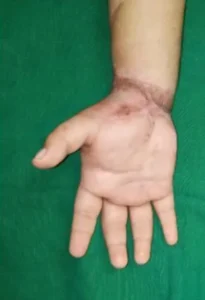 ## Patient Review - Patient’s Name: AA - Patient’s Age: 4 - Patient’s Gender: female ## Symptoms - Wrist Amputation ## Case Presentation **A 4-year-old girl was playing outside her house when she heard a recorded voice from the elevator calling for the door to be closed. Her right hand got trapped in the door when she attempted to close it.** The child’s wrist tore offas the lift climbed to the fourth floor. In a 12-hour surgery in the middle of the night, a team of Plastic Surgery and [Hand Surgeon](https://theplasticsurgeryclinic.co/) at Lilavati hospital successfully reattached her wrist. She had had an unfavourable amputation where all vital structures such as nerves, blood vessels, and muscles were pulled from her wrist separating it from the rest of her forearm. The surgery was difficult as it required fixing the bone, joining tendons that drive the thumb and fingertips, joining major nerves that bring sensations from the hand and send signals from the brain to the various muscles in the hand and joining major arteries and veins to restore blood flow to the hand. For the first seven days, the reattached hand was fine, but on the eighth day, it became cold and blue. Doctors were notified right away, and the child was taken back in for surgery. The veins on the back of her hand were discovered to be blocked. They were seriously injured at the time of the accident, and a clot had formed within them, blocking blood flow. Additional veins from her leg were used to patch the veins once more. She then underwent another major microsurgical procedure, this time transferring muscle from her thigh to her wrist to cover the region of skin and soft tissue loss. She was then discharged with a healthy right hand and continues to be on regular follow up. Here is the Newspaper publication of the above case – [Midday](https://www.mid-day.com/mumbai/mumbai-news/article/All-hands-on-deck-to-save-4-year-olds-severed-limb-21381199) Before and After ## 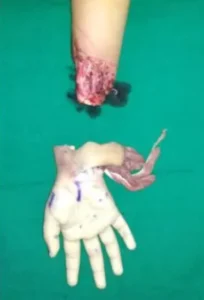  ## Feedback This feedback is from the patient’s father “We never expected the doctors would be able to reattach the hand. However, she will be able to right with her right hand.” --- ### [Hidradenitis Suppurativa Treatment in Mumbai](https://theplasticsurgeryclinic.co/hidradenitis-suppurativa-treatment-in-mumbai/) **Published:** November 30, 2025 **Author:** Dr. Leena Jain **Content:**  --- ### [Forehead Lipoma and Nose Rhinophyma Surgery](https://theplasticsurgeryclinic.co/case-study/forehead-lipoma-and-nose-rhinophyma-surgery/) **Published:** December 26, 2025 **Author:** Dr. Leena Jain **Content:** # Forehead Lipoma and Nose Rhinophyma Surgery  ## Basic Info **Doctor’s Name:** Dr. Leena Jain **Clinic/Hospital Name:** Plastikos Clinic, Lilavati Hospital **Patient’s Name:** Mr. R **Patient’s Age:** 65 **Gender:** Male ## Patient Background Mr. R, a 65-year-old male from rural Maharashtra, had a swelling on the left side of his forehead and his nose, which had been increasing in size over time. The swelling had persisted for a while, and the patient sought medical intervention. ## Symptoms The patient complained of a swelling on the left side of his forehead, which had gradually become noticeable. The swelling on his nose also increased in size over time, causing cosmetic concerns. ## Diagnostic Method \] #### Diagnosis: Forehead lipoma and nose rhinophyma. A lipoma is a benign growth of fatty tissue that can cause cosmetic concern, while rhinophyma is a condition characterized by the thickening of skin on the nose, often due to rosacea. Both conditions were treated successfully with surgical excision. Dr. Jain’s expertise in cosmetic and reconstructive surgery allowed for an effective treatment plan that addressed both the functional and aesthetic concerns of Mr. R. ## Treatment Plan: Dr. Leena Jain designed a tailored treatment plan for Mr. R, addressing both his forehead lipoma and nose rhinophyma: Z #### Surgery: - **Lipoma Excision:** The lipoma was excised from the left side of the forehead. This surgery aimed to remove the fatty growth, improving both the appearance and the patient’s comfort. The incision was placed in his forehead wrinkle so the eventual scar blended well with his forehead lines, not standing out as an evident scar. - **Rhinophyma Shave Excision:** The excess tissue on the nose was carefully shaved to reduce the swelling and improve the nasal contour, giving it a more natural and aesthetically pleasing appearance. Collagen was applied and the area healed completely in a week’s time. Z #### Post-Surgery Guidelines: Post-surgery, Mr. R was advised to avoid direct sun exposure, as UV rays could cause pigmentation changes or scarring. He was also instructed to return for regular follow-up appointments to ensure proper healing and prevent any complications. ## Outcome The surgical procedures for Mr. R resulted in outstanding results. The lipoma excision left a fine scar on his forehead, which healed without complications. The rhinophyma shave excision on his nose was successful, and the scar remained flat and inconspicuous. Over time, the patient experienced a significant improvement in both the appearance and functionality of the treated areas. Mr. R was extremely satisfied with the aesthetic changes, and his self-confidence was notably enhanced. ## Long-Term Expectation Z No recurrence of the lipoma or rhinophyma is expected. Z The scars will continue to fade, leaving behind minimal aesthetic marks. Z The patient is expected to maintain a normal, healthy appearance, with the aesthetic benefits of the surgery lasting long-term. ## Patient Feedback Mr. R expressed his complete satisfaction with the results. He was pleased with the improvement in both his appearance and comfort. He was enthusiastic about maintaining the results and adhered to the post-treatment guidelines to ensure optimal recovery. ## Conclusion Dr. Leena Jain’s expertise in plastic and reconstructive surgery enabled Mr. R to achieve a successful outcome in treating both forehead lipoma and nose rhinophyma. With minimal scarring and an improved cosmetic appearance, Mr. R’s condition was completely addressed, ensuring a long-term positive result. If you or someone you know is suffering from similar conditions, Dr. Leena Jain, a renowned [plastic surgeon in Mumbai](https://theplasticsurgeryclinic.co/), offers specialized skills in plastic surgery that can provide a solution for both functional and cosmetic recovery. **Disclaimer:** This case is for educational purposes only; results may differ for each patient. --- ### [Hidradenitis Suppurativa Surgery & Treatment Case Study](https://theplasticsurgeryclinic.co/case-study/hidradenitis-suppurativa-surgery-treatment-case-study/) **Published:** December 26, 2025 **Author:** Dr. Leena Jain **Content:** # Hidradenitis Suppurativa Surgery & Treatment Case Study  ## Basic Info **Doctor’s Name:** Dr. Leena Jain **Clinic/Hospital Name:** Plastikos Clinic, Lilavati Hospital **Patient’s Name:** S **Patient’s Age:** 40 **Gender:** Female ## Patient Background S, a 40-year-old female, works as a teacher at an international school in Mumbai. For the past couple of years, she had been struggling with recurring abscesses and draining wounds in both armpits, which significantly impacted her personal and professional life. Despite various treatments, the condition persisted, causing discomfort and emotional distress. Due to the nature of the condition, S felt embarrassed, making it difficult to lead a normal social life. ## Symptoms S presented with painful, recurrent abscesses and draining wounds in both armpits. These abscesses would periodically swell, rupture, and discharge pus, leading to hygiene challenges and continuous discomfort. The condition had become progressively worse over time, and S had been living with it for several years. Emotional distress was also significant, as S found herself feeling increasingly self-conscious and reluctant to engage in activities that required the use of her arms. Despite trying different treatments, the abscesses persisted, leading her to seek a more permanent solution. ## Diagnostic Method Dr. Leena Jain conducted a thorough clinical evaluation based on the patient’s history and symptoms. This led to the diagnosis of Bilateral Hidradenitis Suppurativa, a chronic skin condition characterized by inflamed, abscess-filled lumps and painful draining wounds in the armpit and other body regions. ## Disease Diagnosed \] #### Diagnosis: Bilateral Hidradenitis Suppurativa Bilateral Hidradenitis Suppurativa (HS) is a chronic, long-term skin condition that causes painful, inflamed lumps or abscesses under the skin. These lumps often rupture and drain pus, leading to pain, scarring, and the formation of sinus tracts, tunnels under the skin. HS typically affects areas where skin rubs together, such as the armpits, groin, and buttocks. If left untreated, the condition can worsen over time, leading to increased inflammation, recurrent flare-ups, and permanent damage to the affected skin. This condition can severely impact a patient’s quality of life, both physically and emotionally. ## Treatment Plan and Surgery Dr. Leena Jain recommended a **wide local excision** of the affected tissue in both armpits to remove the diseased skin completely. Following the excision, **flap coverage** was performed to cover the surgical sites with healthy tissue, promoting optimal healing and reducing the risk of recurrence. This two-step approach was designed to not only address the abscesses but also ensure long-term relief and restore full function to the arms. ## Post-Surgery Guidelines Post-surgery, the patient was provided with a clear recovery plan to maximize the healing process: Z **Suture Removal:** After a few weeks, the sutures were removed, and S was encouraged to begin gentle arm movements to avoid stiffness and promote healing. Z **Scar Management:** Once the initial healing phase was complete, scar massage techniques were recommended to minimize scarring and improve the appearance of the treated areas. Z **Rehabilitation:** S was advised to follow a gradual rehabilitation plan, starting with mild arm movements and progressing to full range-of-motion exercises as her healing progressed. Z **Regular Follow-ups:** Dr. Jain scheduled regular follow-up appointments to monitor S’s recovery, check for signs of complications, and ensure that the flap was properly integrated. ## Outcome The surgery proved to be highly successful. The affected areas were covered well with flaps, and there were no signs of recurrence of the hidradenitis lesions. Over the course of several months, S regained full range of motion in both arms, with minimal scarring and no discomfort. The absence of recurrence of the condition was a significant achievement, allowing S to resume her regular activities without the worry of flare-ups. ## Long-Term Expectation The long-term goal for S was to prevent any recurrence of Hidradenitis Suppurativa and to restore full function of both arms. With the successful outcome of the surgery, the expectation is that S will continue to have no flare-ups or new abscesses. The patient was advised to continue with regular follow-ups to monitor her condition and ensure that her arms remain free of any signs of recurrence. The restoration of full arm mobility was achieved, allowing her to return to her daily activities without limitations. ## Patient Feedback S shared her thoughts on the outcome of the surgery: “I’m so grateful to Dr. Leena Jain. As someone who’s recognized as a top [plastic surgeon in Mumbai,](https://theplasticsurgeryclinic.co/) her care and skill have made all the difference. I no longer feel embarrassed, and I have full use of my arms again, pain-free. The surgery has truly changed my life, and I can now move freely without the fear of recurring abscesses. Dr. Jain’s attention to detail was exactly what I needed.” ## Conclusion Dr. Leena Jain’s precise surgical intervention successfully addressed the challenges of Bilateral Hidradenitis Suppurativa, providing S with both physical relief and emotional recovery. The successful wide local excision and flap coverage not only eliminated the abscesses but also restored full arm mobility, allowing S to regain her quality of life. This case demonstrates the importance of timely and specialized surgical care in treating chronic skin conditions such as Hidradenitis Suppurativa. For individuals suffering from similar conditions, Dr. Leena Jain’s expertise in **plastic surgery** offers effective solutions for **restoring health** and **confidence**. **Contact Dr. Leena Jain for a consultation today and begin your path toward recovery!** **Disclaimer:** This case is for educational purposes only; results may differ for each patient. --- ### [Labia Minora Hypertrophy Treatment through Labia Minoraplasty by Dr. Leena Jain](https://theplasticsurgeryclinic.co/case-study/labia-minora-hypertrophy-treatment-through-labia-minoraplasty-by-dr-leena-jain/) **Published:** November 24, 2025 **Author:** Dr. Leena Jain **Content:** # Labia Minora Hypertrophy Treatment through Labia Minoraplasty  ## Basic Info **Doctor’s Name:** Dr. Leena Jain **Clinic/ Hospital Name:** Lilavati Hospital, Mumbai **Patient’s Name:** A **Patient’s Age:** 20 **Gender:** Female ## Patient Background A 20-year-old female presented with concerns about the appearance and function of her genitalia. She reported feeling self-conscious about her overhanging labia, which caused discomfort and embarrassment. It affected her sitting and walking due to constant irritation. This condition affected her confidence and daily life, prompting her to seek professional help from [Dr. Leena Jain](https://theplasticsurgeryclinic.co/). ## Symptoms \] #### Overhanging labia causing physical discomfort. \] #### Discomfort during certain physical activities. Aesthetic concerns and physical discomfort led the patient to consult Dr. Jain for a solution to improve both her appearance and comfort. ## Diagnostic Method A clinical examination was performed to assess the size and condition of the labia minora. Based on the patient’s symptoms and physical findings, Dr. Jain diagnosed **labia minora hypertrophy**, a condition in which the labia minora are disproportionately enlarged. ## Disease Diagnosed \] #### Diagnosis: Labia Minora Hypertrophy This diagnosis indicated that the patient’s labia were abnormally large, resulting in discomfort and cosmetic dissatisfaction. Labia minora hypertrophy is often treated through **labiaplasty**, a procedure designed to reduce and reshape the labia minora to a more aesthetically pleasing size while addressing any functional issues. ## Treatment Plan Dr. Jain recommended **labia minoraplasty** to address the patient’s concerns. The procedure involved the following steps: **Surgical Procedure:** \] **Labia Minoraplasty (Labiaplasty):** Jain performed a labia minora reduction procedure, carefully trimming the labia to a more natural and balanced shape. This procedure not only enhanced the aesthetic appearance of the genital area but also eliminated the discomfort caused by the overhanging labia. The surgery was conducted under general anesthesia/ local anaesthesia with sedation, ensuring the patient’s comfort during the procedure. The precise technique ensured minimal scarring and long-term results. Here the labia are trimmed using planned incisions to ensure good thck flaps which heal well without any problems. Further, sensations of the clitoris need to be preserved without causing its over-exposure. Symmetry of both labia needs to be maintained. ## Post Surgery Guidelines Post-surgery, Dr. Jain provided comprehensive aftercare instructions to ensure proper healing and to avoid complications: Z **Keep the Area Clean:** The patient was advised to maintain cleanliness in the surgical area to prevent infections. Z **Antibiotic Ointment:** The application of antibiotic ointment for one week post-surgery helped to reduce the risk of infection and promote optimal healing. Z **Follow-up Care:** Regular follow-ups were scheduled to monitor the healing process and ensure the aesthetic results were maintained. ## Outcome The surgery was a success, and the patient experienced a significant improvement in both the appearance and function of her genitalia. The labia were reshaped to appear more natural, and the discomfort previously caused by the overhanging tissue was resolved. The aesthetic results were highly satisfactory, with the patient expressing significant improvement in her quality of life. ## Long-Term Expectation Z The results from the **labia minoraplasty** are well-maintained over time Z The patient can expect continued comfort and satisfaction, with no significant risk of recurrence or complications. Z The procedure provided both functional and cosmetic benefits, allowing the patient to enjoy an enhanced sense of self-confidence and well-being. ## Patient Feedback The patient expressed complete satisfaction with the surgery, saying, *“I’m so happy with the results! The discomfort I used to experience is gone, and I finally feel confident with my appearance. Dr. Leena Jain did a wonderful job, and I’m extremely grateful for her care and expertise.”* ## Conclusion Dr. Leena Jain’s expertise in **cosmetic and reconstructive surgery** allowed the patient to achieve both functional and aesthetic improvements through **labia minoraplasty**. The successful outcome not only resolved physical discomfort but also restored the patient’s confidence. If you or someone you know is considering labiaplasty or any other cosmetic surgery, Dr. Jain’s professional approach and dedication to patient care can help you achieve the best possible results. **Contact Dr. Leena Jain for a consultation today and take the first step toward a more confident you!** **Disclaimer:** This case is for educational purposes only; results may differ for each patient. --- ### [Marjolin's Ulcer with well-differentiated Squamous Cell Carcinoma](https://theplasticsurgeryclinic.co/case-study/marjolins-ulcer-with-well-differentiated-squamous-cell-carcinoma/) **Published:** November 24, 2025 **Author:** Dr. Leena Jain **Content:** # Marjolin's Ulcer with well-differentiated Squamous Cell Carcinoma   ## Basic Info **Doctor’s Name:** Dr. Leena Jain **Clinic/ Hospital Name:** Plastikos Clinic, Shushrusha Hospital, Dadar West **Patient’s Name:** Mr. J **Patient’s Age:** 53 **Gender:** Male ## Patient Background Mr. J, a 53-year-old male diabetic patient, had a long-standing history of skin issues. About 15 years ago, he underwent an injection treatment for a white patch on the back of his right hand. Unfortunately, the injection led to a severe infection and the loss of his thumb. Since that incident, Mr. J developed a persistent, non-healing ulcer on the back of his right hand, which had been resistant to treatment and continued to worsen over time. ## Symptoms The patient presented with a non-healing ulcer on the back of his right hand that was characterized by spontaneous bleeding and increased pain. The ulcer had become increasingly problematic, leading Mr. J to seek surgical intervention after years of discomfort. ## Diagnostic Method Dr. Leena Jain, an experienced plastic and reconstructive surgeon, conducted a detailed clinical evaluation followed by an excision biopsy. The biopsy confirmed the diagnosis of **Marjolin’s ulcer** with **well-differentiated squamous cell carcinoma** (SCC), a malignant tumor that can arise from long-standing, chronic wounds, often resulting from burns or infections. ## Disease Diagnosed \] #### Diagnosis: Marjolin's Ulcer with well-differentiated squamous cell carcinoma on the right hand. Marjolin’s ulcer is a rare but serious complication that can arise from chronic wounds, and it is important to treat it as early as possible to prevent the spread of cancer. Dr. Jain’s expertise in reconstructive microsurgery allowed for an efficient and effective treatment plan that maximized the functional and aesthetic recovery for Mr. J. ## Treatment Plan Dr. Jain developed a two-stage surgical approach to treat the Marjolin’s ulcer and achieve optimal recovery for Mr. J: #### **Stage 1: Wide Local Excision and Biopsy with VAC Dressing** \] Dr. Jain performed a wide local excision to remove the malignant tissue surrounding the ulcer. This step aimed to ensure complete removal of the cancerous cells, thereby reducing the risk of recurrence. \] A **VAC (Vacuum-Assisted Closure) dressing** was applied to promote healing and prevent infection at the surgical site while enhancing tissue growth. #### **Stage 2: Free Suprafascial Thin Anterolateral Thigh Flap** Z After a week of VAC dressing, Dr. Jain performed a **free suprafascial thin anterolateral thigh flap**, a microsurgical technique, to cover the defect left by the excision. This flap, taken from the thigh, was used to restore the damaged tissue and ensure proper coverage of the wound. Z The use of the anterolateral thigh flap, known for its versatility and minimal donor site morbidity, significantly improved the healing process, resulting in excellent functional and cosmetic outcomes- complete wound resurfacing.. ## Post Surgery Guidelines Post-surgery, Dr. Jain provided detailed recovery guidelines to ensure the best possible healing: Z **Finger and Wrist Exercises:** After the plaster was removed, Mr. J was advised to start gentle finger and wrist exercises to prevent stiffness and promote joint mobility. Z **Suture Removal:** Once the sutures were removed, Mr. J was encouraged to perform a full range of hand movements to maintain flexibility and regain normal hand functionality. Dr. Jain ensured that all follow-up care was closely monitored to avoid complications, with regular check-ups to assess flap integration and wound healing. ## Outcome The surgical procedure achieved remarkable results, with Mr. J’s flap settling well without any complications. Over a period of 10-12 years post-surgery, the wound healed completely, and there were no signs of recurrence of the cancer in the treated area. Mr. J regained full hand functionality, which significantly improved his quality of life. ## Long-Term Expectation Z No recurrence of cancer: .He may need radiation to ensure no recurrence. Z Complete restoration of hand activity and function, with the patient able to resume daily tasks without limitations. Dr. Jain’s precision in the surgical technique and her commitment to patient care ensured a long-term, favorable outcome for Mr. J. ## Patient Feedback Mr. J expressed immense satisfaction with the results, stating, *“I’m really happy with the outcome of the surgery. I’ve regained full range of motion in my hand and can carry out my daily activities without any issues.being ulcer free is unbelievable for me and my hand feels so free without tightness of pevious scars. The flap has blendd so well with the rest of my hand, and I’m thankful to Dr. Leena Jain for her expert care.”* ## Conclusion Dr. Leena Jain’s advanced expertise in [**plastic surgery in Mumbai**](https://theplasticsurgeryclinic.co/) helped Mr. J overcome the challenges of a chronic wound and cancerous growth, restoring both the appearance and function of his hand. Her precise surgical techniques, paired with her compassionate patient care, allowed for a successful outcome that continues to benefit the patient’s health and well-being. If you or someone you know is dealing with non-healing ulcers, cancerous growths, or other reconstructive concerns, Dr. Leena Jain’s specialized skills in microsurgery and plastic surgery could provide the solution. **Contact Dr. Leena Jain for a consultation today!** **Disclaimer: This case is for educational purposes only; results may differ for each patient.** --- ### [Tummy Tuck](https://theplasticsurgeryclinic.co/gallery/tummy-tuck/) **Published:** January 19, 2024 **Author:** Dr. Leena Jain **Content:** # Tummy Tuck [ 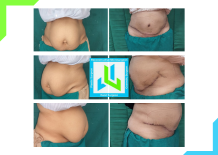 ](https://theplasticsurgeryclinic.co/wp-content/uploads/2025/11/Dr-Leena-Before-and-After-1-1.png "Tummy Tuck Before and After") ### Tummy Tuck Before and After [ 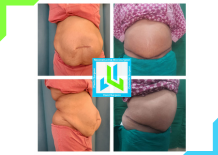 ](https://theplasticsurgeryclinic.co/wp-content/uploads/2025/11/Dr-Leena-Before-and-After-1-3.png "Tummy Tuck Before and After") ### Tummy Tuck Before and After [ 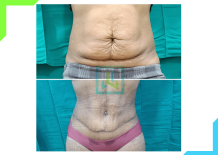 ](https://theplasticsurgeryclinic.co/wp-content/uploads/2025/11/Dr-Leena-Before-and-After-2-2.png "Tummy Tuck Before and After") ### Tummy Tuck Before and After [ 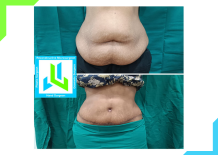 ](https://theplasticsurgeryclinic.co/wp-content/uploads/2025/11/Dr-Leena-Before-and-After-3-1.png "Tummy Tuck Before and After") ### Tummy Tuck Before and After [  ](https://theplasticsurgeryclinic.co/wp-content/uploads/2024/01/Tummy-Tuck1.webp "Tummy Tuck Before and After") ### Tummy Tuck Before and After [  ](https://theplasticsurgeryclinic.co/wp-content/uploads/2024/01/Tummy-Tuck.webp "Tummy Tuck Before and After") ### Tummy Tuck Before and After [  ](https://theplasticsurgeryclinic.co/wp-content/uploads/2024/01/Tummy-Tuck2.webp "Tummy Tuck Before and After") ### Tummy Tuck Before and After [  ](https://theplasticsurgeryclinic.co/wp-content/uploads/2024/01/Tummy-Tuck-2.jpeg "Tummy Tuck Before and After") ### Tummy Tuck Before and After [  ](https://theplasticsurgeryclinic.co/wp-content/uploads/2024/01/Tummy-Tuck-6.jpeg "Tummy Tuck Before and After") ### Tummy Tuck Before and After [  ](https://theplasticsurgeryclinic.co/wp-content/uploads/2024/01/Tummy-Tuck-7.jpeg "Tummy Tuck Before and After") ### Tummy Tuck Before and After [ 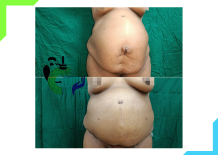 ](https://theplasticsurgeryclinic.co/wp-content/uploads/2025/11/Dr-Leena-Before-and-After-4-1.png "Tummy Tuck Before and After") ### Tummy Tuck Before and After [ 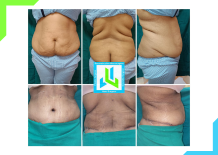 ](https://theplasticsurgeryclinic.co/wp-content/uploads/2025/11/Dr-Leena-Before-and-After-5-1.png "Tummy Tuck Before and After") ### Tummy Tuck Before and After --- ### [Tummy Tuck Surgery in Mumbai](https://theplasticsurgeryclinic.co/services/tummy-tuck-surgery-in-mumbai/) **Published:** December 23, 2023 **Author:** Dr. Leena Jain **Content:** [](https://theplasticsurgeryclinic.co/blogs/how-long-does-hymenoplasty-last/) ##### [How Long Does Hymenoplasty Last?](https://theplasticsurgeryclinic.co/blogs/how-long-does-hymenoplasty-last/) 1 Sep, 26 Hymenoplasty is one of the most privately researched and publicly under-discussed procedures in... --- ### [Successful Excision and Nail Bed Reconstruction for Glomus Tumor of the Left Thumb](https://theplasticsurgeryclinic.co/case-study/successful-excision-and-nail-bed-reconstruction-for-glomus-tumor-of-the-left-thumb/) **Published:** April 19, 2025 **Author:** Dr. Leena Jain **Content:** # Successful Excision and Nail Bed Reconstruction for Glomus Tumor of the Left Thumb Glomus tumors are rare but intensely painful conditions, often misdiagnosed due to their elusive symptoms. These small vascular tumors, typically found beneath the fingernails, can severely impact daily life due to heightened sensitivity and sharp pain, especially when exposed to cold. “Patients with glomus tumors often suffer for months or years before getting the right diagnosis. Prompt identification and precise surgical management are key to resolving the pain and restoring function,” says Dr. Leena Jain, an acclaimed[ ](https://theplasticsurgeryclinic.co/)[plastic surgeon in Mumbai](https://theplasticsurgeryclinic.co/). With specialized expertise in microsurgery,[ ](https://theplasticsurgeryclinic.co/services/hand-surgery-in-mumbai/)[hand reconstruction](https://theplasticsurgeryclinic.co/services/hand-surgery-in-mumbai/), and aesthetic surgery, Dr. Jain brings a unique blend of precision and artistry to her procedures. Her personalized treatment plans and compassionate approach have made her a preferred choice among patients seeking advanced surgical care.  Let’s explore a case study outlining the successful treatment of a patient diagnosed with a glomus tumor of the thumb nail bed, detailing her journey from chronic pain to complete recovery under the care of Dr. Leena Jain. - **Doctor’s name** – Dr. Leena Jain - **Clinic/ Hospital Name**– Wockhardt Hospital, Mira Road/ Plastikos Clinic - **Patient’s name**– Confidential - **Patient’s age**– 30 - **Gender**– Female - **Patient Background**– Banker #### Symptoms Left thumb nail, severe pain and sensitivity on exposure to cold The patient, a 30-year-old female working as a banker, had been struggling with persistent pain and extreme sensitivity in her left thumb, primarily upon exposure to cold. The pain was localized under the thumbnail and significantly interfered with her daily tasks, including typing and handling paperwork, core aspects of her job. #### Diagnostic Method Clinical history and MRI Dr. Leena Jain relied on a detailed patient history and MRI imaging to confirm the diagnosis. #### Disease Diagnosed Glomus tumor of the left thumb nail bed The MRI scan revealed a glomus tumor nestled deep within the nail bed of the left thumb. Glomus tumors are rare, benign growths originating from the glomus body, a component involved in thermoregulation. When they develop under the nail bed, they can cause disproportionate pain in response to temperature changes or even light touch. Experiencing unexplained nail pain or sensitivity? Consult a specialist for an expert diagnosis and effective solutions. [Book An Appointment](https://theplasticsurgeryclinic.co/contact/) # Treatment Plan Dr. Leena Jain developed a precise surgical approach tailored to the patient’s condition, considering the tumor’s depth and adherence to the underlying nail bed. The treatment involved: #### Excision of the glomus tumor The tumor had extended down to the bone and was tightly adhered to the overlying nail bed, requiring careful dissection to ensure complete removal. #### Removal of affected nail bed portions Due to tumor adherence, parts of the nail bed had to be removed to achieve a tumor-free margin. #### Nail bed reconstruction Dr. Jain performed a nail bed graft to restore normal nail growth. This delicate reconstruction ensured the regrowth of a healthy, aesthetically pleasing nail. This personalized nail bed repair surgery addressed functional and visual outcomes, ensuring optimal results. # Post-Surgical Recovery and Guidelines Recovery was closely monitored with the following guidelines: #### Postoperative dressings The patient underwent a couple of sterile dressings to protect the surgical site and promote healing. #### Early mobilization Normal thumb movements were encouraged shortly after surgery to prevent stiffness and ensure functional recovery. #### Follow-ups Regular follow-ups were scheduled to assess the nail bed graft integration and monitor for any signs of recurrence. Dr. Jain emphasized that the main goals of the recovery phase were pain management, wound care, and functional restoration. Fortunately, the patient responded well, with no complications or signs of recurrence. # Outcome The surgery yielded excellent results, both functionally and cosmetically. The pain disappeared completely, allowing the patient to return to work and resume normal activities without discomfort. The reconstructed nail bed supported healthy nail regrowth, with no deformities or scarring visible. This outcome resolved the physical symptoms and improved the patient’s quality of life. For someone whose career depends on manual dexterity, the return of function was invaluable. # Long-Term Outlook With the tumor entirely excised and no signs of recurrence during follow-ups, the long-term prognosis is very favorable. Dr. Jain ensured that the surgical approach minimized trauma to surrounding tissues and maximized the chances of a permanent cure. Patients treated for glomus tumours of the fingers can expect excellent outcomes with the right surgical techniques, especially when treated early and by an experienced[ ](https://theplasticsurgeryclinic.co/about-us/)[reconstructive surgeon](https://theplasticsurgeryclinic.co/about-us/). 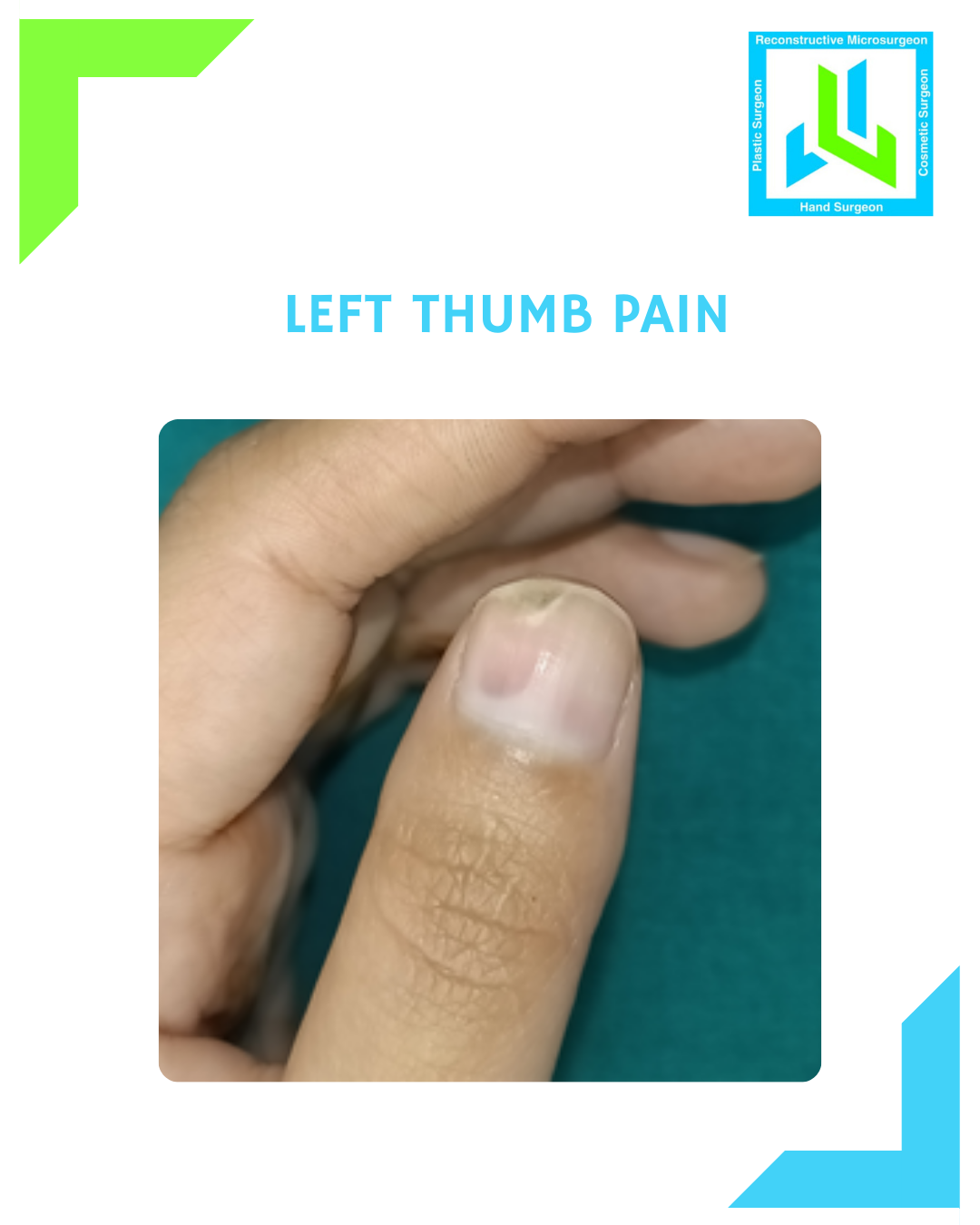 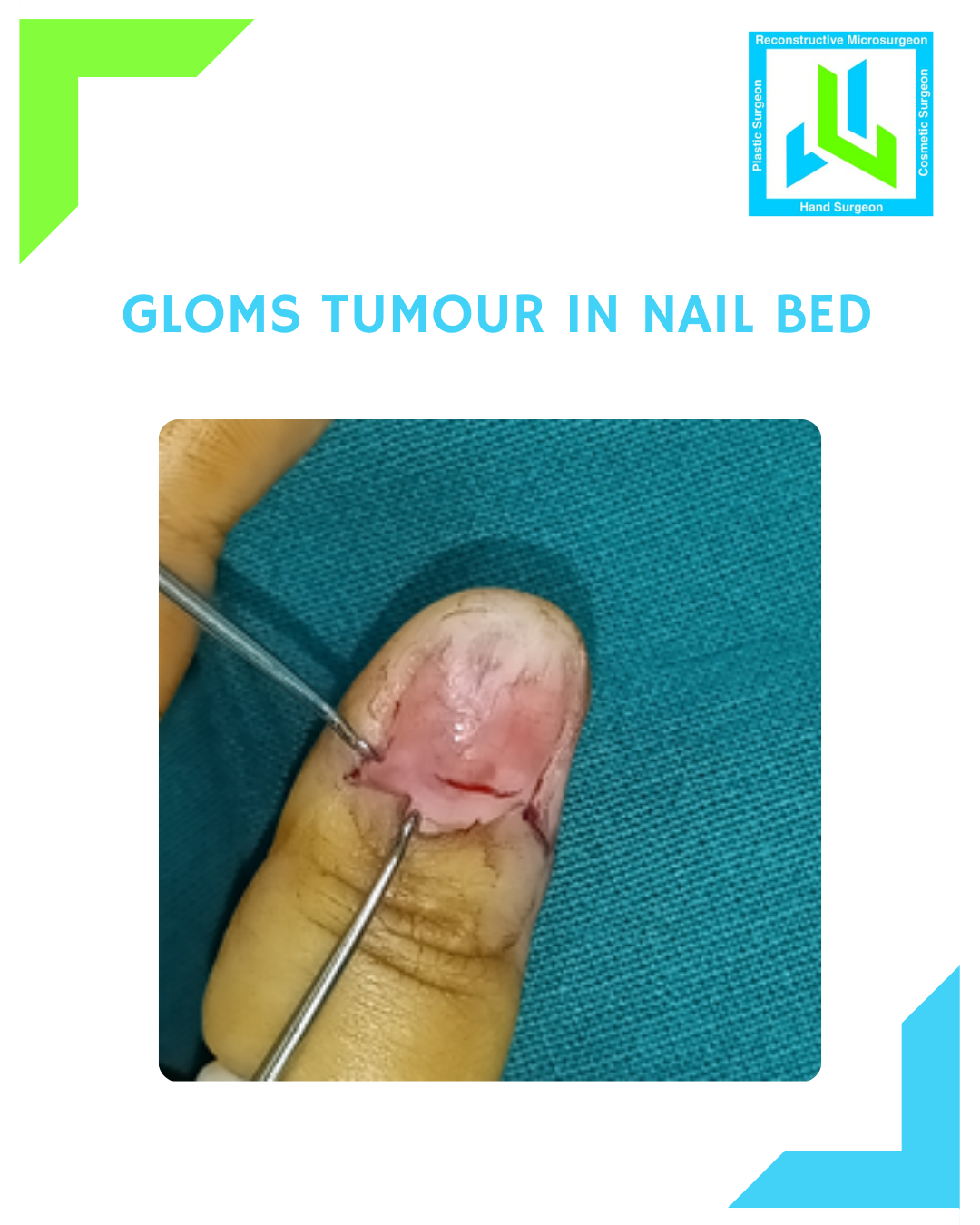 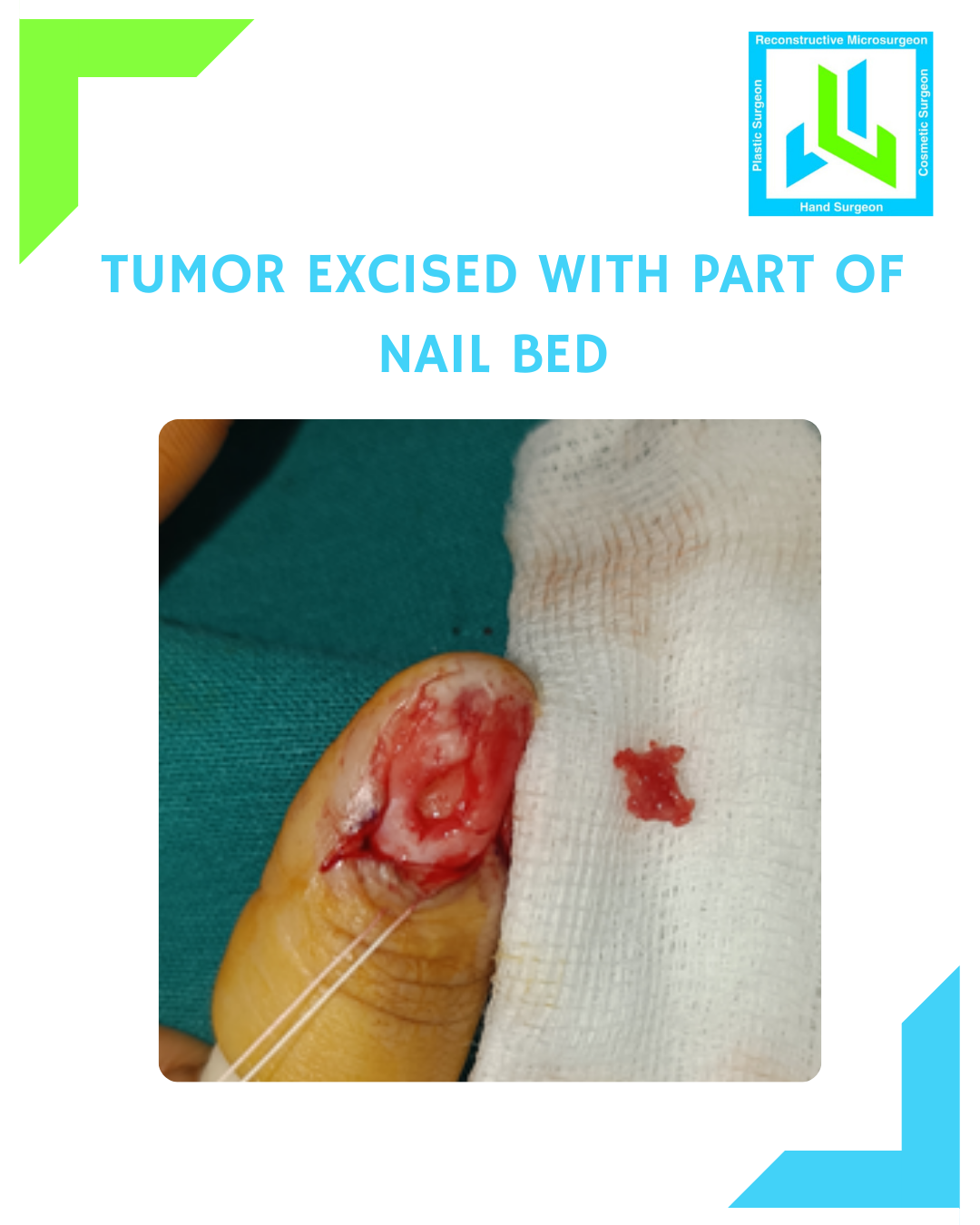 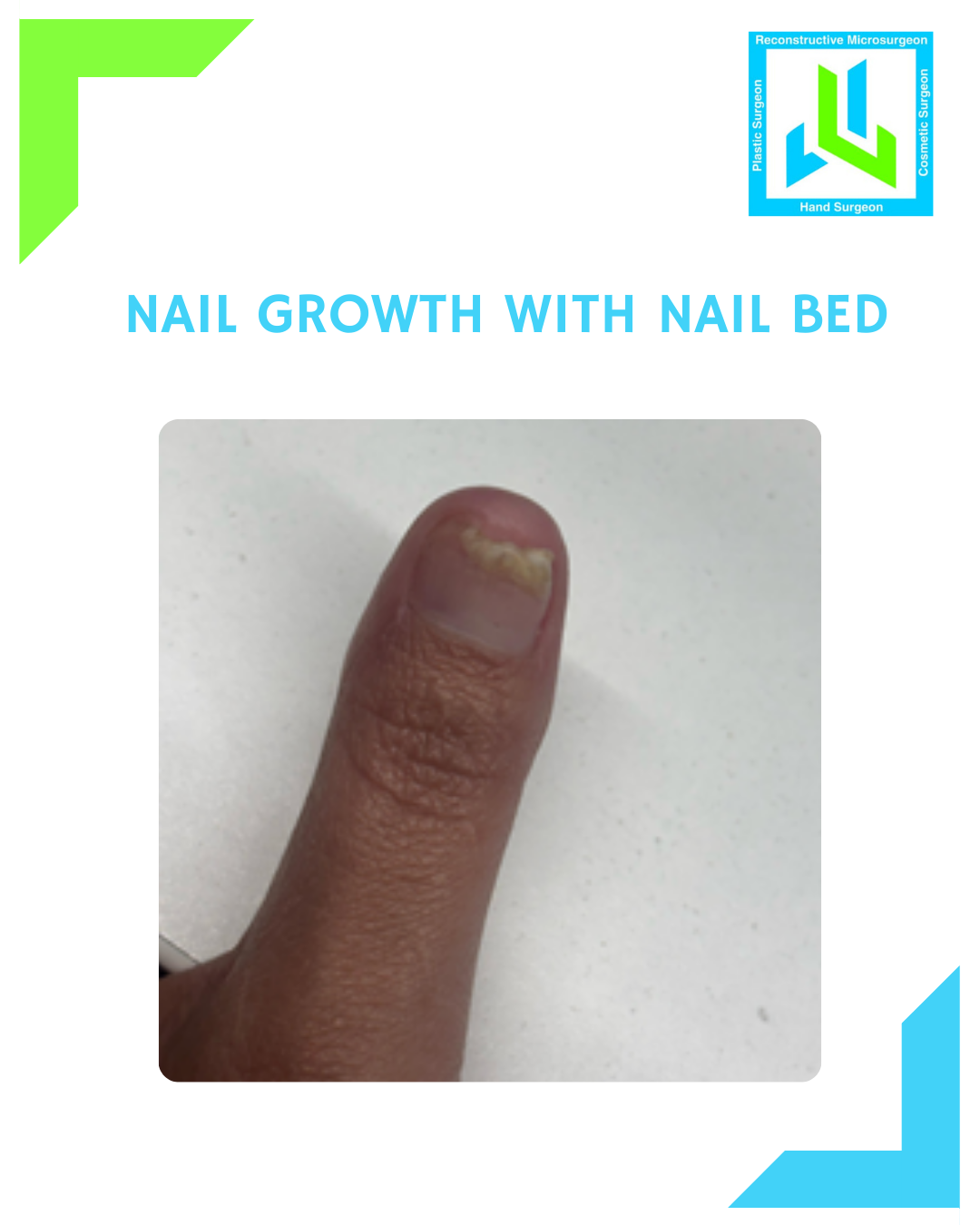 # Patient Feedback The patient expressed immense satisfaction with the results. “The constant pain that I thought I’d have to live with is finally gone. I can type, write, and do everything without discomfort. Plus, my nail is growing back just like before. I’m so thankful to Dr. Leena Jain,” she shared during a follow-up. Dr. Jain’s expertise in nail bed repair surgery and precise tumor excision helped this young professional regain pain-free hand function and an aesthetically normal nail, highlighting the importance of early diagnosis and specialist care in treating glomus tumors. Don’t ignore persistent nail or finger pain. Get expert care and take the first step toward pain-free, healthy nails. Book an appointment now! [Book An Appointment](https://theplasticsurgeryclinic.co/contact/) --- ### [Services](https://theplasticsurgeryclinic.co/services/) **Published:** December 19, 2023 **Author:** Dr. Leena Jain **Content:** # **Services** ## DIABETIC ULCER TREATMENT 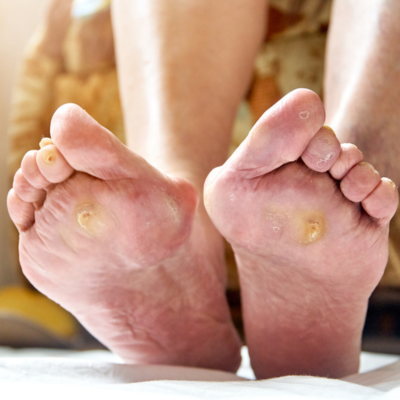 ## BLADDER RECONSTRUCTION SURGERY 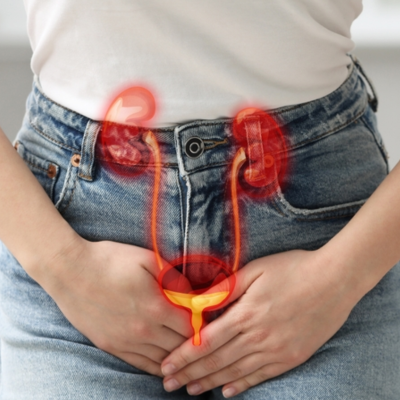 ## HAND SURGERY 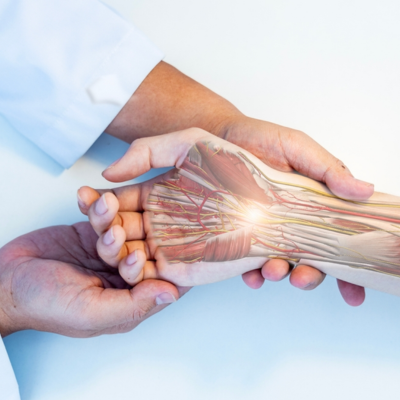 ## BREAST SURGERY 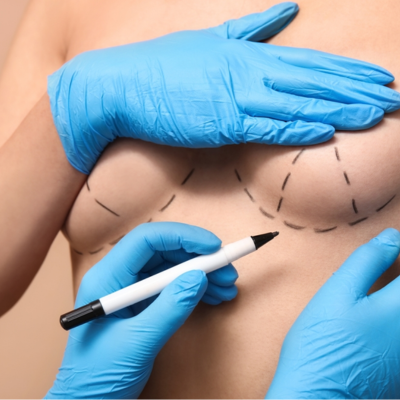 ## LYMPHEDEMA TREATMENT 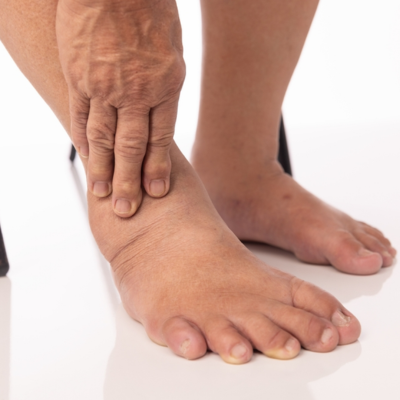 ## TENDON REPAIR SURGERY 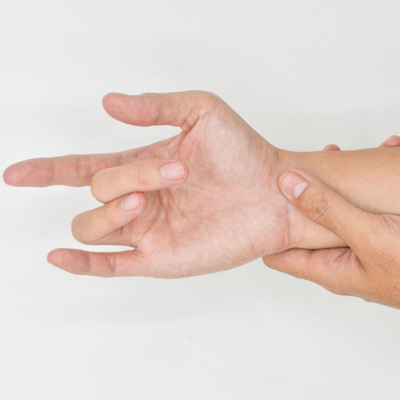 ## LIMB RECONSTRUCTION SURGERY 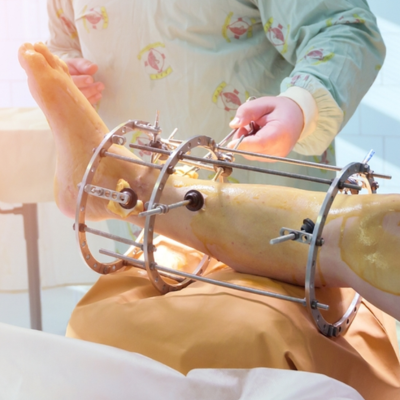 ## TUMMY TUCK 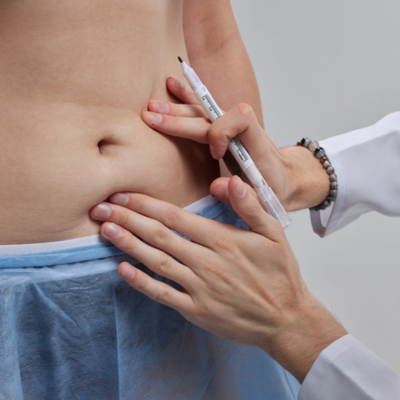 ## PLASTIC SURGERY AND TRAUMA 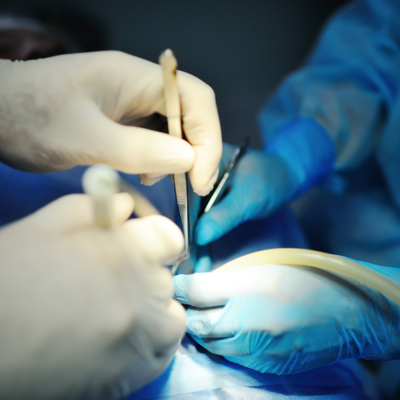 --- ### [Lymphedema of Upper Limb](https://theplasticsurgeryclinic.co/case-study/lymphedema-of-upper-limb/) **Published:** December 27, 2023 **Author:** Dr. Leena Jain **Content:** # Lymphedema of Upper Limb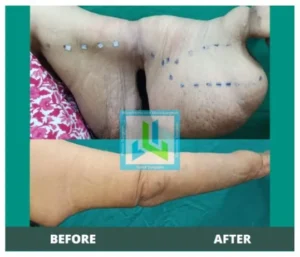 ## Details of the Patient - Patient’s Name: AA - Patient’s Age: 48 - Patient’s Gender: female ## Symptoms shown by the Patient - swelling of her left upper limb since last 10 years ## An Overview of the Case **This cheerful lady, in her sixties, presented with swelling of her left upper limb since last 10 years after she underwent surgery for left breast cancer (in 2010).** The swelling kept increasing with time, while she went on modifying her right-hand dexterity to go about her routine household work without ever complaining. Unaware of the surgical options for this, it reached an extent of growing to the size of about over 4 kgs. Her family came in a quest for a possible long term solution. Her patient disposition made it easy for her to understand the compliance required post-surgery. ### Surgery As it was in a late-stage, we debulked the entire upper limb with a combination of liposuction and excision. The entire tissue was removed in a single stage in her case, with a good circumferential reduction. With the help of regular exercises, compression garment and self-care, she is quite content, uncompromisingly going about her household activities. ## Medical Tests Performed - debulked the entire upper limb --- ### [Forehead Swellings](https://theplasticsurgeryclinic.co/case-study/forehead-swellings/) **Published:** December 27, 2023 **Author:** Dr. Leena Jain **Content:** # Forehead Swellings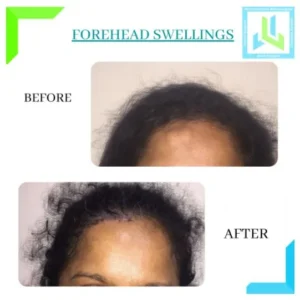 ## Patient Review - Patient’s Name: Anonyms - Patient’s Age: 43 - Patient’s Gender: female ## Symptoms - Forehead Swellings ## Case Presentation **This middle-aged woman presented with the twin swellings that were evident in her forehead. They were not painful, felt hard and were slowly increasing in size such that they were conspicuous in every photograph!** **Once she was counselled about surgery, she readily agreed for the same.** Very commonly people have one but often two swellings on the forehead, usually females. They are bony hard swellings arising from the forehead bone and called [Osteomas](https://www.medicalnewstoday.com/articles/osteoma). They are small in size like marble, hard and remain more or less the same sized. Commonly starting in mid- ’30s, they are painless and cause no other issues except that they are quite obvious on the forehead and stand out in every photograph! No chance of recurrence!!! Yes, one can get rid of these swellings by Surgery! It’s a simple daycare surgery that can be done under local or general anaesthesia, there will be NO SCAR on the forehead as it will be concealed in the hairline. The excess bone is shaved off the underlying forehead bone. Her photographs now show a bump-free and scar-free forehead! BEFORE 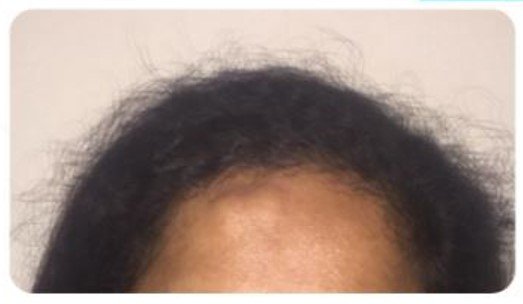 X-RAY BEFORE 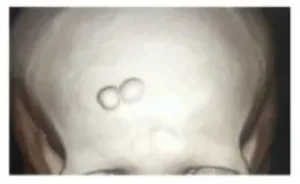 AFTER 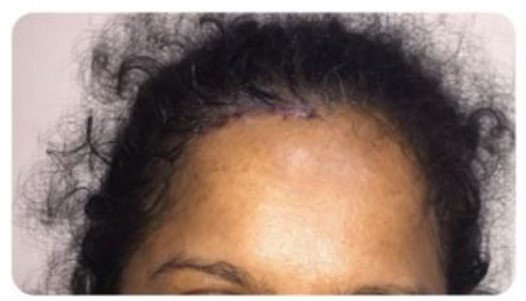 --- ### [Right Upper Limb Brachial Artery Reconstruction After Thrombus Removal](https://theplasticsurgeryclinic.co/right-upper-limb-brachial-artery-reconstruction-after-thrombus-removal/) **Published:** January 8, 2025 **Author:** Dr. Leena Jain **Content:** # Introduction Accidents can change lives in an instant, demanding quick and precise medical intervention to save lives and limbs. One such story is of Sameer Ghadodra, a 46-year-old male whose resilience and timely surgical expertise turned a devastating accident into a tale of recovery and hope. This case study highlights how Dr. Leena Jain’s skill in reconstructive microsurgery and hand surgery played a pivotal role in saving Sameer’s right upper limb. With over 7 years of expertise, Dr. Leena Jain is a highly renowned [Plastic Surgeon in Mumbai](https://theplasticsurgeryclinic.co/). ## Patient Background Sameer was traveling on a Mumbai local train when tragedy struck. A sudden accident resulted in the amputation of his left arm at the elbow and a dislocation of his right elbow. While his left arm required urgent wound care, his right arm seemed externally intact, concealed under a plaster slab. However, the hidden threat of compromised blood flow demanded immediate attention. ## Diagnosis: Right pink pulseless upper limb with closed fracture dislocation. This life-threatening vascular emergency required immediate surgical intervention to prevent irreversible damage to the limb. ## Symptoms: Upon Sameer’s arrival, he exhibited the following: **Plaster Slab on Right Elbow:** Covering a closed dislocation with no visible injuries. **Amputated Left Arm:** Dressed and managed. **Pulse Deficit:** The absence of a detectable pulse in his right wrist. **Low Oxygen Saturation:** Recorded at just 40-50% in the fingers of his right hand. These findings raised serious concerns about the viability of his right arm despite the absence of external injuries. ## Diagnostic Method Routine evaluations often reveal critical, underlying issues. Dr. Leena Jain conducted a meticulous head-to-toe examination and identified the alarming symptoms. Here’s how the diagnosis unfolded: **Physical Examination:** - Observed plaster over the right elbow with no pulse in the wrist. - Detected oxygen saturation anomalies in the digits of the right hand. **CT Angiography:** - Confirmed a thrombus in the brachial artery of the right arm. - Highlighted an arterial blockage compromising the blood supply to the upper limb. ## Treatment Procedure Timely and meticulous planning led to a successful outcome. The procedure involved several critical steps: ## Pre-operative Preparation **Patient Stabilization and Thorough Assessment:** Sameer’s overall health was stabilized, ensuring he was fit for surgery. Vital parameters, including blood pressure, heart rate, and oxygen levels, were closely monitored to rule out any systemic complications from the trauma. **Detailed Procedure Explanation:** Dr. Leena Jain personally explained the surgical steps, potential risks, and expected outcomes to Sameer and his family, ensuring they felt reassured and informed throughout the process. **Pre-surgical Imaging and Mapping:** A detailed CT angiography was performed, providing a comprehensive view of the vascular blockages and enabling precise surgical planning. This step was crucial in identifying the exact length and location of the thrombus. ## Step-by-Step Procedure **Exploration:** An incision was carefully made in the upper arm to expose the affected brachial artery. Extreme caution was taken to avoid damage to surrounding nerves, muscles, and tissues. The surgical team ensured a sterile field to minimize infection risks. **Thrombus Removal:** The identified thrombus, measuring approximately 8 cm, was meticulously removed. The damaged arterial segment was excised to prevent recurrence. The team used advanced microsurgical tools to ensure precision and protect the integrity of adjacent vascular structures. **Brachial Artery Reconstruction:** A segment of the patient’s saphenous vein, harvested from the leg, was prepared for grafting. This vein graft was delicately sutured to the ends of the excised artery, recreating a continuous pathway for blood flow. Ensuring seamless connections at both ends of the graft was critical for restoring circulation. **Monitoring and Closure:** To confirm the reconstruction’s success, the team monitored the restored blood flow by palpating the radial pulse and checking oxygen saturation in the hand and fingers. The surgical incision was closed with precision sutures, promoting optimal healing and minimizing scarring. ## Post-Surgery Guidelines Recovery required diligent monitoring and adherence to aftercare protocols: **ICU Monitoring:** The patient was monitored in the ICU for 4-5 days post-surgery. The surgical team conducted frequent checks of the radial pulse and oxygen saturation levels in the right hand and fingers to ensure sustained blood flow and prevent complications such as re-thrombosis. **Medication:** A carefully curated regimen of blood thinners was prescribed to prevent clot formation. Pain management was tailored to Sameer’s needs, ensuring his comfort while avoiding overuse of medication. Antibiotics were also administered to ward off infections. **Suture Removal:** Two weeks after surgery, sutures were removed under sterile conditions. The surgical site was examined for signs of infection or delayed healing, and the patient was advised on wound care to promote recovery. **External Fixator Care:** The external fixator applied to stabilize the elbow and prevent further dislocation was scheduled for removal after six weeks. During this period, the patient received guidance on maintaining hygiene around the fixator to avoid infections. Once the fixator was removed, a structured physiotherapy program was initiated to regain strength and mobility in the arm and fingers. ## Outcome Sameer’s recovery marked a medical triumph: **Survival of the Right Limb:** Full restoration of blood supply saved his right arm and fingers. **Successful Skin Grafting:** His left elbow stump was covered with healthy skin, aiding in faster healing. **Emotional Relief:** Sameer regained hope, knowing his functional independence was preserved. ## Long-term Expectations With continued care and rehabilitation, Sameer’s prognosis is optimistic: - Regain complete range of motion in the elbow and fingers. - Resume daily activities with enhanced independence and confidence. - Improved quality of life with physiotherapy and regular follow-ups. ## Patient Feedback **Sameer Ghadodra:** “Dr. Leena, words cannot fully express my gratitude for your extraordinary care and skill. You saved my only functional upper limb, giving me the chance to regain independence and perform simple tasks like eating with my own hands. Your timely intervention and compassion brought hope to me and my family during a very dark time. I am forever grateful for your dedication, expertise, and the personal attention you showed throughout my recovery journey. Thank you for everything!” --- ### [Reconstruction of Severe Foot Injury](https://theplasticsurgeryclinic.co/case-study/reconstruction-of-severe-foot-injury/) **Published:** October 16, 2024 **Author:** Dr. Leena Jain **Content:** # Reconstruction of Severe Foot Injury ## Patient Review - Patient’s Age: 40 years old - Patient’s Gender: Male ## Symptoms - The left foot split horizontally into two parts, with all toes except the little toe amputated - Fracture in right thigh bone - Left foot displayed significant swelling, open wounds with exposed and broken bones, and necrotic tissue and contamination - Intense pain and numbness in the injured areas ## Case Presentation The patient, a railway employee, presented with a high grade injury to his lower limbs, resulting from a railway accident. He suffered from a fracture in his right thigh and a crush injury to his left foot, resulting in a partial amputation where all but the little toe were lost. The left foot was extensively damaged with contamination, dead skin, and multiple fractures. Upon arriving at the emergency department, Dr. Leena Jain was consulted for her expertise in managing complex wounds. Due to the severity of his injuries, the patient had been on a ventilator for the first 24 hours. Despite the extensive damage, the remaining part of the left foot, including the 5th toe, showed intact circulation and sensation. A thorough surgical debridement was performed to clean the wound of all contaminants and necrotic tissue. ## Physical Examination & Tests Physical examination showed extensive soft tissue damage, contamination, and necrosis in the left foot. Circulation and sensation in the remaining part of the foot, including the fifth toe, were intact. The right thigh presented with a closed fracture. Initial tests included: - X-rays of the left leg with foot and right thigh to assess the extent of bone fractures and joint involvement - All other pre-operative investigations ## Treatment The initial surgery involved debriding the wound to remove all necrotic and contaminated tissue and stabilise the skeletal structure of the crushed foot. After 48 hours, a relook debridement was planned. He was then planned for a flap cover to resurface all the wounds. Dr. Jain took a flap from the right side of the patient’s back, including a skin paddle. This is called the latissimus dorsi flap. Muscle with skin graft was used to cover most of the defect on front of the foot while the skin paddle was used to cover the distal part of the foot giving it a stable and robust cover, wherein later prosthetic toes can be placed, The flap and graft integration was successful, with the back scar healing within 10 days and the reconstructed foot showing a significant improvement over a month. After two months, all wires were removed and patient was allowed to bear partial weight on his foot and start walking. #### Prognosis The patient’s prognosis was favorable with the successful integration of the flap and graft. After a period of healing, which included the removal of internal fixation devices used for fracture treatment, the patient could bear weight on both feet. He began walking with customized modified shoes after 8-10 weeks, and a silicon prosthesis is planned to replace the lost toes for aesthetic and functional purposes. #### Patient Feedback The patient expressed significant satisfaction with the outcome of the reconstructive surgeries. The successful restoration of foot function and appearance has greatly improved his quality of life. He appreciated the careful planning and execution of the treatment plan, as they allowed him to return to normal activities and work life. ## Conclusion This case highlights the challenges and successes in managing severe crush injuries and amputations, to salvage and prevent further shortening of limbs; thereby aiding in ambulation. It demonstrates the importance of intact skin and soft tissue and sensation in reconstructive outcomes, and the patient’s positive feedback underscores the effectiveness of well-planned reconstructive surgery in restoring function and appearance. 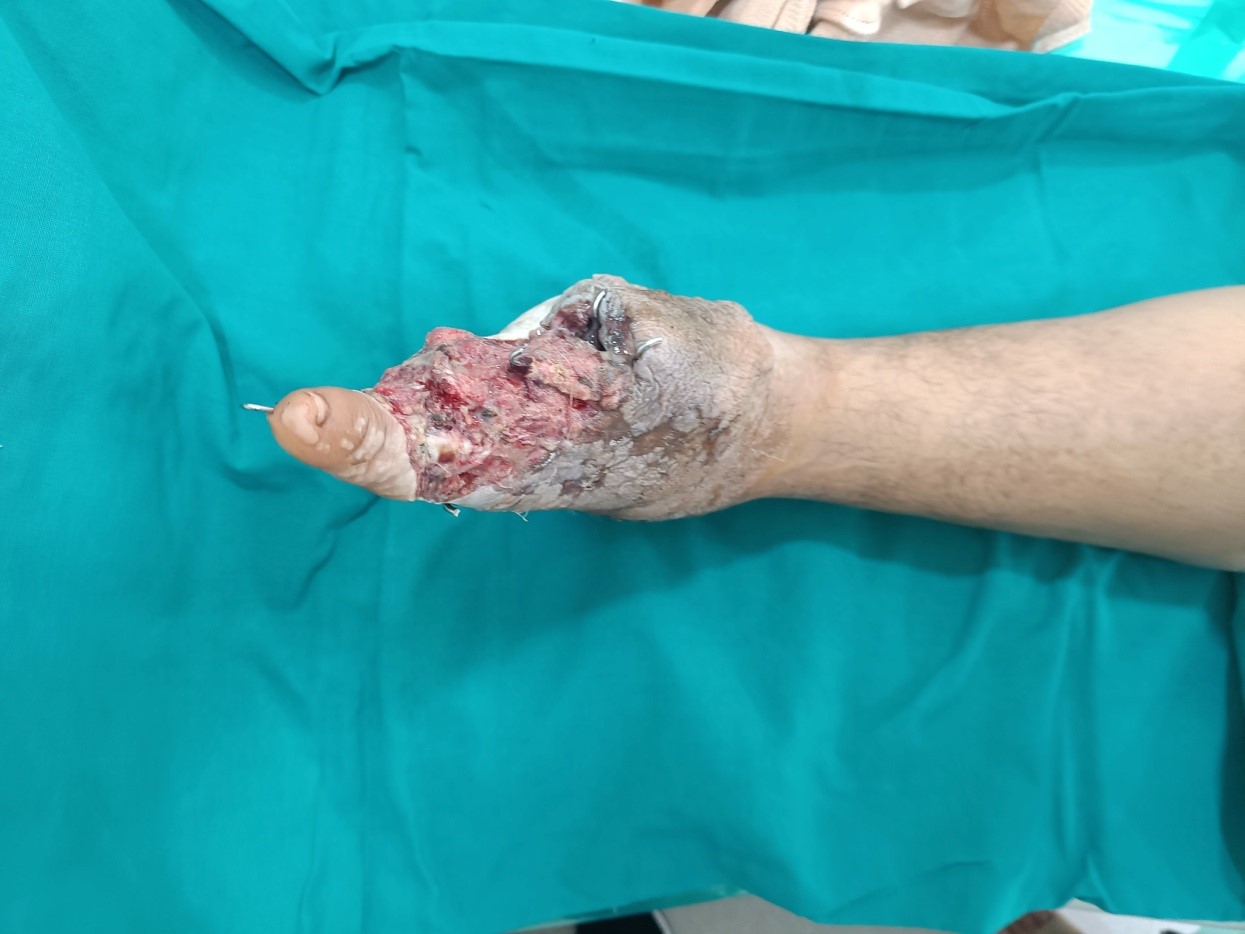 #### Left foot crush injury 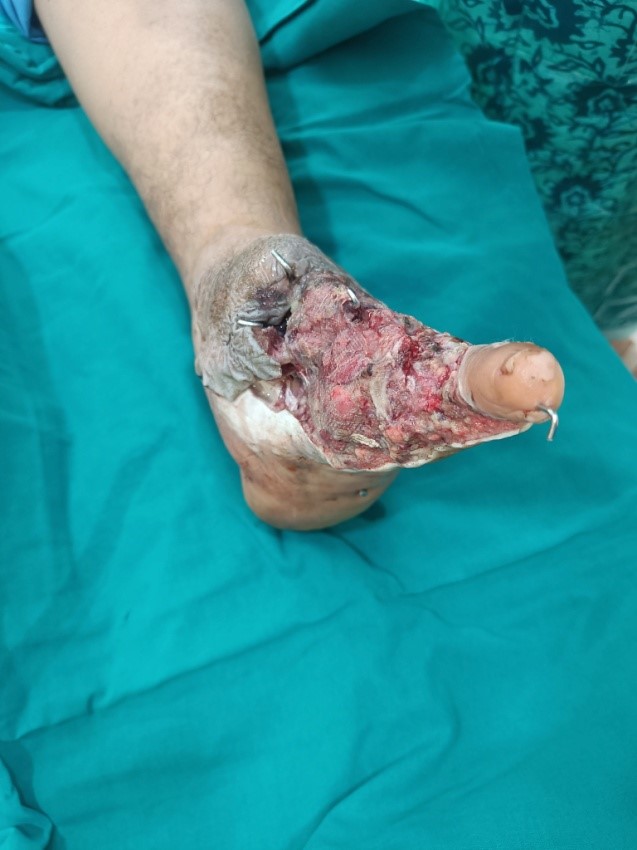 #### Intact 5th toe and plantar skin 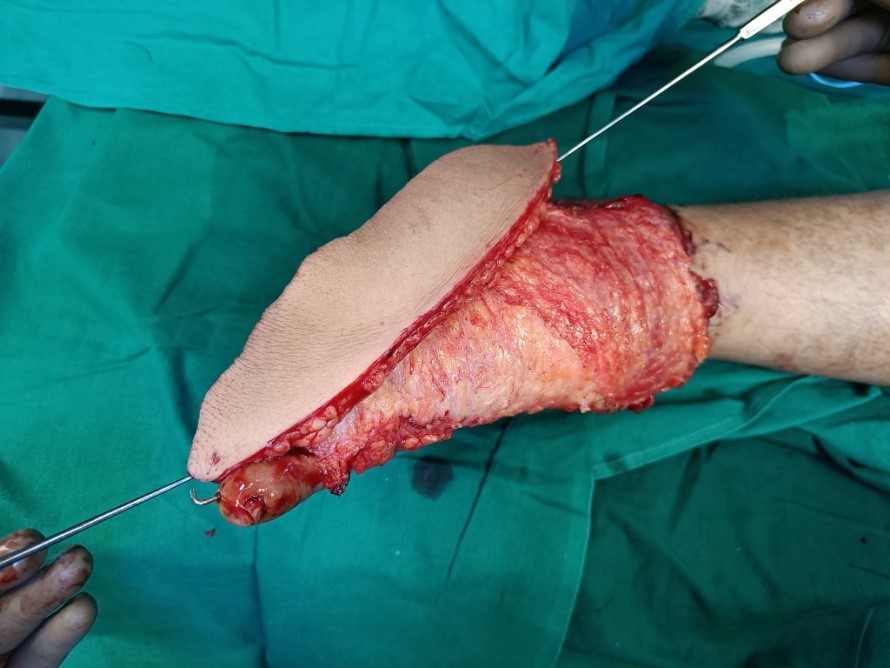 #### Left foot crush injury --- ### [Breast Surgery](https://theplasticsurgeryclinic.co/gallery/breast-surgery/) **Published:** January 19, 2024 **Author:** Dr. Leena Jain **Content:** # Breast Surgery It is a procedure that modifies a woman or man’s breasts. [  ](https://theplasticsurgeryclinic.co/wp-content/uploads/2024/01/Breast-Reduction.webp "Breast Reduction Case-1") ### Breast Reduction Case-1 [  ](https://theplasticsurgeryclinic.co/wp-content/uploads/2024/01/Breast-Reduction1.webp "Breast Reduction Case-1") ### Breast Reduction Case-1 [  ](https://theplasticsurgeryclinic.co/wp-content/uploads/2024/01/Breast-Reduction2.webp "Breast Reduction Case-1") ### Breast Reduction Case-1 [  ](https://theplasticsurgeryclinic.co/wp-content/uploads/2024/01/Breast-Reduction3.webp "Breast reduction Case-2") ### Breast reduction Case-2 [  ](https://theplasticsurgeryclinic.co/wp-content/uploads/2024/01/Breast-Reduction4.webp "Breast reduction Case-2") ### Breast reduction Case-2 [  ](https://theplasticsurgeryclinic.co/wp-content/uploads/2024/01/Breast-Reduction5.webp "Breast reduction Case-2") ### Breast reduction Case-2 [  ](https://theplasticsurgeryclinic.co/wp-content/uploads/2024/01/Breast-Reduction6.webp "Breast reduction Case-3") ### Breast reduction Case-3 [  ](https://theplasticsurgeryclinic.co/wp-content/uploads/2024/01/Breast-Reduction7.webp "Breast reduction Case-4") ### Breast reduction Case-4 [  ](https://theplasticsurgeryclinic.co/wp-content/uploads/2024/01/Breast-Reduction8.webp "Breast reduction Case-5") ### Breast reduction Case-5 [  ](https://theplasticsurgeryclinic.co/wp-content/uploads/2024/03/Breast-reduction-2.jpeg "Breast Reduction") ### Breast Reduction [  ](https://theplasticsurgeryclinic.co/wp-content/uploads/2024/03/Breast-reduction-3.jpeg "Breast Reduction") ### Breast Reduction [  ](https://theplasticsurgeryclinic.co/wp-content/uploads/2024/01/Breast-Reduction1.jpg "Breast Reduction") ### Breast Reduction [  ](https://theplasticsurgeryclinic.co/wp-content/uploads/2024/01/Breast-Reduction9.jpeg "Breast Reduction") ### Breast Reduction [  ](https://theplasticsurgeryclinic.co/wp-content/uploads/2024/01/Breast-Reduction.jpeg "Breast Reduction") ### Breast Reduction [  ](https://theplasticsurgeryclinic.co/wp-content/uploads/2024/03/Breast-reduction.jpeg "Breast Reduction") ### Breast Reduction [  ](https://theplasticsurgeryclinic.co/wp-content/uploads/2024/03/Oncoplastic-Breast-Reconstruction-2.jpeg "Oncoplastic Breast Reconstruction") ### Oncoplastic Breast Reconstruction [  ](https://theplasticsurgeryclinic.co/wp-content/uploads/2024/03/Oncoplastic-Breast-Reconstruction.jpeg "Oncoplastic Breast Reconstruction") ### Oncoplastic Breast Reconstruction [  ](https://theplasticsurgeryclinic.co/wp-content/uploads/2024/01/Breast-Augmentation.webp "Breast Augmentation Case-1") ### Breast Augmentation Case-1 [  ](https://theplasticsurgeryclinic.co/wp-content/uploads/2024/01/Breast-Augmentation-left.webp "Breast Augmentation Case-1") ### Breast Augmentation Case-1 [  ](https://theplasticsurgeryclinic.co/wp-content/uploads/2024/01/Breast-Augmentation-right.webp "Breast Augmentation Case-1") ### Breast Augmentation Case-1 [  ](https://theplasticsurgeryclinic.co/wp-content/uploads/2024/01/Breast-Augmentation1.webp "Breast Augmentation Case-2") ### Breast Augmentation Case-2 [  ](https://theplasticsurgeryclinic.co/wp-content/uploads/2024/03/Breast-Augmentation-Case-3.jpg "Breast Augmentation Case-3") ### Breast Augmentation Case-3 [  ](https://theplasticsurgeryclinic.co/wp-content/uploads/2024/03/Breast-Augmentation-Case-3.png "Breast Augmentation Case-3") ### Breast Augmentation Case-3 [  ](https://theplasticsurgeryclinic.co/wp-content/uploads/2024/01/Left-Breast-Reconstruction.webp "Left Breast Reconstruction Case-1") ### Left Breast Reconstruction Case-1 [  ](https://theplasticsurgeryclinic.co/wp-content/uploads/2024/01/Breast-Reconstruction.webp "Breast Reconstruction Case-2") ### Breast Reconstruction Case-2 [  ](https://theplasticsurgeryclinic.co/wp-content/uploads/2024/01/Right-Breast-Reconstruction1.webp "Right Breast Reconstruction Case-2") ### Right Breast Reconstruction Case-2 [  ](https://theplasticsurgeryclinic.co/wp-content/uploads/2024/01/Breast-Reconstruction1.webp "Breast Reconstruction Case-3") ### Breast Reconstruction Case-3 [  ](https://theplasticsurgeryclinic.co/wp-content/uploads/2024/01/Right-Breast-Reconstruction3.webp "Right Breast Reconstruction Case-4") ### Right Breast Reconstruction Case-4 [  ](https://theplasticsurgeryclinic.co/wp-content/uploads/2024/01/Right-Breast-Reconstruction.webp "Right Breast Reconstruction Case-4") ### Right Breast Reconstruction Case-4 [  ](https://theplasticsurgeryclinic.co/wp-content/uploads/2024/01/Right-Breast-Reconstruction4.webp "Right Breast Reconstruction Case-5") ### Right Breast Reconstruction Case-5 [  ](https://theplasticsurgeryclinic.co/wp-content/uploads/2024/01/Right-Breast-Reconstruction2.webp "Right Breast Reconstruction Case-5") ### Right Breast Reconstruction Case-5 [  ](https://theplasticsurgeryclinic.co/wp-content/uploads/2024/01/Breast-Reconstruction2.webp "Breast Reconstruction Case-6") ### Breast Reconstruction Case-6 [  ](https://theplasticsurgeryclinic.co/wp-content/uploads/2024/01/Breast-Reconstruction3.webp "Breast Reconstruction Case-6") ### Breast Reconstruction Case-6 [  ](https://theplasticsurgeryclinic.co/wp-content/uploads/2024/01/Breast-Reconstruction4.webp "Breast Reconstruction Case-7") ### Breast Reconstruction Case-7 [  ](https://theplasticsurgeryclinic.co/wp-content/uploads/2024/01/Left-Gynaecomastia.webp "Left Gynaecomastia Case-1") ### Left Gynaecomastia Case-1 [  ](https://theplasticsurgeryclinic.co/wp-content/uploads/2024/01/Gynaecomastia.webp "Bilateral Gynaecomastia Case-2") ### Bilateral Gynaecomastia Case-2 [  ](https://theplasticsurgeryclinic.co/wp-content/uploads/2024/01/Bilateral-Gynaecomastia.webp "Bilateral Gynaecomastia Case-2") ### Bilateral Gynaecomastia Case-2 [  ](https://theplasticsurgeryclinic.co/wp-content/uploads/2024/01/Gynaecomastia-Surgery.webp "Gynaecomastia Surgery") ### Gynaecomastia Surgery [  ](https://theplasticsurgeryclinic.co/wp-content/uploads/2024/03/Left-gynaecomastia.jpeg "Left gynaecomastia") ### Left gynaecomastia [  ](https://theplasticsurgeryclinic.co/wp-content/uploads/2024/01/Giant-Fibroadenoma.webp "Left Giant Fibroadenoma") ### Left Giant Fibroadenoma [  ](https://theplasticsurgeryclinic.co/wp-content/uploads/2024/01/Giant-Fibroadenoma1.webp "Giant Fibroadenoma") ### Giant Fibroadenoma [  ](https://theplasticsurgeryclinic.co/wp-content/uploads/2024/01/Left-axilla.webp "Left Axilla Case-1") ### Left Axilla Case-1 [  ](https://theplasticsurgeryclinic.co/wp-content/uploads/2024/01/Right-axilla.webp "Right axilla Case-1") ### Right axilla Case-1 [  ](https://theplasticsurgeryclinic.co/wp-content/uploads/2024/01/Axillary-Fat-Pad.webp "Axillary Fat Pad Case-1") ### Axillary Fat Pad Case-1 [  ](https://theplasticsurgeryclinic.co/wp-content/uploads/2024/01/Axillary-Fat-surgery.webp "Axillary Fat surgery") ### Axillary Fat surgery [  ](https://theplasticsurgeryclinic.co/wp-content/uploads/2024/03/Axillary-fat-pads-surgery-2.jpeg "Axillary Fat Pads Surgery") ### Axillary Fat Pads Surgery [  ](https://theplasticsurgeryclinic.co/wp-content/uploads/2024/03/Axillary-fat-pads-surgery-3.jpeg "Axillary Fat Pads Surgery") ### Axillary Fat Pads Surgery [  ](https://theplasticsurgeryclinic.co/wp-content/uploads/2024/03/Axillary-fat-pads-surgery.jpeg "Axillary Fat Pads Surgery") ### Axillary Fat Pads Surgery [  ](https://theplasticsurgeryclinic.co/wp-content/uploads/2024/03/Axillary-fat-pads.jpeg "Axillary Fat Pads") ### Axillary Fat Pads --- ### [General Plastic Surgery](https://theplasticsurgeryclinic.co/gallery/general-plastic-surgery/) **Published:** January 19, 2024 **Author:** Dr. Leena Jain **Content:** # General Plastic Surgery Plastic surgery is a surgical specialty involving the restoration, reconstruction, or alteration of the human body. [  ](https://theplasticsurgeryclinic.co/wp-content/uploads/2024/01/Multiple-Facial-Lecerations.webp "Multiple Facial Lecerations") ### Multiple Facial Lecerations [  ](https://theplasticsurgeryclinic.co/wp-content/uploads/2024/01/Chin-Laceration.webp "Chin Laceration") ### Chin Laceration [  ](https://theplasticsurgeryclinic.co/wp-content/uploads/2024/01/Cheek-Laceration.webp "Cheek Laceration") ### Cheek Laceration [  ](https://theplasticsurgeryclinic.co/wp-content/uploads/2024/01/Ear-Keloid.webp "Ear Keloid") ### Ear Keloid [  ](https://theplasticsurgeryclinic.co/wp-content/uploads/2024/01/Laceration-Suturing.webp "Laceration Suturing") ### Laceration Suturing [  ](https://theplasticsurgeryclinic.co/wp-content/uploads/2024/01/Scrotum-Reconstruction.webp "Scrotum Reconstruction") ### Scrotum Reconstruction [  ](https://theplasticsurgeryclinic.co/wp-content/uploads/2024/01/Skin-Cancer.webp "Skin Cancer") ### Skin Cancer [  ](https://theplasticsurgeryclinic.co/wp-content/uploads/2024/01/Lipoma.webp "Lipoma before and after") ### Lipoma before and after [  ](https://theplasticsurgeryclinic.co/wp-content/uploads/2024/01/Post-Burns-Face-and-neck-scar.webp "Post Burns Face and neck scar") ### Post Burns Face and neck scar [  ](https://theplasticsurgeryclinic.co/wp-content/uploads/2024/01/Bumps-and-Lumps-removal.webp "Bumps and Lumps removal") ### Bumps and Lumps removal [  ](https://theplasticsurgeryclinic.co/wp-content/uploads/2024/01/Post-burns-neck-contracture.webp "Post burns neck contracture") ### Post burns neck contracture [  ](https://theplasticsurgeryclinic.co/wp-content/uploads/2024/01/Syndactyly-Release.webp "Syndactyly Release") ### Syndactyly Release [  ](https://theplasticsurgeryclinic.co/wp-content/uploads/2024/01/Localized-Lipodystrophy-of-Groin-and-Thigh.webp "Localized Lipodystrophy of Groin and Thigh") ### Localized Lipodystrophy of Groin and Thigh [  ](https://theplasticsurgeryclinic.co/wp-content/uploads/2024/01/Keloid-treatment.webp "Keloid treatment") ### Keloid treatment [  ](https://theplasticsurgeryclinic.co/wp-content/uploads/2024/01/Ear-lobe-Repair.webp "Ear lobe Repair") ### Ear lobe Repair [  ](https://theplasticsurgeryclinic.co/wp-content/uploads/2024/01/Depressed-Scar-Face.webp "Depressed Scar Face") ### Depressed Scar Face [  ](https://theplasticsurgeryclinic.co/wp-content/uploads/2024/01/Depressed-Scar.webp "Depressed Scar") ### Depressed Scar [  ](https://theplasticsurgeryclinic.co/wp-content/uploads/2024/01/Depressed-Scar-Elbow.webp "Depressed Scar Elbow") ### Depressed Scar Elbow [  ](https://theplasticsurgeryclinic.co/wp-content/uploads/2024/01/Pilonidal-Sinus1.webp "Pilonidal Sinus") ### Pilonidal Sinus [  ](https://theplasticsurgeryclinic.co/wp-content/uploads/2024/01/Lymphangioma-Circumscriptum1.webp "Lymphangioma Circumscriptum") ### Lymphangioma Circumscriptum [  ](https://theplasticsurgeryclinic.co/wp-content/uploads/2024/01/Neck-Reconstruction1.webp "Neck Reconstruction") ### Neck Reconstruction [  ](https://theplasticsurgeryclinic.co/wp-content/uploads/2024/01/Neck-Reconstruction.webp "Neck Reconstruction") ### Neck Reconstruction [  ](https://theplasticsurgeryclinic.co/wp-content/uploads/2024/01/Ear-Vascular-Malformation1.webp "Ear Vascular Malformation") ### Ear Vascular Malformation [  ](https://theplasticsurgeryclinic.co/wp-content/uploads/2024/01/Ear-Vascular-Malformation.webp "Ear Vascular Malformation") ### Ear Vascular Malformation [  ](https://theplasticsurgeryclinic.co/wp-content/uploads/2024/01/Cancer-Over-Nape-of-Neck.webp "Cancer Over Nape of Neck") ### Cancer Over Nape of Neck [  ](https://theplasticsurgeryclinic.co/wp-content/uploads/2024/01/Fungating-Cheek-Cancer.webp "Fungating Cheek Cancer") ### Fungating Cheek Cancer [  ](https://theplasticsurgeryclinic.co/wp-content/uploads/2024/01/Tongue-Cancer.webp "Tongue Cancer") ### Tongue Cancer [  ](https://theplasticsurgeryclinic.co/wp-content/uploads/2024/01/Scar-Revision.webp "Scar Revision`") ### Scar Revision` [  ](https://theplasticsurgeryclinic.co/wp-content/uploads/2024/01/Lip-Graze-Abrasions.webp "Lip Graze Abrasions") ### Lip Graze Abrasions [  ](https://theplasticsurgeryclinic.co/wp-content/uploads/2024/01/Face-Injury.webp "Complex face laceration") ### Complex face laceration [  ](https://theplasticsurgeryclinic.co/wp-content/uploads/2024/01/Rhinophyma.webp "Rhinophyma") ### Rhinophyma [  ](https://theplasticsurgeryclinic.co/wp-content/uploads/2024/01/Gynecomastia.webp "Gynecomastia") ### Gynecomastia [  ](https://theplasticsurgeryclinic.co/wp-content/uploads/2024/01/Limb-Lymphedema.webp "Limb Lymphedema") ### Limb Lymphedema [  ](https://theplasticsurgeryclinic.co/wp-content/uploads/2024/01/Hip-and-Posterior-Thigh-Lipodystrophy.webp "Hip and Posterior Thigh Lipodystrophy") ### Hip and Posterior Thigh Lipodystrophy [  ](https://theplasticsurgeryclinic.co/wp-content/uploads/2024/01/Degloving-Injury.webp "Degloving Injury") ### Degloving Injury [  ](https://theplasticsurgeryclinic.co/wp-content/uploads/2024/01/Vulva-Reconstruction.webp "Vulva Reconstruction") ### Vulva Reconstruction [  ](https://theplasticsurgeryclinic.co/wp-content/uploads/2024/01/Vaginal-Cancer-Reconstruction.webp "Vaginal Cancer Reconstruction") ### Vaginal Cancer Reconstruction [  ](https://theplasticsurgeryclinic.co/wp-content/uploads/2024/01/Ear-Lobe-Reconstruction1.webp "Ear Lobe Reconstruction") ### Ear Lobe Reconstruction [  ](https://theplasticsurgeryclinic.co/wp-content/uploads/2024/01/Torticollis.webp "Torticollis - Twisted Neck") ### Torticollis – Twisted Neck [  ](https://theplasticsurgeryclinic.co/wp-content/uploads/2024/01/Tummy-Tuck2.webp "Tummy Tuck Before and After") ### Tummy Tuck Before and After [  ](https://theplasticsurgeryclinic.co/wp-content/uploads/2024/01/Tummy-Tuck1.webp "Tummy Tuck Before and After") ### Tummy Tuck Before and After [  ](https://theplasticsurgeryclinic.co/wp-content/uploads/2024/01/Tummy-Tuck.webp "Tummy Tuck Before and After") ### Tummy Tuck Before and After [  ](https://theplasticsurgeryclinic.co/wp-content/uploads/2024/01/Sebaceous-Cyst-Removal.webp "Sebaceous Cyst Removal") ### Sebaceous Cyst Removal [  ](https://theplasticsurgeryclinic.co/wp-content/uploads/2024/01/Thigh-Contour-Abnormal.webp "Thigh Contour Abnormal") ### Thigh Contour Abnormal [  ](https://theplasticsurgeryclinic.co/wp-content/uploads/2024/01/Foot-extensor-tendon-injury.webp "Foot extensor tendon injury") ### Foot extensor tendon injury [  ](https://theplasticsurgeryclinic.co/wp-content/uploads/2024/01/Post-Burn-contracture-knee.webp "Post Burn contracture knee") ### Post Burn contracture knee [  ](https://theplasticsurgeryclinic.co/wp-content/uploads/2024/01/Leg-Degloving-Injury.webp "Leg Degloving Injury") ### Leg Degloving Injury [  ](https://theplasticsurgeryclinic.co/wp-content/uploads/2024/01/Pilonidal-Sinus.webp "Pilonidal Sinus") ### Pilonidal Sinus [  ](https://theplasticsurgeryclinic.co/wp-content/uploads/2024/01/Eyelid-Vascular-Malformation.webp "Eyelid Vascular Malformation") ### Eyelid Vascular Malformation [  ](https://theplasticsurgeryclinic.co/wp-content/uploads/2024/01/Non-Healing-Wound.webp "Non Healing Wound") ### Non Healing Wound [  ](https://theplasticsurgeryclinic.co/wp-content/uploads/2024/01/Burns-Scar-Abdomen.webp "Burns Scar Abdomen") ### Burns Scar Abdomen [  ](https://theplasticsurgeryclinic.co/wp-content/uploads/2024/01/Lipoma-Axilla.webp "Lipoma Axilla Before and After") ### Lipoma Axilla Before and After [  ](https://theplasticsurgeryclinic.co/wp-content/uploads/2024/01/Lymphangioma-Circumscriptum.webp "Lymphangioma Circumscriptum") ### Lymphangioma Circumscriptum [  ](https://theplasticsurgeryclinic.co/wp-content/uploads/2024/01/Arm-Arterial-Injury.webp "Arm Arterial Injury") ### Arm Arterial Injury [  ](https://theplasticsurgeryclinic.co/wp-content/uploads/2024/01/Hand-Crush-Injury.webp "Left Hand Crush Injury") ### Left Hand Crush Injury [  ](https://theplasticsurgeryclinic.co/wp-content/uploads/2024/01/Bullet-Injury.webp "Bullet Injury") ### Bullet Injury [  ](https://theplasticsurgeryclinic.co/wp-content/uploads/2024/01/Crush-Injury-left-forearm.webp "Crush Injury left forearm") ### Crush Injury left forearm [  ](https://theplasticsurgeryclinic.co/wp-content/uploads/2024/01/Right-Thumb-degloving-injury.webp "Right Thumb degloving injury") ### Right Thumb degloving injury [  ](https://theplasticsurgeryclinic.co/wp-content/uploads/2024/01/Thumb-extensor-tendon-injury2.webp "Thumb extensor tendon injury") ### Thumb extensor tendon injury [  ](https://theplasticsurgeryclinic.co/wp-content/uploads/2024/01/Left-thumb-soft-tissue-loss.webp "Left thumb soft tissue loss") ### Left thumb soft tissue loss [  ](https://theplasticsurgeryclinic.co/wp-content/uploads/2024/01/Finger-tip-crush-Injury.webp "Finger tip crush Injury") ### Finger tip crush Injury [  ](https://theplasticsurgeryclinic.co/wp-content/uploads/2024/01/Middle-Finger-Contractures1.webp "Middle Finger Contractures") ### Middle Finger Contractures [  ](https://theplasticsurgeryclinic.co/wp-content/uploads/2024/01/Middle-Finger-Contractures.webp "Middle Finger Contractures") ### Middle Finger Contractures [  ](https://theplasticsurgeryclinic.co/wp-content/uploads/2024/01/Left-Hand-Burns.webp "Left Hand Burns") ### Left Hand Burns [  ](https://theplasticsurgeryclinic.co/wp-content/uploads/2024/01/Microvascular-Anastomosis.webp "Microvascular Anastomosis") ### Microvascular Anastomosis [  ](https://theplasticsurgeryclinic.co/wp-content/uploads/2024/01/Elephant-Leg.webp "Elephant Leg") ### Elephant Leg [  ](https://theplasticsurgeryclinic.co/wp-content/uploads/2024/01/Elbow-Injury.webp "Elbow Injury") ### Elbow Injury [  ](https://theplasticsurgeryclinic.co/wp-content/uploads/2024/01/Elbow-Contracture-Post-Burns.webp "Elbow Contracture Post Burns") ### Elbow Contracture Post Burns [  ](https://theplasticsurgeryclinic.co/wp-content/uploads/2024/01/Scar-Revision-1.webp "Scar Revision") ### Scar Revision [  ](https://theplasticsurgeryclinic.co/wp-content/uploads/2024/01/Forehead-Bony-Swellings.webp "Forehead Bony Swellings") ### Forehead Bony Swellings [  ](https://theplasticsurgeryclinic.co/wp-content/uploads/2024/01/Forehead-Defect.webp "Forehead Defect") ### Forehead Defect [  ](https://theplasticsurgeryclinic.co/wp-content/uploads/2024/01/Ear-Lobe-Reconstruction.webp "Ear Lobe Reconstruction") ### Ear Lobe Reconstruction [  ](https://theplasticsurgeryclinic.co/wp-content/uploads/2024/01/Adult-Cleft-Lip.webp "Adult Cleft Lip") ### Adult Cleft Lip [  ](https://theplasticsurgeryclinic.co/wp-content/uploads/2024/01/Cleft-Lip-Repair.webp "Cleft Lip Repair") ### Cleft Lip Repair [  ](https://theplasticsurgeryclinic.co/wp-content/uploads/2024/01/Angle-of-Mouth-Cancer1.webp "Angle of Mouth Cancer") ### Angle of Mouth Cancer [  ](https://theplasticsurgeryclinic.co/wp-content/uploads/2024/01/Ala-Of-Nose-Cancer.webp "Ala Of Nose Cancer") ### Ala Of Nose Cancer [  ](https://theplasticsurgeryclinic.co/wp-content/uploads/2024/01/Nose-Avulsion-Injury.webp "Nose Avulsion Injury") ### Nose Avulsion Injury [  ](https://theplasticsurgeryclinic.co/wp-content/uploads/2024/01/Face-Fat-Grafting1.webp "Face Fat Grafting") ### Face Fat Grafting [  ](https://theplasticsurgeryclinic.co/wp-content/uploads/2024/01/Face-Fat-Grafting.webp "Face Fat Grafting") ### Face Fat Grafting [  ](https://theplasticsurgeryclinic.co/wp-content/uploads/2024/01/Face-Graze-Avulsion-Injury.webp "Face Graze - Avulsion Injury") ### Face Graze – Avulsion Injury [  ](https://theplasticsurgeryclinic.co/wp-content/uploads/2024/01/Angle-of-Mouth-Cancer.webp "Lip Reconstruction") ### Lip Reconstruction [  ](https://theplasticsurgeryclinic.co/wp-content/uploads/2024/01/Chin-and-Lip-Loss1.webp "Chin and Lip Loss") ### Chin and Lip Loss [  ](https://theplasticsurgeryclinic.co/wp-content/uploads/2024/01/Chin-and-Lip-Loss.webp "Chin and Lip Loss") ### Chin and Lip Loss [  ](https://theplasticsurgeryclinic.co/wp-content/uploads/2024/01/Tendoachilles-Defect.webp "Tendoachilles Defect") ### Tendoachilles Defect [  ](https://theplasticsurgeryclinic.co/wp-content/uploads/2024/01/Exposed-Tendoachilles.webp "Exposed Tendoachilles") ### Exposed Tendoachilles [  ](https://theplasticsurgeryclinic.co/wp-content/uploads/2024/01/Exposed-Knee.webp "Exposed Knee") ### Exposed Knee [  ](https://theplasticsurgeryclinic.co/wp-content/uploads/2024/01/Leg-Wound-with-Exposed-Bone.webp "Leg Wound with Exposed Bone") ### Leg Wound with Exposed Bone [  ](https://theplasticsurgeryclinic.co/wp-content/uploads/2024/01/Foot-Contracture-Deformity.webp "Foot Contracture Deformity") ### Foot Contracture Deformity [  ](https://theplasticsurgeryclinic.co/wp-content/uploads/2024/01/Bilateral-Lower-Limb.webp "Bilateral Lower Limb") ### Bilateral Lower Limb [  ](https://theplasticsurgeryclinic.co/wp-content/uploads/2024/01/Bilateral-Lower-Limb-Defects.webp "Bilateral Lower Limb Defects") ### Bilateral Lower Limb Defects [  ](https://theplasticsurgeryclinic.co/wp-content/uploads/2024/01/Cancer-Foot-Melanoma.webp "Cancer Foot - Melanoma") ### Cancer Foot – Melanoma ## **Hidradenitis Suppurativa** [  ](https://theplasticsurgeryclinic.co/wp-content/uploads/2024/03/Hidradenitis-Suppurativa.webp "Hidradenitis Suppurativa") ### Hidradenitis Suppurativa [  ](https://theplasticsurgeryclinic.co/wp-content/uploads/2024/01/Hidradenitis-Suppurativa1.webp "Hidradenitis Suppurativa") ### Hidradenitis Suppurativa [  ](https://theplasticsurgeryclinic.co/wp-content/uploads/2024/01/Hidradenitis-Suppurativa2.webp "Hidradenitis Suppurativa") ### Hidradenitis Suppurativa [  ](https://theplasticsurgeryclinic.co/wp-content/uploads/2024/01/Hidradenitis-Suppurativa3.webp "Hidradenitis Suppurativa") ### Hidradenitis Suppurativa [  ](https://theplasticsurgeryclinic.co/wp-content/uploads/2024/01/Hidradenitis-Suppurativa4.webp "Hidradenitis Suppurativa") ### Hidradenitis Suppurativa [  ](https://theplasticsurgeryclinic.co/wp-content/uploads/2024/01/Hidradenitis-Suppurativa5.webp "Hidradenitis Suppurativa") ### Hidradenitis Suppurativa [  ](https://theplasticsurgeryclinic.co/wp-content/uploads/2024/01/Hidradenitis-Suppurativa6.webp "Hidradenitis Suppurativa") ### Hidradenitis Suppurativa [  ](https://theplasticsurgeryclinic.co/wp-content/uploads/2024/01/Hidradenitis-Suppurativa7.webp "Hidradenitis Suppurativa") ### Hidradenitis Suppurativa [  ](https://theplasticsurgeryclinic.co/wp-content/uploads/2024/01/Hidradenitis-Suppurativa8.webp "Hidradenitis Suppurativa") ### Hidradenitis Suppurativa [  ](https://theplasticsurgeryclinic.co/wp-content/uploads/2024/01/Hidradenitis-suppurativa10.webp "Hidradenitis Suppurativa") ### Hidradenitis Suppurativa --- ### [Diabetic Foot Surgey](https://theplasticsurgeryclinic.co/gallery/diabetic-foot-surgery/) **Published:** January 19, 2024 **Author:** Dr. Leena Jain **Content:** # Diabetic Foot SurgeRy Diabetic foot infections are a frequent clinical problem. About 50% of patients with diabetic foot infections who have foot amputations die within five years. [  ](https://theplasticsurgeryclinic.co/wp-content/uploads/2024/01/Diabetic-Foot-Surgery.webp "Diabetic Foot Surgery Case 1") ### Diabetic Foot Surgery Case 1 [  ](https://theplasticsurgeryclinic.co/wp-content/uploads/2024/01/Diabetic-Foot-Surgery1.webp "Diabetic Foot Surgery Case 2") ### Diabetic Foot Surgery Case 2 [  ](https://theplasticsurgeryclinic.co/wp-content/uploads/2024/01/Diabetic-Foot-Surgery2.webp "Diabetic Foot Surgery Case 2") ### Diabetic Foot Surgery Case 2 [  ](https://theplasticsurgeryclinic.co/wp-content/uploads/2024/01/Diabetic-Foot-Surgery3.webp "Diabetic Foot Surgery Case 2") ### Diabetic Foot Surgery Case 2 [  ](https://theplasticsurgeryclinic.co/wp-content/uploads/2024/01/Diabetic-Foot-Surgery4.webp "Diabetic Foot Surgery Case 3") ### Diabetic Foot Surgery Case 3 [  ](https://theplasticsurgeryclinic.co/wp-content/uploads/2024/01/Diabetic-Foot-Surgery5.webp "Diabetic Foot Surgery Case 3") ### Diabetic Foot Surgery Case 3 [  ](https://theplasticsurgeryclinic.co/wp-content/uploads/2024/01/Diabetic-Foot-Surgery6.webp "Diabetic Foot Surgery Case 3") ### Diabetic Foot Surgery Case 3 [  ](https://theplasticsurgeryclinic.co/wp-content/uploads/2024/01/Diabetic-Foot-Surgery7.webp "Diabetic Foot Surgery Case 4") ### Diabetic Foot Surgery Case 4 [  ](https://theplasticsurgeryclinic.co/wp-content/uploads/2024/01/diabetic-foot1.jpeg "Diabetic Foot Ulcer Surgery") ### Diabetic Foot Ulcer Surgery [  ](https://theplasticsurgeryclinic.co/wp-content/uploads/2024/01/diabetic-foot2.jpeg "Diabetic Foot Ulcer Surgery") ### Diabetic Foot Ulcer Surgery [  ](https://theplasticsurgeryclinic.co/wp-content/uploads/2024/01/diabetic-foot3.jpeg "Diabetic Foot Ulcer Surgery") ### Diabetic Foot Ulcer Surgery [  ](https://theplasticsurgeryclinic.co/wp-content/uploads/2024/01/Diabetic-Hand-Infection-finger-saved-with-flap-surgery.jpeg "Diabetic Hand Infection") ### Diabetic Hand Infection [  ](https://theplasticsurgeryclinic.co/wp-content/uploads/2024/01/Diabetic-Foot-Ulcer-Surgery.webp "Diabetic Foot Ulcer Surgery") ### Diabetic Foot Ulcer Surgery [  ](https://theplasticsurgeryclinic.co/wp-content/uploads/2024/01/Diabetic-Foot.webp "Diabetic Foot") ### Diabetic Foot [  ](https://theplasticsurgeryclinic.co/wp-content/uploads/2024/01/Diabetic-Foot-Reconstruction.webp "Diabetic Foot Reconstruction") ### Diabetic Foot Reconstruction [  ](https://theplasticsurgeryclinic.co/wp-content/uploads/2024/01/Toe-Ulcer.webp "Toe Ulcer") ### Toe Ulcer [  ](https://theplasticsurgeryclinic.co/wp-content/uploads/2024/01/Venous-Ulcer.webp "Venous Ulcer") ### Venous Ulcer [  ](https://theplasticsurgeryclinic.co/wp-content/uploads/2024/01/Lymphedema-Ulcer.webp "Lymphedema Ulcer") ### Lymphedema Ulcer [  ](https://theplasticsurgeryclinic.co/wp-content/uploads/2024/01/Diabetic-Hand-Infection.webp "Diabetic Hand Infection Case 1") ### Diabetic Hand Infection Case 1 [  ](https://theplasticsurgeryclinic.co/wp-content/uploads/2024/03/Diabetic-Foot-Ulcer-Surgery.webp "Diabetic Foot Ulcer Surgery") ### Diabetic Foot Ulcer Surgery --- ### [Post- Bypass Wound Breakdown](https://theplasticsurgeryclinic.co/case-study/post-bypass-wound-breakdown/) **Published:** December 27, 2023 **Author:** Dr. Leena Jain **Content:** # Post- Bypass Wound Breakdown ## Patient Review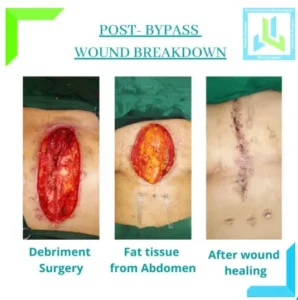 - Patient’s Name: Anonyms - Patient’s Age: 65 - Patient’s Gender: female ## Symptoms - Post- Bypass Wound Breakdown ## Case Presentation **Heart Bypass surgery is a lifesaving procedure done following symptoms like a heart attack when it is diagnosed the blood supply to different parts of the heart is reduced due to the narrowing of blood vessels supplying blood to the heart.** For bypass surgery, the chest is opened in the midline and surgery is performed. Following this surgery, the wound may take a long time to heal, especially in women due to the weight of breasts stretching the suture line. In some patients, the wound does not heal and opens up exposing the underlying bone- sternum and other tissues. These wounds have the potential to become infected, hence, need to be treated early and diligently so as to prevent infection and promote healing. Such wounds are called sternal dehiscence or opening up of the sternal wound. These patients are then referred to the [Plastic Surgeon ](https://theplasticsurgeryclinic.co/)for wound management. The wound is managed in two or three stages. To begin with, the wound is evaluated for its depth, quantum and type of infection and presence of non-living tissues. A CT scan is performed routinely to assess all these. The first stage consists of cleaning up the wound and is called Debridement; following debridement the wound is closed with a special type of dressing called Negative pressure wound dressing wherein a vacuum is created to facilitate better healing. As the wounding quality improves in 5-10 days, the patient is then taken up for definitive surgery. Most often than not, flap surgery is done to close the wound; wherein healthy tissue is taken from elsewhere in the body and used to fill the cavity of the wound and close it completely. This facilitates complete closure of the wound and optimal healing. 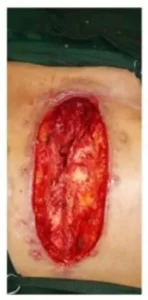  #### Case Study on Post Bypass Wound Breakdown: Mrs A, aged 65years, presented to the Plastic Surgery OPD, two months after her coronary bypass surgery (CABG). Her complaints were an open wound with discharge and pain. She said, the suture line after bypass surgery appeared to be healing during the first week, but subsequently she noticed the wound open up in the lower end discharging some fluid and blood. The upper end apparently continued to heal but the lower end opening seemed to go deeper towards the bone. We counselled her for the need for a two-stage surgery to which she agreed. The first stage was debridement – cleaning up the wound and removing all necrotic and unhealthy tissue. The second stage was covering the wound with a healthy flap taken from the abdomen. The wound then went on to heal uneventfully. As the wounding quality improves in 5-10 days, the patient is then taken up for definitive surgery. Most often than not, flap surgery is done to close the wound; wherein healthy tissue is taken from elsewhere in the body and used to fill the cavity of the wound and close it completely. This facilitates complete closure of the wound and optimal healing. Post-surgery 2 years and she is doing fine. ## Treatment and prognosis - Post- Bypass Wound Breakdown - CT scan ## Physical Examination & Tests - Post- Bypass Wound Break --- ### [Hidradenitis Suppurativa](https://theplasticsurgeryclinic.co/case-study/hidradenitis-suppurativa/) **Published:** December 27, 2023 **Author:** Dr. Leena Jain **Content:** # Hidradenitis Suppurativa 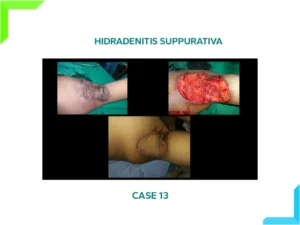 ## Details of the Patient - Patient’s Name: Anonyms - Patient’s Age: 35 - Patient’s Gender: male ## Symptoms shown by the Patient - Recurrent abscesses - Discharges - Sinuses and scars ## An Overview of the Case **A young male patient working abroad came to us with complaints of Hidradenitis. He suffered from the complication and experienced the following symptoms for these three years recurrent abscesses, discharges, sinuses and scars.** He was frightened about his appearance and social embarrassment. As a result, he avoided many social gatherings. He tried different types of therapies and waited for this long. Finally, he decided to reach us, but it took him three years. Hidradenitis is a skin disorder in which tiny, painful lumps grow underneath the skin. The tumours may rupture, or tunnels may develop underneath the skin. The armpits, buttocks, groin and breasts are the most common locations where the skin rubs together. ### Detailed description He sought several advanced therapies like monoclonal antibodies and many other prescription drugs, but they all went in vain. After counselling him about the need for surgery as a treatment that would offer a complete remission, he agreed pretty readily. We removed all the infected, involved, and scarred tissues in a single stage and restored the armpit dimensions to normal. The flap was taken from the chest wall side and turned upwards to resurface the armpit defect. Healthy tissue replaced in the armpit was never affected by Hidradenitis ever, and it gave a pleasing contour and colour match. Before and After 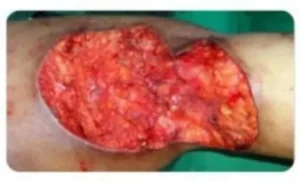  ## Medical Tests Performed - Physical examination - Preoperative blood tests ## Feedback from the Patient The patient was relieved pleased after the surgery got complete successfully. --- ### [Gynaecomastia](https://theplasticsurgeryclinic.co/gallery/gynaecomastia/) **Published:** January 19, 2024 **Author:** Dr. Leena Jain **Content:** # Gynaecomastia [  ](https://theplasticsurgeryclinic.co/wp-content/uploads/2024/01/Left-Gynaecomastia.webp "Left Gynaecomastia Case-1") ### Left Gynaecomastia Case-1 [  ](https://theplasticsurgeryclinic.co/wp-content/uploads/2024/01/Bilateral-Gynaecomastia.webp "Bilateral Gynaecomastia Case-2") ### Bilateral Gynaecomastia Case-2 [  ](https://theplasticsurgeryclinic.co/wp-content/uploads/2024/01/Gynaecomastia.webp "Bilateral Gynaecomastia Case-2") ### Bilateral Gynaecomastia Case-2 [  ](https://theplasticsurgeryclinic.co/wp-content/uploads/2024/01/Gynaecomastia-Surgery.webp "Gynaecomastia Surgery") ### Gynaecomastia Surgery --- ### [Microsurgery](https://theplasticsurgeryclinic.co/gallery/microsurgery/) **Published:** January 17, 2024 **Author:** Dr. Leena Jain **Content:** # Microsurgery Microsurgery is a surgical discipline that combines magnification with advanced diploscopes, specialized precision tools & various operating techniques. [  ](https://theplasticsurgeryclinic.co/wp-content/uploads/2024/01/Bony-Reconstruction-with-Microsurgical-bone-flap-transfer.webp "Bony Reconstruction with Microsurgical bone flap transfer Case 1") ### Bony Reconstruction with Microsurgical bone flap transfer Case 1 [  ](https://theplasticsurgeryclinic.co/wp-content/uploads/2024/01/Soft-Tissue-cover-with-Microsurgery1.webp "Bony reconstruction with microsurgery Case 1") ### Bony reconstruction with microsurgery Case 1 [  ](https://theplasticsurgeryclinic.co/wp-content/uploads/2024/01/Soft-Tissue-cover-with-Microsurgery.webp "Bony reconstruction with microsurgery Case 1") ### Bony reconstruction with microsurgery Case 1 [  ](https://theplasticsurgeryclinic.co/wp-content/uploads/2024/01/Exposed-fracture-cover-with-Microsurgery.jpeg "Exposed fracture cover with Microsurgery") ### Exposed fracture cover with Microsurgery [  ](https://theplasticsurgeryclinic.co/wp-content/uploads/2024/01/Before-Image.webp "Microsurgery Before Image") ### Microsurgery Before Image [  ](https://theplasticsurgeryclinic.co/wp-content/uploads/2024/01/After-Image.webp "Microsurgery After Image") ### Microsurgery After Image --- ### [Hand Surgery](https://theplasticsurgeryclinic.co/gallery/hand-surgery/) **Published:** January 17, 2024 **Author:** Dr. Leena Jain **Content:** # Hand Surgery Images for Hand Surgery [ 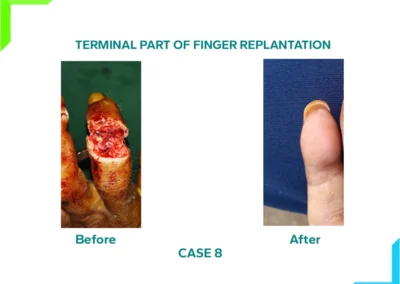 ](https://theplasticsurgeryclinic.co/wp-content/uploads/2024/01/Thumbnail-Part-of-finger-replantation.webp "Thumbnail Part of finger replantation") ### Thumbnail Part of finger replantation [  ](https://theplasticsurgeryclinic.co/wp-content/uploads/2024/01/Finger-Revascularization.webp "Finger Revascularization") ### Finger Revascularization [  ](https://theplasticsurgeryclinic.co/wp-content/uploads/2024/01/Multiple-finger-terminal-part-revascularization.webp "Multiple finger tip amputation - Revascularization") ### Multiple finger tip amputation – Revascularization [ 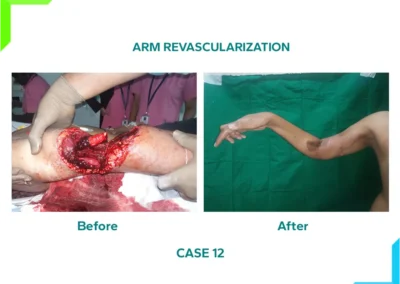 ](https://theplasticsurgeryclinic.co/wp-content/uploads/2024/01/Arm-revascularization.webp "Arm revascularization") ### Arm revascularization [  ](https://theplasticsurgeryclinic.co/wp-content/uploads/2024/01/Total-Amputation.webp "Total Amputation") ### Total Amputation [ 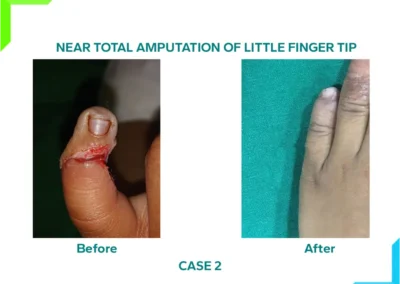 ](https://theplasticsurgeryclinic.co/wp-content/uploads/2024/01/Near-Total-Amputation-of-Finger.webp "Little finger near total amputation") ### Little finger near total amputation [ 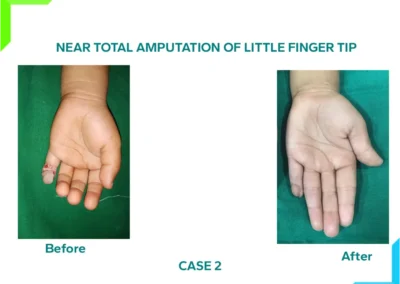 ](https://theplasticsurgeryclinic.co/wp-content/uploads/2024/01/Total-Amputation-of-Little-Finger.webp "Little finger near total amputation") ### Little finger near total amputation [ 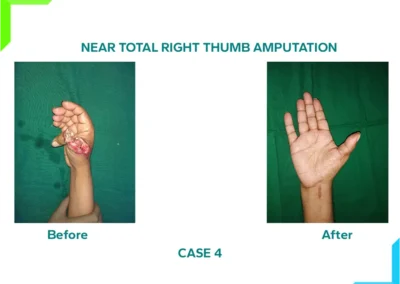 ](https://theplasticsurgeryclinic.co/wp-content/uploads/2024/01/Near-Total-Right-Thumb-Amputation.webp "Near Total Right Thumb Amputation") ### Near Total Right Thumb Amputation [  ](https://theplasticsurgeryclinic.co/wp-content/uploads/2024/01/Index-and-middle-Finger-Near-Total-Amputation.webp "Index and middle Finger Near Total Amputation") ### Index and middle Finger Near Total Amputation [ 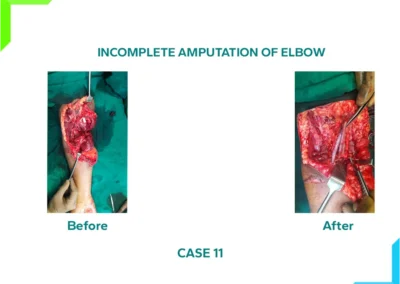 ](https://theplasticsurgeryclinic.co/wp-content/uploads/2024/01/Incomplete-Amputation-of-Elbow.webp "Incomplete Amputation of Elbow - Vascular repair") ### Incomplete Amputation of Elbow – Vascular repair [ 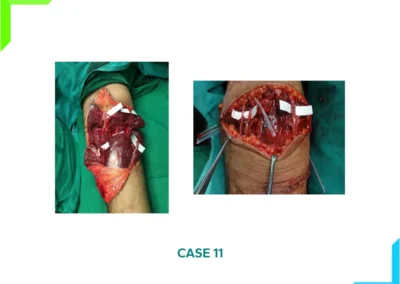 ](https://theplasticsurgeryclinic.co/wp-content/uploads/2024/01/Amputation-of-Elbow1.webp "Incomplete Amputation of Elbow - Nerve repair") ### Incomplete Amputation of Elbow – Nerve repair [ 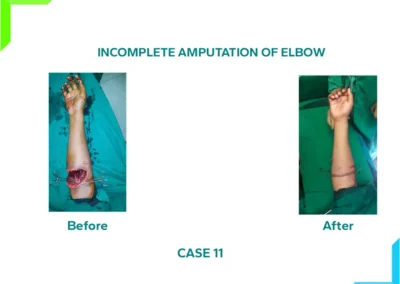 ](https://theplasticsurgeryclinic.co/wp-content/uploads/2024/01/Amputation-of-Elbow.webp "Incomplete Amputation of Elbow - Vascular repair") ### Incomplete Amputation of Elbow – Vascular repair [ 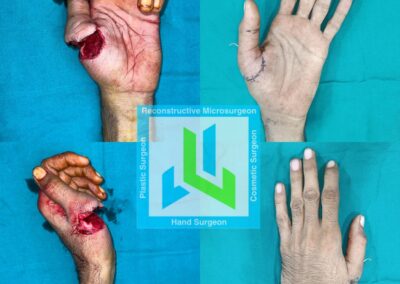 ](https://theplasticsurgeryclinic.co/wp-content/uploads/2024/01/Left-Thumb-near-total-amputation.jpeg "Left Thumb near total amputation") ### Left Thumb near total amputation [ 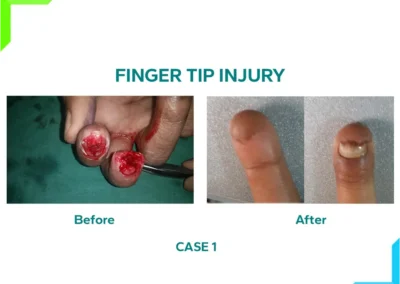 ](https://theplasticsurgeryclinic.co/wp-content/uploads/2024/01/Finger-Tip-Injury.webp "Finger Tip Injury") ### Finger Tip Injury [  ](https://theplasticsurgeryclinic.co/wp-content/uploads/2024/01/Finger-Tip-Defect.webp "Finger Tip Defect") ### Finger Tip Defect [ 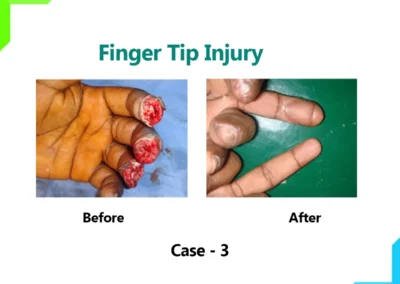 ](https://theplasticsurgeryclinic.co/wp-content/uploads/2024/01/Finger-Tip-Injury1.webp "Finger Tip Injury") ### Finger Tip Injury [ 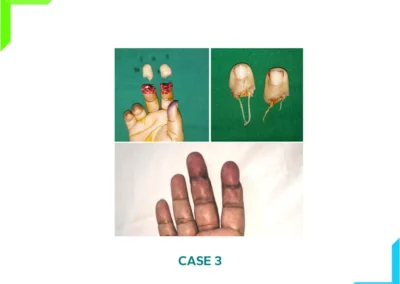 ](https://theplasticsurgeryclinic.co/wp-content/uploads/2024/01/Finger-Tips.webp "Finger tips amputation - Revascularization") ### Finger tips amputation – Revascularization [ 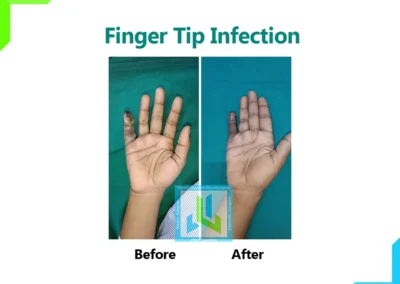 ](https://theplasticsurgeryclinic.co/wp-content/uploads/2024/01/Finger-Tip-Infection.webp "Finger Tip Infection") ### Finger Tip Infection [ 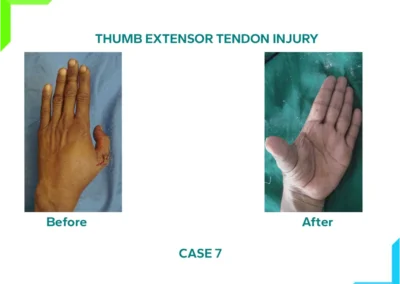 ](https://theplasticsurgeryclinic.co/wp-content/uploads/2024/01/Thumb-Extensor-Tendon-Injury.webp "Thumb Extensor Tendon Injury") ### Thumb Extensor Tendon Injury [  ](https://theplasticsurgeryclinic.co/wp-content/uploads/2024/01/Thumb-Extensor-Tendon-Injury1.webp "Thumb Extensor Tendon Injury") ### Thumb Extensor Tendon Injury [ 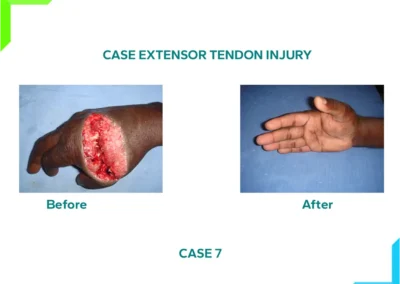 ](https://theplasticsurgeryclinic.co/wp-content/uploads/2024/01/Extensor-Tendon-Injury.webp "Extensor Tendon Injury") ### Extensor Tendon Injury [ 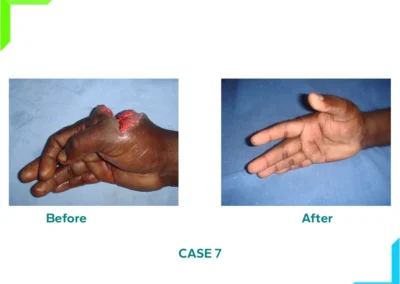 ](https://theplasticsurgeryclinic.co/wp-content/uploads/2024/01/Extensor-Tendon-Injury1.webp "Extensor Tendon Injury") ### Extensor Tendon Injury [ 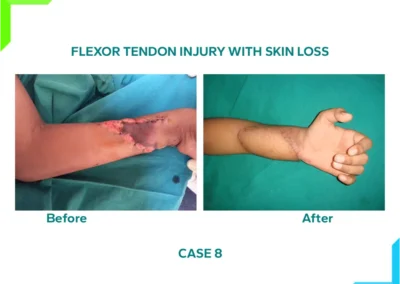 ](https://theplasticsurgeryclinic.co/wp-content/uploads/2024/01/Flexor-Tendon-Injury-with-skin-loss.webp "Flexor Tendon Injury with skin loss") ### Flexor Tendon Injury with skin loss [ 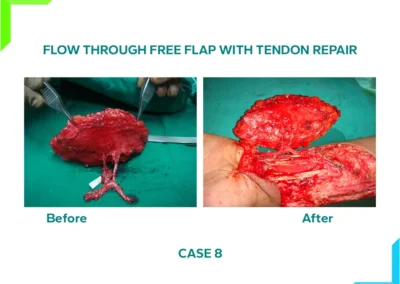 ](https://theplasticsurgeryclinic.co/wp-content/uploads/2024/01/Free-Flap-With-Tendon-Repaired.webp "Free Flap With Tendon Repaired") ### Free Flap With Tendon Repaired [ 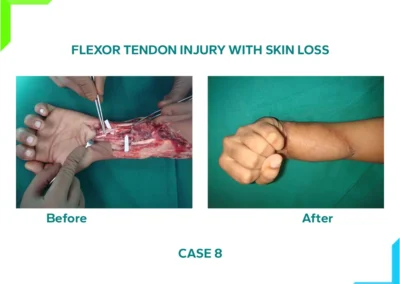 ](https://theplasticsurgeryclinic.co/wp-content/uploads/2024/01/Flexor-Tendon-Injury-with-skin-loss1.webp "Flexor Tendon Injury with skin loss") ### Flexor Tendon Injury with skin loss [ 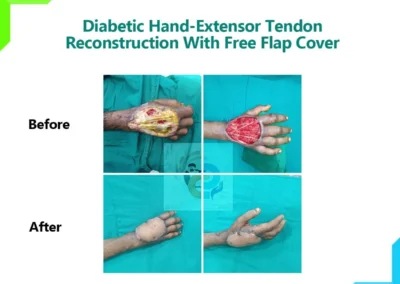 ](https://theplasticsurgeryclinic.co/wp-content/uploads/2024/01/Diabetic-Hand.webp "Diabetic Hand") ### Diabetic Hand [  ](https://theplasticsurgeryclinic.co/wp-content/uploads/2024/01/Infective-Hand-With-Exposed-Tendons.webp "Infective Hand With Exposed Tendons") ### Infective Hand With Exposed Tendons [ 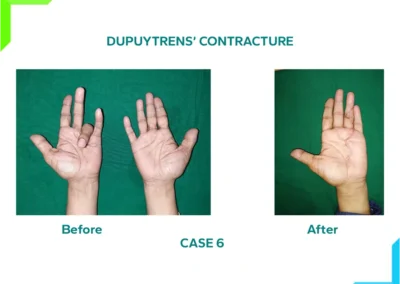 ](https://theplasticsurgeryclinic.co/wp-content/uploads/2024/01/Dupuytrens-Contracture1.webp "Dupuytren's Contracture") ### Dupuytren’s Contracture [ 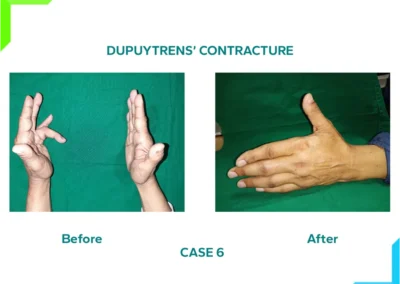 ](https://theplasticsurgeryclinic.co/wp-content/uploads/2024/01/Dupuytrens-Contracture.webp "Dupuytren's Contracture") ### Dupuytren’s Contracture [ 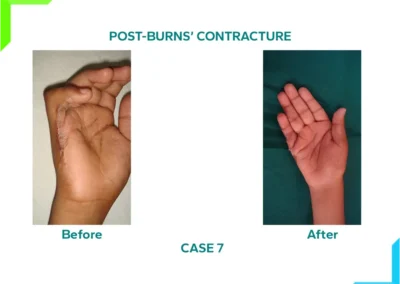 ](https://theplasticsurgeryclinic.co/wp-content/uploads/2024/01/Post-Burns-Contracture.webp "Post Burns Contracture") ### Post Burns Contracture [ 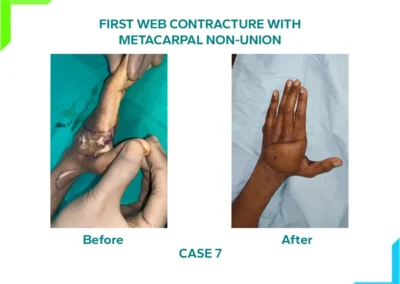 ](https://theplasticsurgeryclinic.co/wp-content/uploads/2024/01/First-Web-Contracture1.webp "First Web Contracture") ### First Web Contracture [ 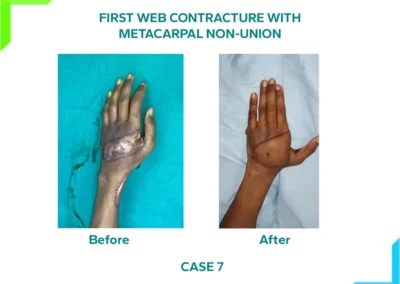 ](https://theplasticsurgeryclinic.co/wp-content/uploads/2024/01/First-Web-Contracture.webp "First Web Contracture") ### First Web Contracture [ 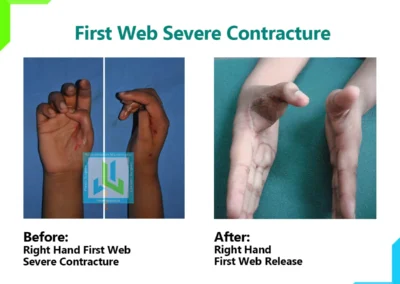 ](https://theplasticsurgeryclinic.co/wp-content/uploads/2024/01/Severe-Contracture.webp "First Web Severe Contracture") ### First Web Severe Contracture [ 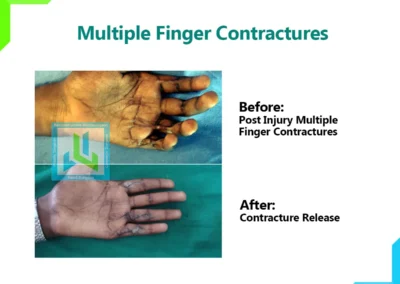 ](https://theplasticsurgeryclinic.co/wp-content/uploads/2024/01/Finger-Contractures.webp "Multiple Finger Contractures") ### Multiple Finger Contractures [ 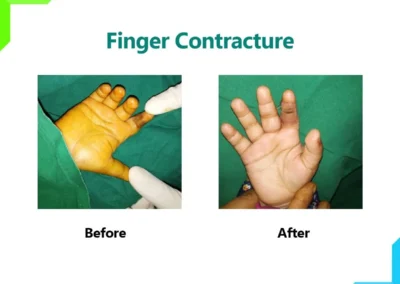 ](https://theplasticsurgeryclinic.co/wp-content/uploads/2024/01/Finger-Contracture.webp "Index Finger Contracture") ### Index Finger Contracture [ 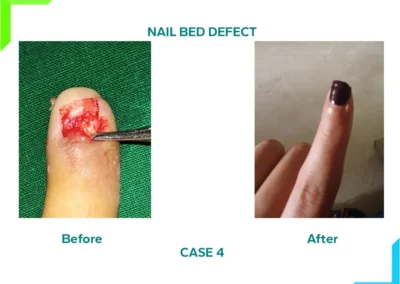 ](https://theplasticsurgeryclinic.co/wp-content/uploads/2024/01/Nail-Bed-Defect.webp "Nail Bed Defect - Grafting") ### Nail Bed Defect – Grafting [ 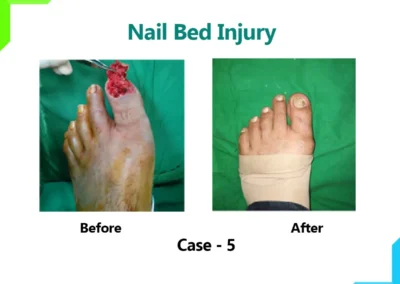 ](https://theplasticsurgeryclinic.co/wp-content/uploads/2024/01/Nail-Bed-Injury1.webp "Nail Bed Injury") ### Nail Bed Injury [ 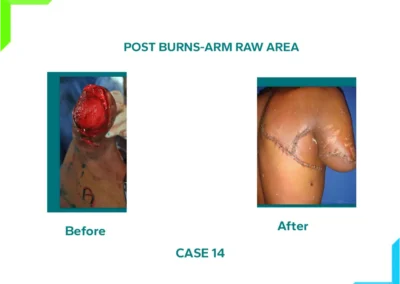 ](https://theplasticsurgeryclinic.co/wp-content/uploads/2024/01/Post-Burn-Arm-Raw-Area.webp "Post Burn Arm Raw Area") ### Post Burn Arm Raw Area [ 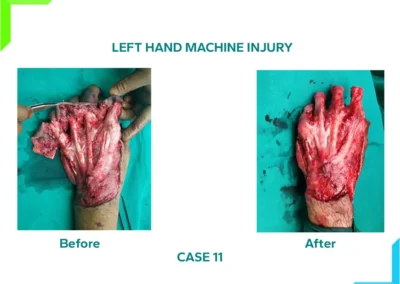 ](https://theplasticsurgeryclinic.co/wp-content/uploads/2024/01/Left-Hand-machine-injury.webp "Crush begloving injury") ### Crush begloving injury [ 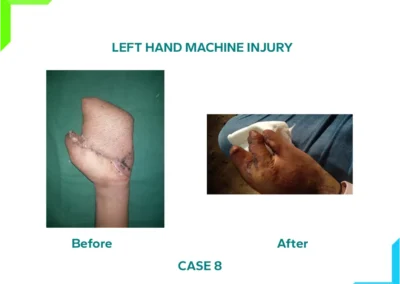 ](https://theplasticsurgeryclinic.co/wp-content/uploads/2024/01/Left-Hand-machine-injury1.webp "Crush begloving injury") ### Crush begloving injury [  ](https://theplasticsurgeryclinic.co/wp-content/uploads/2024/01/Thumb-Degloving-Injury.webp "Thumb Degloving Injury") ### Thumb Degloving Injury [ 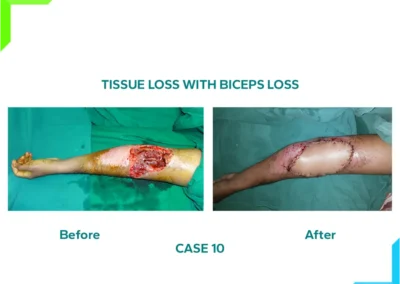 ](https://theplasticsurgeryclinic.co/wp-content/uploads/2024/01/Tissue-Loss-with-biceps-loss.webp "Elbow crush injury with biceps loss") ### Elbow crush injury with biceps loss [  ](https://theplasticsurgeryclinic.co/wp-content/uploads/2024/01/Right-Thumb-Fracture-with-Nerve-Injury.jpeg "Right Thumb Fracture with Nerve Injury") ### Right Thumb Fracture with Nerve Injury [ 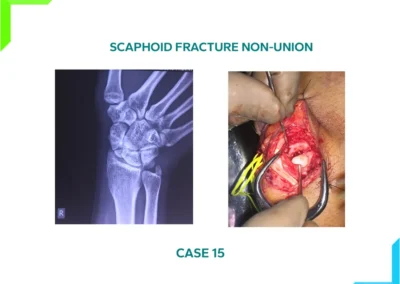 ](https://theplasticsurgeryclinic.co/wp-content/uploads/2024/01/Scaphoid-Fracture-Non-Union.webp "Scaphoid Fracture Non Union") ### Scaphoid Fracture Non Union [ 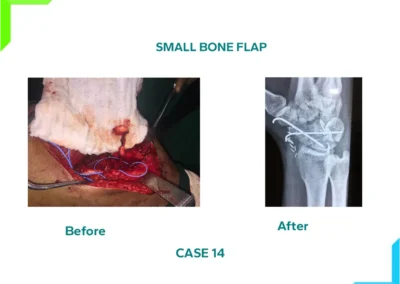 ](https://theplasticsurgeryclinic.co/wp-content/uploads/2024/01/Small-Bone-Flap.webp "Small Bone Flap") ### Small Bone Flap [ 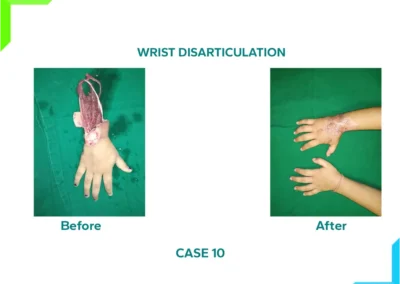 ](https://theplasticsurgeryclinic.co/wp-content/uploads/2024/01/Wrist-Disarticulation1.webp "Wrist Disarticulation") ### Wrist Disarticulation [ 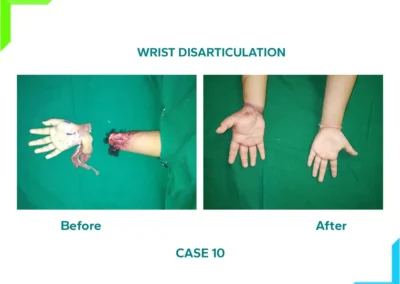 ](https://theplasticsurgeryclinic.co/wp-content/uploads/2024/01/Wrist-Disarticulation.webp "Wrist Disarticulation") ### Wrist Disarticulation [ 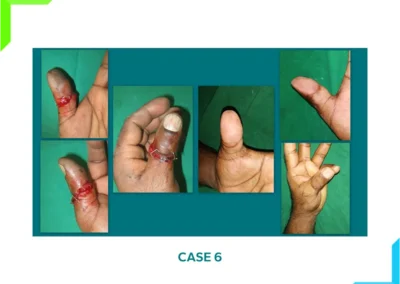 ](https://theplasticsurgeryclinic.co/wp-content/uploads/2024/01/Thumb-Injury.webp "Thumb Amputation") ### Thumb Amputation [ 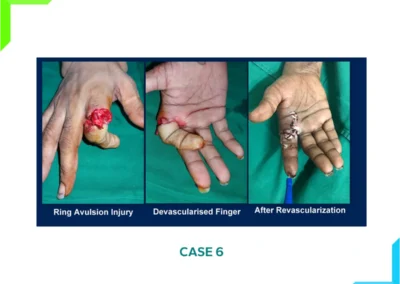 ](https://theplasticsurgeryclinic.co/wp-content/uploads/2024/01/Finger-injury.webp "Index Finger Devascularization") ### Index Finger Devascularization [ 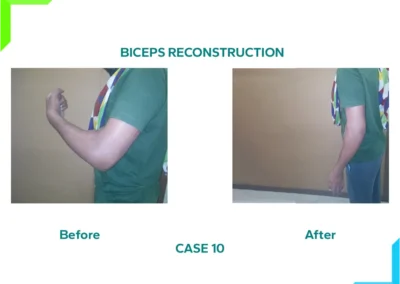 ](https://theplasticsurgeryclinic.co/wp-content/uploads/2024/01/Biceps-Construction.webp "Elbow crush injury with biceps loss - Biceps Construction") ### Elbow crush injury with biceps loss – Biceps Construction --- ### [Nerve Surgery](https://theplasticsurgeryclinic.co/gallery/nerve-surgery/) **Published:** January 17, 2024 **Author:** Dr. Leena Jain **Content:** # Nerve Surgery Peripheral nerve surgery is used to improve function and minimize pain and disability in people with peripheral nerve disorders, such as acute nerve injuries, entrapment neuropathies & nerve sheath tumors. [  ](https://theplasticsurgeryclinic.co/wp-content/uploads/2024/01/Nerve-surgery.webp "Nerve surgery") ### Nerve surgery [  ](https://theplasticsurgeryclinic.co/wp-content/uploads/2024/01/Nerve-Injury.webp "Nerve Injury") ### Nerve Injury [  ](https://theplasticsurgeryclinic.co/wp-content/uploads/2024/01/Nerve-Injury2.webp "Nerve Injury") ### Nerve Injury --- ### [Limb Reconstruction](https://theplasticsurgeryclinic.co/gallery/limb-reconstruction/) **Published:** January 19, 2024 **Author:** Dr. Leena Jain **Content:** # Limb Reconstruction Limb reconstruction techniques are used to replace missing bone and to lengthen and/or straighten deformed bone segments. [  ](https://theplasticsurgeryclinic.co/wp-content/uploads/2024/01/Bone-gap-with-Soft-Tissue-Defect.webp "Bone gap with Soft Tissue Defect") ### Bone gap with Soft Tissue Defect [  ](https://theplasticsurgeryclinic.co/wp-content/uploads/2024/01/Soft-Tissue-cover-with-Microsurgery.webp "Bony reconstruction with microsurgery Case 1") ### Bony reconstruction with microsurgery Case 1 [  ](https://theplasticsurgeryclinic.co/wp-content/uploads/2024/01/Bony-Reconstruction-with-Microsurgical-bone-flap-transfer.webp "Bony Reconstruction with Microsurgical bone flap transfer Case 1") ### Bony Reconstruction with Microsurgical bone flap transfer Case 1 [  ](https://theplasticsurgeryclinic.co/wp-content/uploads/2024/01/Soft-Tissue-cover-with-Microsurgery1.webp "Bony reconstruction with microsurgery Case 1") ### Bony reconstruction with microsurgery Case 1 [  ](https://theplasticsurgeryclinic.co/wp-content/uploads/2024/01/Limb-Reconstruction.webp "Limb Reconstruction Case 2") ### Limb Reconstruction Case 2 [  ](https://theplasticsurgeryclinic.co/wp-content/uploads/2024/01/Limb-Reconstruction1.webp "Limb Reconstruction Case 2") ### Limb Reconstruction Case 2 [  ](https://theplasticsurgeryclinic.co/wp-content/uploads/2024/01/Limb-Reconstruction2.webp "Limb Reconstruction Case 2") ### Limb Reconstruction Case 2 [  ](https://theplasticsurgeryclinic.co/wp-content/uploads/2024/01/Limb-Reconstruction3.webp "Limb Reconstruction Case 2") ### Limb Reconstruction Case 2 [  ](https://theplasticsurgeryclinic.co/wp-content/uploads/2024/01/Final-Result.webp "Limb Reconstruction Case 2 Final Results") ### Limb Reconstruction Case 2 Final Results [  ](https://theplasticsurgeryclinic.co/wp-content/uploads/2024/01/Soft-tissue-loss-with-fracture.webp "Soft tissue loss with fracture") ### Soft tissue loss with fracture [  ](https://theplasticsurgeryclinic.co/wp-content/uploads/2024/01/Free-Fibular-Flap.webp "Limb Reconstrcution Free Fibular Flap") ### Limb Reconstrcution Free Fibular Flap [  ](https://theplasticsurgeryclinic.co/wp-content/uploads/2024/01/Post-FFOCF-Reconstruction.webp "Post FFOCF Reconstruction") ### Post FFOCF Reconstruction [  ](https://theplasticsurgeryclinic.co/wp-content/uploads/2024/01/Final-Result1.webp "FFOCF Reconstruction Final Results") ### FFOCF Reconstruction Final Results [  ](https://theplasticsurgeryclinic.co/wp-content/uploads/2024/01/Compound-Fracture-leg.webp "Compound Fracture leg Case 4") ### Compound Fracture leg Case 4 [  ](https://theplasticsurgeryclinic.co/wp-content/uploads/2024/01/Compound-Fracture.webp "Compound Fracture Case 5") ### Compound Fracture Case 5 [  ](https://theplasticsurgeryclinic.co/wp-content/uploads/2024/01/Compound-Fracture-leg1.webp "Compound Fracture leg Case 5") ### Compound Fracture leg Case 5 [  ](https://theplasticsurgeryclinic.co/wp-content/uploads/2024/01/Compound-Fracture-Ankle.webp "Compound Fracture Ankle Case 6") ### Compound Fracture Ankle Case 6 [  ](https://theplasticsurgeryclinic.co/wp-content/uploads/2024/01/Compound-Fracture-Leg2.webp "Compound Fracture leg Case 7") ### Compound Fracture leg Case 7 [  ](https://theplasticsurgeryclinic.co/wp-content/uploads/2024/01/Limb-Reconstruction-crush-injury-foot-Foot-Salvage.jpeg "Limb Reconstruction crush injury foot - Foot Salvage") ### Limb Reconstruction crush injury foot – Foot Salvage [  ](https://theplasticsurgeryclinic.co/wp-content/uploads/2024/01/Free-flap-cover-for-Exposed-bone.jpeg "Limb Reconstruction Compound fracture fixation with flap cover") ### Limb Reconstruction Compound fracture fixation with flap cover [  ](https://theplasticsurgeryclinic.co/wp-content/uploads/2024/01/Limb-Reconstruction-Compound-fracture-fixation-with-flap-cover.jpeg "Limb Reconstruction Compound fracture fixation with flap cover") ### Limb Reconstruction Compound fracture fixation with flap cover [  ](https://theplasticsurgeryclinic.co/wp-content/uploads/2024/01/Complex-right-level-amputation-Replantation.jpeg "Complex Right elbow amputation with degloving - Replantation") ### Complex Right elbow amputation with degloving – Replantation [  ](https://theplasticsurgeryclinic.co/wp-content/uploads/2024/01/Limb-Reconstruction.jpeg "Limb Reconstruction") ### Limb Reconstruction [  ](https://theplasticsurgeryclinic.co/wp-content/uploads/2024/01/Limb-Reconstruction-Free-flap-for-sarcoma-excision-and-limb-salvage.jpeg "Limb Reconstruction - Free flap for sarcoma excision and limb salvage") ### Limb Reconstruction – Free flap for sarcoma excision and limb salvage [  ](https://theplasticsurgeryclinic.co/wp-content/uploads/2024/01/Limb-Reconstruction-Tibia-Osteomyelitis.jpeg "Limb Reconstruction - Tibia Osteomyelitis") ### Limb Reconstruction – Tibia Osteomyelitis --- ### [Plastic Surgery and Trauma Treatment in Mumbai](https://theplasticsurgeryclinic.co/services/plastic-surgery-and-trauma-treatment-in-mumbai/) **Published:** December 23, 2023 **Author:** Dr. Leena Jain **Content:** [](https://theplasticsurgeryclinic.co/blogs/how-long-does-hymenoplasty-last/) ##### [How Long Does Hymenoplasty Last?](https://theplasticsurgeryclinic.co/blogs/how-long-does-hymenoplasty-last/) 1 Sep, 26 Hymenoplasty is one of the most privately researched and publicly under-discussed procedures in... --- ### [Limb Reconstruction Surgery Doctor in Mumbai](https://theplasticsurgeryclinic.co/services/limb-reconstruction-surgery-in-mumbai/) **Published:** December 22, 2023 **Author:** Dr. Leena Jain **Content:** [](https://theplasticsurgeryclinic.co/blogs/how-long-does-hymenoplasty-last/) ##### [How Long Does Hymenoplasty Last?](https://theplasticsurgeryclinic.co/blogs/how-long-does-hymenoplasty-last/) 1 Sep, 26 Hymenoplasty is one of the most privately researched and publicly under-discussed procedures in... --- ### [Bladder Reconstruction Surgery in Mumbai](https://theplasticsurgeryclinic.co/services/bladder-reconstruction-surgery-in-mumbai/) **Published:** December 22, 2023 **Author:** Dr. Leena Jain **Content:** [](https://theplasticsurgeryclinic.co/blogs/how-long-does-hymenoplasty-last/) ##### [How Long Does Hymenoplasty Last?](https://theplasticsurgeryclinic.co/blogs/how-long-does-hymenoplasty-last/) 1 Sep, 26 Hymenoplasty is one of the most privately researched and publicly under-discussed procedures in... --- ### [Lymphedema Treatment Doctor in Mumbai](https://theplasticsurgeryclinic.co/services/lymphedema-treatment-in-mumbai/) **Published:** December 22, 2023 **Author:** Dr. Leena Jain **Content:** [](https://theplasticsurgeryclinic.co/blogs/how-long-does-hymenoplasty-last/) ##### [How Long Does Hymenoplasty Last?](https://theplasticsurgeryclinic.co/blogs/how-long-does-hymenoplasty-last/) 1 Sep, 26 Hymenoplasty is one of the most privately researched and publicly under-discussed procedures in... --- ### [Hand Surgery in Mumbai](https://theplasticsurgeryclinic.co/services/hand-surgery-in-mumbai/) **Published:** December 22, 2023 **Author:** Dr. Leena Jain **Content:** [](https://theplasticsurgeryclinic.co/blogs/how-long-does-hymenoplasty-last/) ##### [How Long Does Hymenoplasty Last?](https://theplasticsurgeryclinic.co/blogs/how-long-does-hymenoplasty-last/) 1 Sep, 26 Hymenoplasty is one of the most privately researched and publicly under-discussed procedures in... --- ### [A Transformative Toe Reconstruction Journey](https://theplasticsurgeryclinic.co/a-transformative-toe-reconstruction-journey/) **Published:** January 8, 2025 **Author:** Dr. Leena Jain **Content:** # A Transformative Toe Reconstruction Journey Accidents can have lasting physical and emotional impacts. For patients with injuries affecting appearance or function, reconstructive surgery can provide not just physical recovery but a renewed sense of confidence. As Dr. Leena Jain, a prominent[ ](https://theplasticsurgeryclinic.co/)[plastic surgeon in Mumbai](https://theplasticsurgeryclinic.co/), shares: *“Reconstruction is more than a procedure; it’s about restoring lives and empowering patients to move forward.”* ## Comprehensive Preoperative Assessment: Miss X was clinically examined to evaluate the bone level and vascular supply in her left great toe. This thorough assessment confirmed that her condition was suitable for reconstruction and enabled Dr. Leena Jain to formulate an effective treatment plan. ***Let’s delve into an inspiring case of a young woman who overcame the aftermath of a traumatic injury through advanced surgical care.*** ## Doctor In Charge [Dr. Leena Jain](https://theplasticsurgeryclinic.co/about-us/), Plastic Surgeon, Lilavati Hospital and Research Centre, Mumbai ## Patient Profile: - **Name:**Miss X - **Age:**24 - **Gender:**Female ## Symptoms: - Absent terminal part of the left great toe - Absence of nail, leading to cosmetic concerns and social stigma. ## Diagnosis: Partial amputation of the left great toe at the interphalangeal level. ## Doctor In Charge [Dr. Leena Jain](https://theplasticsurgeryclinic.co/about-us/), Plastic Surgeon, Lilavati Hospital and Research Centre, Mumbai ## Treatment Plan: - **Bone Reconstruction:**Free bone graft from the iliac crest to rebuild the missing toe skeleton. - **Soft Tissue Coverage:**A TDAP flap from the chest wall was used to cover the graft. - **Vascular Repair:**Anastomosis of vessels on the foot’s dorsum to ensure proper blood flow. ## Case Description Miss X, a vibrant 24-year-old, approached[ ](https://theplasticsurgeryclinic.co/about-us/)Dr. Leena Jain with concerns stemming from a traumatic accident that led to partial amputation of her left great toe. Besides functional loss, she faced significant cosmetic challenges, including the absence of a nail, which impacted her confidence and social interactions. Understanding her concerns, Dr. Jain conducted a detailed clinical evaluation. After confirming the bone level and vascular viability, a comprehensive surgical plan was devised to reconstruct the missing part of her toe. Dr. Jain meticulously crafted a treatment plan focusing on restoring the toe’s function and aesthetics. The surgery involved several intricate steps: 1. **Bone Grafting:** Leena Jain harvested a free bone graft from the iliac crest to reconstruct the missing portion of the great toe’s skeleton. 2. **Flap Harvesting:**A TDAP flap was obtained from the chest wall to provide soft tissue coverage for the graft. 3. **Microsurgical Anastomoses:** Jain connected the flap’s blood vessels to those on the dorsum of the foot using microsurgical techniques to ensure proper blood supply. 4. **Flap Coverage:**The flap was positioned to cover the bone graft, ensuring both functional and cosmetic restoration. This complex procedure required precision and skill to achieve a seamless reconstruction and was carried out without complications. ## Post-Operative Assessment: Miss X’s wounds healed well with regular dressings. She was advised to avoid weight-bearing on her left foot for one week and gradually progressed to full weight-bearing after eight weeks. ## Outcome: The surgery achieved excellent results, successfully reconstructing the terminal half of the great toe with proper length and girth. The reconstruction also set the stage for an artificial nail placement in the future, completing the aesthetic restoration. ## Patient’s Feedback: *“I am very grateful to Dr. Leena Jain and her team for their exceptional care. The surgery exceeded my expectations, and I feel like myself again. I have gained newfound confidence, am walking with ease, and I recently got engaged to my fiancé. Dr. Leena truly changed my life. Thank you!”* --- ### [Tendon Repair Surgery Doctor in Mumbai](https://theplasticsurgeryclinic.co/services/tendon-repair-surgery-doctor-in-mumbai/) **Published:** December 22, 2023 **Author:** Dr. Leena Jain **Content:** [](https://theplasticsurgeryclinic.co/blogs/how-long-does-hymenoplasty-last/) ##### [How Long Does Hymenoplasty Last?](https://theplasticsurgeryclinic.co/blogs/how-long-does-hymenoplasty-last/) 1 Sep, 26 Hymenoplasty is one of the most privately researched and publicly under-discussed procedures in... --- ### [Oral Surgery](https://theplasticsurgeryclinic.co/gallery/oral-surgery/) **Published:** January 19, 2024 **Author:** Dr. Leena Jain **Content:** # Oral Surgery [  ](https://theplasticsurgeryclinic.co/wp-content/uploads/2024/01/Angle-of-Mouth-Cancer.webp "Lip Reconstruction") ### Lip Reconstruction [  ](https://theplasticsurgeryclinic.co/wp-content/uploads/2024/01/Angle-of-Mouth-Cancer1.webp "Angle of Mouth Cancer") ### Angle of Mouth Cancer [  ](https://theplasticsurgeryclinic.co/wp-content/uploads/2024/01/Oral-Cancer-1.webp "Complex Oral Cancer - 1") ### Complex Oral Cancer – 1 [  ](https://theplasticsurgeryclinic.co/wp-content/uploads/2024/01/Oral-Cancer-2.webp "Oral Cancer - 2") ### Oral Cancer – 2 [  ](https://theplasticsurgeryclinic.co/wp-content/uploads/2024/01/Oral-Cancer.webp "Complex Oral Cancer 5") ### Complex Oral Cancer 5 [  ](https://theplasticsurgeryclinic.co/wp-content/uploads/2024/03/Lip-Reconstruction.webp "Lip Reconstruction") ### Lip Reconstruction --- ### [Publications](https://theplasticsurgeryclinic.co/publications/) **Published:** January 17, 2024 **Author:** Dr. Leena Jain **Content:** # Publications 1 . Modulation of Acute Phase – Post Burn Hyper metabolism with Propranolol - Indian Journal of Burns. Jan-Dec 2011. Vol:19 Issue1, Page Nos. 22-26 2\. One on one free: Two free flaps from a single donor site - Journal of Plastic, Reconstructive, and Aesthetic Surgery (European Journal of Plastic Surgery). Jan 2015.Vol:68, issue 1; 140-142. 3\. Ear lobe reconstruction: A complexity simplified - Journal of Plastic, Reconstructive & Aesthetic Surgery (European Journal of Plastic Surgery). Dec 2014.Vol:67, issue 12; 1751-1754. 4\. Islanded Parascapular Flap: An Above Elbow Stump Cover. - Anaplastology 2015. Vol: 4; issue 1:144 5\. Thoracodorsal artery perforator flap: indeed a versatile flap - Indian J Plast Surg 2015;48:153-8 6\. The pivotal role of pedicled perforator flaps amidst irradiation - Indian J Plast Surg 2015;48:322-4 7\. A novel 3D template for mandible and maxilla reconstruction: Rapid Prototyping using Stereolithography. - Indian J Plast Surg 2015;48:263-73 8\. Challenges posed by a delayed presentation of mutilating injuries - Hand Clin 32 (2016) 569–583 9\. Medical Femoral Condyle vascularised corticoperiostea graft – a suitable choice for scaphoid non-union - Indian J Plast Surg 2017;50:138-47 (\*corresponding author ) 10\. Traumatic loss of total lower lip and chin: The anterolateral thigh flap provides an optimal solution - JPRAS Open 19 (2019) 56–60 11\. Re: the reverse dorsal metacarpal artery flap in finger reconstruction: A reliable choice Indian J Plast Surg 2018;51:340-2. ## Chapters for Textbooks: Chapter Name Textbook Name Skin and Soft tissue cover for the Hand Textbook of Orthopedics and Trauma- 3 rd ed; volume 3. Editors: G S Kulkarni, Sushrut Bhabulkar (Published in 2016) Microsurgery- principles and practice Textbook of Plastic Surgery- Dr. Karoon Agrawal, (publication under process) Understanding flaps based on Perforators -Short Notes in Plastic Surgery understanding-flaps-based-on-perforators – https://shortnotesinplasticsurgery.wordpress.com/ Content Contributer Evolution and Revolution of Perforator Flaps – (Seoul, South Korea) Author: Jeong Tae Kim Syndactyly IAPS Textbook, 2020. ---