

Breast reconstruction after mastectomy is a significant aspect of the recovery process, both physical and emotional. To most women, it is a way to restore the look of the breasts as well as confidence. It is a complex and multi-step surgery, perhaps, but with developments in surgery, this surgery is rendered safer, faster, and more customized.
Dr. Leena Jain, a renowned plastic surgeon in Mumbai, emphasizes,
“Breast reconstruction plays a key role in helping women regain their sense of self after mastectomy. Each stage is a step towards not just physical recovery, but emotional healing as well.”
In this blog, we will take you through the stages of breast reconstruction to help you understand what to expect and how you can prepare for each step throughout your journey.
Understanding Breast Reconstruction Options
There are several types of breast reconstruction options available, and each option varies in complexity, recovery time, and aesthetic results. Here’s a breakdown to make your decision easier:

Implant-based Reconstruction
- Uses saline or silicone implants to build the breast.
- It can be done during mastectomy or as a delayed procedure.
- Less invasive but requires more than one surgery for optimal results.
Autologous Reconstruction
- Utilizes your own body tissue (such as the abdomen, back, or thighs).
- More natural appearance and feel, although a longer recovery.
- Suitable for patients who desire a more long-lasting, natural appearance.
Hybrid Reconstruction
- Blends autologous tissue with implants to offer optimal aesthetics and function.
- Often used when there is not enough tissue present in a patient to achieve full autologous reconstruction.
Dr. Leena Jain, a highly experienced reconstructive surgeon in Mumbai, states,
“It’s essential to consider factors such as your health, lifestyle, and personal preferences when choosing the type of reconstruction. My goal is to ensure that the procedure chosen offers the best functional and cosmetic outcome for the patient.”
Each technique has its own set of benefits and potential risks. The right choice will depend on your health, body type, and aesthetic goals.
Ready to take the next step in your recovery? Consult with Dr. Leena Jain, an experienced reconstructive surgeon in Mumbai, to discuss your breast reconstruction options today!
Now that you know your reconstruction options, the next step is a thorough pre-reconstruction assessment to determine the best approach for you.
Pre-Reconstruction Assessment
Before your breast reconstruction, you will need a thorough pre-operative evaluation. This evaluation is a sequence of tests that will establish whether you are healthy enough to have the surgery and whether the surgery is the best option for you. The assessment includes:

Medical History Review
Understanding your overall health, any pre-existing conditions, and previous treatments (like chemotherapy or radiation).
Physical Examination
Assessing the condition of the skin and tissues around the mastectomy area to determine if you’re a good candidate for certain reconstruction methods.
Imaging Tests
CT angiography of your abdominal wall is required to assess the remaining tissue and make sure there are no underlying issues.
Psychological Support
Emotional well-being is just as important, and consultations with a counselor or support group may be encouraged to prepare for the emotional aspects of reconstruction.
Stage 1 – Implant-based reconstruction: Implant Placement
The first stage of breast reconstruction focuses on creating the right space for the new breast. If your preference is implant-based reconstruction, this is where a tissue expander is placed under the skin to slowly expand the muscles and skin and create a pocket to place the implant. The expander is typically filled with saline solution over the course of weeks or months to achieve the desired size. This stage can take several weeks, and it may require multiple visits to adjust the tissue expander
For those choosing autologous reconstruction, the process involves preparing tissue from another area of your body. This can include the abdomen, back, or thighs, where skin, fat, and sometimes muscle are used to form the new breast. Its a single stage surgery during which tissues from abdomen or elsewhere are harvested, molded into the shape of a breast and attached to the chest wall with microvascular anastomosis.
Stage 2 – Implant based reconstruction Reconstruction : Expander removal and Implant Placement
“By the time we reach this stage, your body will be prepared, and we focus on shaping and finalizing the breast’s appearance. Our goal is always symmetry and a natural look that complements the patient’s body,” says Dr. Leena.
This stage requires careful planning and attention to detail. The shape, size, and symmetry of the reconstructed breast will be carefully tailored to match the patient’s natural breast.
Nipple and Areola Reconstruction (Optional Stage 3)
Once the breast reconstruction has healed and the desired shape has been achieved, the third stage of reconstruction, which involves the nipple and areola, may be performed. This step is optional, but it can provide the final touch for many women, restoring the appearance of the breast to its natural state.
During this stage, the surgeon can use skin from the reconstructed breast or body part to create a nipple. Areola reconstruction can be done by tattooing or skin grafting.
It should be remembered that the reconstruction of the nipple is a subtle procedure, and although the result can be eye-pleasing, it does not have sensation. However, it provides a natural-looking and fuller appearance.
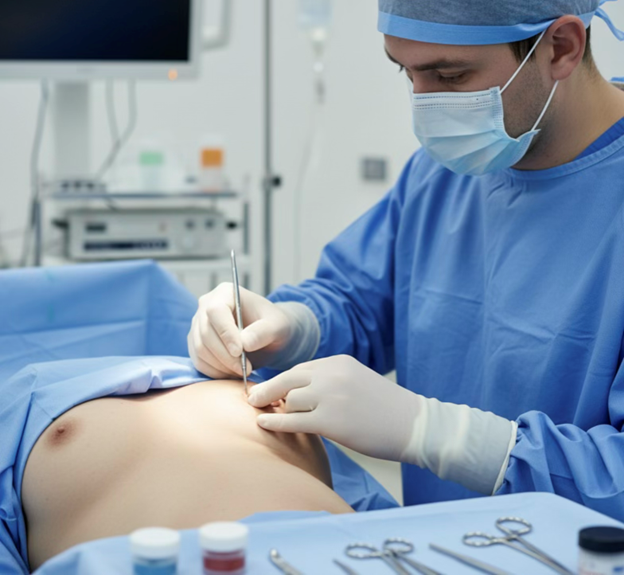
Recovery and Long-Term Care
The recovery after breast reconstruction depends on the type of procedure, but usually involves rest, follow-up care, and management of discomfort. Here’s what you can expect during the recovery phase:

Rest and Healing
Take time off to allow the body to heal and recover properly.
Compression Garments
Wear compression garments to reduce swelling and support the healing tissue
Pain Management
There is some pain anticipated; pain relief medication will manage it.
Follow-Up Appointments
Regular visits are crucial to monitor healing and prevent complications.
Physical Activity
No heavy lifting or strenuous exercise in the initial recovery stage.
Long-Term Care
Focus on a healthy lifestyle and monitor the condition of the reconstructed breast over time.
Dr. Leena Jain recommends,
“While the recovery period can be challenging, it is important to follow all post-surgery care instructions, including managing pain, attending follow-up appointments, and avoiding strenuous activities. This ensures the best long-term results.”
Conclusion
Breast reconstruction after mastectomy is a highly individualized and life-changing process. With the advancement of surgical methods and the spectrum of options, women can now choose a course that maximizes their needs and desires. From tissue preparation to ultimate reconstruction, each phase is critical in the restoration of form and function.
Dr. Leena Jain concludes,
“Breast reconstruction is more than just surgery—it’s a step toward healing and rebuilding. We take great pride in offering personalized care to ensure the best possible outcomes for every patient.”
FAQs
1. What is breast reconstruction after a mastectomy?
Breast reconstruction surgery to restore the shape of the breast after a mastectomy, with an implant or your own tissue.
2. How long does it take to recover from breast reconstruction?
Recovery lasts from a few weeks to a few months.
3. Is breast reconstruction covered by insurance?
Yes, most insurance plans cover breast reconstruction after mastectomy.
4. Can breast reconstruction be done immediately after mastectomy?
Yes, reconstruction can be performed immediately after mastectomy or delayed depending on health and personal preference.
5. Does breast reconstruction restore feeling to the breast?
No, breast reconstruction typically doesn’t restore sensation to the reconstructed breast.
