
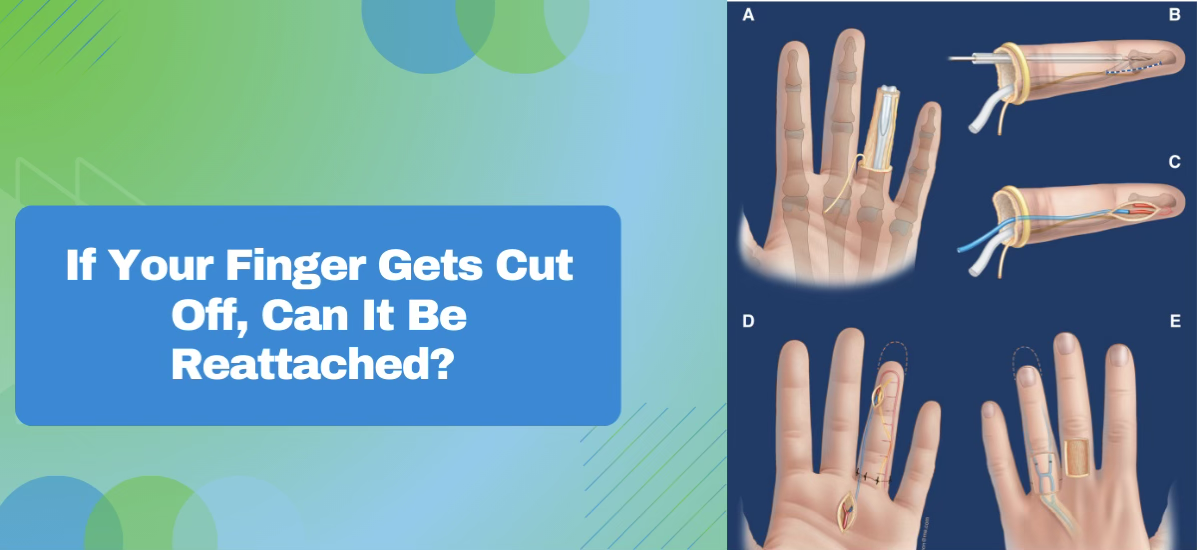
Yes, in many cases, a cut-off finger can be reattached through emergency microsurgery. The success depends on how the injury happened, how the finger is preserved, and how quickly surgery is performed. Replantation surgery offers hope for restoring both function and appearance, but it requires immediate medical attention.
Dr. Leena Jain, a skilled plastic surgeon in Mumbai, emphasizes:
“Finger reattachment can be a life-changing procedure, but it must be performed quickly and with precise technique to ensure the best chance of success.”
When Can a Finger Be Reattached?
Certain conditions improve the chances of successful finger reattachment. These include:
- Clean, sharp cuts: Higher success rate compared to jagged or crushed injuries.
- Injury treated within 6–12 hours: Timely intervention is crucial for better outcomes.
- Finger properly preserved: Keeping the finger safe and cool can significantly help in the replantation
- Patient medically stable: Stability is important for a successful surgery.
- Not severely crushed or contaminated: Clean injuries without severe damage give the surgeon a better chance of success.
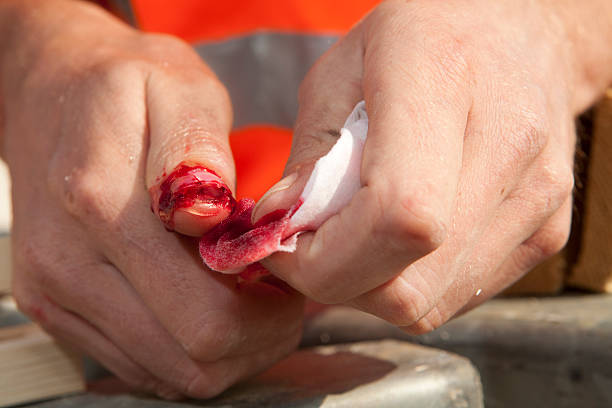
Consult with Dr. Leena Jain, an experienced plastic surgeon in Mumbai, to learn more about replantation surgery and discuss your options.
What To Do Immediately After a Finger Is Cut Off
If your finger gets cut off, every second counts. Follow these critical steps:
- Control bleeding with pressure.
- Gently rinse the finger with clean water (do not scrub).
- Wrap it in moist sterile gauze.
- Place it in a waterproof bag.
- Put that bag inside ice (do not place directly on ice).
- Go to the nearest hospital immediately.
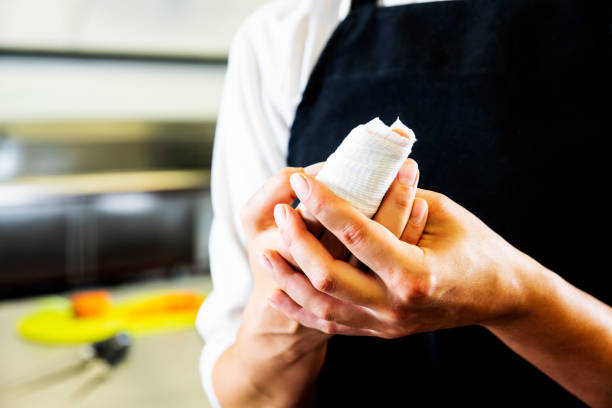
Dr. Leena Jain advises
“The faster you act after the injury, the higher the chances of a successful reattachment. Follow these steps carefully to preserve the finger for replantation surgery.”
Need urgent help after a finger injury? Contact Dr. Leena Jain immediately for replantation surgery in Mumbai and ensure your best chance for reattachment.
How Finger Reattachment Surgery Works
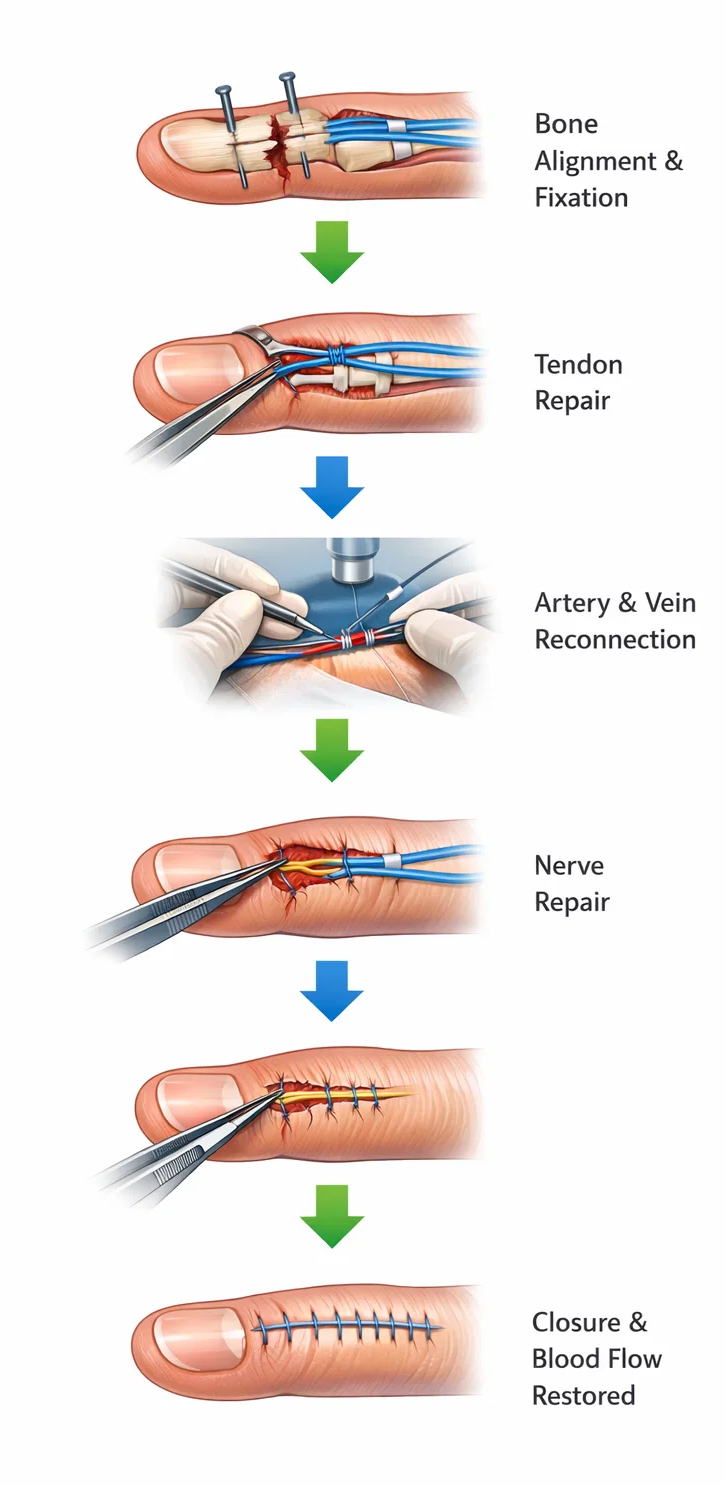
Finger reattachment surgery involves several key steps to restore the lost functionality of the finger:
Bone alignment and fixation
Ensures the bones are correctly aligned and secured.
Repair of tendons
Tendons are reconnected to restore movement.
Reconnection of arteries and veins (microsurgery)
Blood flow is restored, which is essential for the survival of the tissue.
Nerve repair
Nerves are carefully repaired to ensure sensation and movement.
Closure and restoration of blood flow
Final steps to ensure that the finger can heal properly.
This surgery can take several hours, depending on the complexity of the injury.
How Successful Is Finger Reattachment?
The success rate of finger reattachment depends largely on the type of injury:
Higher success in sharp injuries
Clean cuts have a better chance of reattachment.
Lower success in crush injuries
Crushed fingers have a lower chance due to significant tissue damage.
Children often have better recovery
Younger patients typically heal faster and better.
Function may not be 100% restored
Although complete restoration is not always possible, grip and sensation can often return.
When Reattachment May Not Be Possible
While reattachment is possible in many cases, some factors can make it difficult or impossible:
Severe crush injury
Damage to the finger’s structure may be too extensive for successful replantation.
Prolonged time without blood supply
The longer the finger is without blood flow, the lower the chances of successful reattachment.
Extensive tissue loss
Major tissue loss makes it harder to reattach the finger.
Life-threatening associated injuries
If the patient has severe injuries in other areas, finger reattachment may not be prioritized.
How Long Is Recovery?
After replantation surgery, the recovery process involves several stages:
Hospital stay
A few days, depending on the severity of the injury.
Splinting
The finger will need to be splinted for several weeks to ensure proper healing.
Physiotherapy
Essential for regaining movement and function.
Full recovery
Full recovery may take several months, depending on the extent of the injury and the success of the surgery.
Interested in learning more about finger reattachment surgery and recovery tips? Schedule a consultation with Dr. Leena Jain today to explore treatment options.
Why Choose Dr. Leena Jain for Finger Reattachment Surgery?
Dr. Leena Jain is a trusted plastic surgeon in Mumbai with extensive experience in replantation surgery. With advanced microsurgical skills and a focus on personalized care, she ensures the best possible outcomes for her patients. Choosing the right surgeon for finger reattachment surgery is crucial, and Dr. Jain’s expertise ensures that you receive the highest quality of care.
FAQs
1. Can a fully cut finger be reattached?
Yes, a fully cut finger can often be reattached if the injury is treated promptly and the finger is preserved properly.
2. Will my finger grow back if I cut it off?
While the finger will not grow back, reattachment surgery can restore functionality and appearance if performed within a critical time window.
3. How long do I have to get the finger reattached?
Ideally, finger reattachment surgery should occur within 6–12 hours of the injury to increase the chances of success.
4. Can a crushed finger be reattached?
Crushed injuries are more challenging, and the success rate is lower, but reattachment may still be possible depending on the severity of the damage.
5. How soon can I use my reattached finger?
While some functions can return, full use may take several months. Physiotherapy plays a key role in regaining movement.
6. What is the recovery time for finger reattachment surgery?
The recovery time varies, but most patients experience a few weeks of splinting and several months for full recovery, including physiotherapy.
