
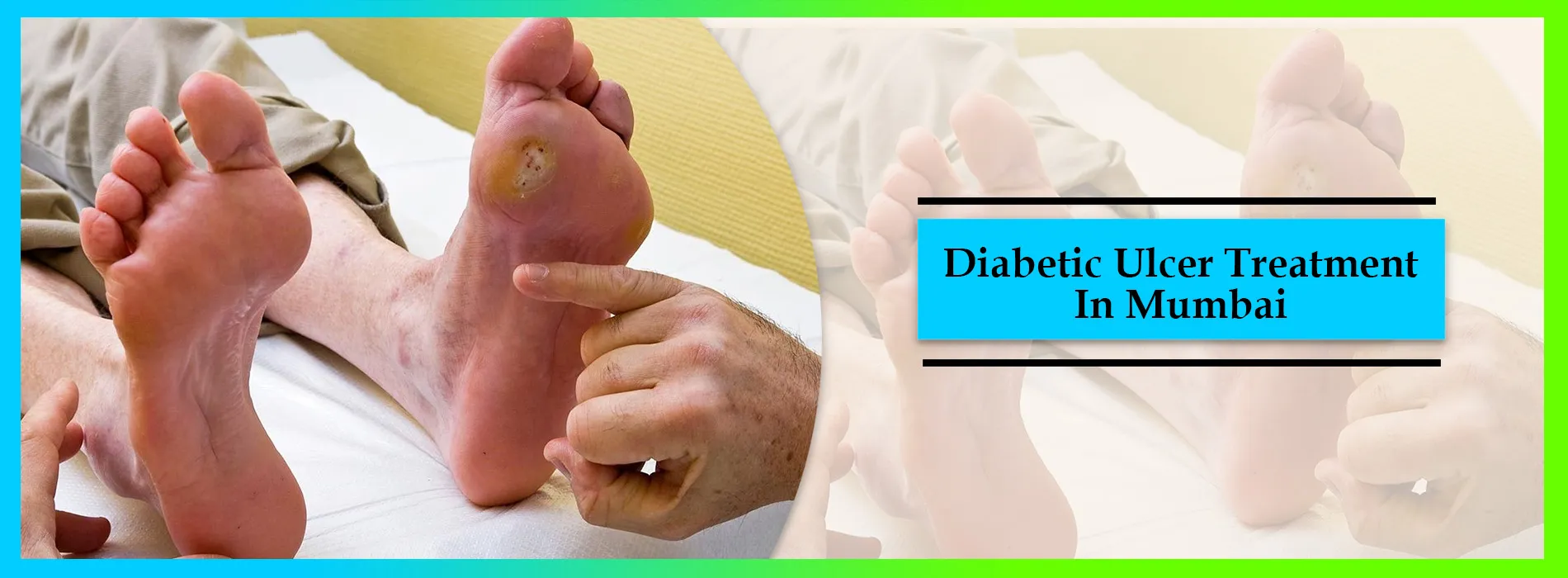
Diabetic Ulcer Treatment in Mumbai
 A diabetic foot ulcer is an open wound or sore that usually develops on the foot, most commonly on the sole. In patients with diabetes, even minor injuries such as dry skin, calluses, or ingrown toenails can progress into serious infections if not treated on time.
Early evaluation and timely surgical management by a Plastic Surgeon in Mumbai can help prevent infection, avoid amputation, and restore normal walking.
Who can get a diabetic foot ulcer?
Diabetic foot ulcers are more common in patients with long-standing or poorly controlled diabetes, especially those on insulin therapy. Individuals with diabetes-related complications such as high cholesterol, heart disease, obesity, and tobacco or alcohol use are at a higher risk of developing foot ulcers.
Diabetic foot ulcers are largely preventable when simple daily precautions are followed:
-
Daily inspection of feet for cuts, cracks, or wounds
-
Maintaining good blood sugar control
“Most amputations can be prevented if diabetic foot wounds are identified and treated early.”
— Dr. Leena Jain, Plastic Surgeon in Bandra
What causes diabetic foot ulcers?
Diabetic foot ulcers develop due to a combination of three key factors:
-
Uncontrolled blood sugar levels, which impair wound healing
-
Poor blood circulation to the lower limbs, reducing oxygen and nutrient supply
-
Loss of sensation in the feet (diabetic neuropathy), making injuries painless and unnoticed
In many diabetic patients, nerve damage (peripheral neuropathy) and reduced blood flow (diabetic vasculopathy) occur together. As a result, small cuts, blisters, or cracks in the skin often go unnoticed due to the absence of pain. These wounds fail to heal because of poor circulation and gradually worsen.
High blood sugar levels further increase the risk of infection, creating a vicious cycle where infection worsens sugar control and delayed healing leads to deeper ulcers and tissue damage.
Symptoms of Diabetic foot ulcer
Initially, injuries such as calluses, blisters, cracked skin, trophic ulcers, etc. happen on the soles of the feet. The condition of the skin of the soles is likely to deteriorate further and worsen to form an ulcer.
These ulcers are likely to go undetected if the diabetics suffer from diabetic neuropathy and vasculopathy.
Any non-healing foot wound should be evaluated early by a Plastic Surgeon in Mumbai to prevent serious complications.
However, signs to look out for in these conditions are –
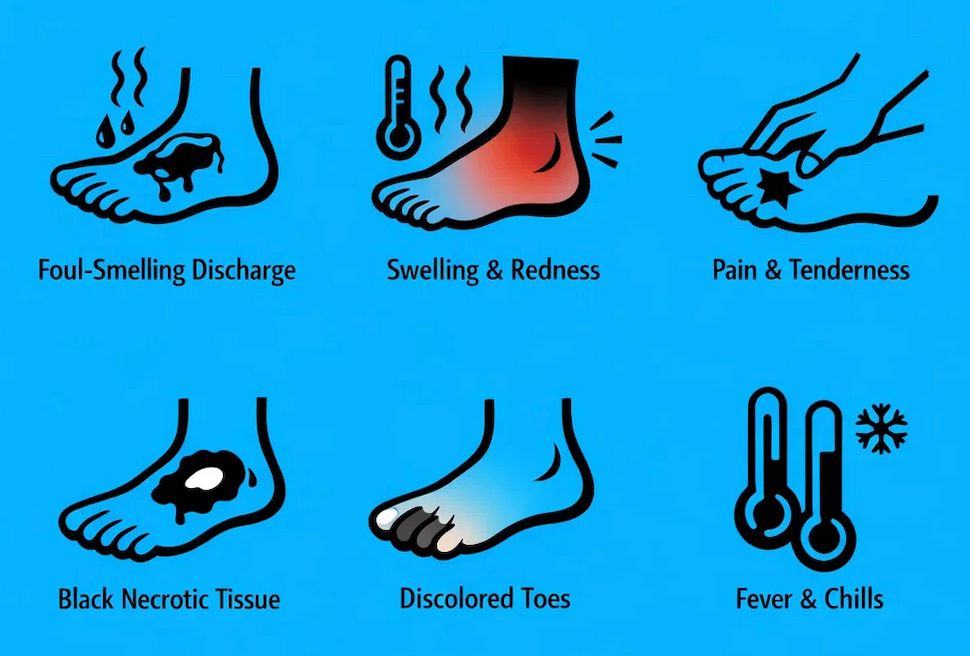
- Discharge from the wound with a foul smell
- Swelling, warmth, and discoloration in the wound area
- Firmness and pain when the wound is touched
- Formation of thick, blackish skin around the ulcer
- Discoloration of toes or foot
- Fever and chills, if the condition of the ulcer has deteriorated further
Dr. Leena Jain evaluates diabetic foot ulcers with a focus on healing, mobility, and long-term limb preservation.
Treatment for Diabetic Ulcers
The primary goal of diabetic ulcer treatment is to control infection, promote wound healing, and prevent recurrence. Management requires a combination of medical care and surgical intervention depending on the severity of the ulcer.
The primary treatment includes,
-
Control of blood sugar levels and associated medical conditions to support wound healing and prevent progression.
-
Evaluation by a Plastic and Reconstructive Surgeon to plan appropriate wound care and surgical management.
-
Targeted medical treatment with antibiotics for infection, cellulitis, and deeper tissue involvement.
-
Surgical cleaning of the ulcer (Debridement) by removing dead tissue, thickened skin, pus, and unhealthy tissue.
-
Advanced wound dressing and ongoing care to keep the ulcer protected, moist, and infection-free.
-
Assessment of blood circulation, nerve sensation, and bone involvement using Doppler scans, imaging, and clinical evaluation.
Surgical treatment is essential and includes –
Debridement:
- To remove the infected, unhealthy soft tissue and dead bone
- Repeat debridement to assess control of infection.
- To perform reconstructive surgery to cover the raw areas with healthy vascularised tissue (flaps) or skin grafts to bring about healing of ulcers
- To perform reconstructive surgeries for bony loss.
“The aim of surgery is not just wound closure, but durable healing that allows patients to walk confidently again.”
— Dr. Leena Jain, a leadning Plastic Surgeon in Mumbai
How to Reduce the Risk of Diabetic Foot Ulcers:
- To reduce pressure on the ulcerated area by excision of bones or shaving of bones
- To correct foot deformities such as bunions, hammertoes, bony bumps, etc
- To stabilize the condition of Charcot’s Foot
- To perform an endovascular surgery with the placement of stents or an arterial bypass to treat peripheral vascular conditions
- To perform an amputation of the lower limb, i.e., from the toe or the foot, either to the knee or above the knee, as required in cases of rapidly spreading infection or very poor blood supply in the lower limbs.
Debridement for infected wounds:
Debridement is a surgical procedure performed to remove all the accumulated dead tissues, pus, dry skin, and old blood in the wound. It is done under general anesthesia or by localized anesthesia in the wound area. The cleaned wound is then dressed, and plaster is also applied to maintain joint health. If required, the debridement procedure is repeated after two or three days to assess the condition of the wound and facilitate the production of enzymes and proteins required for healing.
Advanced diabetic ulcer reconstruction by a Plastic Surgeon in Mumbai (Bandra & Borivali)
Plastic Surgery for infected diabetic ulcers
Plastic surgery plays a crucial role in the management of infected diabetic foot ulcers, especially when wounds are deep, non-healing, or involve exposed tendons or bones. Treatment is planned based on the location, depth, and severity of the ulcer.
The focus of reconstructive surgery is to remove infection, provide durable wound coverage using skin grafts or flaps, restore function, and reduce the risk of recurrence. Early plastic surgical intervention helps preserve the limb and improves long-term mobility.
“Timely reconstructive surgery can often prevent limb loss and help patients return to normal walking.” — Dr. Leena Jain
Points to remember to reduce the risk of foot ulcer
- Control blood sugar levels
- Reduce alcohol intake
- No tobacco consumption
- Reduce cholesterol levels
- Wear proper socks and footwear that provide added protection
- Daily inspection of the foot for cracks, cuts, blisters, bruises, and other abnormalities
- Properly fitting and comfortable footwear to be worn
Why Choose Dr. Leena Jain for Diabetic Ulcer Treatment?
-
Expertise in plastic and reconstructive surgery for complex and infected diabetic foot ulcers.
-
Focus on limb preservation, durable healing, and functional recovery, not just wound closure.
-
Structured approach combining infection control, debridement, and advanced reconstruction.
-
International training in microsurgery and reconstructive techniques for better long-term outcomes.
-
Patient-centric care with emphasis on early mobility and return to daily activities.
-
Available for consultation in Mumbai (Bandra & Borivali) for comprehensive ulcer management.
CONTACT US FOR MORE INFORMATION OR BOOK AN APPOINTMENT
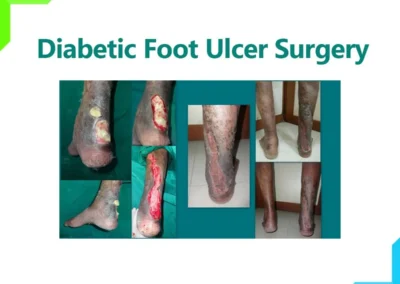
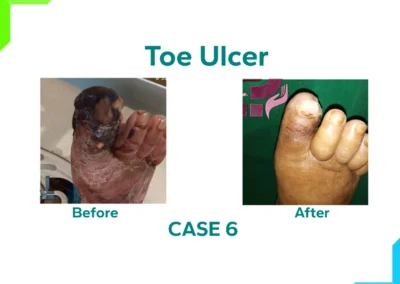
Before And After Results – Diabetic Foot Ulcer Treatment in Mumbai

FREQUENTLY ASKED QUESTIONS
1. What causes diabetic foot ulcers?
Diabetic foot ulcers occur in diabetic patients as they develop neuropathy which hampers the capabilities of the nerves to feel pain and/or irritation in case of injury in the foot. At times, the patient is unaware of the injury, which develops into a foot ulcer. Also, elevated blood glucose can hamper the healing process.
2. Who can get a diabetic foot ulcer?
People with diabetes, especially older patients on insulin, are likely to develop foot ulcers. Also, people with diabetes and heart disease, eye disorders, and kidney diseases are at higher risk of developing foot ulcers. The other factors, such as alcohol and tobacco consumption, accelerate the onset of foot ulcers.
3. Why is it essential to treat diabetic foot ulcers?
It is important to treat diabetic foot ulcers to prevent infection and the risk of amputation. Moreover, early healing means savings on treatment expenses and healthy living with mobility.
4. What are the surgical options to treat foot ulcers?
In case nonsurgical treatment of foot ulcers fails, non-infected foot ulcers require surgery such as excision or shaving of bones, correction of bunions, hammertoes, and various other deformities.
5. On which factors does the healing of the foot ulcer depend?
Healing of foot ulcers depends upon the size of the wound, location, swelling, blood glucose levels, wound care, pressure on the wound, circulation, and so on. The time to heal can take weeks or months, depending upon these factors.
Recent Blogs

Ingrown Toenail – Symptoms, Causes, And Treatment Options
An ingrown toenail is what you get when the nail's edge decides to grow sideways into the skin...

Stage 1 Diabetic Foot Ulcer
A stage 1 diabetic foot ulcer is the earliest true break in the skin, staying limited to the top...

Can a Contracted Scar Be Stretched Without Surgery?
Sometimes, yes. A contracted scar can loosen up without an operation, but only within a certain...