

Introduction
A brachial plexus injury occurs when the network of nerves controlling the arm and hand is damaged during birth. This condition can cause varying degrees of weakness or paralysis in the affected arm. Dr. Leena Jain, a renowned plastic surgeon in Mumbai, provides detailed insights into brachial plexus injury, its causes, and treatment options.
Dr. Leena Jain emphasizes,
“Brachial plexus injury, though often temporary, can have lasting effects on a newborn’s development. Early diagnosis and appropriate treatment are crucial for a positive outcome.”
In this blog, we will explore everything you need to know about brachial plexus injury at birth, including how it occurs, signs to look for, types of injury, and available treatments.
What Is Brachial Plexus Injury?
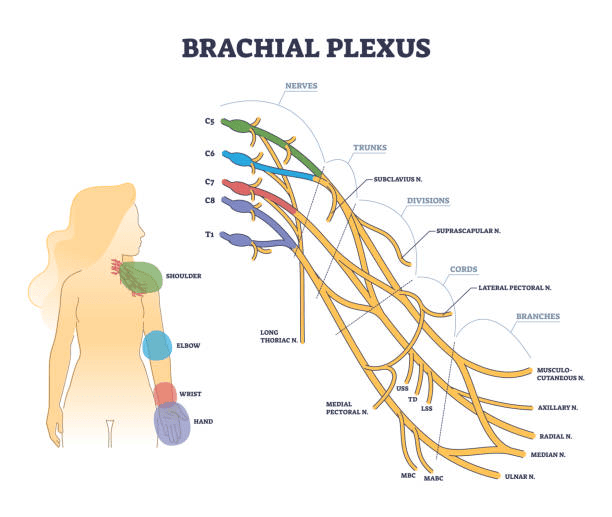
A brachial plexus injury refers to damage to the bundle of nerves that controls the muscles of the arm, hand, and shoulder.
Function of Brachial Plexus
These nerves are responsible for both motor and sensory functions in the upper limbs, which makes the injury potentially impactful on movement and sensation.
Severity
The severity of the injury varies and can range from mild stretching of the nerves to complete rupture.
How Does Brachial Plexus Injury Occur During Birth?
Cause
The injury typically occurs when excessive force is applied to the baby’s head or neck during delivery.
This may happen during a difficult or assisted delivery, such as with the use of forceps or vacuum extraction.
Risk Factors
- Large Baby Size: Babies born with a higher birth weight are at greater risk.
- Shoulder Dystocia: When the baby’s shoulders become stuck during delivery, causing the brachial plexus nerves to stretch.
- Prolonged Labor: Longer or more difficult deliveries increase the risk of nerve damage.
Dr. Leena Jain explains,
“During birth, the brachial plexus nerves can be stretched or torn due to difficult delivery. The key is prompt recognition and appropriate intervention to minimize long-term effects.”
Signs and Symptoms in Newborns
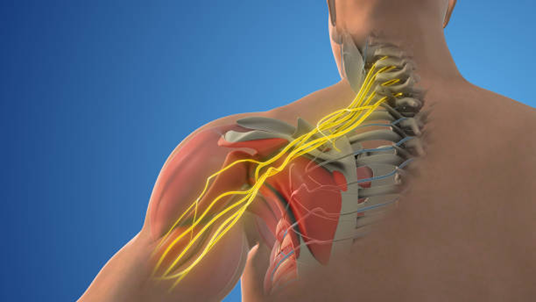
Arm Weakness
One arm may appear limp or weak.
Limited Movement
The baby may not be able to move the affected arm or hand fully.
Muscle Atrophy
In severe cases, the muscles of the arm may begin to shrink due to lack of use.
Absent Reflexes
Reflexes, like the Moro reflex, may be diminished or absent on the affected side.
Abnormal Position
The arm may hang by the side or may be turned inward.
Types of Brachial Plexus Injury
Stretch (Neurapraxia)
The most common type, where the nerve is stretched but not torn. This usually heals on its own over time.
Rupture
The nerve is torn but not at the root. Surgery may be necessary to repair it.
Avulsion
The nerve is torn from the spinal cord, which may require more complex surgical intervention.
Neuroma
Scar tissue forms on the nerve, which can be repaired surgically if necessary.
Diagnosis and Early Evaluation
Physical Exam
Doctors assess the baby’s reflexes and ability to move the arm and hand.
Imaging
MRI may be used to evaluate the extent of the nerve damage.
Electromyography (EMG)
This test can assess the electrical activity of muscles to determine nerve function.
Timing
Early diagnosis is crucial as nerve damage that occurs early can often be treated more successfully.
Dr. Leena Jain advises,
“Patience is key during the recovery process. Avoid any unnecessary tugging or pressure on the earlobe to ensure proper healing.”
Treatment Options for Brachial Plexus Injury
Non-Surgical Treatment:
- Physical Therapy: Essential to maintain muscle function and prevent joint stiffness.
- Splinting: Special devices may be used to help keep the arm in a functional position during the healing process.
- Observation: Many mild cases heal on their own with time, and regular follow-ups help monitor progress.
Surgical Treatment
- Nerve Grafting: If the nerve is ruptured or avulsed, surgery may be required to repair or graft the nerve.
- Tendon Transfers: In cases of significant weakness or paralysis, tendon transfers can restore some function.
Timing for Surgery: Surgery is typically considered if there is no improvement within the first few months after birth.
Dr. Leena Jain advises,
“In many cases, early physical therapy can make a significant difference. Surgery is considered only if there’s no improvement after a few months or if the injury is severe.”
FAQs
1. What is the long-term outlook for babies with brachial plexus injury?
The outlook depends on the severity of the injury. Many babies recover fully with time and physical therapy. In more severe cases, surgery may be required to restore function.
2. How soon can a brachial plexus injury be diagnosed?
Brachial plexus injury can often be diagnosed immediately after birth through physical examination. Early imaging and EMG tests help assess the damage.
3. Can brachial plexus injury be prevented?
While not all cases can be prevented, the use of careful birthing techniques and monitoring during delivery can reduce the risk, particularly for babies with a high birth weight or those in shoulder dystocia.
4. What are the most common treatments for brachial plexus injury in newborns?
The most common treatments include physical therapy, observation, and splinting. Surgery may be needed in more severe cases to repair or graft damaged nerves.
5. Will my baby need surgery?
Not all cases of brachial plexus injury require surgery. Many mild injuries recover with therapy and time, but surgical intervention may be needed for more severe injuries.
