

Brachial Plexus Surgery in Mumbai
Brachial plexus injuries are complex and involve a network of nerves that carry signals from the spinal cord to the shoulder, arm, and hand. Accidents or sports injuries that result in trauma may cause these types of injuries. They cause pain, weakness, or paralysis of the injured upper limb. If left untreated, the injury can have a significant impact on one’s life. Fortunately, because of advanced surgery and expert care, patients with these injuries can regain function and mobility.
Dr. Leena Jain, a renowned Plastic surgeon in Mumbai, explains:
“Brachial plexus injuries are often misunderstood. They can lead to significant physical limitations, but with the right surgical approach, many patients can return to their normal daily activities.”
Struggling with the effects of a brachial plexus injury? Consult with a specialized Plastic surgeon to explore your treatment options and start your recovery today.
Let’s explore the injury, symptoms, and how surgery can help restore function and quality of life.
What is a Brachial Plexus Injury?
A brachial plexus injury occurs when the group of nerves that control movement and feeling in the shoulder, arm, and hand gets damaged. This can happen due to accidents, trauma, or excessive stretching, often seen during childbirth or sports injuries. The severity of the injury can vary widely from mild nerve stretching that heals over time to severe cases where the nerves are torn or detached from the spinal cord, leading to weakness or even paralysis in the affected upper limb, in part or the whole limb.
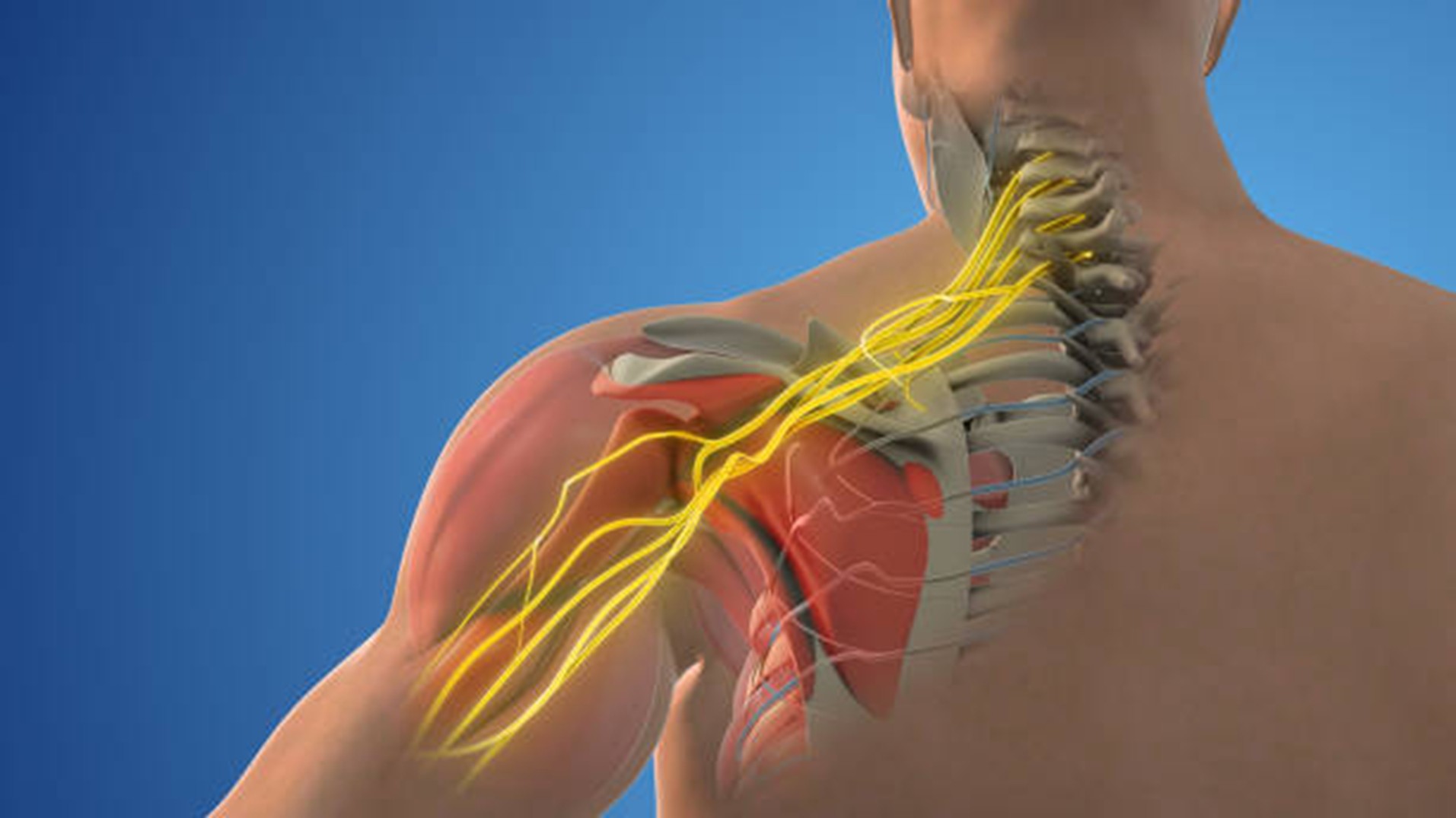
Depending on how severe the damage is, brachial plexus injuries can vary in type and intensity. In more serious cases, surgery may be required to repair the nerves and restore movement. With timely treatment, many patients can recover partial and, in some cases, even full function of the affected limb.
Symptoms to Look Out For
Identifying a brachial plexus injury early on can significantly improve the chances of recovery. Common symptoms to look for include:
Numbness or weakness in the arm, hand, or shoulder
It may be one of the first symptoms of nerve damage, limiting movement and sensation.
Pain or tingling sensations down the arm
Usually felt as a sudden, burning pain or a “pins and needles” feeling.
Limited range of motion or inability to move the arm or hand
This can happen as a result of nerve damage that interrupts control of the muscles. Inability to lift the hand above the shoulder, inability to bend the elbow or make a fist, and the entire limb appears flail and lifeless.
Muscle atrophy or shrinking in the arm and hand
Prolonged and untreated nerve damage may lead to wasting of muscle and weakness.
If you notice these symptoms following an injury, it is crucial to seek medical attention immediately.
Dr. Leena Jain, a skilled Reconstructive surgeon in Mumbai, shares:
“Even mild injuries can lead to long-term consequences if not treated early. The sooner we address these injuries, the better the outcomes for restoring movement and function.”
Here’s what to do next:
When Should You See a Doctor?
If you have any of the symptoms that indicate an injury to the brachial plexus, make sure to see a specialist without delay. Early intervention prevents further damage and improves the chance of successful recovery. Early intervention also means simpler surgeries.
You should see a doctor if:
You have persistent weakness, numbness, paralysis, or pain in the upper limb following an accident or injury.
There’s a significant decrease in movement or strength in your arm, forearm, or hand
You cannot do daily activities because of pain or weakness..
Dr. Leena Jain emphasizes:
“Timely medical evaluation is key to determining the right treatment path, whether it involves physical therapy or surgical intervention.”
Treatment and Surgical Options
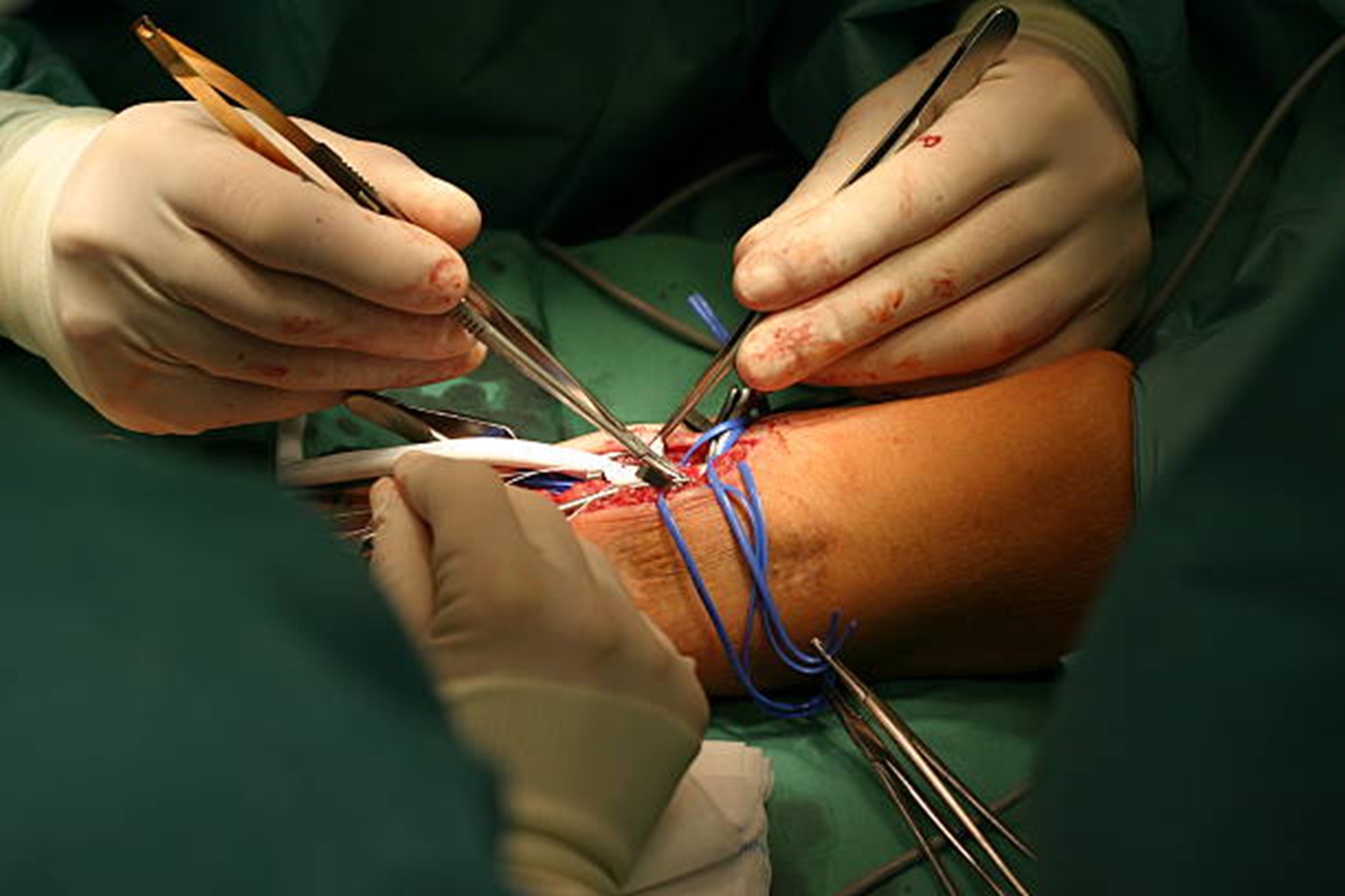
The treatment options for brachial plexus are varied, considering that the injury could sometimes be mild or extremely serious. Mild ones usually get well enough with exercises in physical therapy and rehabilitation, while the serious cases often involve surgical procedures to repair the torn nerves.
Common surgical options include:
Nerve repair surgery: Reconnecting or repairing the torn nerve fibers.
Nerve grafting: Using healthy nerve grafts from other parts of the body to repair the damaged nerves.
Emotional well-being is just as important, and consultations with a counselor or support group may be encouraged to prepare for the emotional aspects of reconstruction.
Muscle transfers: Substitute non-functional muscles with healthy ones to enable better use of limbs.
Now that surgery is complete, the next step is:
Recovery and Rehabilitation
Post-surgery, the recovery process involves both physical therapy and rehabilitation to restore strength, flexibility, and mobility. Patients can expect a gradual improvement over several months as the nerves heal and regrow.
Key recovery milestones include:
Physical therapy: Tailored exercises to rebuild muscle strength and flexibility.
Splinting and orthotics: To prevent contractures and improve hand and arm positioning.
Follow-up care: Ongoing evaluations to track progress and adjust therapy as needed.
Benefits of Surgery
The primary benefit of brachial plexus surgery is the restoration of function, allowing patients to regain the ability to perform daily activities. Surgery can also reduce pain, improve strength, and enhance quality of life.

Additional benefits include:
Regaining use of the arm or hand.
Restoring a sense of independence.
Reducing chronic pain and discomfort.
Dr. Leena Jain, a trusted Reconstructive surgeon in Mumbai, shares:
“Surgical intervention is often life-changing for patients. It restores both physical function and emotional well-being, allowing individuals to reclaim their lives.”
Cost of Brachial Plexus Surgery in Mumbai
The cost of brachial plexus surgery in Mumbai varies depending on the complexity of the injury, the surgical method used, and the hospital’s location. Factors such as rehabilitation, post-operative care, and follow-up treatments also contribute to the total cost.
It’s important to discuss the financial aspects with your healthcare provider to plan effectively.
Why Choose Dr. Leena Jain?
Dr. Leena Jain is a leading Plastic surgeon in Bandra with years of experience in performing successful brachial plexus surgeries. Dr. Jain combines expertise in microsurgery with a compassionate, patient-centered approach, ensuring that every patient receives the highest standard of care.
“I believe in treating the whole patient—body and mind—during the recovery process. Our goal is to restore not just physical function, but also emotional well-being,” says Dr. Leena Jain.
FAQs
1. How long is the recovery time after brachial plexus surgery?
Recovery time varies with the extent of the injury and operation performed. Patients typically show improvement over several months.
2. Will surgery completely restore the function of my arm?
Surgery will restore a lot of function, but it differs with the severity of the injury and nerve healing.
3. Is brachial plexus surgery uncomfortable?
Even with modern surgery and anesthesia, there is still some pain and discomfort in the recovery period. This is managed with medication and physical therapy.
4. Is brachial plexus injury treated by non-surgical methods?
In minor injuries, physical therapy and rehabilitation may be effective in reversing function. More severe cases are reserved for surgery.