
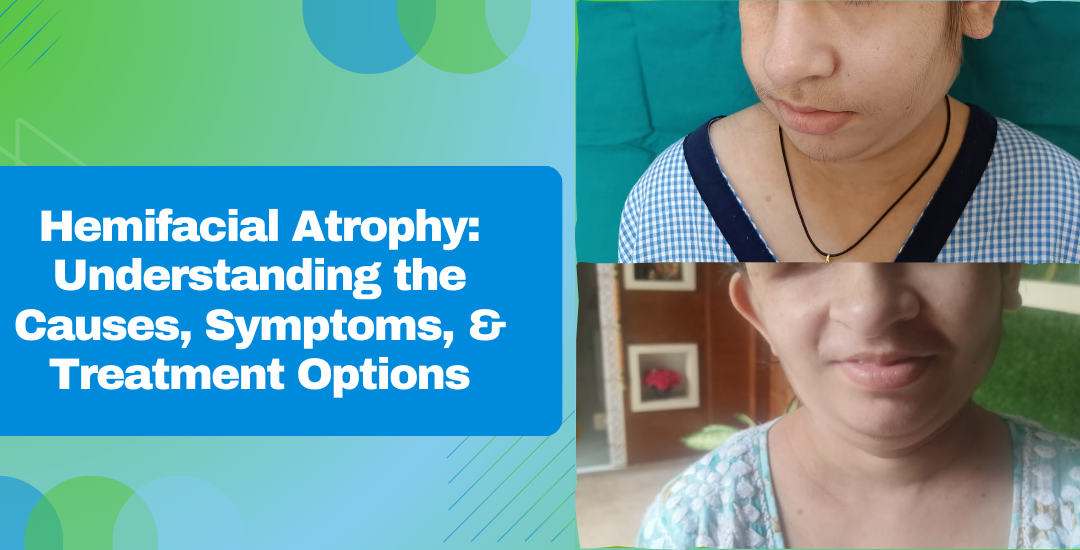
Hemifacial atrophy, also known as Parry-Romberg Syndrome, is a rare condition that leads to the progressive degeneration of the tissues on one side of the face. It can cause noticeable asymmetry, affecting both appearance and function. While this condition is uncommon, it can be emotionally distressing for patients, affecting their self-esteem and quality of life. In this blog, we will explore what hemifacial atrophy is, its causes, symptoms, treatment options, and how to manage this condition.
Dr. Leena Jain, an expert plastic surgeon in Mumbai, shares,
“Understanding hemifacial atrophy and its treatment options is crucial for anyone experiencing this condition. Early diagnosis and personalized care can make a significant difference in the treatment outcomes.”
What is Hemifacial Atrophy?
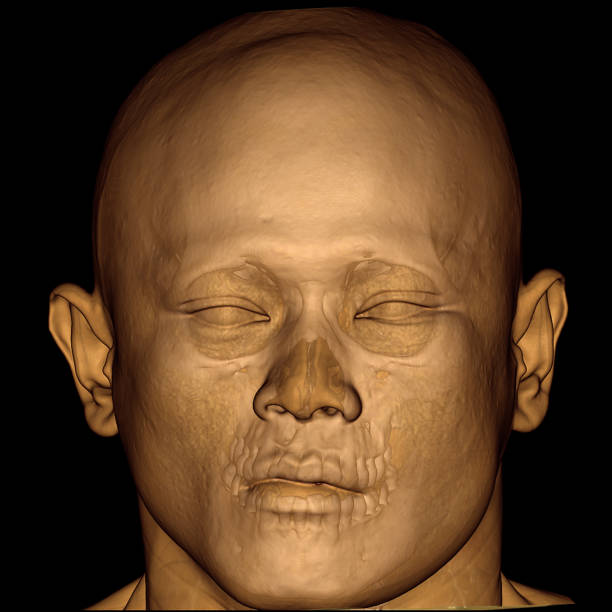
Hemifacial atrophy is a condition that leads to the progressive loss of facial tissues on one side of the face. The atrophy typically affects the skin, fat, and sometimes the muscles and bones. It can lead to noticeable facial asymmetry, making one side of the face appear sunken or more narrow compared to the other.
This condition can progress gradually, and the underlying causes are still not completely understood. In some cases, it can occur alongside other autoimmune conditions, but for many patients, the cause remains idiopathic (without a known cause). Understanding the root cause of hemifacial atrophy is essential for determining the most effective treatment options.
Consult with Dr. Leena Jain, an experienced plastic surgeon in Mumbai, to discuss your options and what to expect from your procedure.
Causes and Risk Factors of Hemifacial Atrophy
The precise cause of hemifacial atrophy is not fully known, but there are several potential risk factors that may contribute to its development:
Autoimmune disorders
Some experts believe that the immune system may mistakenly attack healthy tissues, leading to atrophy on one side of the face.
Trauma or injury
Previous facial injury or surgery can sometimes trigger the condition.
Genetic factors
A family history of hemifacial atrophy may increase the risk, though it is not always inherited.
Infections
Certain viral infections might play a role in the development of hemifacial atrophy.
Symptoms of Hemifacial Atrophy
The primary symptom of hemifacial atrophy is a noticeable facial asymmetry. Other symptoms include:
Facial asymmetry
One side of the face appears more hollow, with noticeable tissue loss.
Loss of skin tone and texture
The skin on the affected side becomes thinner and may appear more aged.
Muscle weakness
As the condition progresses, muscles on the affected side may weaken.
Jaw and dental issues
In some cases, changes in jaw alignment or tooth misalignment can occur.
These symptoms can vary in severity and may worsen over time, impacting both appearance and function.
How is Hemifacial Atrophy Diagnosed?
Diagnosing hemifacial atrophy typically involves a combination of:
Clinical examination
A thorough evaluation of facial asymmetry and signs of tissue loss.
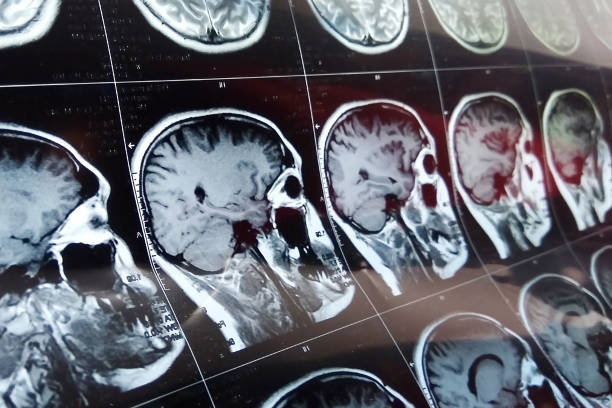
Imaging studies
MRI or CT scans may be used to assess deeper facial structures such as muscles and bones.
Biopsy
In some cases, a skin biopsy may be performed to rule out other conditions.
A plastic surgeon in Mumbai, like Dr. Leena Jain, can help accurately diagnose and evaluate the extent of the condition, advising on the best course of action.
Treatment Options for Hemifacial Atrophy
While there is no cure for hemifacial atrophy, several treatment options can help restore facial symmetry and improve the patient’s appearance and confidence. These include:
Fat Grafting and Dermal Fillers
Fat grafting or dermal fillers are commonly used to restore volume to the affected side of the face.
Surgical Reconstruction
In severe cases, surgical reconstruction may be needed to rebuild the facial structures.
Physical Therapy
Physical therapy may help improve facial muscle tone and function.
Psychological Support
Since hemifacial atrophy can affect self-esteem, psychological support can play an important role in managing the emotional impact of the condition.
Dr. Leena Jain explains,
“The goal of treatment is not just cosmetic improvement but also to restore function and improve the overall quality of life for the patient. A personalized approach is key.”
Are you concerned about your symptoms or need personalized guidance? Schedule a consultation with Dr. Leena Jain, a leading plastic surgeon in Bandra, to get expert advice and ensure your recovery is on track.
Watch Our Expert Videos on Hemifacial Atrophy
For further insights into Hemifacial Atrophy treatment in Mumbai, Dr. Leena Jain has discussed various treatment options and their outcomes in our expert-led videos:
Conclusion
Hemifacial atrophy is a challenging condition, but with the right treatment approach, patients can experience significant improvement in both their appearance and quality of life. If you or someone you know is struggling with this condition, consulting with a qualified plastic surgeon in Mumbai, like Dr. Leena Jain, can help determine the best course of action for restoring facial symmetry and enhancing overall well-being.
Want to learn more about hemifacial atrophy and treatment tips? Contact Dr. Leena Jain for a follow-up consultation to guide you through your recovery and answer any questions you may have.
FAQs
1. What is Hemifacial Atrophy?
Hemifacial atrophy is a rare condition that causes the progressive loss of tissue on one side of the face, resulting in facial asymmetry.
2. What causes Hemifacial Atrophy?
The exact cause is unknown, but it may be linked to autoimmune disorders, trauma, genetic factors, or infections.
3. How is Hemifacial Atrophy treated?
Treatment includes options like fat grafting, dermal fillers, surgical reconstruction, and physical therapy, depending on the severity of the condition. Best and consistent results are seen with surgery- fat grafting or flap reconstruction.
4. Can Hemifacial Atrophy be prevented?
Currently, there is no known way to prevent hemifacial atrophy. Early diagnosis and treatment can help manage the condition.
5. How long does it take to recover from treatment for Hemifacial Atrophy?
Recovery time varies depending on the type of treatment. Surgical recovery can take several weeks to months.