
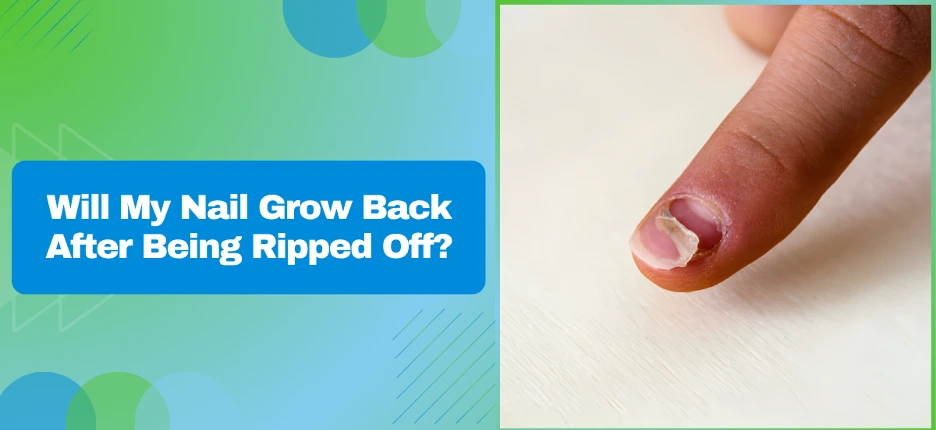
A ripped-off nail is one of the most painful injuries a person can experience. Beyond the immediate pain, the first question most patients ask is: Will it grow back? In most cases, yes — but the outcome depends on how much of the nail bed and nail matrix was damaged. Dr. Leena Jain, a leading plastic surgeon in Mumbai, explains what to expect, how long recovery takes, and when to seek medical care.
Dr. Leena Jain shares,
“Nail avulsion can be distressing, but with the right care and treatment, most patients can expect healthy nail regrowth. Early intervention and proper wound management are key to the best outcomes.”
What Happens When a Nail Is Ripped Off?
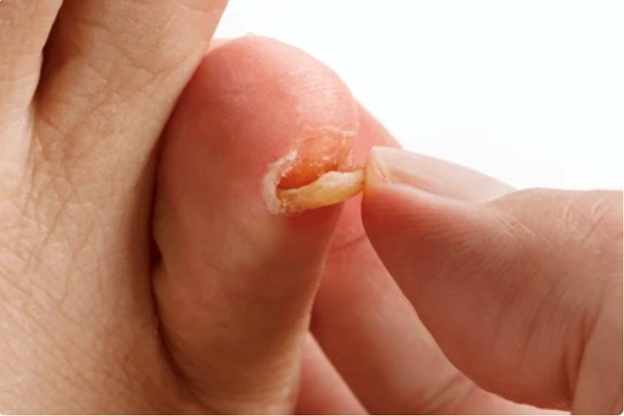
When a nail is ripped off — medically called nail avulsion, it can be partial or complete. The nail bed and nail matrix (the growth centre at the base) are the two critical structures involved. If the nail matrix is undamaged, full regrowth is expected. If it is injured, regrowth may be distorted, delayed, or in rare cases, absent. For related injuries involving fingers, see our blog on If Your Finger Gets Cut Off, Can It Be Reattached?.
Will My Nail Grow Back?
Regrowth depends on the condition of the nail matrix after the injury.
When the Nail Matrix Is Intact
Full regrowth is almost always expected. The nail will emerge gradually from the base and cover the nail bed over the coming months. The new nail may look slightly different in texture at first but usually normalises.
When the Nail Matrix Is Damaged
If the matrix is significantly injured, the nail may grow back ridged, thickened, or deformed. In severe cases, surgical reconstruction by a plastic surgeon in Mumbai may be required to restore the nail bed and optimise regrowth.
You may also find our blog on Nail Growing Under Nail After Injury helpful.
Concerned about your nail injury? Consult Dr. Leena Jain, an expert plastic surgeon in Mumbai, to evaluate the damage and plan the right treatment.
How Long Does It Take for a Nail to Grow Back?
Regrowth timelines differ between fingernails and toenails and are influenced by age, health, and injury severity.
Fingernail Regrowth Timeline
Fingernails grow at roughly 3 to 4 millimetres per month. After a complete avulsion, expect full regrowth in 3 to 6 months.
Toenail Regrowth Timeline
Toenails grow more slowly at about 1.5 millimetres per month, taking 6 to 12 months to fully regrow. The big toenail often takes the longest. Conditions such as an ingrown toenail can further complicate toenail regrowth.
Causes of Nail Avulsion
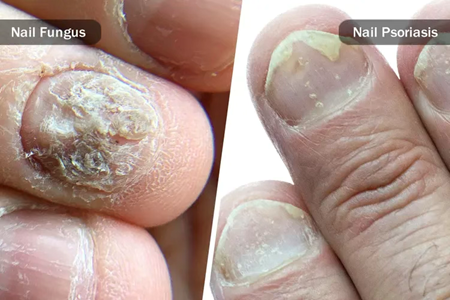
Understanding the underlying cause of your nail avulsion helps in managing the repair process effectively and preventing recurrence:
Traumatic Injury
Door slams, falling objects, or scratching the nail on a surface are the most frequent causes. Sports injuries and workplace accidents are also common. These injuries often require immediate plastic surgery and trauma care.
Fungal or Nail Infections
Severe onychomycosis (fungal nail infection) can weaken and separate the nail from the bed. Treating the underlying infection is essential before healthy regrowth can occur.
Fungal or Nail Infections
Severe onychomycosis (fungal nail infection) can weaken and separate the nail from the bed. Treating the underlying infection is essential before healthy regrowth can occur.
Medical Procedures
Intentional nail removal may be performed to treat ingrown nails or severe infections as part of hand surgery. This controlled avulsion generally has a more predictable regrowth outcome.
Symptoms to Watch After a Nail Is Ripped Off
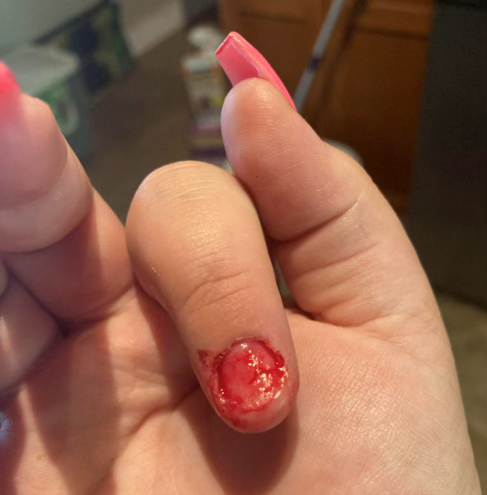
Recognising the symptoms after a nail avulsion is essential for timely treatment. While some signs are a normal part of healing, others may indicate complications that require immediate medical attention:
Bleeding and Pain
Immediate bleeding and intense pain are normal. Apply gentle pressure and keep the area elevated to manage this initially.
Swelling and Redness
Mild swelling and redness around the nail bed are expected during the first few days as part of the body’s natural healing response.
Signs of Infection
Increasing redness, warmth, pus, foul odour, or fever are warning signs of infection. Seek medical attention promptly if any of these develop.
Abnormal Nail Regrowth
Some variation in colour or texture is normal early on. Significant deformity or failure to grow back after several months warrants a consultation with a plastic surgeon in Mumbai.
Concerned about your nail injury? Consult Dr. Leena Jain, an expert plastic surgeon in Mumbai, to evaluate the damage and plan the right treatment.
Looking for expert nail injury treatment in Mumbai? Dr. Leena Jain, a leading plastic and reconstructive surgeon, provides personalised care to help you heal faster and recover better. Book your consultation today.
How Is a Ripped-Off Nail Diagnosed?
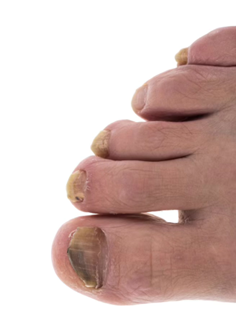
Diagnosing a nail avulsion requires more than a visual inspection. The doctor performs a detailed physical examination of the affected finger or toe, assessing the degree of nail loss and the condition of the nail bed and matrix. If significant trauma is involved, an X-ray is ordered to rule out fractures. The nail bed is also inspected for lacerations and foreign bodies to determine whether conservative care or surgical repair is required. For more on nail structure and health, refer to the Medical News Today.
Treatment Options for Nail Avulsion
While there is no one-size-fits-all solution, several effective treatment options are available based on the severity of the injury. Dr. Leena Jain carefully evaluates each patient and designs a personalised plan to protect the nail bed, prevent infection, and promote the best possible regrowth:
Wound Cleaning and Dressing
The nail bed is thoroughly cleaned and covered with a non-adhesive dressing to protect the tissue and prevent infection. Dressings must be changed regularly as advised.
Nail Bed Repair Surgery
If there are lacerations, surgical repair under anaesthesia is recommended as part of specialist hand surgery. The nail bed is carefully sutured to restore its smooth surface — essential for guiding healthy regrowth.
Nail Reconstruction
In cases of severe matrix or nail bed damage, reconstruction using local flaps or grafts may be required
Dr. Leena Jain explains,
“The goal of treatment is to protect the nail bed, prevent infection, and create the best possible environment for healthy nail regrowth. A personalised approach always yields the best results.”
Home Care Tips After a Nail Is Ripped Off
Proper at-home care plays a crucial role in the healing process and can significantly reduce the risk of infection and complications. Following your doctor’s guidance alongside these simple steps can make a meaningful difference in your recovery:
Keep the Area Clean
Wash gently with mild soap and water daily. Pat dry carefully and avoid scrubbing the nail bed directly.
Apply Antibiotic Ointment
A thin layer of antibiotic ointment (as recommended by your doctor) keeps the wound moist and reduces bacterial infection risk.
Protect with a Bandage
Cover the nail bed with a sterile non-stick dressing. Change it daily or as instructed by your healthcare provider.
Avoid Pressure on the Area
Rest the injured digit. Avoid tight footwear on injured toes and protect fingertips from pressure during daily activities.
Are you concerned about your symptoms? Schedule a consultation with Dr. Leena Jain, a leading plastic surgeon in Bandra, to get expert advice and ensure your recovery is on track.
When Should You See a Doctor?
Seek medical attention if bleeding does not stop within 15 to 20 minutes, if the nail bed is deeply cut, if bone is visible, if signs of infection develop, or if the nail does not grow back normally after several months. A plastic surgeon in Mumbai can accurately assess the damage and provide targeted treatment.
Keep the Area Clean
Wash gently with mild soap and water daily. Pat dry carefully and avoid scrubbing the nail bed directly.
Apply Antibiotic Ointment
A thin layer of antibiotic ointment (as recommended by your doctor) keeps the wound moist and reduces bacterial infection risk.
Protect with a Bandage
Cover the nail bed with a sterile non-stick dressing. Change it daily or as instructed by your healthcare provider.
Avoid Pressure on the Area
Rest the injured digit. Avoid tight footwear on injured toes and protect fingertips from pressure during daily activities.
FAQs
1. Will my nail always grow back after being ripped off?
In most cases, yes. If the nail matrix is intact, full regrowth is expected. Significant matrix damage may result in partial or absent regrowth.
2. How long does it take for a ripped-off nail to grow back?
Fingernails take 3 to 6 months; toenails take 6 to 12 months, depending on injury severity and overall health.
3. What should I do immediately after my nail is ripped off?
Apply gentle pressure to stop bleeding, rinse with clean water, apply antibiotic ointment, cover with a sterile bandage, and seek medical attention promptly.
4. Can a damaged nail matrix be treated?
Yes. A plastic surgeon can surgically repair the nail matrix and nail bed to improve the chances of healthy regrowth. Early intervention gives the best outcomes.
5. When should I see a doctor for a ripped-off nail?
See a doctor if bleeding is uncontrolled, if bone is visible, if infection signs develop, or if the nail fails to grow back normally after several months.
Conclusion
A ripped-off nail is a painful experience, but with timely care and the right medical attention, most patients can expect healthy regrowth. Protecting the nail bed, preventing infection, and seeking expert evaluation when needed are the cornerstones of recovery. If you or someone you know is dealing with this injury, Dr. Leena Jain is here to help you every step of the way.