
Finger Replantation Surgery in a Young Engineering Student
Patient Profile
| Age | 20 years |
| Gender | Male |
| Background | Engineering student |
| Presenting Complaint | Amputation of finger while cleaning a bicycle chain |
| Diagnostic Method | Clinical assessment |
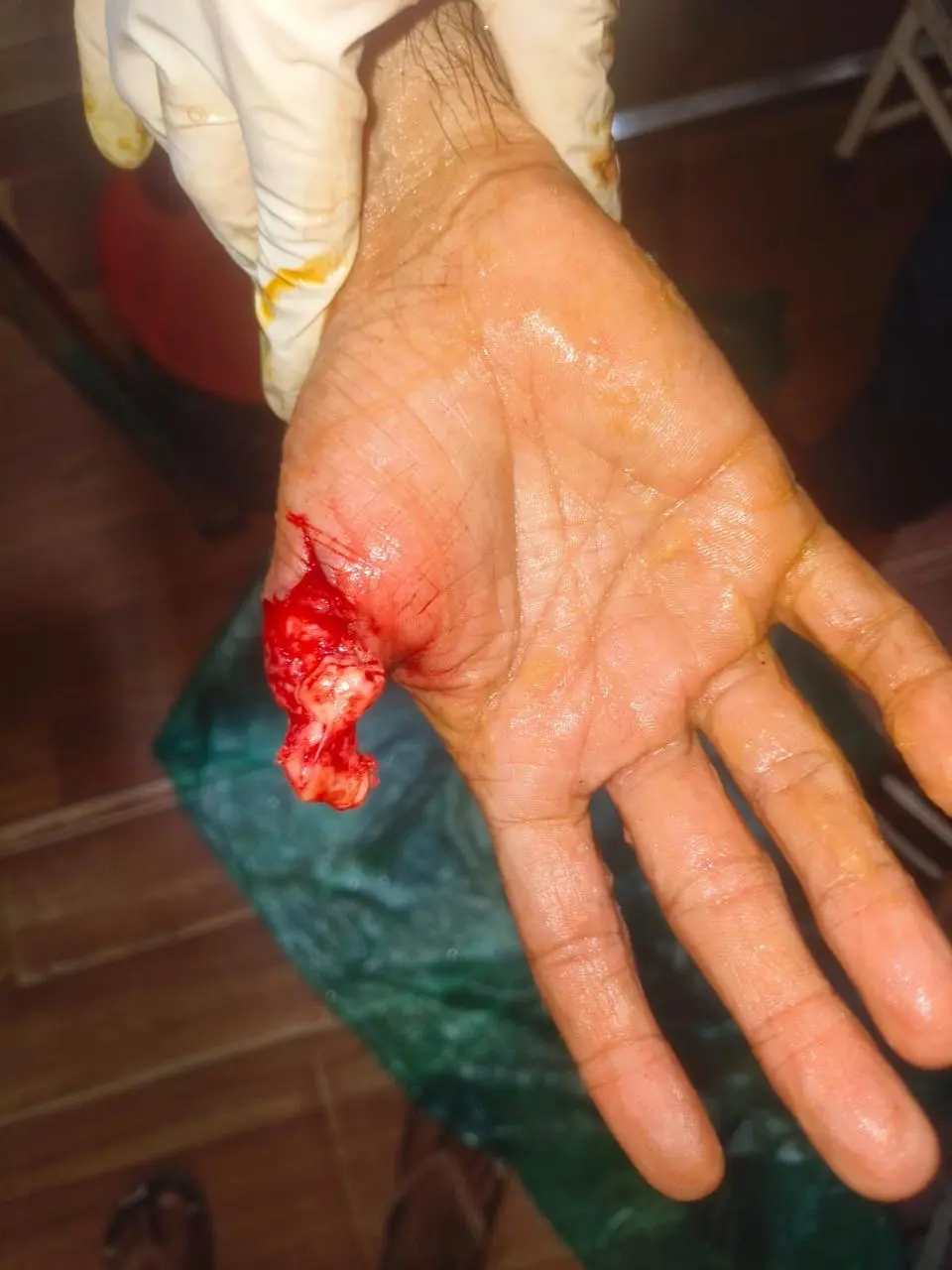
| Diagnosis | Finger amputation |
| Treatment | Replantation surgery |
| Outcome | Finger reattached successfully with full function and good range of movement |
Patient identity withheld per confidentiality guidelines (referred to as Mr. B).
The Problem
Mr. B, a 20-year-old engineering student, presented with an amputation of his finger sustained while cleaning the chain of his bicycle. He was evaluated by Dr. Leena Jain at Plastikos Clinic, and on clinical assessment, the injury was diagnosed as a finger amputation, with replantation surgery identified as the appropriate treatment.
Injuries involving bicycle or machinery chains are a recognised mechanism of finger amputation, since the chain and sprocket can trap and sever a digit during routine cleaning or maintenance. Clinically, such injuries are assessed to determine the level of amputation and whether the amputated segment and the remaining stump are suitable for reattachment.
About Finger Amputation and Replantation (General Information)
Finger amputation refers to the complete separation of a digit, or part of it, from the hand. Once diagnosed, the treating surgeon evaluates whether replantation, that is, reattachment of the amputated part, is a viable option.
Replantation surgery is a reconstructive procedure in which the amputated segment is rejoined to the hand. It generally involves:
- Stabilising the bone to restore the skeletal framework of the finger
- Repairing the tendons responsible for bending and straightening the digit
- Reconnecting blood vessels to restore circulation to the reattached part
- Repairing nerves to allow the return of sensation over time
- Closing the skin to complete the reattachment
The objective of replantation, where clinically suitable, is to restore both the physical structure and the functional capacity of the finger, rather than to manage the injury by amputation alone.
Treatment Plan
Following clinical assessment, Dr. Leena jain planned a replantation surgery to reattach the amputated finger. Replantation, as a surgical approach, involves reattaching the amputated segment to the hand with the aim of restoring both the structure and the function of the finger.
As a general principle in replantation surgery, the treatment plan is guided by the level of the amputation, the condition of the amputated part, and the structures that require repair, namely bone, tendon, vessels, and nerves, in order for the reattached digit to survive and regain use.
Procedure
The treatment carried out for Mr. B was replantation surgery, performed by Dr. Leena Jain at Lilavati Hospital/Plastikos Clinic.
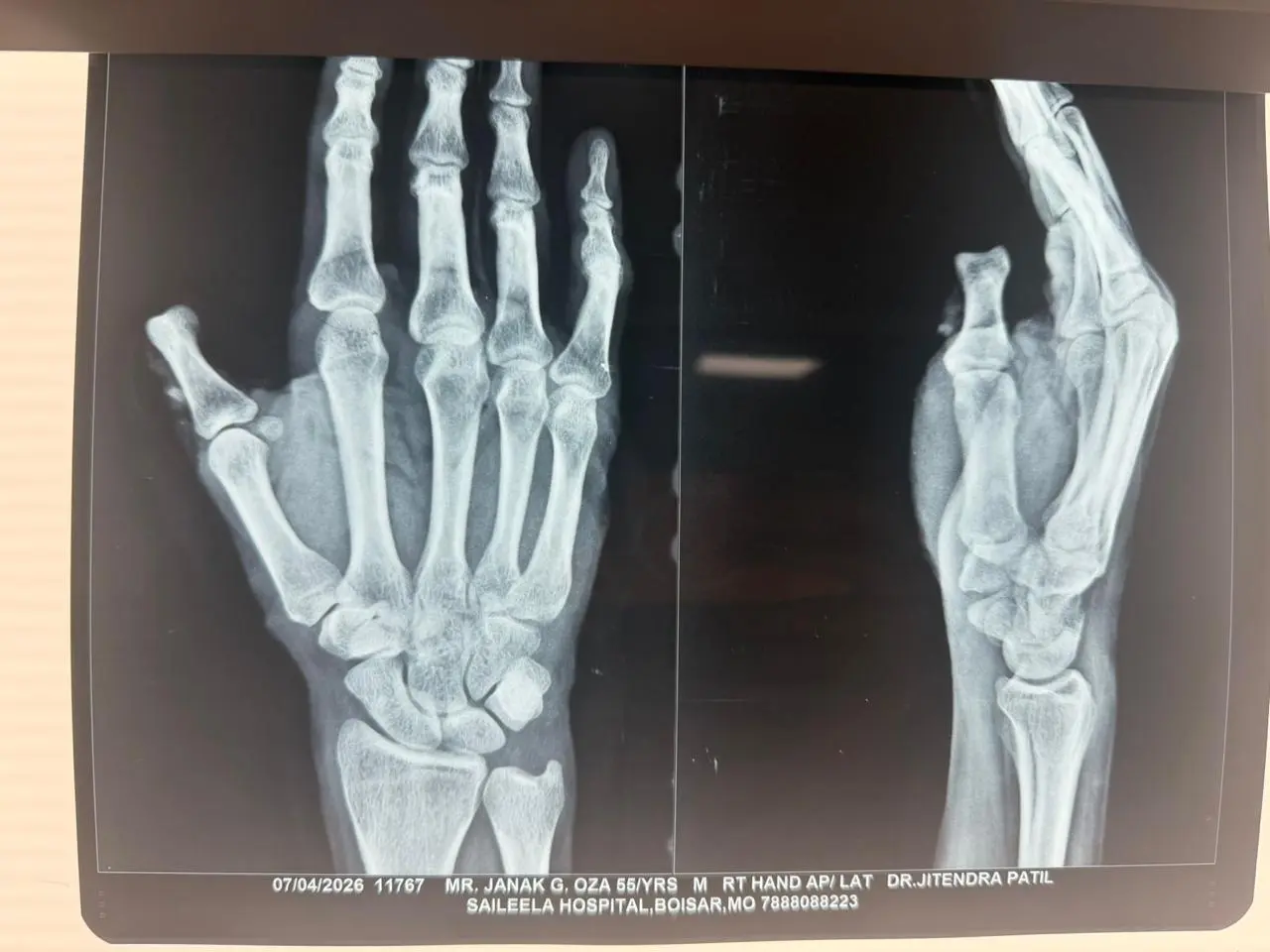
How Replantation Surgery Is Generally Performed
In general, replantation surgery for a finger amputation follows a structured sequence:
- The amputated part and the stump are prepared and examined to identify the structures requiring repair
- The bone is stabilised to re-establish the length and alignment of the finger
- The tendons are repaired to restore movement
- The blood vessels are repaired under magnification to restore blood supply to the reattached finger
- The nerves are repaired to support the return of sensation
- The skin is closed to complete the procedure
This general sequence reflects the standard approach to finger replantation and is provided here as background information on the type of surgery performed for Mr. B, rather than as a detailed account of his specific operative course.
Outcome
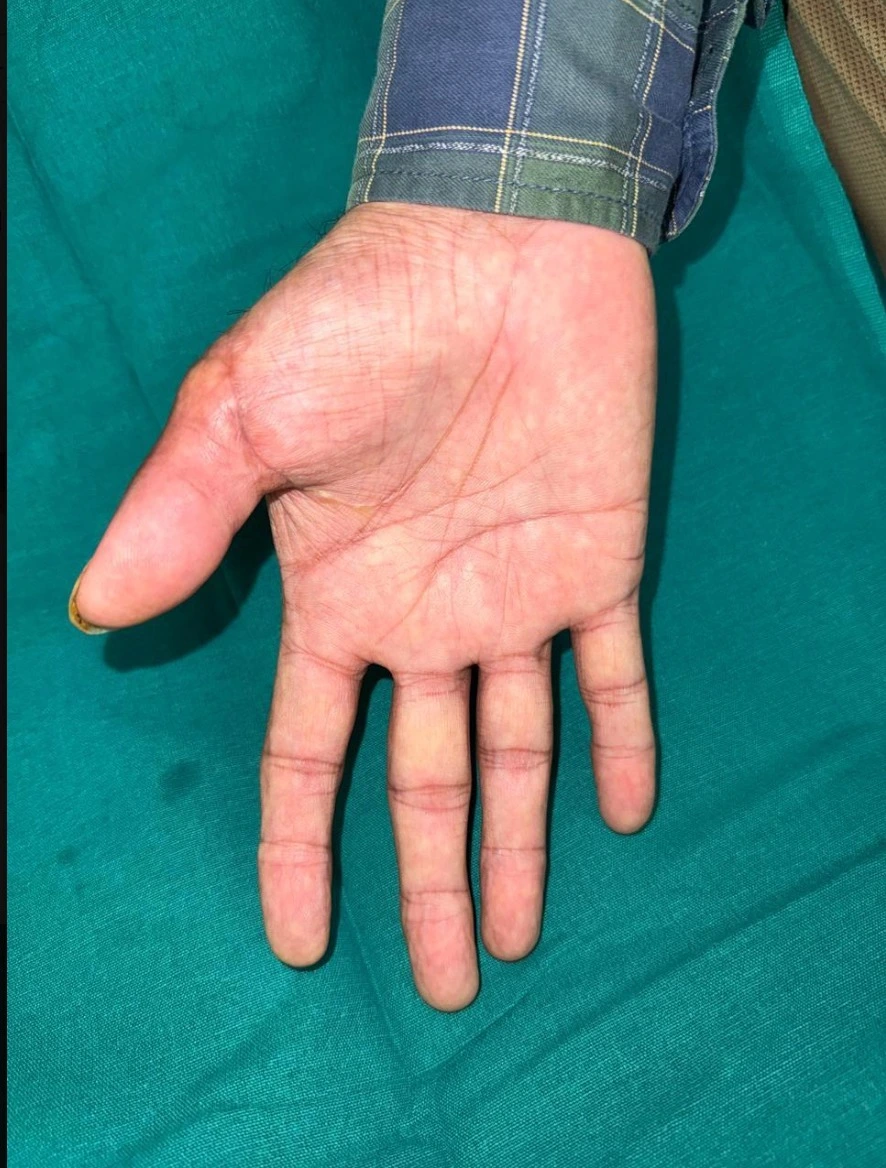
The surgery resulted in the finger being reattached successfully. The outcome recorded was full function and good range of movement in the reattached finger.
Outcomes at a Glance
| Outcome Metric | Result |
| Finger Reattachment | Successful |
| Function | Full function |
| Range of Movement | Good |
Long-Term Expectation
The long-term expectation for this patient is normal sensation and movement in the reattached finger.
In replantation surgery generally, sensation and fine movement in a reattached digit tend to improve gradually as the repaired nerves and tissues recover, and the extent of this recovery is monitored over subsequent follow-up visits.
Patient Feedback
The patient reported being very satisfied with the saved finger.
Profile: Male · 20 years · Engineering student
Procedure: Replantation surgery · Performed by Dr. Leena Jain · Lilavati Hospital/Plastikos Clinic
Related Case Study: Hidradenitis Suppurativa of the Underarm — Wide Excision and Flap Reconstruction
FAQs
Q1. What is finger replantation surgery?
Finger replantation is a surgical procedure to reattach a finger that has been amputated. It generally involves stabilising the bone, repairing the tendons, reconnecting the blood vessels, and repairing the nerves to restore the structure and function of the digit.
Q2. How is a finger amputation from a chain injury typically assessed?
A finger amputation is assessed clinically to determine the level of the injury and the condition of the amputated part and the stump, which together guide whether replantation is a suitable treatment option.
Q3. What was the outcome for this patient?
The patient’s finger was reattached successfully, with full function and a good range of movement.
Q4. What is the long-term expectation after this surgery?
The long-term expectation is normal sensation and movement in the reattached finger.
Q5. Where was this treatment carried out?
The treatment was carried out by Dr. Leena Jain at Lilavati Hospital/Plastikos Clinic.