
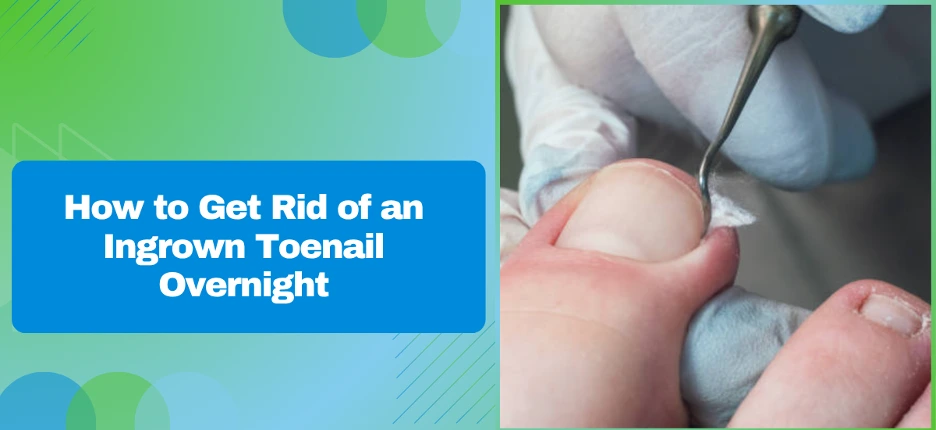
An ingrown toenail occurs when the edge or corner of the nail grows into the surrounding skin, causing pain, swelling, and tenderness. It is one of the most common nail conditions and can range from mildly uncomfortable to severely painful if left unaddressed.
Many people search for fast relief hoping to resolve the problem overnight. While complete resolution in a single night is rarely possible, the right steps taken promptly can significantly reduce pain, prevent infection, and support faster healing.
Dr. Leena Jain, a leading plastic surgeon in Mumbai, shares, “An ingrown toenail may seem like a minor issue, but it can escalate quickly especially if infection sets in. Knowing what to do at home and, more importantly, when to seek professional care can make a significant difference in how quickly and safely it resolves.”
What Is an Ingrown Toenail?
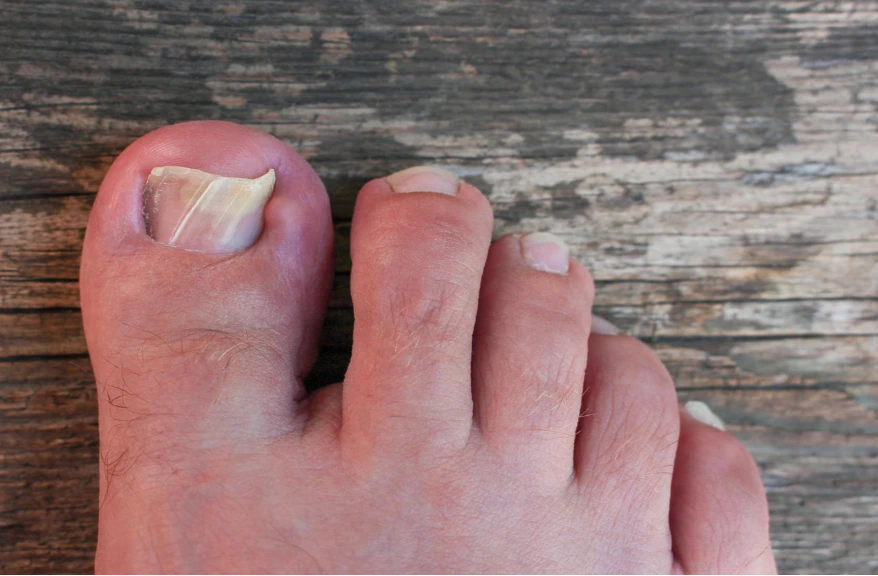
An ingrown toenail medically known as onychocryptosis occurs when the nail edge digs into the soft tissue of the toe rather than growing over it. The big toe is most commonly affected, typically at one or both corners of the nail. It can be caused by improper nail trimming, tight footwear, injury, or a naturally curved nail shape.
Can You Really Get Rid of an Ingrown Toenail Overnight?
The short answer is not completely, but significantly. Overnight care can reduce pain and swelling, prevent infection from worsening, and create the conditions for faster healing. What you cannot do overnight is force the nail to grow in a different direction. That takes days to weeks, depending on severity. However, prompt and correct home care can make a meaningful difference before a medical review is needed.
Home Remedies to Relieve Ingrown Toenail Pain Overnight
These steps are appropriate for mild to moderate ingrown toenails where there is no visible pus, no spreading redness, and no severe swelling.
Warm Salt Water Soak
Gently Lift the Nail Edge
Apply an Antiseptic and Bandage
Wear Open-Toed or Loose Footwear
Warning Signs You Should Not Ignore
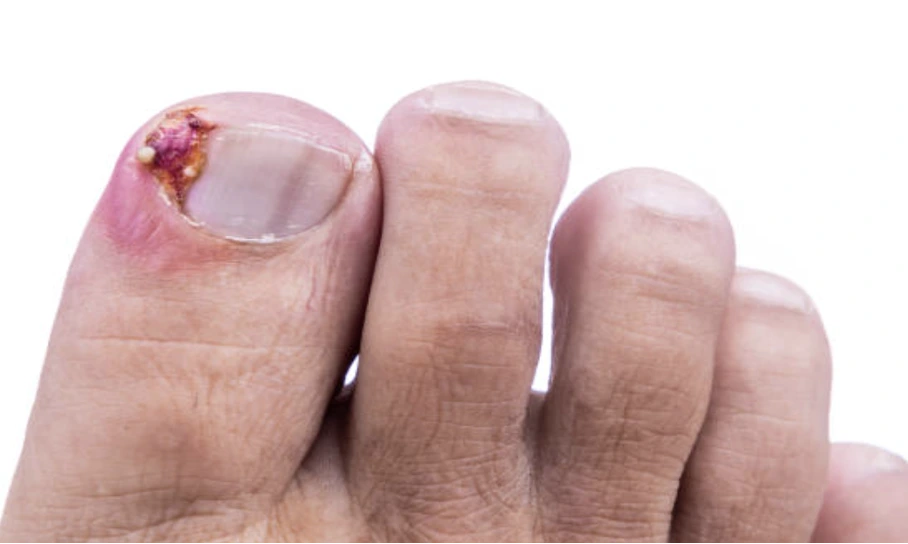
Signs of Infection
If you notice any of the following, do not delay medical evaluation:
- Pus or discharge oozing from around the nail
- Redness spreading beyond the immediate nail area
- Increasing warmth and swelling in the toe
- Fever alongside toe pain
- A foul smell from the affected nail
Infection around an ingrown toenail can spread to the surrounding tissue and in serious cases reach the bone, a condition that requires urgent medical care. Patients with conditions affecting wound healing should also be aware of risks related to diabetic ulcer complications if the toe is not healing as expected.
Recurring Ingrown Toenails
Diabetic Patients: Extra Caution Required
When Home Remedies Are Not Enough: Medical Treatment Options
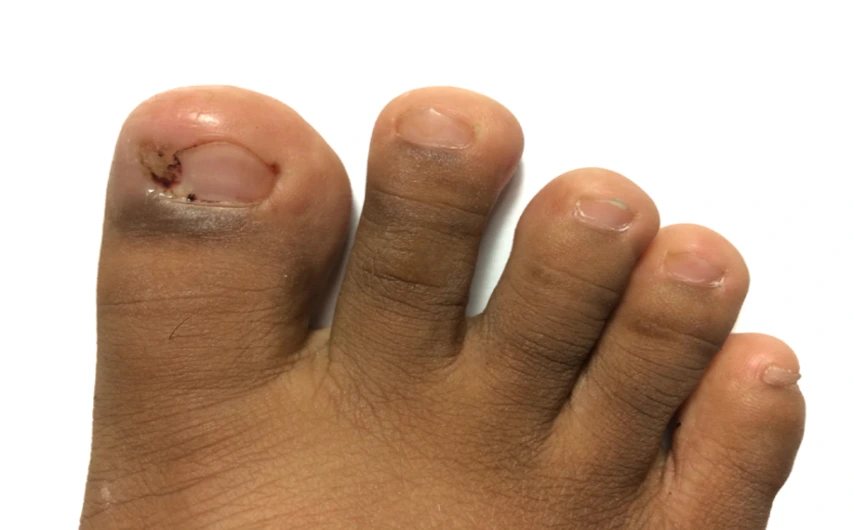
Partial Nail Avulsion
Surgical Nail Correction
In cases where the nail repeatedly grows inward due to its natural shape, a more definitive surgical procedure may be recommended. This involves removing a portion of the nail matrix, the tissue responsible for nail growth so the problematic nail edge does not regrow. This is a permanent solution for chronic sufferers and is performed by a plastic and reconstructive surgery specialist under local anaesthesia.
How to Prevent Ingrown Toenails from Coming Back
Prevention is far easier than treatment. Following these simple habits consistently can significantly reduce the risk of recurrence:
- Trim toenails straight across never curve them at the edges or cut them too short
- Keep nails at a moderate length, not so short the skin can fold over the edge
- Wear well-fitting footwear that does not compress the toes
- Keep feet clean and dry to prevent bacterial growth around the nails
- Inspect your feet regularly, especially if you have diabetes or poor circulation
- Avoid repetitive trauma to the toes from tight sports shoes
According to guidance published by the American Academy of Dermatology, cutting nails straight across and wearing properly fitting shoes are the two most effective preventive measures for ingrown toenails.
Why Choosing the Right Specialist Matters
While many ingrown toenails are managed by general physicians or podiatrists, cases involving infection, nail bed damage, recurring structural problems, or complications in high-risk patients such as diabetics require the expertise of a plastic and reconstructive surgeon.
Dr. Leena Jain is a highly experienced plastic surgeon in Mumbai with deep expertise in hand and foot surgery, wound care, and reconstructive procedures. Patients dealing with complex nail conditions, recurring ingrown toenails, or associated wound complications benefit from her precise surgical approach and comprehensive aftercare.
As noted in a clinical review published by the National Institutes of Health, surgical nail avulsion with matrix ablation offers the highest long-term success rate for chronic and recurrent ingrown toenails.
Conclusion
While you may not be able to fully eliminate an ingrown toenail overnight, taking the right steps — soaking, gentle lifting, antiseptic application, and pressure relief can provide meaningful pain relief and prevent the condition from worsening. However, if signs of infection appear or the problem keeps recurring, professional treatment is the safest and most effective path to lasting relief.
FAQs
Can an ingrown toenail go away on its own overnight?
Is it safe to cut an ingrown toenail at home?
How long does it take for an ingrown toenail to heal?
When should I see a doctor for an ingrown toenail?
Can ingrown toenails come back after surgery?
References —
- American Academy of Dermatology — Ingrown Toenail Prevention and Care: https://www.aad.org/public/everyday-care/nail-care-secrets/basics/ingrown-toenails
- National Institutes of Health — Surgical Treatment of Ingrown Toenails: https://www.ncbi.nlm.nih.gov/pmc/articles/PMC6462491/
