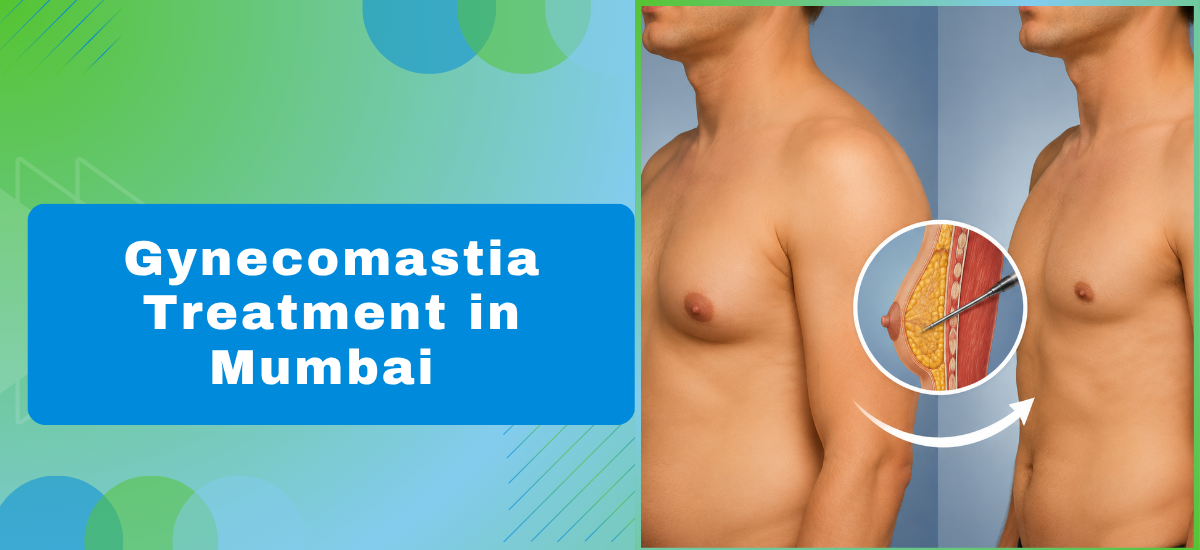
Gynecomastia is the medical term for enlarged breast tissue in men, caused when testosterone drops in proportion to estrogen. It can appear on one side or both, presenting as firm glandular tissue, excess fat, or a combination of the two. Most men notice the change...
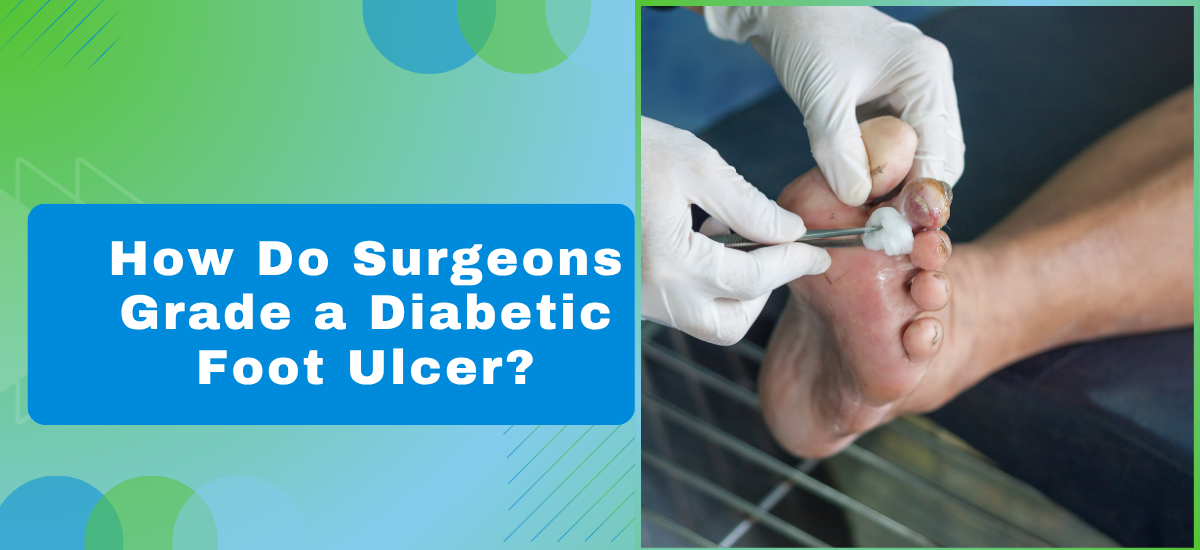
Surgeons grade a diabetic foot ulcer by assessing its depth, the presence of infection, and the blood supply to the area. Grading puts the ulcer on a scale that guides treatment and predicts the risk of amputation. Two systems dominate. The Wagner scale, which focuses...
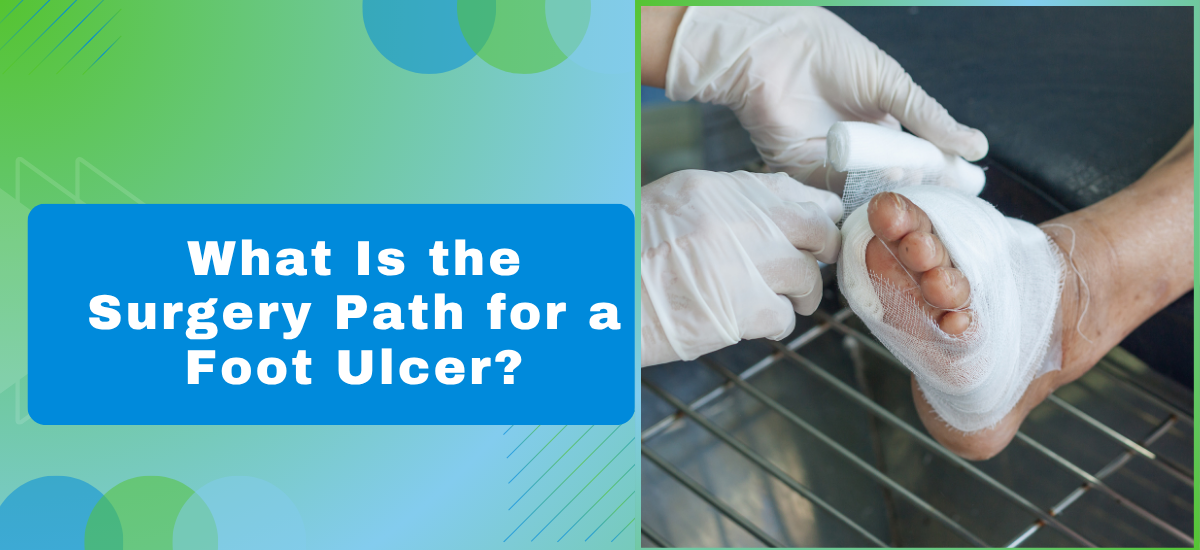
The surgery path for a foot ulcer follows a clear sequence. First debridement to remove dead tissue, then infection control, and finally reconstruction to close the wound. Surgery becomes necessary when an ulcer won’t heal with dressings and offloading alone,...
The surgery path for a foot ulcer follows a clear sequence. First debridement to remove dead tissue, then infection control, and finally reconstruction to close the wound. Surgery becomes necessary when an ulcer won’t heal with dressings and offloading alone,...
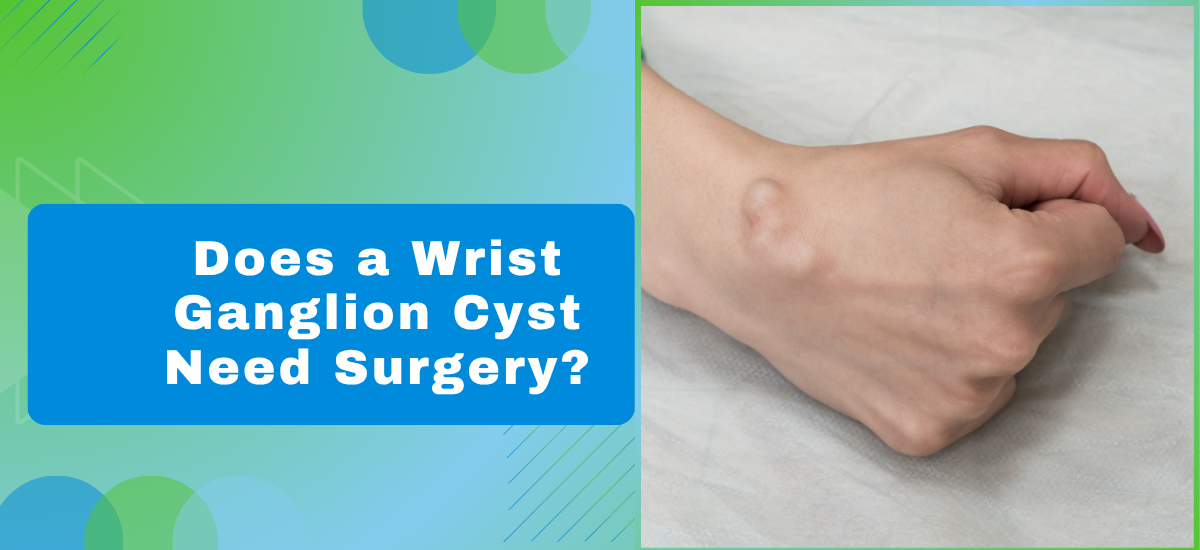
Often, no. A wrist ganglion cyst frequently needs no surgery at all, and many resolve on their own without treatment. Surgery becomes an option only when the cyst causes pain, limits movement, or affects the use of the hand. A ganglion is a fluid-filled lump that...
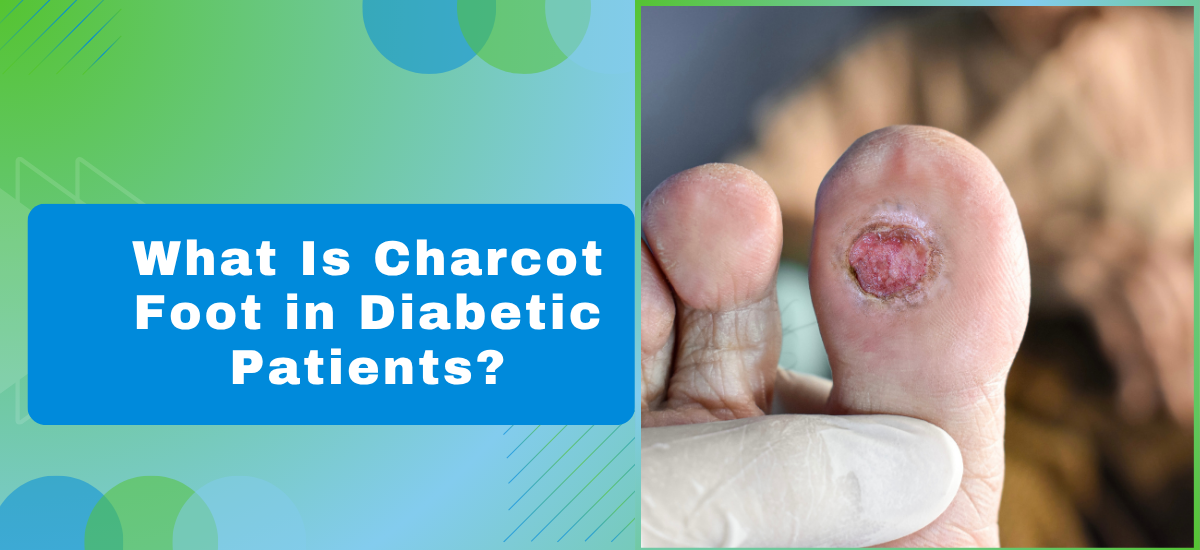
Charcot foot is a serious diabetic complication. The bones in the foot weaken, fracture, and slowly collapse, often with no pain at all. Why no pain? Nerve damage from diabetes hides the injury, so the foot keeps taking weight while the bones break down underneath....