
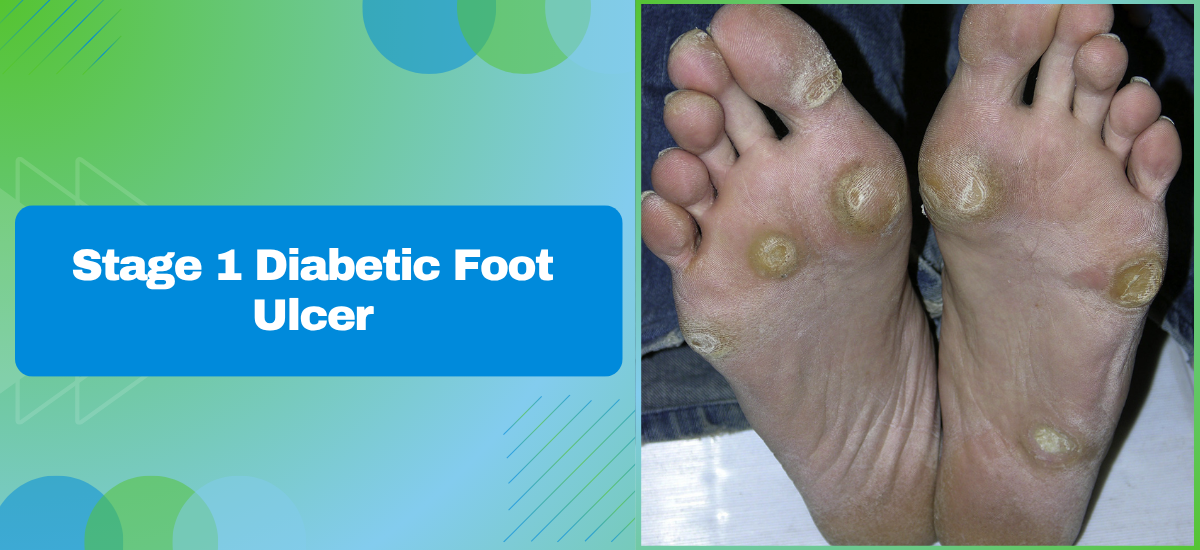
A stage 1 diabetic foot ulcer is the earliest true break in the skin, staying limited to the top layers, the epidermis and dermis, without reaching tendon, bone, or joint. Superficial by definition. But in a diabetic patient, that doesn’t automatically mean harmless. Poor blood sugar control or compromised circulation can turn even a shallow wound into something more serious within days. So catching it right here, at stage 1, is genuinely the best position to be in.
According to Dr. Leena Jain, plastic surgeon in Mumbai, “A stage 1 ulcer is a warning, not a crisis yet. But diabetic feet rarely give a second warning. Treat it now, or you’re likely dealing with something deeper in a matter of weeks.”
How Do You Recognize a Stage 1 Diabetic Foot Ulcer?
The signs are subtle at first. That’s exactly why so many go unnoticed until they’re worse.
- Shallow Open Wound: Skin breaks through, but the base doesn’t expose tendon, bone, or deep tissue. Often written off as a minor scrape.
- Reduced or Absent Pain: Diabetic neuropathy dulls sensation, so a lot of patients simply don’t feel the wound forming.
- Location on Pressure Points: Usually shows up under the heel, ball of the foot, or over a bony prominence. Repetitive pressure is the trigger here.
- Mild Redness Around the Edges: Some inflammation is expected at this stage. Spreading warmth or redness isn’t, and that needs urgent attention.
Left alone, this stage doesn’t stay put for long in diabetic patients. Proper diabetic ulcer treatment at this point often prevents the need for anything more invasive down the line.
Why Does Treating It Early Matter So Much?
Because the options shrink fast once the wound goes deeper.
- Faster Healing Window: Superficial wounds usually respond well to offloading and basic wound care. Deeper ulcers need debridement, sometimes surgery.
- Lower Infection Risk: Bone and joint involvement carry an infection risk a stage 1 ulcer simply doesn’t have yet.
- Amputation Risk Stays Low: Most amputations trace back to ulcers left untreated past this early stage, not ones caught here.
- Room to Manage Blood Sugar Around It: A small wound gives you more breathing room to adjust glycemic control without racing against tissue loss.
Stage 1 sits at the shallow end of a scale that goes much deeper from here. Understanding how surgeons grade a diabetic foot ulcer helps put this stage in context against what follows.
Why Choose Dr. Leena Jain for Diabetic Foot Ulcer Treatment?
Dr. Leena Jain brings over seven years of reconstructive microsurgery experience, with fellowship training from Hanyang University, Seoul, and Ludwig Maximilian University, Munich. Her approach to diabetic foot ulcers centers on catching problems at the earliest possible stage, before deeper tissue is ever at risk.
She works closely with each patient’s diabetes management team, because wound care and blood sugar control aren’t two separate problems here. They’re one problem, and treating them apart rarely works. Early intervention, done properly, is what keeps a stage 1 ulcer from turning into a limb-threatening one. Call +91 9820991853 to get a wound assessed before it progresses.
Spotted a small sore on your foot that isn’t healing? Get it checked before it becomes something more.
FAQs
Can a stage 1 diabetic foot ulcer heal on its own?
Sometimes, with offloading and proper wound care. Never assume it will.
How long does a stage 1 ulcer take to heal?
Typically two to four weeks with proper offloading and wound care.
Does a stage 1 ulcer need antibiotics?
Not usually, unless signs of infection appear around the wound.
What causes a stage 1 ulcer to progress?
Continued pressure, poor glucose control, or delayed treatment.
Disclaimer: This blog is for educational purposes only. If you have diabetes and notice any open sore on your foot, consult a qualified wound care or plastic surgeon right away rather than waiting to see if it heals on its own.
