
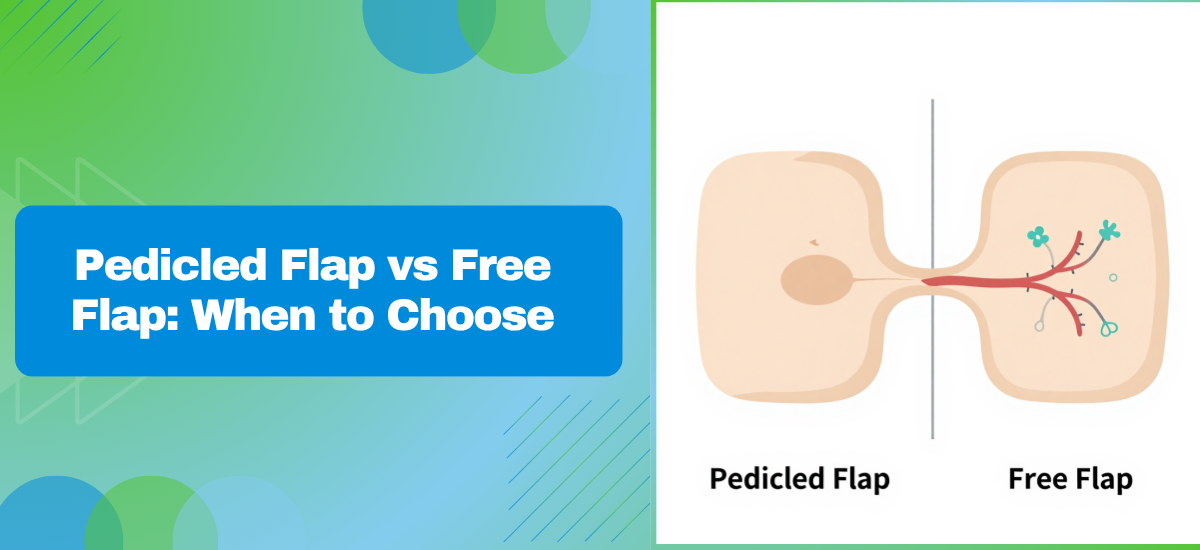
What Is a Pedicled Flap and When Is It Preferred Over a Free Flap?
A pedicled flap is a section of tissue moved to a nearby defect while staying attached to its original blood supply through a vascular pedicle, which means the vessels don’t need to be cut and reconnected. It’s preferred over a free flap when the defect is...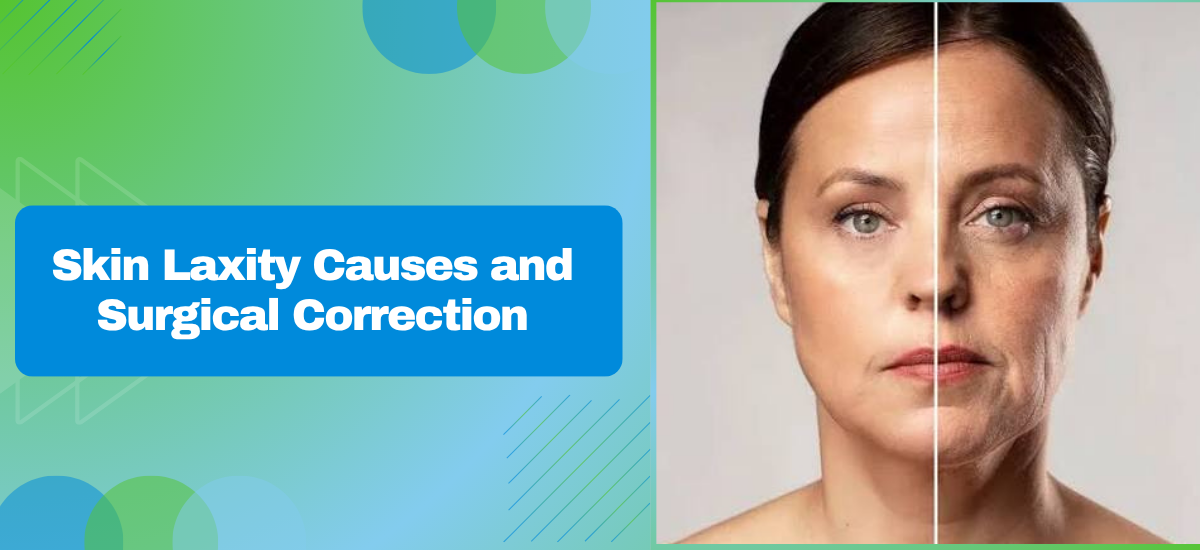
What Causes Skin Laxity and How Is It Surgically Corrected?
Skin laxity is caused by gradual loss of collagen and elastin from aging, sun damage, significant weight loss, pregnancy, and genetic factors, all of which reduce the skin’s ability to spring back into shape. Surgical correction removes the excess skin and...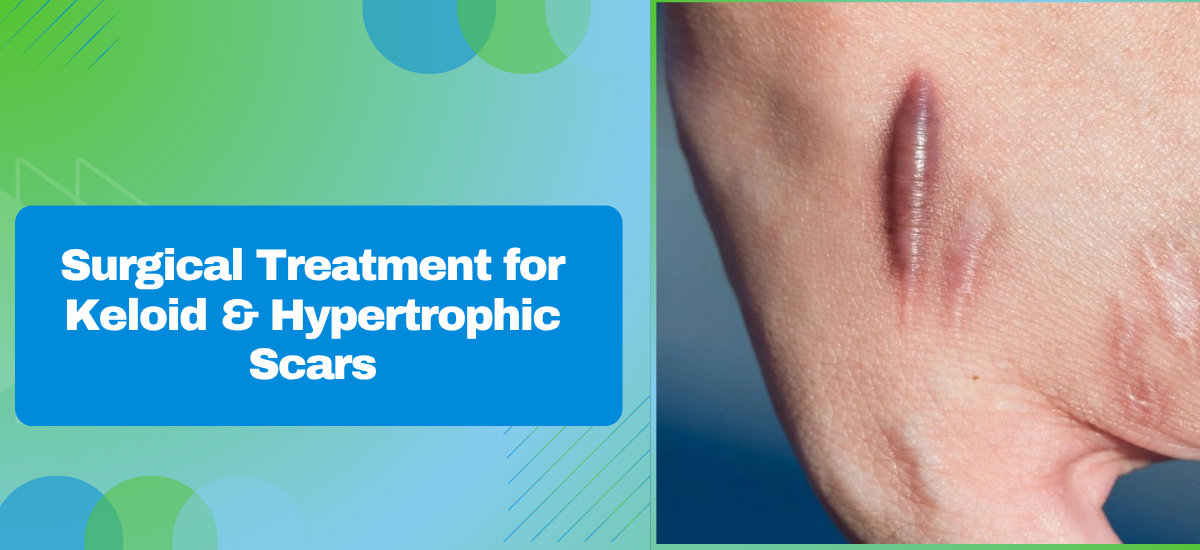
Can Keloid and Hypertrophic Scars Be Surgically Treated?
Keloid and hypertrophic scars can be surgically treated, but surgery alone often isn’t enough because both scar types tend to recur, particularly keloids. Treatment usually combines excision with injections, pressure therapy, silicone sheets, or radiation to...