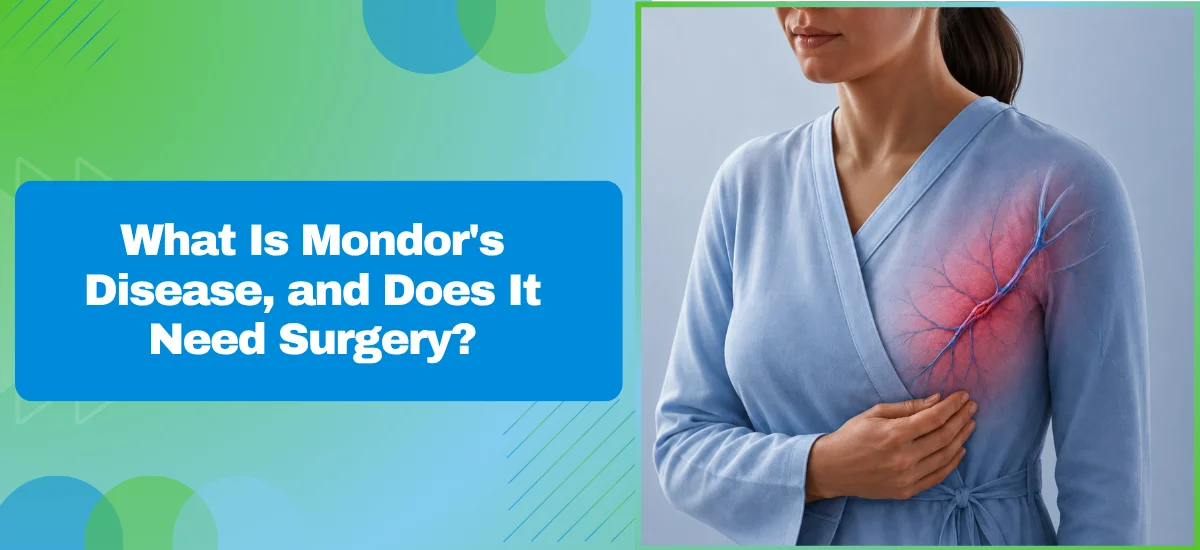
What Is Mondor’s Disease, and Does It Need Surgery?
Mondor’s disease is a rare condition. A vein just under the skin becomes inflamed and forms a small clot, most often across the chest wall or breast. It typically shows up as a firm cord-like ridge that can feel tender or pull when the arm moves. The reassuring...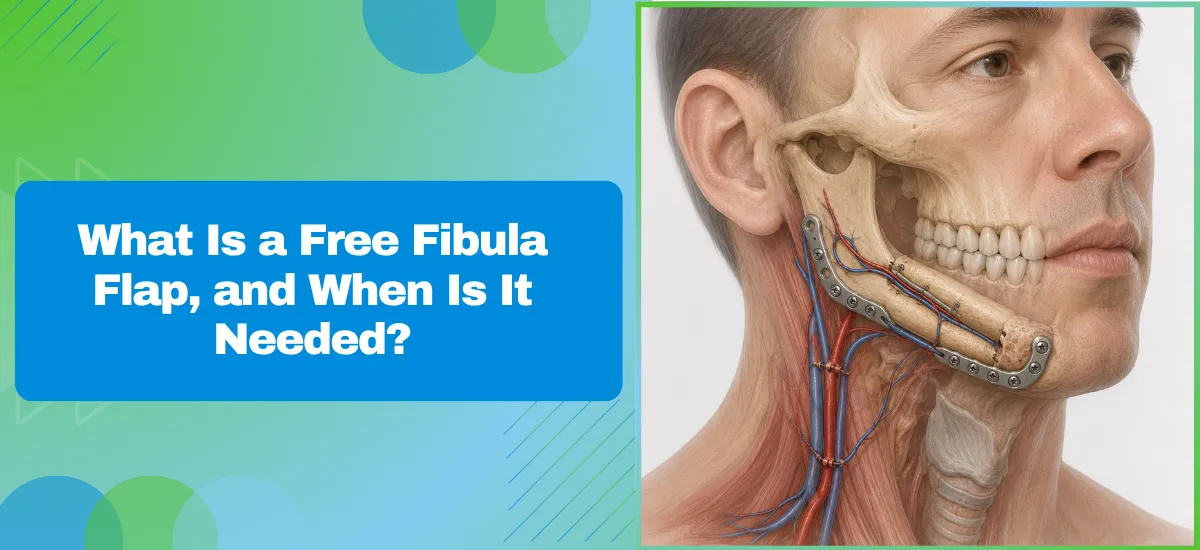
What Is a Free Fibula Flap, and When Is It Needed?
A free fibula flap is a microsurgical technique. Surgeons take a segment of bone from the lower leg along with its blood supply and transplant it to rebuild a large defect elsewhere in the body. Free fibula flap reconstruction has become one of the most reliable tools...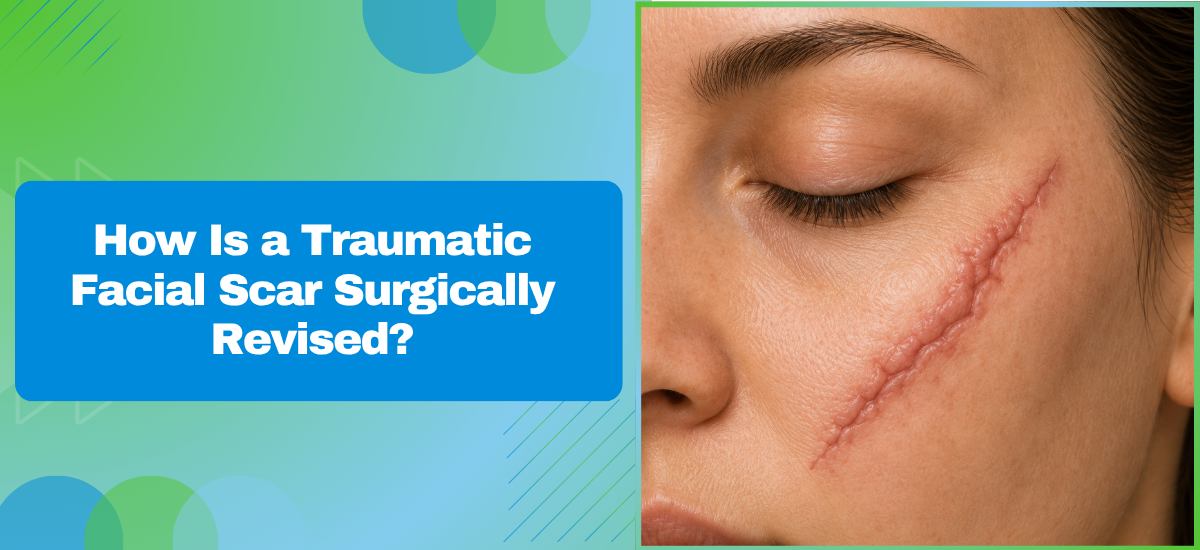
How Is a Traumatic Facial Scar Surgically Revised?
A traumatic facial scar gets revised by removing the existing scar tissue and closing the wound along the skin’s natural creases. This lets the new scar sit flatter and blend in far better than the original ever did. It’s worth setting expectations early though....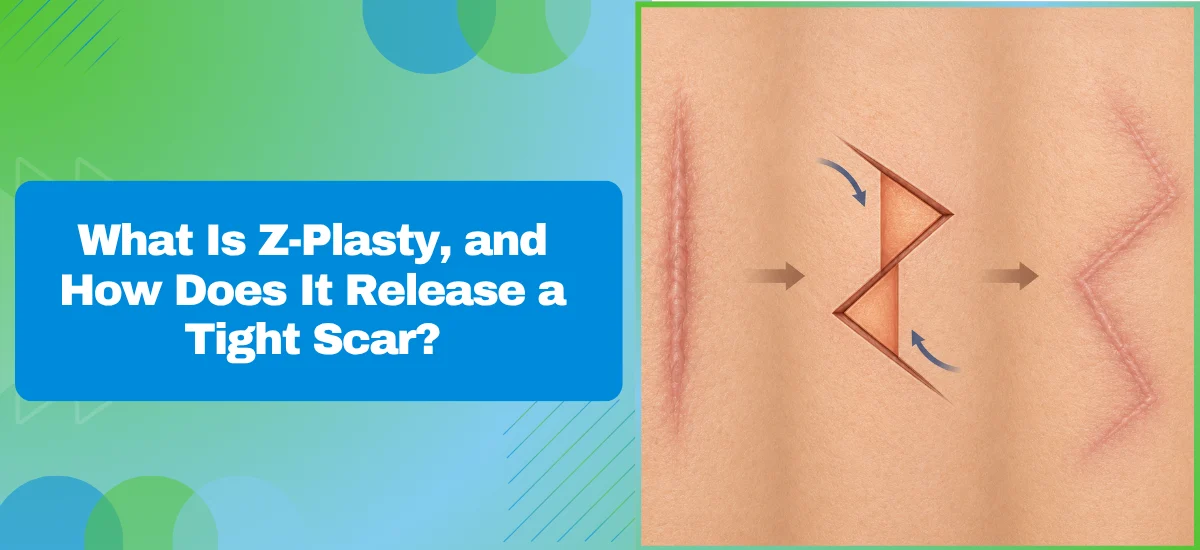
What Is Z-Plasty, and How Does It Release a Tight Scar?
Z-plasty is a surgical technique surgeons use to lengthen a tight scar that pulls on the surrounding skin, often across a joint. The surgeon makes cuts shaped like the letter Z on either side of the scar, then repositions the resulting triangular flaps so tension gets...