
Most people hear about lymph node transfer surgery after years of compression sleeves and therapy sessions that have stopped making a difference. It’s usually considered when lymphedema is moderate to severe and long-standing. Healthy nodes, taken with their own blood supply, are placed in the limb so fluid has somewhere to go. It isn’t a first step, though, and it doesn’t suit everyone.
According to Dr. Leena Jain, plastic surgeon in Mumbai, “Surgery comes into the discussion only after good conservative care has had a fair trial. Imaging of the lymphatic vessels and the condition of the tissue guide whether a node transfer makes sense. The aim is better drainage, not a cure.”
Who Is a Suitable Candidate for a Lymph Node Transfer?
Suitability comes down to how advanced the lymphedema is and what has already been tried. Surgeons also look at the patient’s general health before suggesting anything.
- Moderate to Severe Swelling: Surgeons tend to reserve node transfer for lymphedema that’s well past the early stage, with firm swelling and visible changes to the skin. Mild swelling that comes and goes is normally managed without an operation.
- Poor Response to Conservative Care: By the time surgery is discussed, the patient has usually spent months in properly fitted compression, drainage therapy, and exercise. The turning point is when the limb keeps swelling anyway, or keeps getting bigger.
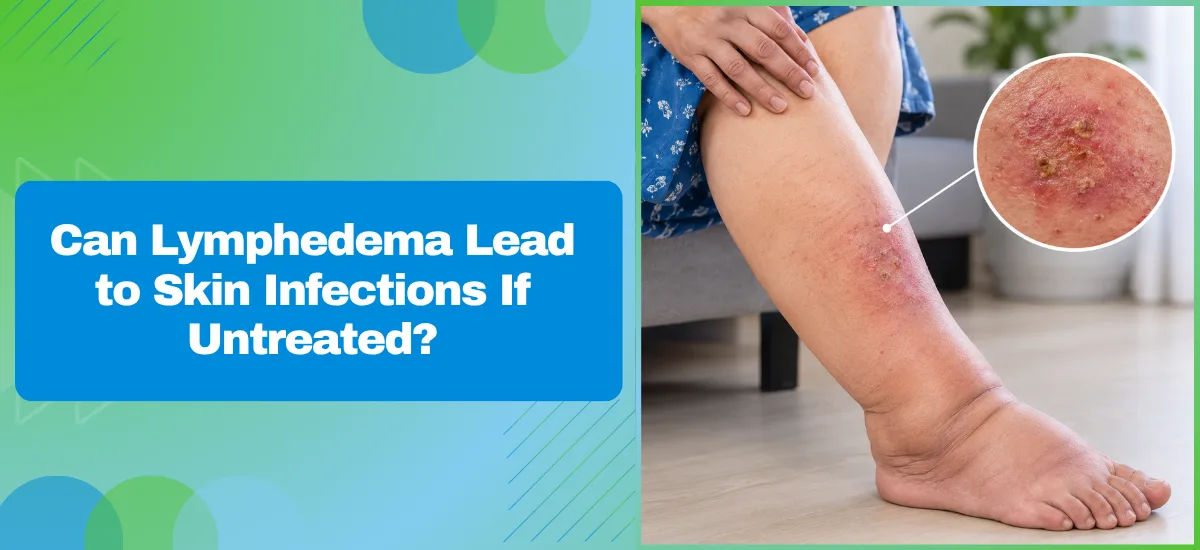
- Repeated Infections: Recurrent cellulitis can be a sign that the limb’s drainage is failing badly. Some patients consider a transfer partly to reduce how often infections occur.
- Fitness for Microsurgery: It’s a long operation under general anaesthetic, so the patient has to be well enough to go through it. Anyone with an active infection or active cancer will usually be asked to wait, or offered a different route.
No single point settles the question. They’re weighed together at a lymphedema treatment consultation.
How Does a Lymph Node Transfer Work?
Lymph node transfer sits on the medical reconstruction side of plastic surgery, because it rebuilds a function rather than a shape. The nodes travel with their own artery and vein, which is what keeps them alive in the new spot.
- Donor Nodes: A small group of nodes is taken from an area such as the groin, the side of the neck, or the chest wall, along with its artery and vein. Which area is used depends on the patient’s anatomy and on keeping the donor site safe.
- Microsurgical Connection: The artery and vein of the nodes are stitched to matching vessels in the arm or leg, with the surgeon working under a microscope. It’s the same technique used in other free tissue transfers.
- Placement in the Limb: Nodes can be placed high, near the armpit or groin, or lower down at the wrist or ankle. For a swollen leg, the lower position has the advantage of gravity working in the nodes’ favour.
- Gradual Effect: The transferred nodes are believed to draw fluid out of the surrounding tissue, and that takes months to show rather than weeks. Compression is often still needed in the meantime.
The technique is borrowed from other microsurgical rebuilds, and the reasoning is explained in Why Is Free Tissue Transfer the Gold Standard? In this case the tissue is moved to help drainage, not to cover a wound.
What Determines the Treatment Plan?
Node transfer is only one of the surgical options, and which one fits depends on what the lymphatic system is still able to do. Tests and the patient’s own priorities both count.
- Lymphatic Imaging: ICG lymphography and similar scans show how lymph is moving through the limb and whether any usable vessels are left. If there are, a lymphatic bypass may be a better fit than a node transfer.
- Stage and Tissue Changes: Tissue that has turned firm and fibrotic often responds less well, so surgeons check how much of the swelling is fluid and how much has become fat or scar. That mix has a real effect on what surgery can achieve.
- Donor Site Risk: Groin nodes carry a small risk of swelling in the donor leg. Mapping the nodes beforehand and taking only a few lowers that risk.
- Patient Goals: One patient may care mostly about fewer cellulitis episodes, another about getting out of daily bandaging. The goal shapes the plan, and it keeps expectations honest.
Overall health and other treatments such as radiotherapy also affect timing. The two main surgical routes are compared in Which Lymphedema Surgery Suits You: LVA or Node Transfer?
Key Takeaways: Lymph node transfer is usually reserved for moderate to severe lymphedema that hasn’t improved with good conservative care. Healthy nodes and their blood supply are moved into the limb to improve drainage, and the benefit builds slowly. Candidacy depends on lymphatic imaging, tissue condition, general health, and the risk to the donor site. It can reduce swelling and infections in many patients, but it isn’t a cure, and some compression is often still needed.
Wondering if your lymphedema has reached the stage where surgery is worth discussing?
FAQs
Does a lymph node transfer cure lymphedema?
No, it improves drainage and reduces swelling but doesn’t remove the condition. Many patients still need some compression afterwards.
How soon will I notice a difference?
It’s usually slow, and several months can pass before the change is clear. Measurements of the limb are taken along the way to track progress.
Can taking lymph nodes cause swelling at the donor site?
It’s a recognised risk, particularly with groin nodes. Careful mapping and taking only a few nodes lowers it.
Does mild lymphedema need a node transfer?
Rarely. Compression, therapy, and skin care are normally enough at that stage.
References
- PMC: Vascularized Lymph Node Transfer for Lymphedema: https://pmc.ncbi.nlm.nih.gov/articles/PMC5891655
- PubMed: Vascularized lymph node transfer for treatment of extremity lymphedema: An overview of current controversies regarding donor sites, recipient sites and outcomes: https://www.ncbi.nlm.nih.gov/pubmed/29572824
Disclaimer: This blog is for educational purposes only. Consult a qualified surgeon to find out whether lymph node transfer suits your condition.
